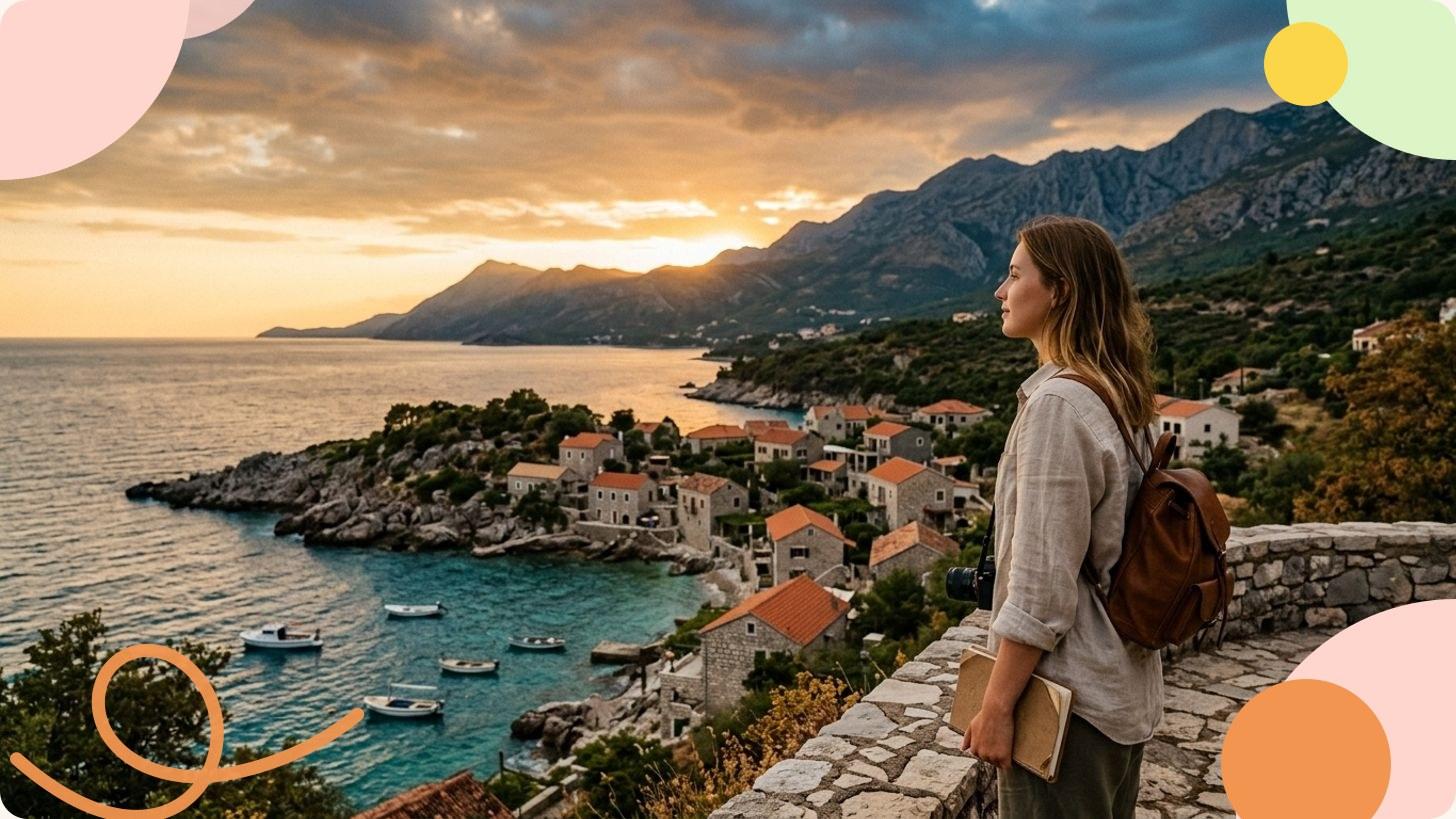

Croatia packs into a single country what many travellers chase across several destinations: a UNESCO-listed walled city, jade-green waterfalls, islands dotted with secluded coves and a distinctive local cuisine all its own. Here is what genuinely deserves your time, from the Dalmatian coast to the inland national parks.
Get travel insurance for CroatiaDubrovnik: walking the walls above the Adriatic
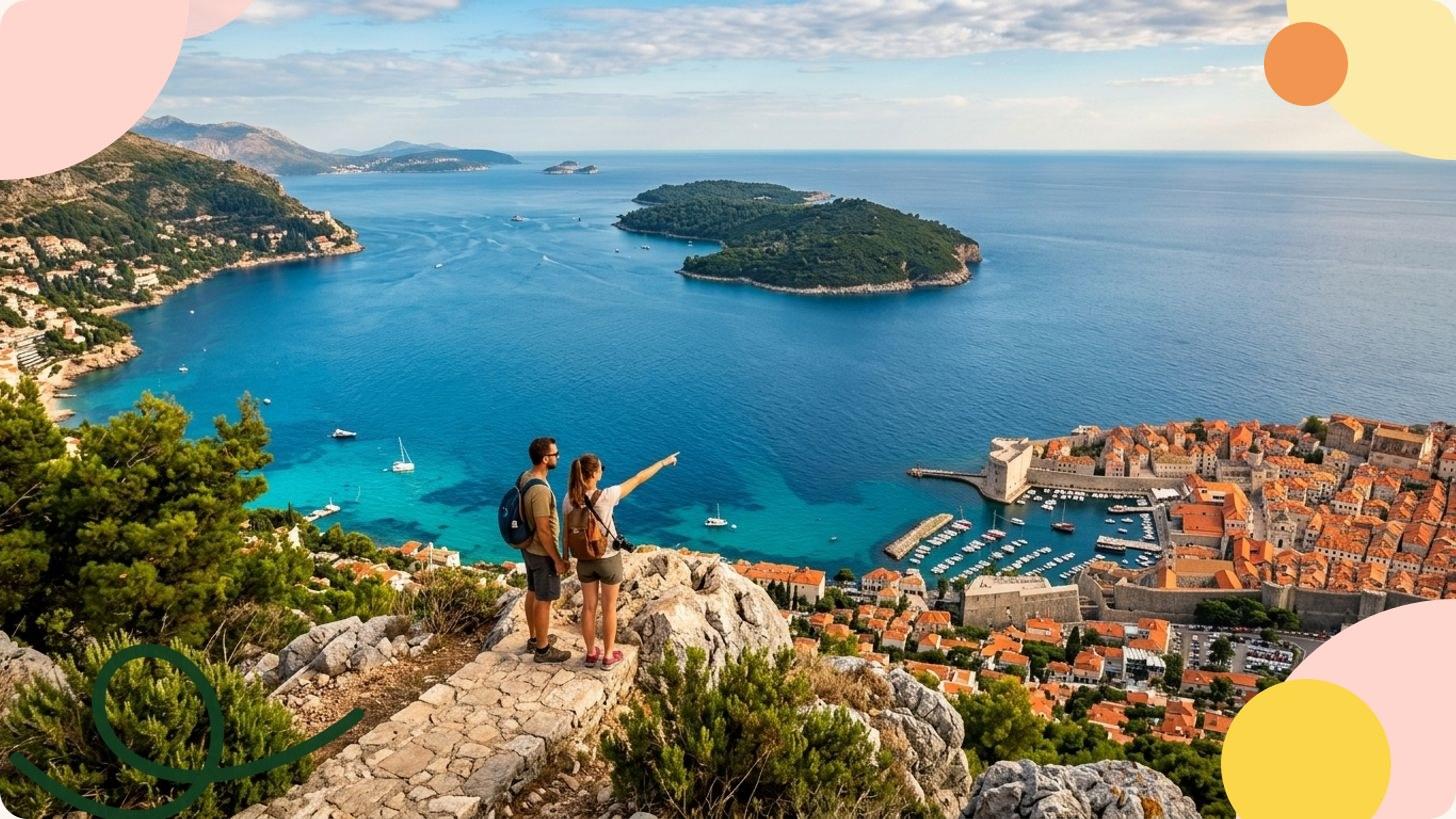
Dubrovnik’s old town, ringed by medieval walls and inscribed on the UNESCO World Heritage List, is entirely walkable. The ramparts circuit delivers a 360-degree view over terracotta rooftops, cobbled lanes and the open sea. Set out early – crowds build from 10am onwards in July and August.
Game of Thrones used these very streets as its primary King’s Landing set, and fans will spot familiar locations around every corner. A 15-minute ferry from the old harbour drops you on Lokrum island, where a botanical garden and a saltwater lake offer a welcome escape from the walls.
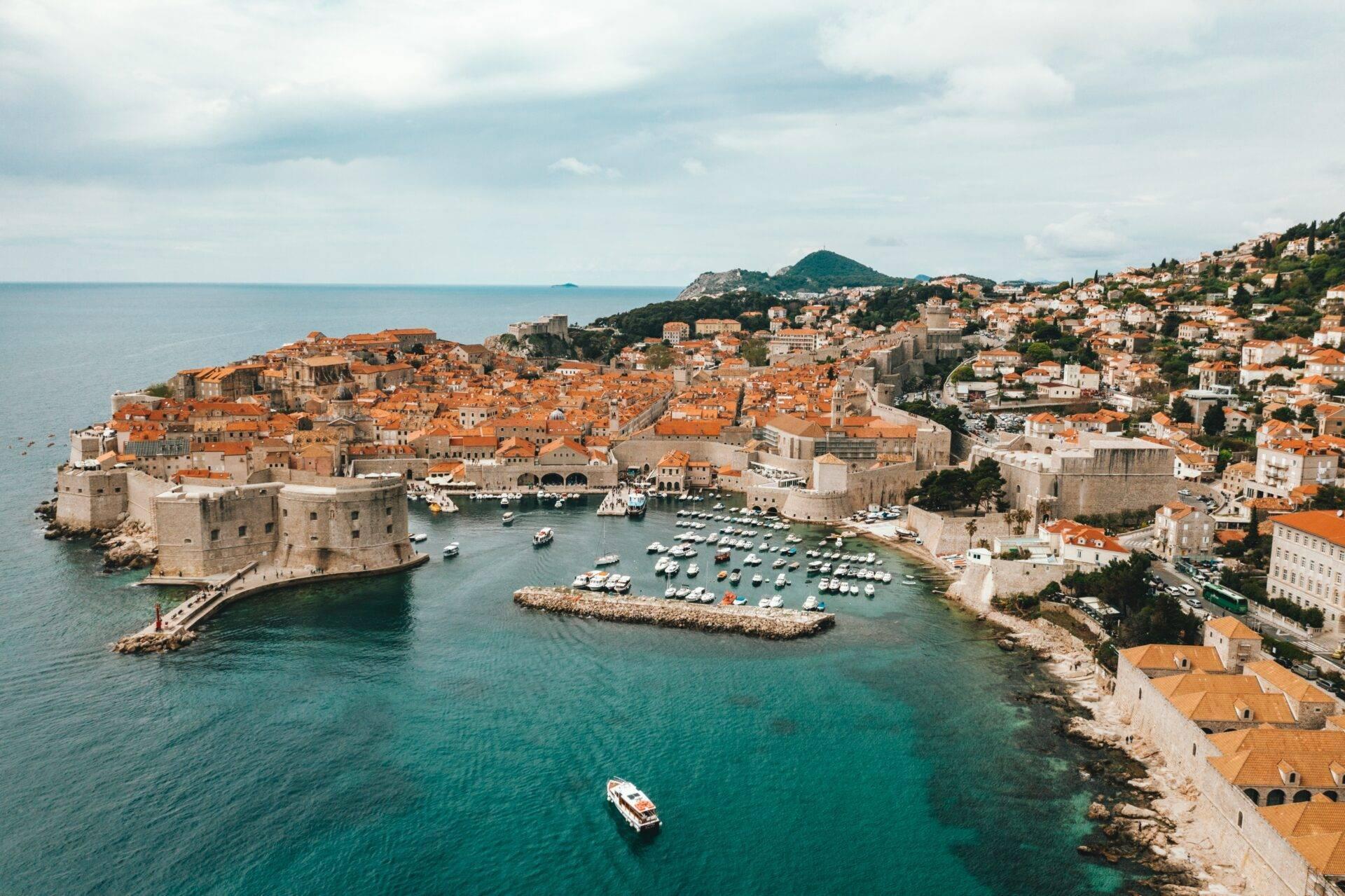
Split: living inside a Roman palace
In Split, the city centre is built inside Diocletian’s Palace, a 4th-century structure inscribed on the UNESCO World Heritage List. Bars, flats and restaurants now occupy its ancient cellars and open-air courtyards. You eat dinner at the foot of Roman columns and take your morning coffee in what was once the imperial peristyle. It is one of the few cities in the world where antiquity and everyday life overlap so completely.
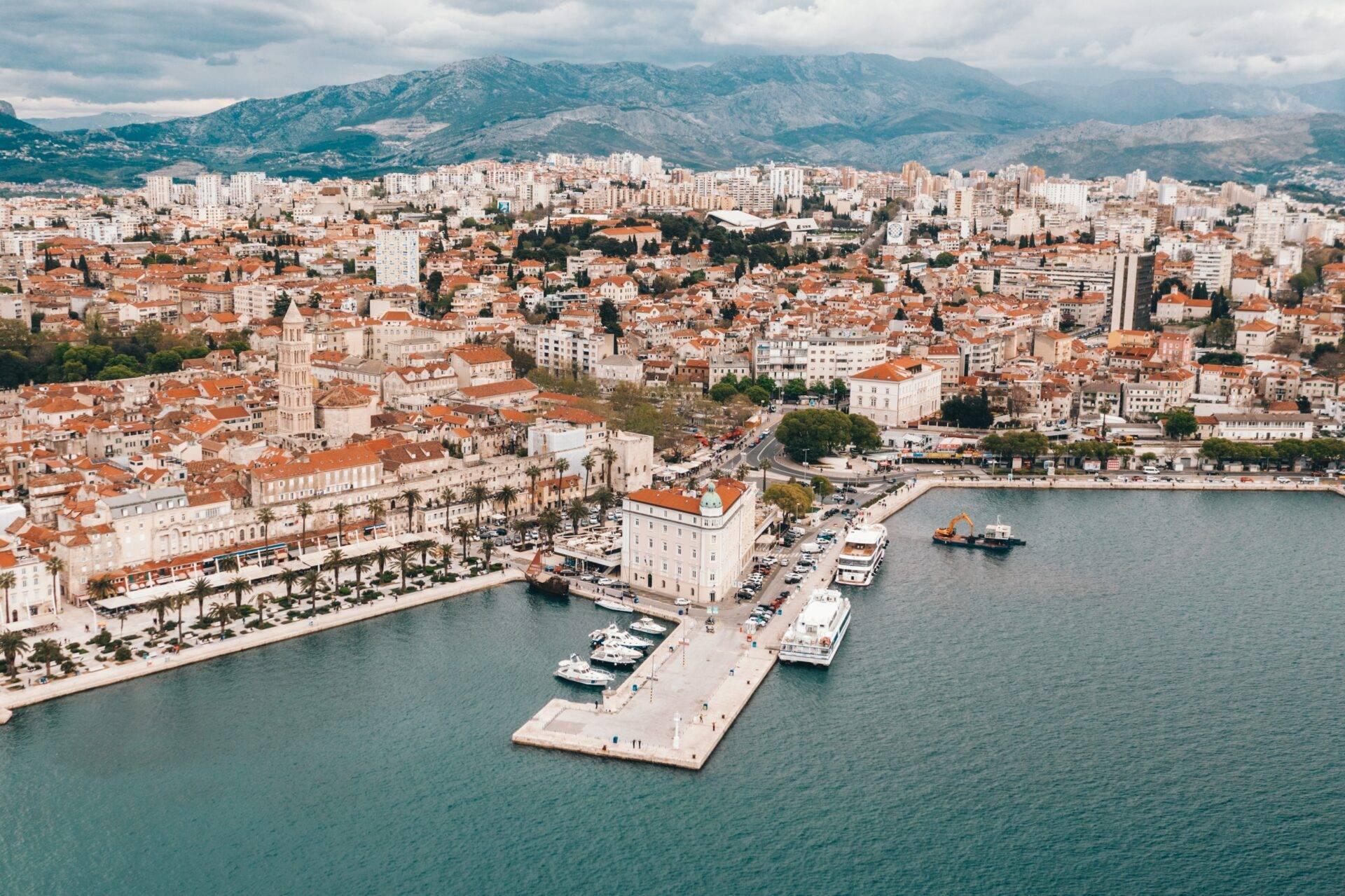
Split is also the main hub for reaching the Dalmatian islands by ferry or catamaran – Brač, Hvar, Vis, Korčula. It is usually where the island hop begins.
Island hopping in Dalmatia
The Split - Brač - Hvar - Korčula - Dubrovnik route is the most popular Dalmatian circuit and one of the best-connected in the Mediterranean. Regular ferries link the main islands in under an hour. No car needed: catamaran services from Split make it easy to get around on foot or by bicycle once you arrive.
Hvar: lavender, coves and a lively nightlife
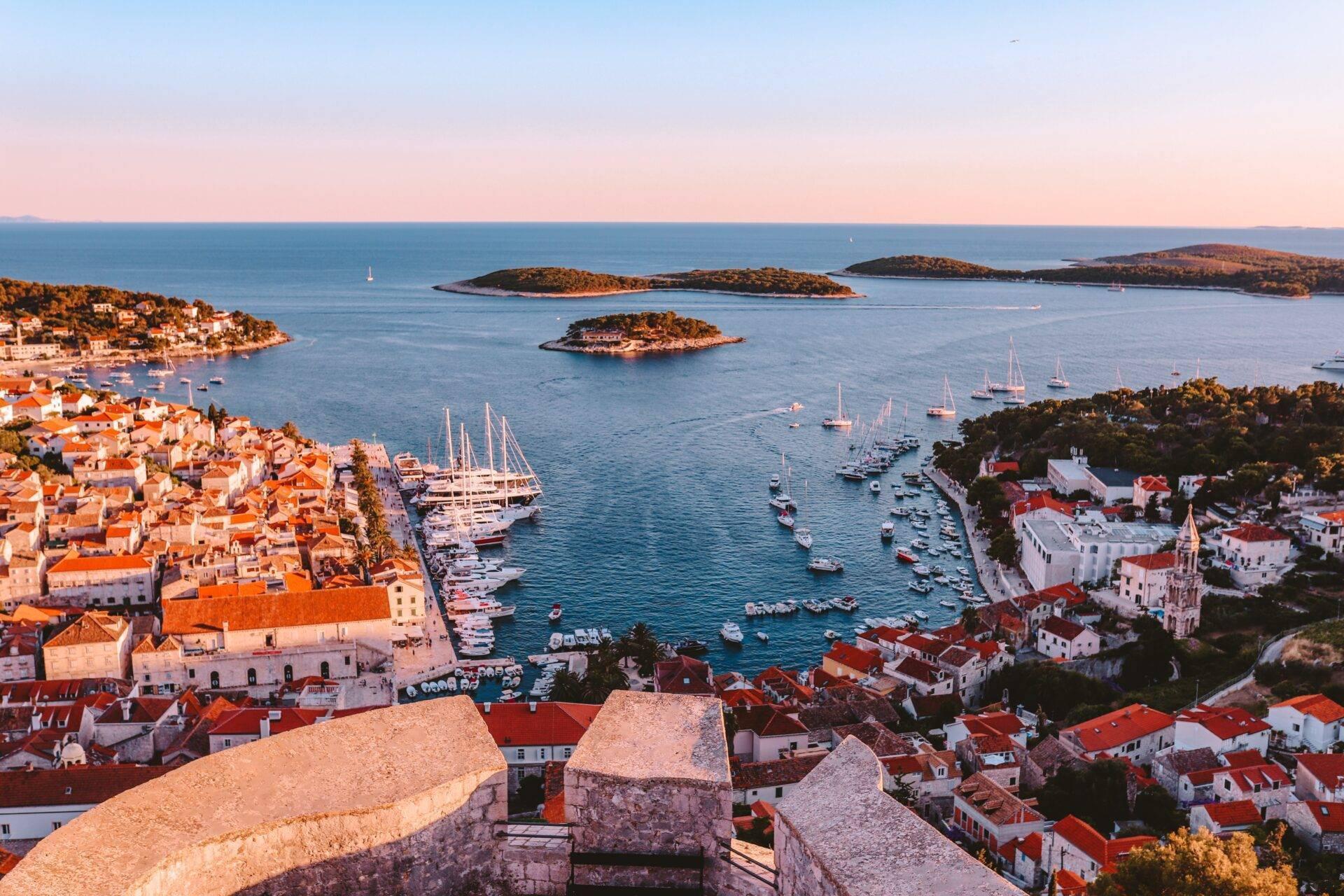
Hvar is the most sought-after island in southern Croatia. Its Venetian-influenced historic centre, lavender fields rolling through the hinterland and hidden coves make it a genuinely versatile destination. Come evening, the harbour terraces and old-town bars come alive well into the night. For a quieter experience, hire a scooter and seek out the secluded bays along the back of the island.
The island of Brač and Zlatni Rat beach
Brač is reachable from Split in under an hour by ferry. Its star attraction, Zlatni Rat, is a 634-metre shingle spit that juts into the sea and shifts shape with the currents and wind. Perfect for windsurfing, it is connected to the town of Bol by a 20-to-30-minute coastal path lined with pine trees.
Mljet: a national park between the arms of the sea
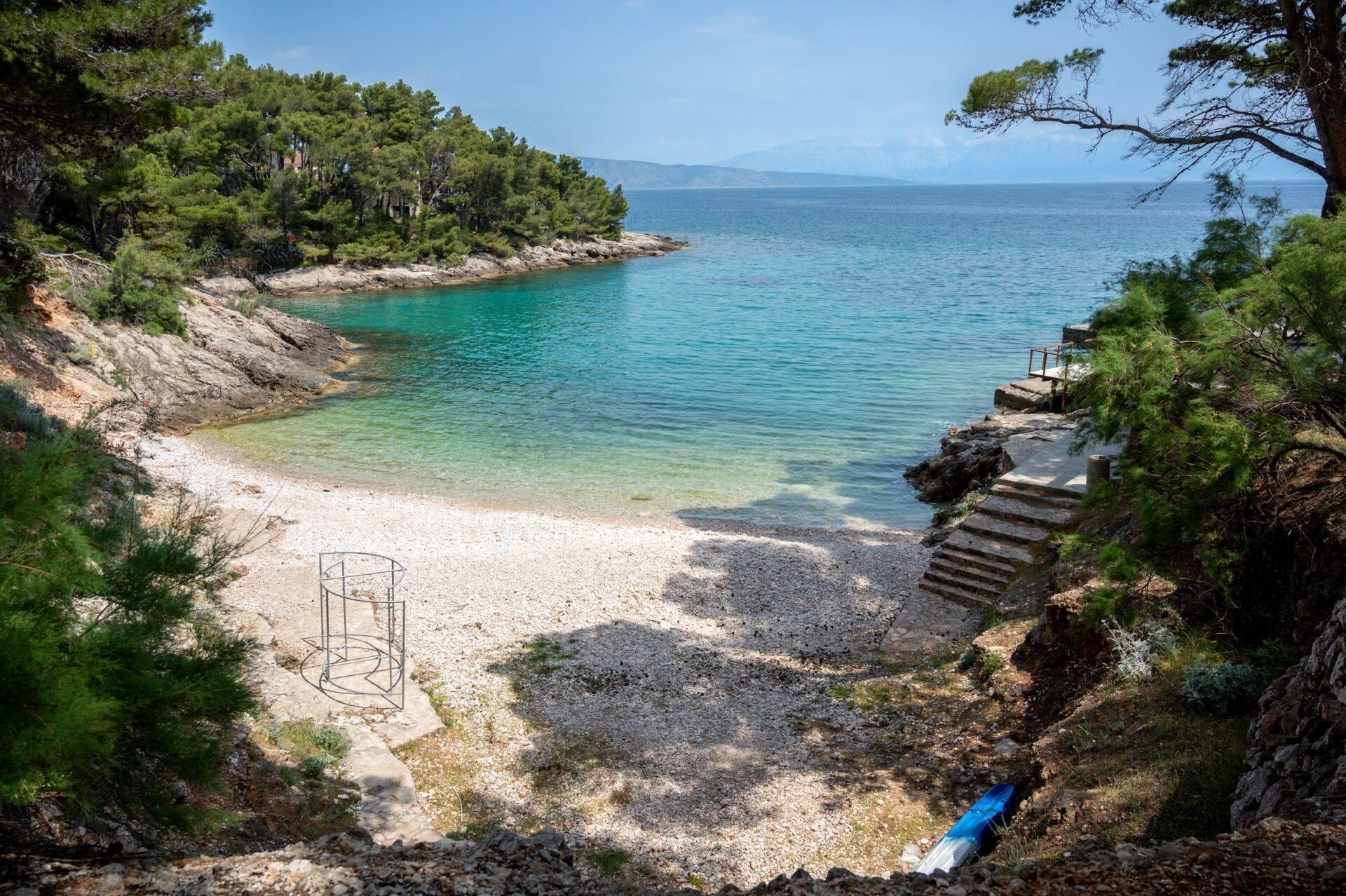
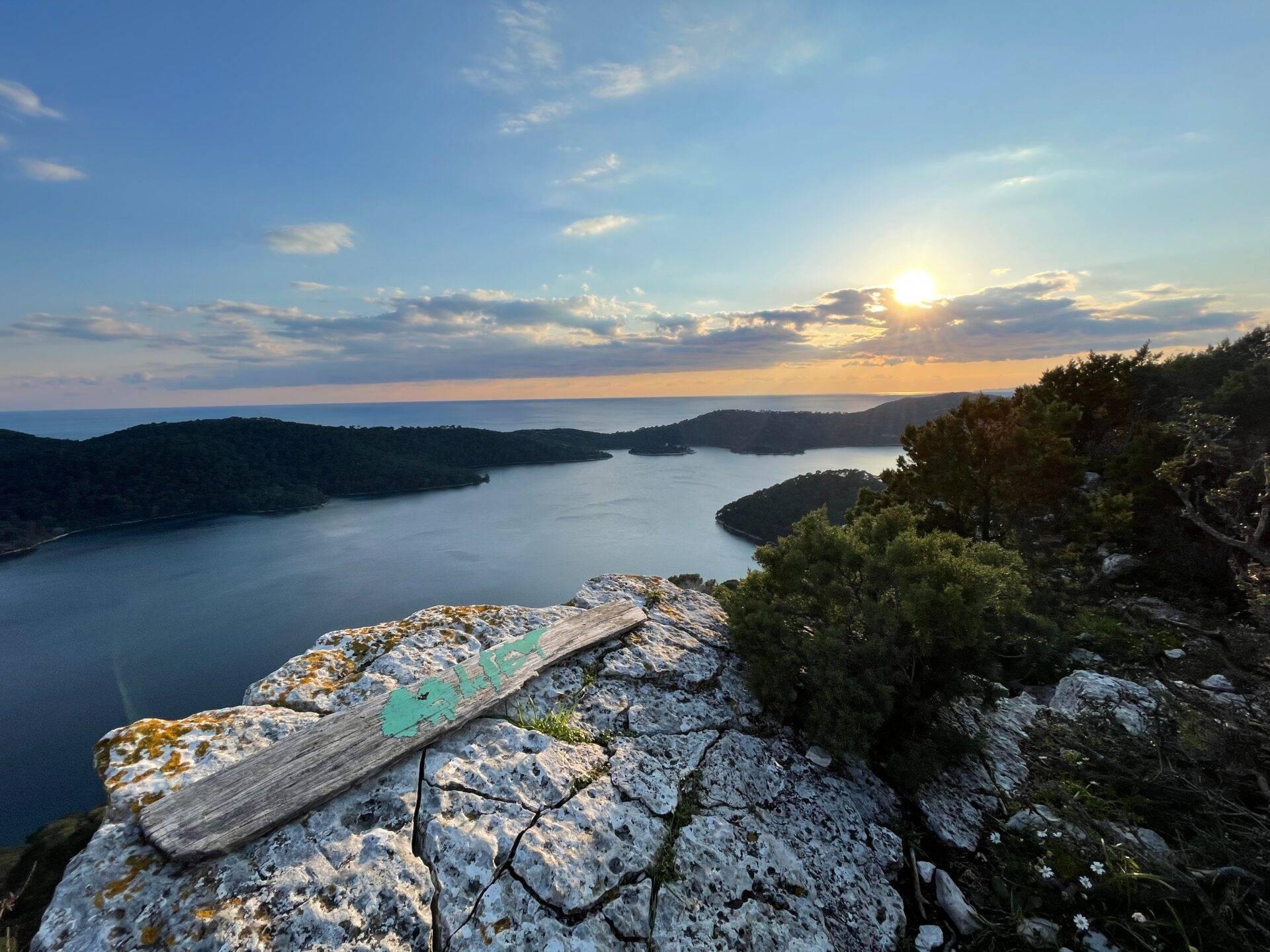
Mljet is home to one of the country’s most unusual national parks: two saltwater lakes connected to the sea, ringed by dense pine forests. Bicycles and kayaks are available to hire and let you explore the park at your own pace. Saplunara beach, at the eastern tip of the island, is one of the most unspoilt stretches of sand in Dalmatia.
The northern Adriatic islands
The island of Krk: large, accessible and varied
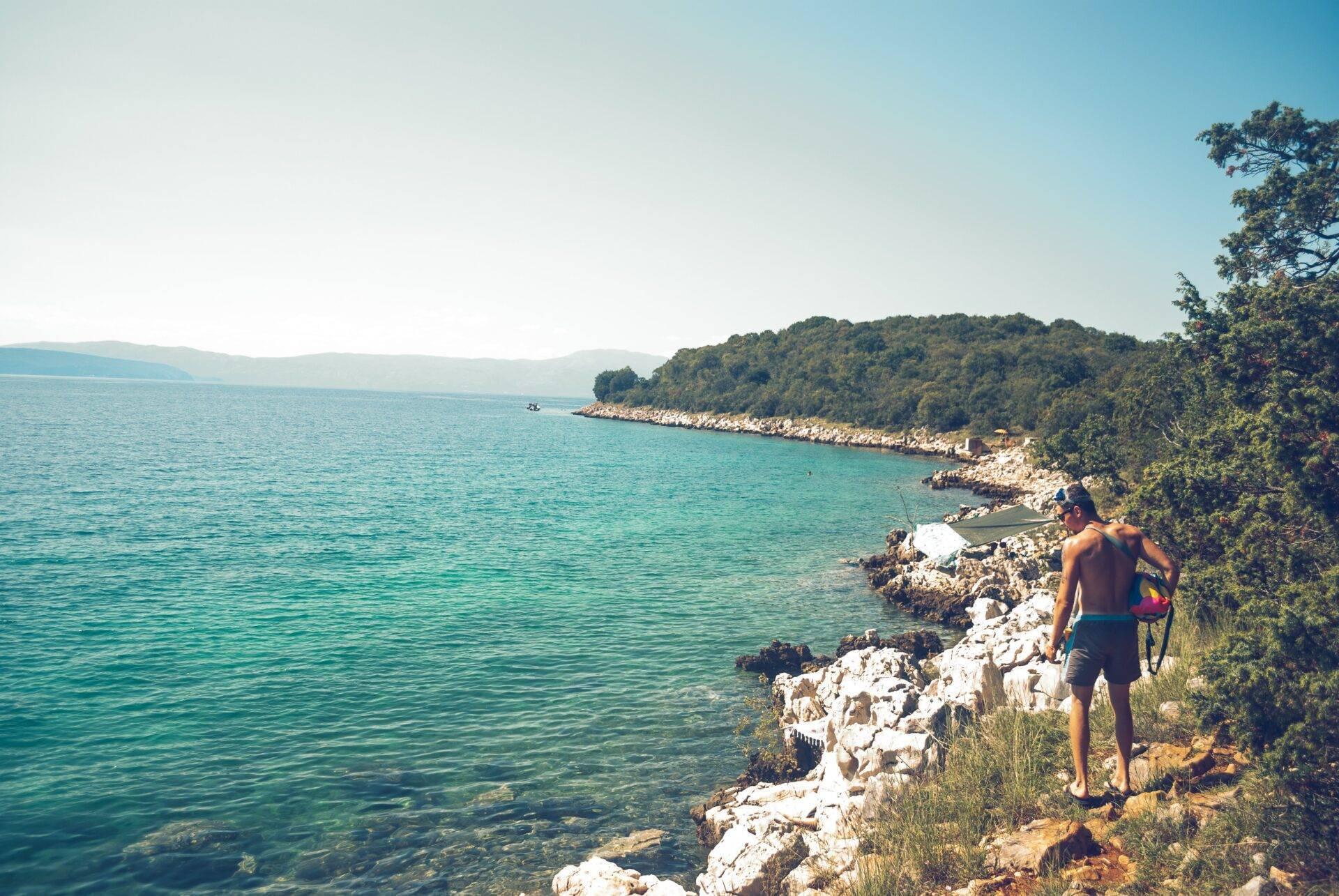
Krk is Croatia’s largest island and the only one connected to the mainland by a bridge. It brings together medieval villages, pebble beaches and clear waters in one easily accessible package. Krk town retains its ancient walls and a Romanesque cathedral. Hiking trails lead into the island’s interior, well away from the beaches.
The island of Lošinj: dolphin watching
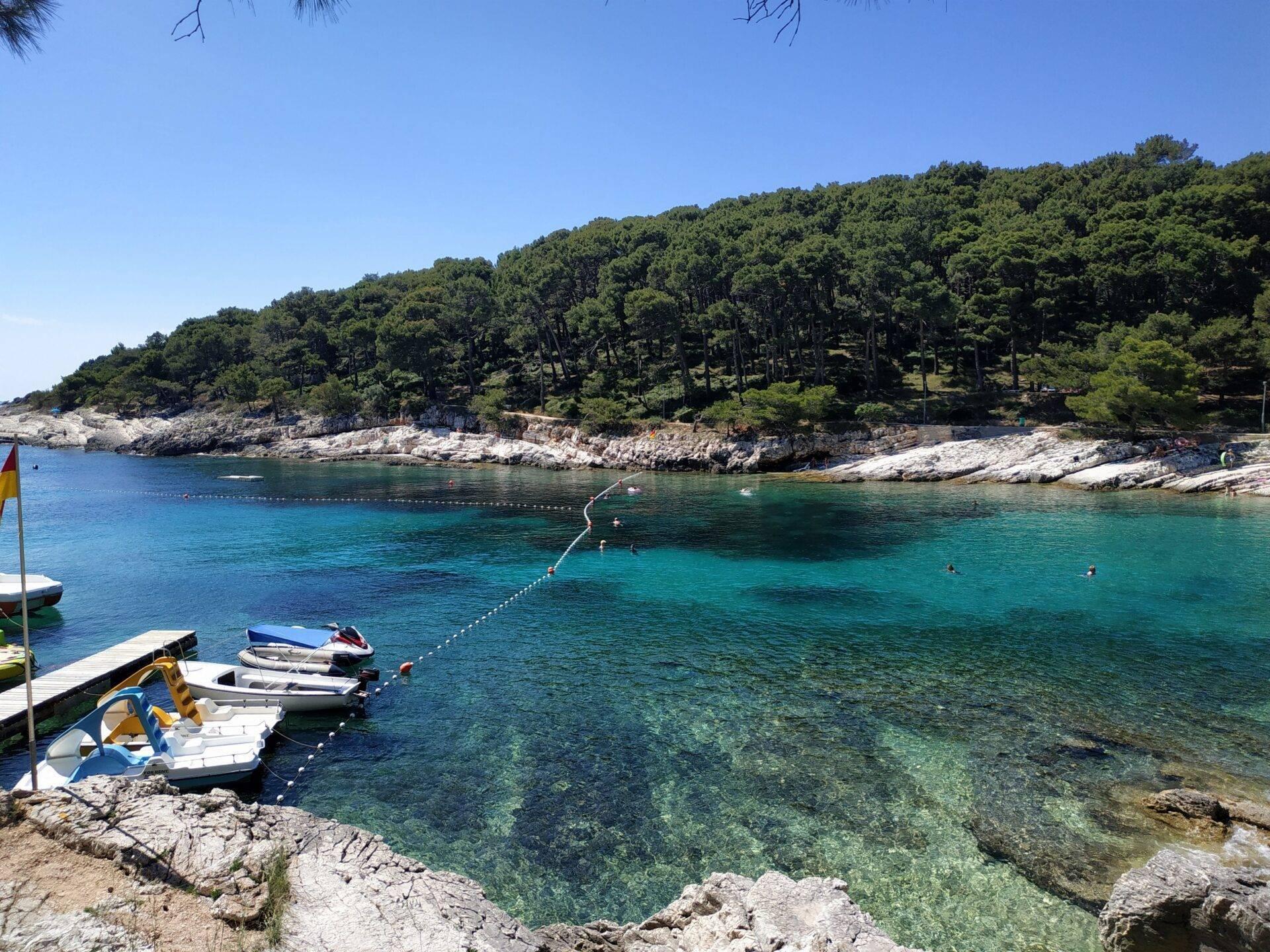
Lošinj stands out for its exceptional marine biodiversity. The island is home to a marine animal rehabilitation centre and runs dolphin-watching excursions in the Kvarner waters. Hiking paths wind through pine-covered hills, and the coves here remain among the quietest in the northern Adriatic.
The island of Pag: lunar landscape and local cheese
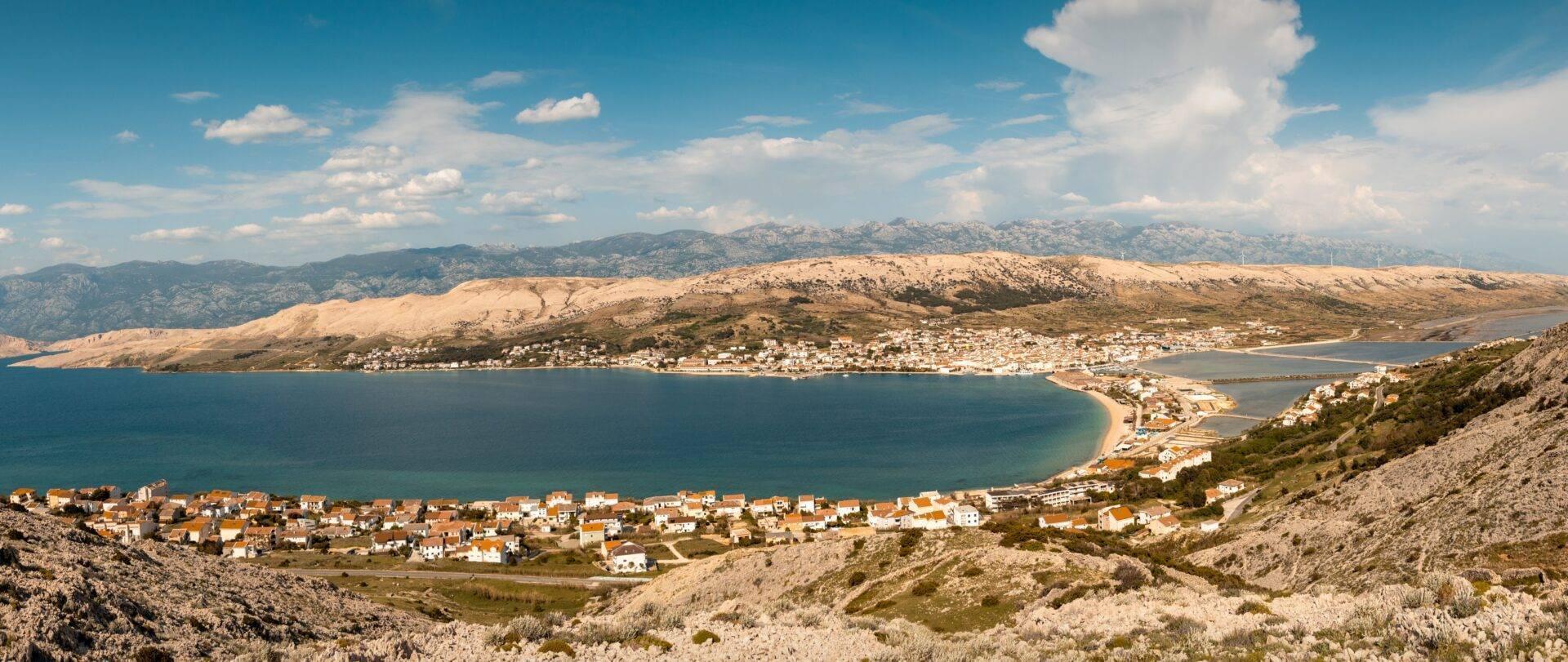
Pag presents a stark landscape of white limestone formations, battered by the bora wind, which makes for a striking contrast with the turquoise waters below. The island is equally known for its cheese, paški sir, made from the milk of sheep that graze on wild aromatic herbs along the shore. Zrće, a lively beach, draws electronic music fans each summer. The towns of Pag and Novalja offer a more relaxed pace.
The Kornati islands: sailing, diving and silence
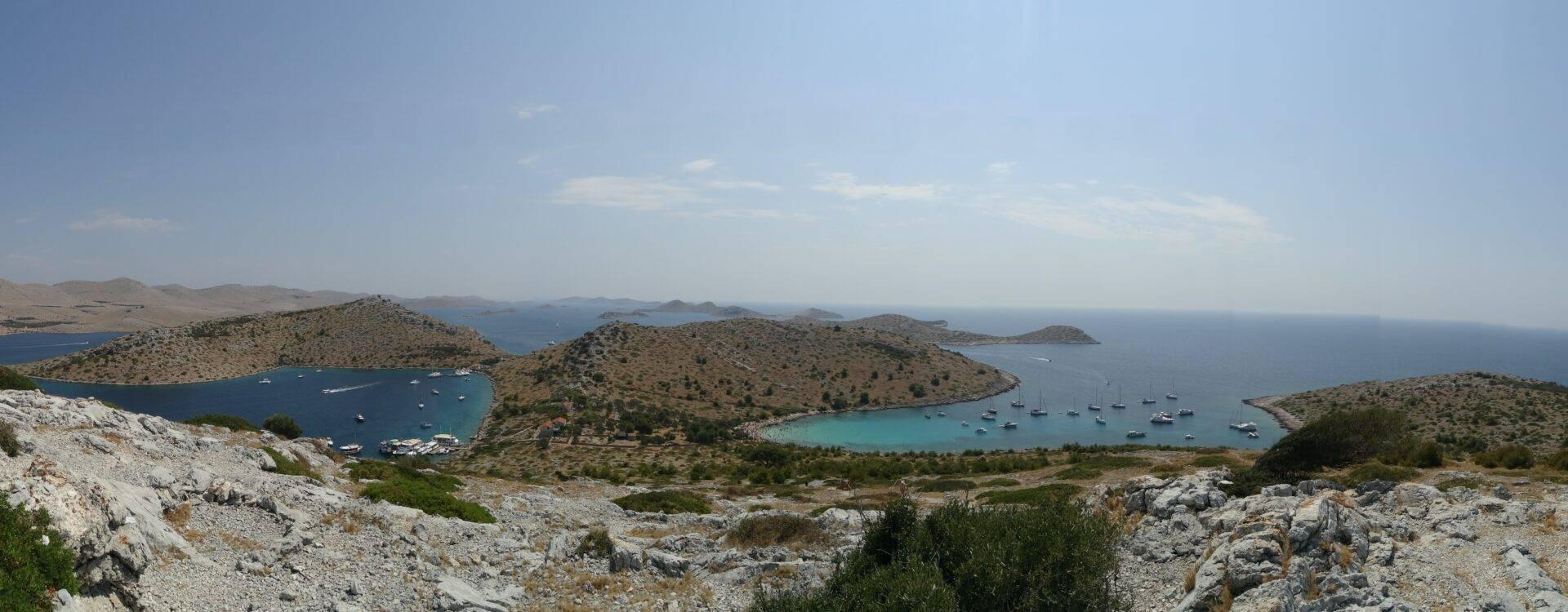
The Kornati archipelago brings together around a hundred wild islands and islets off Zadar, protected within a national park. Their limestone cliffs drop straight into the sea, forming sheer vertical walls that divers rate highly. Day trips from Zadar offer access without the need for a private boat.
The inland natural parks
Plitvice Lakes National Park
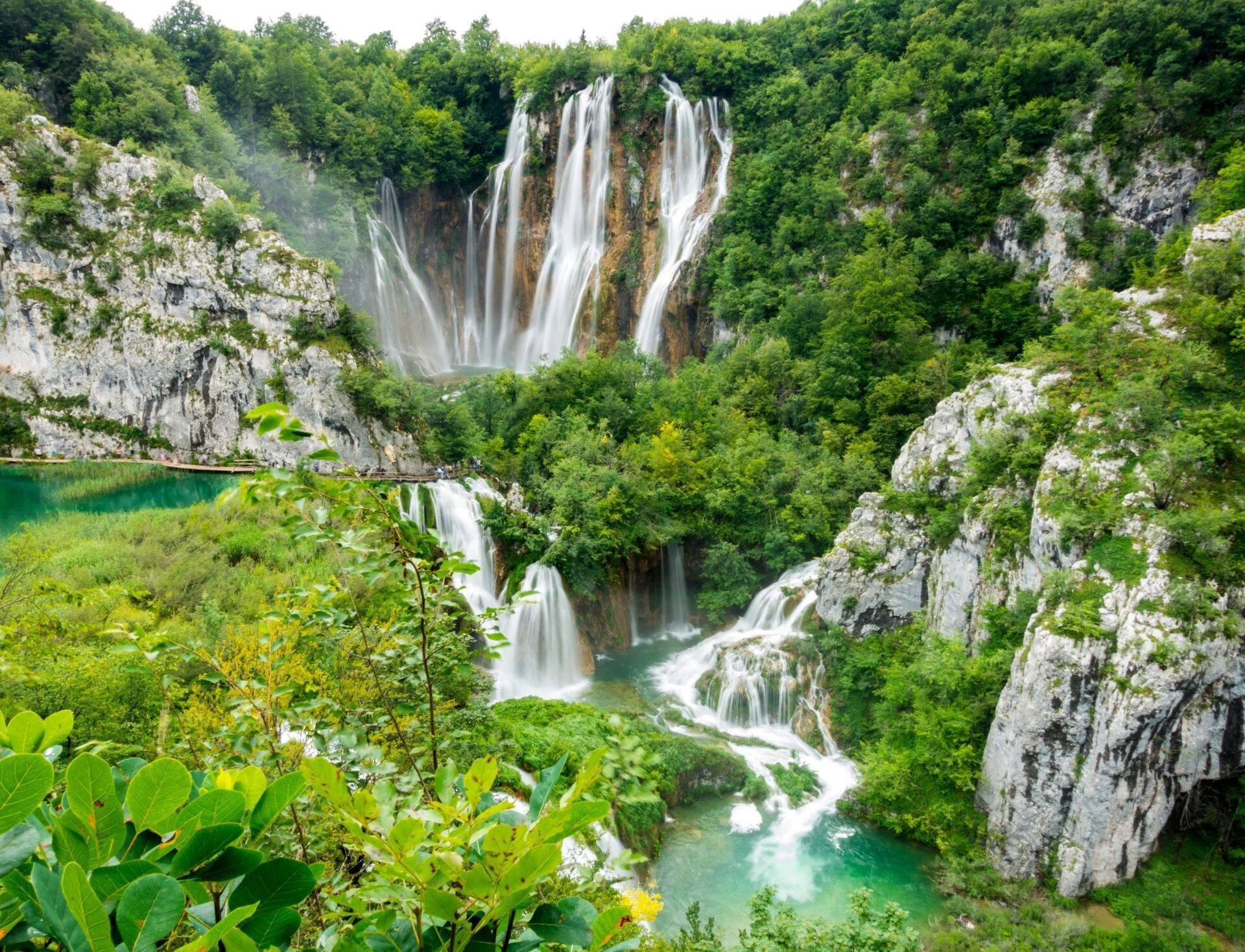
Plitvice Lakes National Park, a UNESCO World Heritage Site, comprises sixteen terraced lakes linked by waterfalls, some of which drop several tens of metres. Wooden boardwalks take you right alongside the cascades. Located roughly two hours by road from Zadar or Zagreb, it is best visited outside July and August for a crowd-free experience.
Biokovo Nature Park
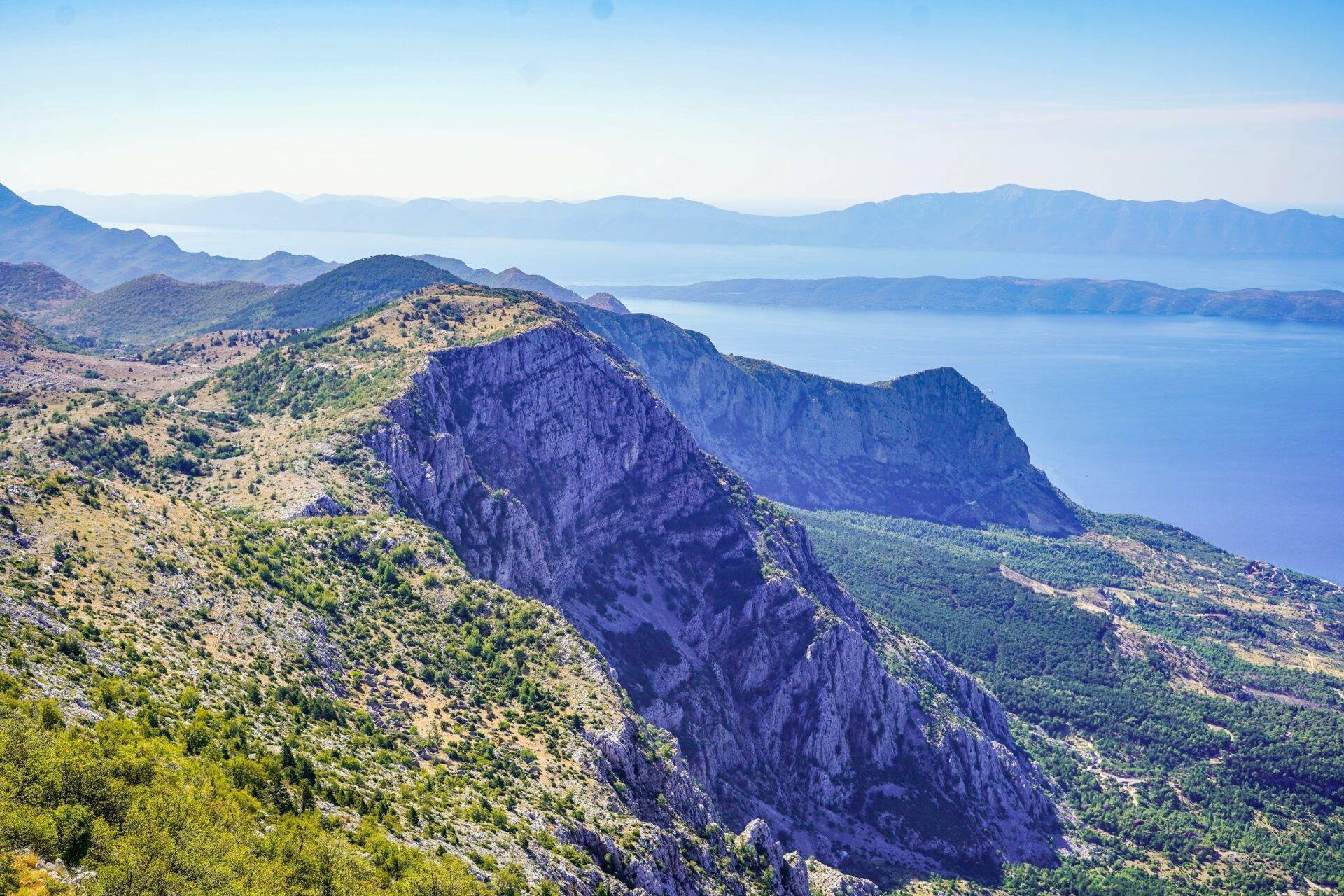
Biokovo rises directly above the Makarska Riviera. Its hiking trails climb limestone ridges all the way to the Sveti Jure summit. From the top, the view sweeps across the Dalmatian coast, the islands of Brač and Hvar and, on a clear day, the mountains of Montenegro. Arrive early in the morning to enjoy the cooler air and the best visibility over the islands.
When to visit Croatia
June and September offer the best balance of weather, prices and crowd levels. The sea is warm enough for swimming (22 to 25°C along the Dalmatian coast), the towns are enjoyable without July’s searing heat, and hotel rates are more accessible than at peak season. July and August remain the prime months for beaches and islands – the sea is at its warmest – but queues at Plitvice and the ferry terminals in Split are at their longest.
For natural parks such as Plitvice, May to June or early September allow for a quieter, more immersive visit.
For everything relating to entry requirements, health, currency and insurance cover, see our Croatia travel insurance page, which brings together all the practical information in one place.
Still weighing up your summer options? Our guide Summer Travel: Portugal, Croatia or Norway compares all three. You might also find our selection Top 3 Southern Europe Destinations useful, or, if Greece is also on your radar, our guide Things to Do in Greece.
FAQ
Which is the best island to visit in Croatia?
It depends what you are after. Hvar draws visitors with its beaches, nightlife and Venetian old town. Brač is best for Zlatni Rat and windsurfing. Lošinj suits those looking for peace and marine wildlife. Mljet offers a water-surrounded national park. For a first trip, the Split - Brač - Hvar route is the most well-rounded option.
Can you visit Croatia without a car?
Yes, as long as you stick to the coast and islands. Ferries and catamarans connect the main Dalmatian islands from Split and Zadar. Dubrovnik is entirely pedestrian-friendly. That said, for Plitvice or isolated villages inland, a hire car is recommended.
How many days do you need to visit Croatia?
For a first visit, allow at least ten days: two in Dubrovnik, two in Split, three to four days on the islands, and one day for Plitvice. With a week, you will need to choose between the Dalmatian coast and the national parks.
What is there to do in Croatia beyond the beaches?
The alternatives to beach time are plentiful: hiking at Biokovo or on Krk, visiting Plitvice, diving in the Kornati, exploring the Roman remains in Split, watching dolphins off Lošinj, tasting local wines on Hvar and Pag cheese, wandering the medieval lanes of Dubrovnik or Korčula.
Does Croatia use the euro?
Yes. Croatia joined the eurozone on 1 January 2023 and has used the euro ever since. For full practical details on entry requirements, health and spending, see our Croatia travel insurance page.