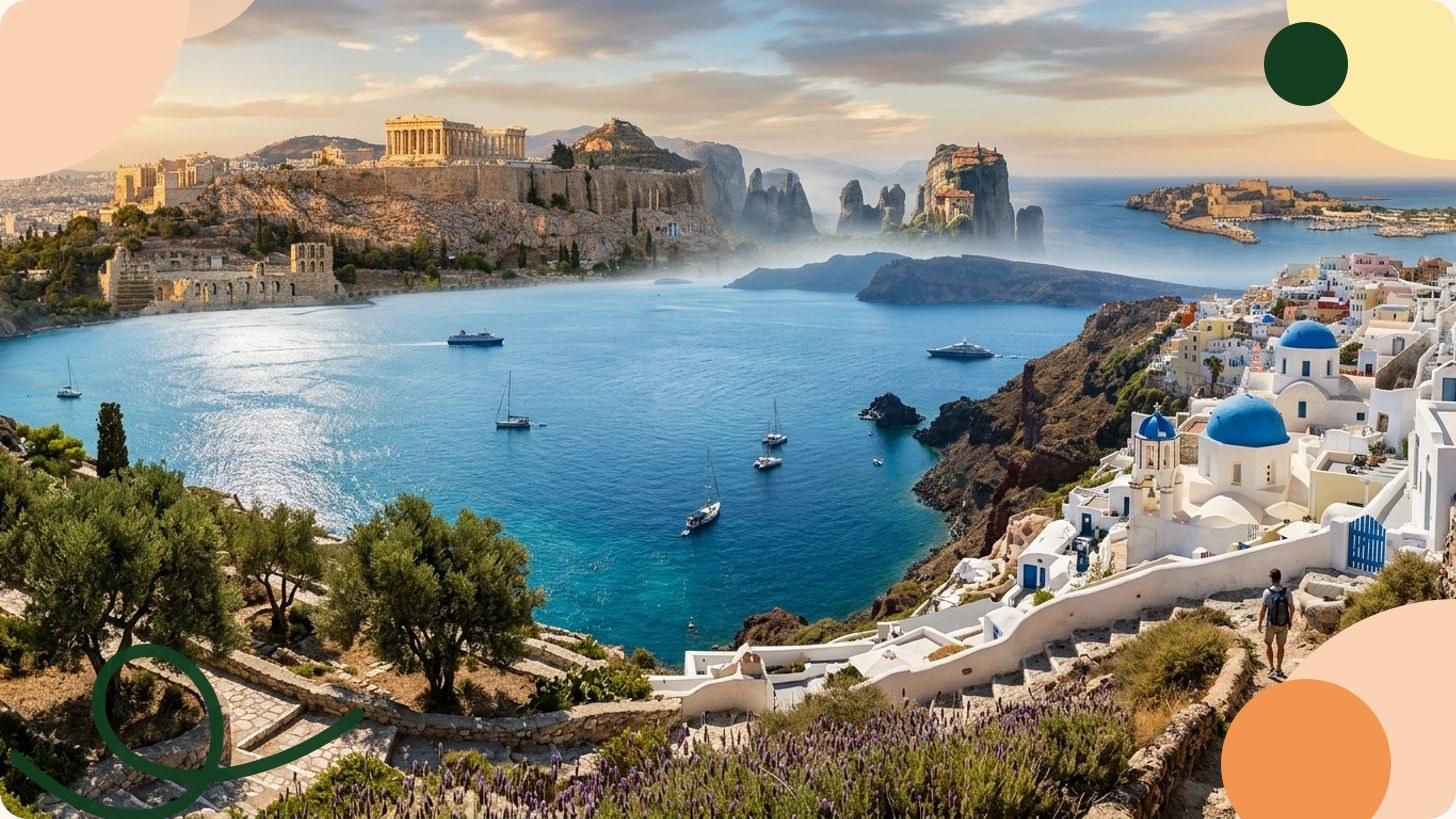

Greece packs ancient ruins spanning 2,500 years, Byzantine monasteries suspended above sheer drops, Cycladic whitewashed villages on the caldera rim and turquoise-water beaches into a single trip. This roundup of twenty highlights covers the major sites, the most memorable islands and a handful of less-travelled corners.
In Athens: history at every turn
1. Athens: far more than the Acropolis
Athens is made for walking, from the cobbled lanes of Plaka to the markets of Monastiraki and the up-and-coming neighbourhood of Koukaki. The Ancient Agora, the Tower of the Winds and the National Archaeological Museum, home to the world’s largest collection of ancient Greek art, make the city worth several days of exploration. Athens is one of the world’s oldest cities, continuously inhabited for more than 3,400 years.
For a detailed programme around the capital, our guide Things to Do in Athens covers neighbourhoods, museums and the best local spots.
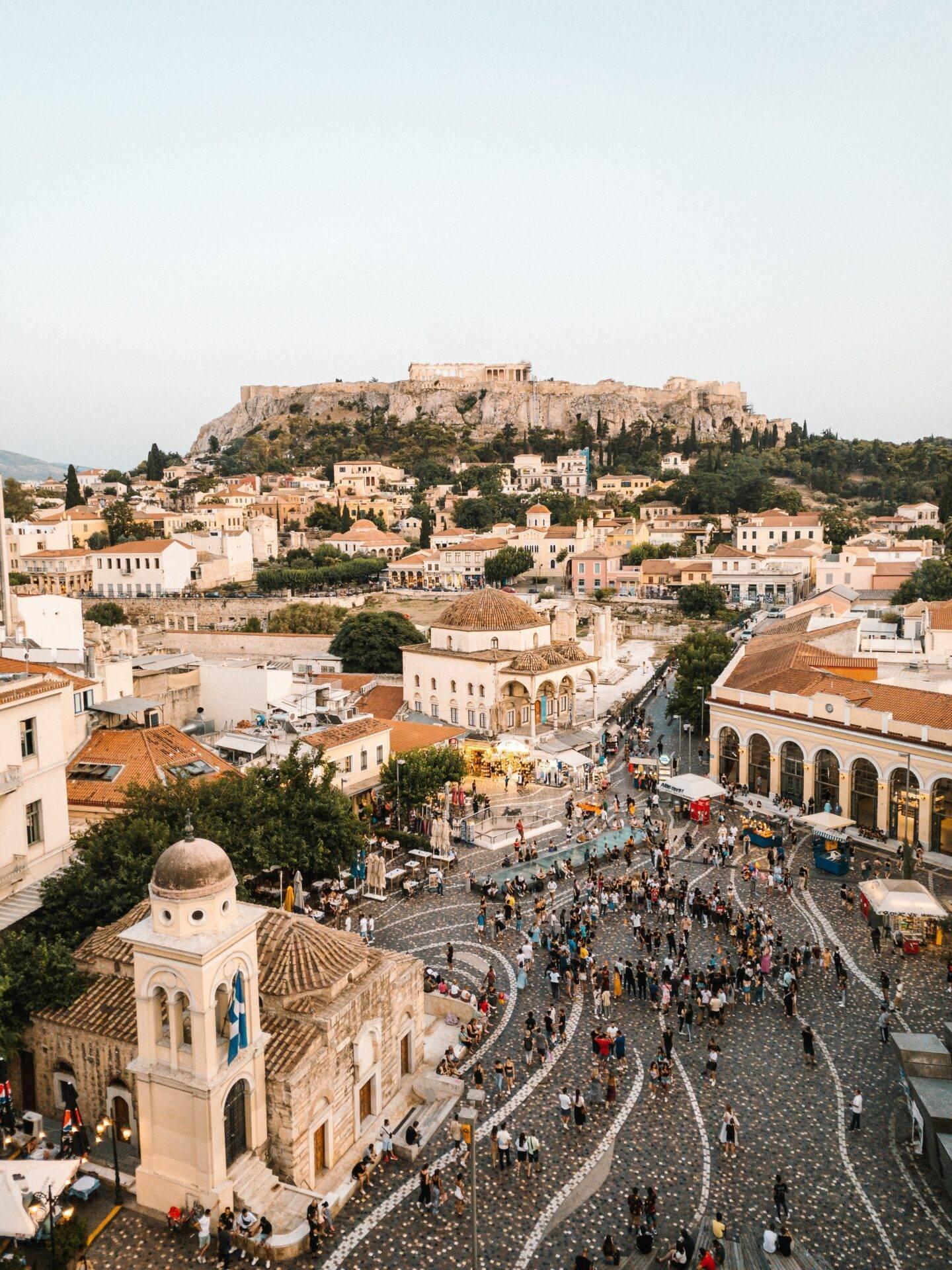
2. The Acropolis and the Parthenon
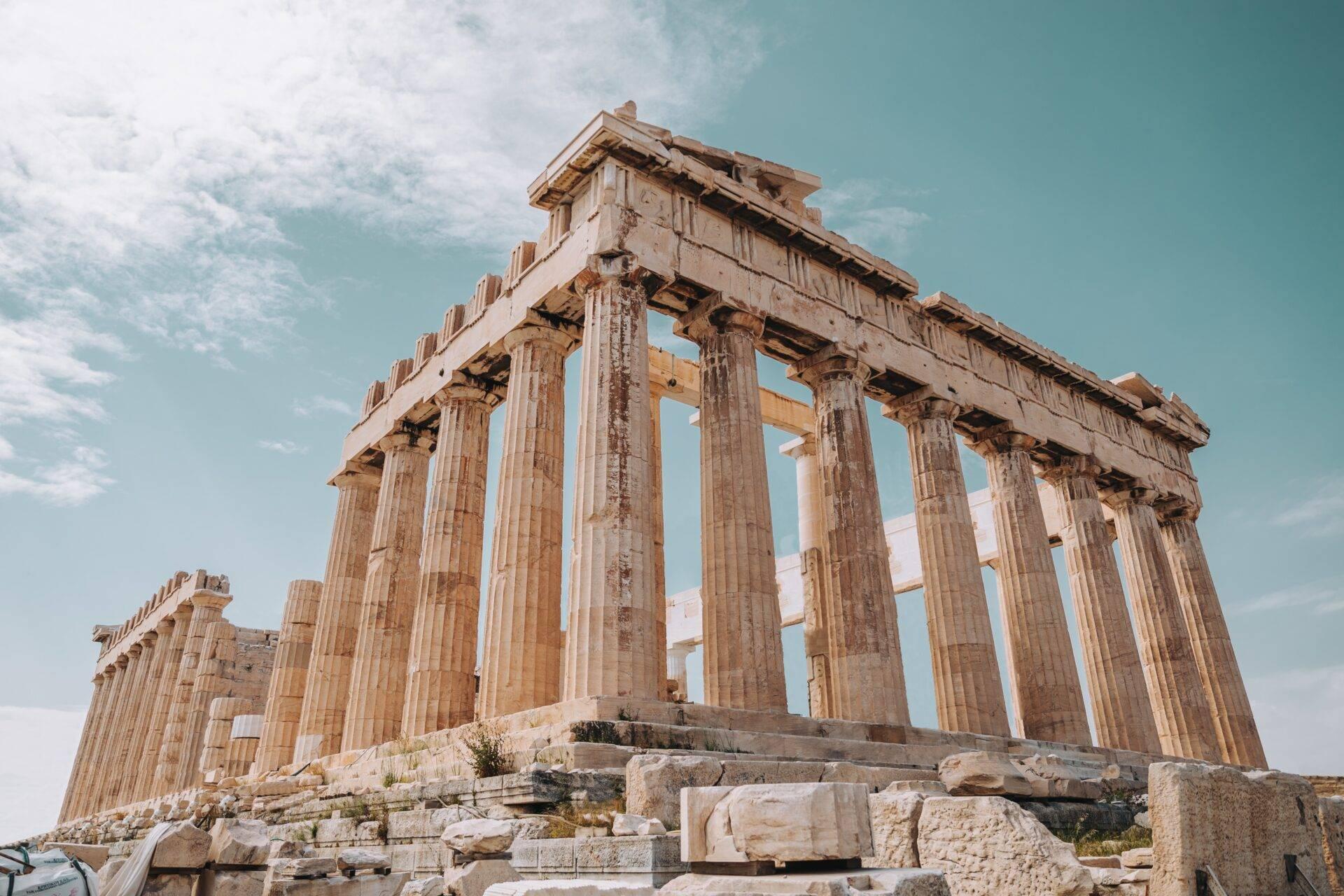
The Acropolis crowns a rocky hill above Athens. The Parthenon, the Temple of Athena Nike, the Erechtheion and the Propylaea form an ensemble built in the 5th century BC under Pericles. The Acropolis Museum, at the foot of the hill, displays the original sculptures and friezes in a luminous contemporary building. Arriving at opening time or late afternoon keeps queues to a minimum.
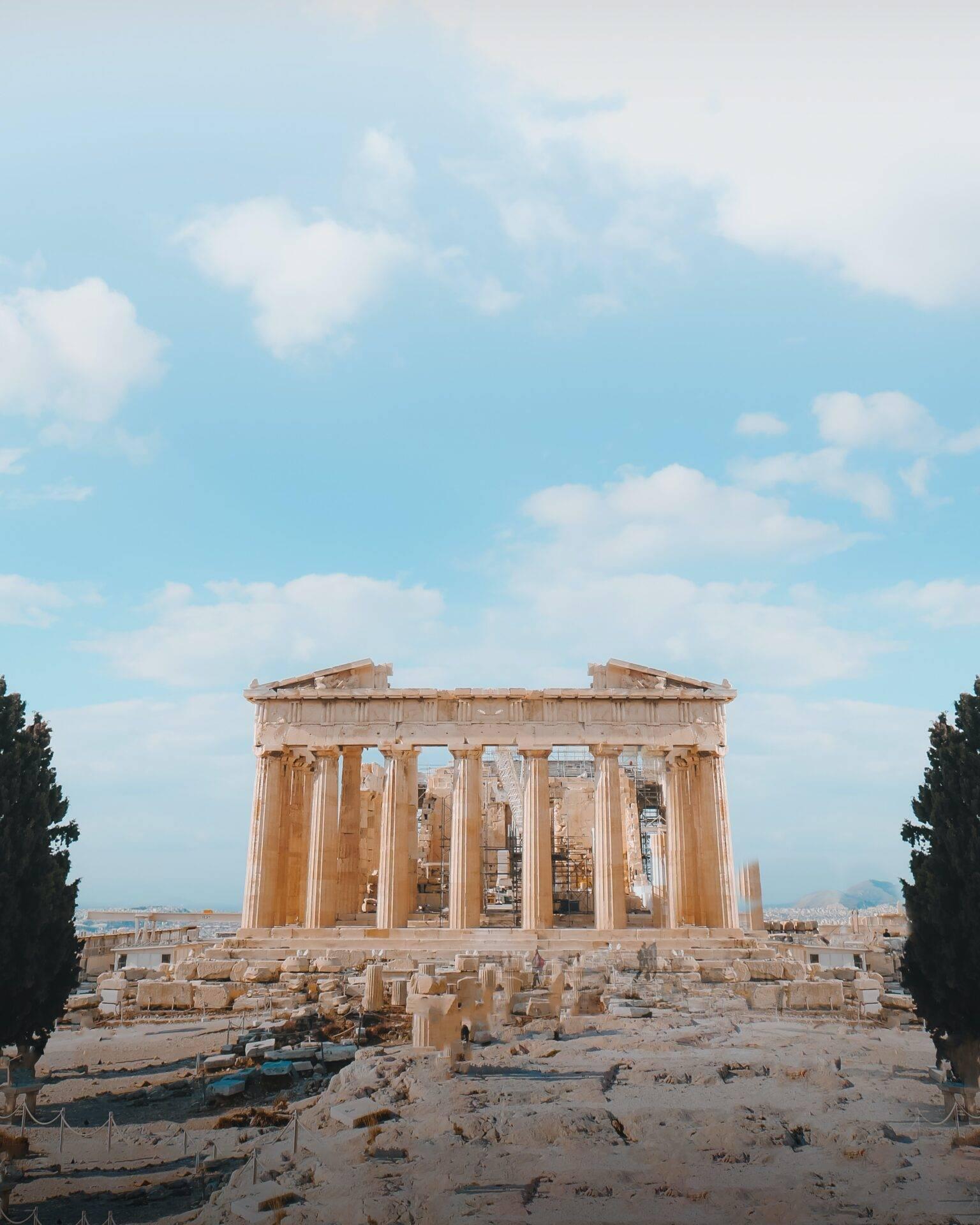
3. The Temple of Olympian Zeus and Rome’s mark on Greece
A few hundred metres from the Acropolis, the Corinthian columns of the Temple of Olympian Zeus speak to the scale of Roman building in Greece. Hadrian completed the temple, begun in the 6th century BC and left unfinished for centuries. Inscriptions carved into the stone bear witness to a long history of conquest and cultural exchange.
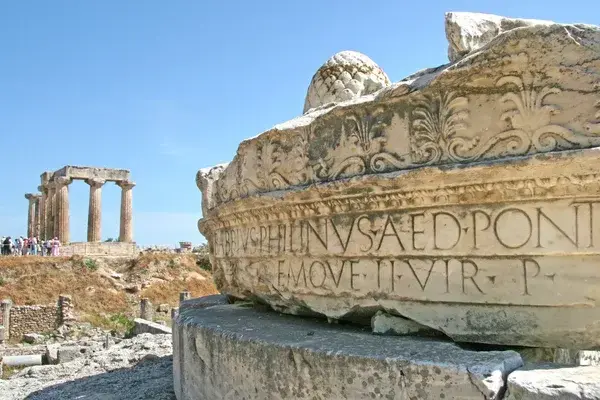
The Cyclades: white islands and Aegean blue
4. Santorini: the caldera and the Oia sunset
Santorini owes its dramatic landscape to a major volcanic eruption. The caldera is the island’s defining feature, its cliffs plunging sheer into the Aegean. Oia, in the north, draws photographers for its sunset over the sea. The black and red sand beaches of Perissa and Akrotiri are a reminder of the island’s volcanic origins. Some researchers have linked Santorini to the legend of Atlantis, pointing to the caldera’s collapse around 1600 BC.
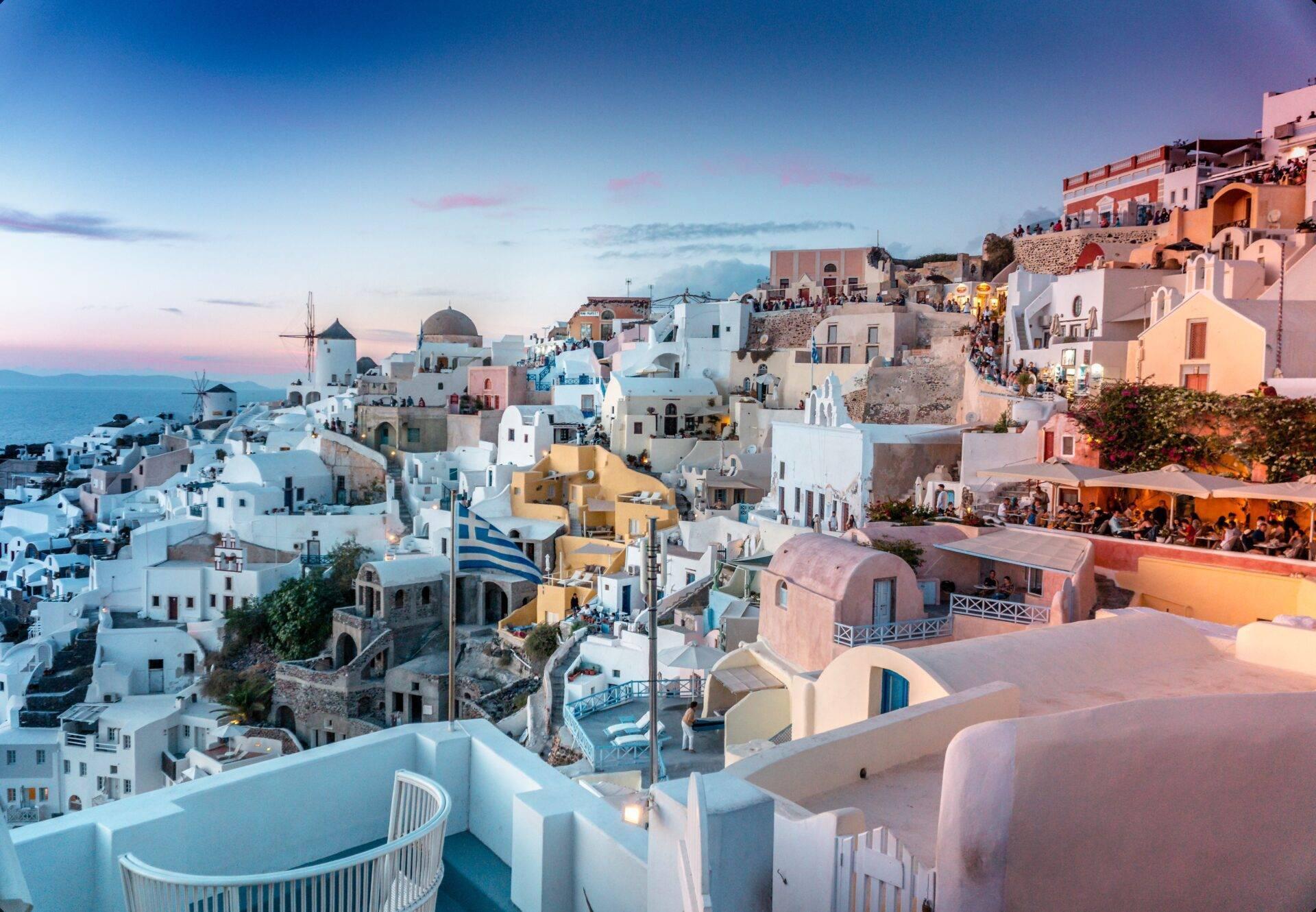
5. The whitewashed lanes of the Cyclades
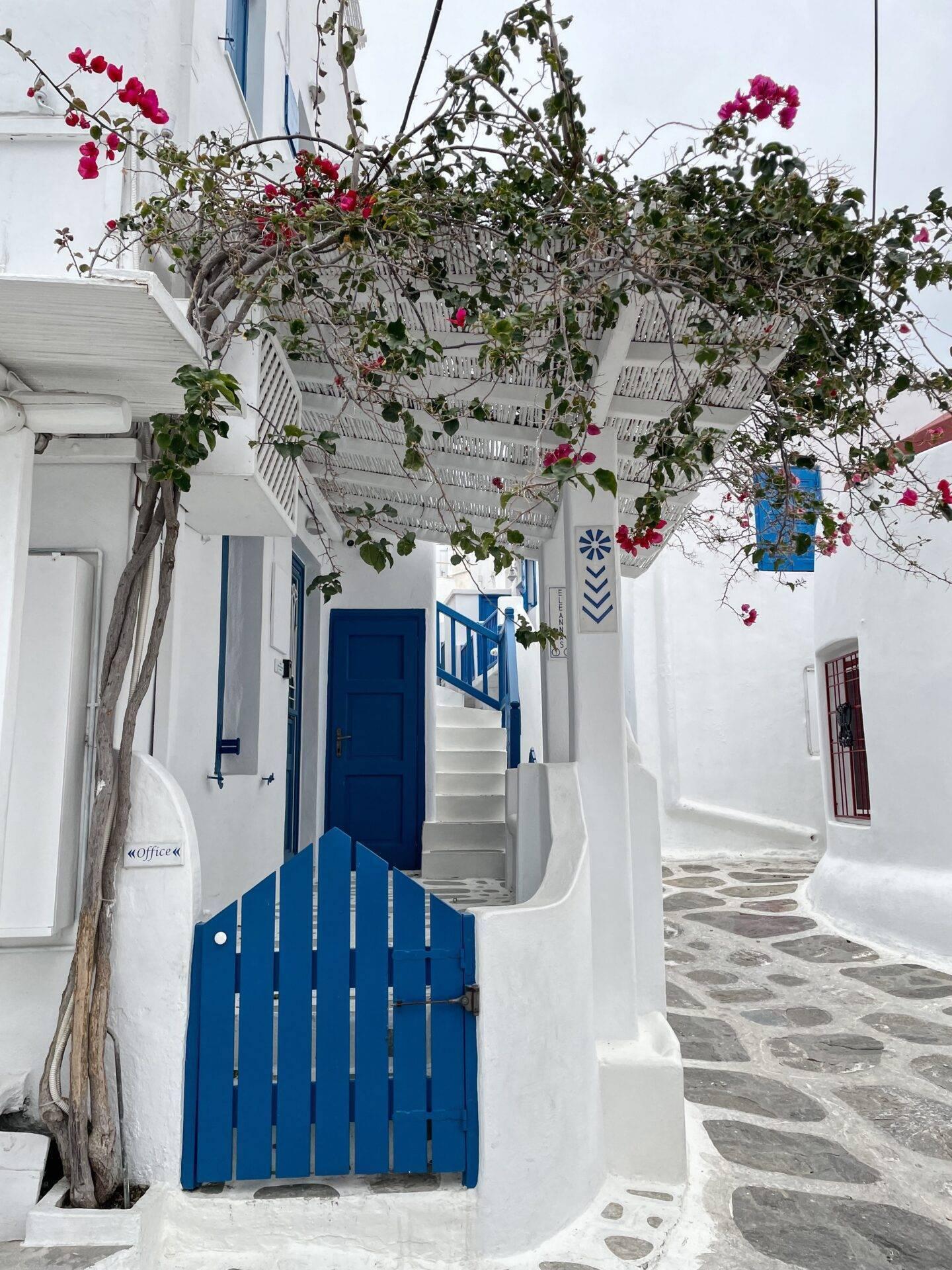
Beyond Santorini and Mykonos, the Cyclades offer villages of narrow alleys, blue doors and bougainvillea. Naxos, Paros, Folegandros and Sifnos deliver that same atmosphere with far fewer crowds than the big islands. A blue door, a whitewashed limestone staircase, a splash of pink flowers: a scene found nowhere else in the Mediterranean.
6. Mykonos: windmills and Little Venice
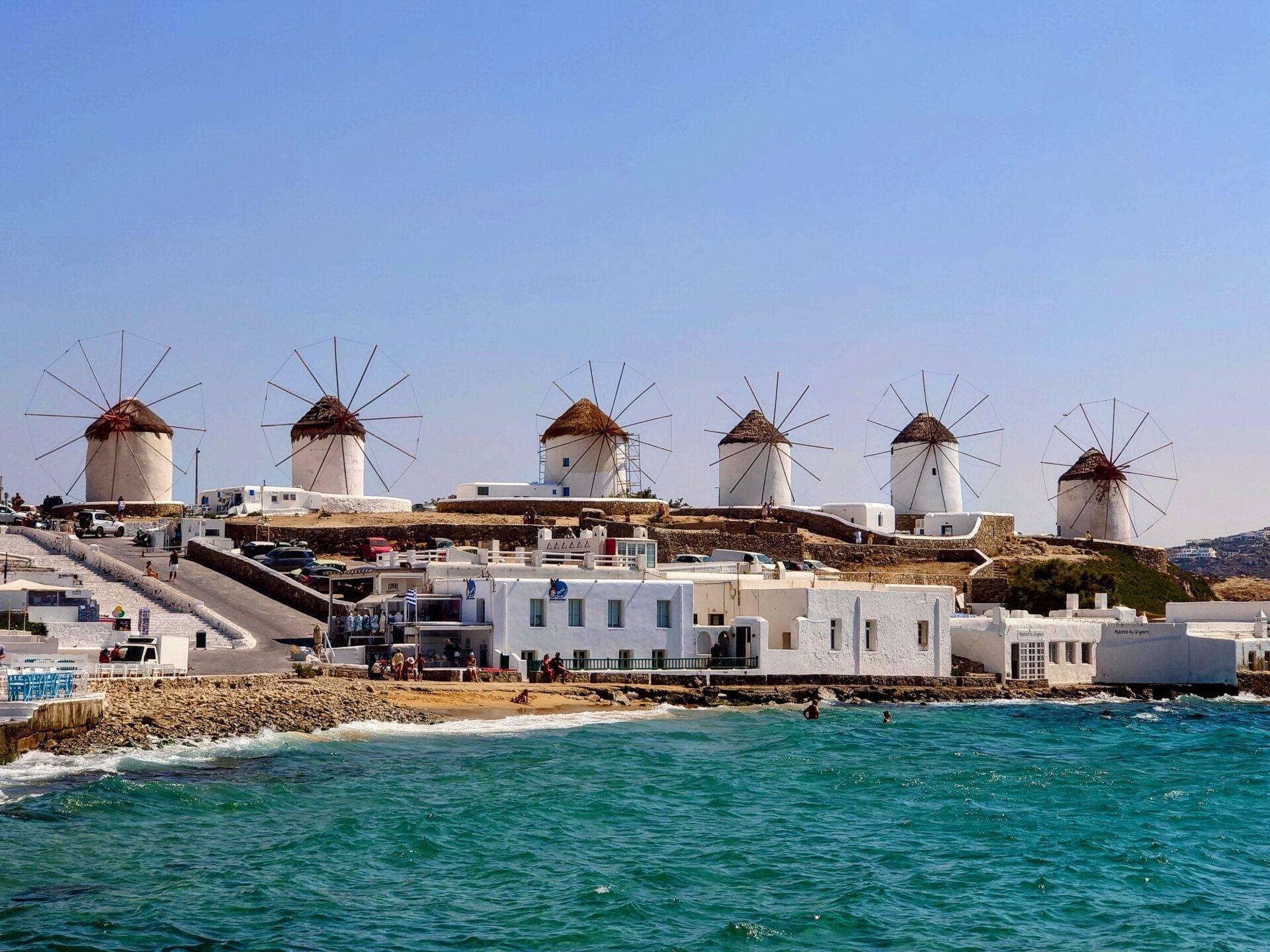
Mykonos is instantly recognisable by its windmills lined up on the Kato Mili hill above Chora harbour. Little Venice, with its colourful houses whose terraces hang directly over the sea, is the island’s other emblem. The calm, clear waters to the south are ideal for swimming, while the harbour’s nightlife remains among the liveliest in the Cyclades.
The great sanctuaries of Antiquity
7. Cape Sounion and the Temple of Poseidon
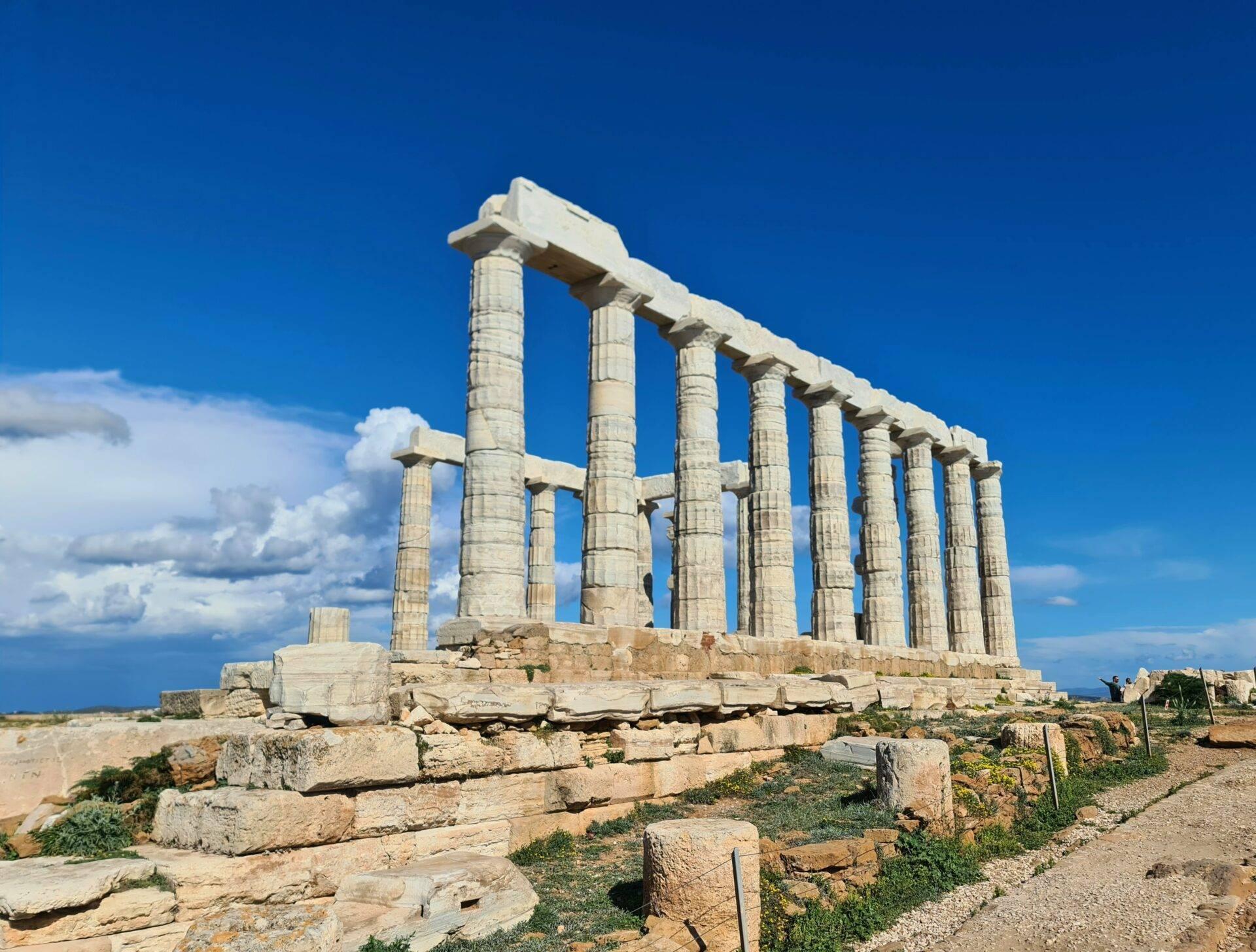
Seventy kilometres south of Athens, Cape Sounion juts into the Aegean. The Temple of Poseidon, built in the 5th century BC, retains its white Doric columns. Sunsets from this headland, with open sea stretching in every direction, rank among the most spectacular on the Attic peninsula.
8. Delphi: the Oracle of Apollo on the slopes of Parnassus
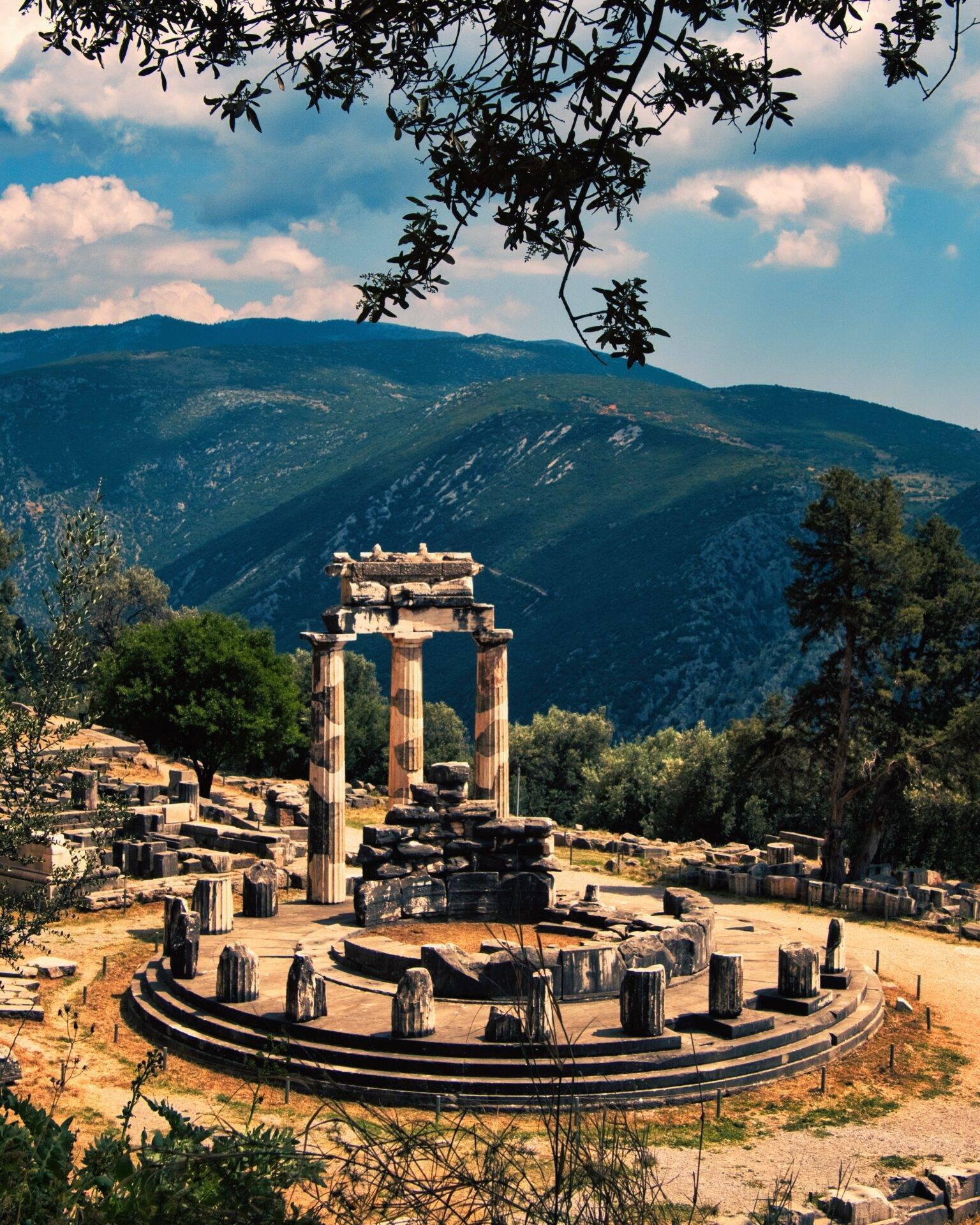
For centuries, Delphi was the religious centre of the Greek world. The Sanctuary of Apollo, whose earliest constructions date to the 7th century BC, housed the Pythia, who delivered her oracles here. A UNESCO World Heritage Site, it brings together a temple, a theatre and a stadium in a breathtaking natural setting: the ruins stand out against the wooded slopes of Mount Parnassus. The ancient Greeks considered Delphi the navel of the world.
9. Olympia: where the Olympic flame is still lit
The first ancient Olympic Games were held at Olympia in 776 BC. A UNESCO World Heritage Site, the sanctuary preserves the ruins of the Temple of Zeus, the Temple of Hera and the athletes’ training ground. Before every modern Olympic Games, the Olympic flame is lit here, keeping a millennia-old tradition alive.
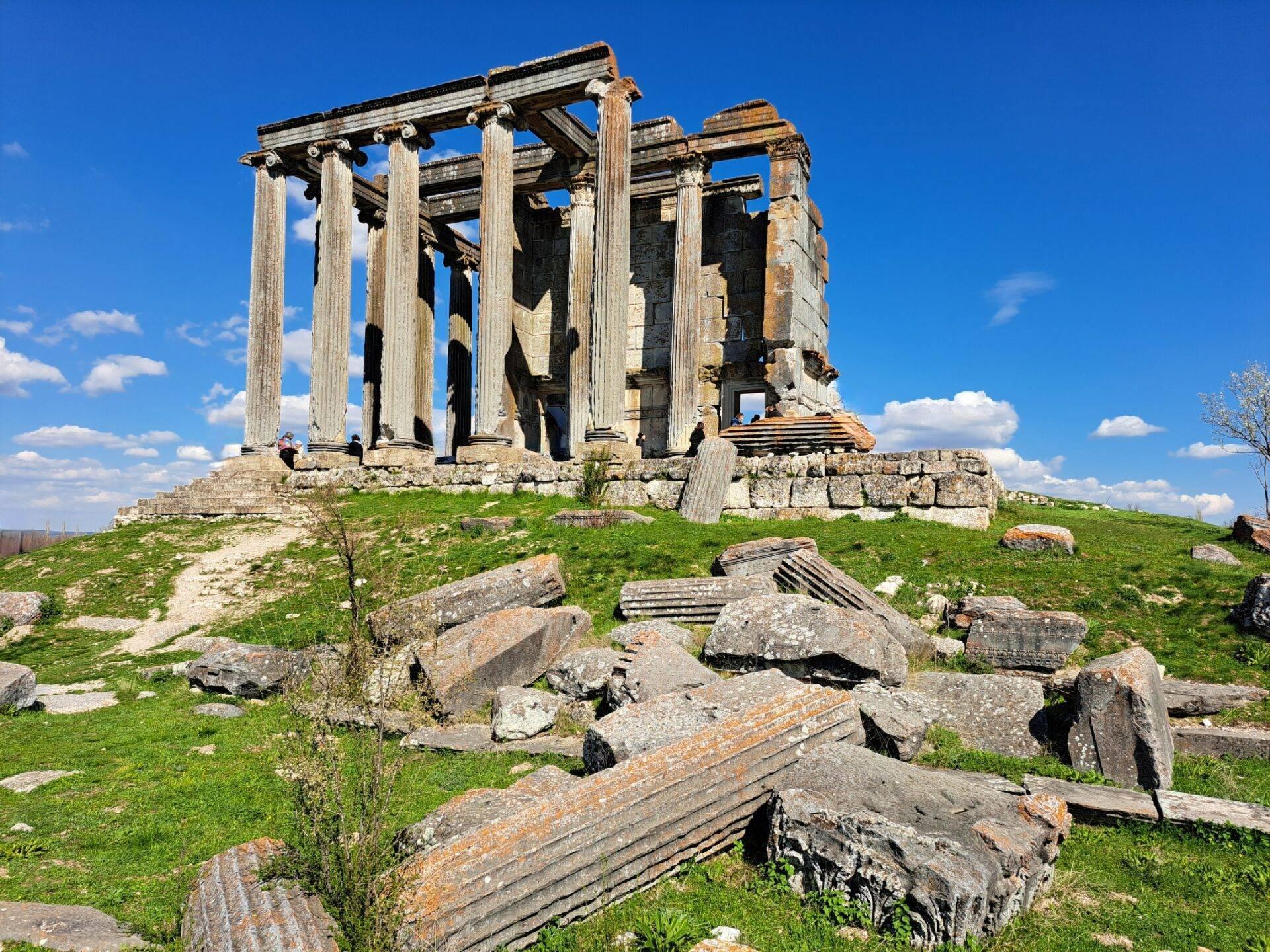
10. Epidaurus: acoustics that modern engineers have yet to match
The theatre of Epidaurus, built in the 4th century BC, is one of the best-preserved in the ancient Greek world. Its near-perfect acoustics mean a sound made on stage can be heard clearly from the very top row. The site still hosts performances today, continuing the venue’s original purpose.
The Peloponnese and mainland Greece
11. Ruins in the landscape
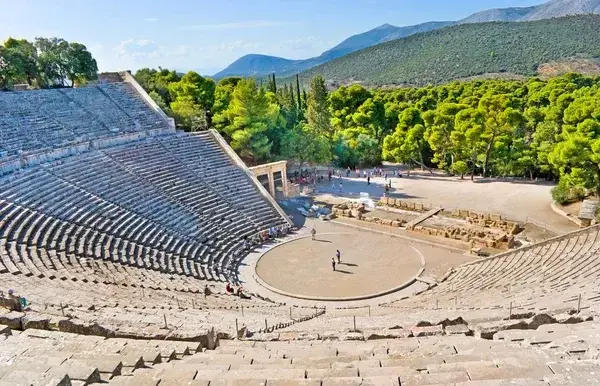
Travelling through Greece means chancing upon a solitary colonnade in the scrubland, or passing a forgotten sanctuary before reaching the next village. These unplanned encounters offer an intimate connection with Greek history, far removed from the queues.
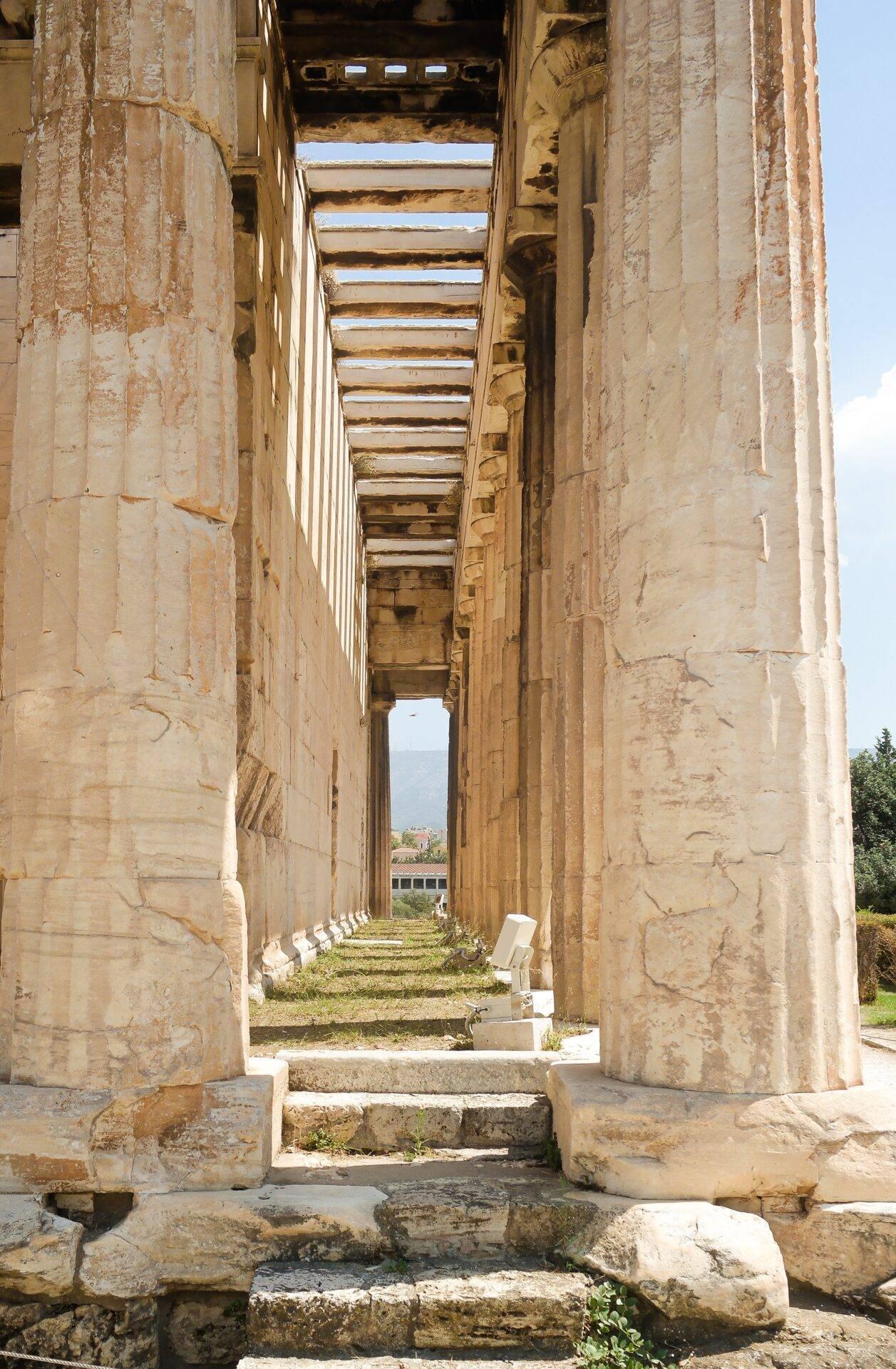
12. Doric temples off the beaten track
Mainland Greece and the Peloponnese hide temples that receive far fewer visitors but are every bit as striking. The Temple of Hephaestus in the Athenian Agora is one of the best-preserved Greek temples anywhere, often overshadowed by the fame of the Acropolis. Across the Peloponnese, other Doric columns rise from barely-visited landscapes.
13. Nafplio: Greece’s first modern capital
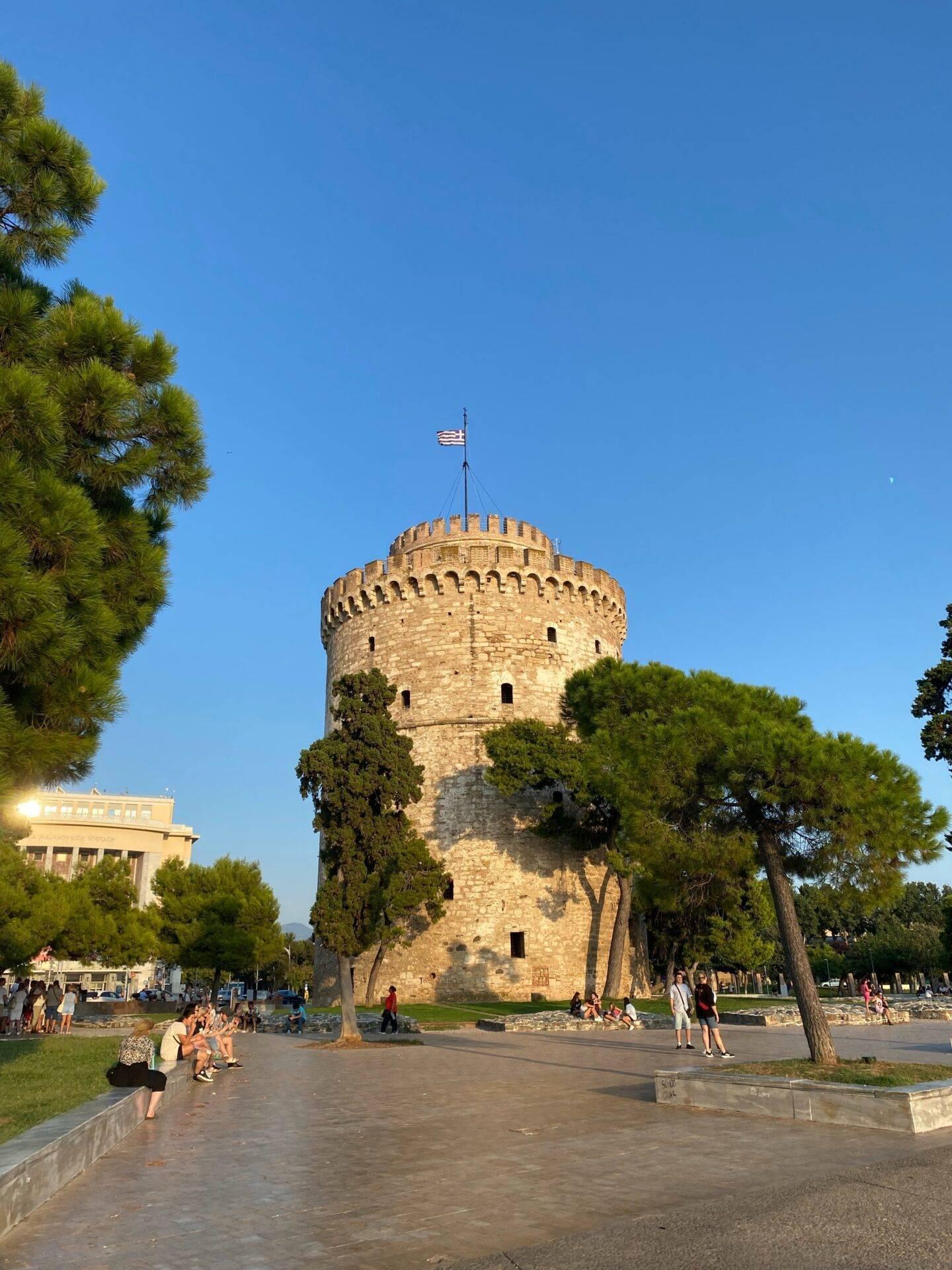
Nafplio, around 140 kilometres from Athens, served as the first capital of modern Greece from 1828 to 1834. The Palamidi fortress looks down over the town from the heights above. The fort visible from the harbour and the Venetian lanes of the old town make it one of the most elegant destinations on the Peloponnese.
14. The medieval fortresses of the Peloponnese
Monemvasia clings to its sea rock. Methoni keeps its Venetian ramparts at the water’s edge. Mystras spreads its Byzantine frescoes across a mountainside. The Peloponnese holds some of the finest medieval fortifications in the Mediterranean, often overlooked by mainstream itineraries.
Meteora: above the world
15. Monasteries on their rock pillars
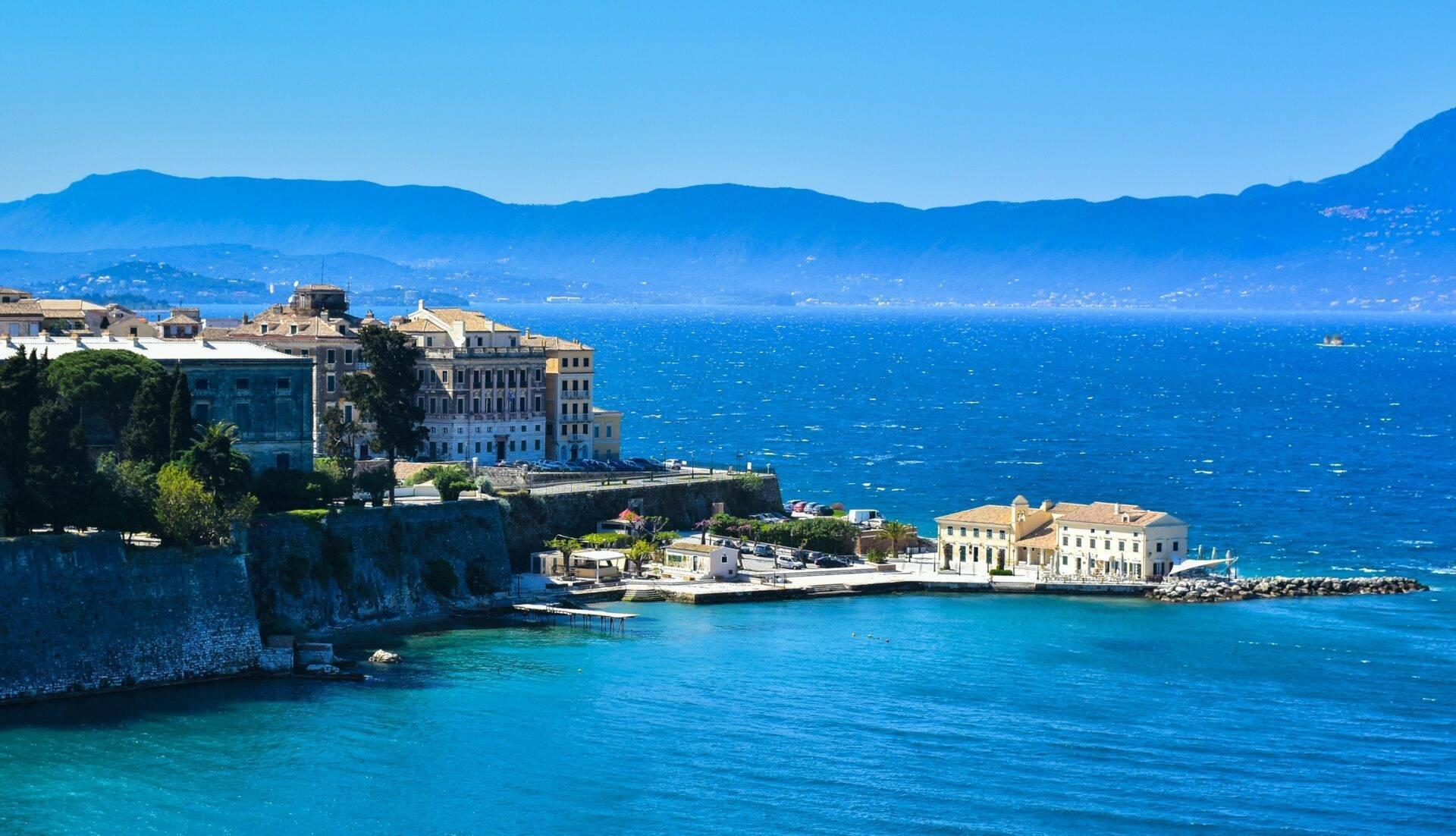
Meteora, in Thessaly, forms a landscape unique in Europe. Rocky columns serve as bases for six still-active Byzantine monasteries, all listed as a UNESCO World Heritage Site. The medieval frescoes and the view across the Thessalian plain from the terraces are reason enough for a detour through central Greece.
Crete and the large islands
16. The Palace of Knossos and Minoan civilisation
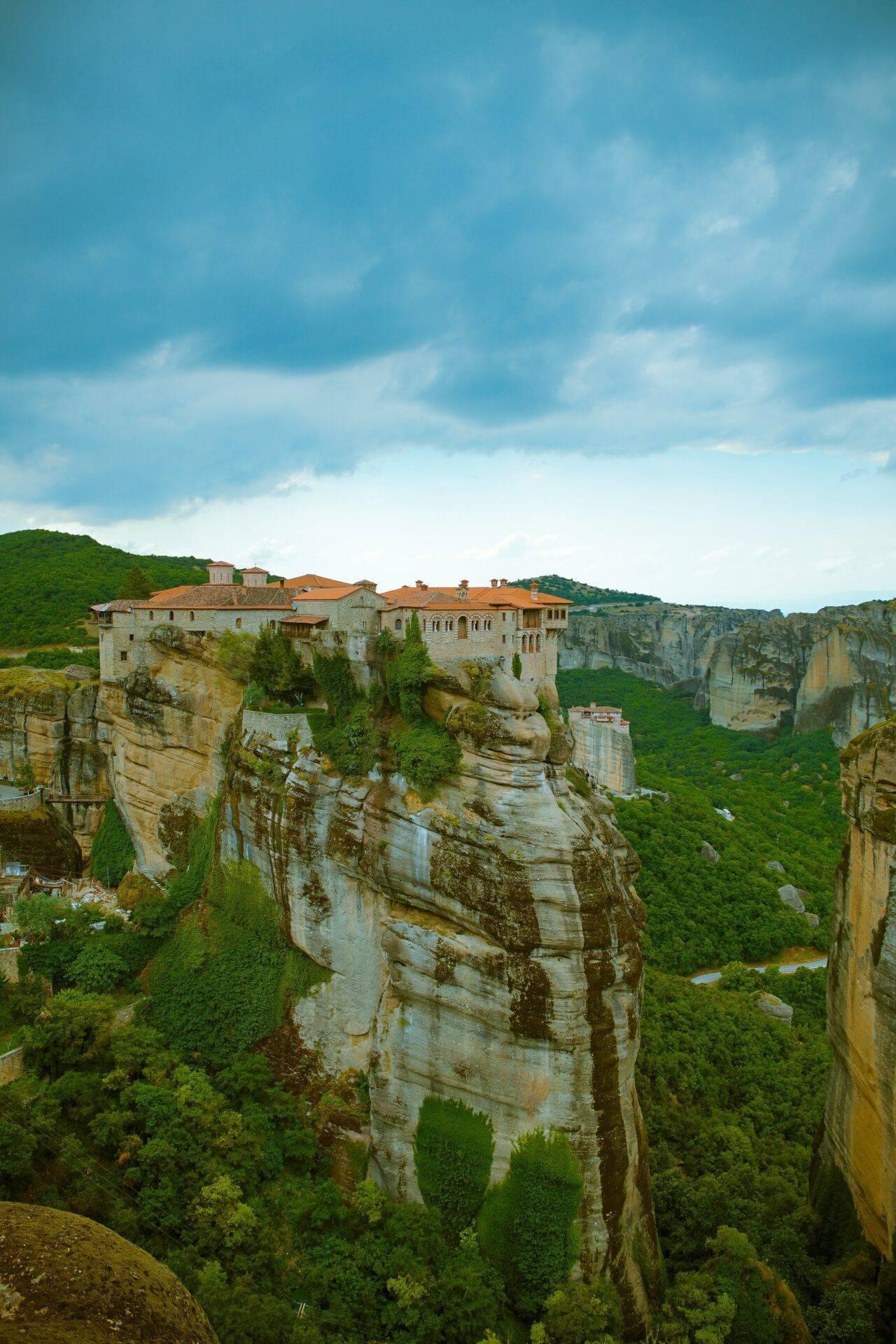
Knossos, a few kilometres from Heraklion, is Crete’s largest archaeological site. This Minoan palace, the cradle of Minoan civilisation, inspired the legend of the Minotaur and the Labyrinth. The partial reconstructions carried out in the early 20th century by Sir Arthur Evans give a vivid sense of what the palace looked like at its height.
For everything Crete has to offer, from the Samaria Gorge to the beaches of Elafonisi, our guide Things to Do in Crete lays out a full programme.
17. Hidden coves between white cliffs
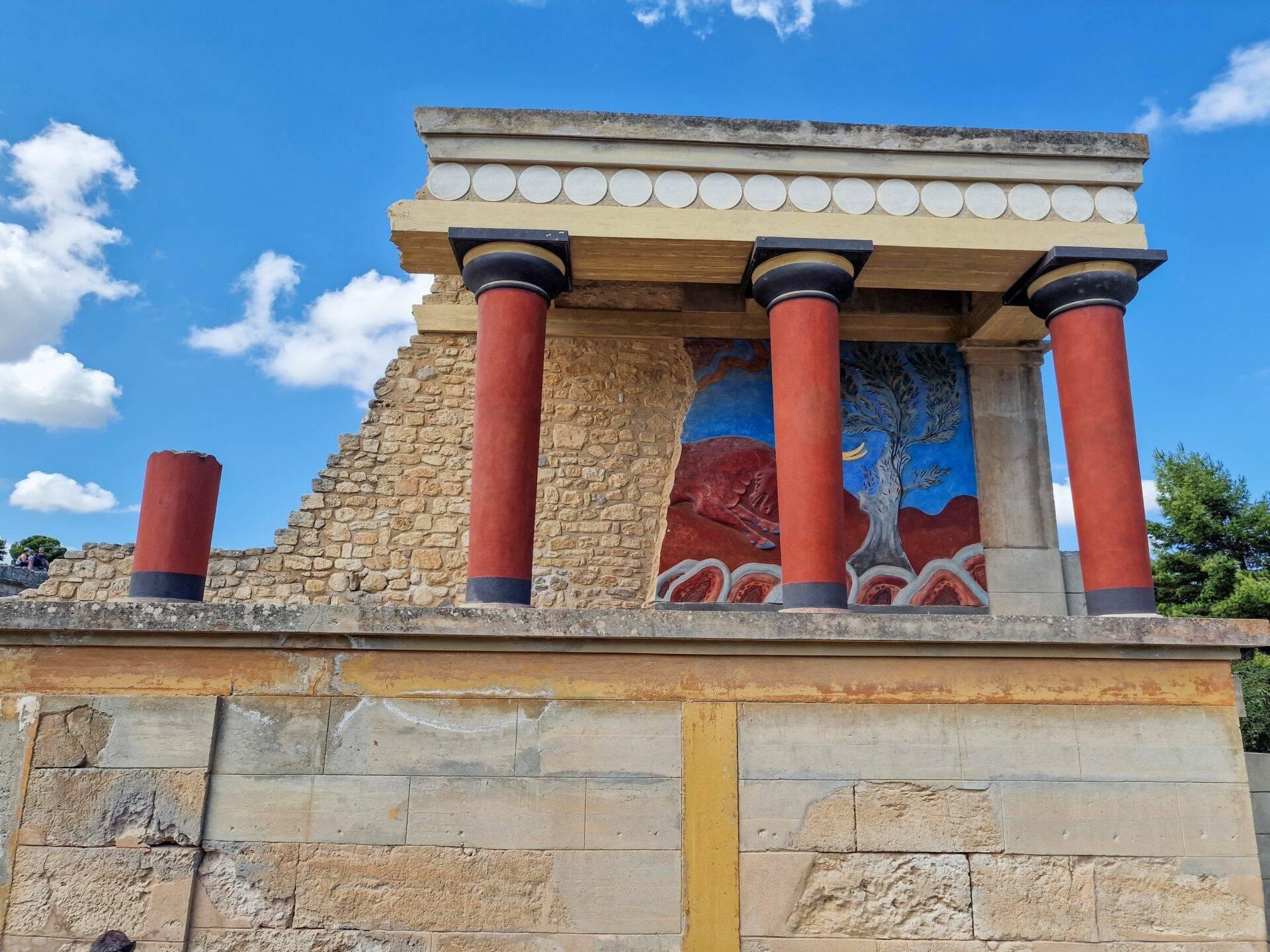
Greece hides turquoise bays framed by cliffs that can only be reached by boat or along a coastal trail. Balos in Crete, the coves of Milos and the beaches of Lefkada all fall into this category. Seeing them from a small boat hired locally turns an ordinary beach day into something truly memorable.
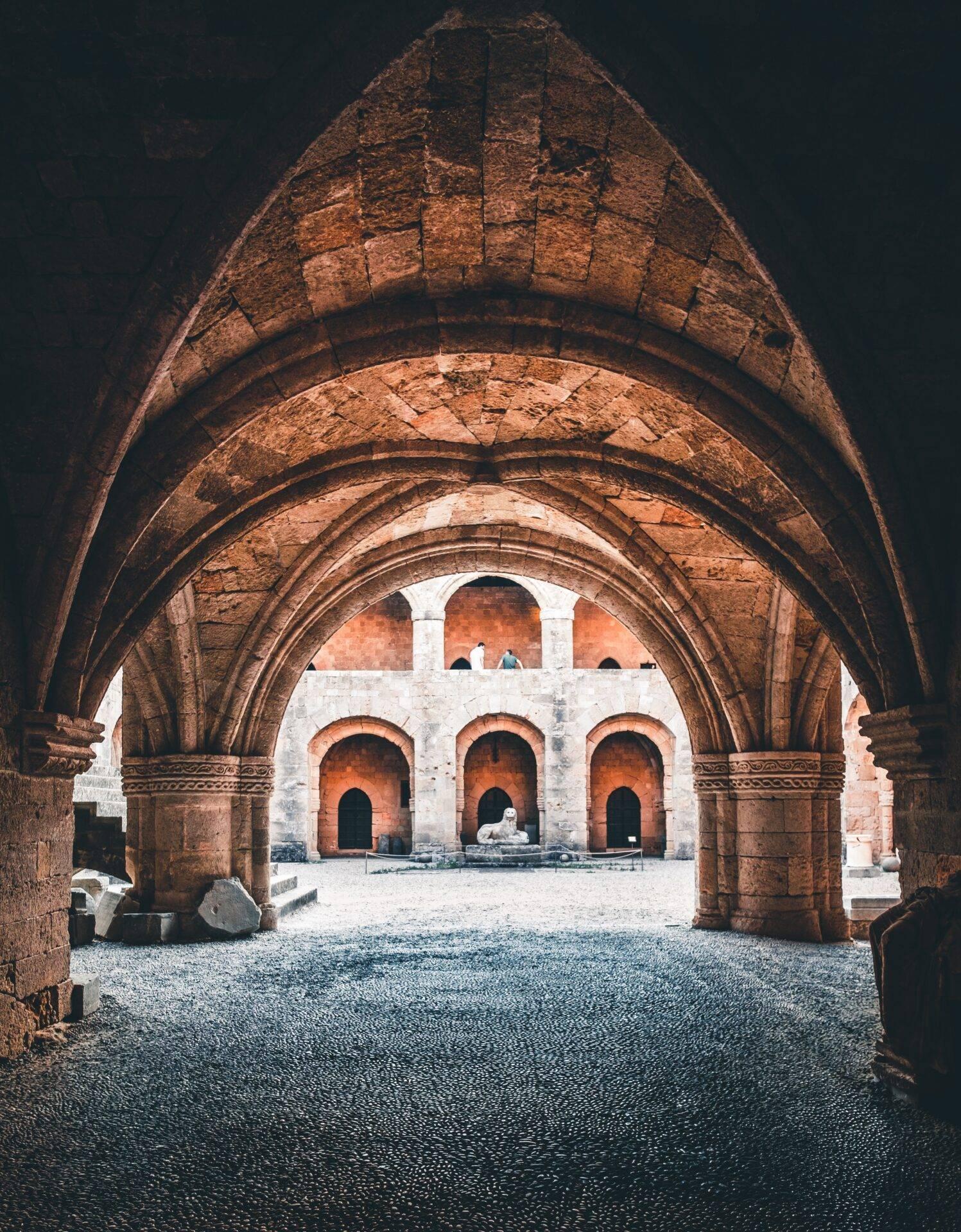
18. Rhodes: UNESCO-listed medieval walled city
The old town of Rhodes, encircled by medieval ramparts, is a UNESCO World Heritage Site. The Palace of the Grand Masters of the Knights Hospitaller dominates the skyline. The island combines sunny beaches, ancient ruins and medieval architecture within a compact area.
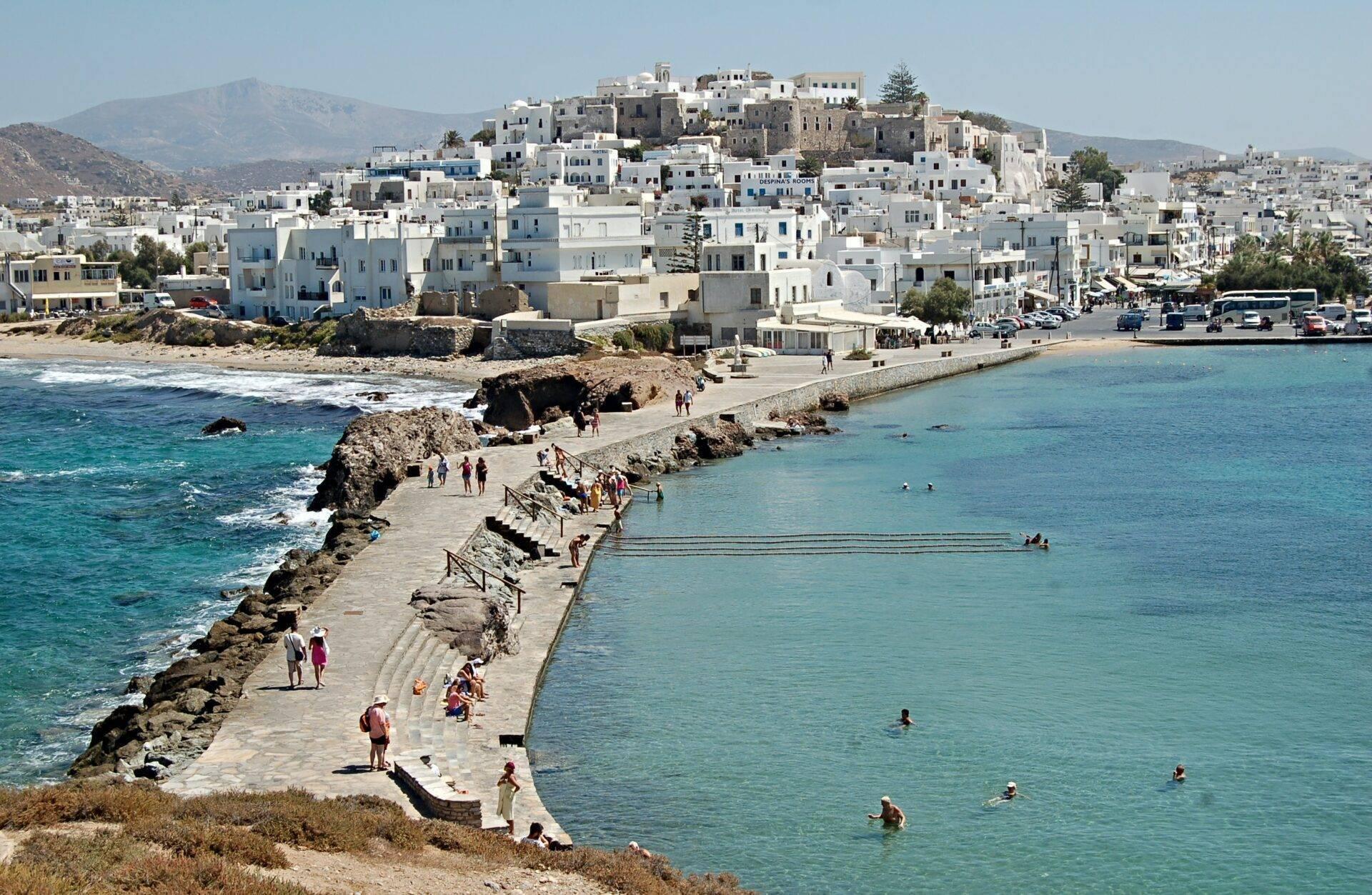
19. Coastal villages perched above the sea
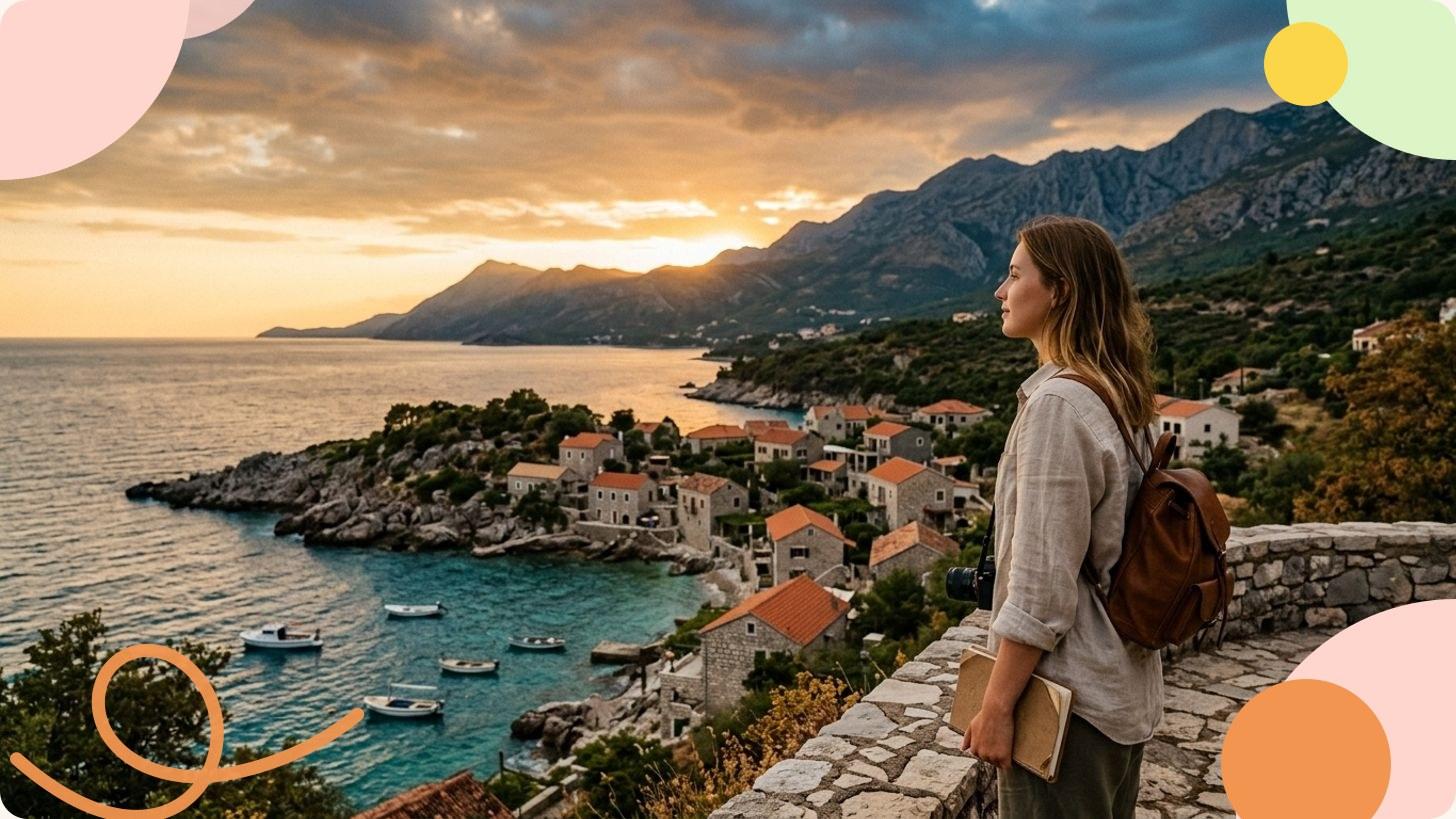
Some Greek villages combine a bird’s-eye view over the sea with Mediterranean whitewashed architecture. Perched on a cliff or above a turquoise beach, they offer both a sweeping panorama and an intimate feel. This kind of village is best explored outside the summer tourist peak.
The Ionian Islands: another side of Greece
20. Zakynthos, Lefkada and Kefalonia: beaches in a class of their own
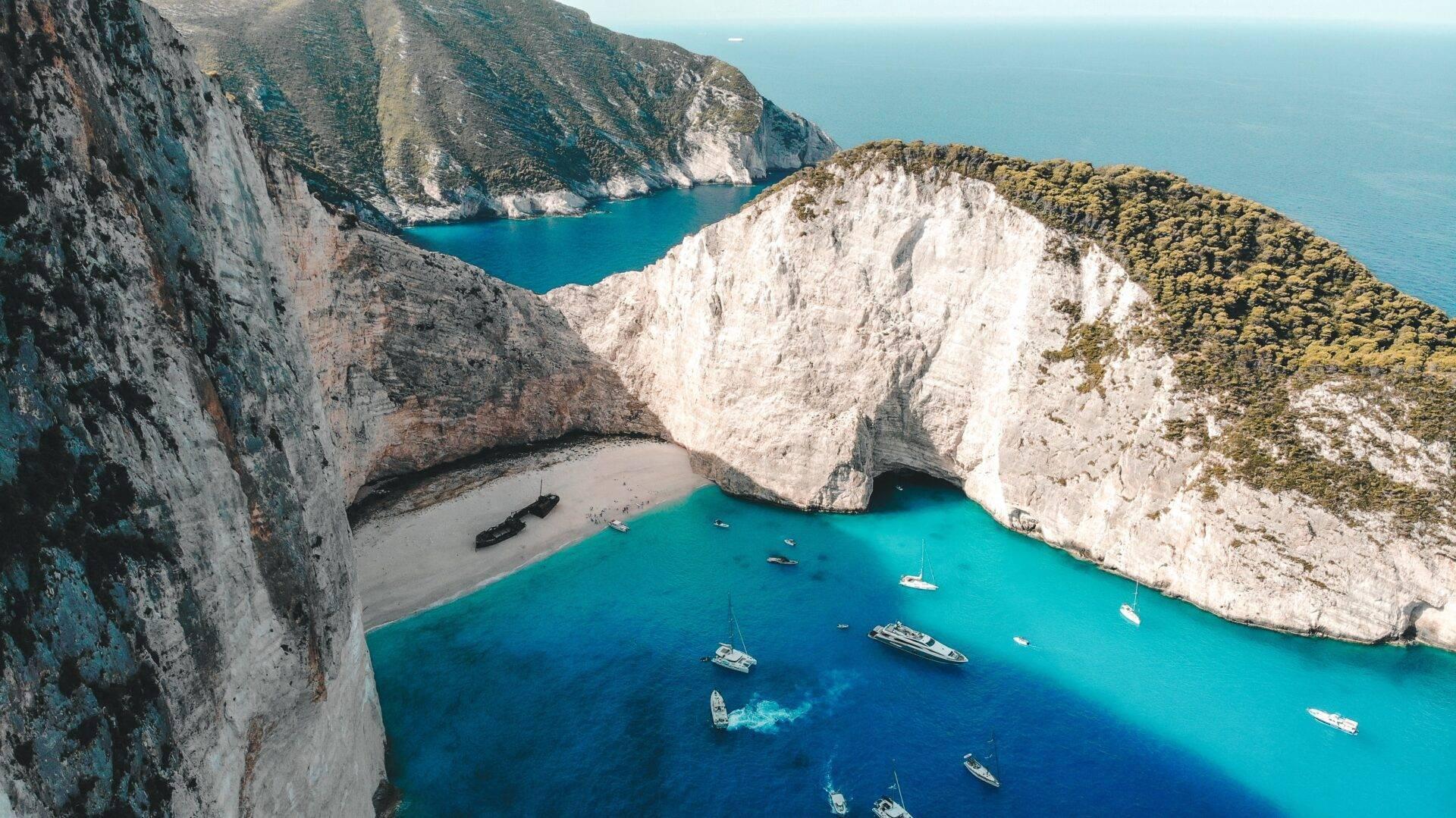
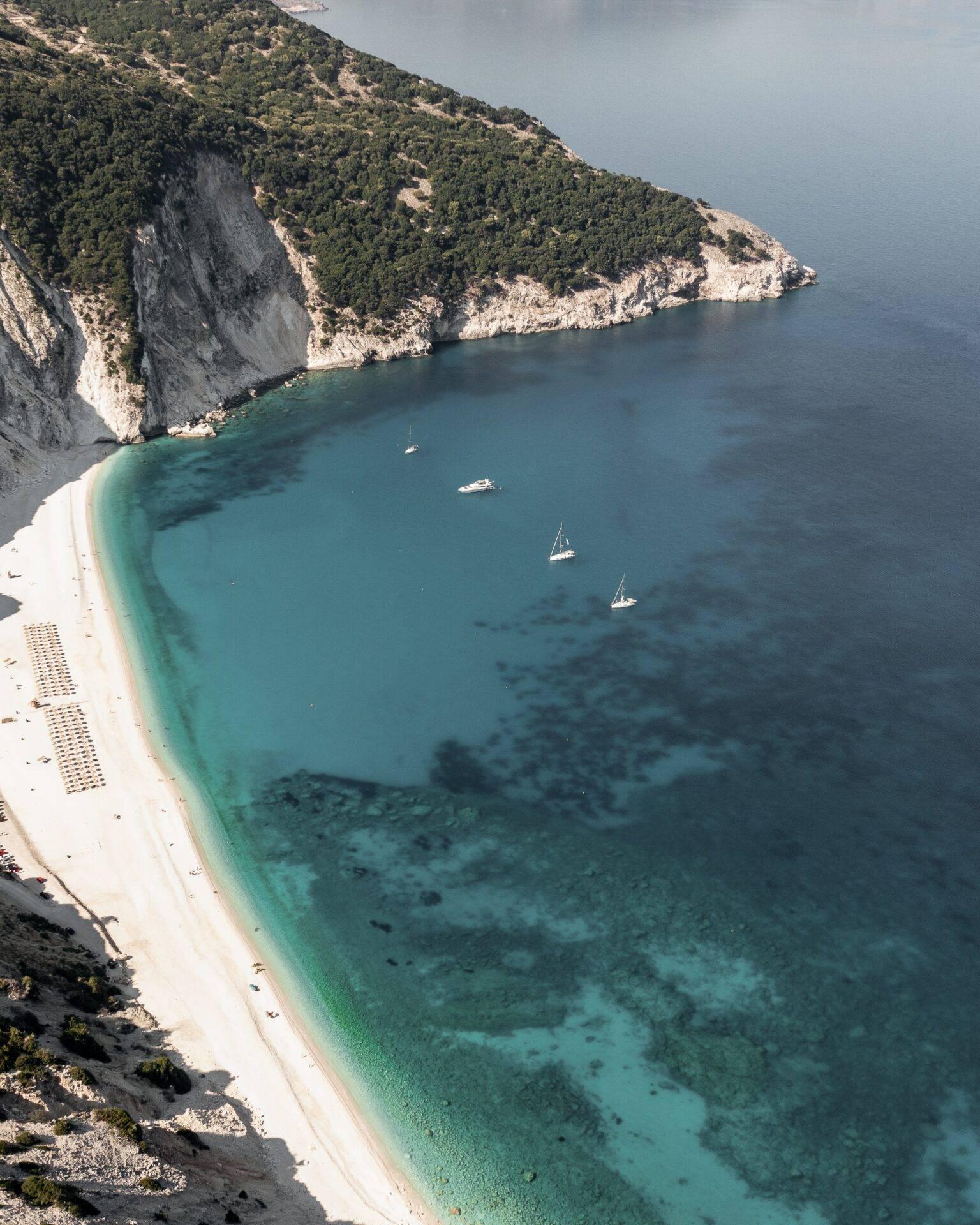
The Ionian Islands, off the western coast of the mainland, differ from the Cyclades with their white limestone cliffs dropping into intense blue-green water. Porto Katsiki on Lefkada, Myrtos on Kefalonia and Navagio on Zakynthos, where a shipwreck lies marooned on white sand, rank among the most photographed beaches in Europe. Many are accessible only by boat, which keeps them wild.
When to visit Greece?
May-June and September-October offer the best balance: pleasant temperatures, a warm sea and manageable crowds. July and August are the busiest months in the Cyclades: book accommodation and ferries well in advance. For mountain hikes or the Samaria Gorge in Crete, May and October are particularly well suited.
If you are still weighing up destinations, our article Greece, Cyprus, Iceland: where to travel this summer compares three getaways by season.
For practical information on your trip (medical cover abroad, entry requirements), visit our Greece travel insurance page before you go.
FAQ
What is there to do in Greece in one week?
A week is enough for Athens (two days), a day trip to Delphi or Cape Sounion, and two or three days on an island such as Santorini or Mykonos. To combine archaeology and island life without rushing, 10 to 14 days is preferable.
Which Greek island should I choose for a first trip?
Santorini and Mykonos are the best known, but also the most crowded and the most expensive in summer. Naxos, Paros and Sifnos offer a comparable atmosphere with far fewer visitors. For beaches, the Ionian Islands (Lefkada, Kefalonia) often outshine the Cyclades.
What is the best time to visit Greece?
May-June and September-October deliver the best results: pleasant heat, a warm sea and sites that can be visited without excessive waiting. July and August are unmissable for the festive atmosphere of the Cyclades, but prices and crowds are at their peak.
Can you visit Greece without a car?
Athens and the main islands are easy to explore on foot or by local transport. For the Peloponnese and isolated archaeological sites such as Olympia or Mystras, a hire car is recommended. Ferries from Piraeus connect most of the islands.
What are the must-see archaeological sites in Greece?
The Acropolis in Athens, Delphi, Olympia and Epidaurus form the major quartet. Knossos in Crete and the old town of Rhodes complete a comprehensive historical circuit, spanning Minoan civilisation through to the Knights Hospitaller.
Is Greece suitable for families with children?
Yes: the sheltered beaches of the Ionian Islands and Crete, Knossos and its mythological stories, and the unhurried Mediterranean pace of a taverna lunch all suit families well. Most islands have accommodation and restaurants catering to all ages.