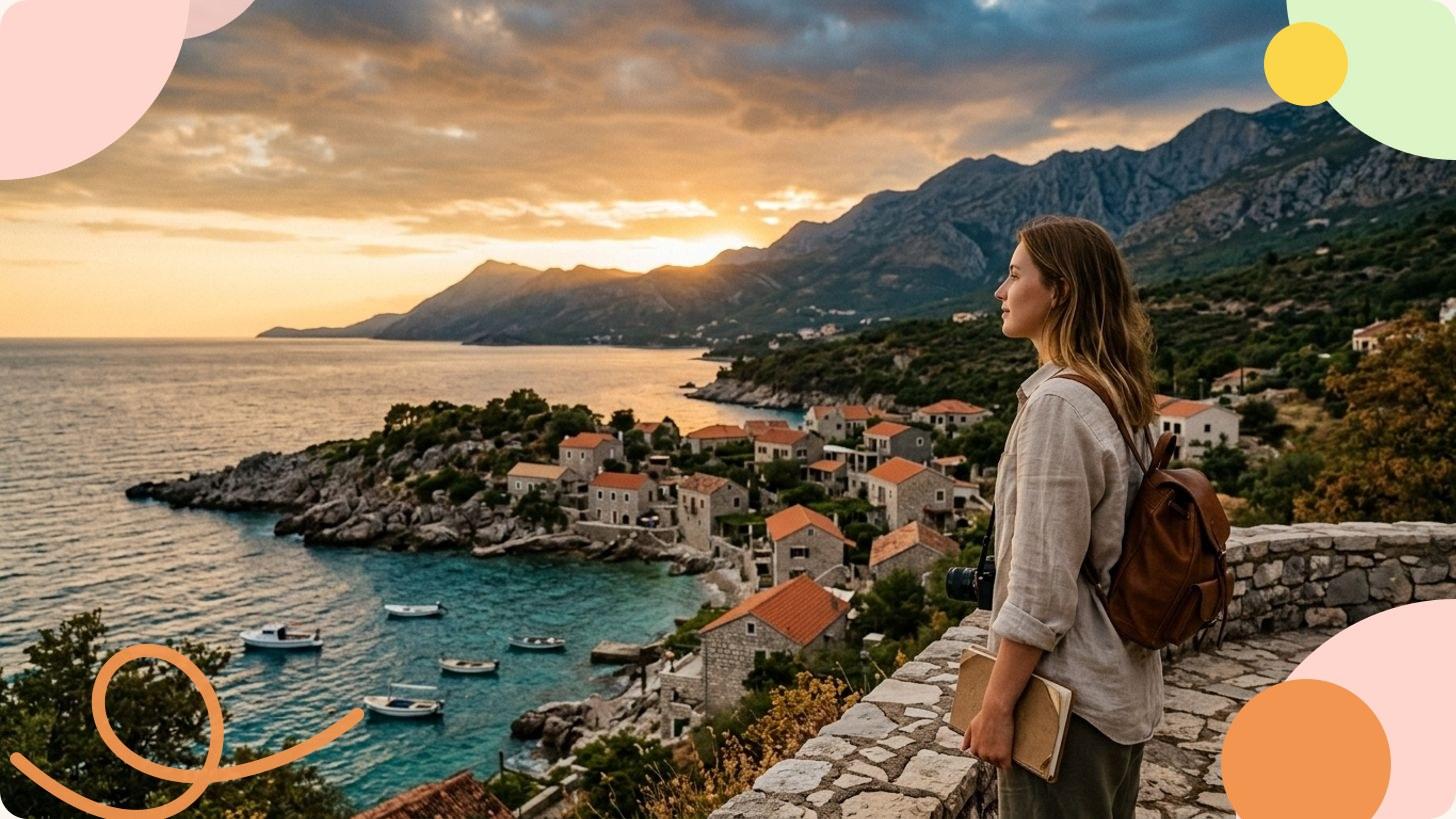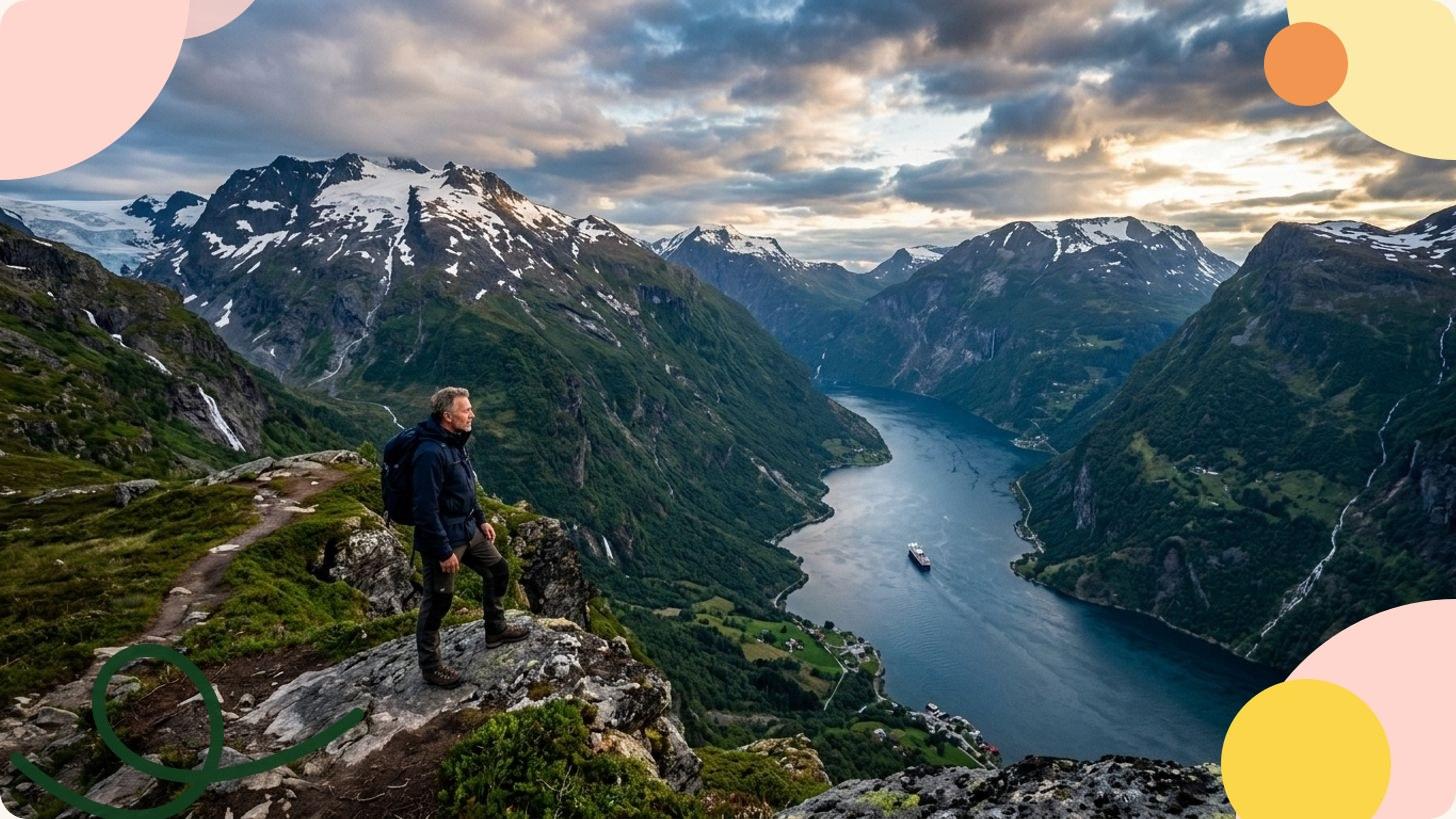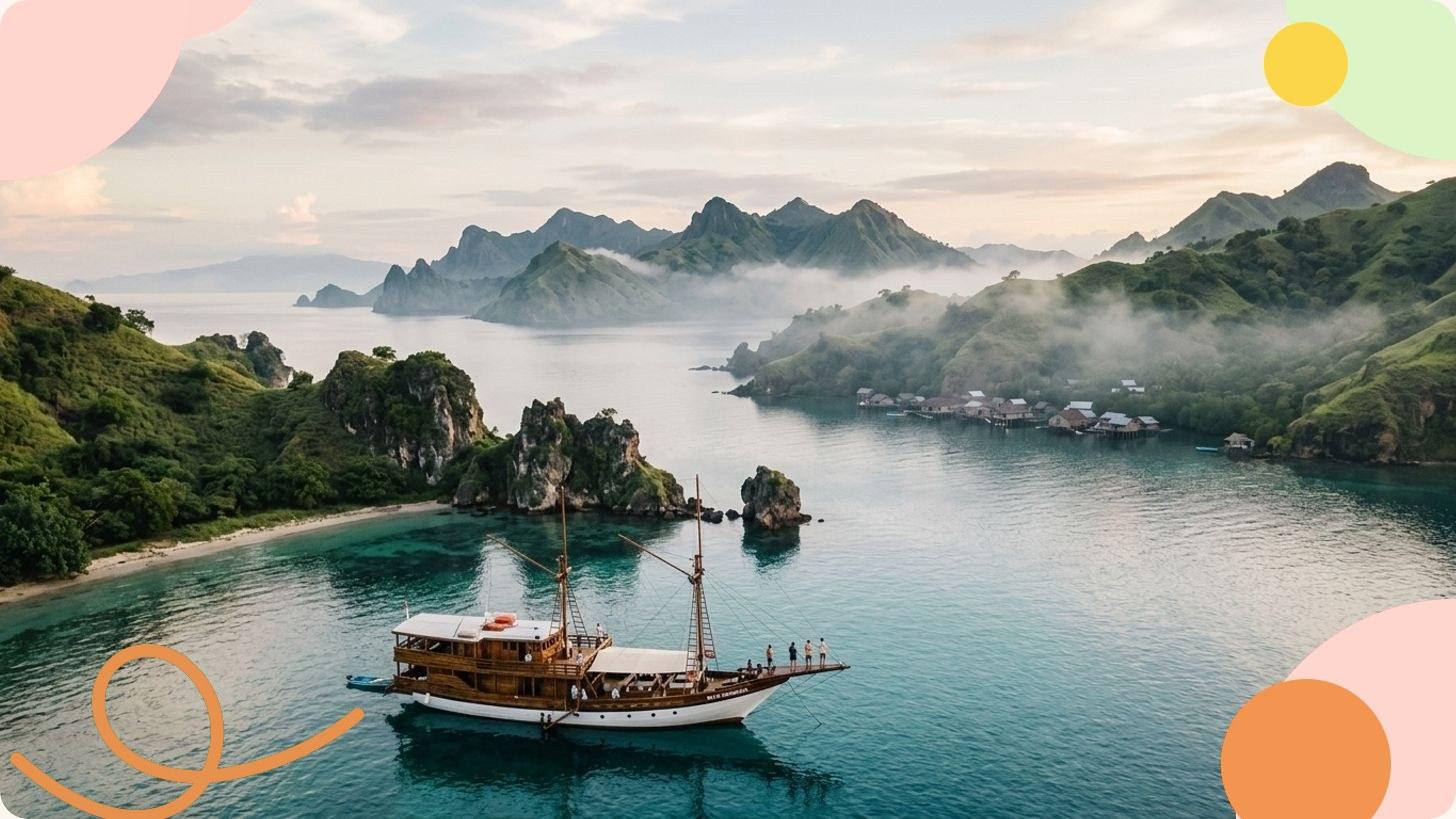
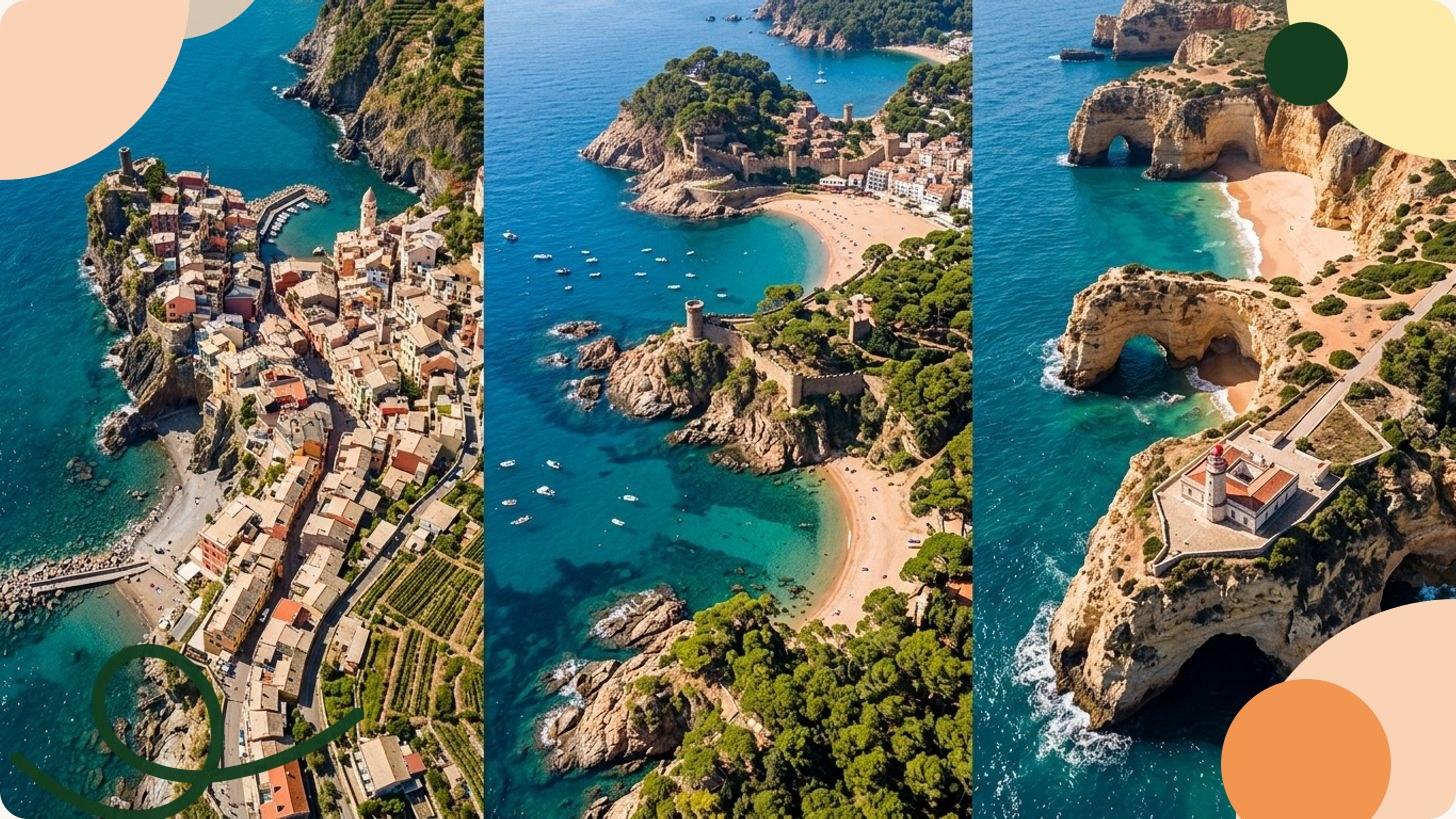

For a Mediterranean summer, three Southern European destinations stand out for their accessibility and sheer variety: Italy, with its art cities and hidden islands; Spain, balancing festivals and contrasting landscapes; and Portugal, with its limestone cliffs and bohemian towns. Here is an overview to help you choose, or to inspire you to come back for more over several summers.
Protect my trip to EuropeItaly: a thousand faces for a single summer
Ancient ruins, Venetian canals, volcanic islands, wild Sardinian beaches: Italy packs a diversity that few countries in Europe can match. It works just as well for a week-long city break as for a month-long road trip through the southern islands.
Rome: where history walks beside you
No honest list can leave out Rome. The Eternal City is not a museum: it is a city that lives around its ruins. The Colosseum, the Roman Forum, the Trastevere neighbourhood and its lively evening trattorias set a pace that is slow, unhurried and entirely its own.
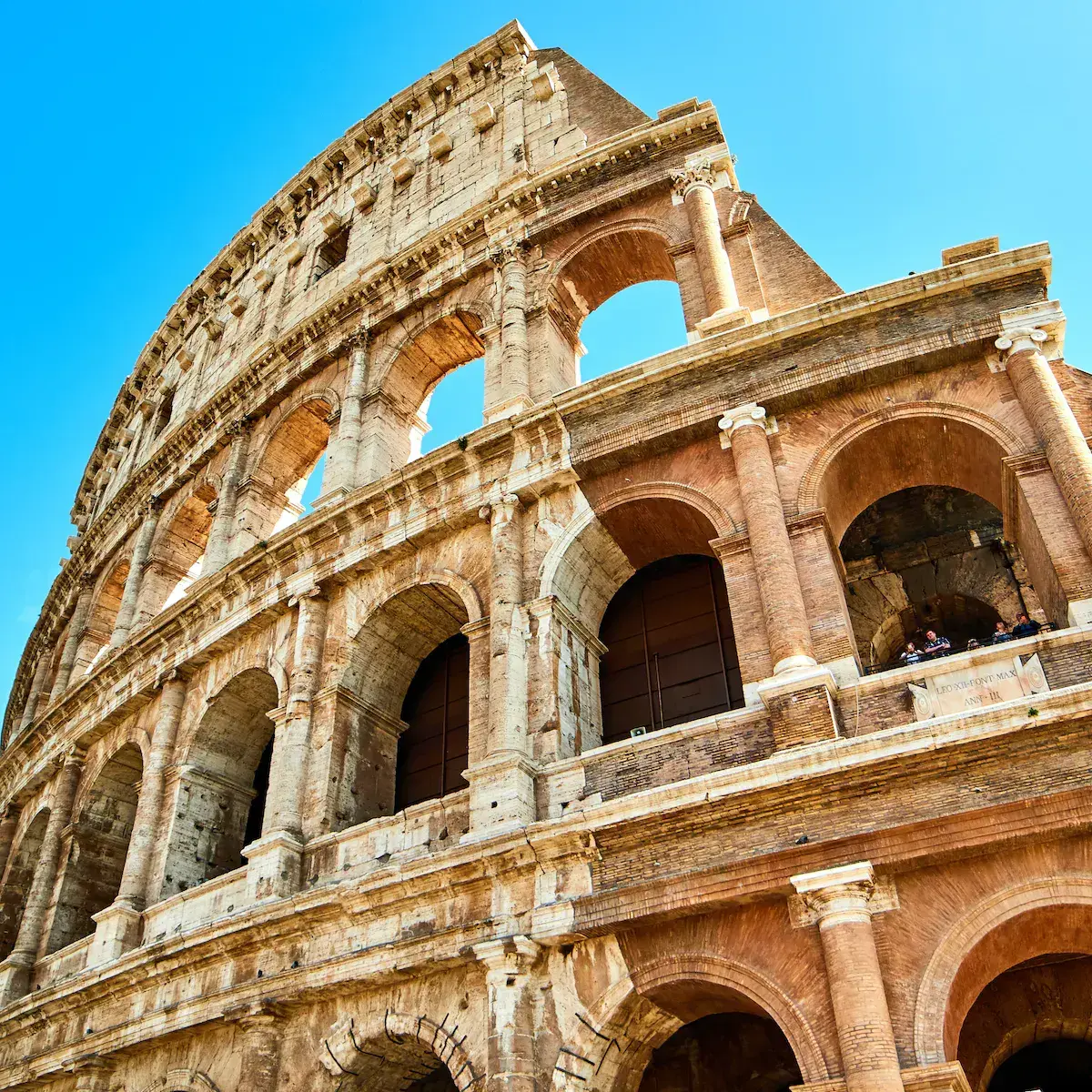
If your path crosses Rome, it will inevitably cross the Vatican: St Peter’s Basilica and the Vatican Museums are worth at least half a day. In summer, book your tickets in advance to avoid the queues that grow long quickly in the heat.
Venice: between canals and lagoon
For a journey between land and water, Venice is unmissable. Its colourful neighbourhoods, Gothic bridges and palaces reflected in the green canals turn every walk into a postcard. Beyond the city itself, the lagoon islands are well worth the trip: Burano with its painted houses, Murano with its glassblowers.
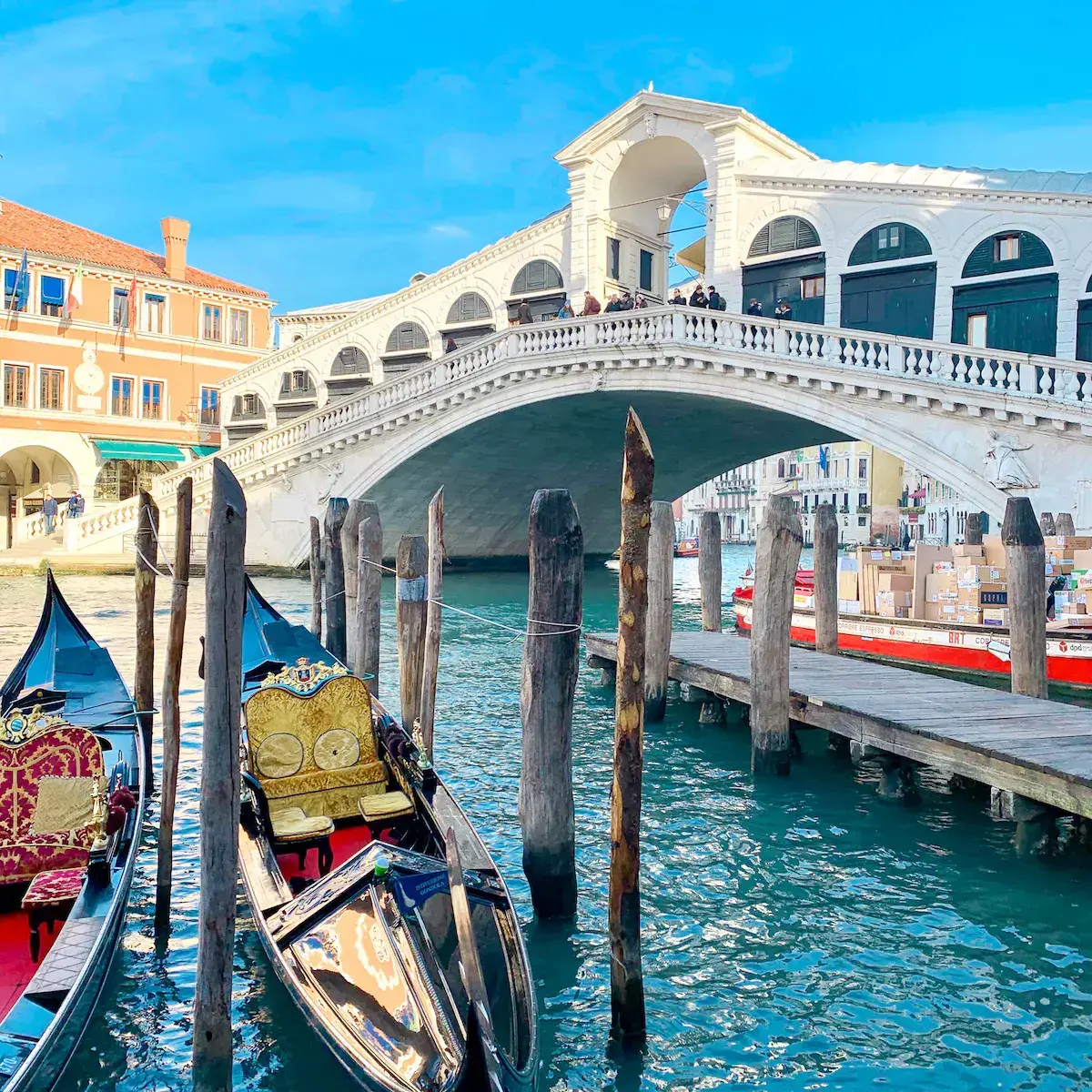
Set out early in the morning to avoid the heat and the crowds that build up from 10am in the narrowest alleyways.
Florence: capital of the Renaissance
Florence is the city of the Renaissance, and you feel it at every corner. The Duomo, the Uffizi, the Ponte Vecchio, and the Medici villas built in the 15th century when the Medicis were turning Tuscany into the centre of the world.
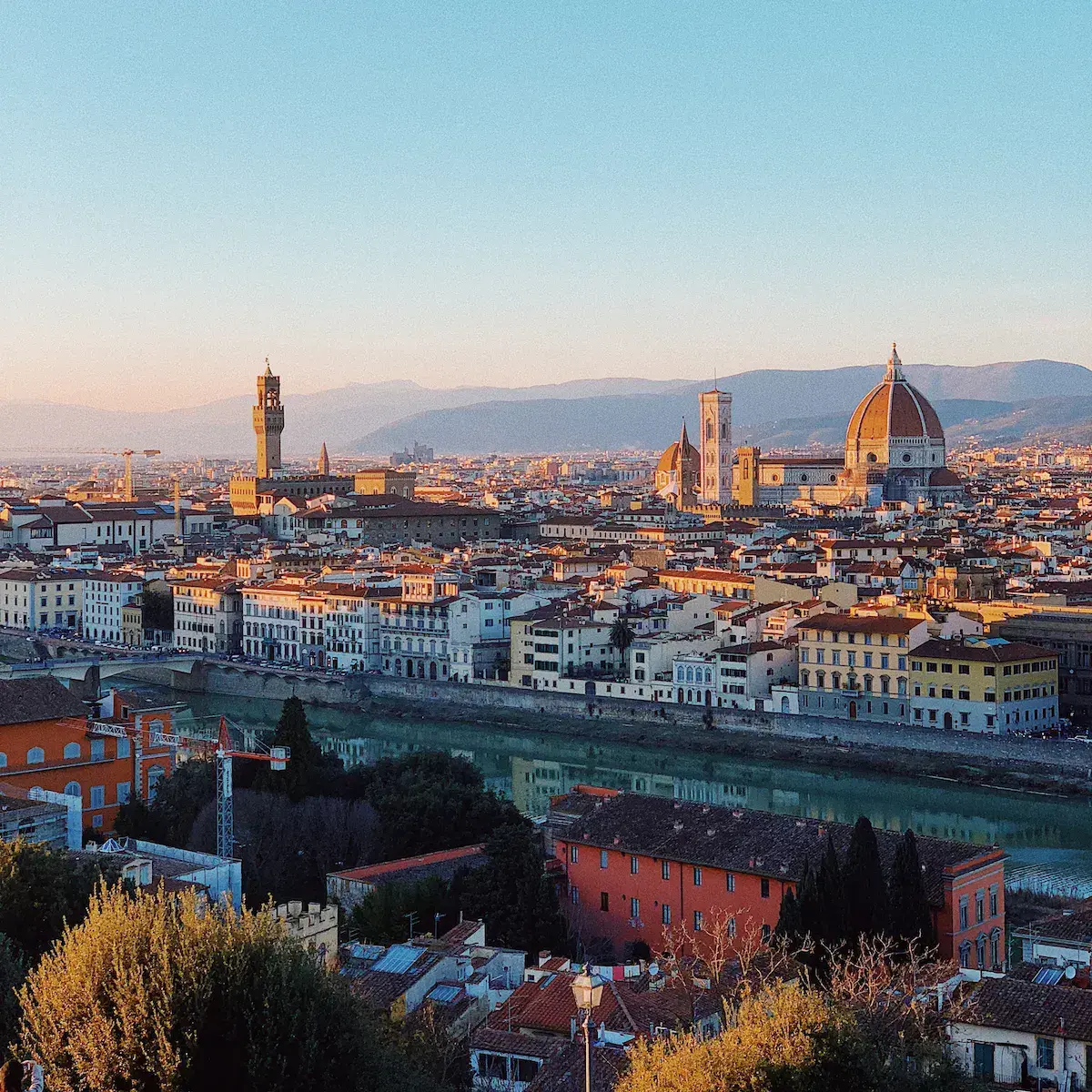
Florence is also an excellent base for exploring Tuscany: Siena, San Gimignano and the Chianti hills are less than an hour’s drive away.
Sardinia: wild beaches and rugged coastline
If what you are looking for this summer is a beach that rivals the Caribbean without crossing the Atlantic, Sardinia delivers. The Costa Smeralda, the turquoise waters of the Maddalena archipelago and the long white-sand beaches in the south of the island offer scenery that few European destinations can match.
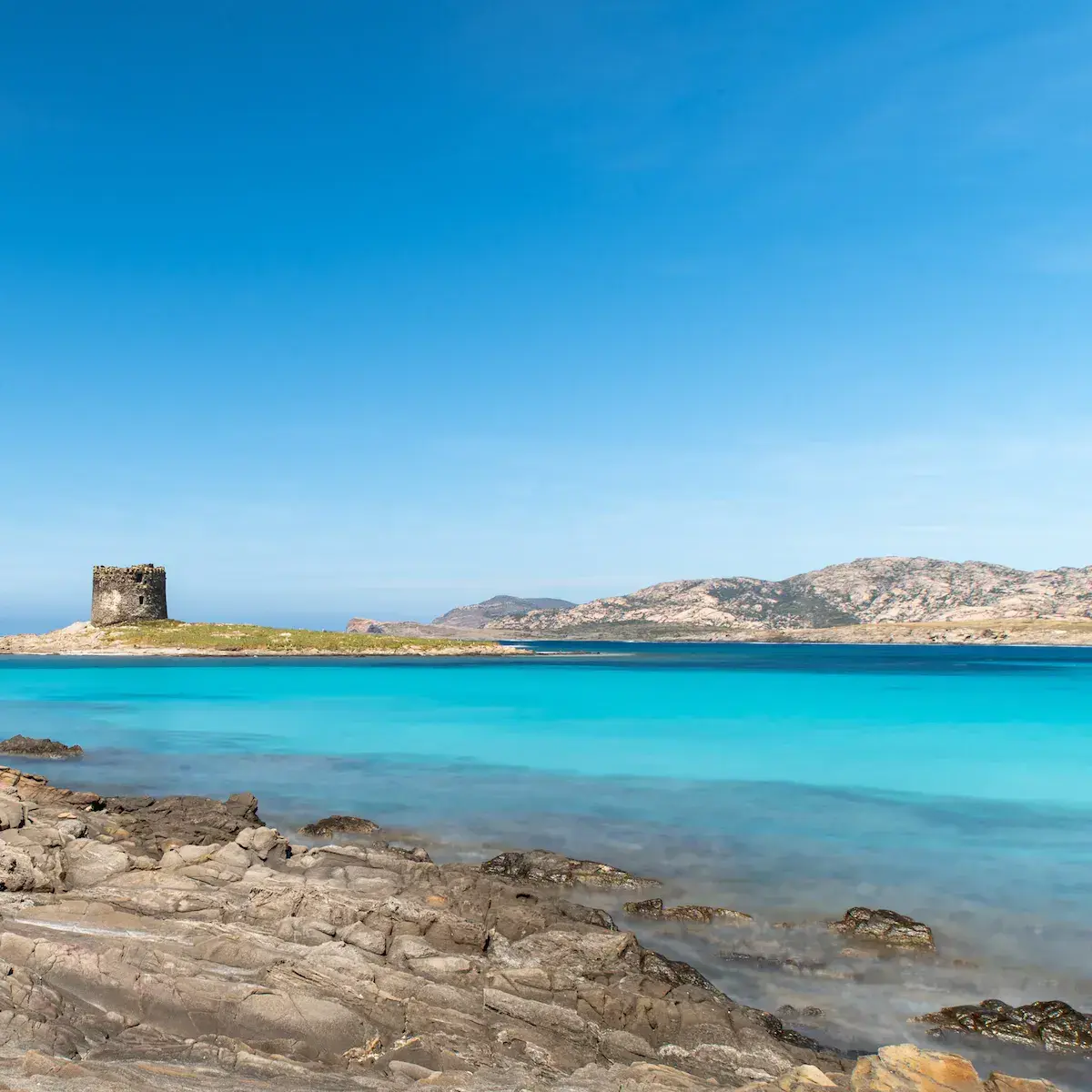
Cagliari, the capital, is worth a full day: its Castello neighbourhood looks out over the bay from its medieval ramparts.
Ischia and Capri: the hidden gems of the Bay of Naples
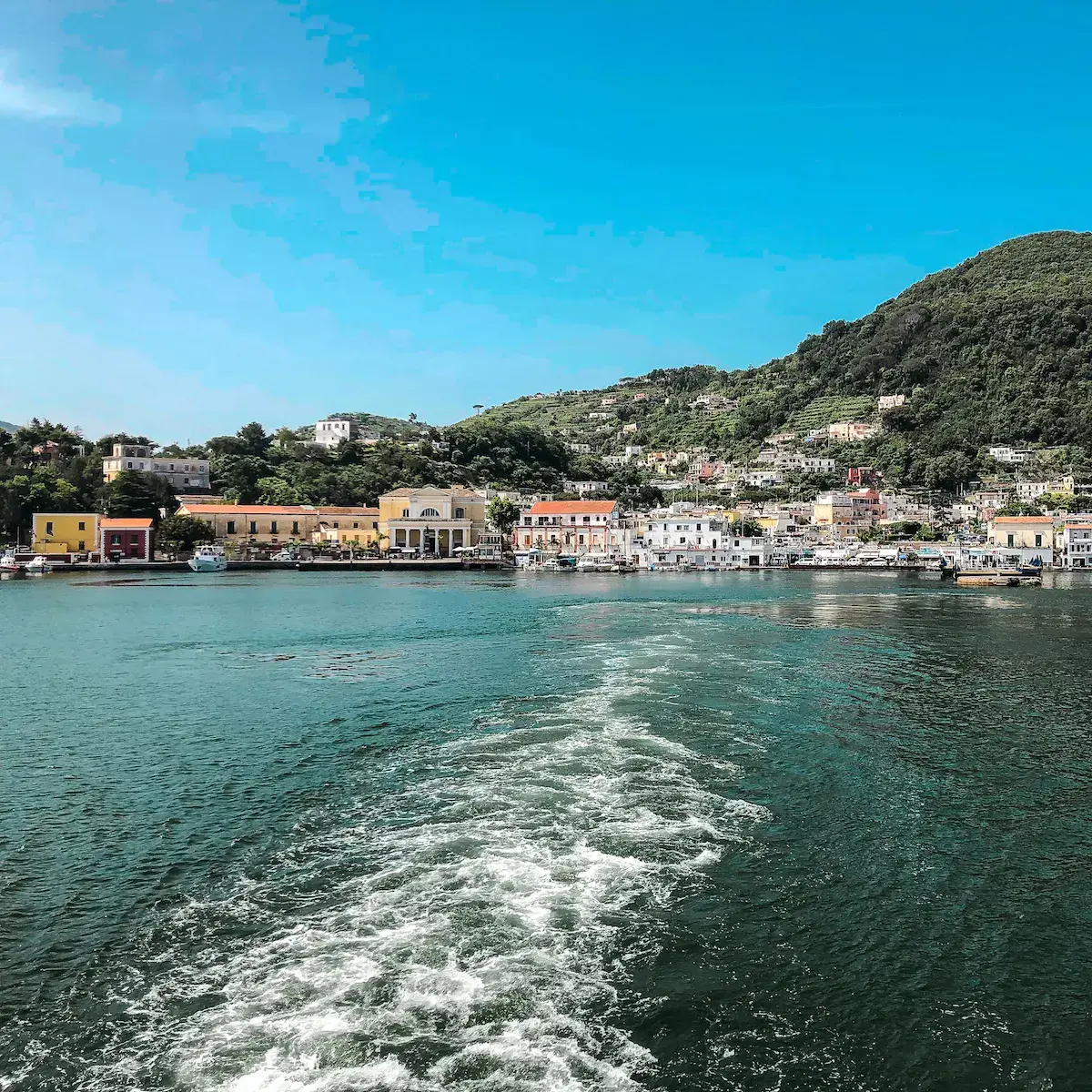
The Bay of Naples hides two gems that hurried travellers often overlook. Ischia, the lesser-known of the two, is a thermal paradise: its natural pools carved into volcanic rock, such as those at Cava Scura, offer a setting few Mediterranean islands can match. Hikers make the climb up Monte Epomeo (788 m) for a sweeping view over Capri and the entire bay.
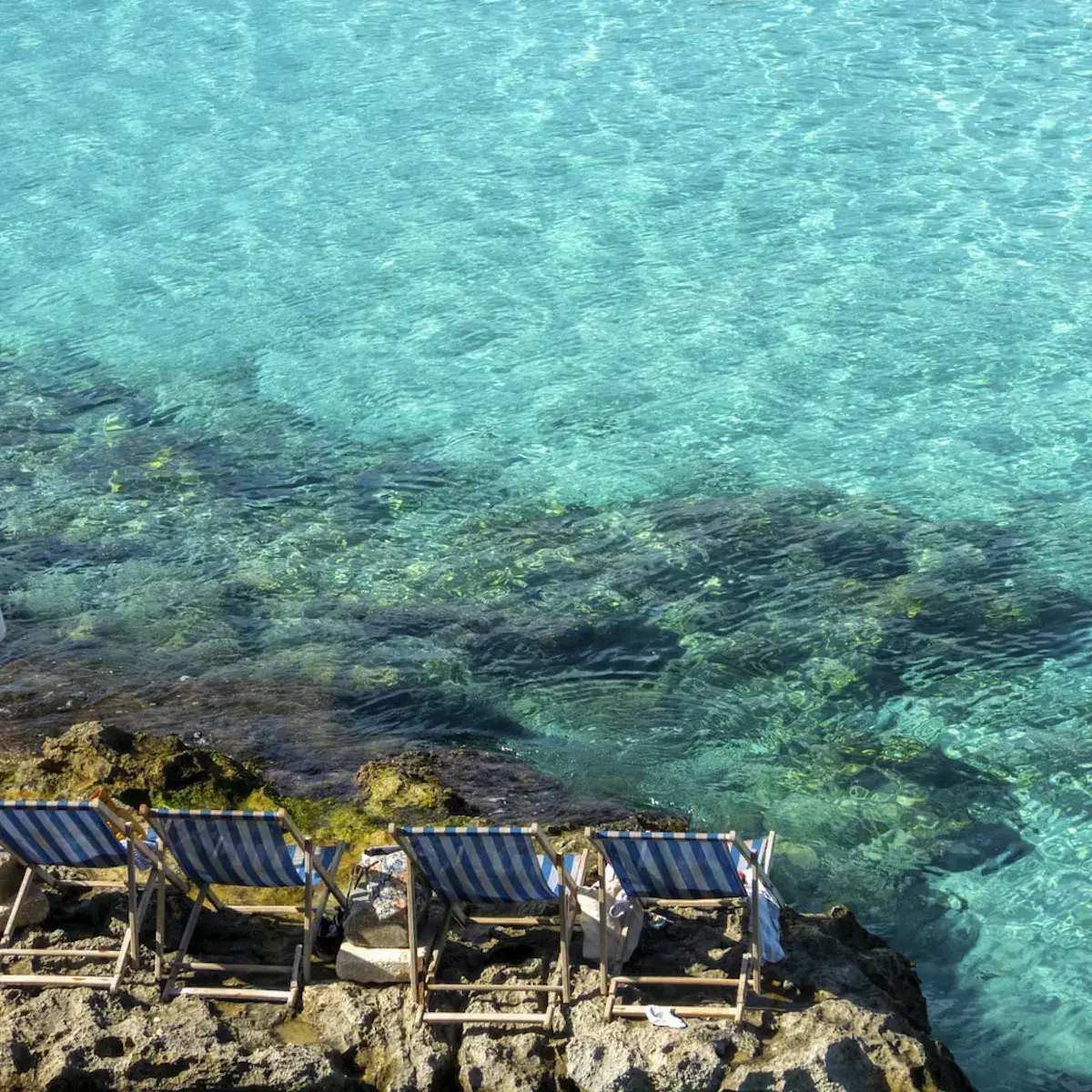
The striped sun loungers on rocky platforms, a staple of Italian lidi, are very much part of the local beach experience.
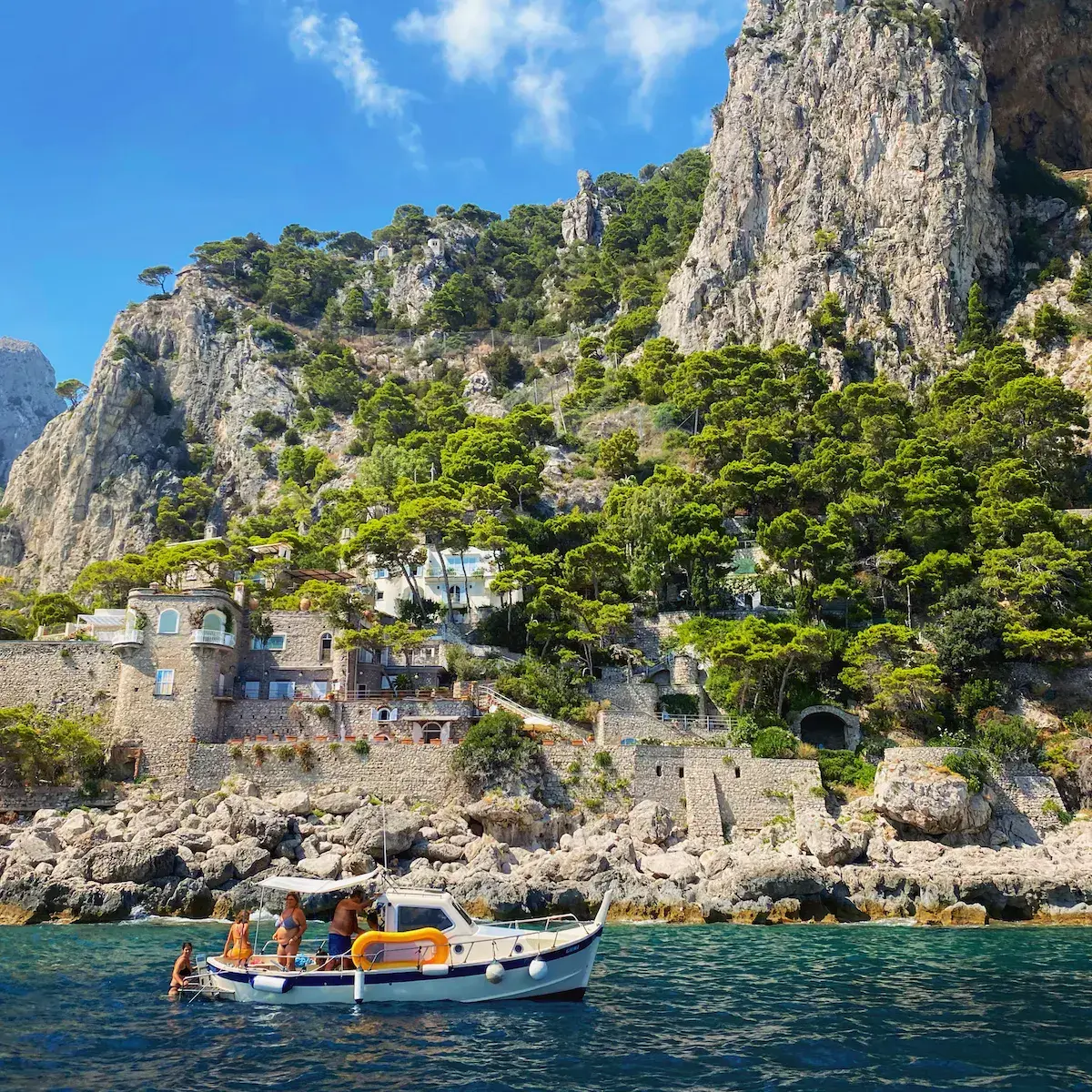
Capri, its more famous neighbour, is a distillation of everything the Mediterranean has to offer: hidden coves, lively evening alleyways, boat trips from Marina Grande to the Blue Grotto and the Faraglioni rocks. For lunch: Caprese salad and Capresi ravioli, two specialities whose recipes have not changed in centuries.
Spain: festivals, culture and extremes of landscape
Spain is a continent compressed into a single country. From the lush green north of Galicia to the white beaches of Andalusia, from Catalan surrealism to the vineyards of La Rioja, each region has its own distinct character: they often have nothing in common, and that is precisely what makes Spain so hard to sum up.
La Rioja: wine routes and legendary bodegas
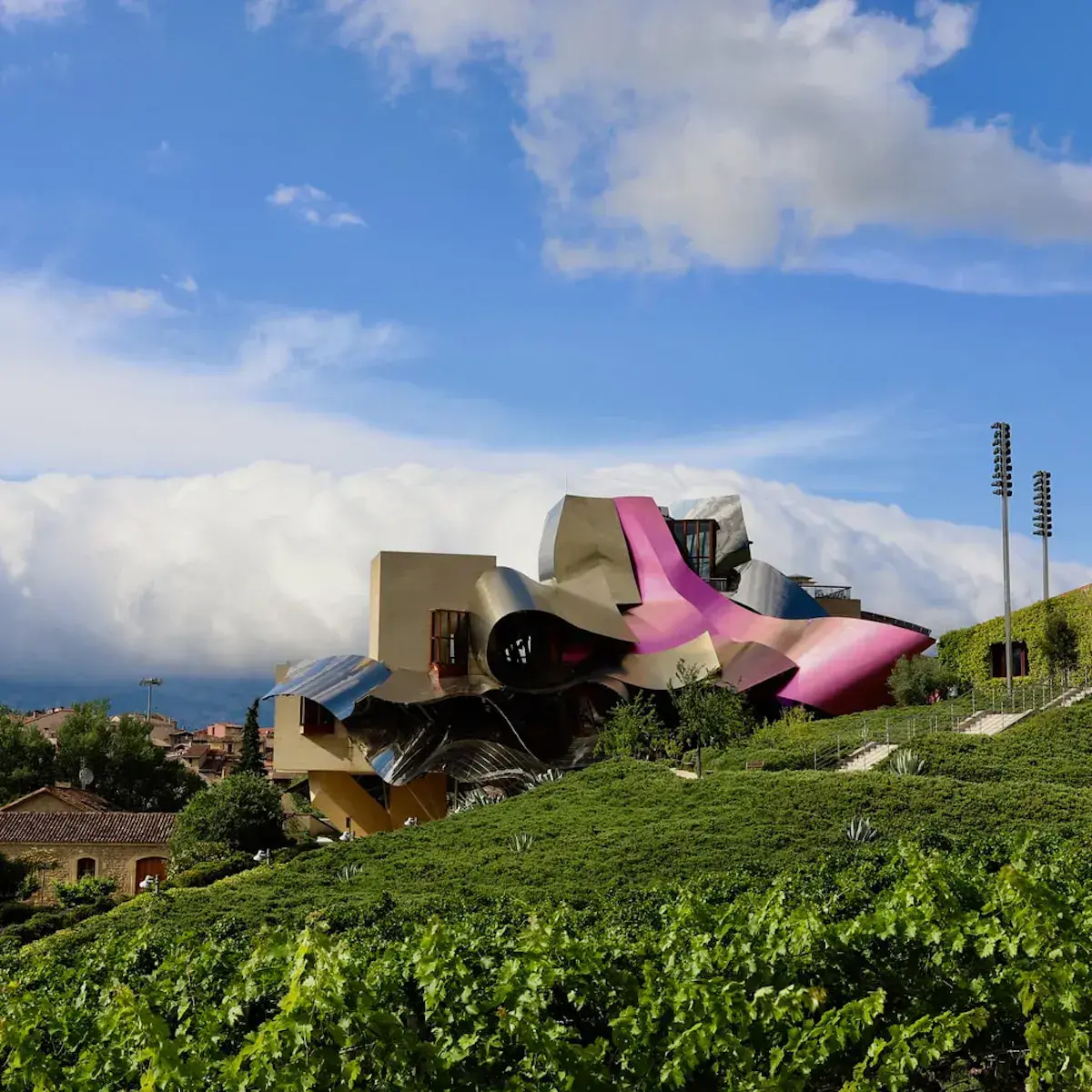
For wine lovers, La Rioja is a destination in its own right. The region’s bodegas offer tours and tastings throughout the year. Among the most celebrated is the Ciudad del Vino, a bodega dating back to 1858 whose futuristic building cuts a striking contrast against the surrounding rows of vines, a perfect illustration of the peninsula’s contemporary architectural ambition.
Figueres: surrealism at the heart of Catalonia
Figueres is Salvador Dalí’s birthplace, and the Teatre-Museu Dalí is one of the most original museums in Europe: designed by Dalí himself as a total work of art in which architecture, stagecraft and paintings are inseparable.
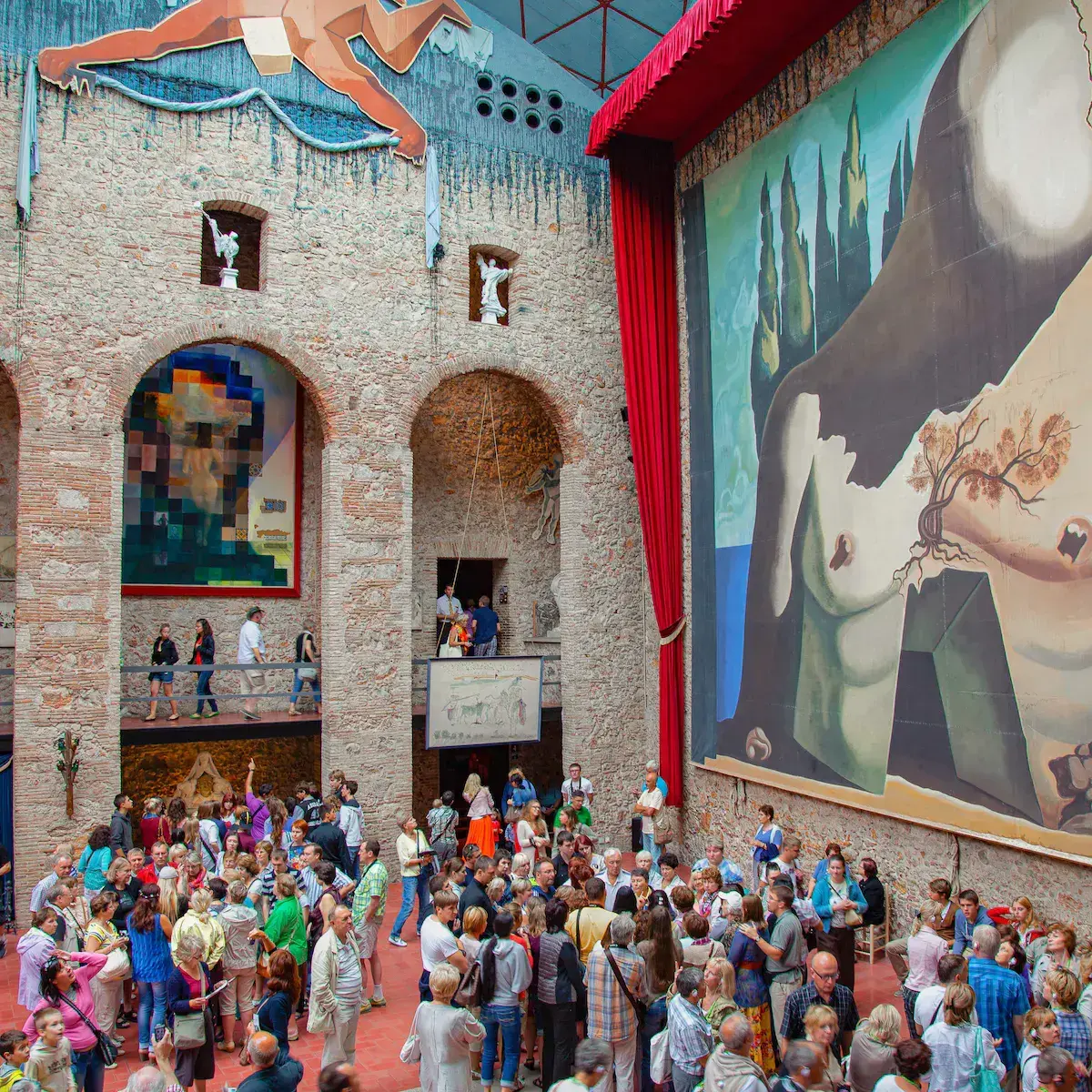
The town is worth exploring beyond the museum too: the Gothic church of Sant Pere, the medieval castle of Sant Ferran and the lively streets of the centre make Figueres an ideal day trip from Barcelona.
Ibiza: far more than a party island
Ibiza has a reputation as the world capital of electronic music, and it is well-earned. Superclubs such as Amnesia, Ushuaïa and Pacha attract the biggest names on the global scene from May through October. But the island also offers quiet beaches, hidden coves and whitewashed villages that could not feel further from the club scene.
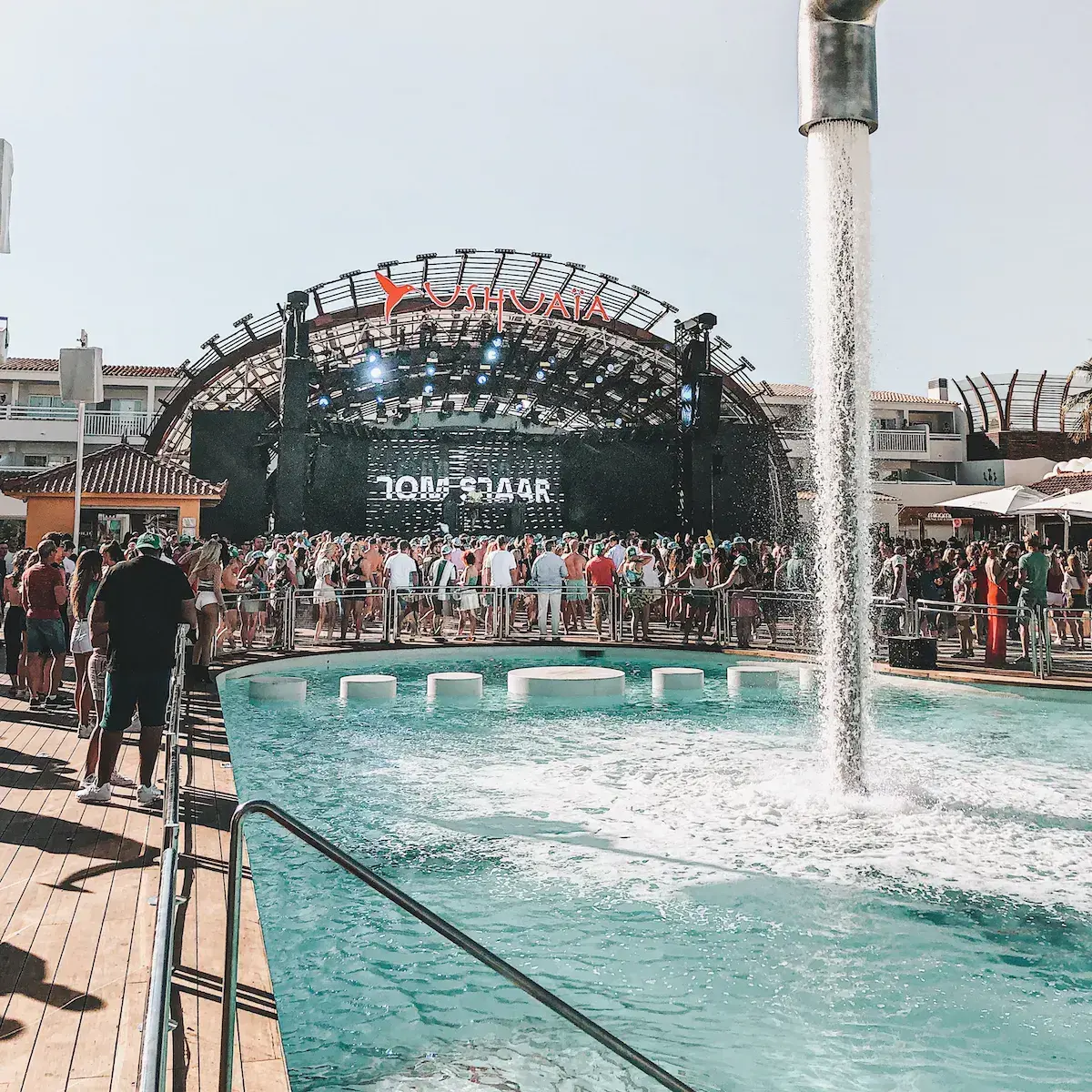
In Sant Antoni de Portmany, Kumharas is well known for its sea-facing sunsets in a bohemian atmosphere, the complete opposite of the superclubs.
Galicia and its natural cathedrals
Galicia, in north-western Spain, is a lush, rain-washed region that feels like a different country. Its Atlantic coastline is among the most dramatic on the peninsula. The Playa de las Catedrales is its most photographed spot: its natural rock arches, sculpted by the waves, recall the flying buttresses of a Gothic cathedral. Visits must be timed for low tide, so check the schedule before you set off.
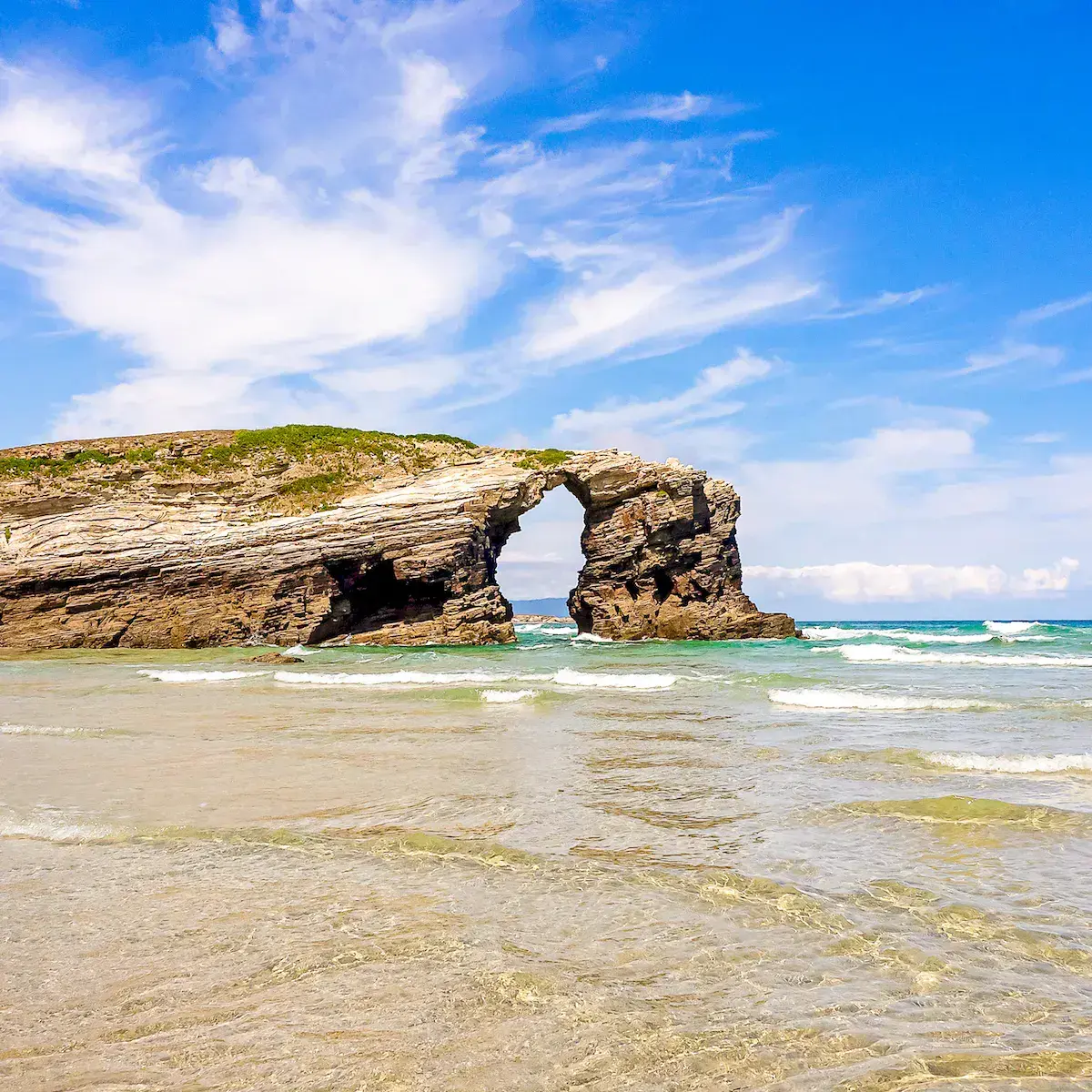
Santiago de Compostela, the end point of the Camino de Santiago, is less than two hours away by road. Its golden stone cathedral, with its imposing towers visible from the heights of the city, has a timeless quality that speaks to pilgrims and casual visitors alike.
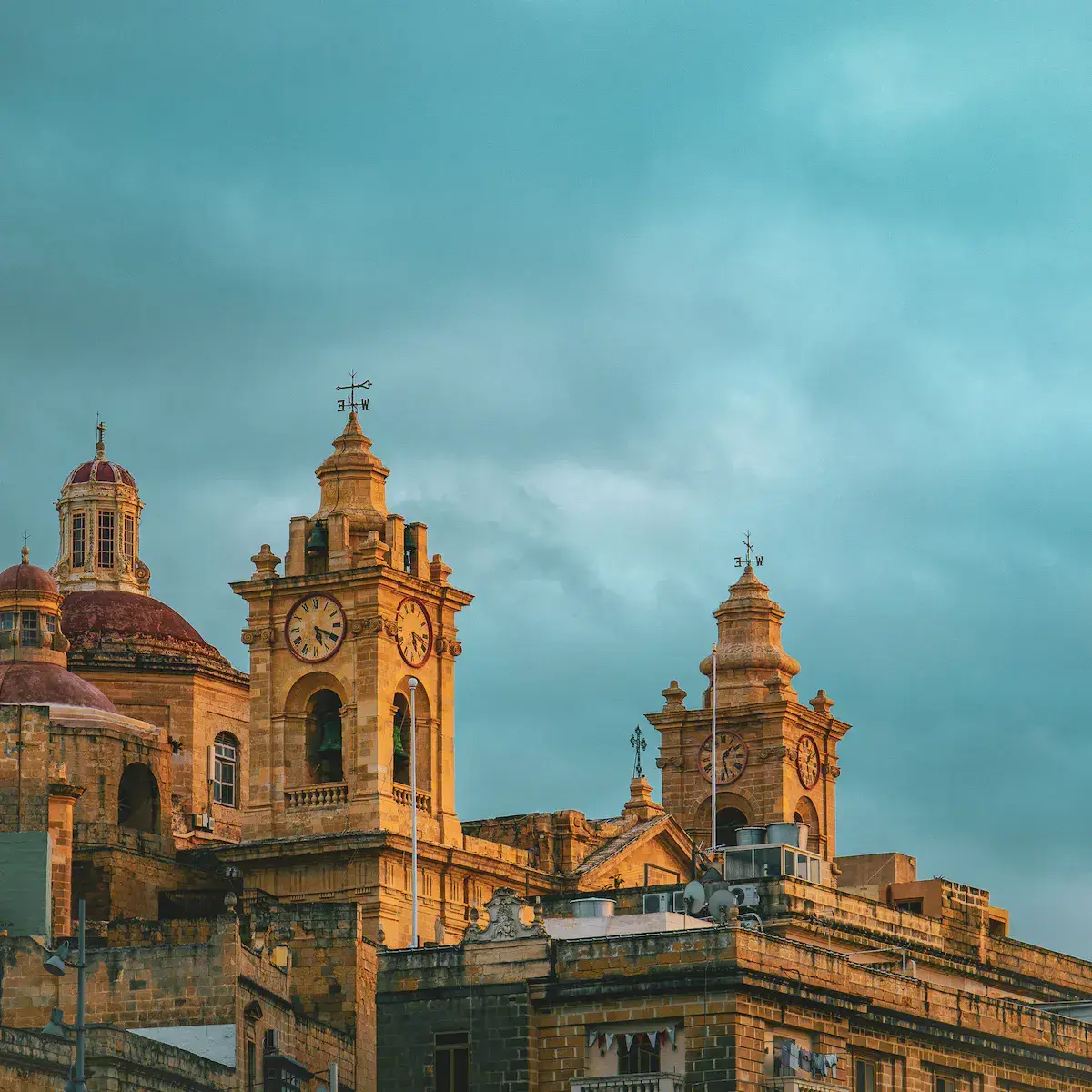
Barcelona: architecture as a way of life
Barcelona has turned architecture into a tourist draw all on its own. The Sagrada Família is unfinished, and that is precisely what makes it so fascinating. Gaudí’s Park Güell, with its colourful mosaics and views across the sea, is one of the most photographed public spaces on the continent.
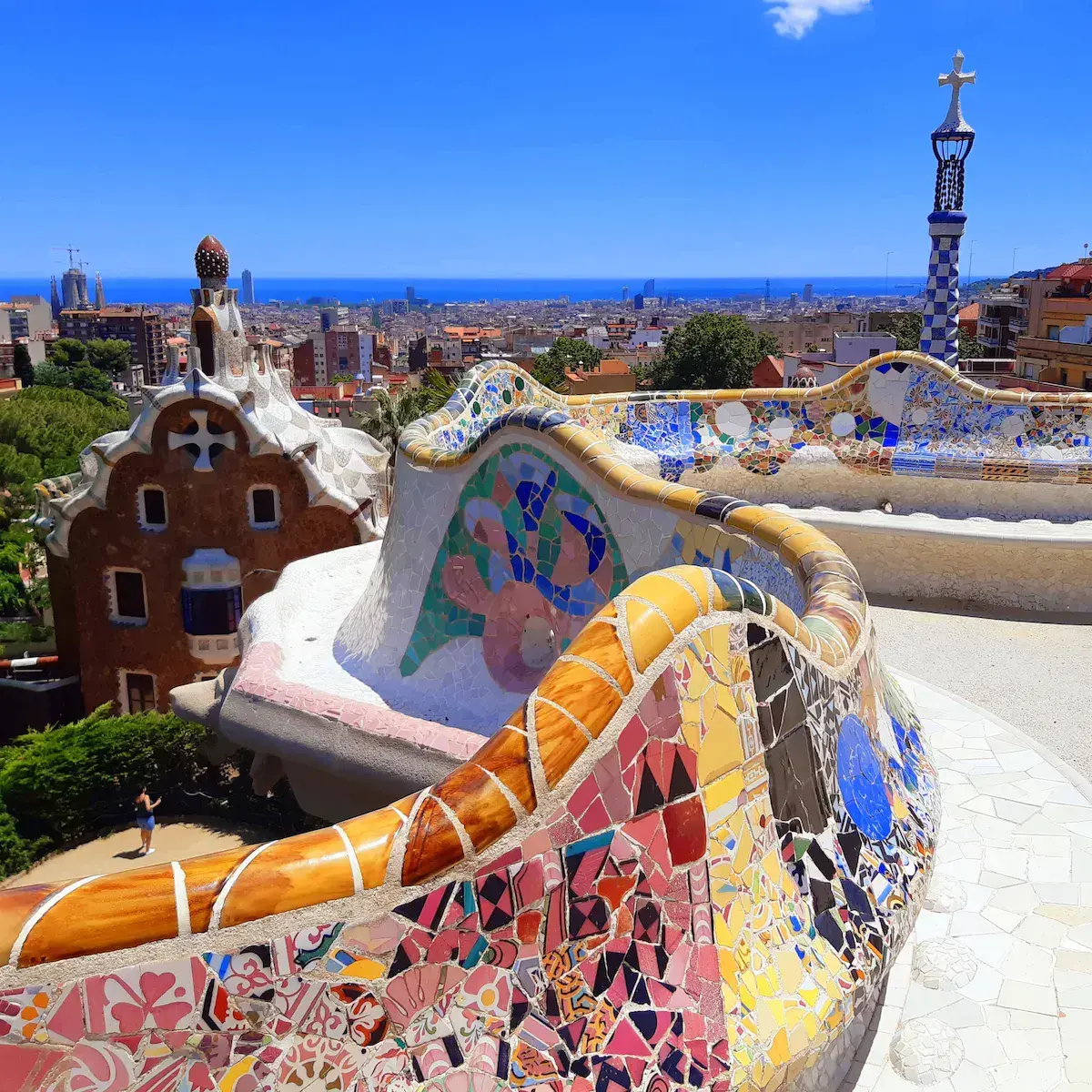
In summer, Barcelona is also a festival city: Sónar (electronic music and digital arts, typically held in June at the Fira Montjuïc) and Cruïlla (a multidisciplinary festival, typically in July at the Parc del Fòrum) turn the city into one giant open-air stage.
The Pyrenees: escaping the heat
When the coastal cities are sweltering in July and August, the Spanish Pyrenees offer a genuine breath of fresh air. The Ordesa and Monte Perdido National Park, a UNESCO World Heritage Site, has walking trails through pristine alpine scenery, with mountain lakes framed by cliffs and conifer forests.
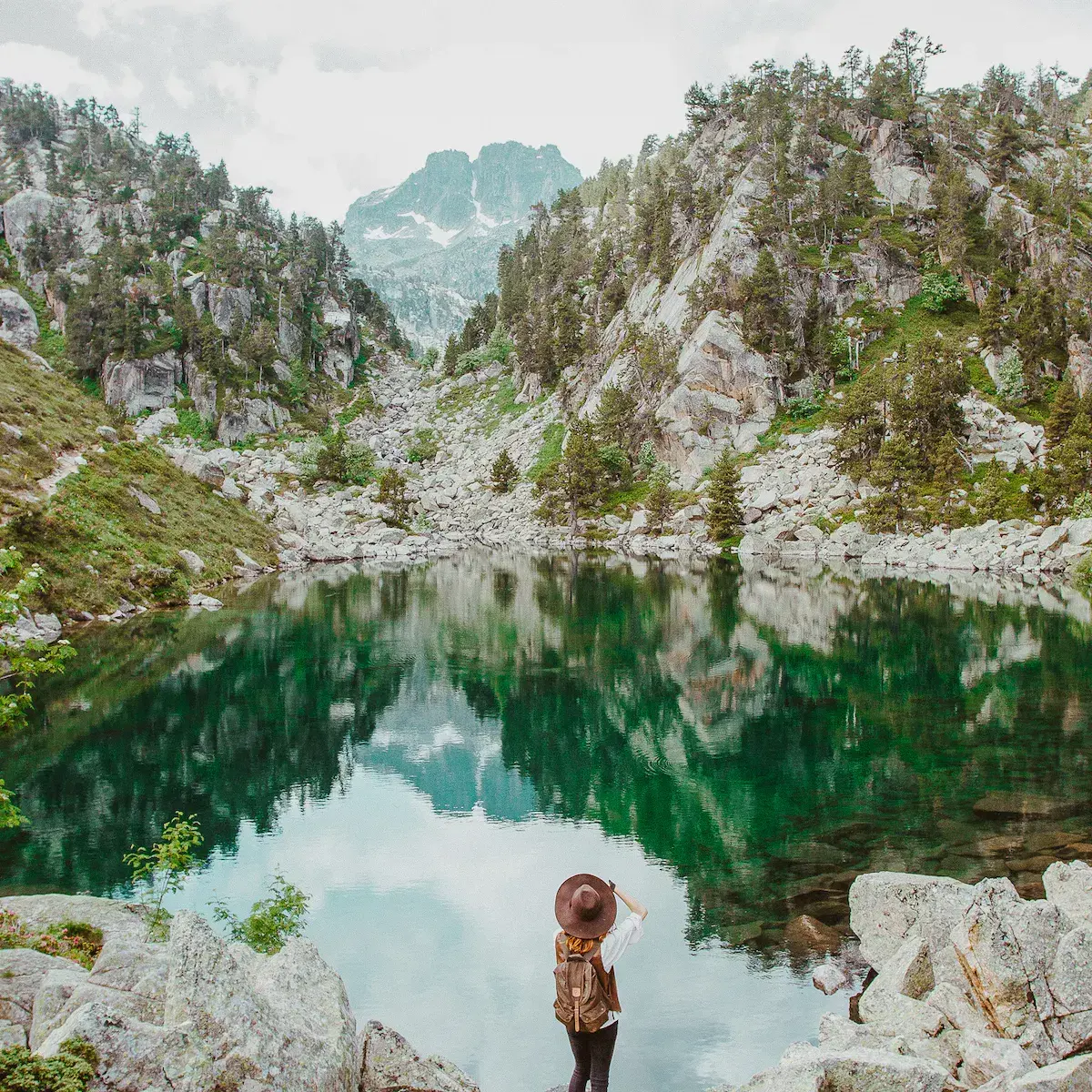
If you prefer to reach Spain from France without taking a plane, our guide on travelling by train in Europe will show you how rail travel transforms the journey.
Portugal: the third dimension of a European summer
Less crowded than its neighbours, Portugal offers a unique blend: azulejo-tiled facades, wild Atlantic coastlines, the limestone cliffs of the Algarve and bohemian towns where the pace of life slows down naturally.
Lisbon: the art of living between hills and the Tagus
Lisbon is best explored on foot, slowly, because the hills must be earned and the miradouros (viewpoints) demand a pause. The Alfama district, with its cobblestone alleyways and azulejo-covered facades, has held onto a village character that mass tourism has not managed to erase.
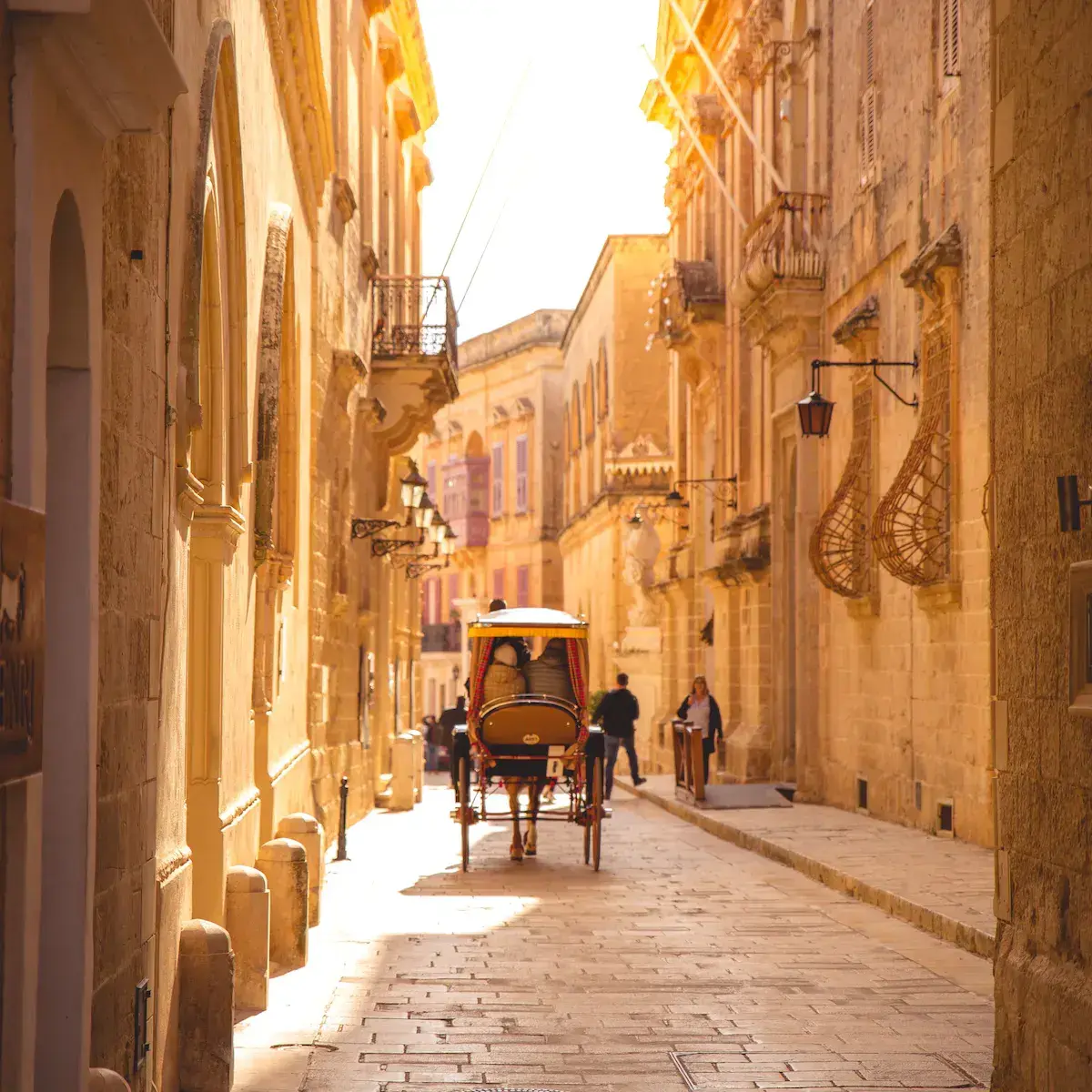
The Jerónimos Monastery and the Tower of Belém, both UNESCO World Heritage Sites, illustrate the grandeur of Portugal’s Age of Discovery. And the Pastel de Nata, a custard tart in a flaky pastry shell, is best eaten warm, straight from the oven, at a pavement table.
The Algarve: golden cliffs and secret caves
For beaches, the Algarve ranks among the most spectacular coastlines in Europe. The limestone cliffs of Ponta de Piedade loom over emerald coves. Praia de Marinha is regularly cited as one of the finest beaches on the continent.
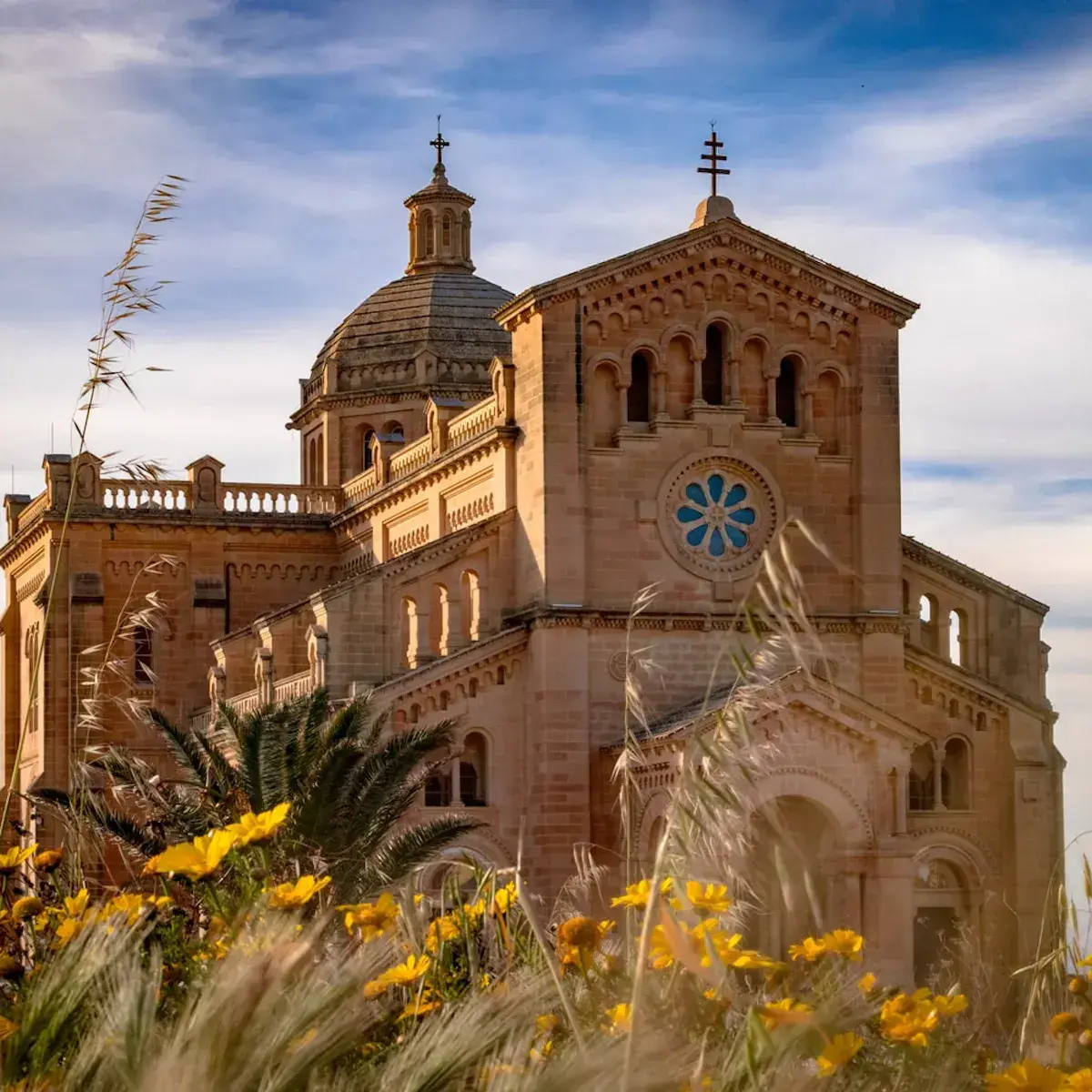
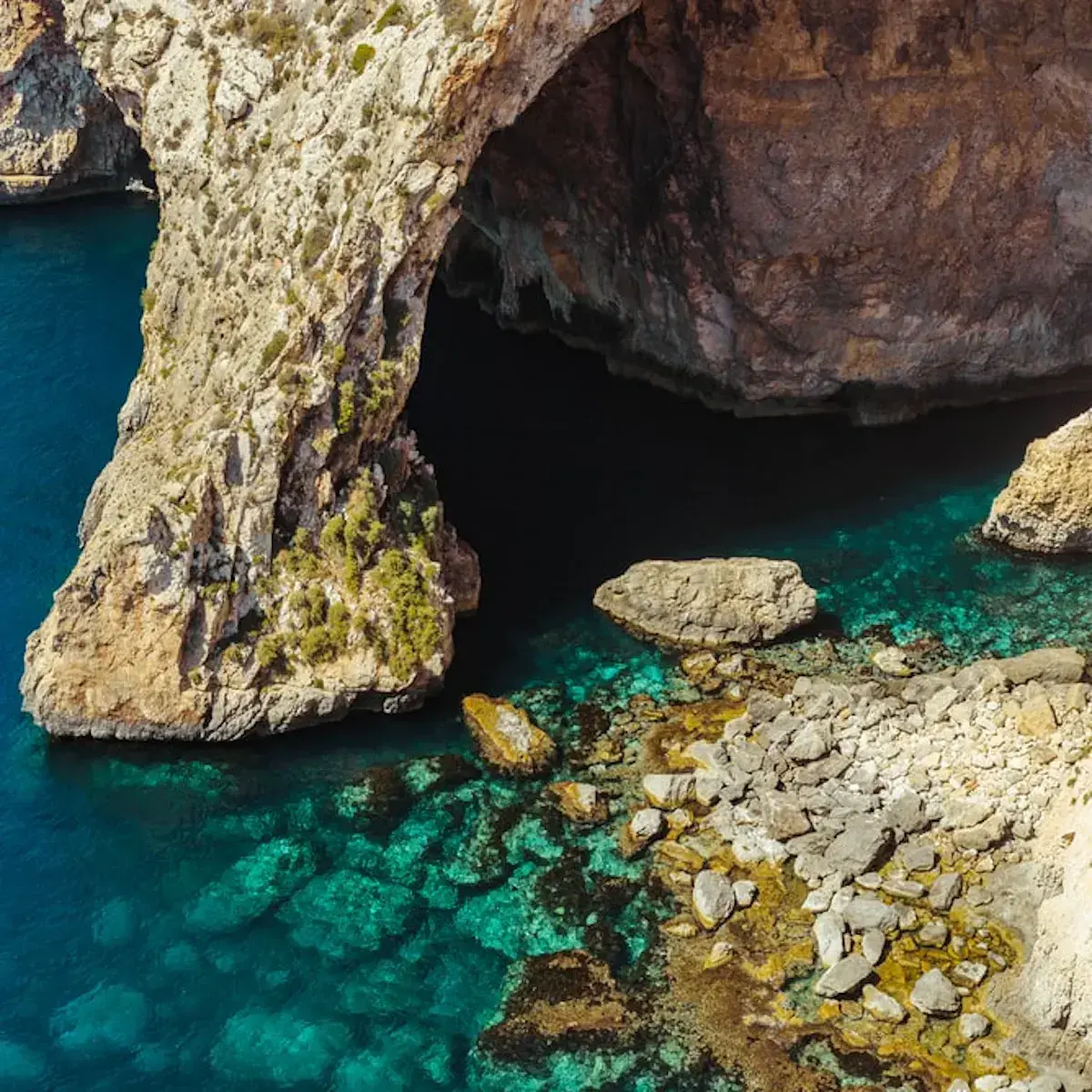
The standout experience in the region is exploring the coastal caves by boat or kayak. The Benagil Cave is a grotto carved into the limestone cliff with a circular opening in the ceiling that lets in daylight, as breathtaking in person as it looks in every photograph.
For those looking to extend their trip or explore other European horizons this summer, our guide on Portugal, Croatia and Norway offers complementary ideas. And if the eastern Mediterranean appeals, take a look at our selection Greece, Cyprus and Iceland.
FAQ
Which Southern Europe destination is best for summer?
There is no single answer: it depends on what you are after. Italy is ideal for combining history, gastronomy and beaches. Spain shines through the diversity of its regions and the intensity of its cultural and festival life. Portugal surprises with its Atlantic coastlines, its bohemian towns and a more peaceful atmosphere than its neighbours.
Which Southern Europe destination is cheapest in summer?
Portugal is generally more affordable than Italy or Spain for accommodation and dining, especially if you explore the interior of the country (the Alentejo, the Douro Valley) rather than the Algarve at peak season in July and August.
Do I need travel insurance for Europe this summer?
The European Health Insurance Card (EHIC) covers treatment at public facilities in EU countries. It does not cover medical repatriation, private clinics (common in tourist areas) or trip cancellation. Comprehensive travel insurance picks up where the EHIC leaves off.
When is the best time to visit Southern Europe to avoid the crowds?
June (before the 20th) and September are the most pleasant months: temperatures are high but bearable, and visitor numbers are lower than in July and August. July and August remain the most sought-after for families with school-age children, and the busiest at major sites such as the Colosseum and Park Güell.
Can I visit Italy, Spain and Portugal in one trip?
It is possible with at least three weeks, but it involves a lot of travelling. Better to choose one or two countries and explore them properly, rather than rushing between capitals. The other destinations will still be there for future summers.