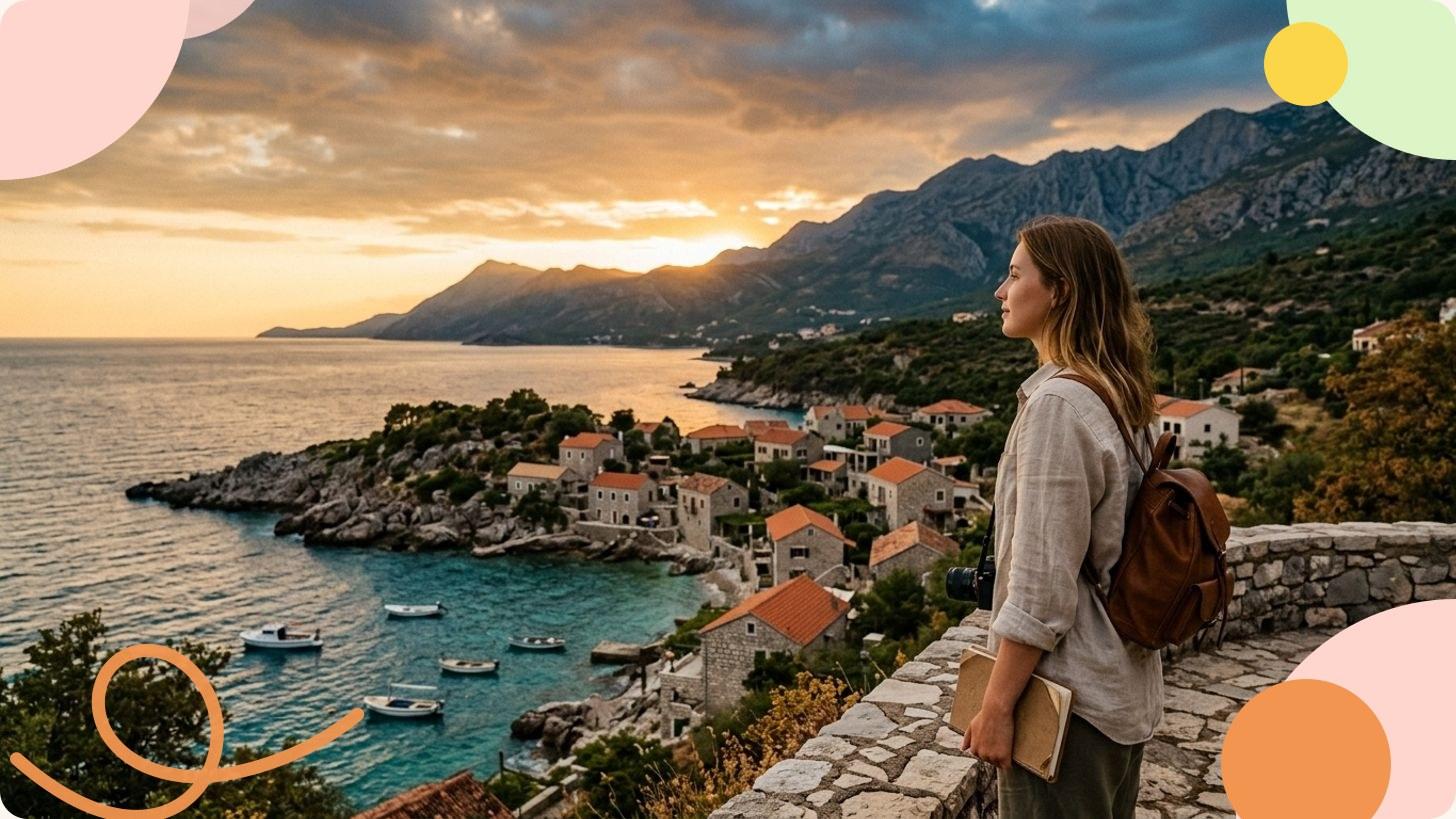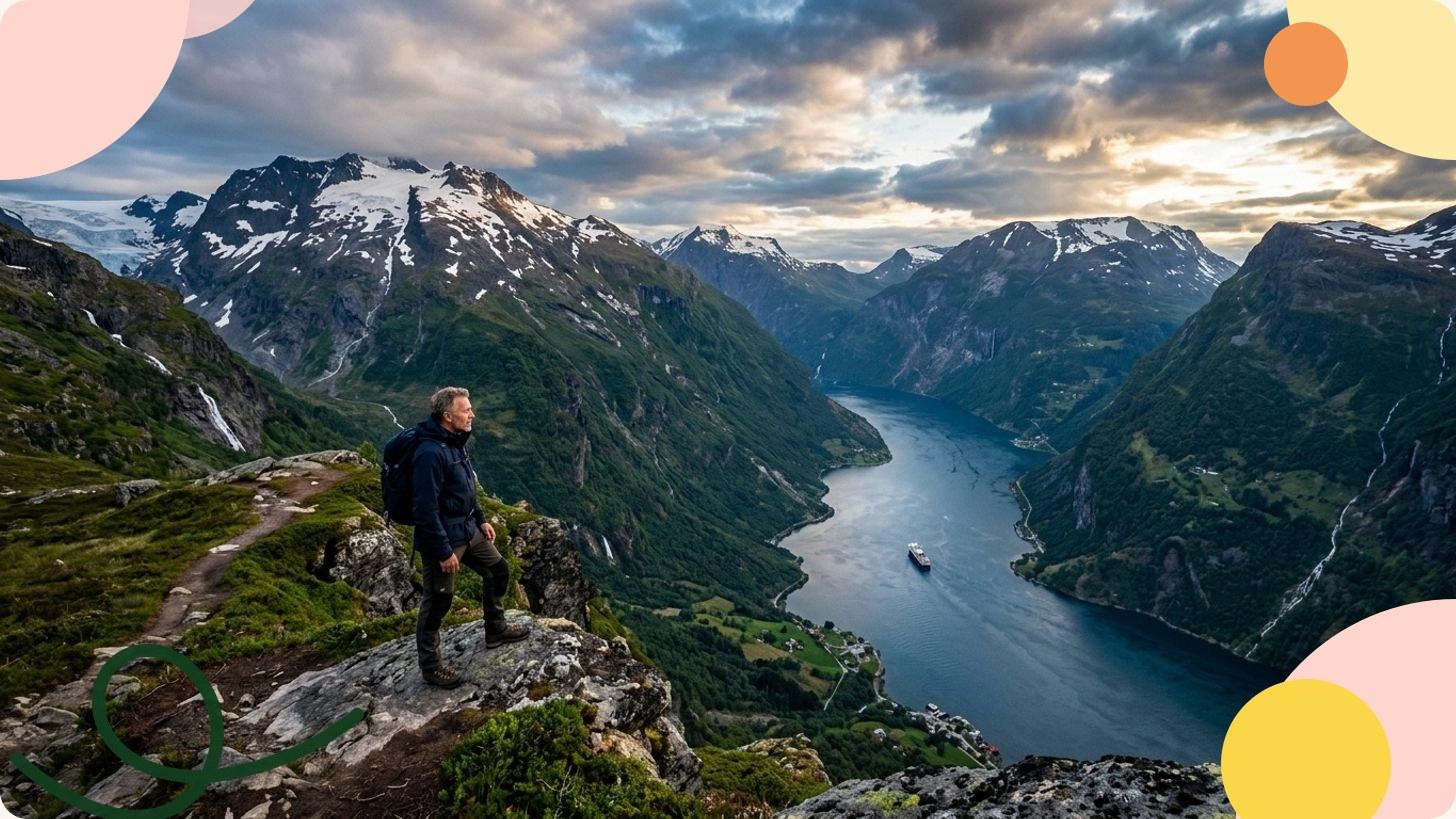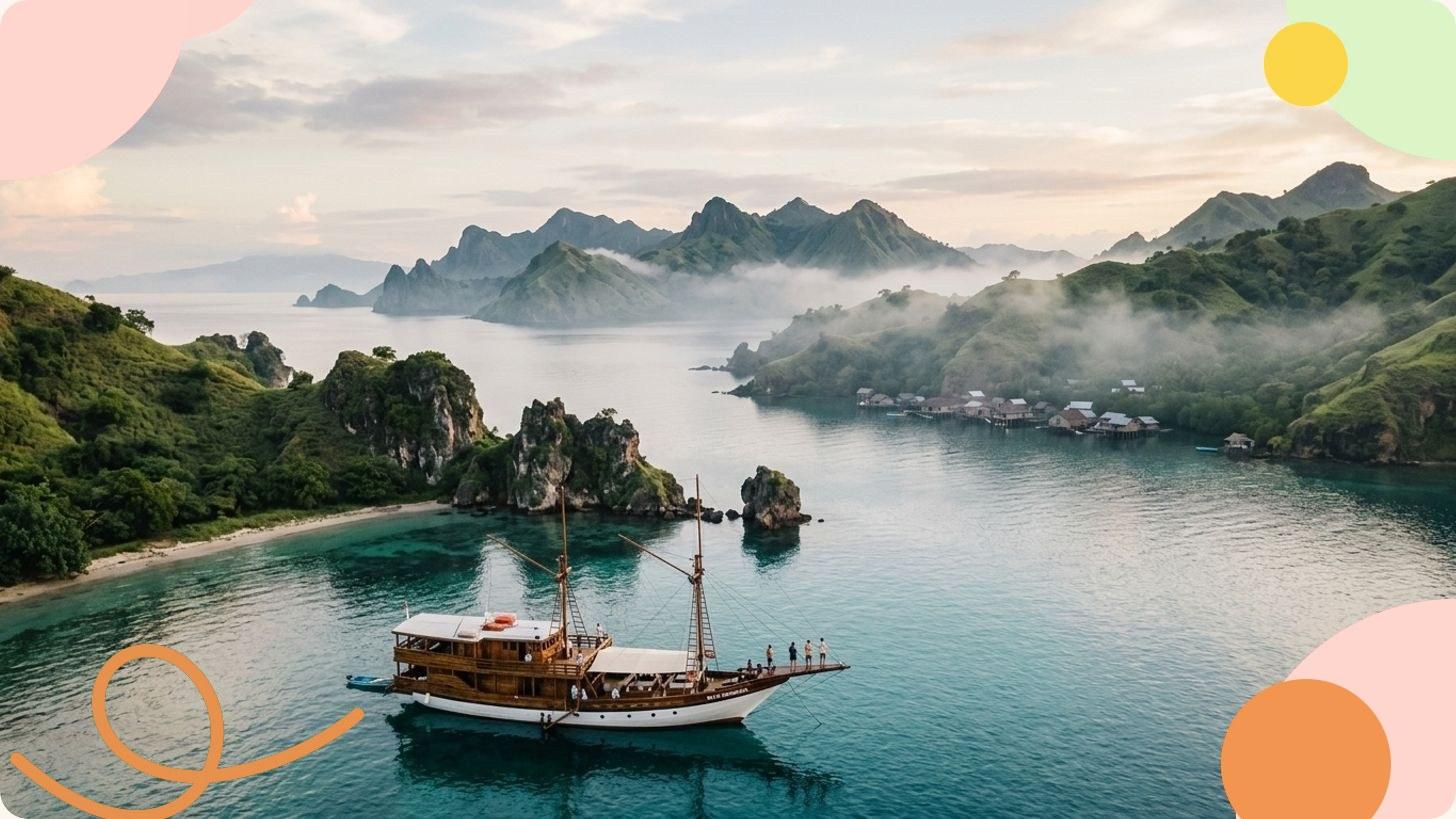
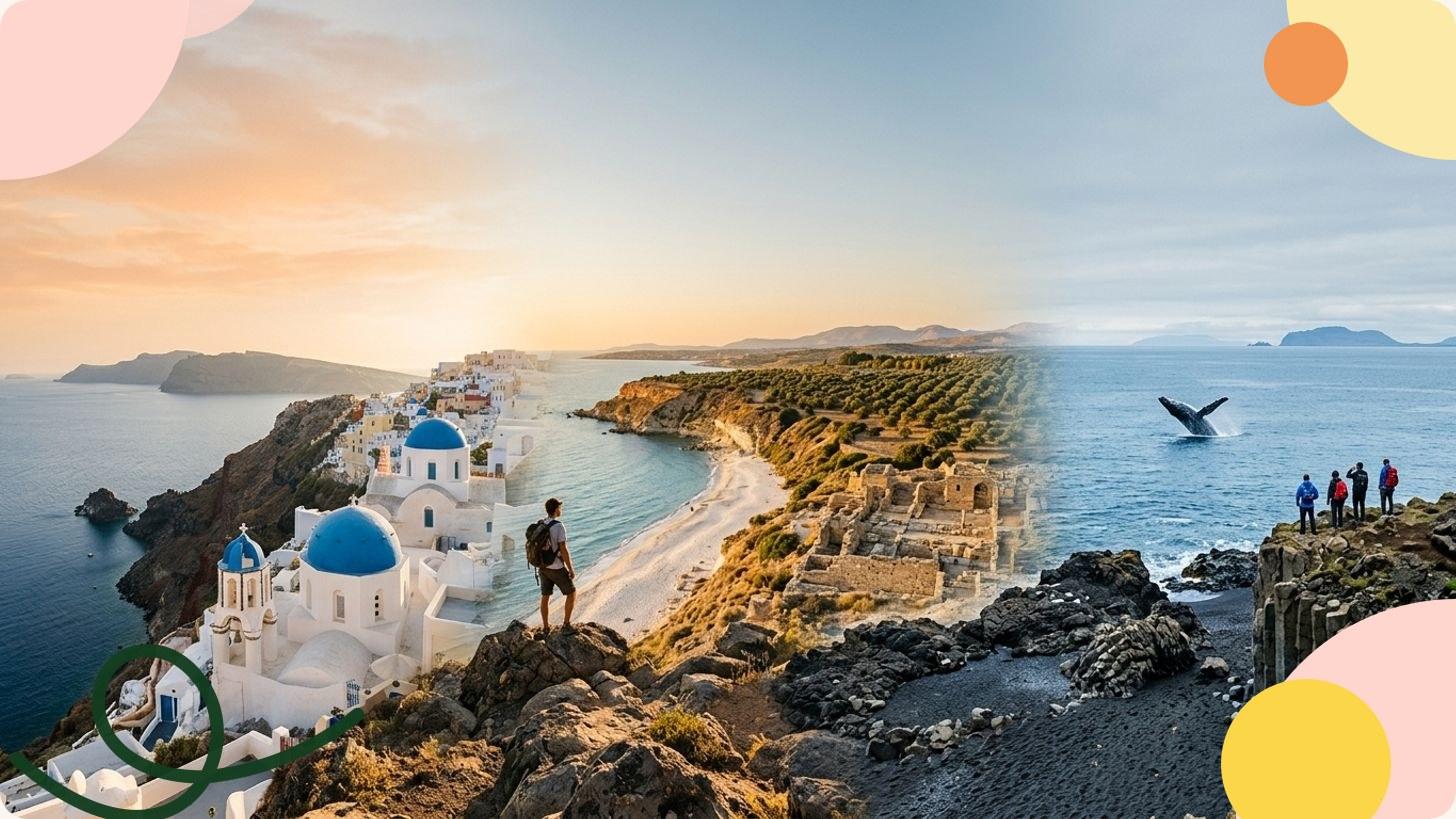

Greece, Cyprus and Iceland: three European destinations with radically different personalities, sharing one thing in common – they leave a lasting mark on everyone who visits them. From the sun-drenched Cyclades to Icelandic waterfalls bathed in midnight sun, here is why these three countries deserve a place in your summer travel plans.
Greece: The Country of 6,000 Islands
Greece is a destination that rewards those who seek it out, and never fails to surprise. Each island sets its own pace, its own palette of colours, its own cuisine. This is precisely what makes it irreplaceable for a summer trip in Europe.
Which Island Should You Choose?
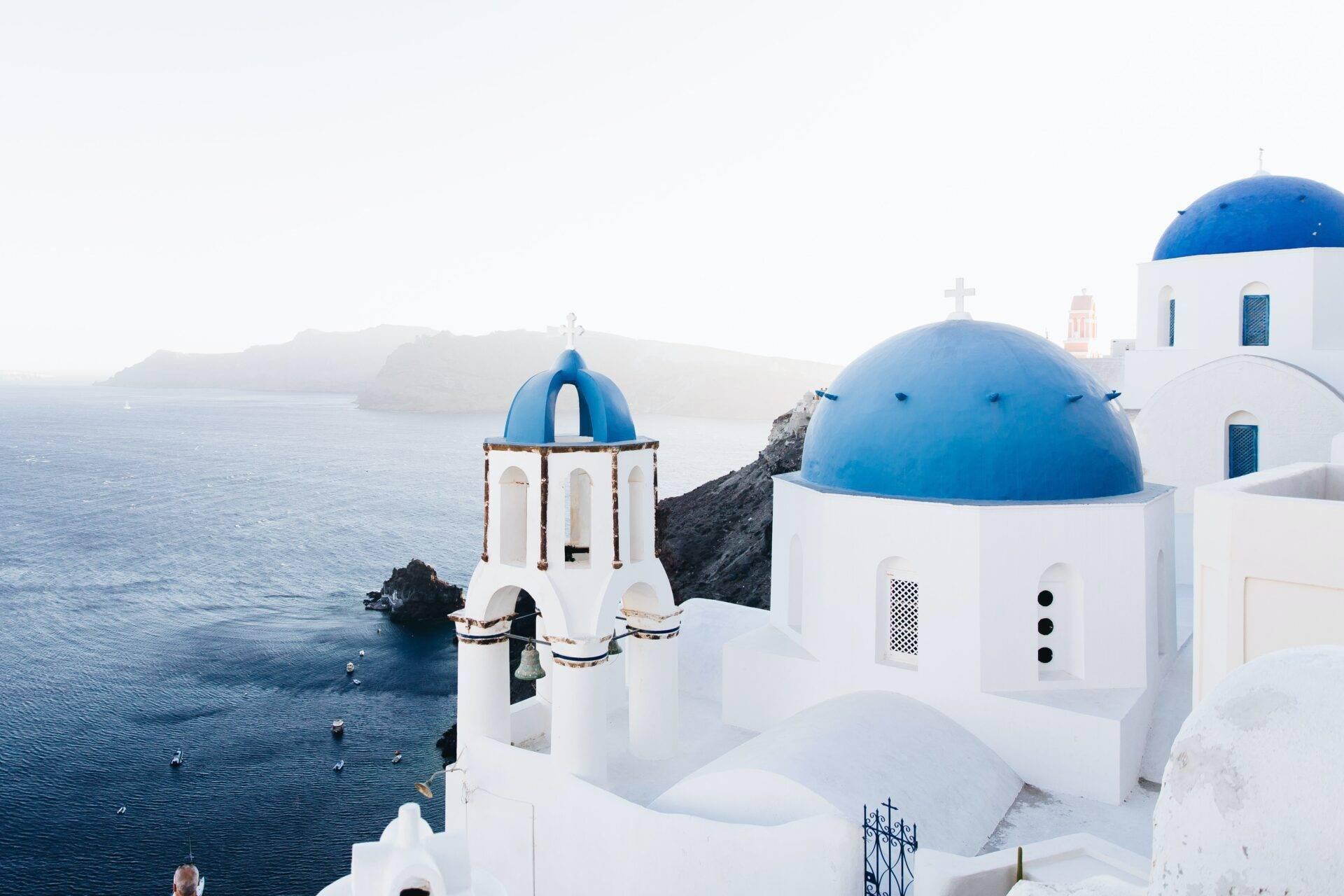
Santorini remains the benchmark for its Cycladic architecture and sunsets from the village of Oia, perched high above the caldera. For a wilder setting, Milos offers a spectacular volcanic coastline with more than 70 beaches and coves, including the multicoloured rock formations of Sarakiniko. On the eastern edge of the Cyclades, Amorgos is the island for hikers and seekers of true quiet: its Chozoviotissa Monastery, a brilliant white building clinging to a clifftop above the Aegean Sea, is one of the most striking sights in all of Greece.
Corfu stands apart thanks to its UNESCO World Heritage-listed old town, a testament to successive Venetian, French and British rule. Its coastline alternates between broad sandy beaches and secluded coves that take some effort to reach.
June and September remain the best windows for exploring the Cyclades: reliable weather, a warm sea, and crowds roughly half those of July and August.
Athens, Beyond the Acropolis
The Acropolis and the Parthenon deserve a full day, ideally starting at dawn before the heat sets in. The Monastiraki district and the tavernas of Plaka are the perfect place to experience Greek cuisine in context: generous mezze, moussaka, olive-oil-dressed feta, baklava.
To explore further, read our 20 must-see things to do in Greece. To sort your medical cover before you leave, visit our Greece travel insurance page.
Cyprus: The Island of Two Heritages
Cyprus is one of Europe’s most underrated destinations. Its Greek and Ottoman roots coexist in every neighbourhood, its landscapes shift dramatically from one end of the island to the other, and its beaches rival the finest in the Mediterranean.
The North: Kyrenia and the Divided City
The medieval harbour of Kyrenia is one of the most photographed in the Mediterranean. Its castle houses a remarkable museum of ancient shipwrecks. Five kilometres away, Bellapais Monastery commands a sweeping panoramic view over the north coast.
The capital Nicosia is Europe’s last divided capital. The Green Line splits the city between two communities. Crossing from one side to the other on nothing more than a photo ID, you move in minutes from a modern Mediterranean city to an Ottoman bazaar of lively, winding lanes.
The South: Paphos, the Blue Lagoon and the Beaches
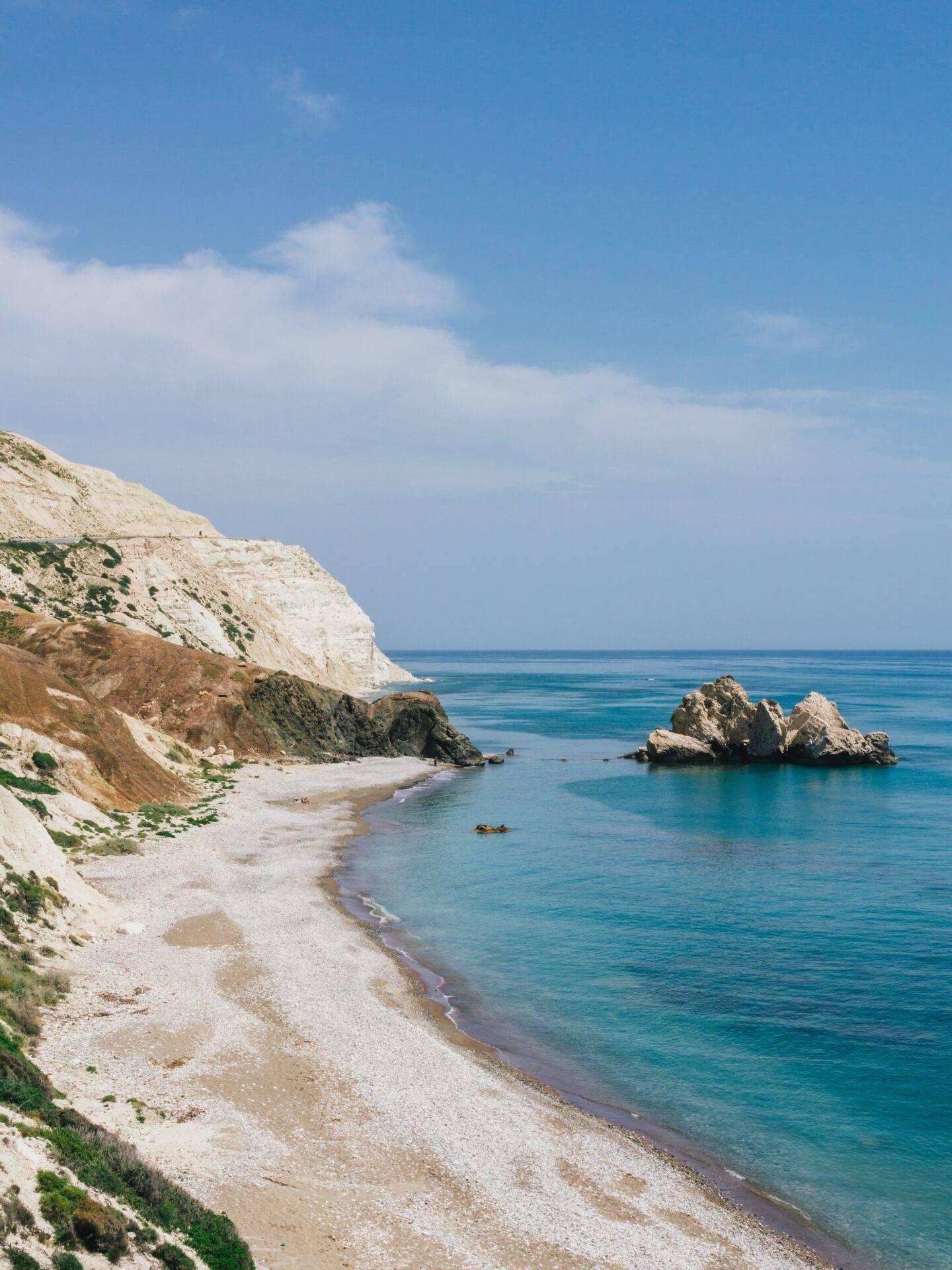
In Paphos, the UNESCO-listed archaeological park is home to Roman mosaics dating from the 2nd to the 4th century, among the best preserved in the world: vivid mythological scenes that reward two to three hours of unhurried exploration.
The Blue Lagoon, on the Akamas Peninsula, is the island’s natural jewel: intensely blue water, a white sand floor and wild cliffs set within a protected natural park. The overland route is challenging (a rough track; a 4x4 or quad is recommended); the most enjoyable option is a boat trip from Latchi harbour, setting off before 9am to get ahead of the tourist boats.
For beaches, Fig Tree Bay in Protaras is consistently ranked among the finest in Europe for water quality and sand.
May-June and September-October are ideal for Cyprus: reliable weather, a warm sea, and far more comfortable temperatures than the height of summer.
Iceland: Extraordinary Nature Under the Midnight Sun
Sitting out in the North Atlantic, Iceland offers what is probably the strangest landscape you can discover in Europe. Volcanoes, geysers, waterfalls and stretches of green moss: the scenery changes every twenty minutes.
The Midnight Sun and the Waterfalls
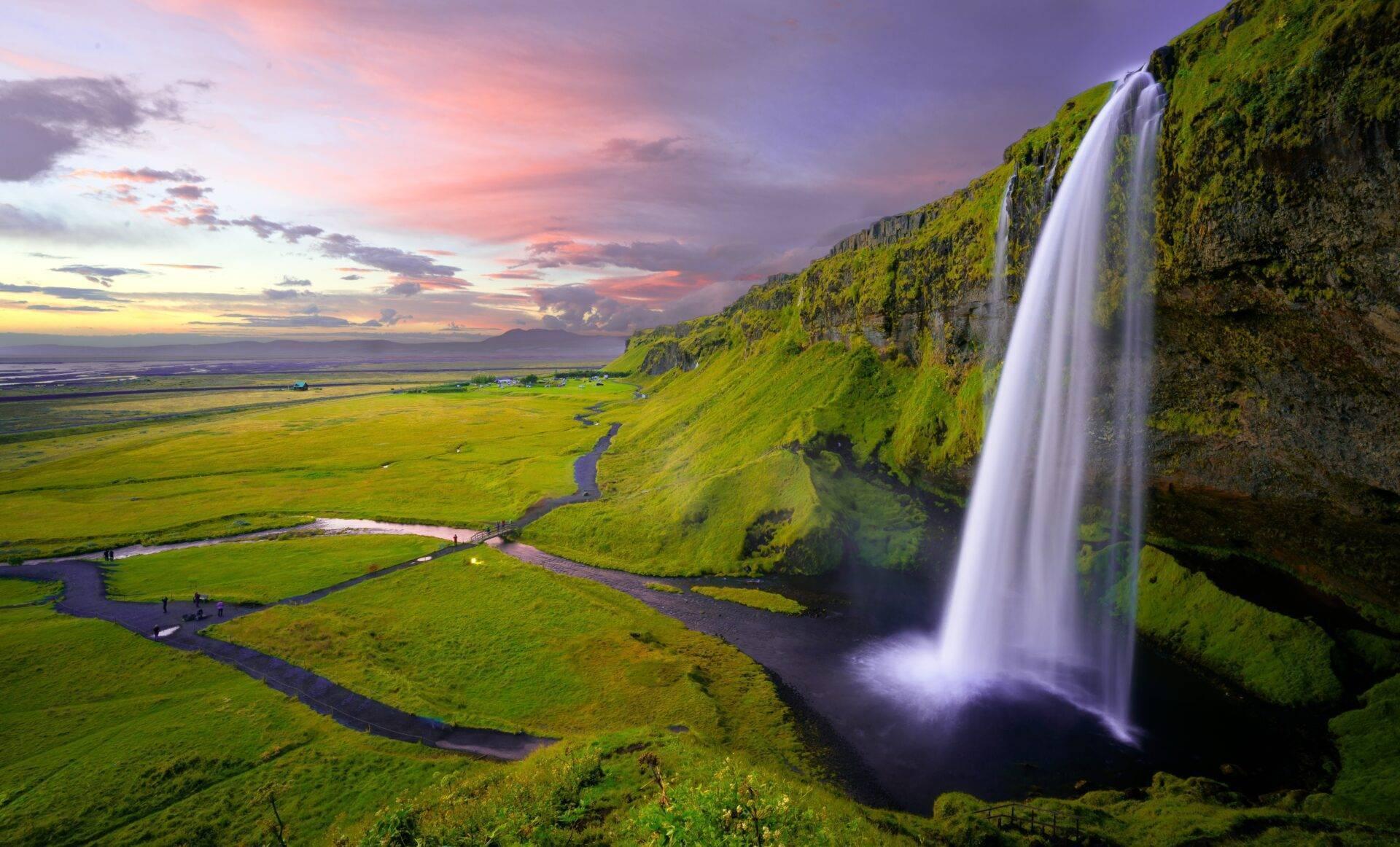
In June, Iceland enjoys up to 20 to 24 hours of daylight. This permanent golden light gives the landscape an otherworldly quality and turns every waterfall into a film set. It is also the season when glaciers partially thaw, bringing waterfalls to their peak flow.
Skaftafell, in Vatnajökull National Park, and the glacial lagoon of Jökulsárlón, where bluish icebergs drift down to Diamond Beach, are two unmissable highlights of the south.
In 2026, travellers in Iceland on 12 August will witness something extraordinary: a total solar eclipse tracking across the west of the country.
Whales, Hiking and the Highlands
Summer is the best time for whale watching: trips run from April to September, with a particularly high concentration at Húsavík in the north. Summer temperatures hover around 8 to 15°C in July, so pack layers even at the height of the season.
Worth noting: the Northern Lights are not visible in summer. The permanent brightness of the Icelandic sky rules out any aurora sighting until September, when the new aurora season gets under way and runs through to March.
The Icelandic Highlands (Fjallabak, Landmannalaugar) are only accessible in summer, from mid-June to September, once the mountain tracks have thawed. A 4x4 is essential. For hikers, it is an immersion in a lunar landscape with no equivalent anywhere else in Europe.
To prepare your Iceland trip in terms of logistics and medical cover, visit our Iceland travel insurance page.
Get my travel insurance quoteThese three destinations are just a taste of what Europe has to offer this summer. For more inspiration, discover our selection covering Portugal, Croatia and Norway.
FAQ
Which Greek island should I choose for a summer trip?
It depends on what you are looking for. Santorini draws visitors with its Cycladic architecture and sunsets from Oia. Milos appeals for its volcanic coastline and more than 70 beaches and secret coves. Corfu, whose old town is a UNESCO World Heritage Site, suits culture lovers. Amorgos is ideal for those seeking an authentic, unspoilt setting. In July and August, the Cyclades are very busy: June and September offer a far better balance between good weather and tranquillity.
Can you see the Northern Lights in Iceland in summer?
No. In June and July, the midnight sun lights the sky for up to 20 to 24 hours a day, making any Northern Lights sighting impossible. Nights only become dark enough again from September; the aurora season then runs through to March.
Is the European Health Insurance Card enough for these destinations?
The EHIC is valid in Greece, Cyprus and Iceland: it covers a portion of medical costs at local rates. However, it does not cover medical repatriation or expenses that the local healthcare system does not reimburse. Yupwego fills this gap and means you never have to pay medical costs out of pocket.
What is the best time to visit Cyprus?
May-June and September-October are ideal: stable weather, a warm sea, and far more manageable temperatures than midsummer. If you are visiting in July or August, plan cultural visits for early morning and book a boat cruise to the Blue Lagoon from Latchi, setting off before 9am to get ahead of the crowds.
How many days should I allow for Iceland in summer?
A week is enough to take in the main sites in the south of the island. Two weeks are needed for a full circuit. To include the Highlands (Landmannalaugar, Fjallabak) and multi-day hikes, allow a minimum of 12 to 14 days and book a 4x4.