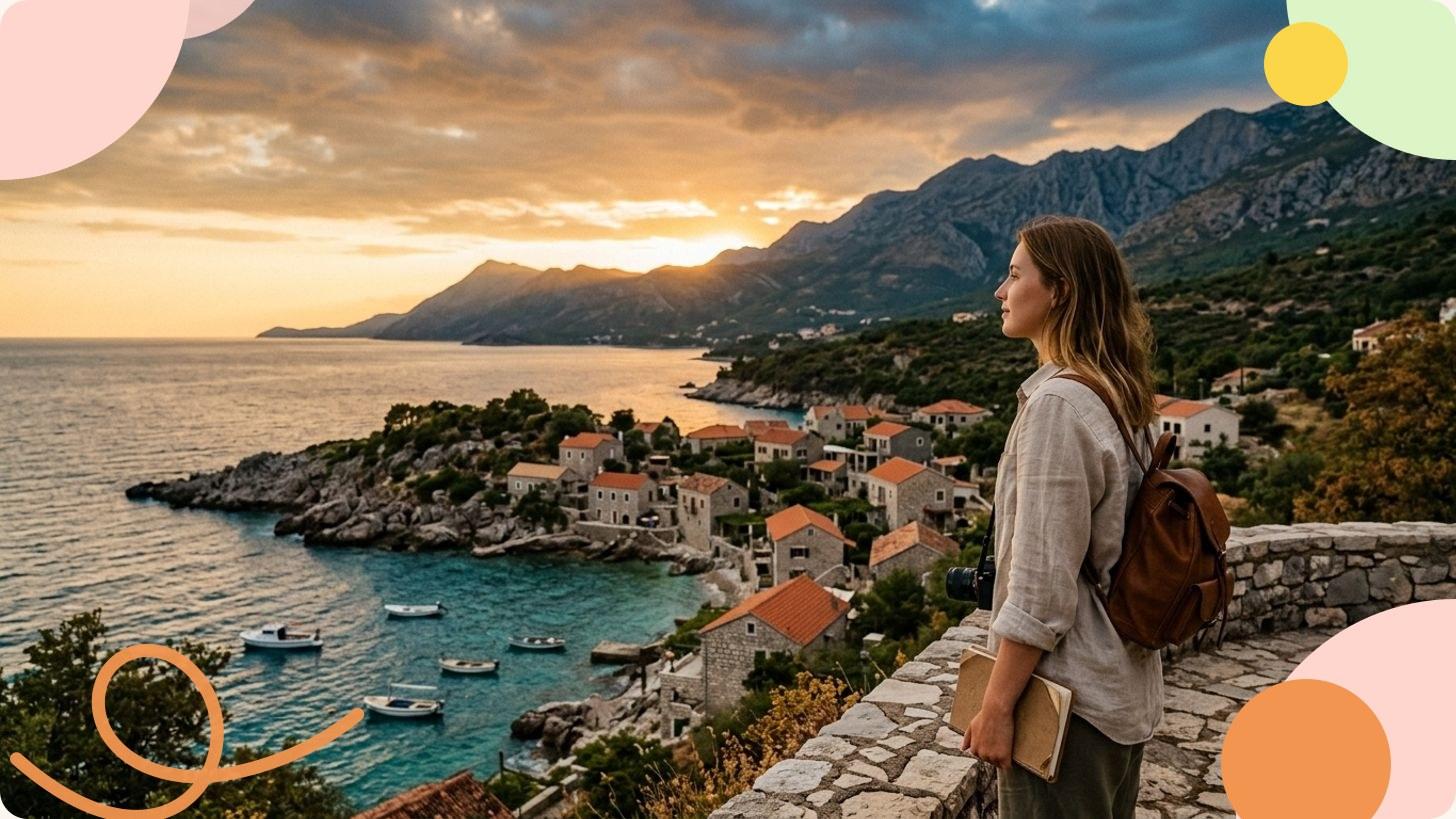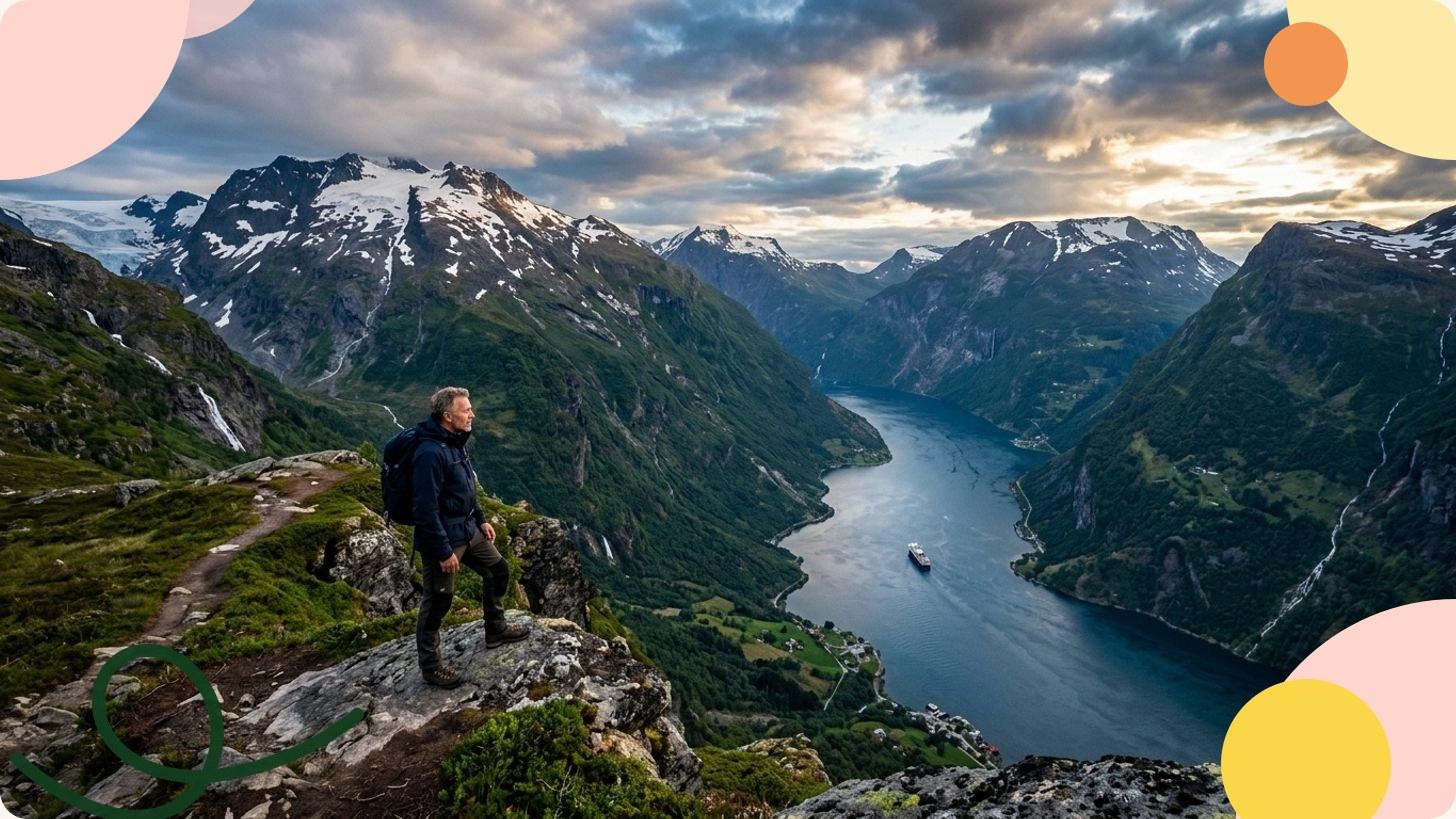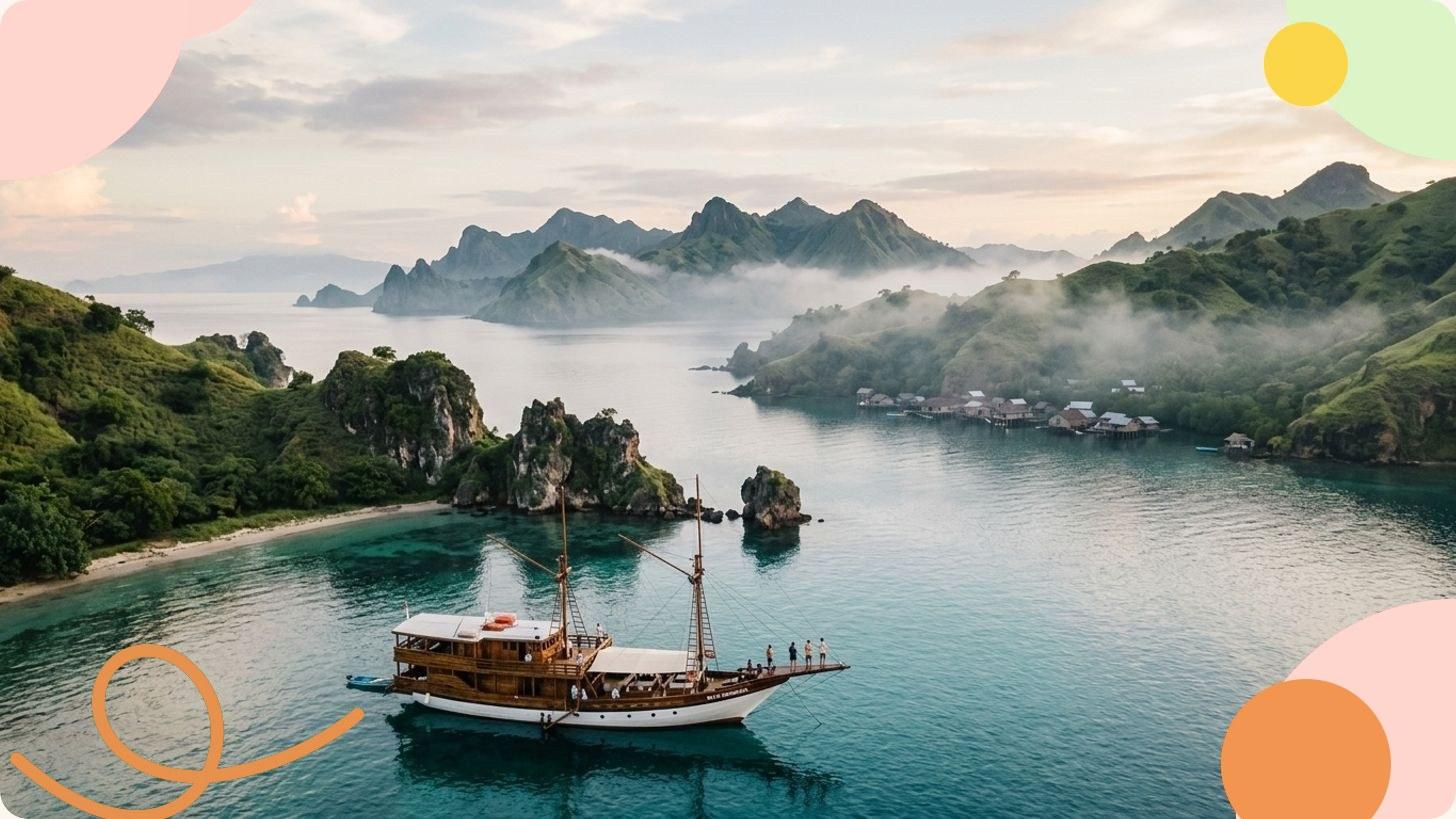
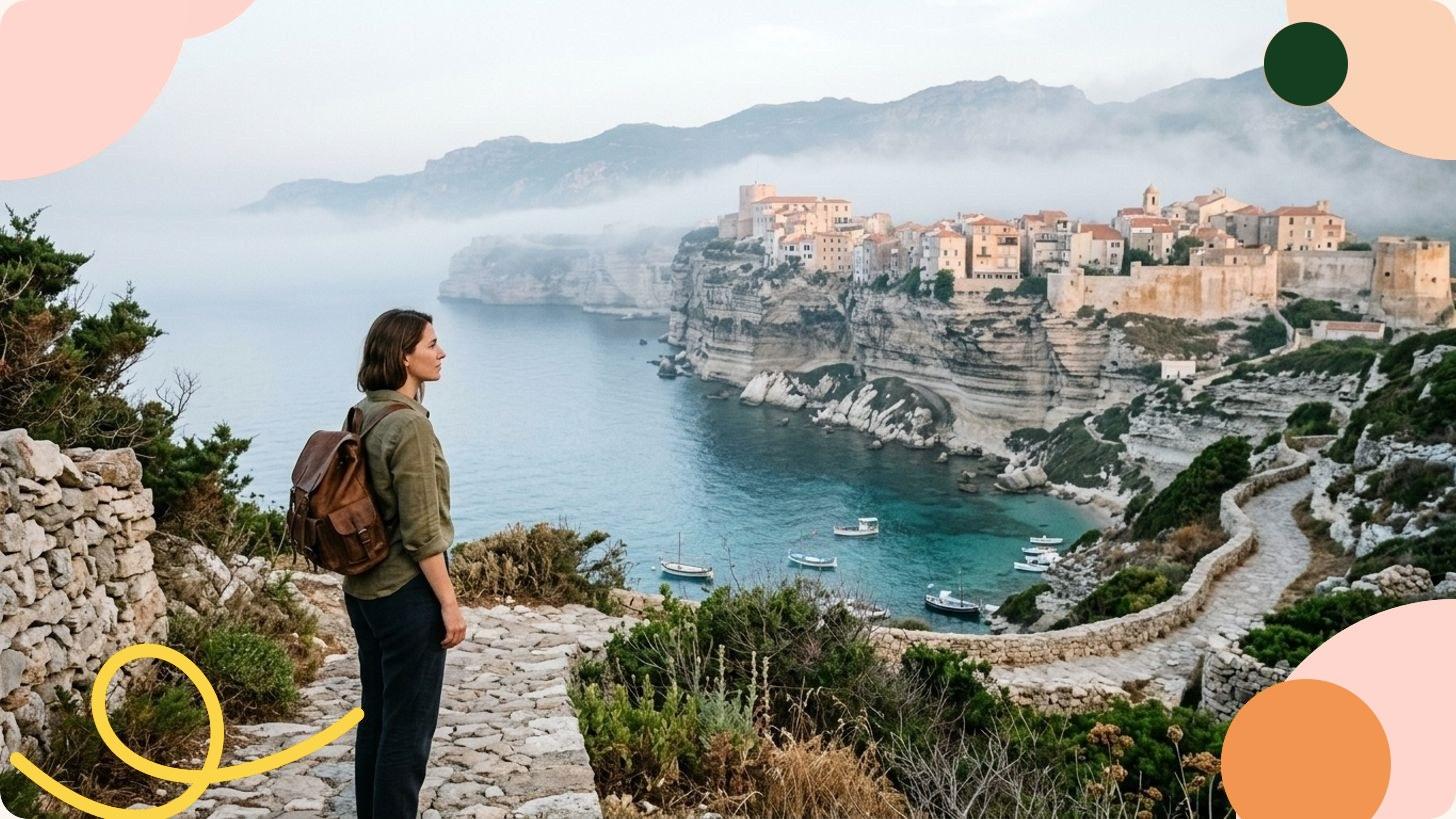

Summer 2026 confirms the trends of recent seasons: the Mediterranean remains the top choice for holidaymakers, but islands like Naxos and cities like Kotor are gaining ground on the most-visited spots. Our selection of ten destinations is organised by traveller profile (beaches, culture, adventure), balancing European and long-haul options, with attention to accessibility and the quality of healthcare available should anything go wrong. For a closer look at three standout destinations this season, our article Travelling this summer: Portugal, Croatia, Norway offers a complementary perspective.
Insure my summer tripBeaches, Sun and the Mediterranean
For those who want to swim in crystal-clear water and explore the surroundings without giving up a little culture or history along the way.
Dubrovnik, Croatia
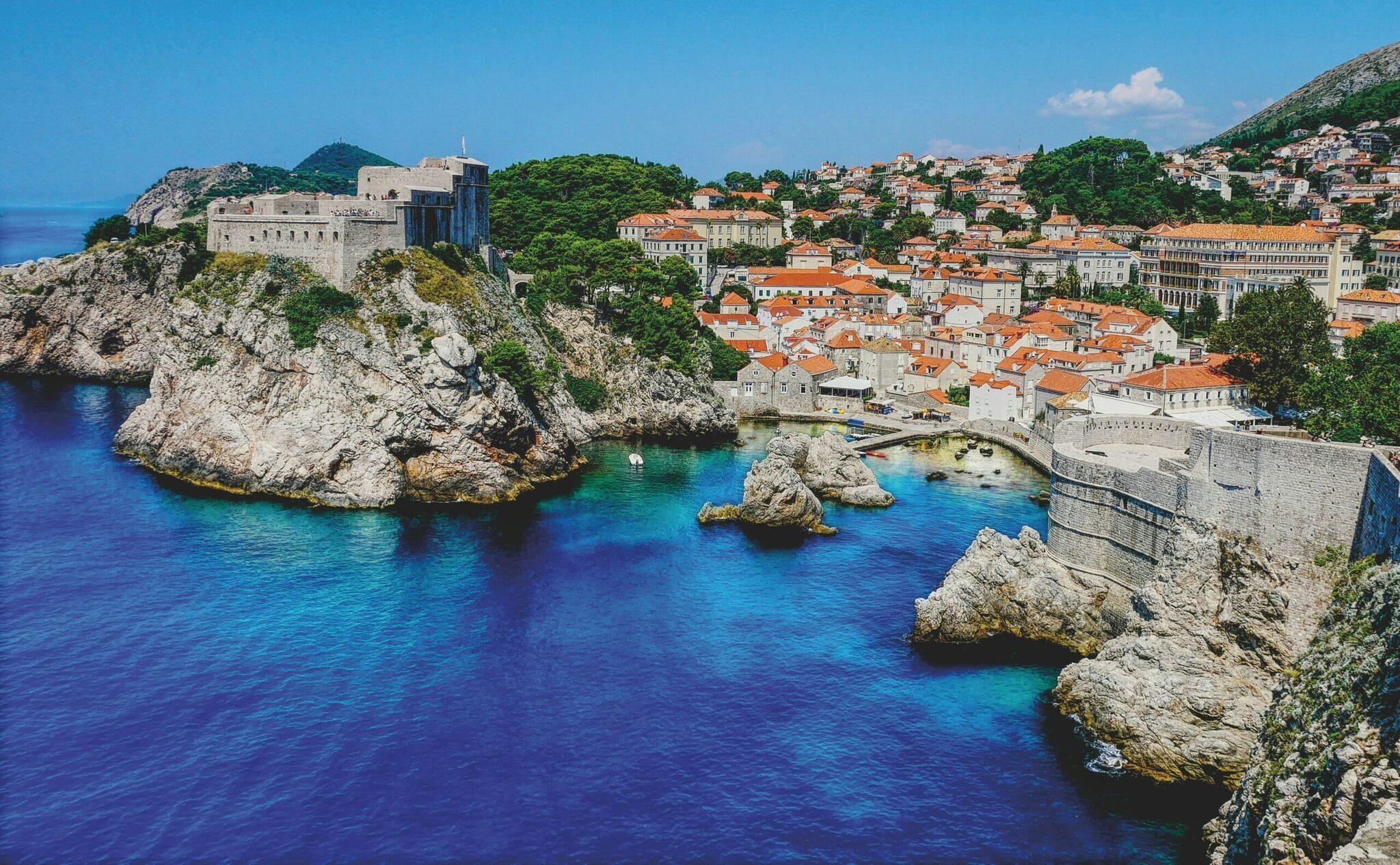
A Unesco World Heritage Site, Dubrovnik draws visitors every summer to walk its medieval city walls, with sweeping views over the terracotta rooftops of the old town and the Adriatic Sea. Stradun, the main promenade, is lined with cafes, shops and departure points for boats to the nearby islands. To avoid the busiest hours, the walls are best explored early in the morning or in the late afternoon. For more ideas for your stay, see our guide Things to do in Croatia.
The Cyclades, Greece
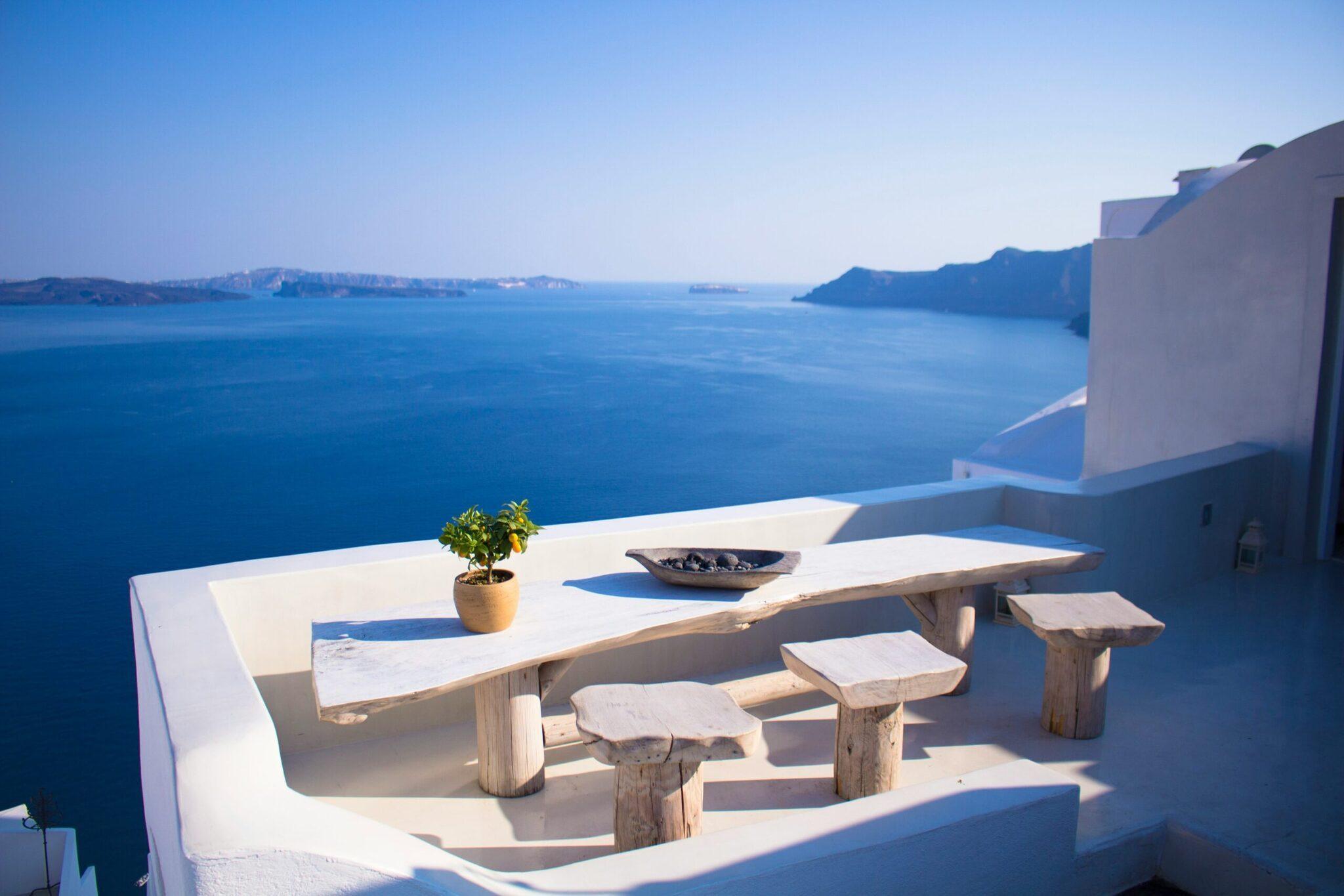
Santorini remains iconic, but in 2026 curious travellers are increasingly turning to Paros, Naxos and Milos, which are less crowded and often more affordable for accommodation. Naxos, the largest island in the archipelago, combines sandy beaches, medieval villages and thriving local farming traditions. The Cyclades are reached by ferry from Piraeus (Athens) or by direct flights from several European airports, depending on the season.
Gran Canaria, Spain
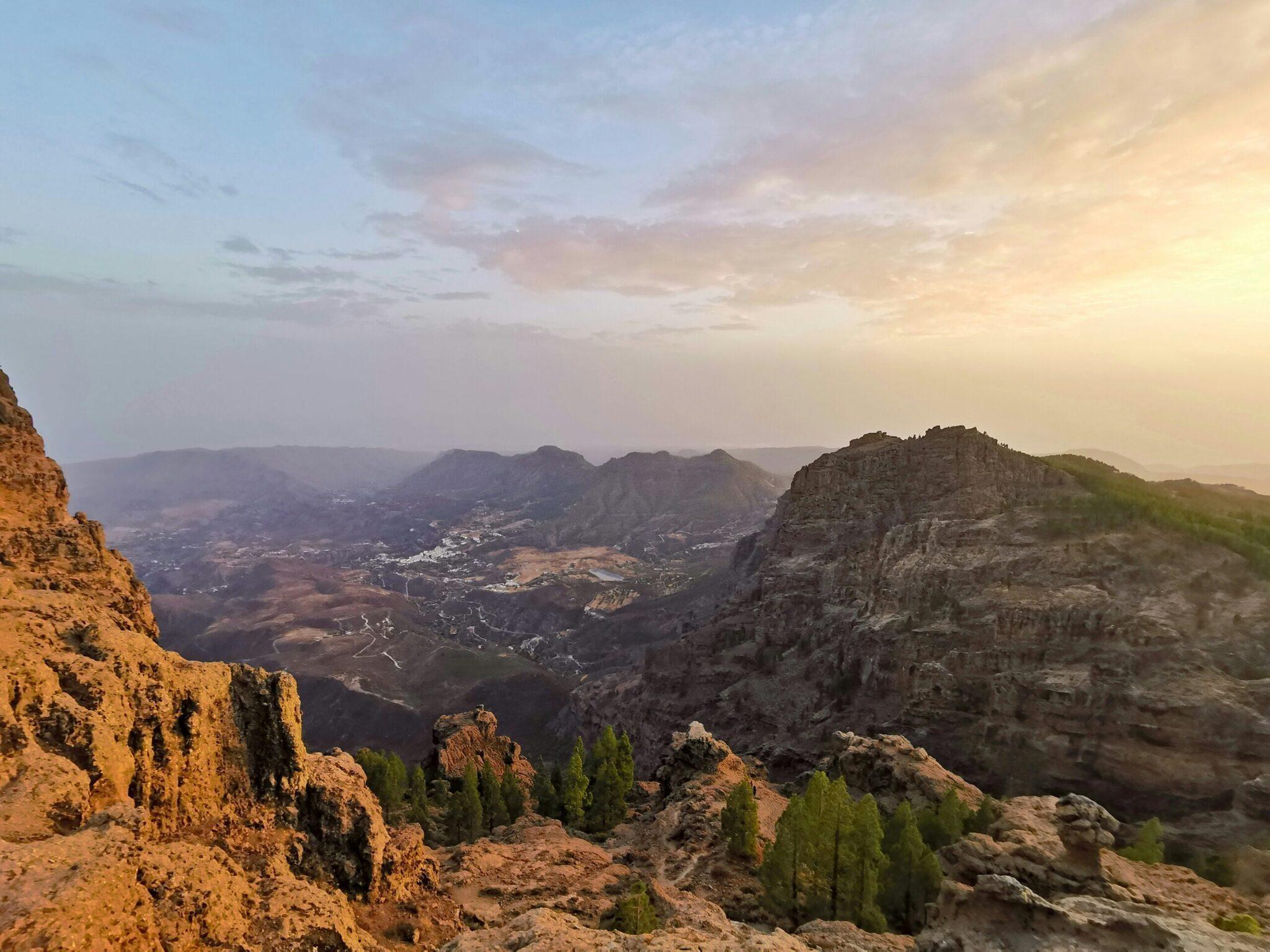
Gran Canaria offers a rare geographical contrast: sand dunes at Maspalomas in the south, pine forests and volcanic landscapes in the centre, and the lively city of Las Palmas in the north. Las Canteras beach, sheltered by a natural reef, provides calm swimming waters right in the heart of the city. The mild year-round climate reduces the risk of extreme heat, making it a reliable choice even for a trip in the middle of July or August.
Rovinj: the Istrian alternative to Dubrovnik
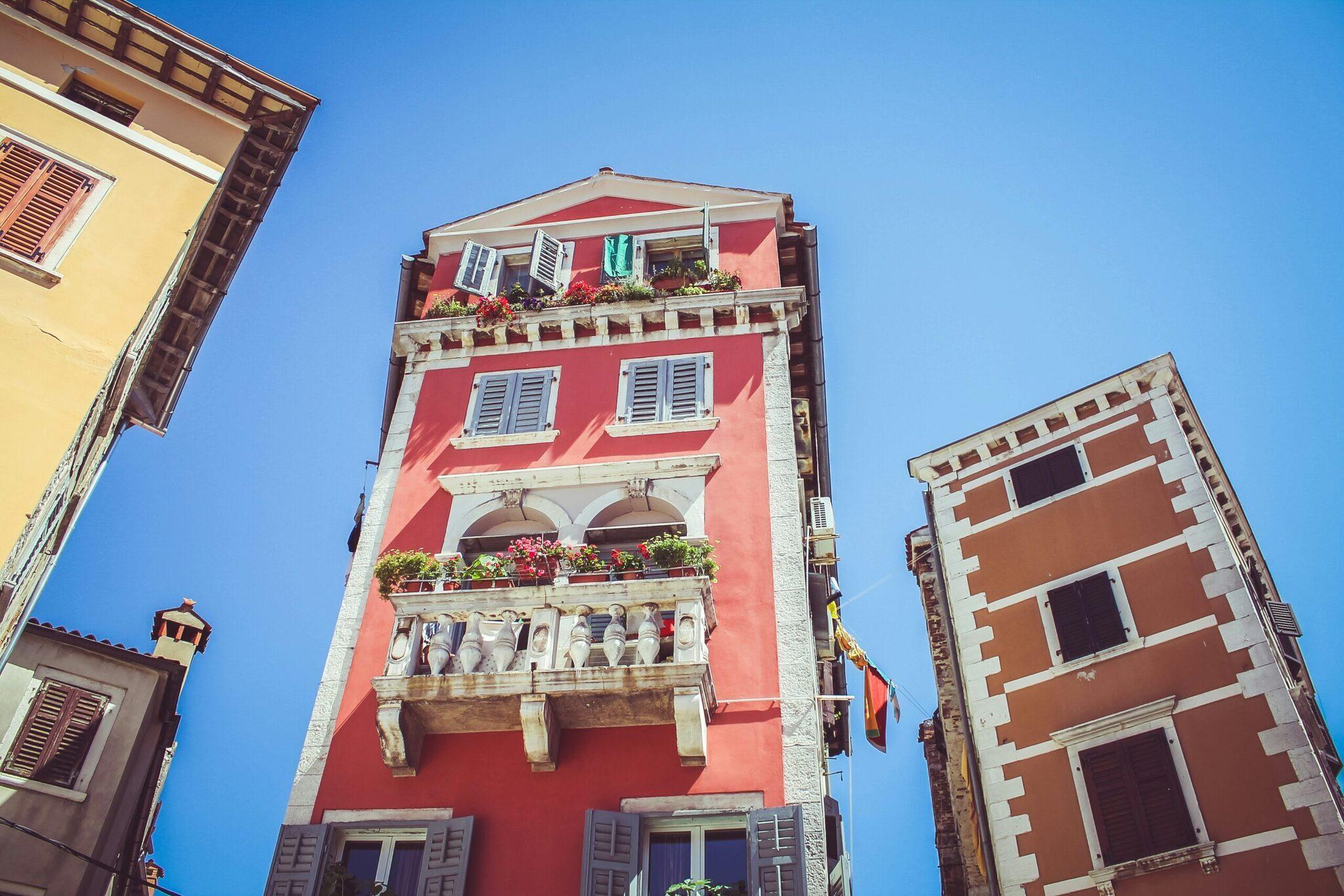
Rovinj, on the Istrian coast of Croatia, regularly tops recommendations for travellers in search of a quieter alternative to Dubrovnik. Its colourful facades and cobbled lanes wind uphill to the Basilica of Saint Euphemia, whose bell tower dominates the peninsula and the sea beyond. Swimming is possible directly from the rocks around the old town. Istria is also a well-regarded food destination, celebrated for its truffles, olive oil and local wines.
Culture, Heritage and Gastronomy
For travellers who journey as much for the museums, markets and meals as for the beaches.
Valencia, Spain
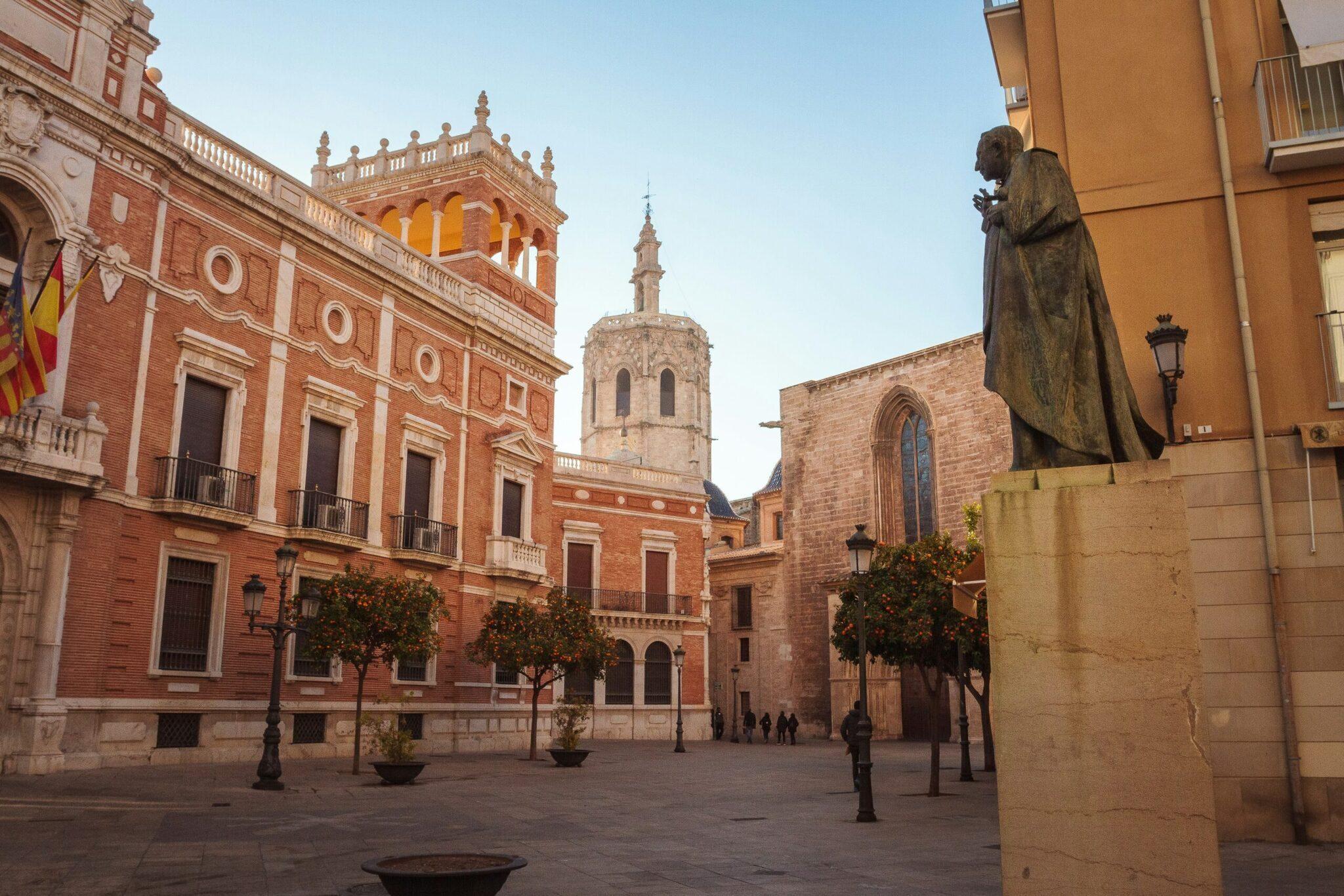
Valencia blends beach and culture with effortless ease, standing out as a more affordable alternative to Barcelona on Spain’s eastern coast. The City of Arts and Sciences, a striking complex designed by Santiago Calatrava, houses an interactive museum, a planetarium and one of the largest aquariums in Europe. The Turia Gardens, a vast urban park laid out in the former riverbed, offers several kilometres of open-air walking. Paella was born in Valencia, and the Mercado Central remains one of the finest covered markets in Spain. Our list of 20 must-see things to do in Spain offers further inspiration across the country.
Sicily, Italy
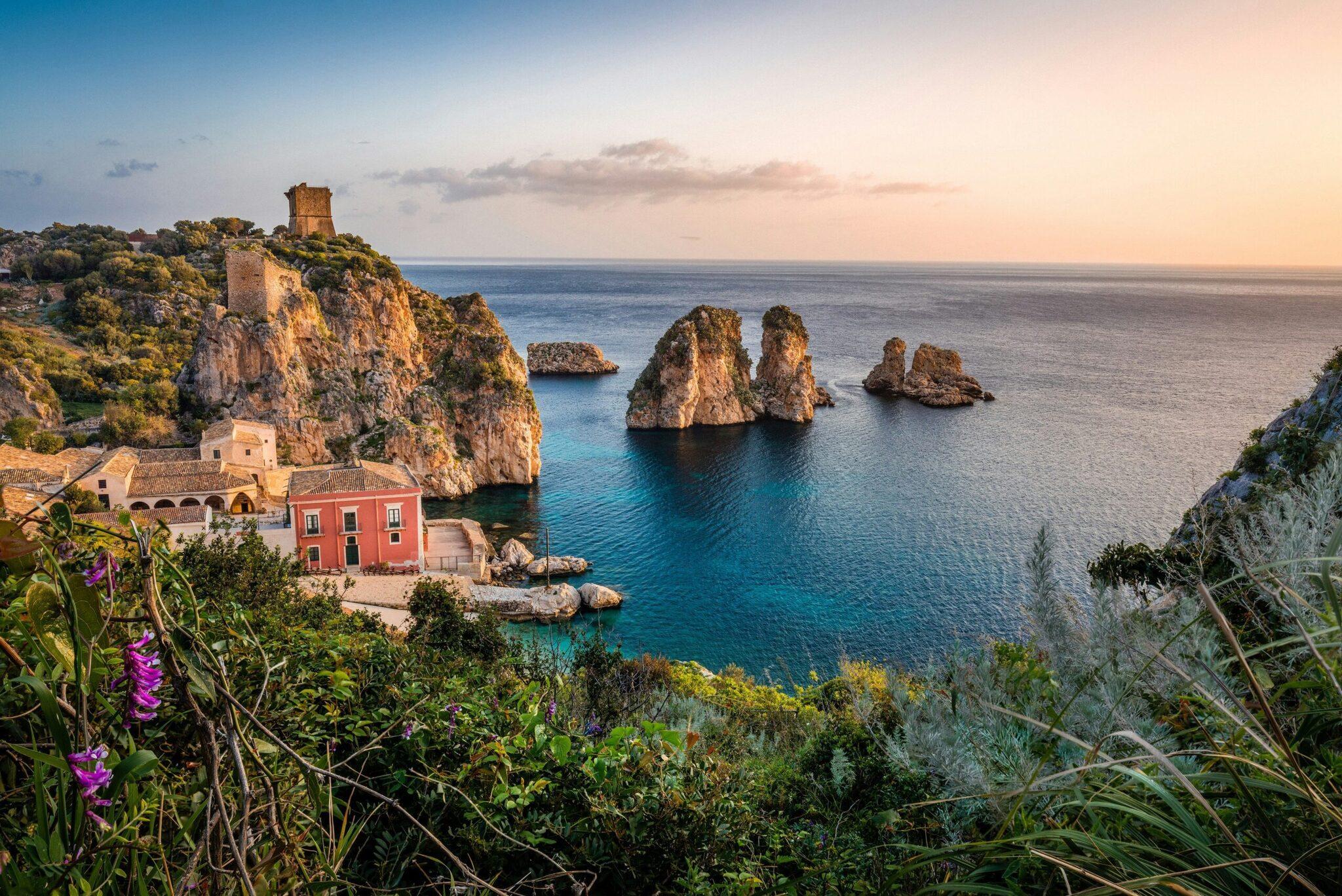
Sicily packs into one island some of the best-preserved Greek temples in the world (the Valle dei Templi in Agrigento, a Unesco site), Arab-Norman markets in Palermo, wild beaches along the southern coast and day-trip access to the slopes of Mount Etna. In summer, the higher altitudes around Etna offer noticeably cooler temperatures than the coast. Our guide Where to go in Sicily covers itineraries by length of stay.
Kotor, Montenegro: the Adriatic’s hidden gem
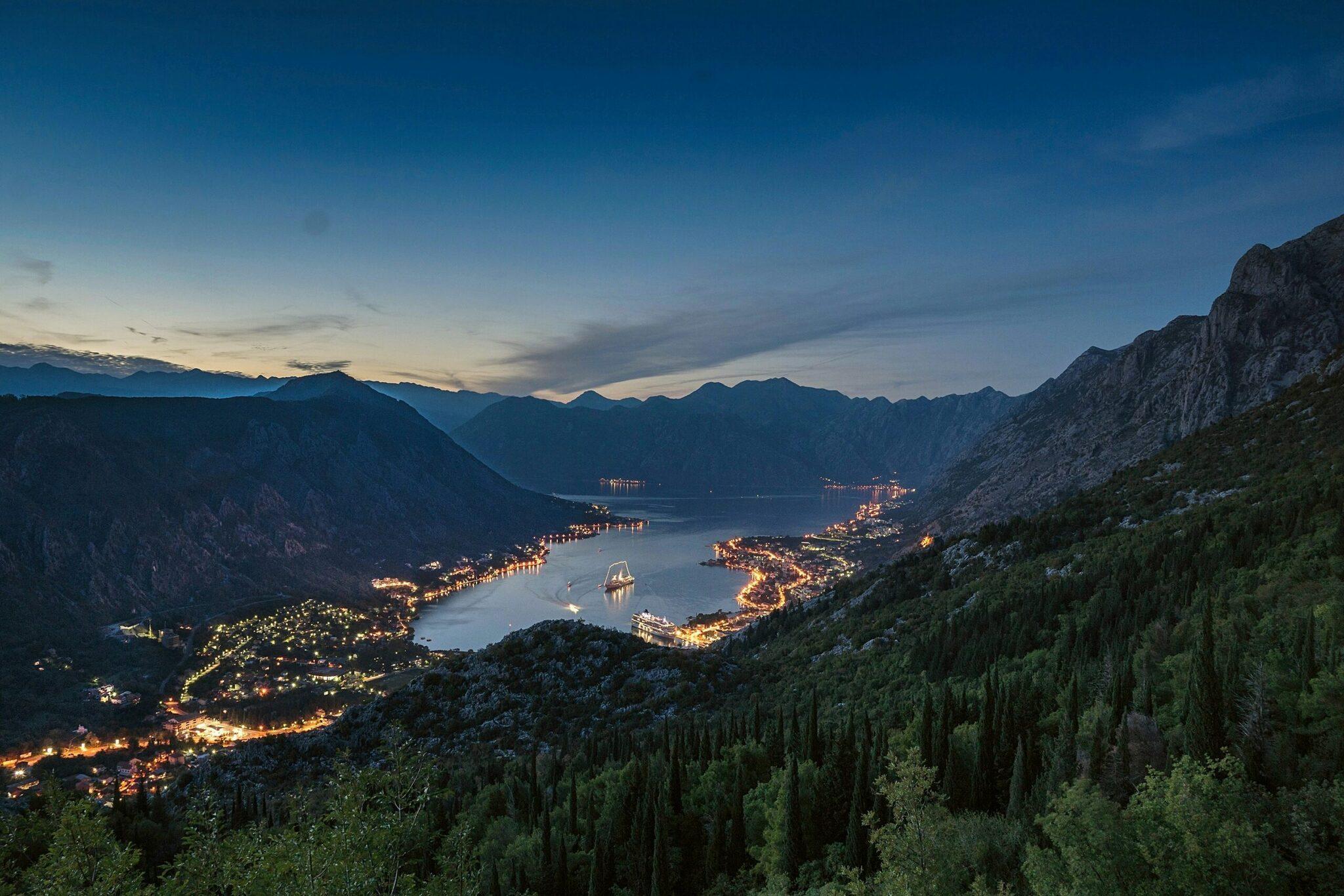
Kotor is a Unesco World Heritage Site and remains far less visited than its Dalmatian neighbours. The Bay of Kotor, sometimes likened to a Mediterranean fjord, frames a well-preserved old town enclosed by ancient walls. The climb to the Fortress of San Giovanni is steep, but the panoramic view over the entire bay makes it well worth the effort. Montenegro is cheaper than neighbouring Croatia and represents excellent value for money. Worth noting: Montenegro is not a member of the European Union, which means your European Health Insurance Card is not valid there.
Adventure and a Complete Change of Scene
These three destinations require a long-haul flight and a genuine change of scenery. They also come with the potential for high medical costs in the event of an accident or illness far from European healthcare systems: sorting your cover before you leave is anything but a minor detail.
Bali, Indonesia
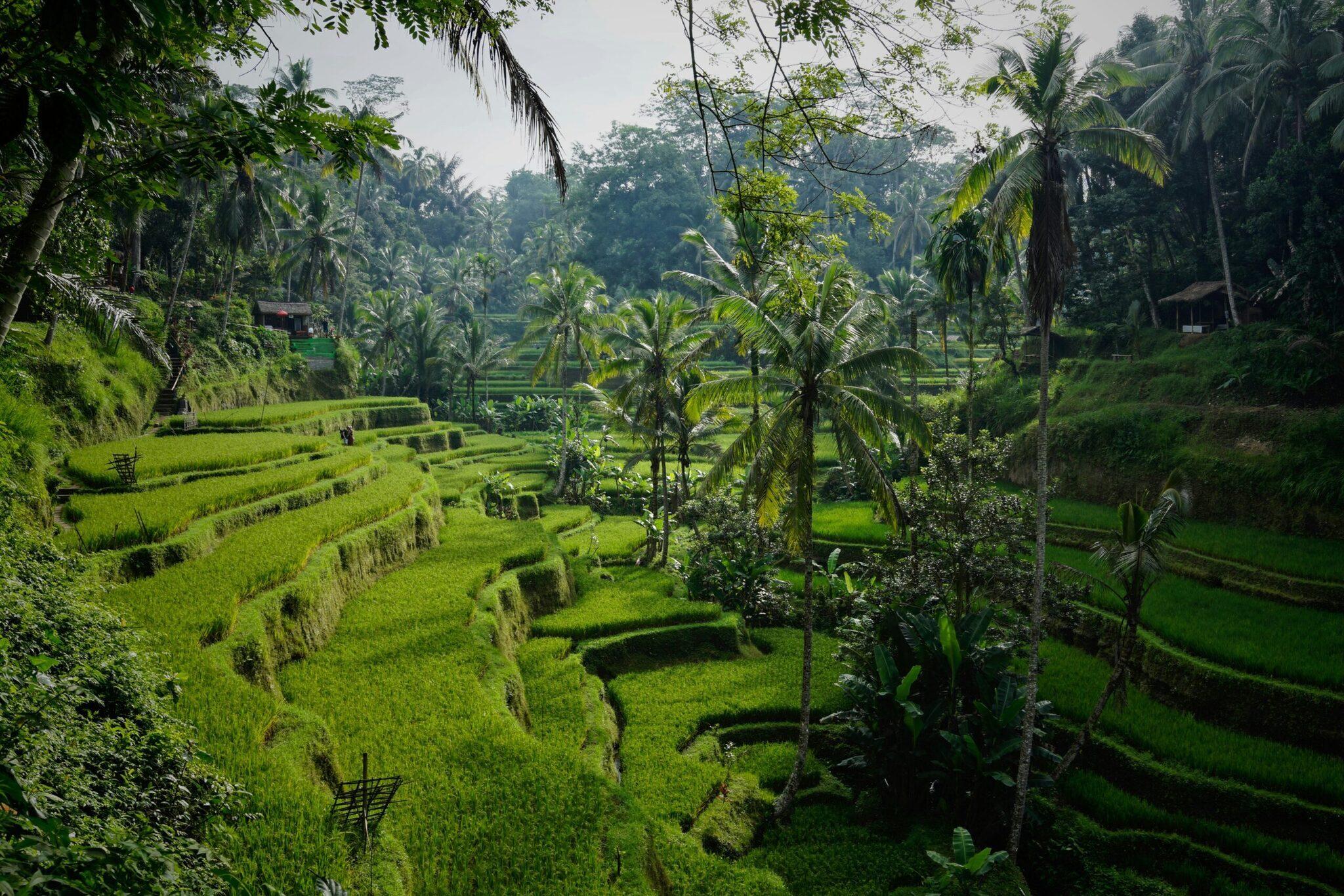
Bali draws a remarkably diverse crowd: surfers head to Canggu and Uluwatu, wellness travellers gravitate to Ubud, and divers make for Amed and Nusa Penida. The dry season (May to September) is the most favourable time across most of the island. The terraced rice paddies of Tegallalang, near Ubud, rank among the most photographed landscapes in South-East Asia. Bali is also one of the few long-haul destinations where a stay can be tailored to almost any budget.
Tulum, Mexico
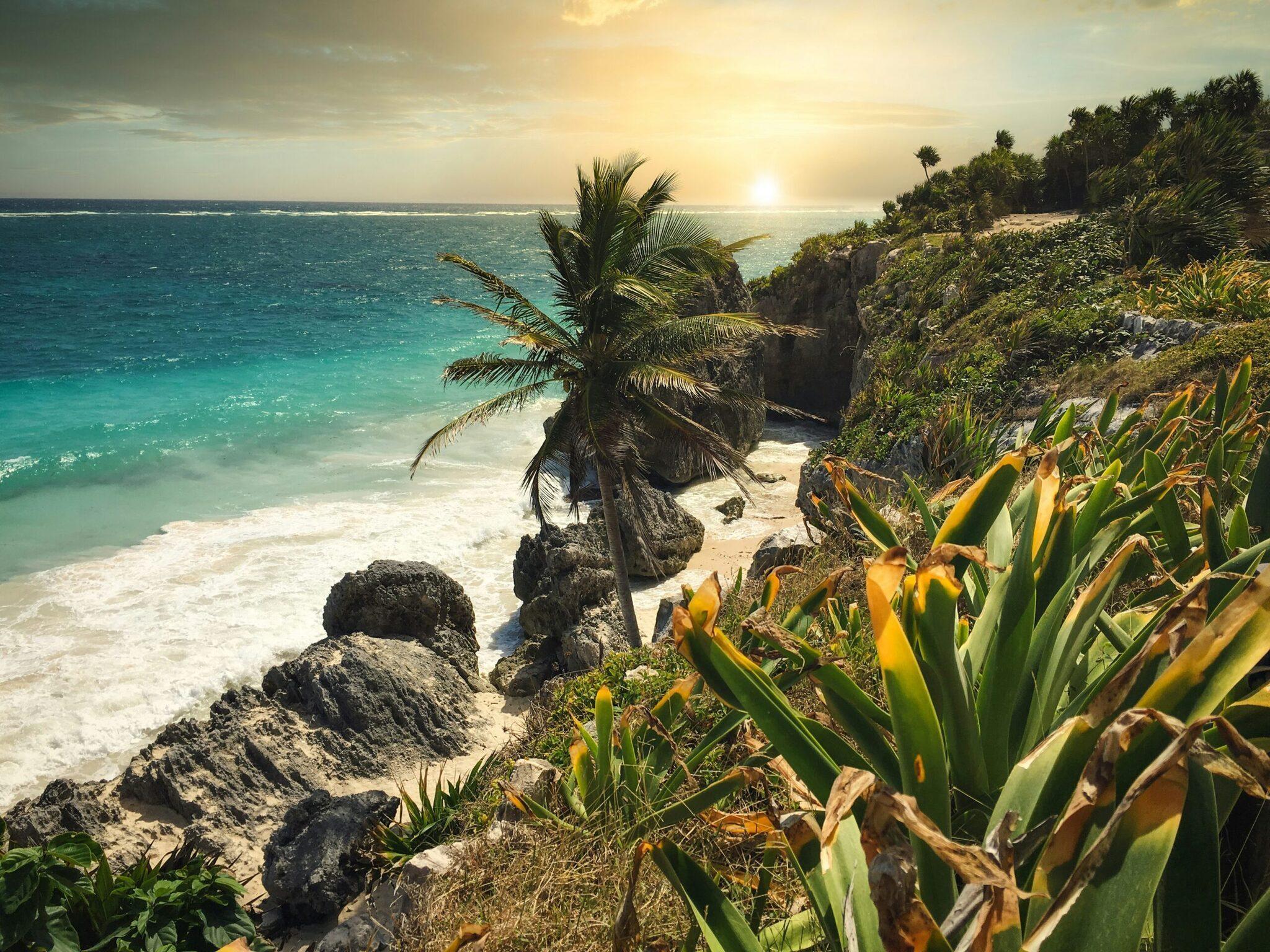
The Maya ruins of Tulum, perched on a cliff above the Caribbean Sea, add immediate historical depth to any beach stay. The region’s cenotes, natural underground lakes, are an experience in their own right. Temperatures in summer are high and humid along the Riviera Maya, but accommodation rates are often more accessible than during the winter high season.
Banff, Canada
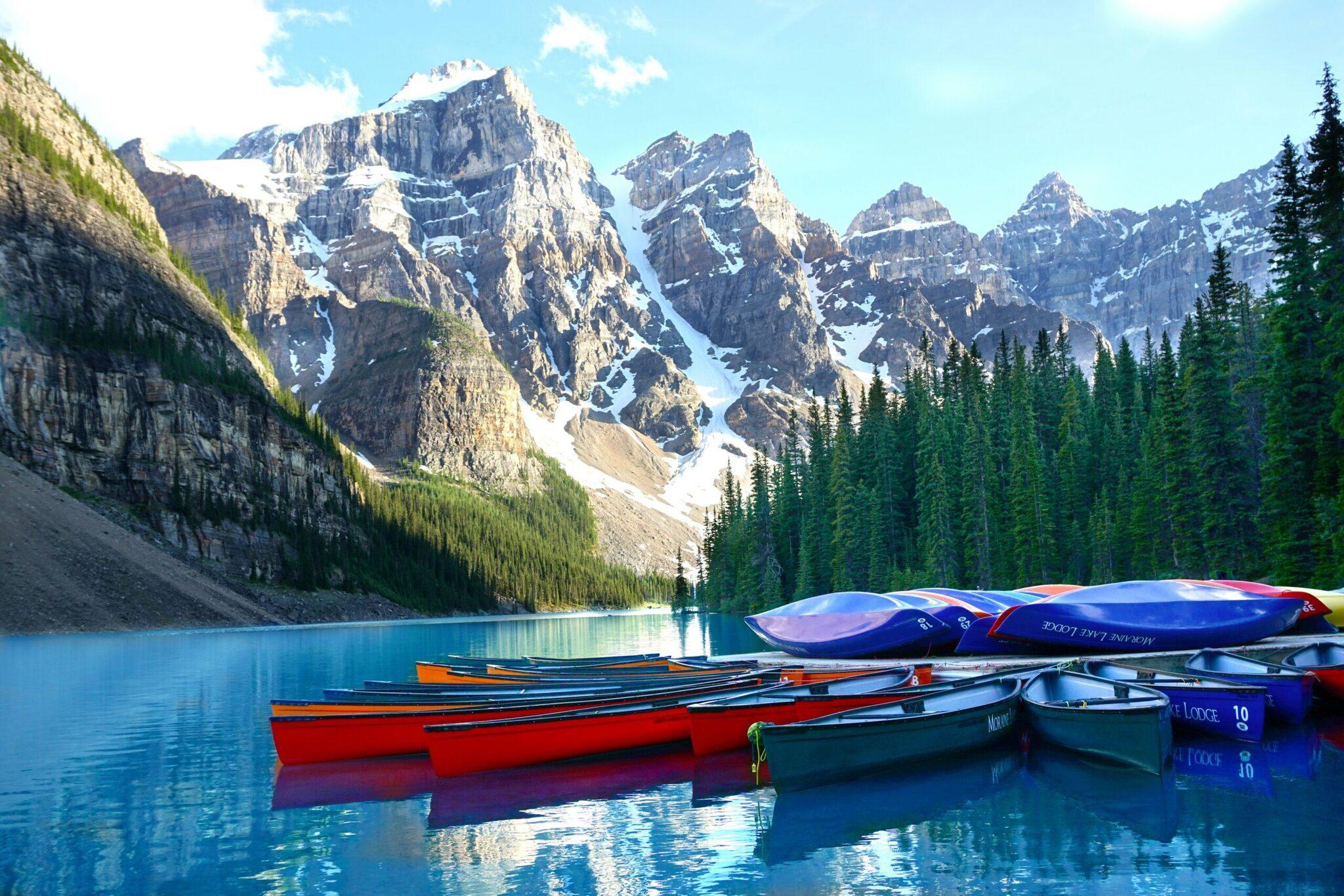
Banff National Park, Canada’s first national park, is best explored between June and September. Lake Louise and Moraine Lake are the most iconic, with their vivid turquoise glacial waters. For those keen to explore the Rockies away from the busiest spots, the Jasper area, a two-hour drive north, offers comparable scenery with noticeably fewer crowds.
FAQ
What is the best destination in Europe for summer 2026?
It depends on your travel style. For beaches, Croatia (Dubrovnik, Rovinj), Greece (the Cyclades) and Spain (Gran Canaria) are the strongest choices. For culture and gastronomy, Valencia, Sicily and Kotor all stand out. Travellers looking to avoid the crowds are turning to islands such as Naxos or Milos in Greece, or the Istrian coast in Croatia.
Where can you travel this summer on a tight budget?
In Europe, Montenegro (Kotor) and the Istrian coast (Rovinj) remain affordable options compared to the Dalmatian classics. Gran Canaria benefits from competitive flight prices from many European cities. For long-haul travel, Bali offers strong value between May and September, outside the local high season.
Bali or Tulum: which destination to choose this summer?
Bali offers greater variety (surfing, culture, rice paddies, diving) and a reliable dry season from May to September. Tulum appeals more to those drawn to Caribbean beaches, cenotes and Maya archaeological sites. Both destinations are far from European healthcare systems: travel insurance with medical cover and repatriation is essential in either case.
Do you need travel insurance for a trip to Europe this summer?
The European Health Insurance Card (EHIC) covers emergency healthcare in EU member states, but it does not include repatriation or treatment in non-EU countries such as Montenegro. Travel insurance complements the EHIC by covering costs it does not and protecting against the unexpected: trip cancellation, lost luggage and round-the-clock assistance.
When should you book for summer 2026?
For popular Mediterranean destinations such as the Cyclades and Dubrovnik, accommodation fills up from March and April for July and August departures. Flights booked three to four months in advance are generally cheaper. For Bali or Banff, planning four to six months ahead helps secure the best options and avoids last-minute price increases.