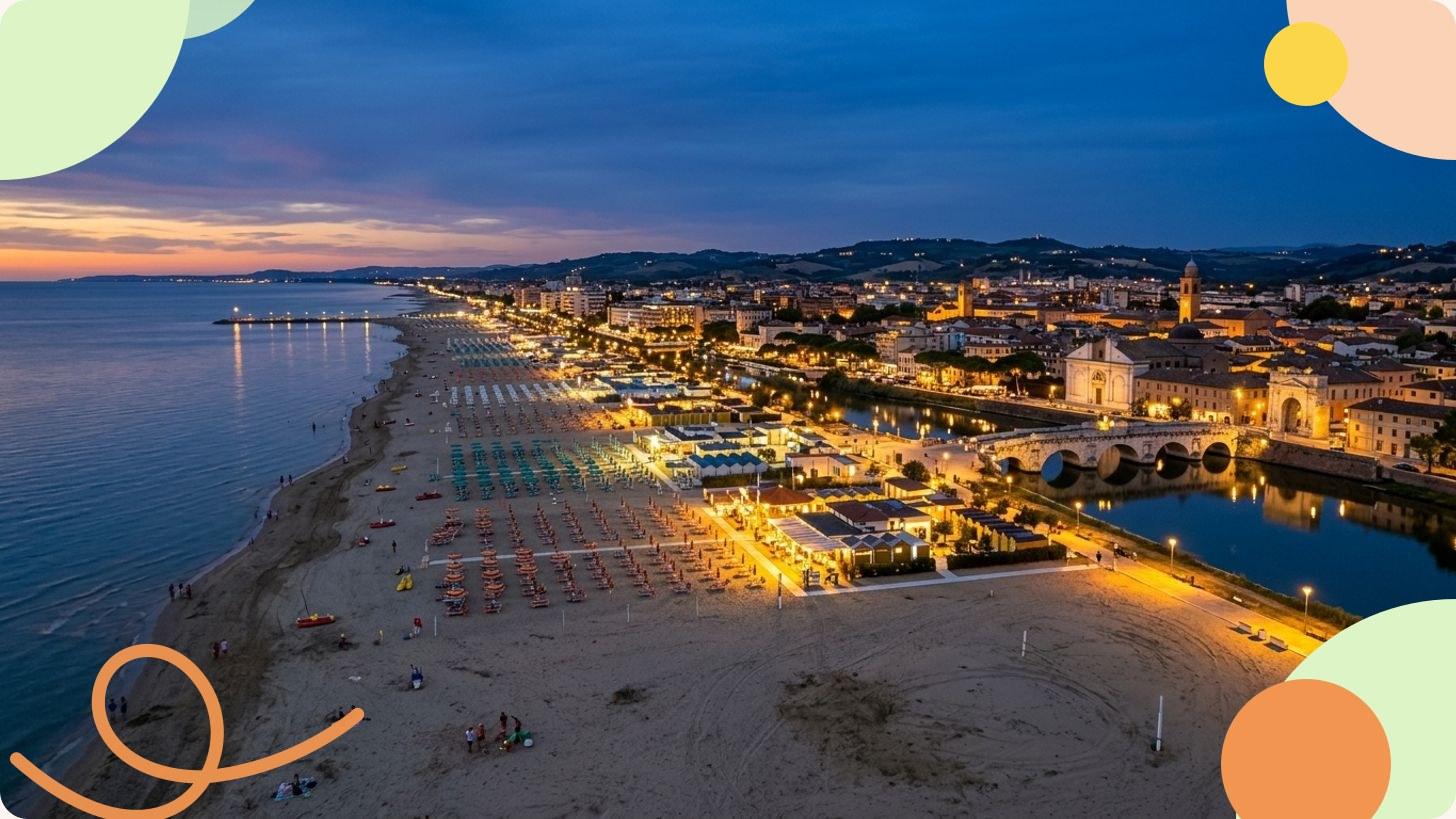

Rimini packs an extraordinary range of experiences into just a few square kilometres: 15 km of golden beach, intact Roman and Renaissance monuments, a medieval hinterland and a Romagnole cuisine that even Italians rave about. The city and its surroundings deserve far more than a fleeting stop on the Adriatic coast.
Roman and Renaissance Monuments in Rimini
Rimini still holds two ancient monuments you can wander around freely:
- The Arch of Augustus (27 BC), standing 17 metres tall and carved from Istrian stone, is considered the oldest intact triumphal arch in the world.
- The Ponte di Tiberio, begun under Augustus and completed in AD 20, spans the Marecchia river on five arches of Istrian stone.
The Malatesta family then left their Renaissance mark on the city:
- Castel Sismondo, built between 1437 and 1446, was the fortress of Sigismondo Pandolfo Malatesta.
- The Tempio Malatestiano, the Malatesta dynastic mausoleum, was designed by Leon Battista Alberti and houses works by Piero della Francesca.
15 km of Beach on the Adriatic Riviera
Rimini’s coastline stretches for 15 km of fine sand, divided into numbered beach establishments (sun loungers, parasols, showers, bars). This typically Italian setup makes it a particularly practical seaside destination for families and water sports enthusiasts. Rimini also sits at the heart of a 50 km riviera that runs south to Riccione and Cattolica.
Insure my stay in ItalySantarcangelo di Romagna: Medieval Lanes and Underground Caves
About ten kilometres from Rimini, Santarcangelo di Romagna climbs its hillside in a tangle of cobbled lanes and small squares. Beneath these quiet streets lies a network of more than 150 artificial caves carved into the rock: wine cellars, underground granaries and secret passages used during medieval sieges. Five of the caves are thought to be even older and may once have served as places of worship. Visits are guided only.
After exploring underground, a terrace and a glass of Sangiovese di Romagna are very much in order.
San Marino: The World’s Oldest Republic, 25 km Away
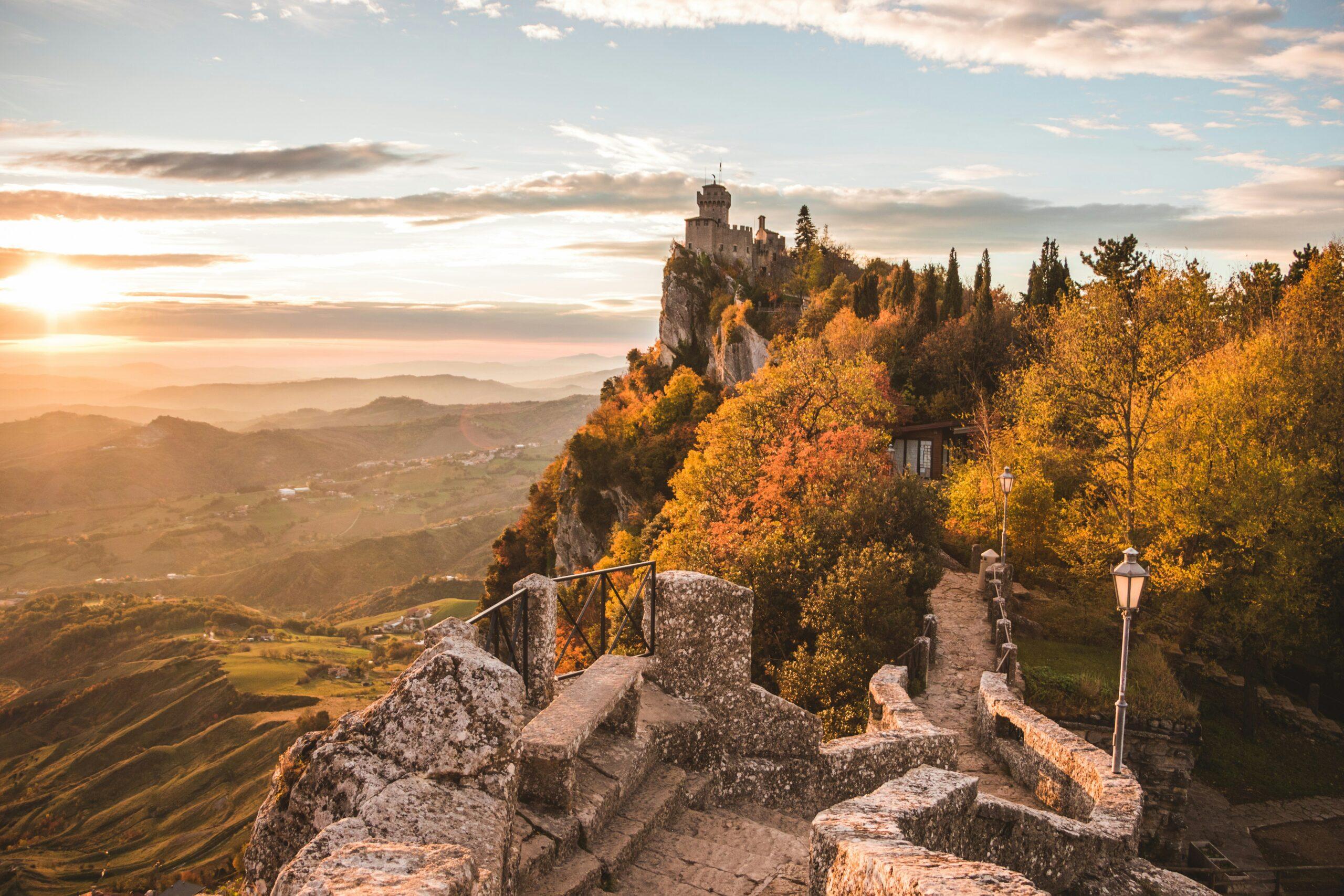
Around 25 km from Rimini (about half an hour by road), the Republic of San Marino is one of the oldest independent states in the world. Its capital, perched on Monte Titano (739 m), offers sweeping views over the Adriatic coast and the Apennines. Three towers crown the summit, linked by a 40 to 50-minute walk along the ridge:
- Guaita (11th century), the oldest, which also served as a prison
- Cesta (13th century), home to a museum of ancient weapons
- Montale, the smallest of the three
Romagnole Cuisine: Three Specialities You Cannot Miss
The Rimini region has built a culinary identity quite distinct from the rest of Italy:
Piadina romagnola: A flatbread cooked on a griddle, filled with squacquerone (a soft, tangy fresh cheese) and ham or rocket. It is the signature snack of the coast, simple, unpretentious and deeply rooted in local everyday life.
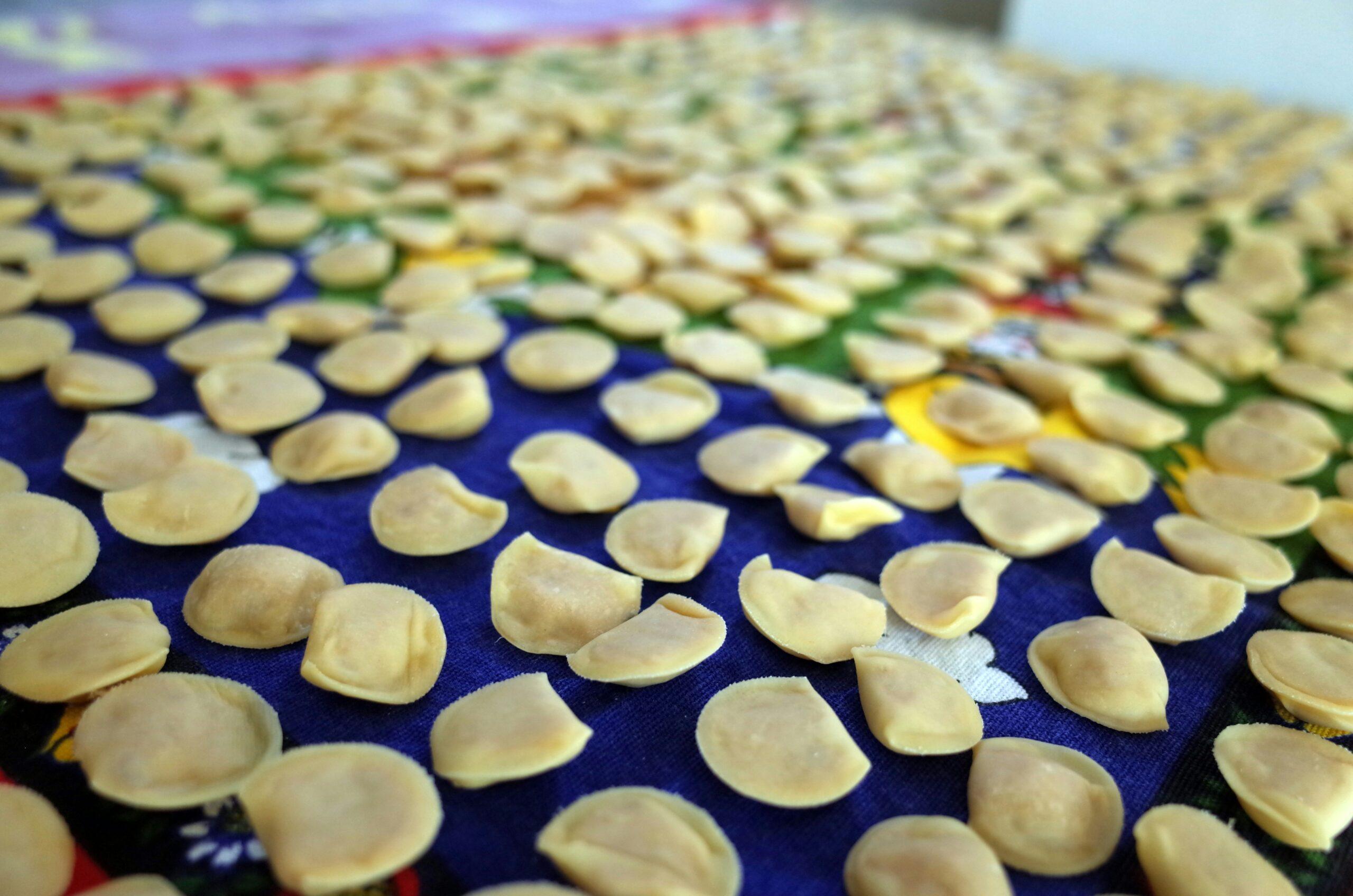
Passatelli: Thick pasta made from breadcrumbs, eggs and Parmesan, served in a clear broth. A comforting, deeply traditional Romagnole dish.
Adriatic seafood: Grilled fish, fried squid and mussels alla marinara feature on almost every table along the seafront.
Rimini After Dark: Beach Bars to Legendary Clubs
Rimini is one of Italy’s historic heartlands of electronic music. Altromondo Studios, opened in 1967 in Miramare di Rimini, established itself as one of the pioneering clubs of the superclub movement in Europe: lasers, elaborate sets and a DJ booth shaped like a spaceship. At the time, it was compared to New York’s Studio 54.
Further south, Baia Imperiale runs a varied programme of nights throughout the summer in a monumental setting.
Before heading to the clubs, the seafront beach bars offer a natural warm-up: cocktails at sunset, sand between your toes.

When to Go and How to Plan Your Stay
The best time depends on what you are after. In July and August, the beach is in full swing, but so are the crowds. In June and September, the weather stays summery, the beaches are less packed and accommodation is more affordable. In May and October, the historic centre, Santarcangelo and San Marino can all be explored without the summer crush.
Rimini has direct train connections to Italy’s major cities (Bologna in around an hour, Rome in three to four hours). For trips into the hinterland and to San Marino, a car or the local bus lines are the most convenient option.
If your appetite for discovery stretches further afield, our guides on things to do in Colombia and the highlights of Indonesia might spark your next adventure.
FAQ
What is the best time to visit Rimini?
June and September offer the best compromise: summery weather, less crowded beaches than in August and more affordable accommodation. May and October are ideal for exploring the historic heritage and inland villages without the crowds.
What is there to see in Rimini beyond the beaches?
The historic centre packs in the Arch of Augustus (27 BC), the Ponte di Tiberio (completed AD 20), Castel Sismondo and the Tempio Malatestiano. Most are within easy walking distance of the seafront.
How do you get from Rimini to San Marino?
San Marino is around 25 km from Rimini. By car, the journey takes about half an hour. Bus services also connect the two destinations.
What local specialities should you try in the Rimini region?
Piadina romagnola (filled with squacquerone or ham), passatelli in broth and Adriatic seafood are the essential dishes of the Romagnole table. All pair beautifully with Sangiovese di Romagna, the region’s signature red wine.
Is Rimini a good destination for families?
Yes. The 15 km of beach are divided into well-equipped establishments (sun loungers, parasols, showers, bars), ideal for families. The historic centre and the day trip to San Marino suit all ages.