
European Christmas markets may look alike on the surface (wooden chalets, mulled wine, fairy lights) but they differ enormously in history, food and atmosphere. This guide compares six iconic markets to help you choose one, or plan a multi-stop itinerary.
Strasbourg: the Christkindelsmärik, France’s oldest Christmas market
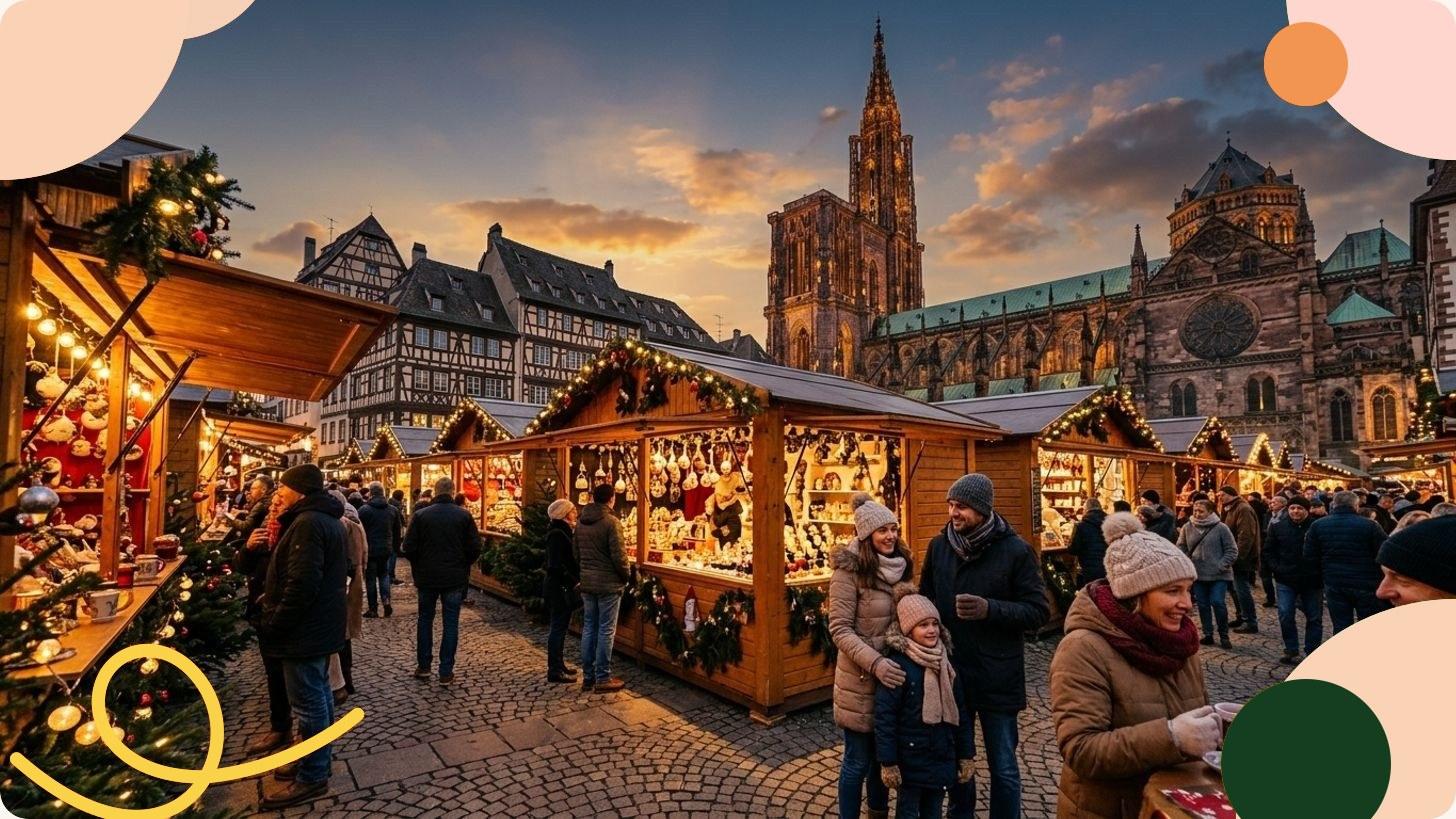
Since 1570, Strasbourg has hosted the Christkindelsmärik, the “Market of the Christ Child” in Alsatian. The market was born from a city council decision: wanting to abolish the feast of Saint Nicholas, the council authorised merchants to set up their stalls three days before Christmas and symbolically charged the Christ Child with bringing gifts to children.
Today, the city hosts 8 Christmas markets spread across its historic centre (Cathedral Square, Place Broglie, Place Gutenberg and beyond). Every December, Strasbourg draws millions of visitors from around the world. Must-tries: bredele (traditional Alsatian Christmas biscuits), warm pretzels, Glühwein and gingerbread.
2025 dates: 26 November to 24 December.
To complete your festive getaway, take a look at our guide to Christmas lights in Europe: many cities illuminate their streets and facades well beyond the market itself.
Nuremberg: the Christkindlesmarkt, a German tradition since the 16th century
Nuremberg’s Christkindlesmarkt is one of the world’s most celebrated Christmas markets. Its origins date back to the mid-16th century, and it takes place on the Hauptmarkt, the city’s central square dominated by the Frauenkirche. Around 180 red-and-white striped stalls fill the square each winter.
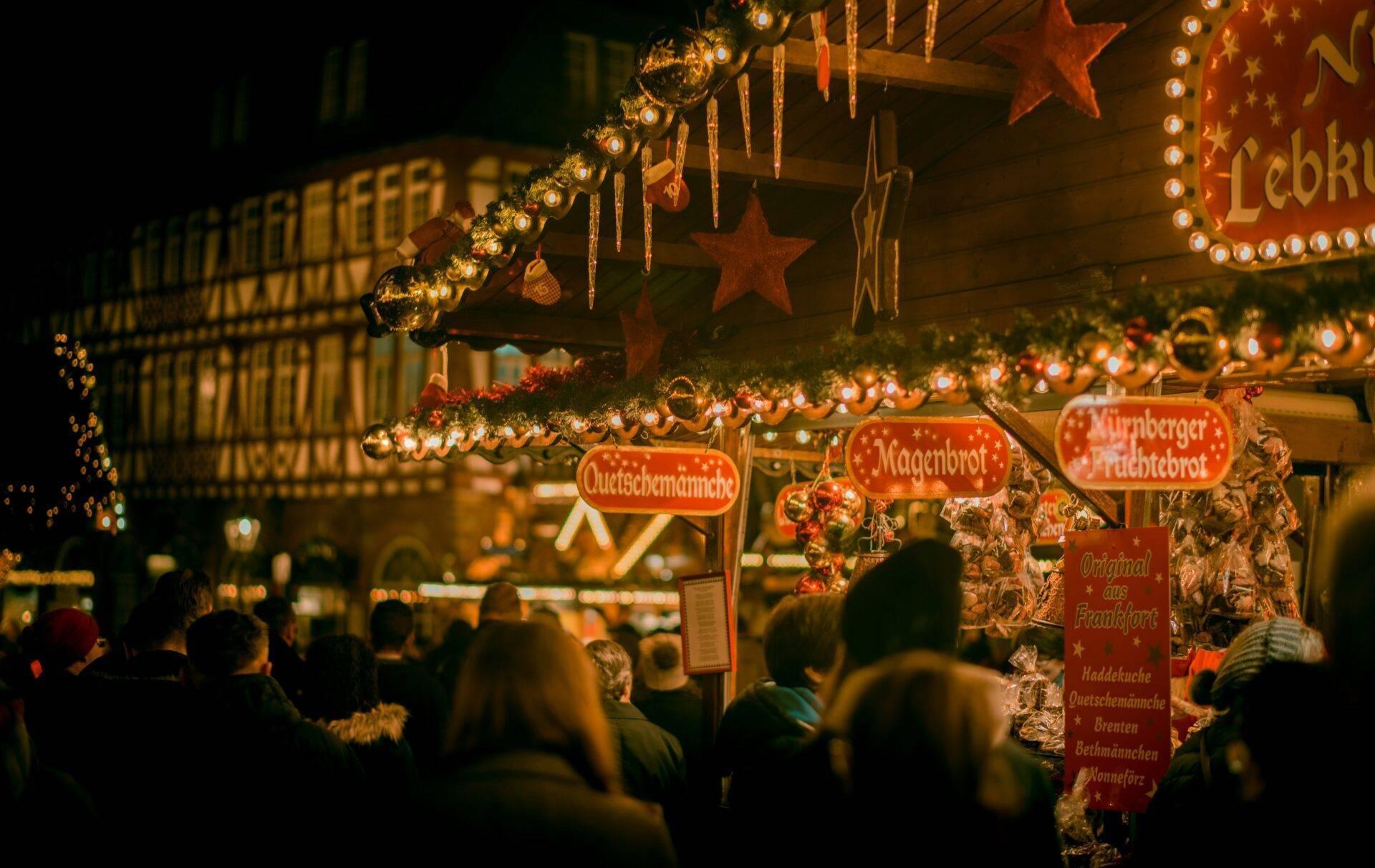
Its most distinctive feature is the opening ceremony, performed by the Christkind: a young woman aged 16 to 19, dressed in white and gold and crowned with a golden star. Elected for two years by the people of Nuremberg, she delivers a traditional prologue from the balcony of the Frauenkirche. This tradition reflects the Protestant legacy of Martin Luther, who wanted the Christ Child rather than Saint Nicholas to bring gifts to children. Must-tries: Nürnberger Rostbratwurst (grilled sausages served in threes in a small roll), Lebkuchen (round spiced gingerbread) and Glühwein.
2025 dates: 28 November to 24 December.
Prague: medieval magic on the Old Town Square
On Staroměstské náměstí (Old Town Square), Gothic and Baroque facades provide a natural backdrop that few markets can rival. The 2025 edition runs from 29 November 2025 to 6 January 2026, making it a top pick for travelling after Christmas or over the New Year period, when most other markets have already packed up. A 26-metre Christmas tree, selected by public competition from the Ústí nad Labem region, stands at the heart of the square.
Must-tries: trdelník, a dough wrapped around a wooden cylinder, cooked over hot coals and rolled in sugar, cinnamon and walnuts. For drinks, svařák (Czech mulled wine) and medovina (warm mead). The stalls also offer Bohemian garnet jewellery, hand-carved puppets and hand-blown glass decorations.
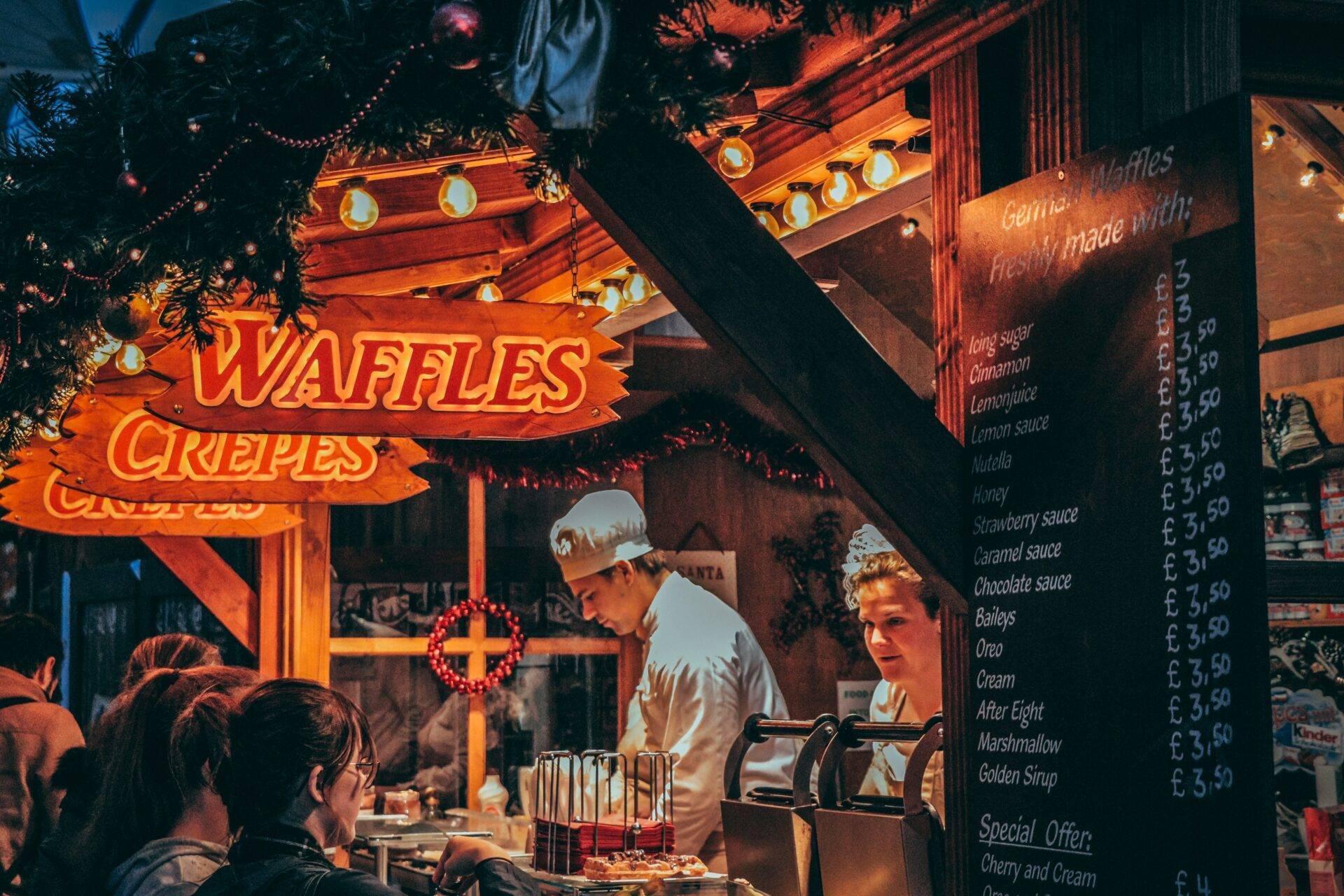
Vienna: the Christkindlmarkt at the foot of the neo-Gothic City Hall
The Wiener Christkindlmarkt takes place each year on Rathausplatz, the square stretching before Vienna’s neo-Gothic City Hall. It is one of the city’s largest Christmas markets, open from mid-November to late December.
Must-tries: Apfelstrudel (flaky apple strudel), Kaiserschmarrn (fluffy shredded pancakes served with compote) and Viennese Punsch, a local take on hot punch that is slightly sweeter than German Glühwein. The market also features an outdoor ice rink.
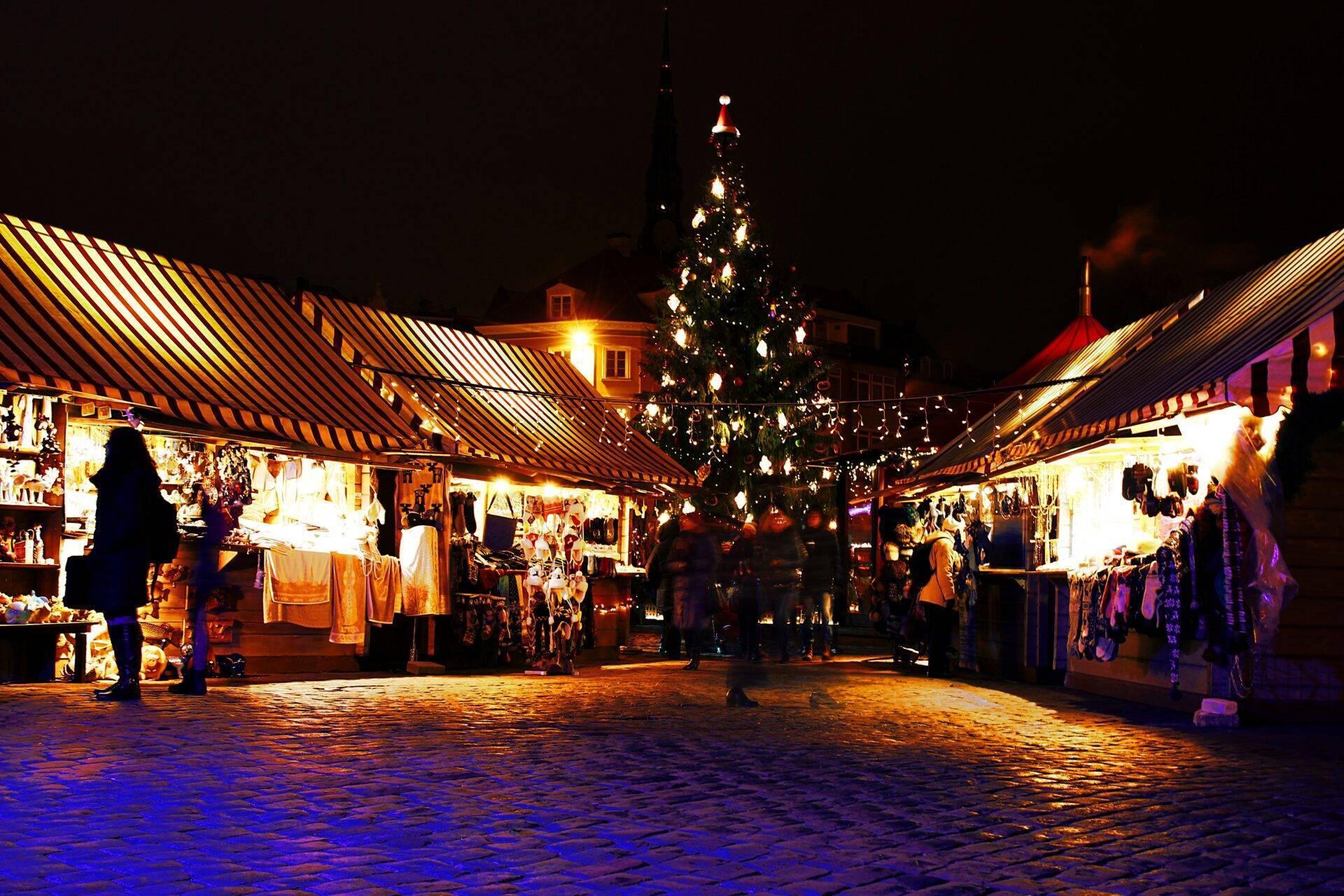
Copenhagen: Tivoli, a Christmas market in the land of hygge
The famous Tivoli Gardens transform each winter into a Christmas market featuring more than 70,000 decorations and 1,000 illuminated Christmas trees. Around sixty wooden stalls offer Nordic crafts, sweets and Danish specialities. The fairground rides and big wheel add a funfair dimension that sets Tivoli apart from every other market in this guide.
Worth noting: this is the only market in this selection that charges an entrance fee. Buy your tickets online to skip the queues. The lights switch on around 4pm, so arriving on a weekday afternoon gives you the full festive atmosphere without the weekend crowds.
2025 dates: 14 November 2025 to 4 January 2026 (closed 24 December). Opens at 11am, closes at 10pm (11pm on Fridays and Saturdays).
Our Christmas in Copenhagen guide covers more of the city’s best festive spots and December activities.
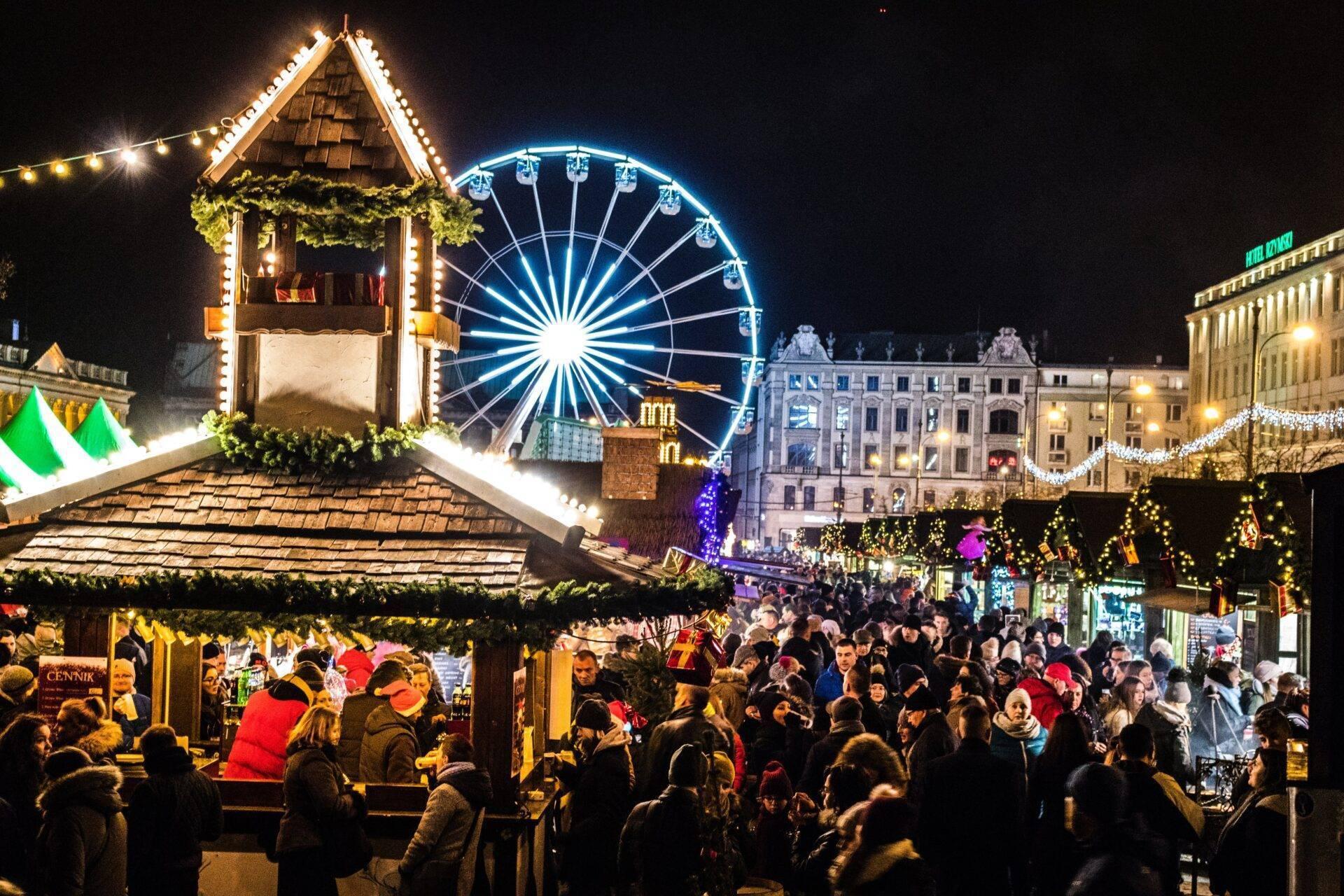
Budapest: Hungarian authenticity on Vörösmarty Square
Vörösmarty Square, at the heart of Budapest’s pedestrian district, hosts the city’s largest Christmas market: more than 150 stalls of Hungarian crafts and food. The atmosphere is more intimate than Nuremberg or Strasbourg, with a carefully curated selection including Matyó embroidered dolls, Nádudvar black ceramics, leatherwork and lacework.
Not to be missed: kürtőskalács, a cylindrical cake made from sweet dough cooked over hot coals and rolled in cinnamon, walnut or vanilla. In December, Budapest illuminates its key landmarks from Buda Castle to the Chain Bridge, making an evening stroll beyond the market well worth the effort.
2025 dates: 14 November 2025 to 1 January 2026.
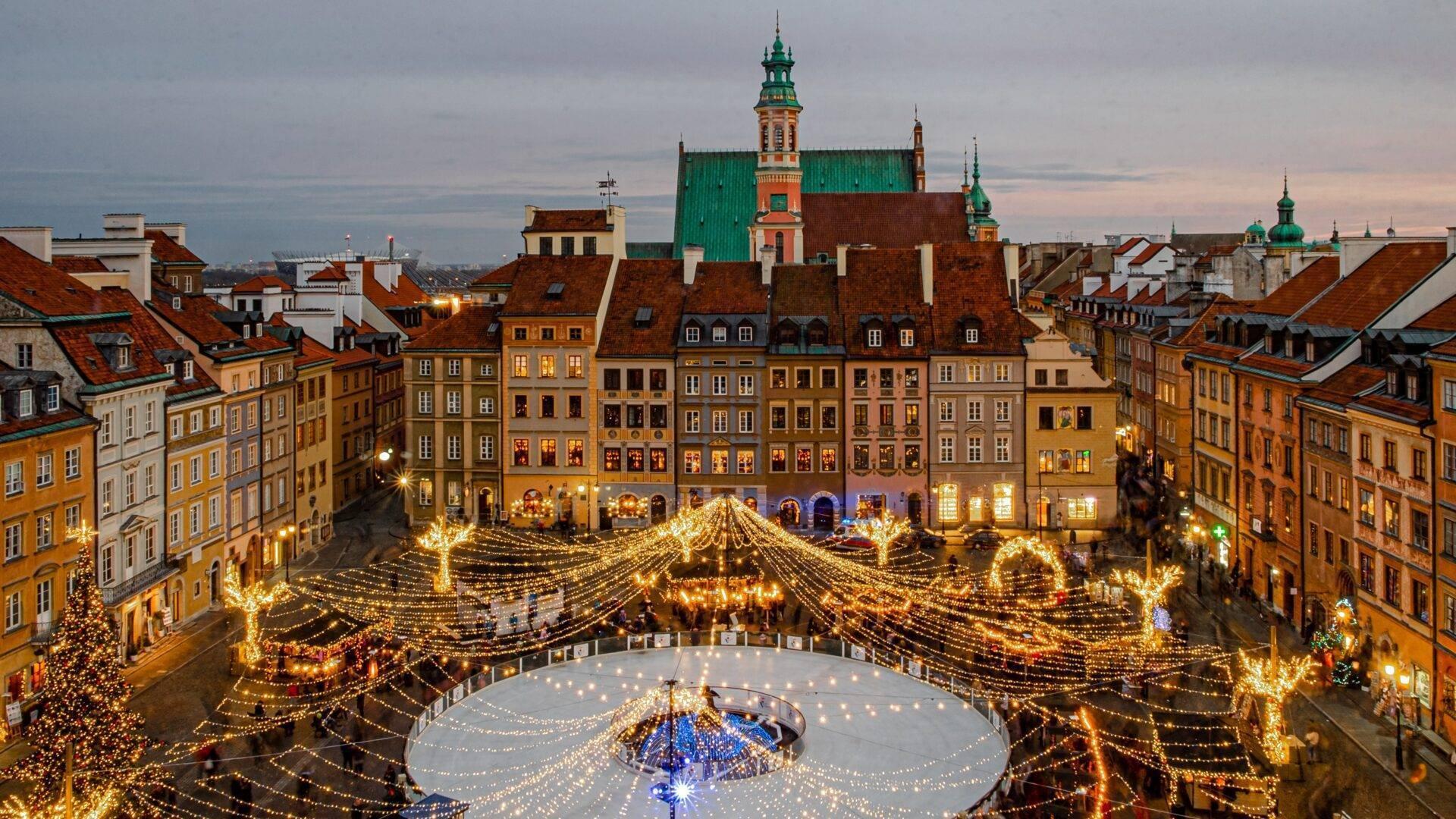
Choose one, combine or string them together: a few pointers
These six cities complement rather than compete with each other. Here are a few pointers depending on what you are looking for:
- Tradition and food: Strasbourg or Nuremberg, two unmissable references for anyone discovering European Christmas markets for the first time.
- Medieval architecture: Prague, framed by the Gothic and Baroque facades of the Old Town.
- Imperial grandeur: Vienna, for the Punsch, the ice rink and the neo-Gothic setting of Rathausplatz.
- Scandinavian design and fairground rides: Tivoli in Copenhagen, unique for its fully illuminated amusement park.
- Authenticity on a budget: Budapest, where Hungarian craftsmanship is affordable and the crowds are thinner than in Western Europe.
- After 25 December: Prague (until 6 January) and Budapest (until 1 January) remain open, ideal for the week between Christmas and New Year.
For more festive ideas in Europe, our Christmas in London guide explores the best British markets. And if sunshine appeals, discover our sunny Christmas destinations.
Before booking flights and accommodation, it is worth checking your medical cover: if you need hospital treatment abroad, Yupwego pays the bills directly, so you never have to find the money upfront.
Get my travel insurance quoteFAQ
Which is the oldest Christmas market in Europe?
Dresden’s Striezelmarkt (Germany), documented since 1434, is often cited as the oldest. Among the markets in this guide, Strasbourg’s Christkindelsmärik is the oldest, having been held since 1570.
Are European Christmas markets free to enter?
The vast majority of European Christmas markets are free to visit. The main exception in this guide is Tivoli in Copenhagen, which charges an entrance fee: buy your ticket online to avoid the queues.
When is the best time to visit Christmas markets in Europe?
Most markets open in late November and close on 24 December. To avoid weekend crowds, aim for weekdays and the first two weeks of December. Prague and Budapest remain open after Christmas, making them a great option for the week between Christmas and New Year.
What food and drink should you try at European Christmas markets?
Each market has its own specialities: Glühwein (mulled wine) almost everywhere; bredele and pretzels in Strasbourg; Lebkuchen and Rostbratwurst in Nuremberg; trdelník and svařák in Prague; Apfelstrudel and Punsch in Vienna; and kürtőskalács in Budapest.
Can you visit several European Christmas markets on one trip?
Absolutely. Nuremberg, Prague and Vienna are well connected by train and can be covered comfortably in a week. Strasbourg pairs naturally with Colmar or Basel for a long weekend. Copenhagen and Budapest are both reachable on direct flights from most major European cities.