
Barcelona pulls off something genuinely rare: it packs world-class monuments, beaches ten minutes from the old town, vibrant markets and medieval alleyways all into one city. This guide covers the highlights, along with the practical details that actually make a difference on the ground.
Get travel insurance for BarcelonaGaudí’s Masterpieces
You cannot talk about Barcelona without talking about Antoni Gaudí. His buildings look nothing like each other, yet they share one quality: you do not forget them. Set aside at least two half-days to take in the three main sites.
The Sagrada Família: the World’s Tallest Church
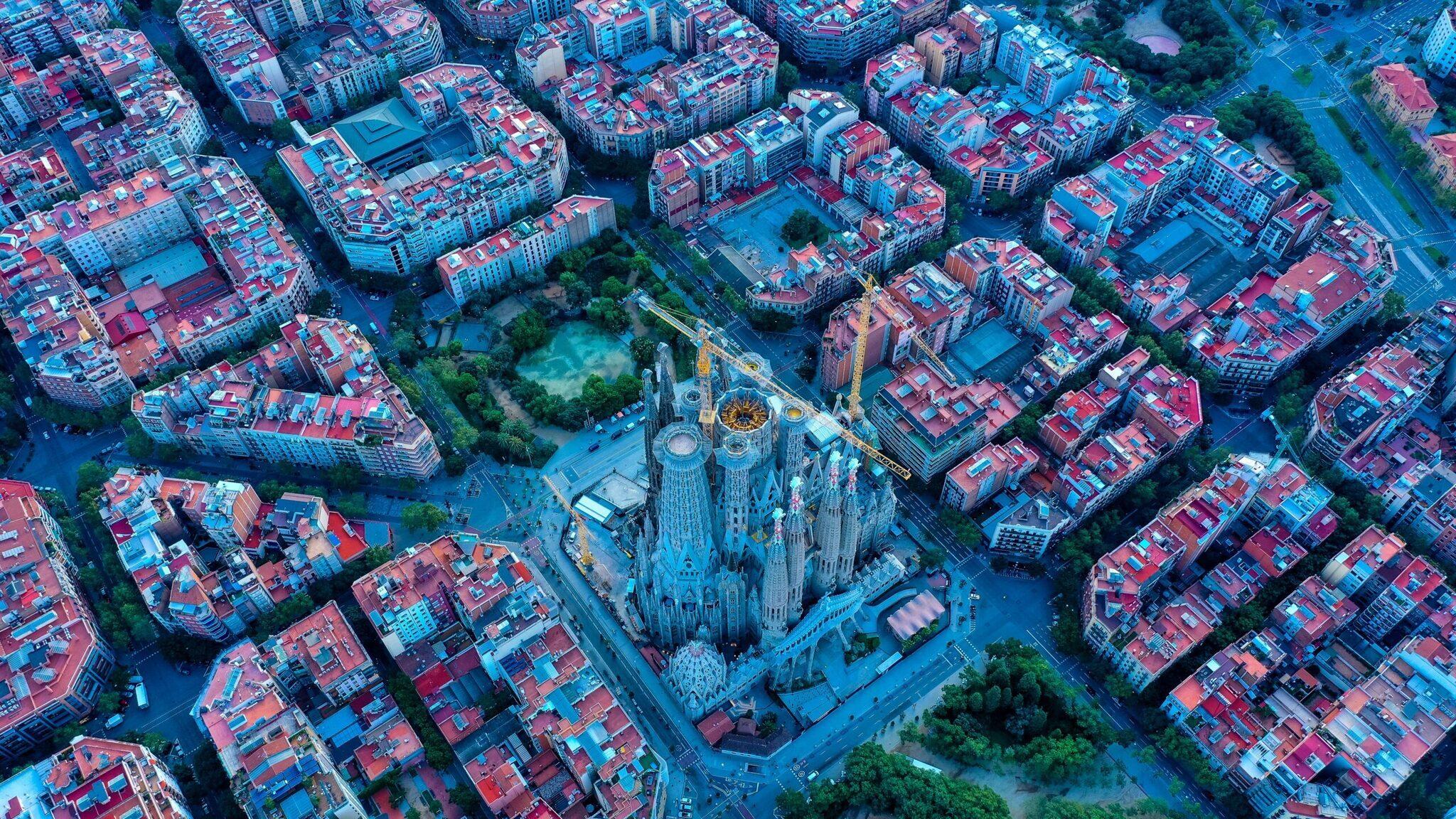
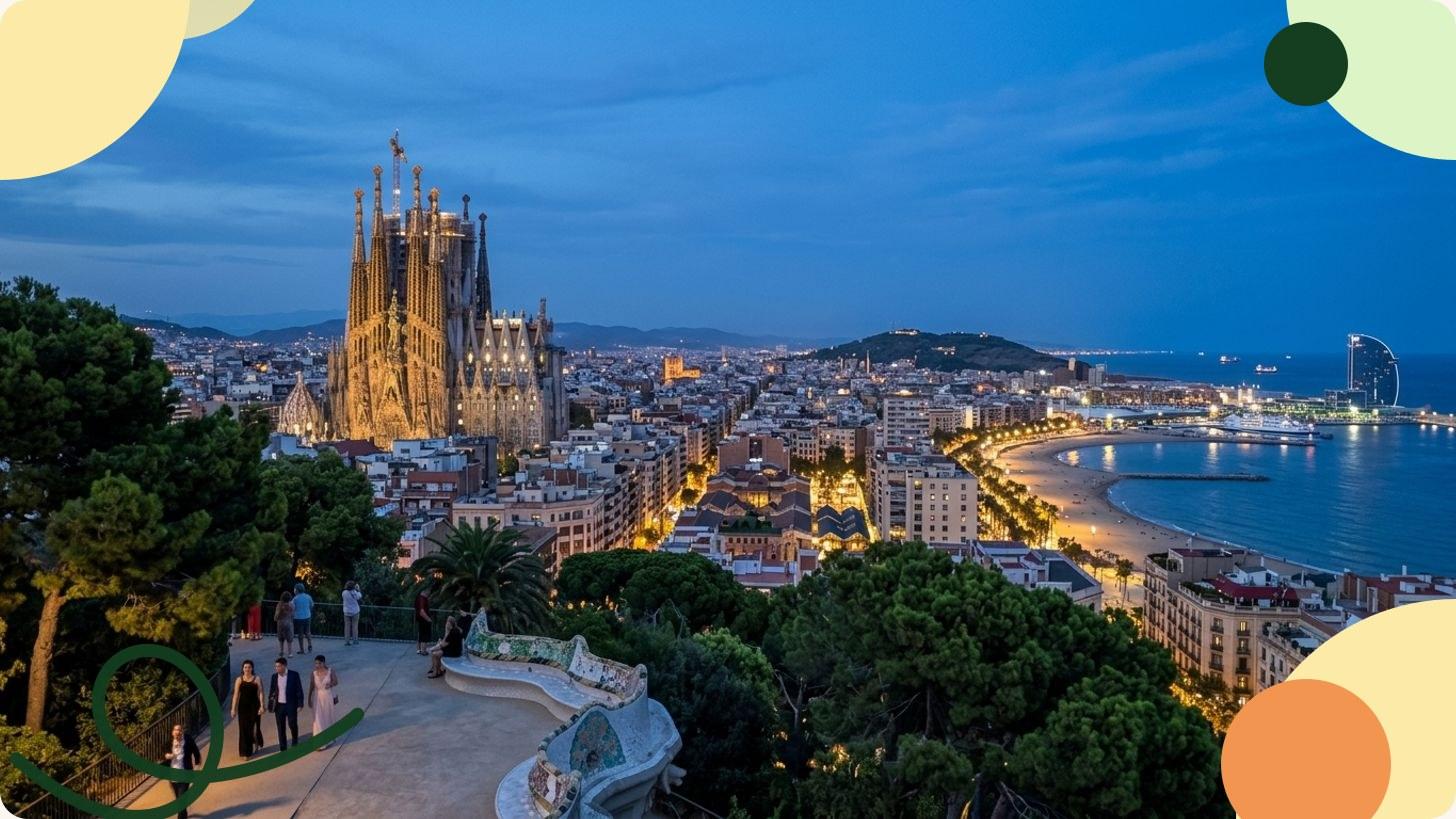
Construction began in 1882, and in 2026 Gaudí’s basilica crossed a historic threshold: the Tower of Jesus Christ reached its final height of 172.5 metres, making the Sagrada Família the tallest church in the world. A 29-metre, 13-tonne cross crowns the summit. Pope Leo XIV came to inaugurate it in June 2026, marking the centenary of Gaudí’s death.
Inside, light pours through polychrome stained glass and transforms the nave as the day progresses. Allow 1.5 to 2.5 hours for the visit, more if you go up a tower.
Practical info: adult ticket €26, free for under-11s. In 2026, time slots sell out 6 to 8 weeks in advance. Buy on the basilica’s official website: no tickets are sold on site.
Park Güell: Mosaics and Panoramas
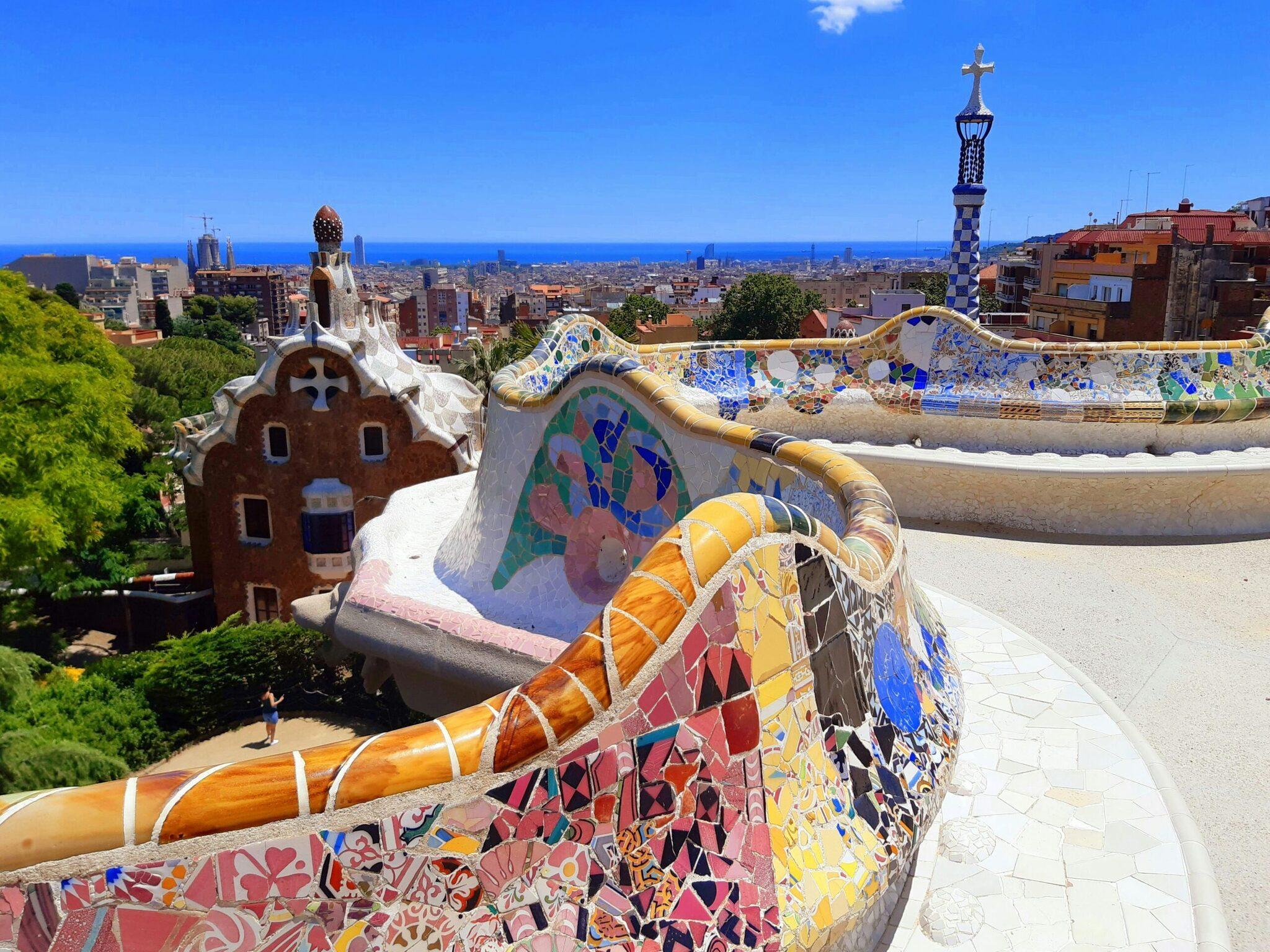
Perched on the hills above the city, Park Güell combines sinuous columns, mosaic benches and paths that open onto sweeping views all the way to the sea. The monumental zone (main terrace, hypostyle hall, viaduct) operates at limited capacity and requires online booking at parkguell.barcelona. In 2026, adult tickets cost €18, €13 for children aged 7 to 12 and seniors aged 65 and over, free for under-7s. The pine-forest paths and green spaces surrounding the monumental zone remain free to explore.
Casa Batlló: the Dragon House on Passeig de Gràcia
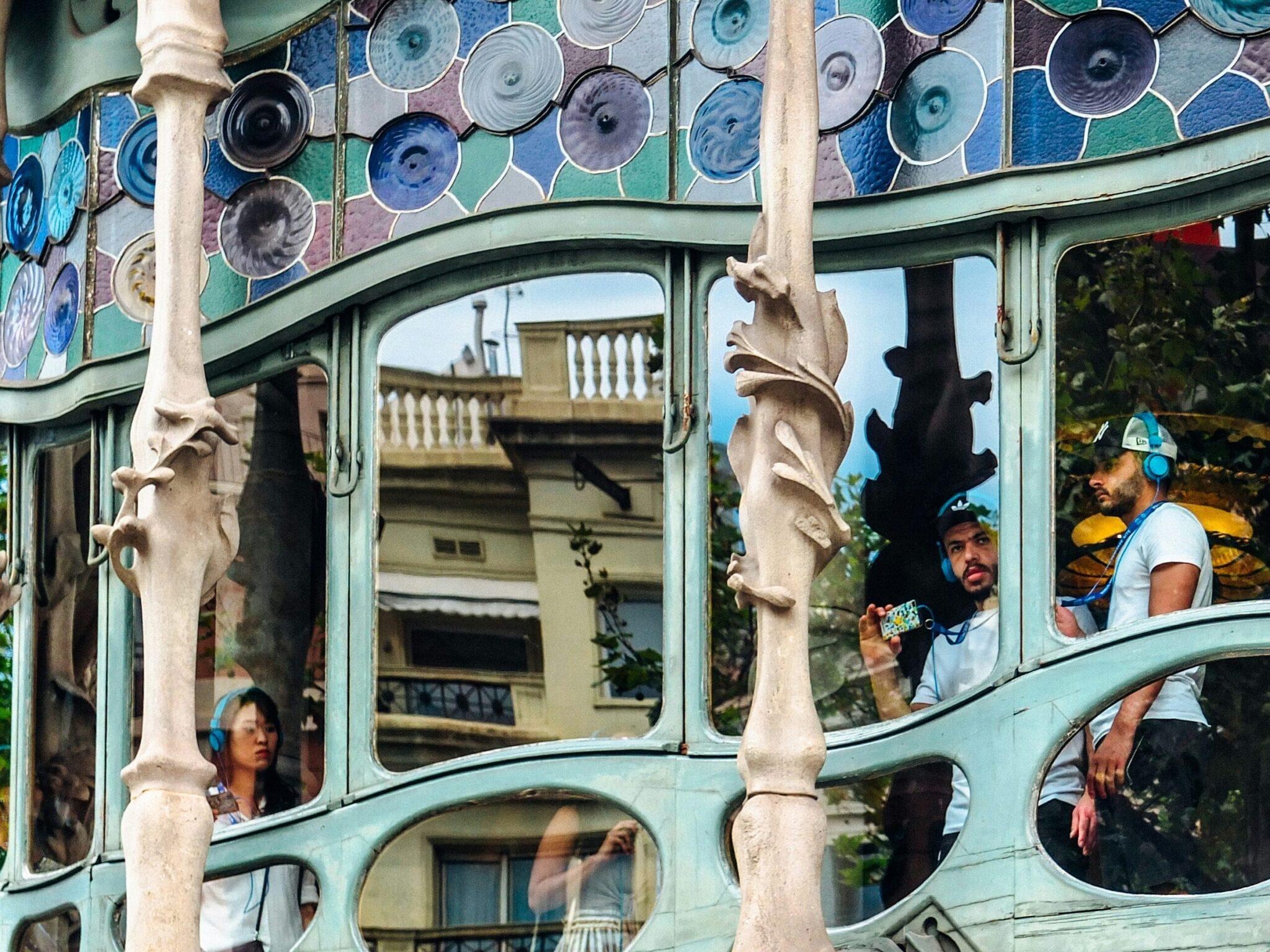
On the Passeig de Gràcia, Casa Batlló stops you in your tracks from the pavement: its facade ripples like scales, the balconies suggest carnival masks and the roofline echoes the back of a dragon. Inside, organic curves and blue-tinted stained glass carry the fantasy further. It is one of the most photographed addresses in Barcelona, best visited during the day to make the most of the natural light.
For ideas beyond Barcelona, our guide on things to do in Spain has plenty to offer.
Las Ramblas and the Gothic Quarter
Strolling Along Las Ramblas
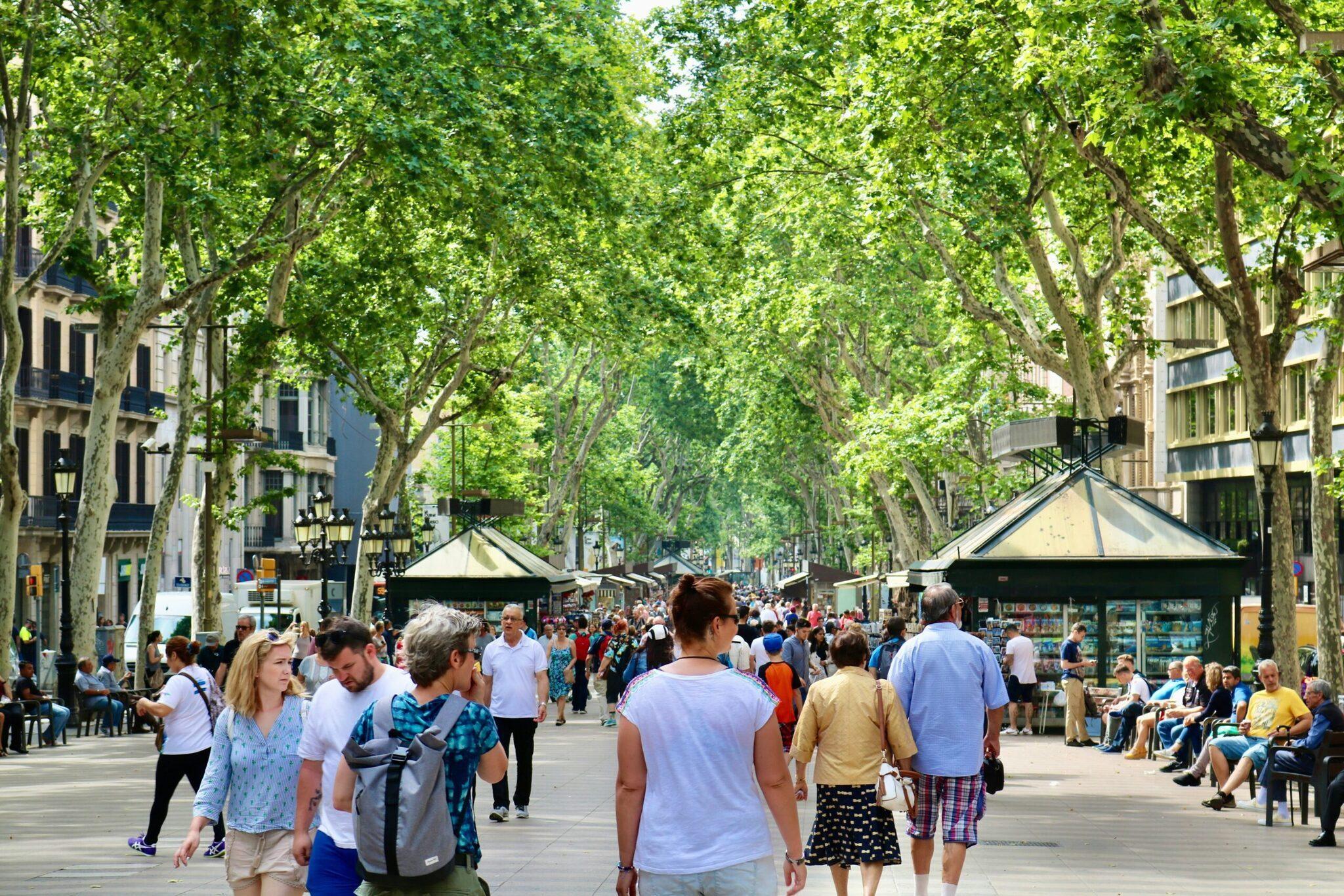
Las Ramblas is Barcelona’s most iconic promenade: 1.2 km of tree-lined boulevard running from Plaça de Catalunya down to the port, buzzing at all hours. Street performers, flower stalls, café terraces: it is lively, sometimes overwhelmingly so. Arrive early in the morning to have room to walk, and keep your belongings close.
Getting Lost in the Gothic Quarter
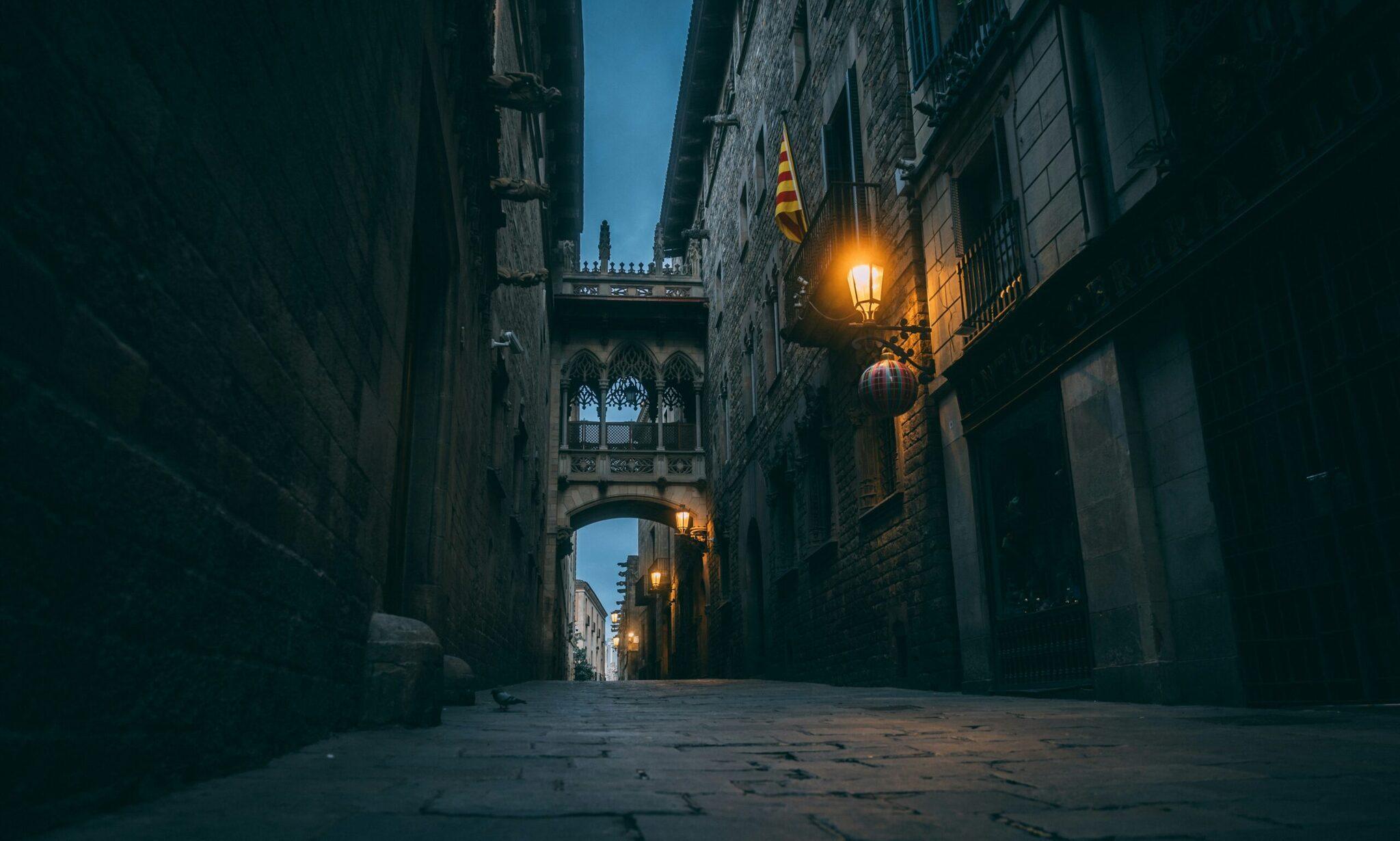
Behind Las Ramblas, the Barri Gòtic is a labyrinth of cobbled streets laid over Roman foundations. Barcelona Cathedral, the arcaded Plaça Reial and the remains of the Roman Temple of Augustus: every turning leads to a different century. The atmosphere shifts with the hour, growing quieter and more evocative at dusk. It is the ideal neighbourhood for wandering without a fixed route.
Art and Culture
The Picasso Museum, in the Born Quarter
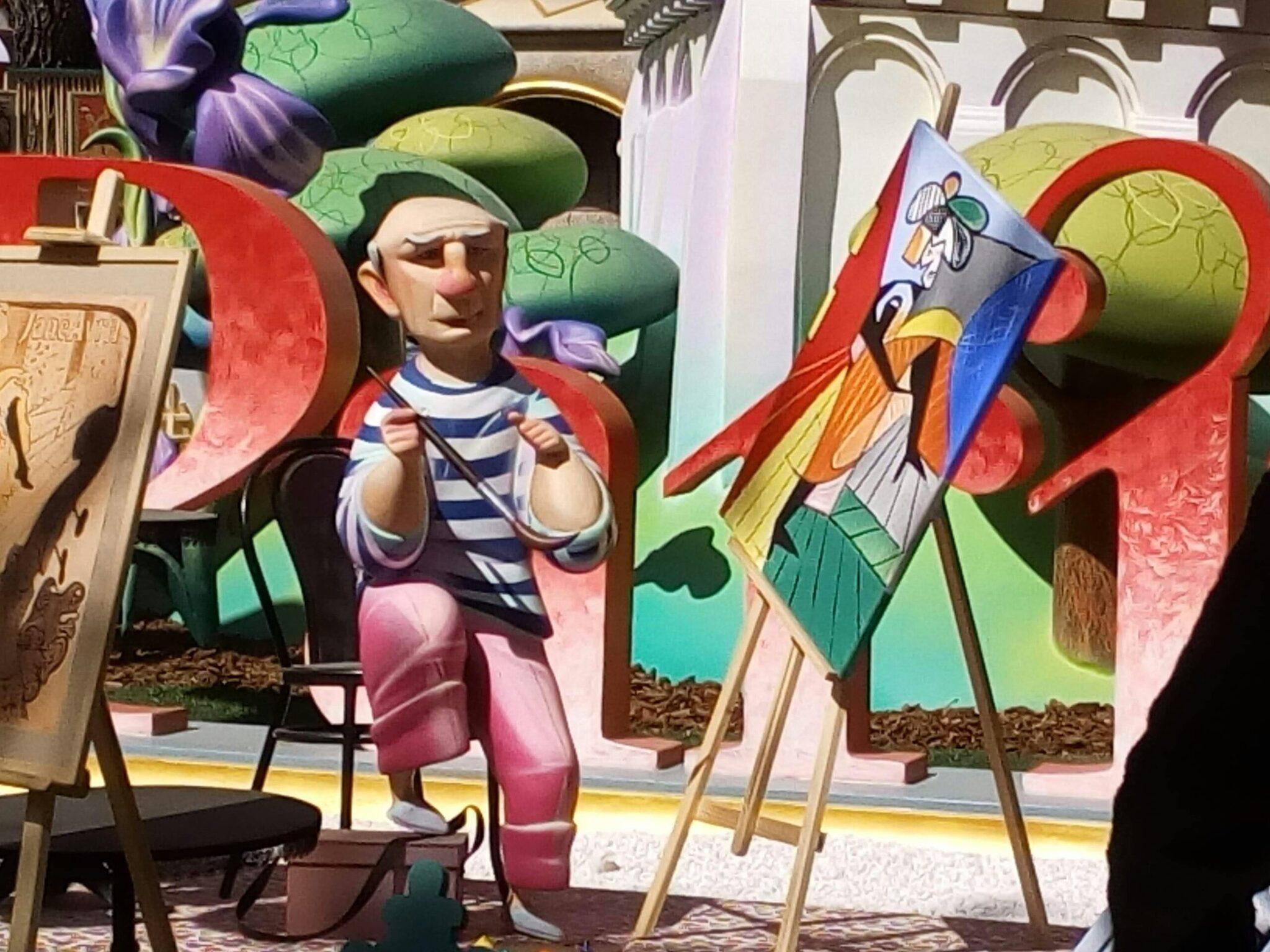
Housed across five medieval palaces in the Born quarter, the Picasso Museum traces Pablo Picasso’s artistic journey from his earliest academic works through to Cubism. The rooms follow a clear chronological thread. Two hours is enough to cover the essentials. The contrast between the Gothic setting of the buildings and the twentieth-century works inside is striking in its own right.
Montjuïc: Hill of Museums and Views
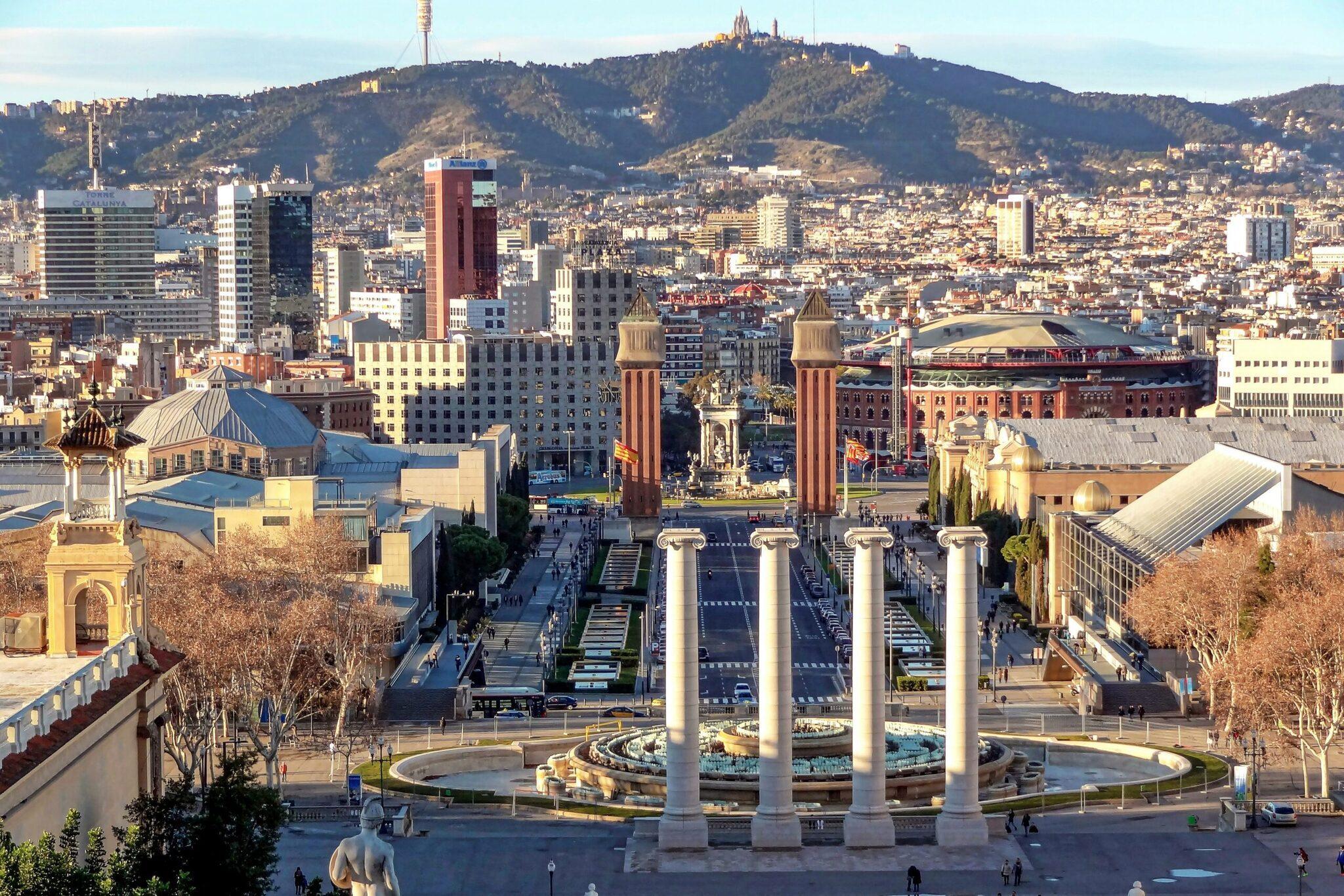
The Montjuïc hill brings together several sites: the castle with its panorama over the port and the Mediterranean, the Museu Nacional d’Art de Catalunya (MNAC) with one of the richest collections of Romanesque art in Europe, a botanical garden and the 1992 Olympic stadium. In the evening, the Magic Fountain at Plaça d’Espanya puts on a free light-and-sound show.
Barcelona’s Beaches
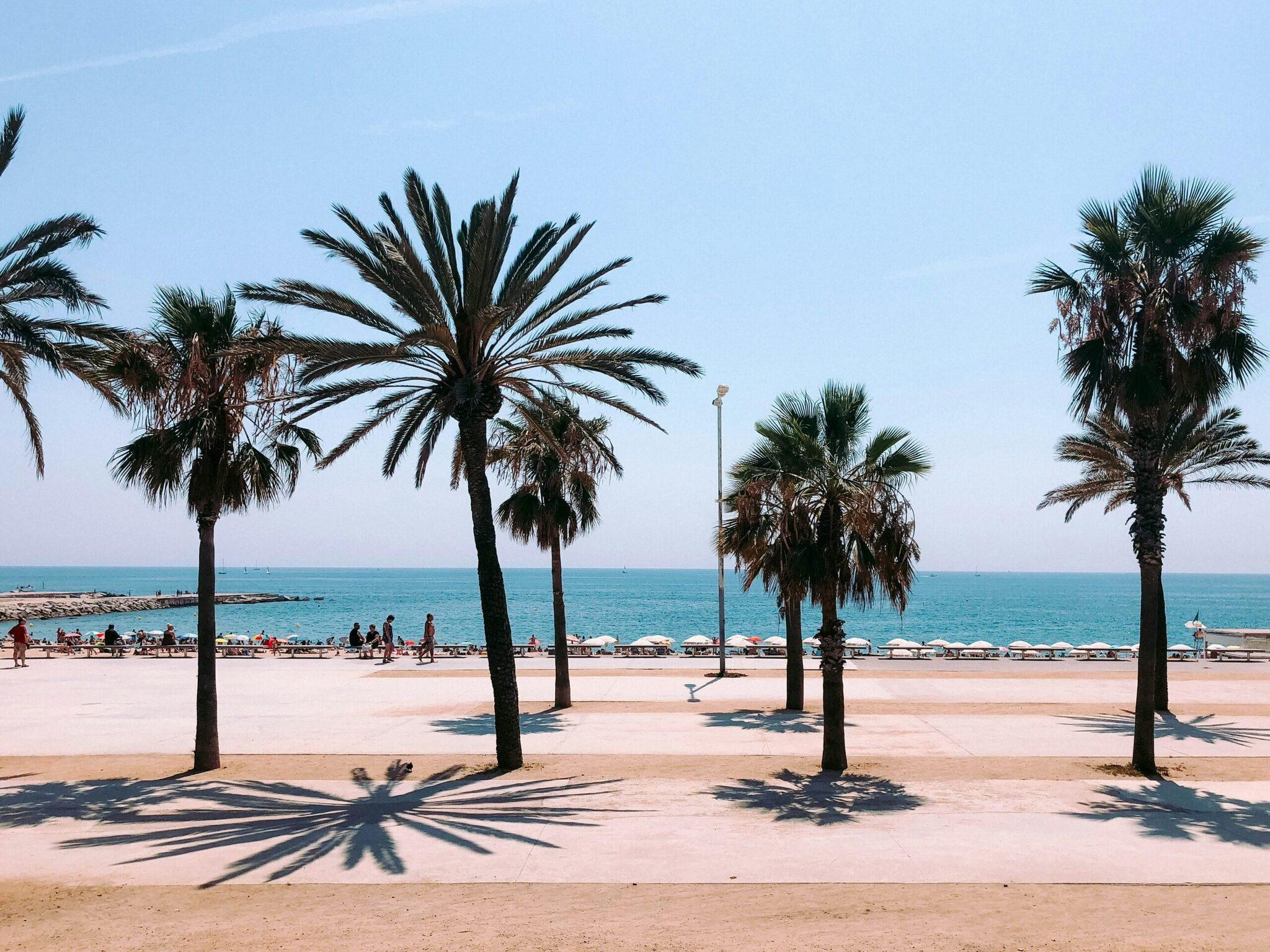
Barcelona is one of the few major cities in the world to offer proper beaches a ten-minute walk from the historic centre. Barceloneta is the most famous and the liveliest, perfect for a swim or for watching city life unfold. Bogatell and Mar Bella, further north, are quieter and popular with locals. The coastal promenade (Passeig Marítim) follows the seafront for several kilometres, making it a great route for cycling or walking.
Catalan Food: Markets and Flavours
La Boqueria Market
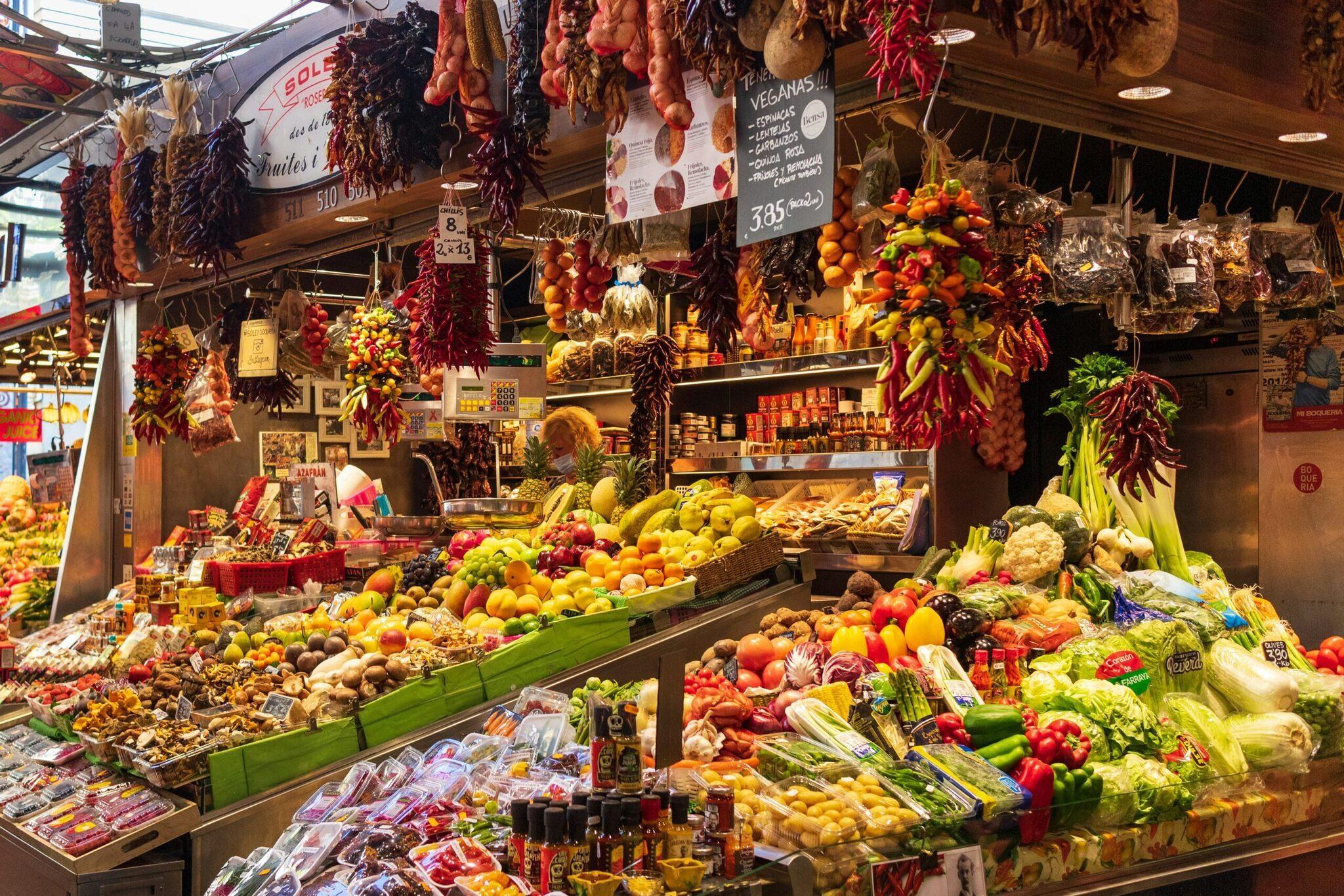
Officially the Mercat de Sant Josep de la Boqueria, this market has been open since the thirteenth century and spills directly onto Las Ramblas. Fruit, vegetables, seafood, cheeses, cured meats: the stalls run the full length of the covered hall. You can eat on the spot, perched at the counter of one of the bars tucked between the stalls. Get there before 10 am to see the produce at its freshest and avoid the tourist rush.
On the Plate: Paella, Fideuà and Crema Catalana
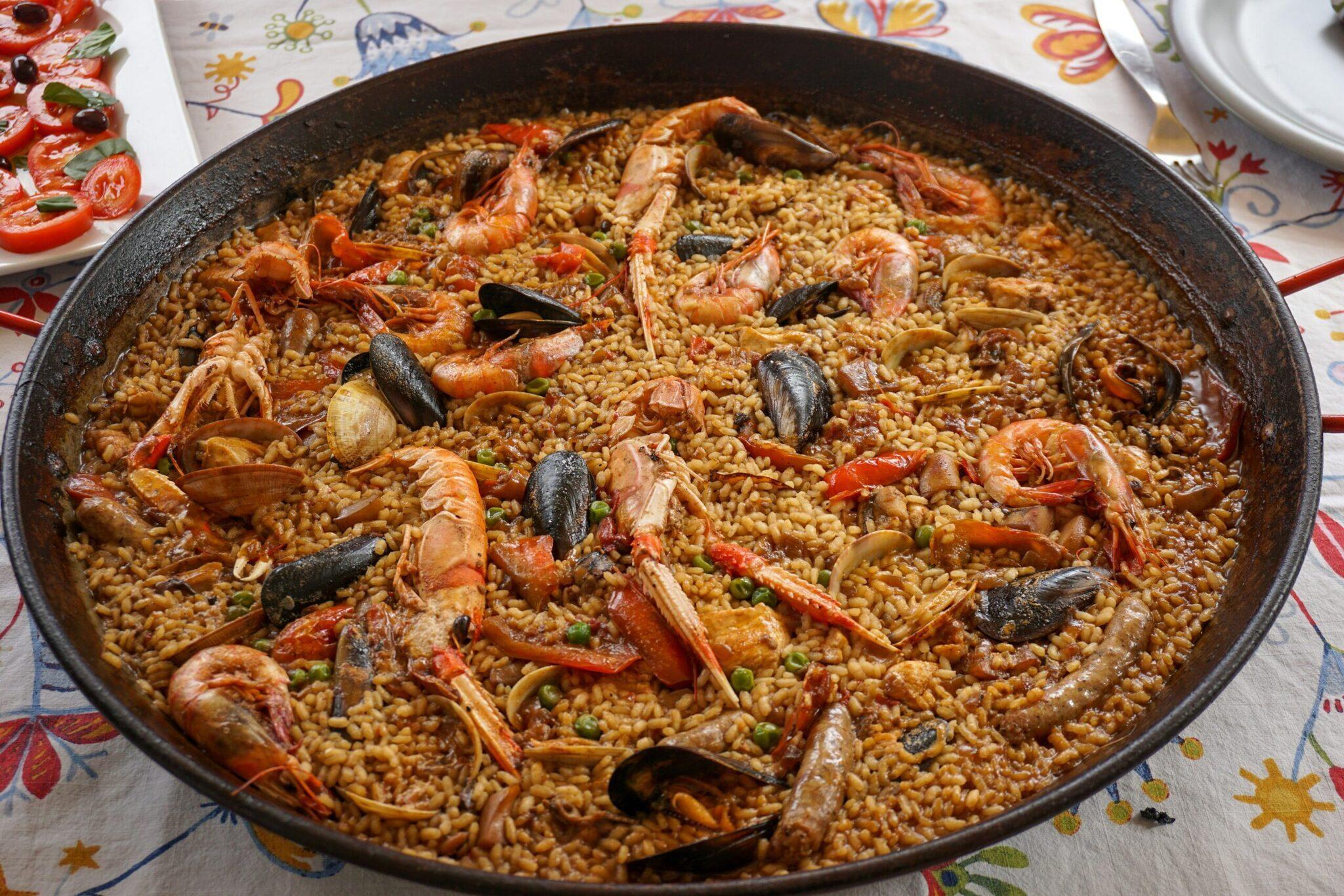
Catalan cuisine is built around Mediterranean produce: fish, seafood, grilled vegetables (escalivada) and charcoal-grilled meats. Seafood paella and fideuà (the noodle-based variation) are best enjoyed at the water’s edge, in the restaurants of the Barceloneta neighbourhood. Crema catalana, a close cousin of crème brûlée, appears on almost every menu. To compare with another great Spanish city, our guide on things to do in Madrid gives you the full picture.
Barcelona in 2026: an Exceptional Year
Three events make 2026 a particularly rewarding year to visit.
UNESCO World Capital of Architecture: from February to December 2026, Barcelona hosts over 1,500 events related to architecture and urban planning across its ten districts. The World Architects Congress (UIA) takes place in Barcelona from 28 June to 2 July 2026.
The completion of the Sagrada Família: the Tower of Jesus Christ reached its full height of 172.5 metres in 2026, a century after Gaudí’s death. The city organised commemorations around 10 June 2026.
Tour de France Grand Départ: from 1 to 6 July 2026, Barcelona hosts the opening stages of the Tour de France for the very first time.
For inspiration on a spring trip, our guide on where to travel in March has plenty of other destination ideas.
FAQ
How long does it take to visit the Sagrada Família?
Allow between 1.5 and 2.5 hours for a standard visit. If you go up a tower, add 30 to 45 minutes. Book several weeks in advance: in 2026, time slots go 6 to 8 weeks ahead of the date and no tickets are sold on site.
Can you visit Park Güell for free?
The paths and gardens surrounding the monumental zone are free to visit. The monumental zone itself (main terrace, hypostyle hall, viaduct) is ticketed: €18 per adult in 2026. Online booking is mandatory at parkguell.barcelona.
What is the best time to visit Barcelona?
Spring (April to May) and autumn (September to October) offer the best balance: pleasant temperatures, manageable crowds and a packed local events calendar, including Sant Jordi on 23 April and La Mercè in late September. Summer is hot and very busy, especially in August.
Is Barcelona very different from Madrid?
Yes. Barcelona is more Mediterranean and sea-facing, with a strong Catalan identity. Madrid is more continental and renowned for its vibrant nightlife. Our guide on things to do in Madrid covers the capital’s highlights for a comparison.
How many days do you need to visit Barcelona?
Three days is enough to cover the main sights: Sagrada Família, Park Güell, the Gothic Quarter and the beaches. Five days gives you time to explore the museums and settle into the rhythm of the neighbourhoods. A week lets you go well beyond the usual tourist trail.