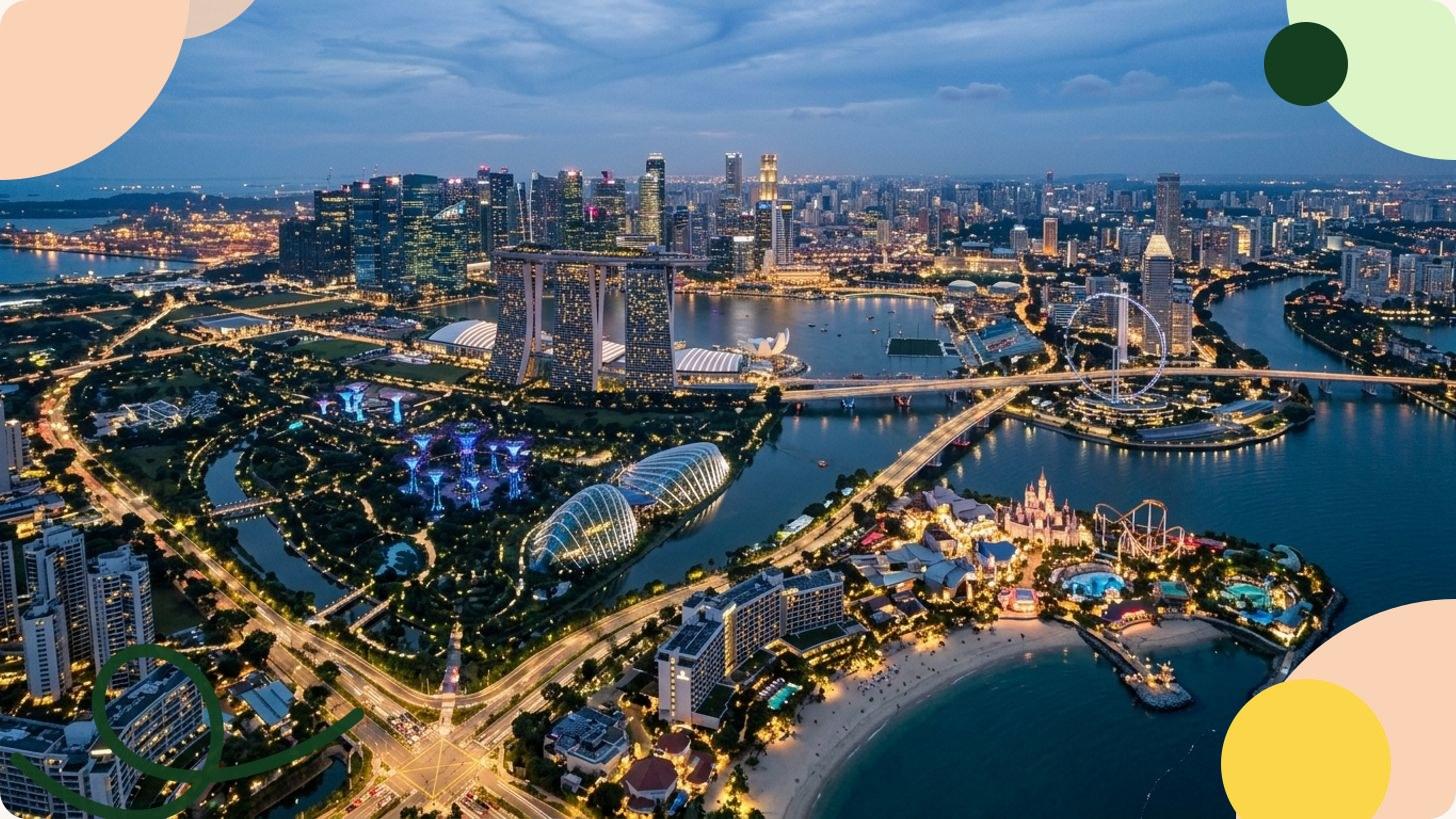

Singapore packs into a few dozen square kilometres the kind of experiences that would normally demand an entire continent: world-class theme parks, centuries-old temples, futuristic gardens and a nocturnal safari. Here are the 20 must-do experiences, organised by area to help you structure your days. For practical pre-trip information (visa requirements, health, budget), our Singapore travel insurance page has everything you need.
Sentosa Island: large-scale entertainment in one place
Connected to the mainland by cable car, monorail and a pedestrian walkway, Sentosa is the island where Singapore concentrates its densest entertainment offer. It easily justifies one to two full days on its own.
1. Universal Studios Singapore
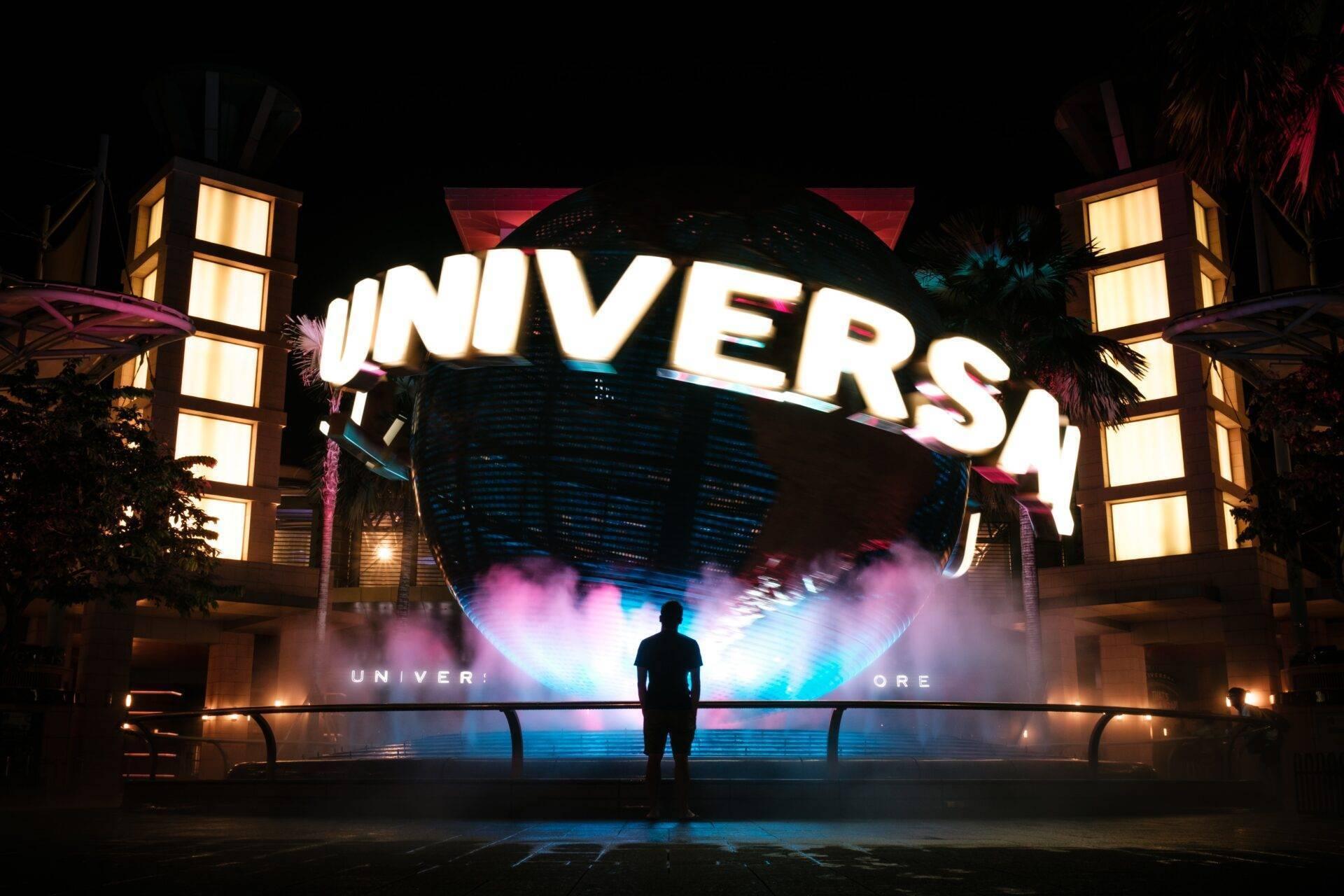
Opened in 2010 on Sentosa, Universal Studios Singapore features seven themed zones: Hollywood, New York, Ancient Egypt, Sci-Fi City (home to the Battlestar Galactica dual roller coaster in HUMAN and CYLON versions), The Lost World (Jurassic Park Rapids Adventure), Far Far Away and the brand-new Minion Land, which opened on 14 February 2025. The park has 24 attractions in total. Allow a full day to cover the highlights without rushing.
2. Sentosa’s beaches and parks
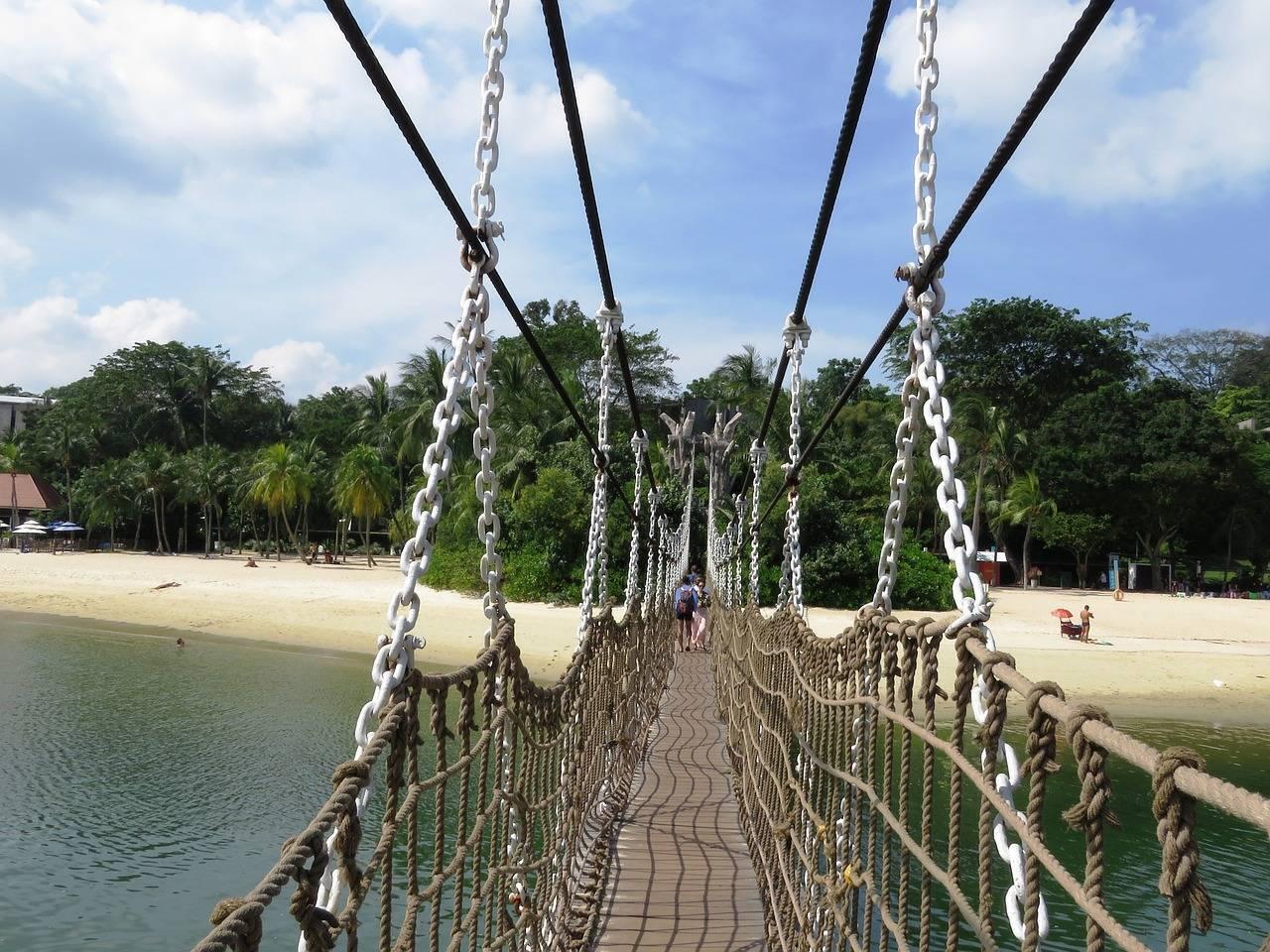
Palawan Beach, Siloso Beach and Tanjong Beach offer white sand just twenty minutes from the city centre. The island also has S.E.A. Aquarium and Adventure Cove Waterpark for families. Access to the beaches is free or low-cost, independently of the paid attractions.
Get my travel insurance quoteMarina Bay: the iconic heart of the city
3. Marina Bay Sands
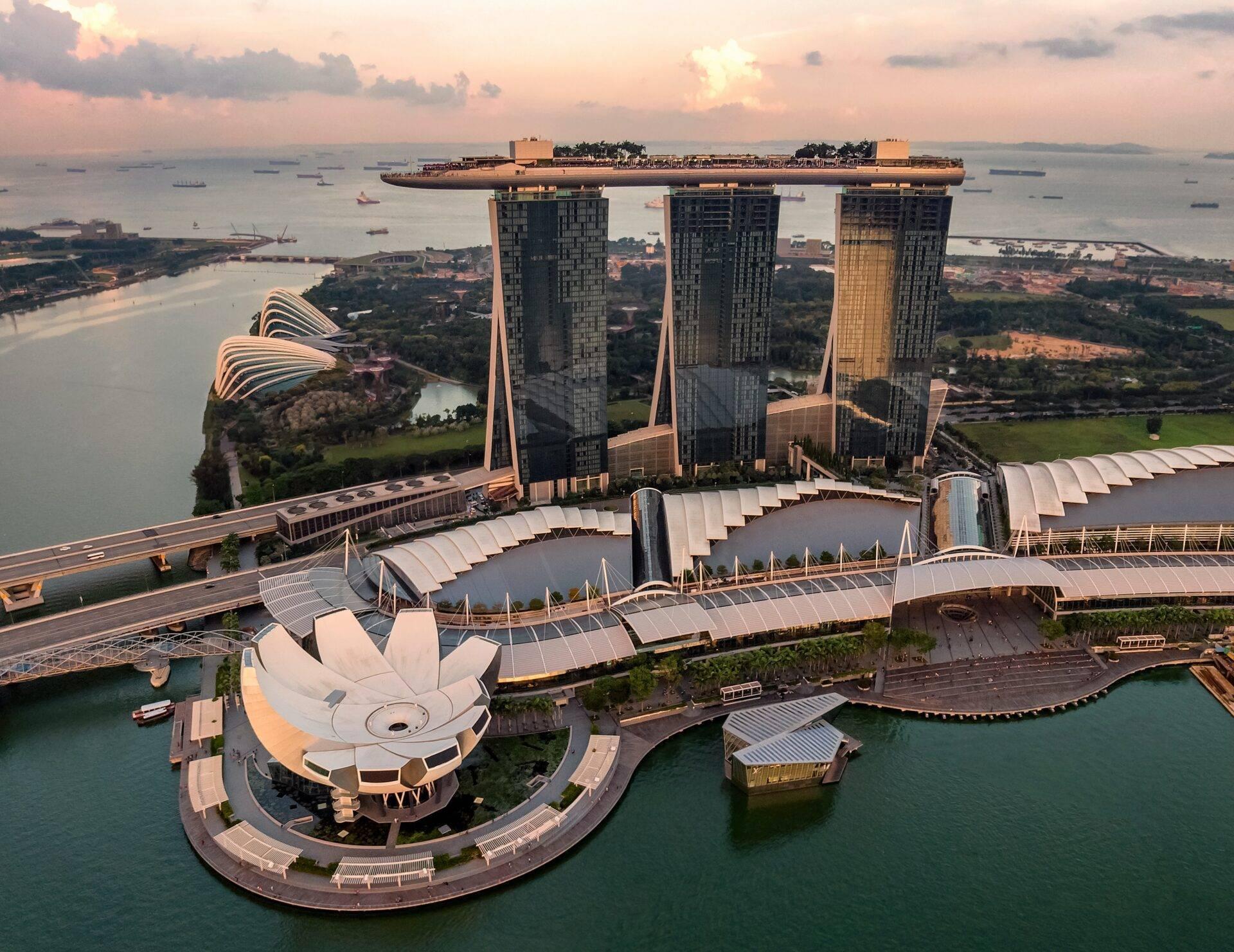
Three towers topped by a boat-shaped sky platform, an infinity pool in the clouds and a 360-degree view of the skyline: Marina Bay Sands, designed by architect Moshe Safdie, has become the defining symbol of modern Singapore. The complex houses a casino, shopping mall, restaurants and the ArtScience Museum.
4. ArtScience Museum
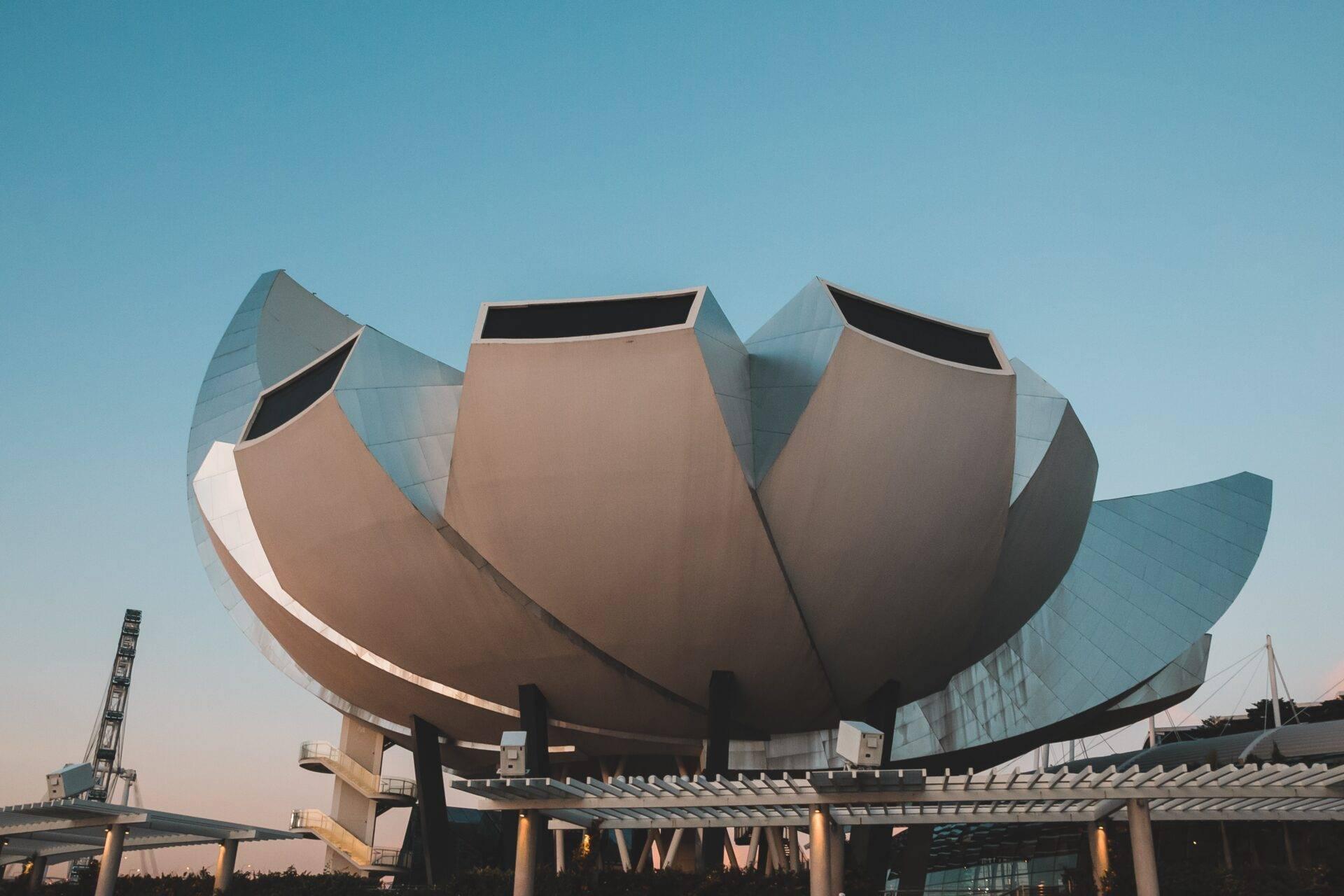
This lotus-shaped museum, which opened in 2011, spans nearly 5,000 sq m across 21 exhibition spaces. Its permanent exhibition ‘Future World’, created in collaboration with Japanese collective teamLab, features 17 interactive installations where art and technology intersect. It is one of the most photographed museums in South-East Asia.
5. Merlion Park
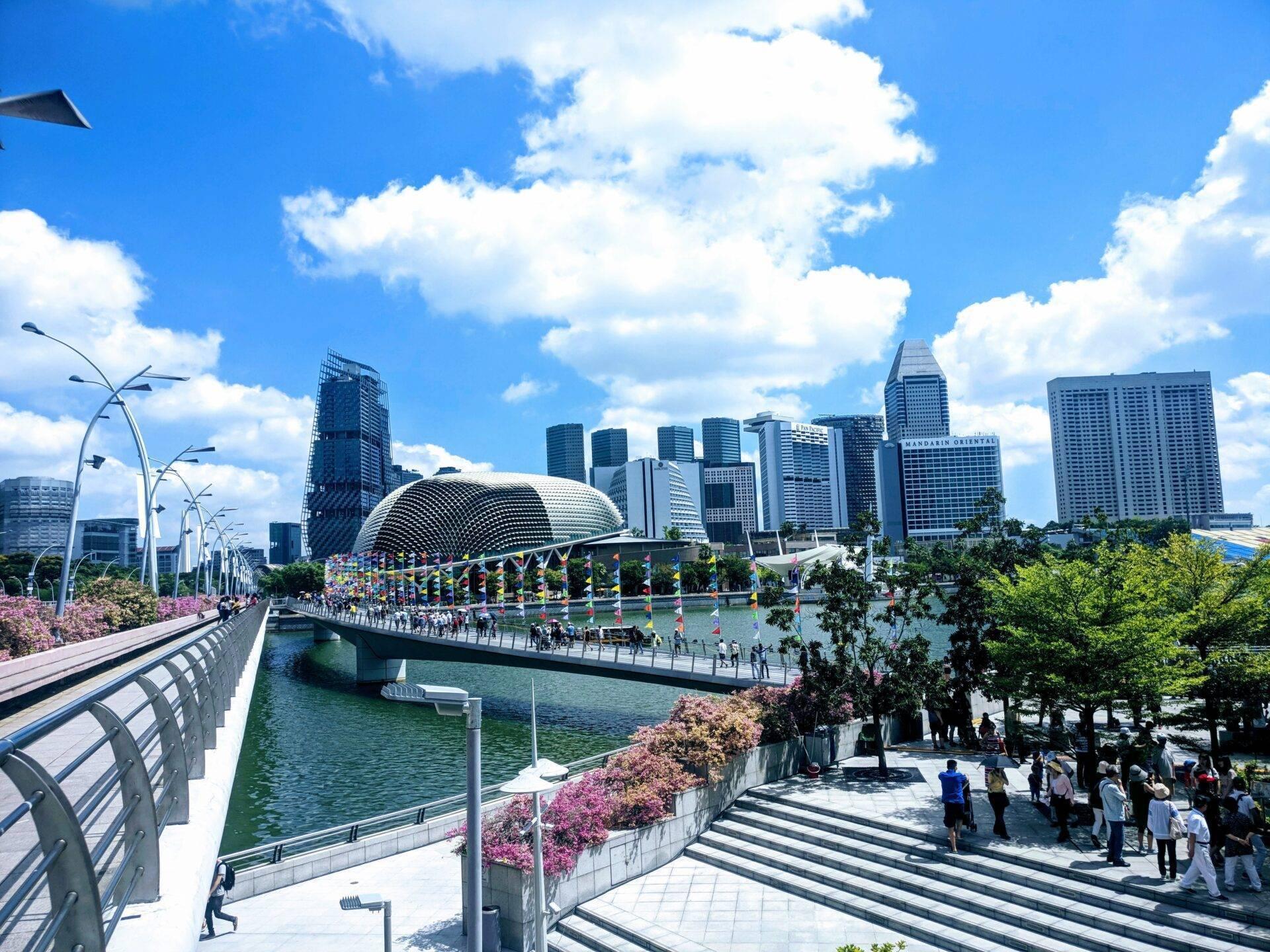
The half-lion, half-fish statue spouts water at the mouth of the Singapore River. Entry is free, and the park offers the classic backdrop shot of Marina Bay Sands. Arrive early in the morning to beat the crowds and the harsh midday light.
6. Singapore River cruise
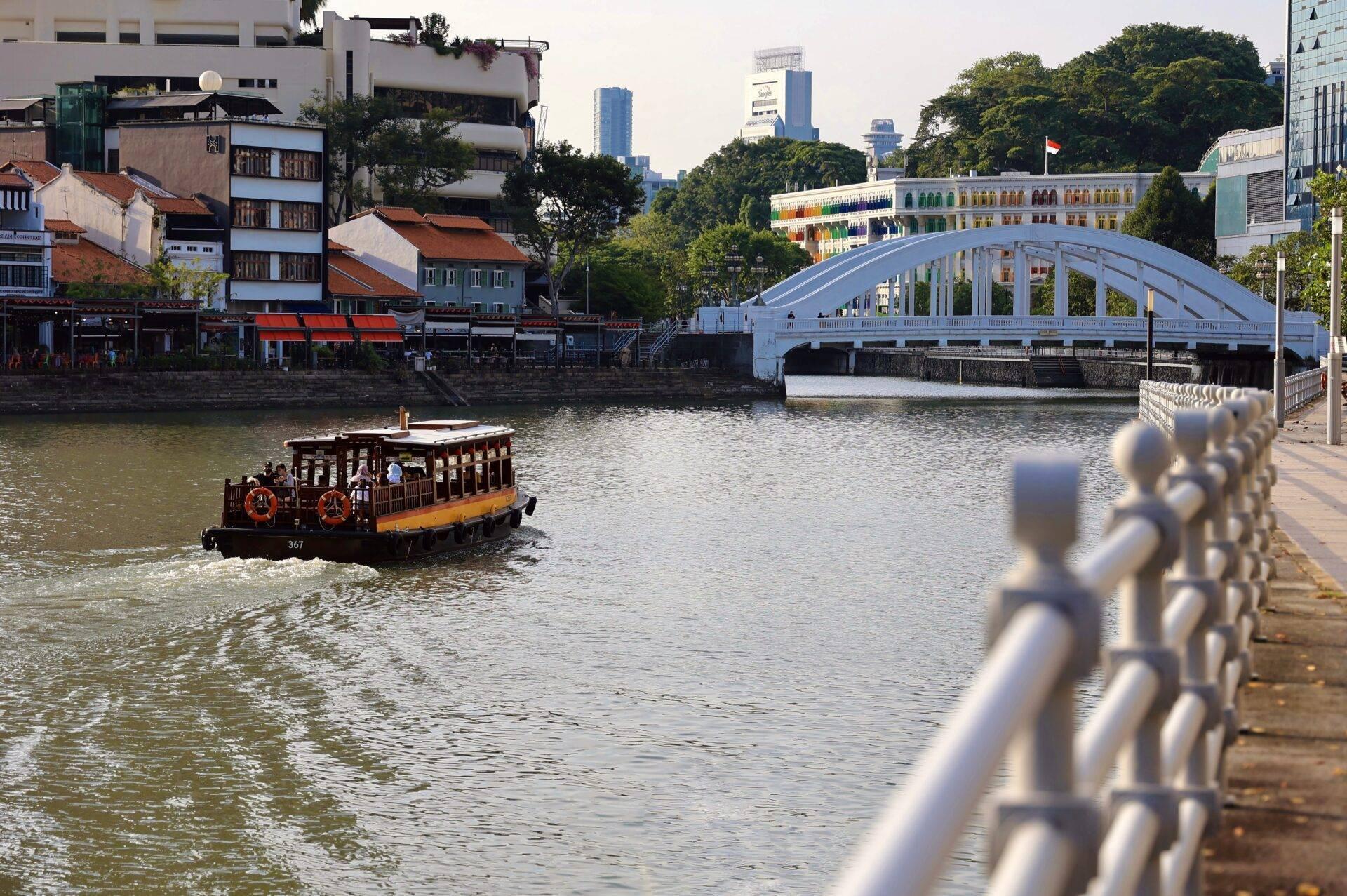
A traditional bumboat (wooden river barge) connects Boat Quay to Clarke Quay, gliding past colourful colonial shophouses. The forty-minute crossing offers a different perspective on the port history that built Singapore’s fortune.
7. Singapore Flyer
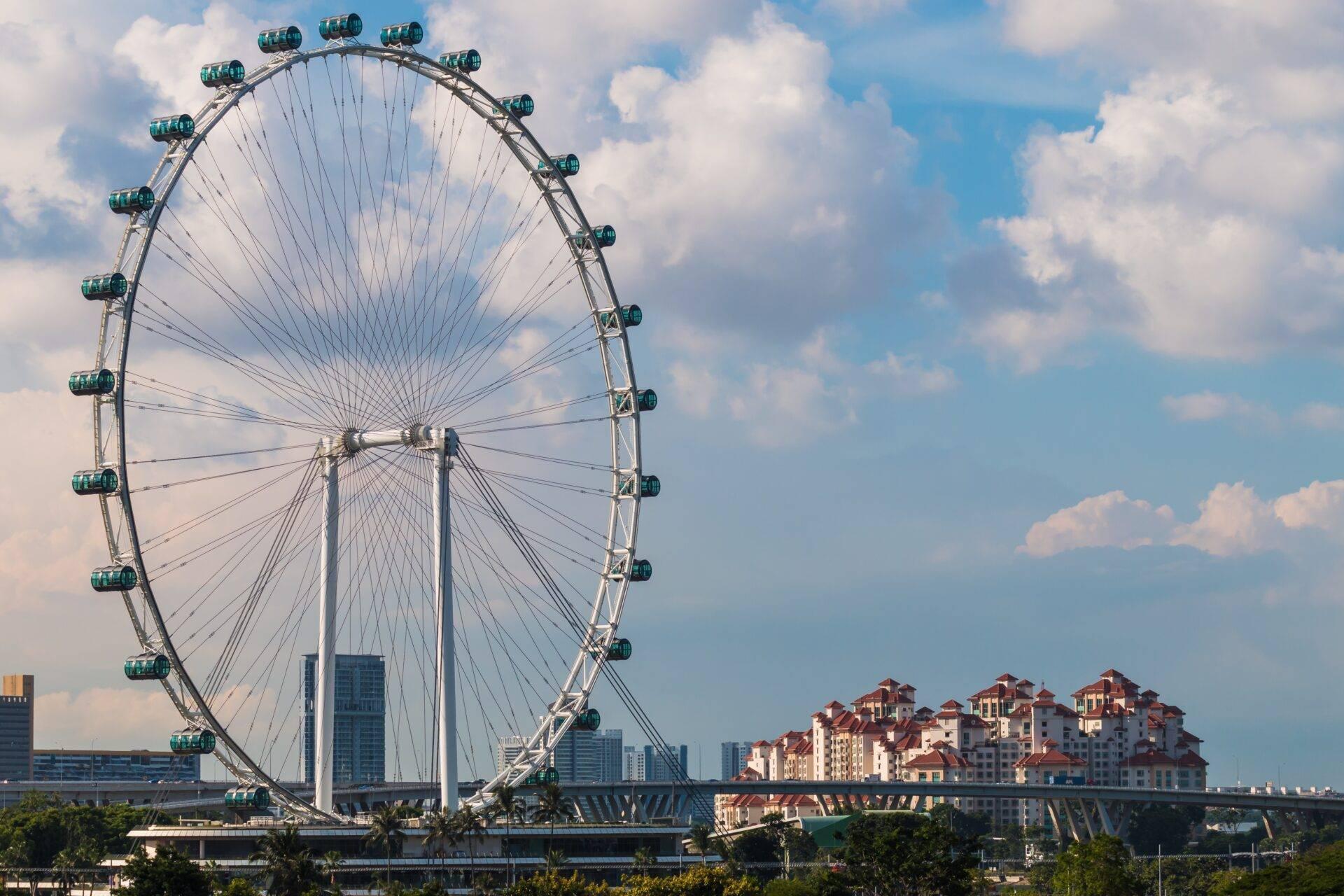
Opened in 2008, the Singapore Flyer rises to 165 metres with 28 capsules, each holding 28 passengers. The ride lasts 30 minutes and, on a clear day, the views stretch as far as Malaysia and Indonesia.
8. Gardens by the Bay
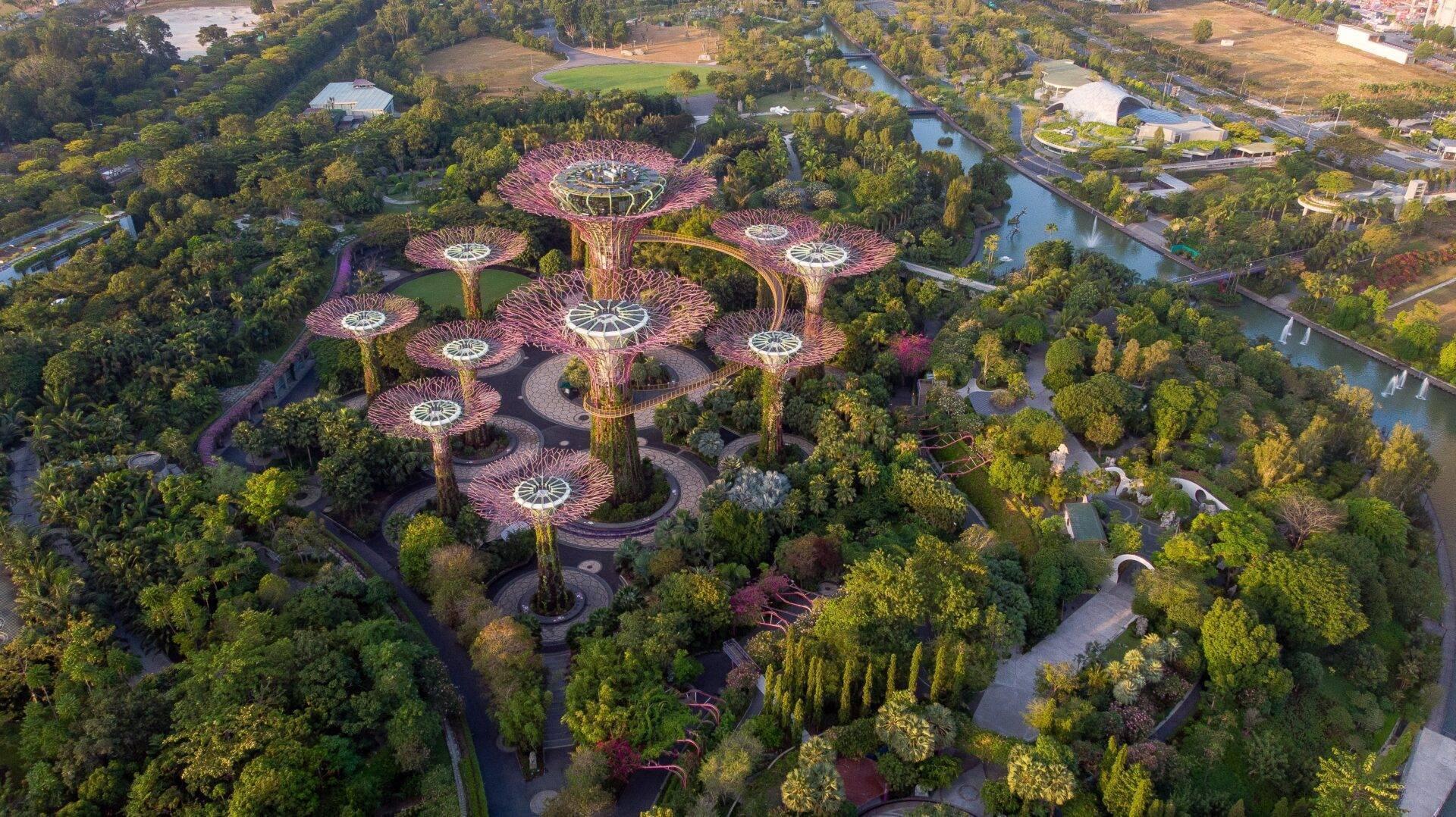
This 101-hectare park, which opened in 2012, is built around the Supertrees that light up each evening, the Flower Dome and the Cloud Forest: two climate-controlled domes housing plants from four continents. The Supertree light show is free to watch.
Historic neighbourhoods
9. Chinatown
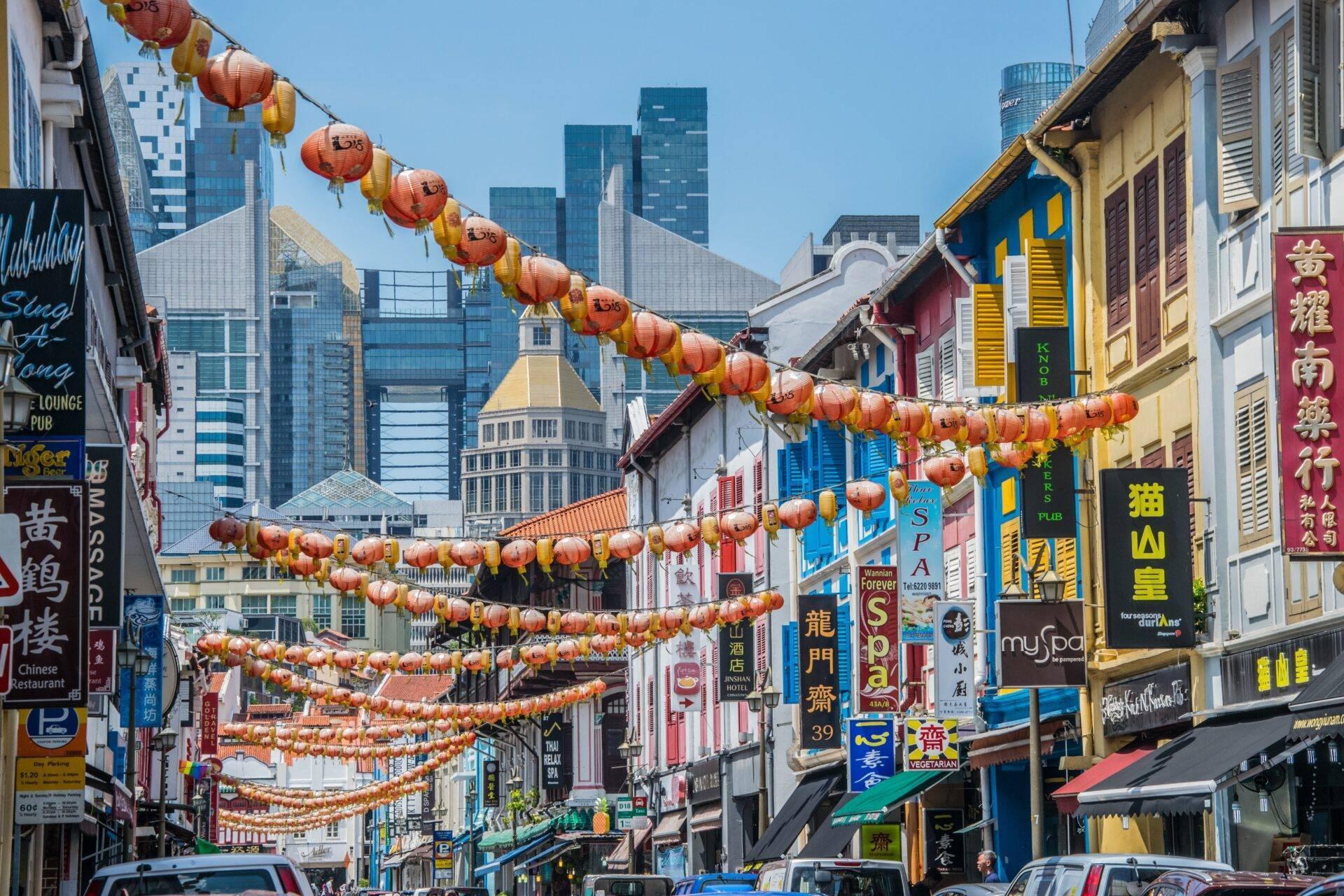
Red lanterns, colourful shophouses and buzzing street markets: Chinatown is the perfect place to discover local cuisine in hawker centres and pick up handmade souvenirs. It is also one of the most pleasant neighbourhoods to wander through on a warm evening.
10. Buddha Tooth Relic Temple
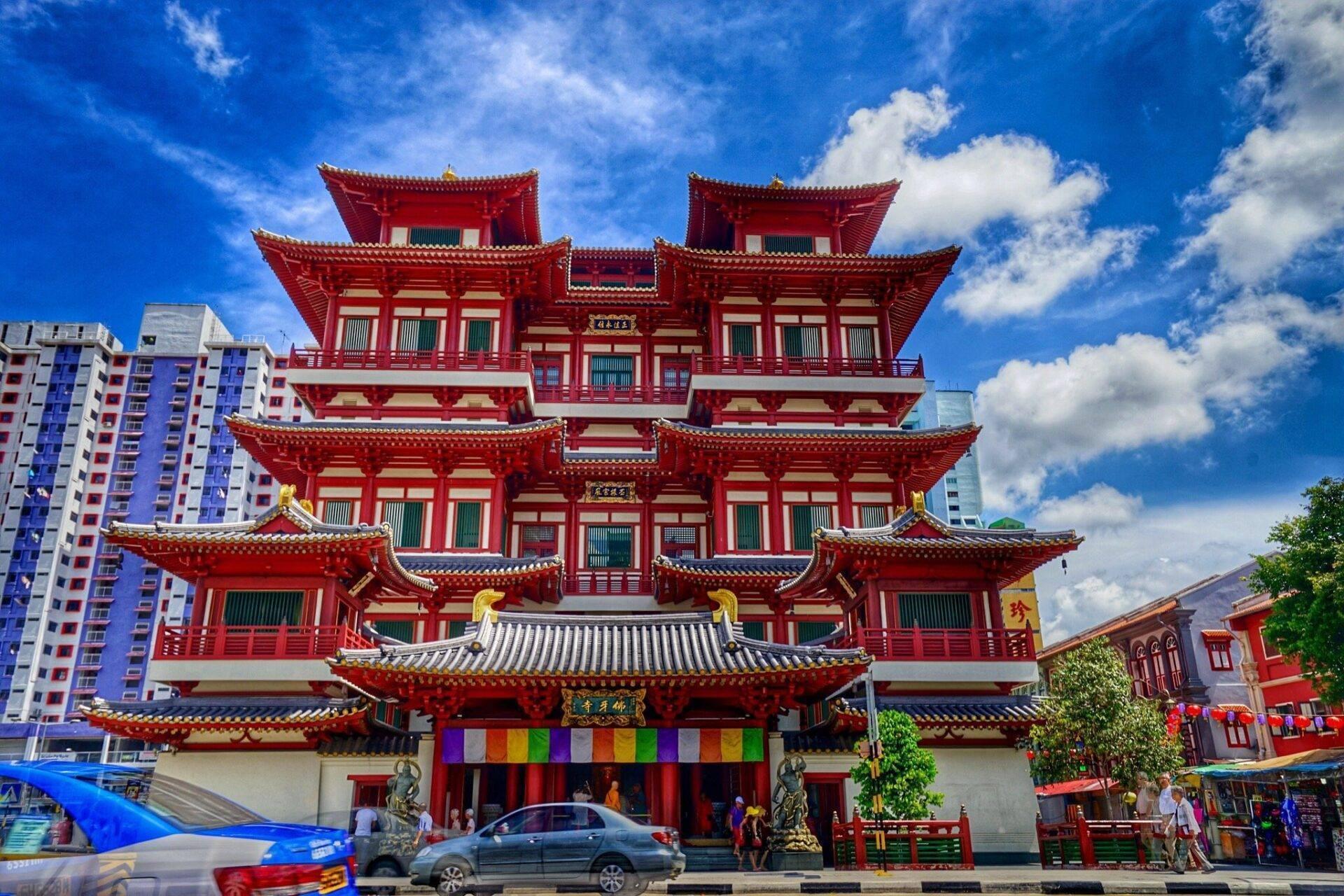
This Tang dynasty-style temple, in the heart of Chinatown, houses a relic attributed to the historical Buddha. Entry is free. Its vivid red roofs stand in sharp contrast to the surrounding glass towers, making it one of the most striking photographic subjects in the neighbourhood.
11. Little India
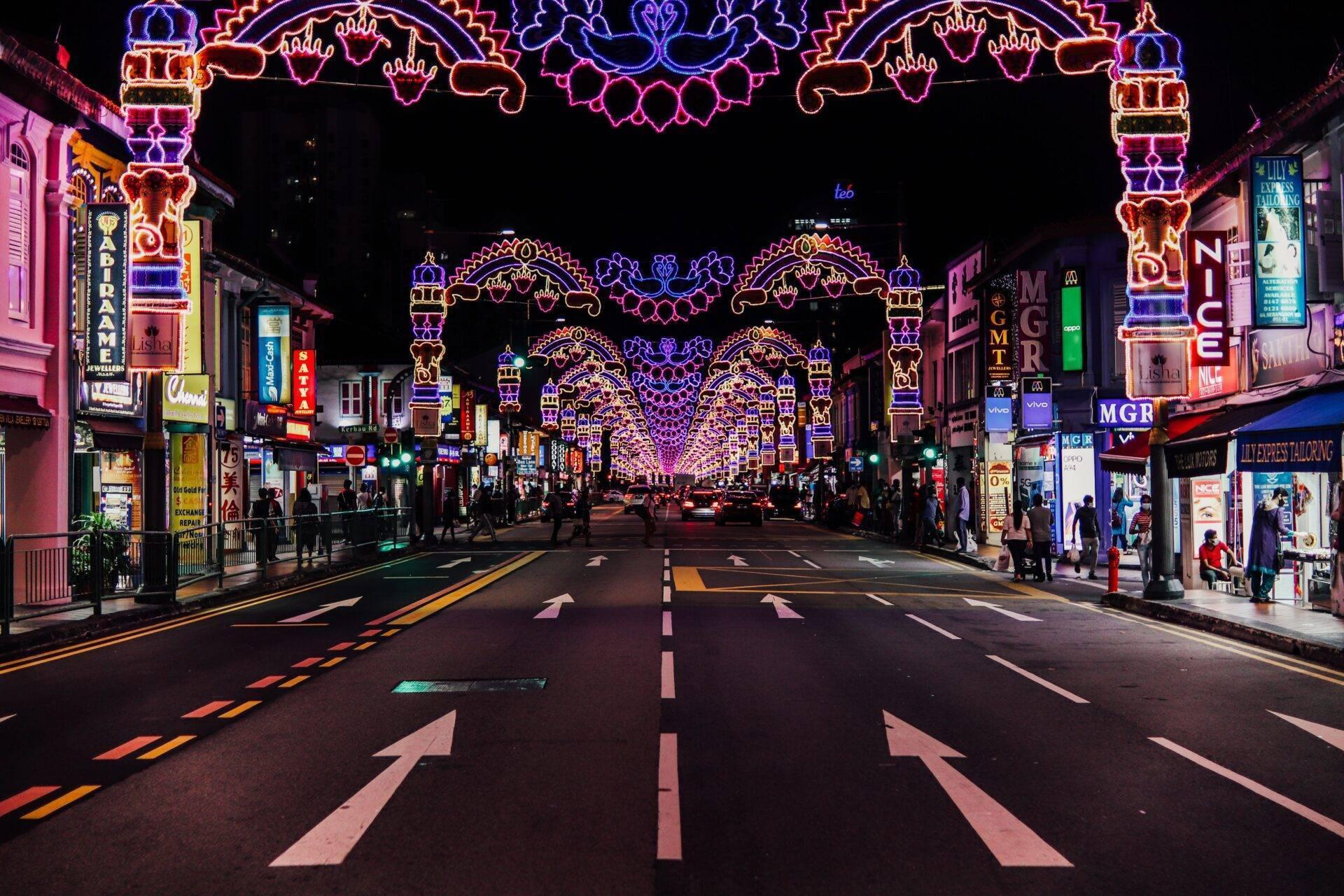
Little India hits you with an immediate sensory rush: spices, silks, flower garlands and Carnatic music. Serangoon Road is lined with Hindu temples, restaurants and street markets. The neighbourhood comes alive especially in the evenings and during Hindu festivals.
12. The Raffles Hotel
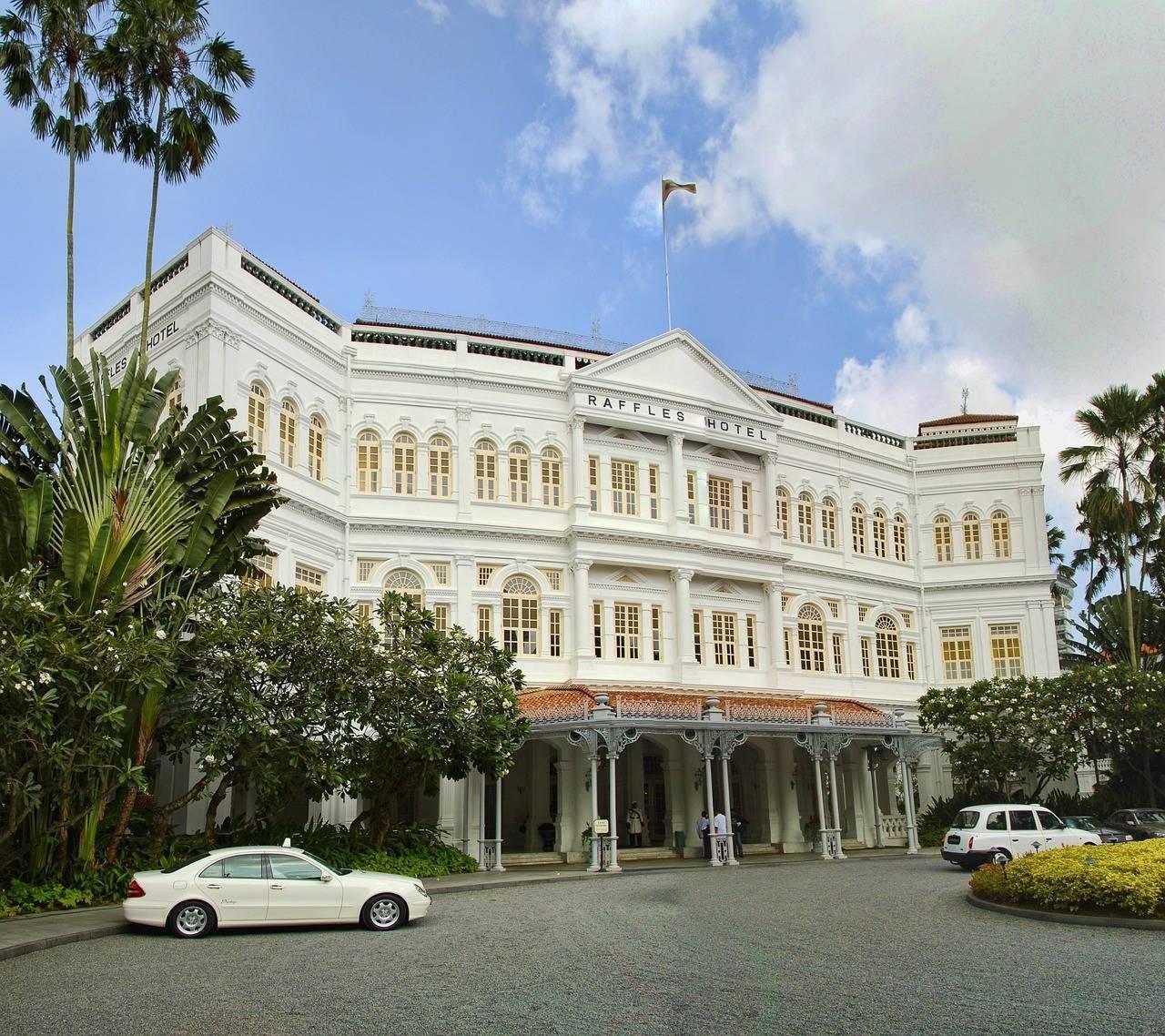
Founded in 1887, the Raffles Hotel is a listed historic monument that has welcomed Rudyard Kipling, Somerset Maugham and countless celebrities from around the world. Even if you are not staying there, its Long Bar remains the birthplace of the Singapore Sling, the cocktail that has gone global.
13. Orchard Road
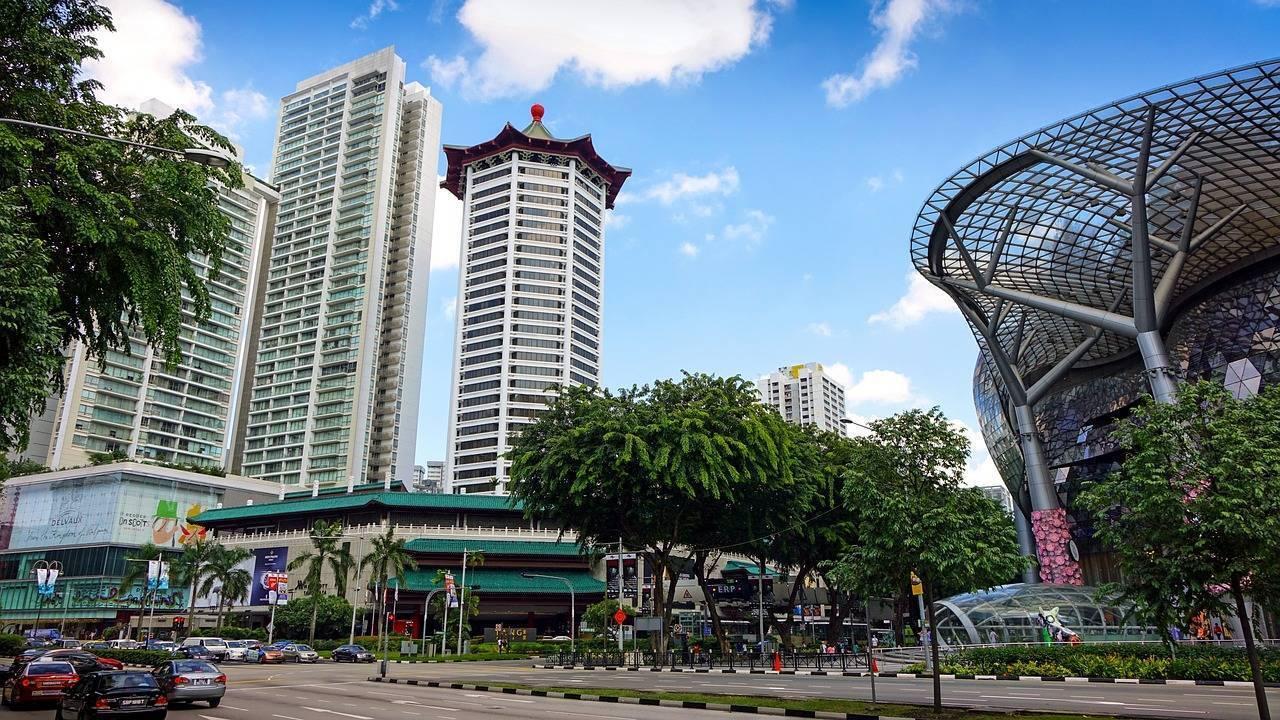
Singapore’s main shopping thoroughfare stretches for several kilometres of malls, from luxury boutiques to local brands. When the rain comes down, the shopping arcades are all connected, making it a practical covered route through the city.
14. Clarke Quay and Riverside Point
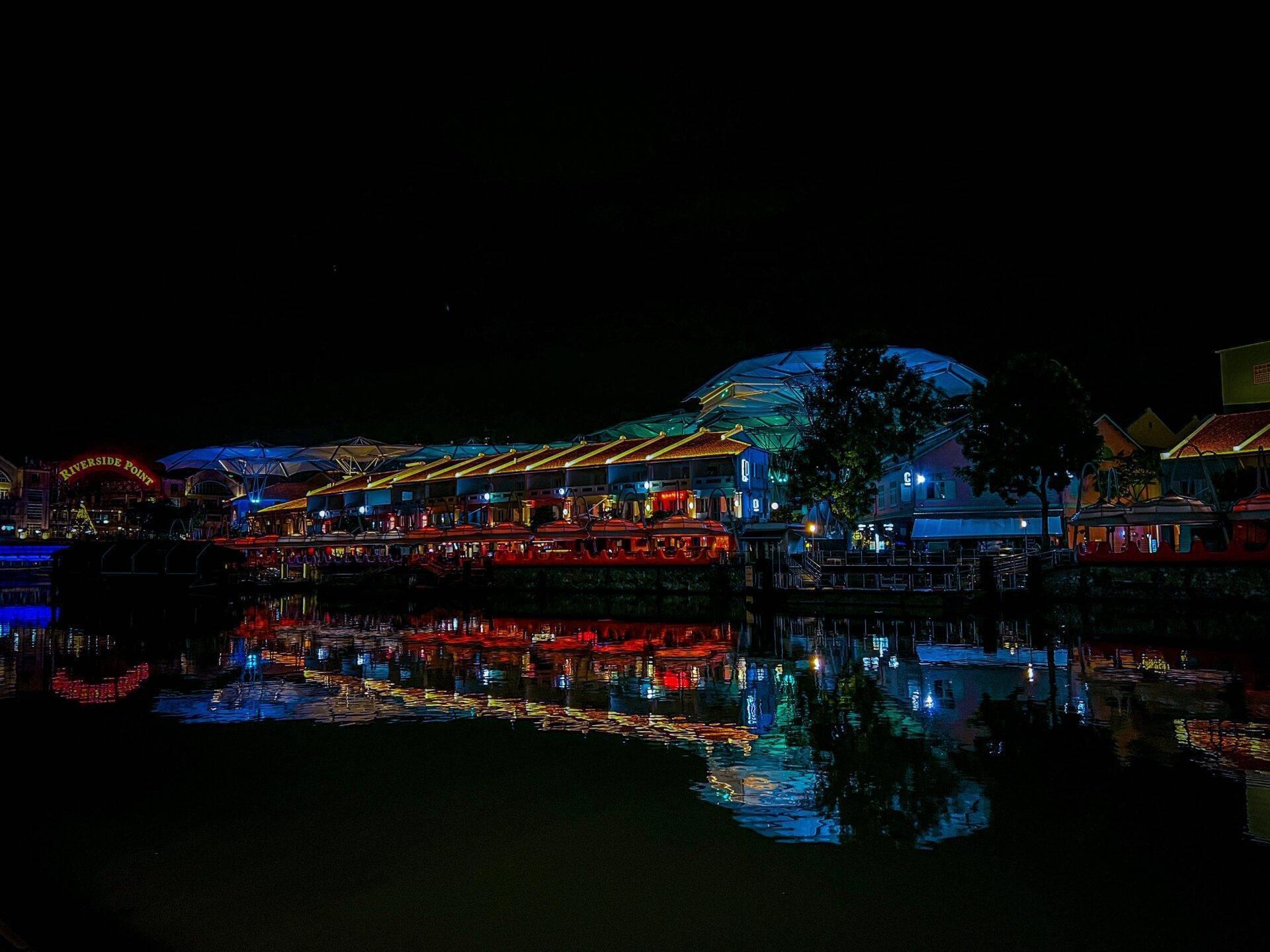
Along the Singapore River, Clarke Quay and Riverside Point have transformed their colonial warehouses into restaurants, bars and clubs. This is where the city really comes into its own after dark, lights shimmering across the water.
Mandai wildlife parks
Singapore has brought its wildlife parks together under the Mandai Wildlife Reserve, in the north of the island.
15. Singapore Zoo
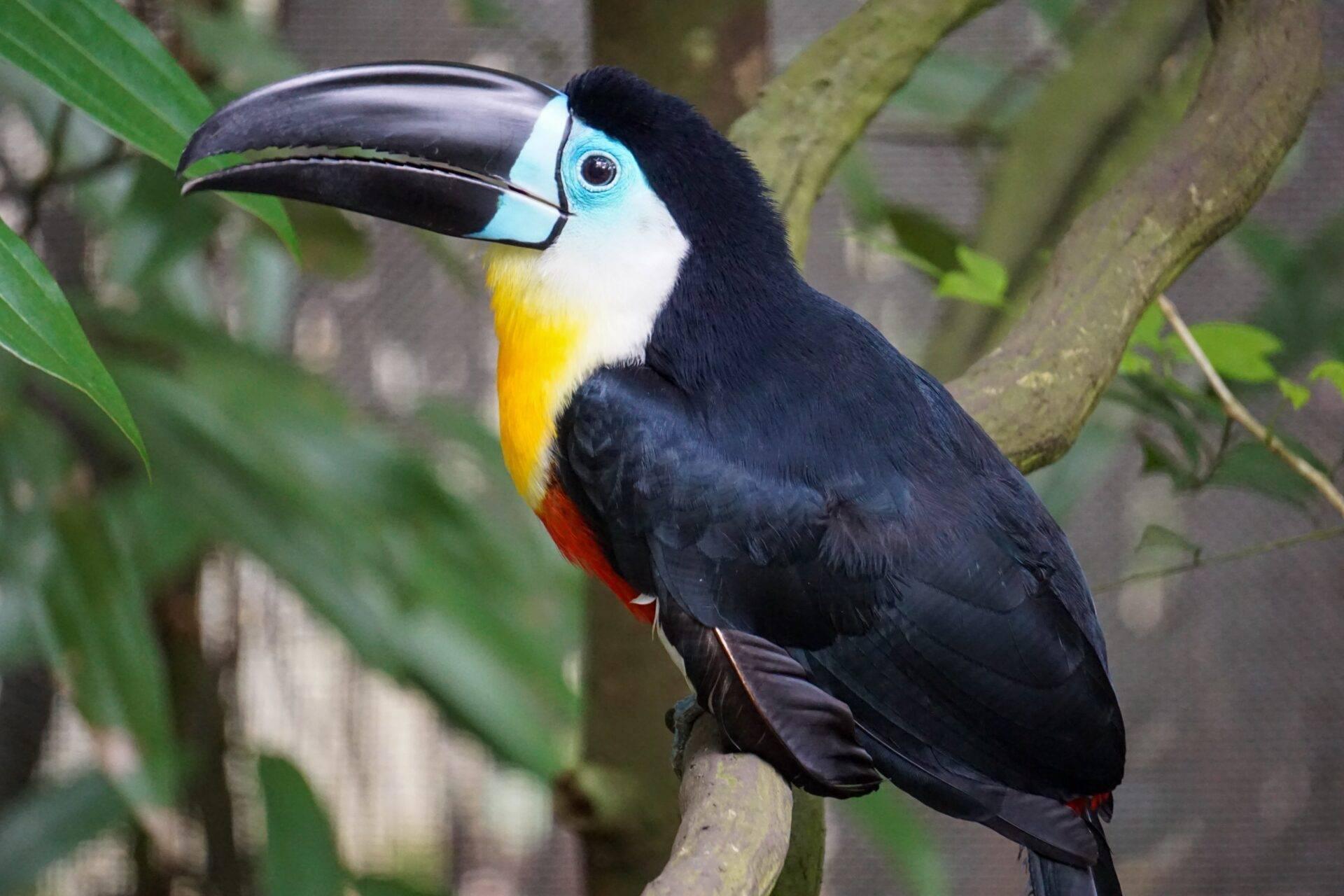
Opened in 1973, Singapore Zoo is home to more than 2,800 animals representing over 300 species, in an open-concept design with no visible bars. Breakfast with the orang-utans is one of the most popular experiences in the city.
16. Night Safari
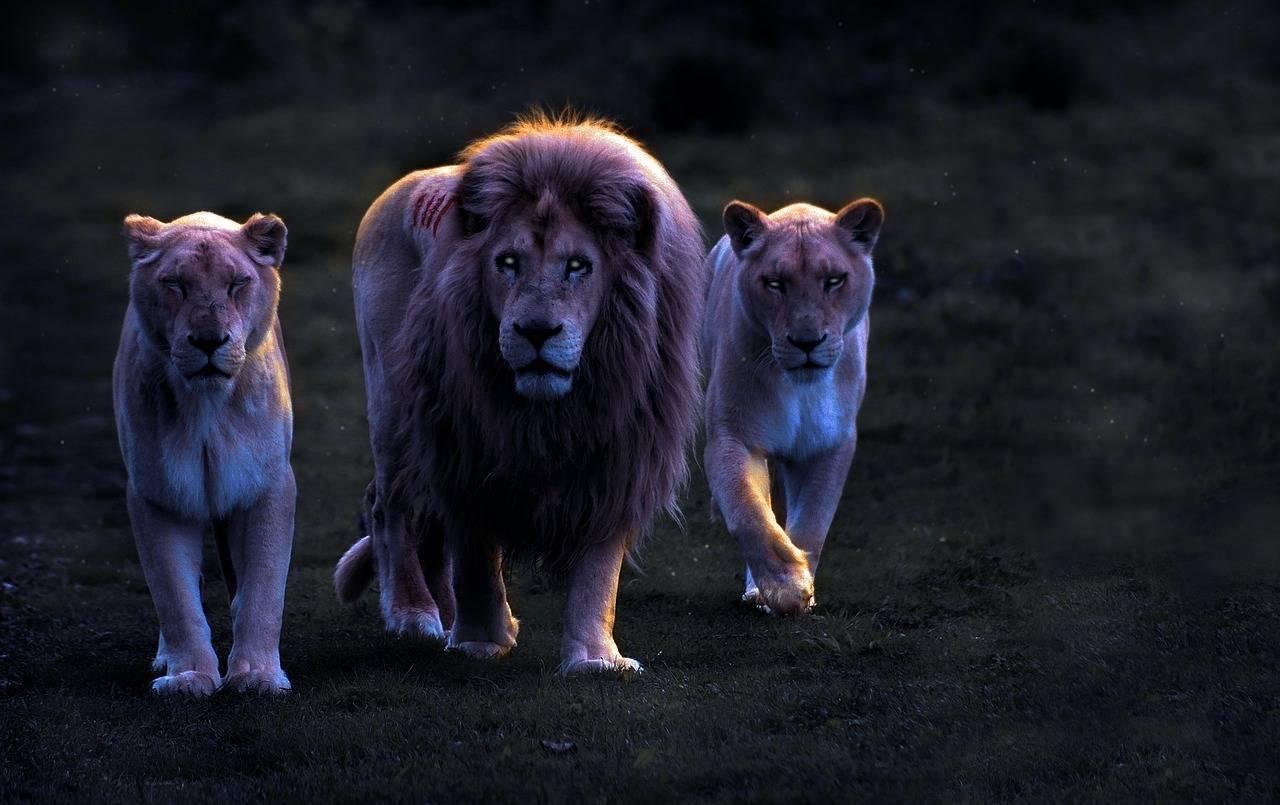
The world’s first nocturnal zoo, Night Safari opens every evening at 6pm (last entry at 11:15pm). The tram and four walking trails bring you close to over 900 nocturnal animals in their natural rhythms. The ‘Creatures of the Night’ show runs at 7:30pm, 8:30pm and 9:30pm.
17. Mandai Bird Paradise
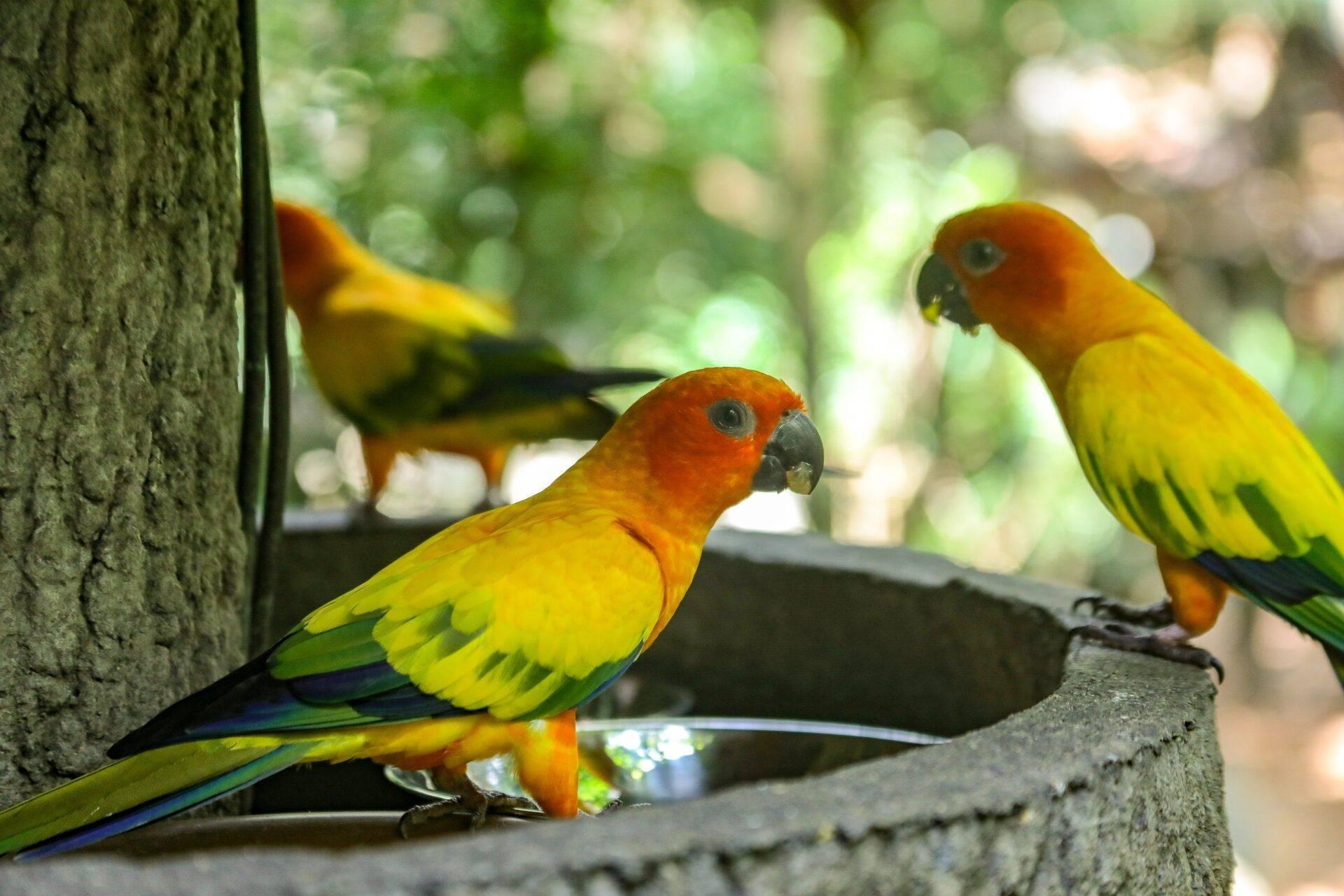
The successor to the famous Jurong Bird Park, Mandai Bird Paradise reopened within the Mandai Wildlife Reserve complex with larger aviaries and completely redesigned immersive spaces. The free-roaming lorikeets are among the biggest draws for visitors.
Parks and green spaces
18. Singapore Botanic Gardens
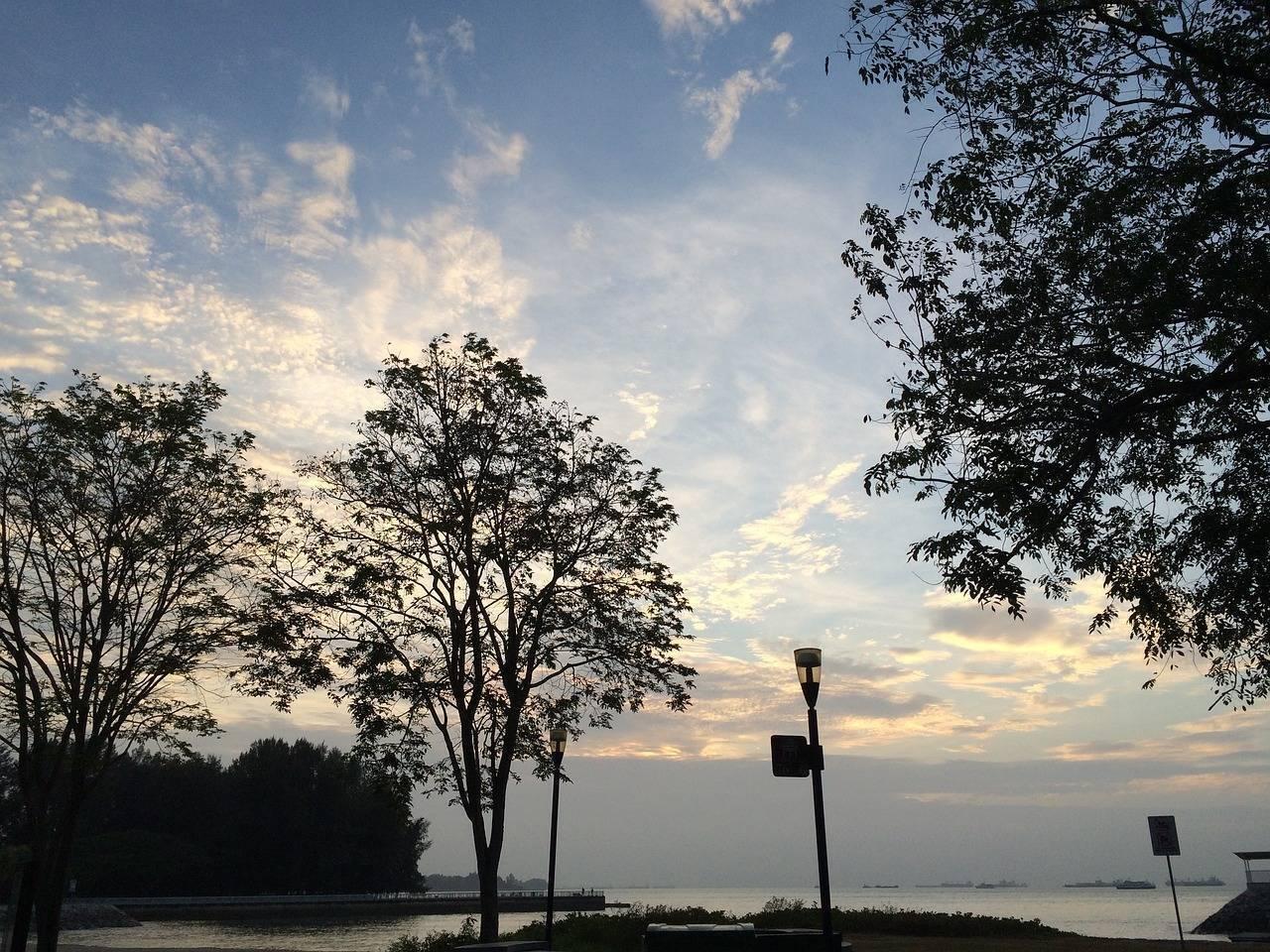
A UNESCO World Heritage Site, these botanic gardens are a green sanctuary in the heart of the city. The National Orchid Garden holds the largest orchid collection in the region. Entry to the gardens is free; only the National Orchid Garden charges admission.
19. East Coast Park
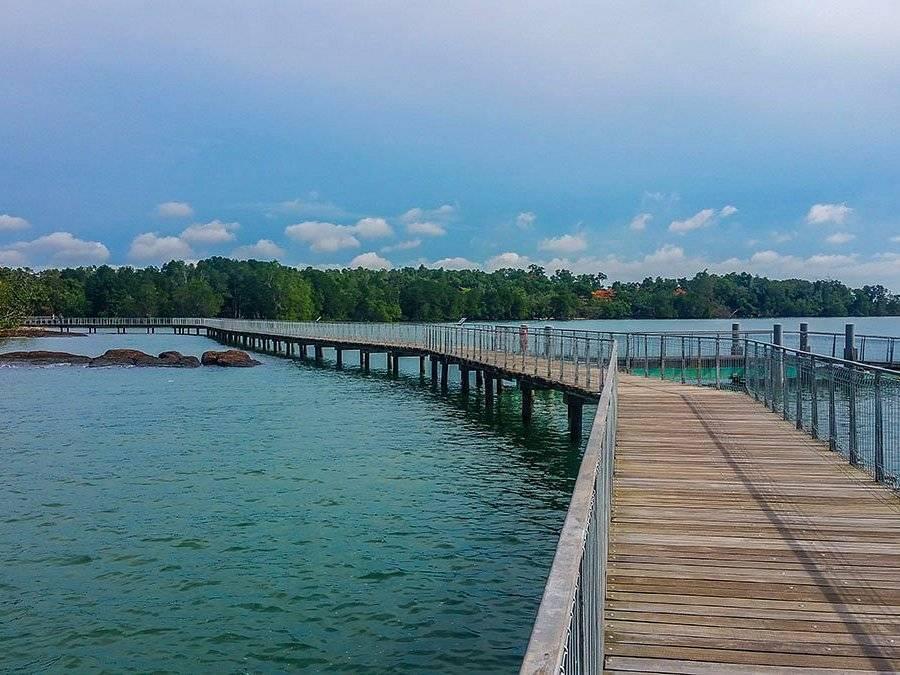
This linear park runs along the east coast for several kilometres. A cycling path, bike hire, seafood restaurants and water sports make it the green escape where locals come to unwind at the weekend.
20. Jurong Lake Gardens
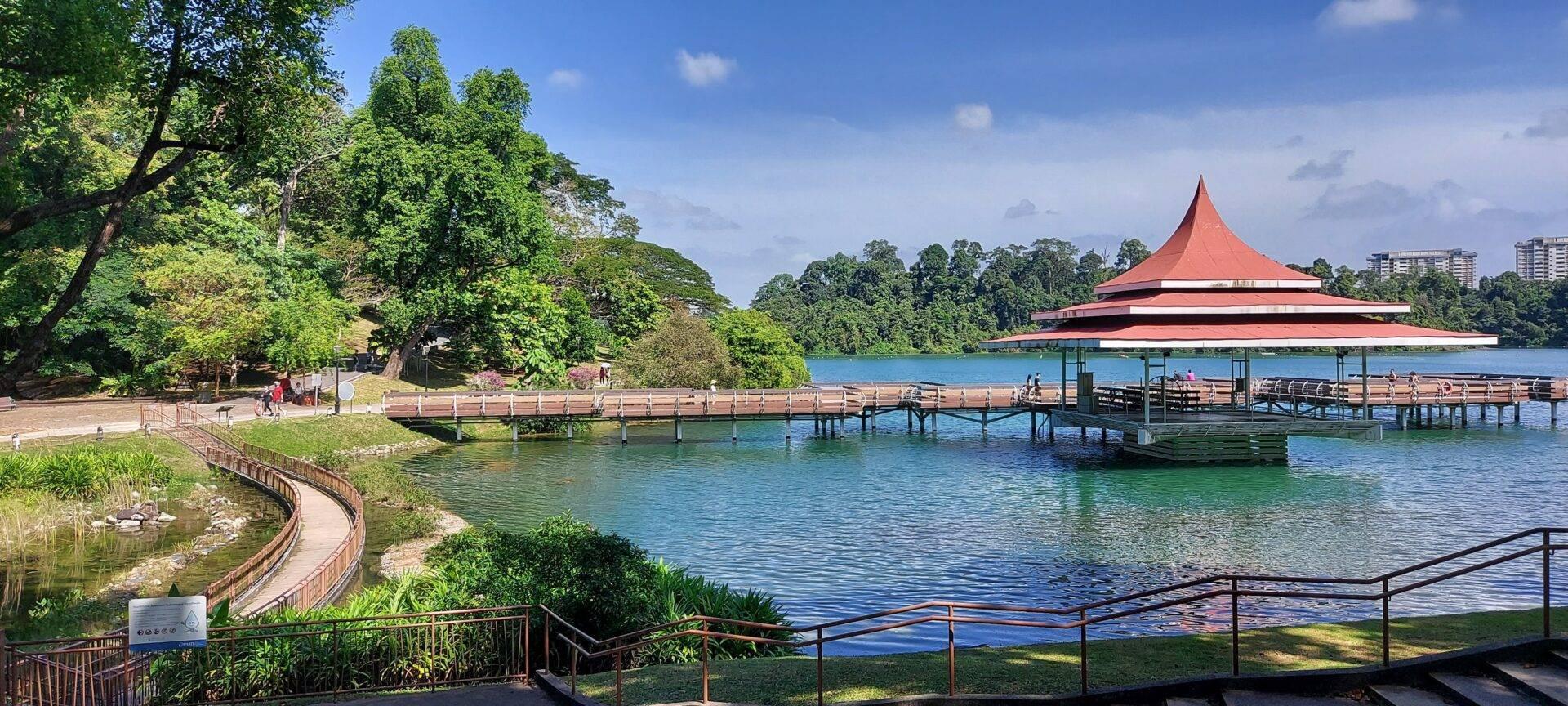
A large landscaped park in the west of the island, Jurong Lake Gardens features themed gardens and waterside walkways. Its peaceful atmosphere is a welcome contrast to the bustle of the city centre, and the journey from Marina Bay is worth it.
For more help planning your trip, our complete Singapore travel guide covers itineraries, neighbourhoods and the best places to go. If you are planning to continue on to Japan, our 20 must-dos in Japan follow the same logic for a successful Asia tour.
FAQ
How many days do you need to see the top 20 things in Singapore?
Allow at least 7 days to cover the main sights without feeling rushed: 1 to 2 days for Sentosa (Universal Studios and beaches), 2 days for Marina Bay and the historic neighbourhoods, and 1 to 2 days for the wildlife parks and green spaces.
Is Universal Studios Singapore worth it?
Yes, especially since the opening of Minion Land in February 2025. The park offers 24 attractions across 7 zones, suited to both families and thrill-seekers. Plan on a full day and book your tickets in advance.
Can you visit Sentosa Island without paying for the attractions?
Yes. Access to the island and beaches (Palawan Beach, Siloso Beach) is free or low-cost. Parks such as Universal Studios, S.E.A. Aquarium and Adventure Cove are each ticketed separately.
Is Night Safari suitable for children?
Yes. The tram covers most of the route, making the visit accessible from a young age. The ‘Creatures of the Night’ show lasts around 25 minutes. The park opens at 6pm, a manageable time for families.
Are the Singapore Botanic Gardens a UNESCO World Heritage Site?
Yes. They are listed as a UNESCO World Heritage Site, a rare distinction for an urban botanic garden. Entry to the gardens is free; only the National Orchid Garden charges admission.