
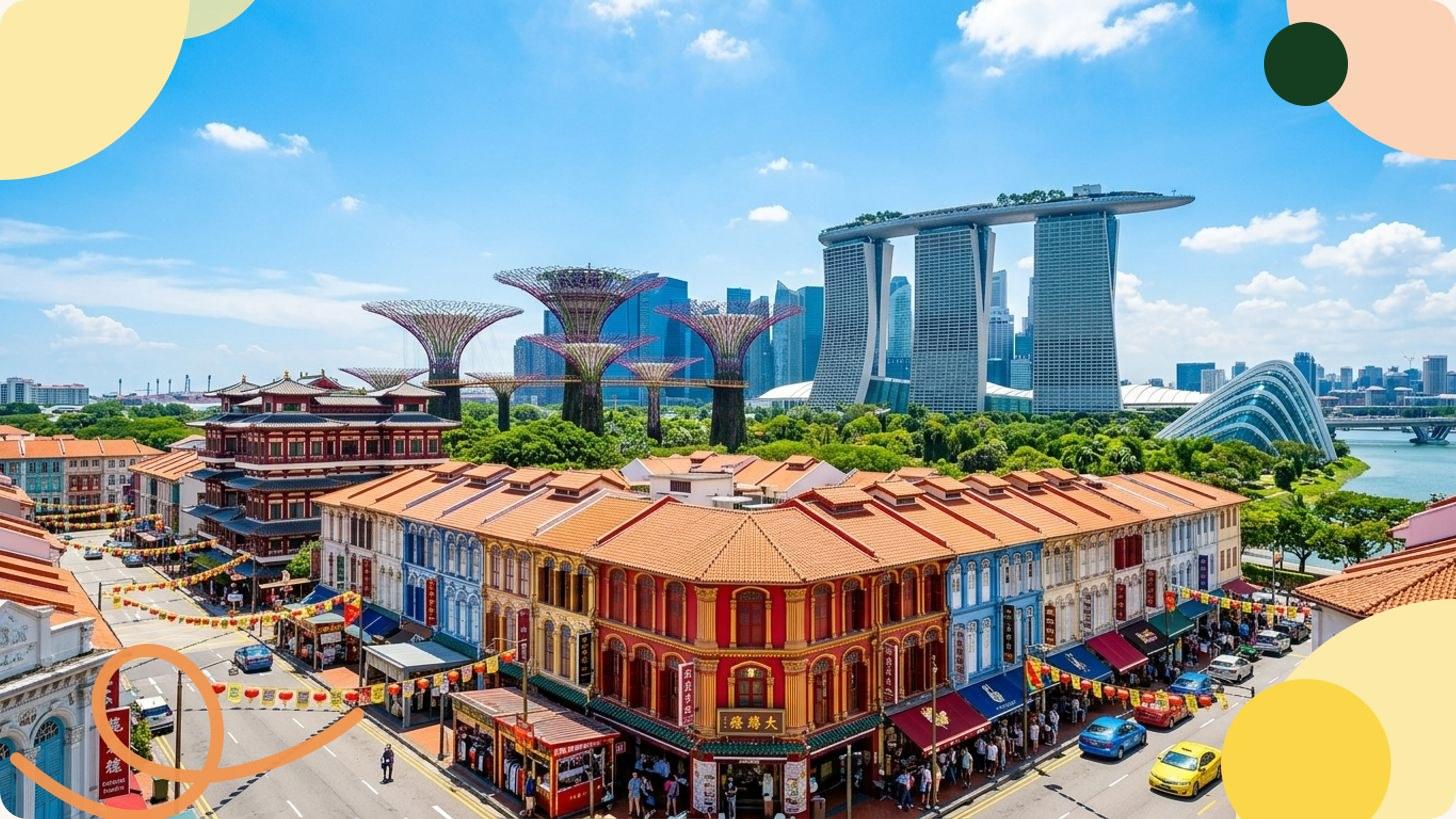

Singapore reveals itself district by district: the city-state blends architectural modernity, cultural diversity and landscaped nature across a compact territory that is easy to navigate on foot and by MRT. From the futurism of Gardens by the Bay to the alleyways of Chinatown, the spiced markets of Little India to the creative energy of Kampong Glam, each neighbourhood has its own distinct atmosphere. This guide points you towards the must-sees for a first visit.

Getting your bearings in Singapore: a city built to scale
Singapore is a city-state served by an efficient and affordable MRT (metro) network. The main tourist attractions are concentrated in a handful of areas: Marina Bay for architectural landmarks, the historic centre for the ethnic quarters, the Mandai district in the north for wildlife, and Sentosa Island for beach-side leisure. Allow two full days for the essentials, or three to five days to explore without rushing.
To plan a detailed itinerary, browse the selection of 20 must-do activities in Singapore.
Gardens by the Bay: nature reimagined through architecture
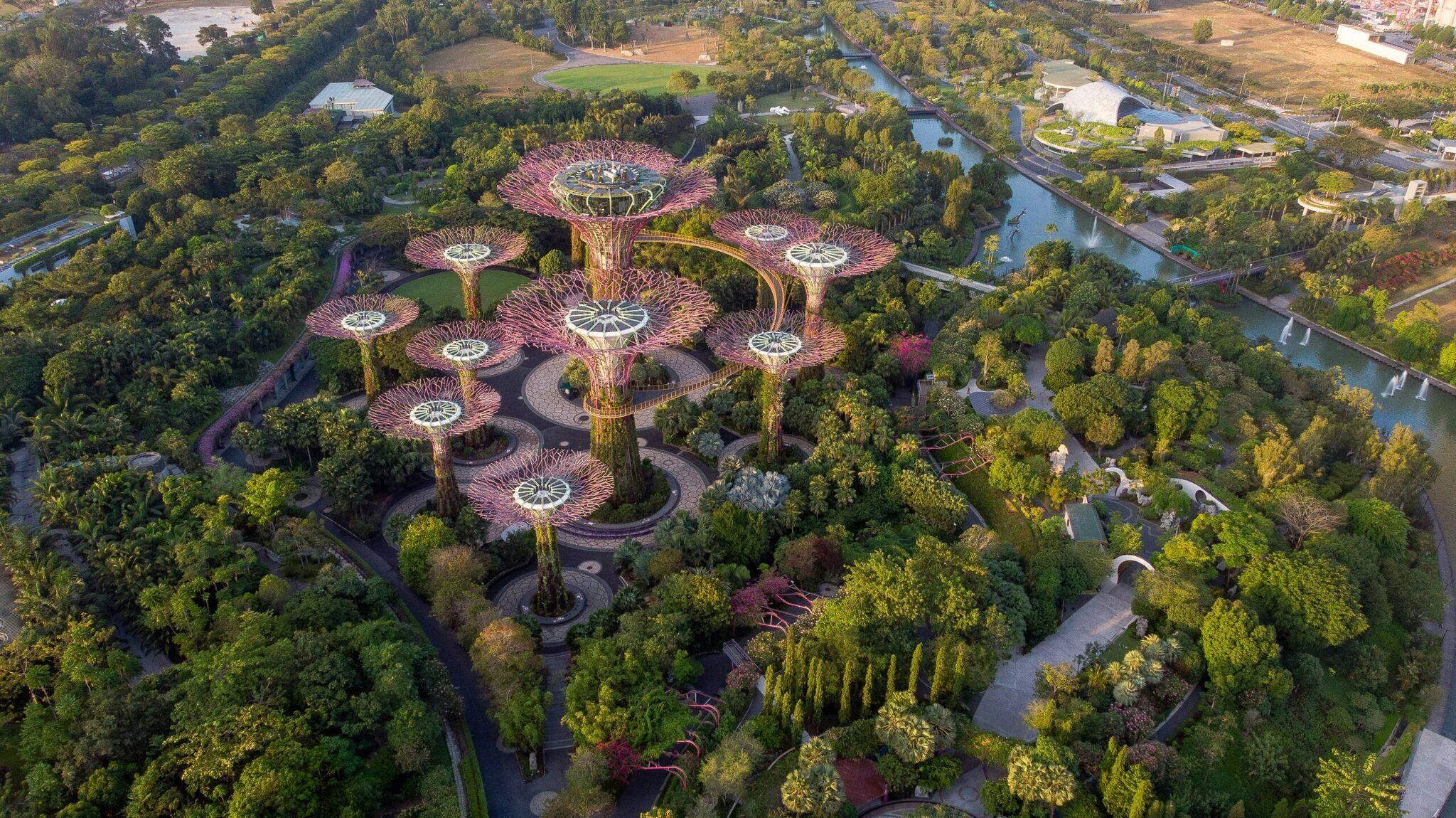
On the waterfront, Gardens by the Bay stretches across 101 hectares and is home to one of the most spectacular botanical experiences in Asia. The Supertree Grove is its centrepiece: twelve of the park’s eighteen giant metal trees are gathered here, draped in living plants, with the tallest reaching the height of a sixteen-storey building. Entry to the outdoor park and the evening light-and-sound show is free.
The two ticketed conservatories round out the visit: the Flower Dome recreates a dry Mediterranean environment, while the Cloud Forest houses an indoor waterfall and suspended walkways shrouded in mist.
Marina Bay Sands and the waterfront
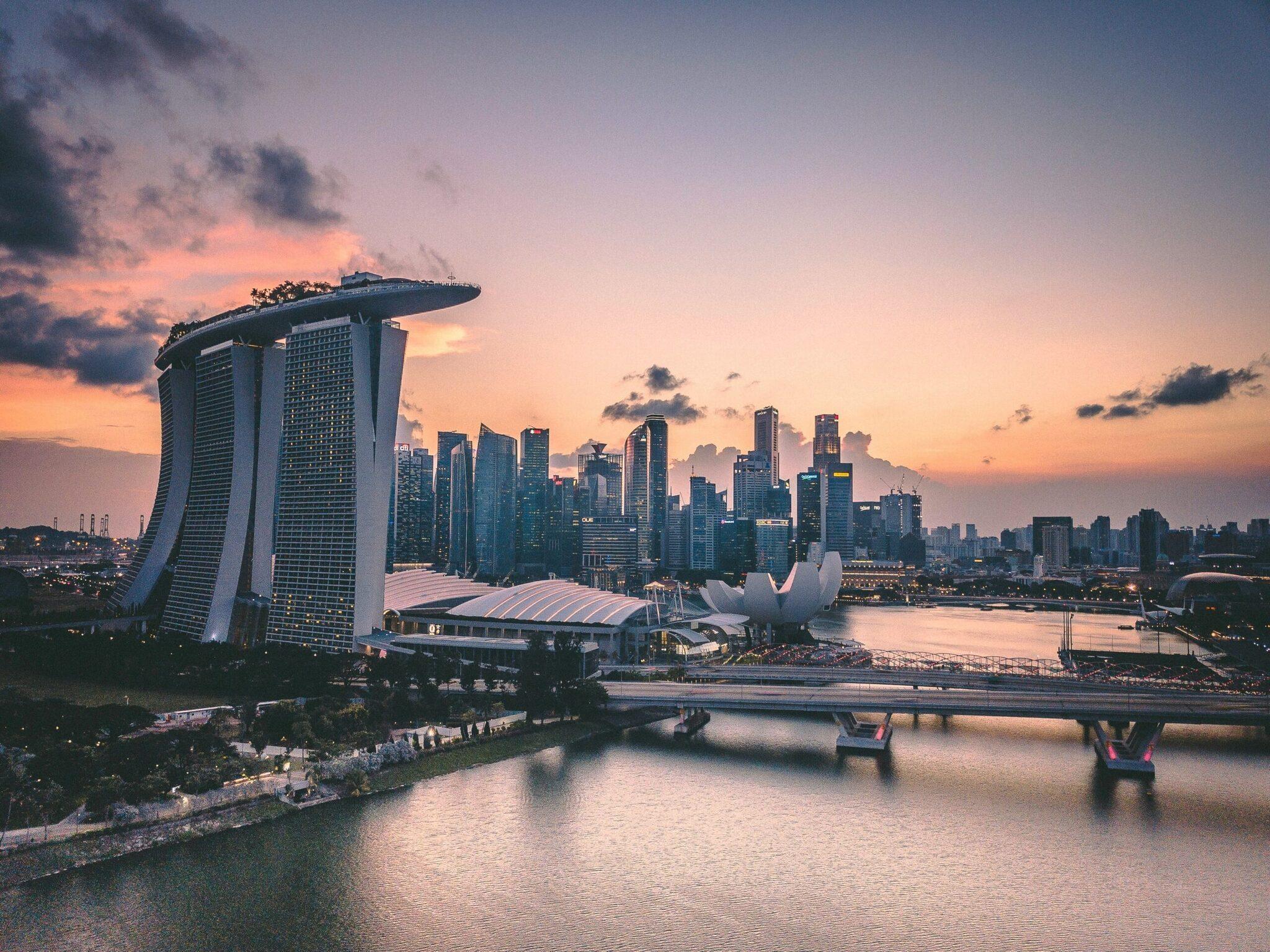
Marina Bay Sands is the defining symbol of modern Singapore: three towers connected by a panoramic rooftop SkyPark open to visitors. At ground level, the ArtScience Museum, recognisable by its lotus-flower silhouette, hosts exhibitions at the intersection of art, science and technology. The Esplanade at Marina Bay, a few minutes’ walk away, houses two performance venues whose stainless-steel dome roofs have become a visual landmark of the city.
Chinatown: temples and street food in the historic lanes
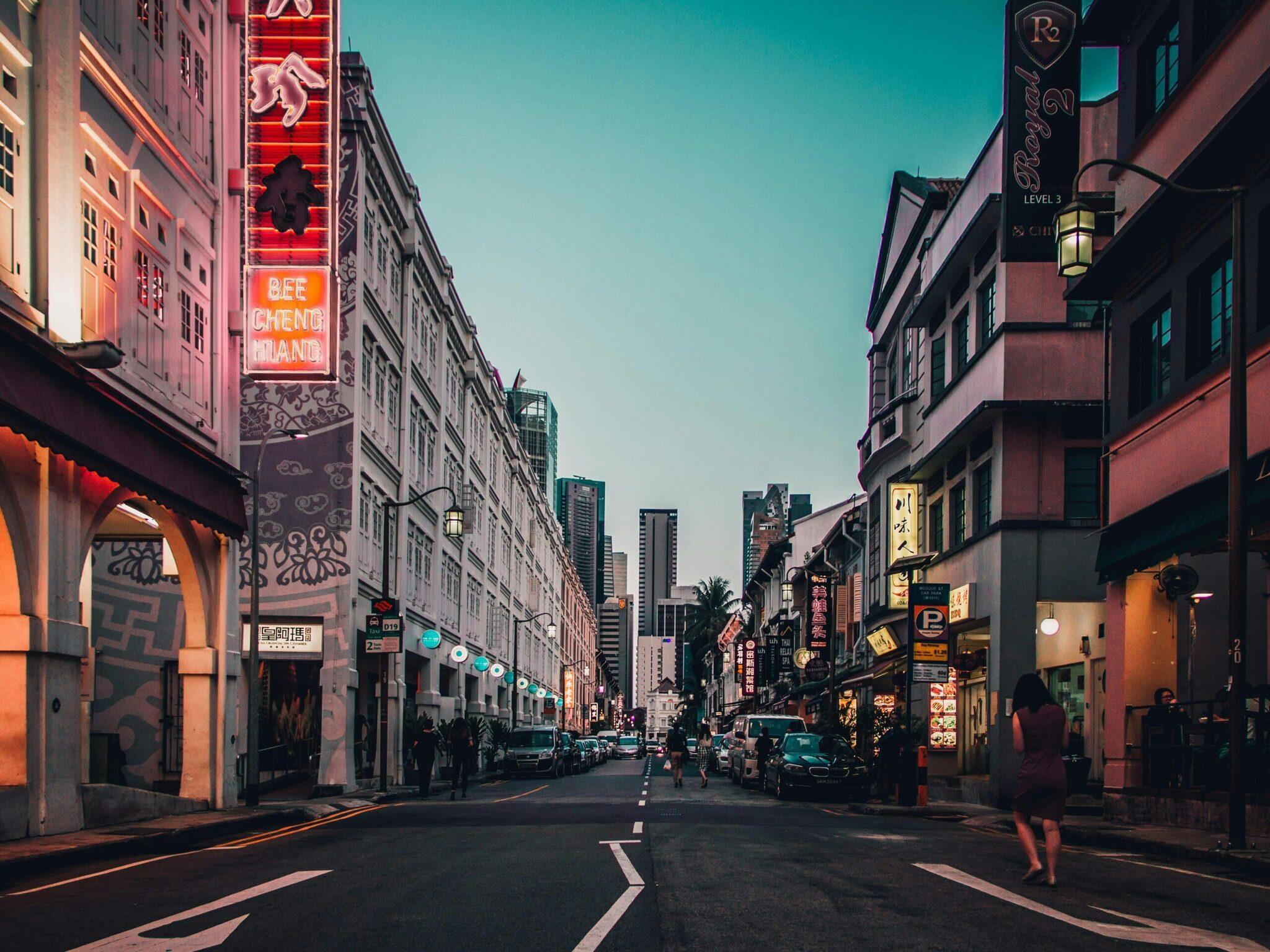
Chinatown blends craft shops, traditional grocery stores and family-run restaurants across a lively network of alleyways. The Buddha Tooth Relic Temple, with its Tang dynasty-inspired architecture and collection of Buddhist relics, is the main attraction. Around it, dim sum stalls and restaurants serving noodles and Hainanese chicken rice keep busy from morning to evening.
Little India: colour, spices and Hindu temples
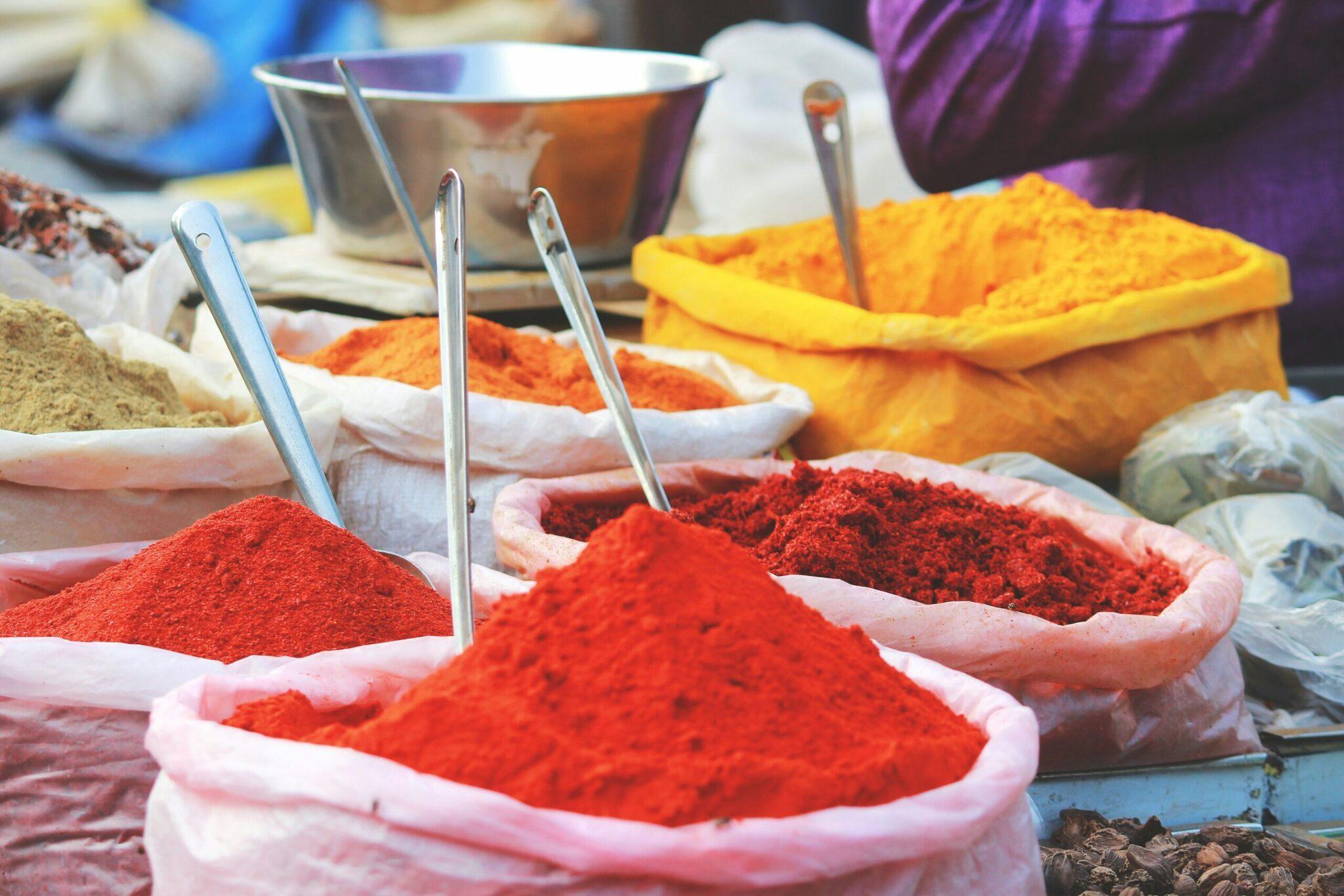
Little India transports you instantly into another world: garlands of flowers, the scent of incense and curry, the sounds of Tamil music. The Sri Veeramakaliamman Temple, dedicated to the goddess Kali, is the natural starting point for a wander through the neighbourhood. The flower and spice markets along Serangoon Road, the sari shops and restaurants serving biryani, dosa and curry make up the heart of the experience.
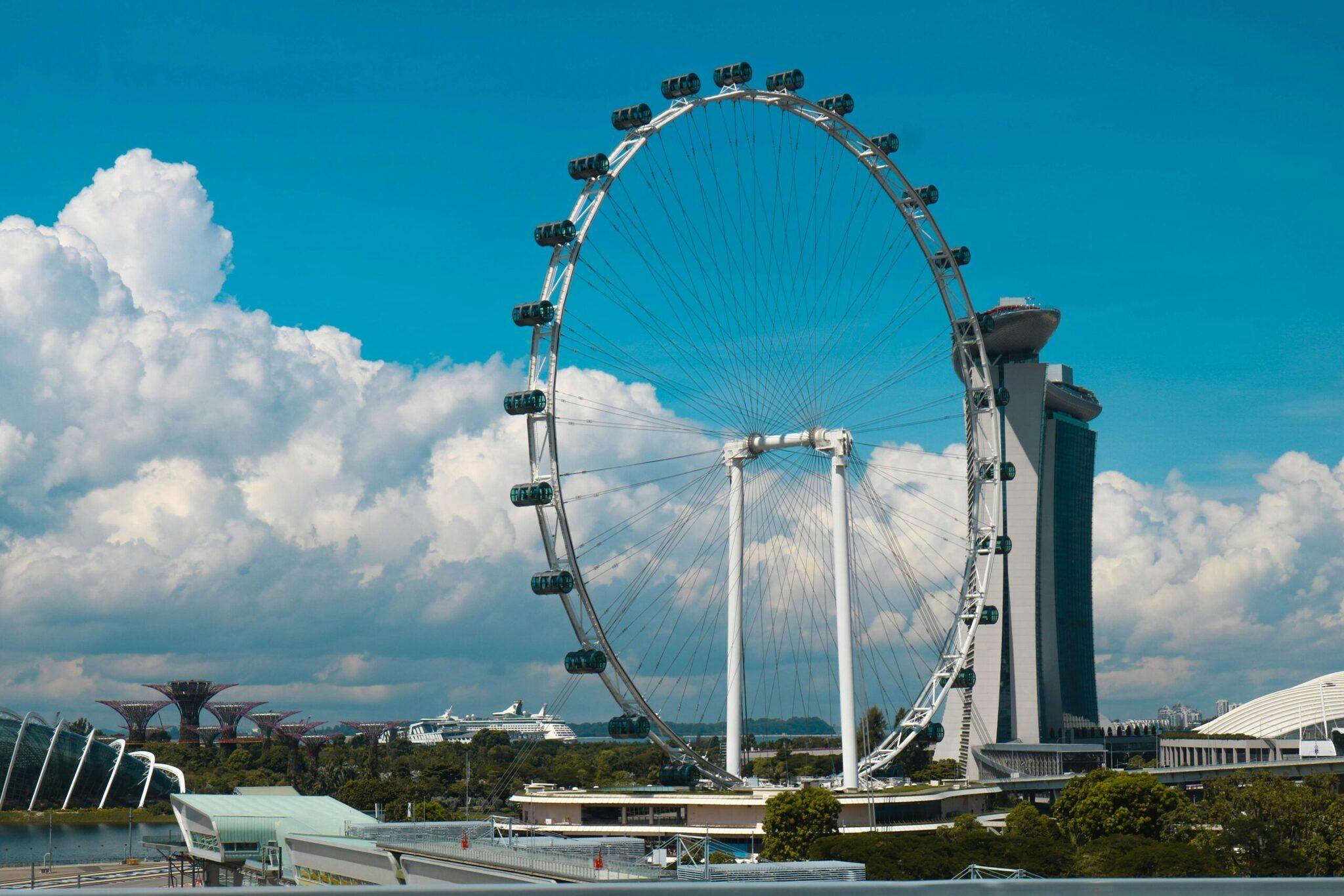
The Singapore Flyer: Singapore from above
At 165 metres tall, the Singapore Flyer is one of the largest observation wheels in the world. Each air-conditioned capsule completes a full rotation in around 30 minutes. On a clear day, the views stretch across Marina Bay, the Central Business District and the coastlines of Malaysia and Indonesia. The wheel is particularly photogenic at sunset or after dark, when the city lights reflect across the bay.
Singapore Zoo and Night Safari: wildlife up close
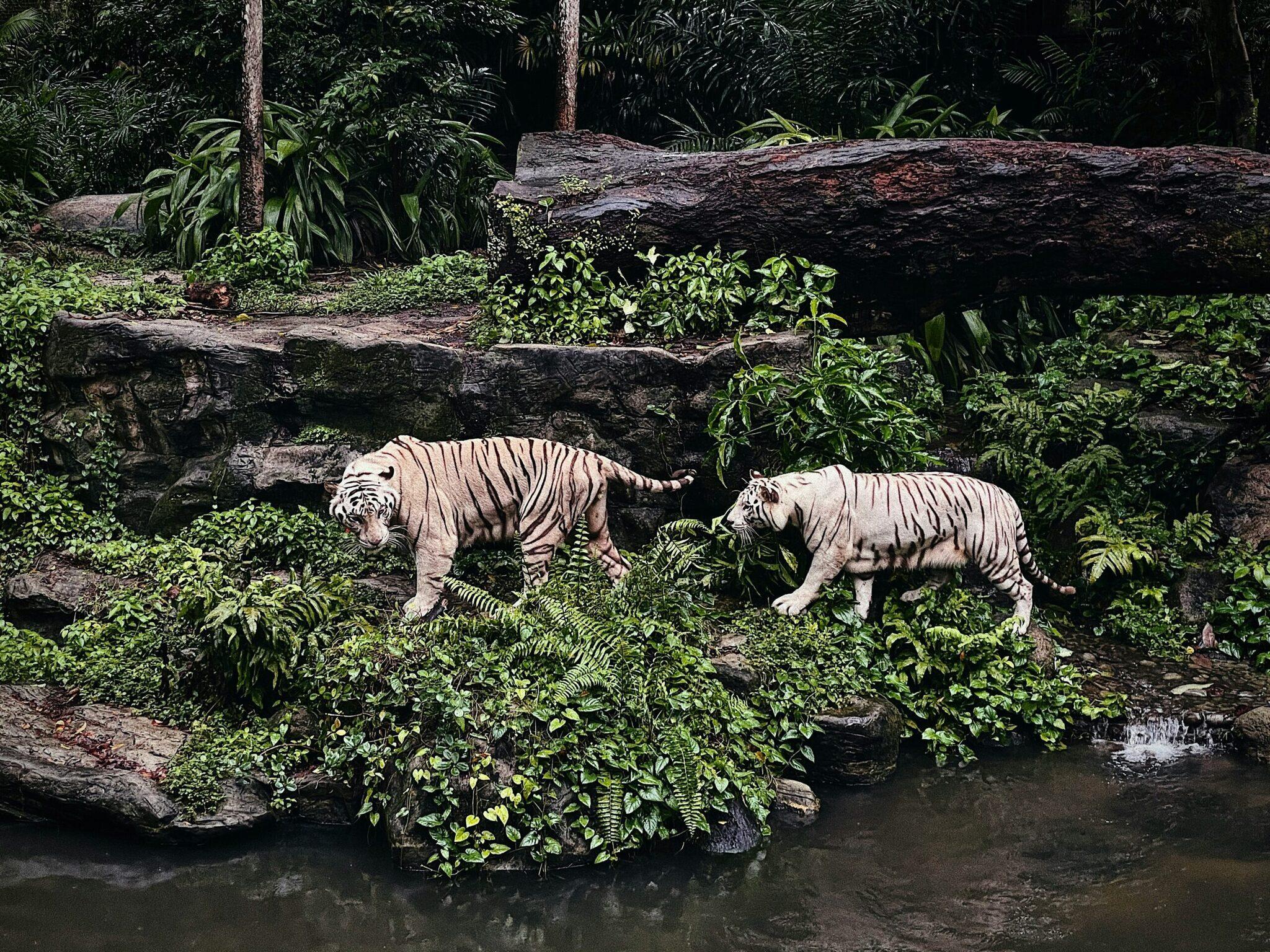
In the north of Singapore, Singapore Zoo is built around the concept of open, naturalistic enclosures: barriers are replaced by moats and dense vegetation, giving the impression of observing animals in their natural habitat. Orang-utans, white tigers and Asian pygmy elephants are among the residents.
The adjacent Night Safari is the world’s first nocturnal wildlife park: a guided tram and walking trails allow visitors to observe nocturnal animals in the dark, lit by artificial light that mimics moonlight.
Hawker centres: eating like a local, at local prices
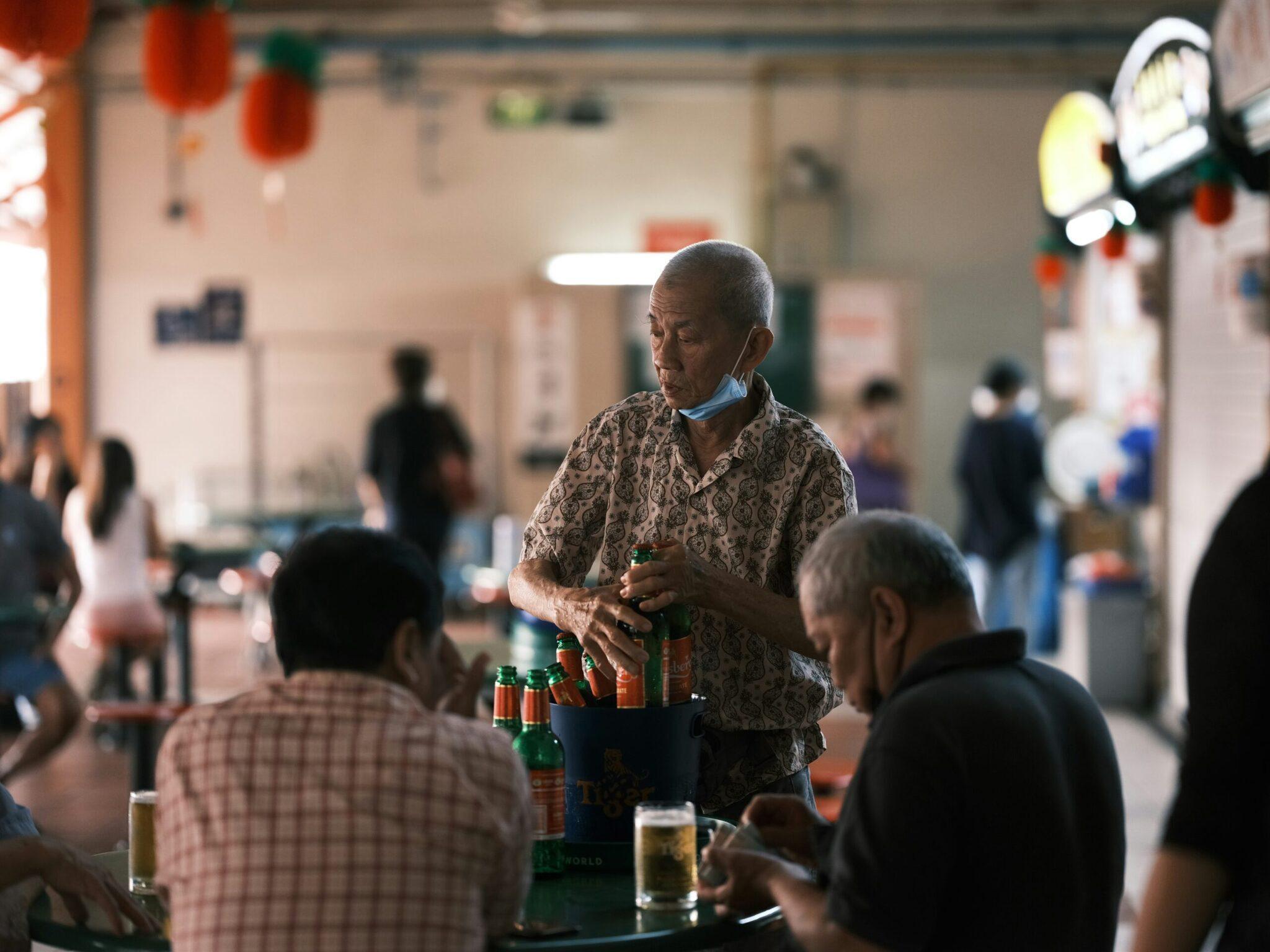
Hawker centres are the city’s covered food markets, where dozens of independent cooks prepare Singapore’s signature dishes to order: Hainanese chicken rice, laksa, char kway teow, satay, chilli crab. The diversity of Chinese, Malay and Indian influences comes through in every plate, often for just a few Singapore dollars.
Maxwell Food Centre, right in the heart of Chinatown, and Lau Pa Sat, in the business district, are among the most popular and accessible spots for a first taste.
Sentosa: the leisure island ten minutes from the centre
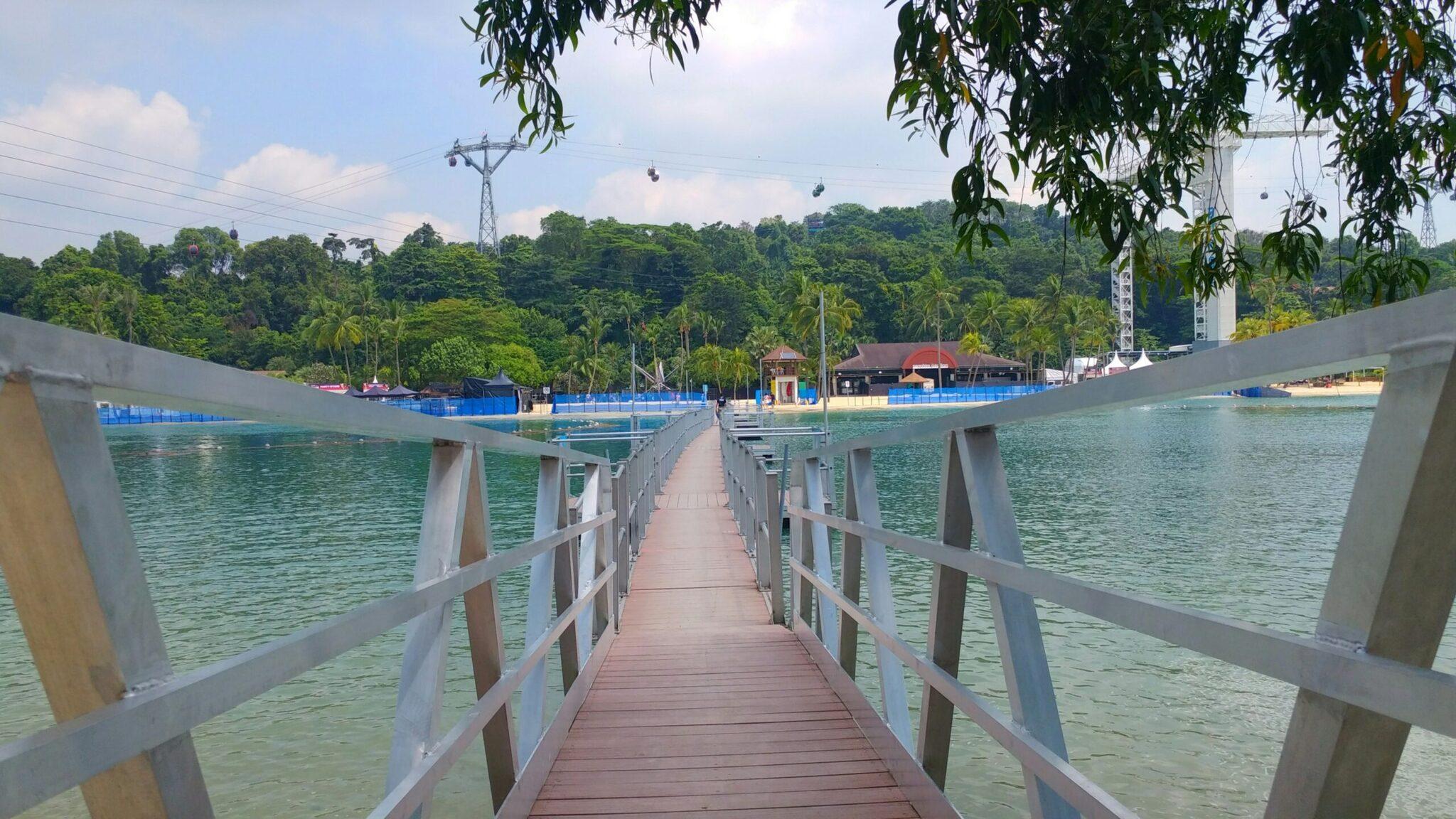
Connected to the mainland by a monorail and a pedestrian bridge, Sentosa is home to Singapore’s biggest entertainment attractions: Universal Studios Singapore, the Singapore Oceanarium (formerly S.E.A. Aquarium, reopened in July 2025 with 22 themed marine zones and a footprint three times larger than the original) and the Adventure Cove water park. Three well-equipped beaches, Siloso, Palawan and Tanjong, offer swimming and water sports just minutes from the city centre.
National Museum of Singapore: the country’s history brought to life
Housed in a 19th-century colonial building extended by a contemporary wing, the National Museum of Singapore traces the country’s history from its earliest human settlements to independence in 1965. The permanent galleries combine historical artefacts, video installations and personal accounts. The museum also hosts temporary exhibitions and film screenings.
Kampong Glam: Malay heritage and urban creativity
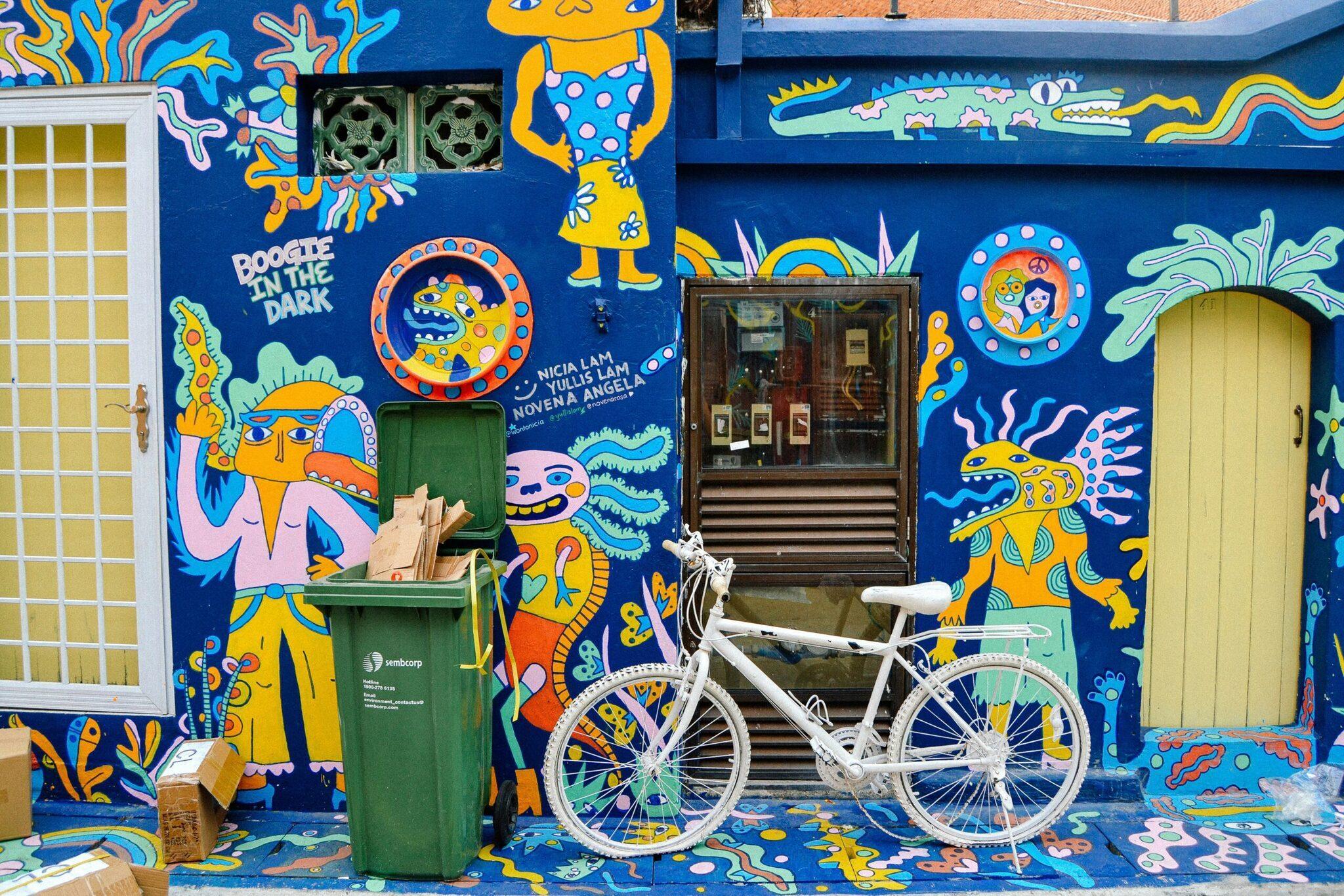
Kampong Glam, Singapore’s former Malay and Arab quarter, has retained its identity while welcoming a new generation of shops and restaurants. The Sultan Mosque, with its golden dome, is the central landmark. Arab Street and Haji Lane weave around it in a maze of colourful facades, art galleries, cafes and independent fashion boutiques. Muscat Street is home to the Gelam Gallery, Singapore’s first permanent outdoor art space.
Before you leave, visit the Singapore travel insurance page for practical information on entry requirements, health and medical coverage on the ground.
FAQ
How long do you need to visit Singapore?
Three to five days are enough to cover the main districts and major attractions without feeling rushed. Two days are sufficient for a tighter itinerary focused on the highlights.
Is the Supertree Grove at Gardens by the Bay free?
The outdoor park, including the Supertree Grove, is free to enter. The two air-conditioned conservatories, the Flower Dome and the Cloud Forest, require a ticket.
Which neighbourhood should I stay in in Singapore?
Marina Bay and Chinatown offer quick access to most of the sights. Little India and Kampong Glam suit those who prefer a more local atmosphere, often with more affordable accommodation.
Is Singapore a good destination for families?
Sentosa (Universal Studios Singapore, Singapore Oceanarium, beaches), Singapore Zoo and the Night Safari are especially popular with families travelling with children.
Can you visit Singapore during a layover?
With five to six hours of transit time, the MRT from Changi Airport reaches Marina Bay in around thirty minutes, giving you enough time to take in the waterfront and the Gardens by the Bay before heading back to the airport.