
Iceland packs active volcanoes, vast glaciers, geysers, northern lights and black sand beaches into a single country. A 7 to 10-day road trip is enough to take in the highlights, from the Golden Circle to the wild north, with the south coast and the Westfjords in between.
Plan my trip with peace of mindThe Golden Circle: three gems in one day
The Golden Circle is the essential starting itinerary from Reykjavik. In a single day, it brings together three natural phenomena found nowhere else in the world side by side.
Þingvellir is the only place on earth where the rift between the North American and Eurasian tectonic plates is visible above ground. This UNESCO World Heritage national park also offers dry-suit diving in the Silfra fissure, whose waters have exceptional clarity.
The Strokkur geyser, in the Geysir geothermal area, erupts every 6 to 10 minutes, shooting water 15 to 20 metres into the air, sometimes reaching as high as 40 metres on its most impressive bursts.
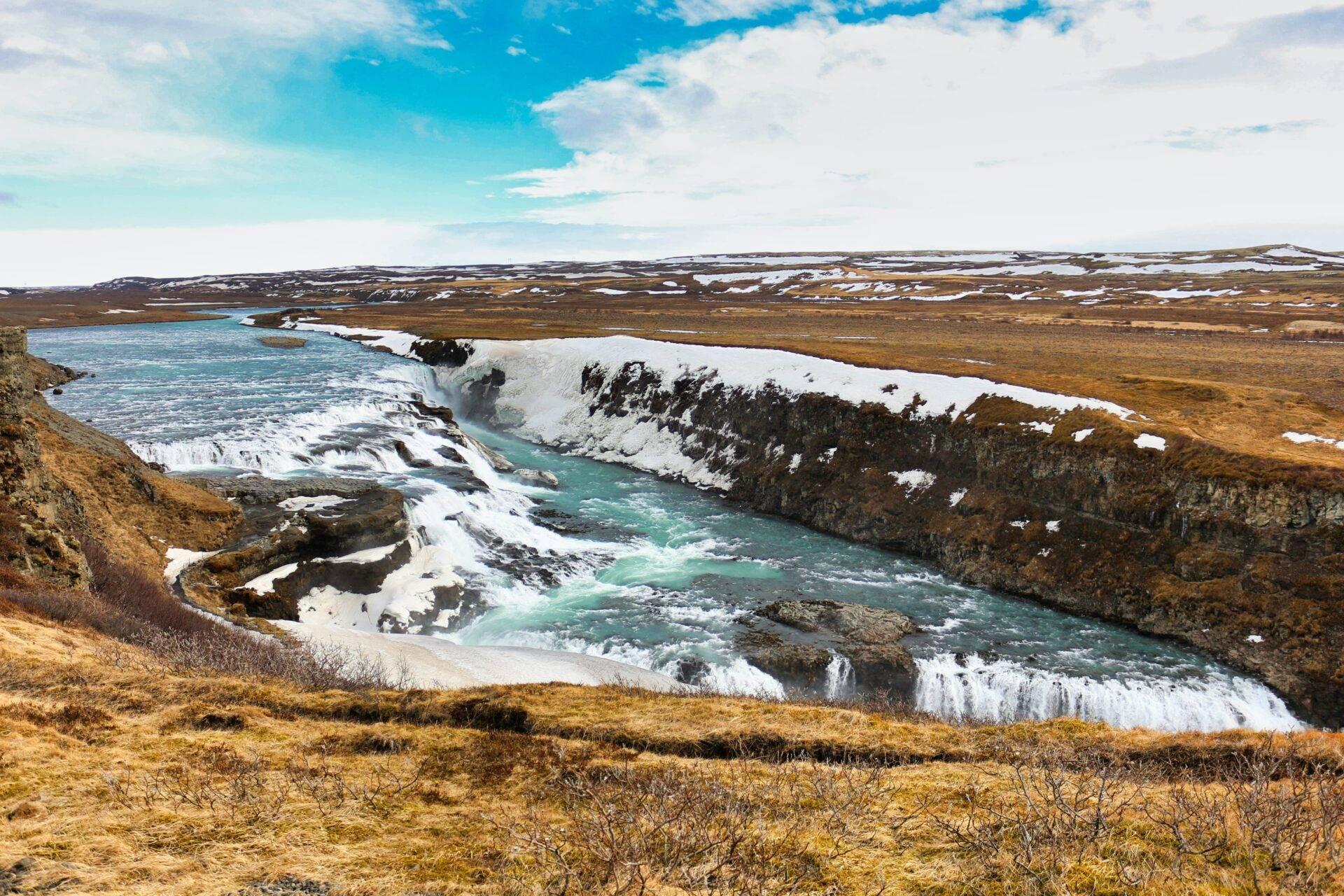
Gullfoss waterfall thunders down in two stages into a deep gorge, a spectacle as dramatic to hear as it is to see.
Vatnajökull and the Jökulsárlón glacial lagoon
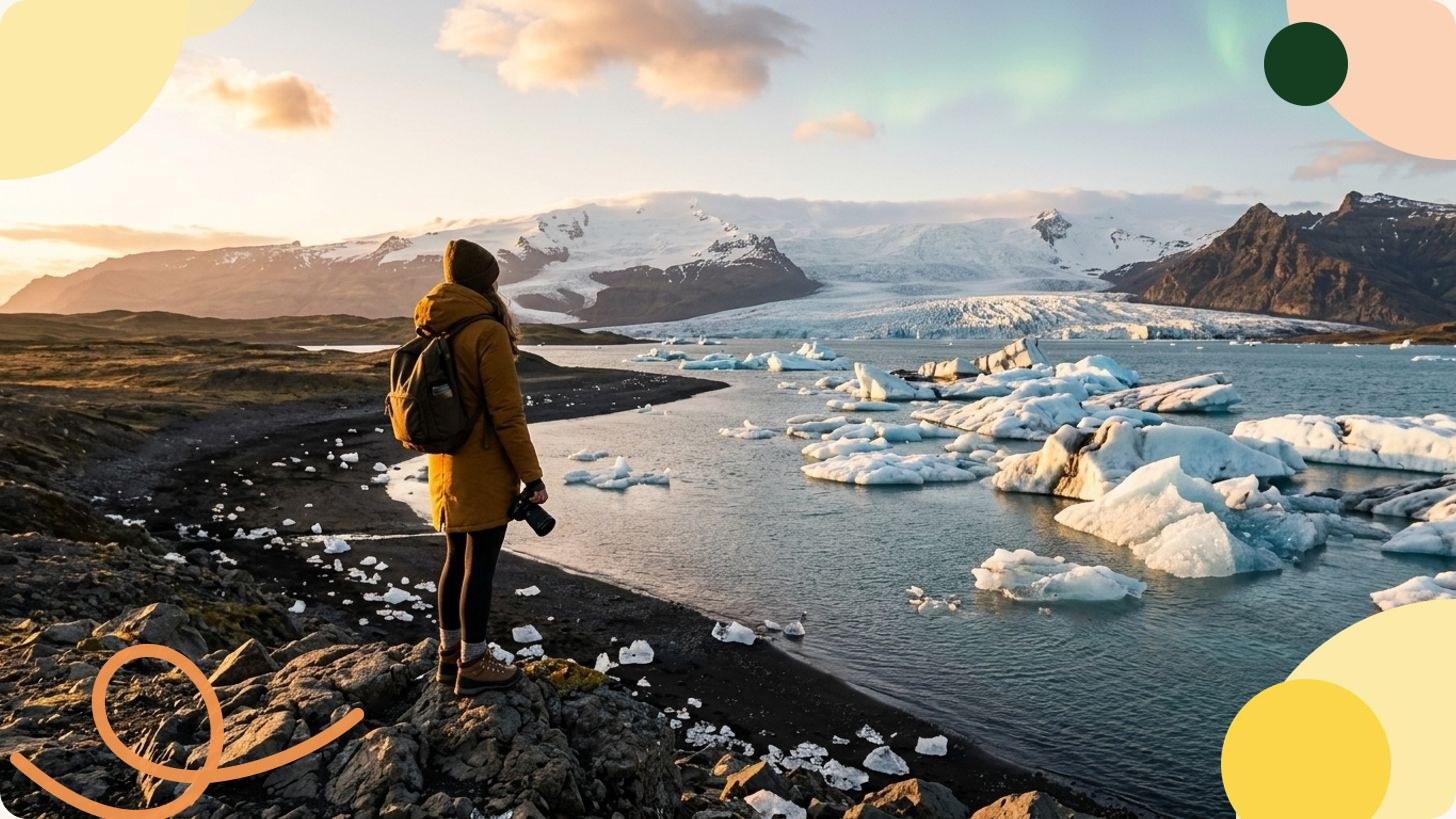
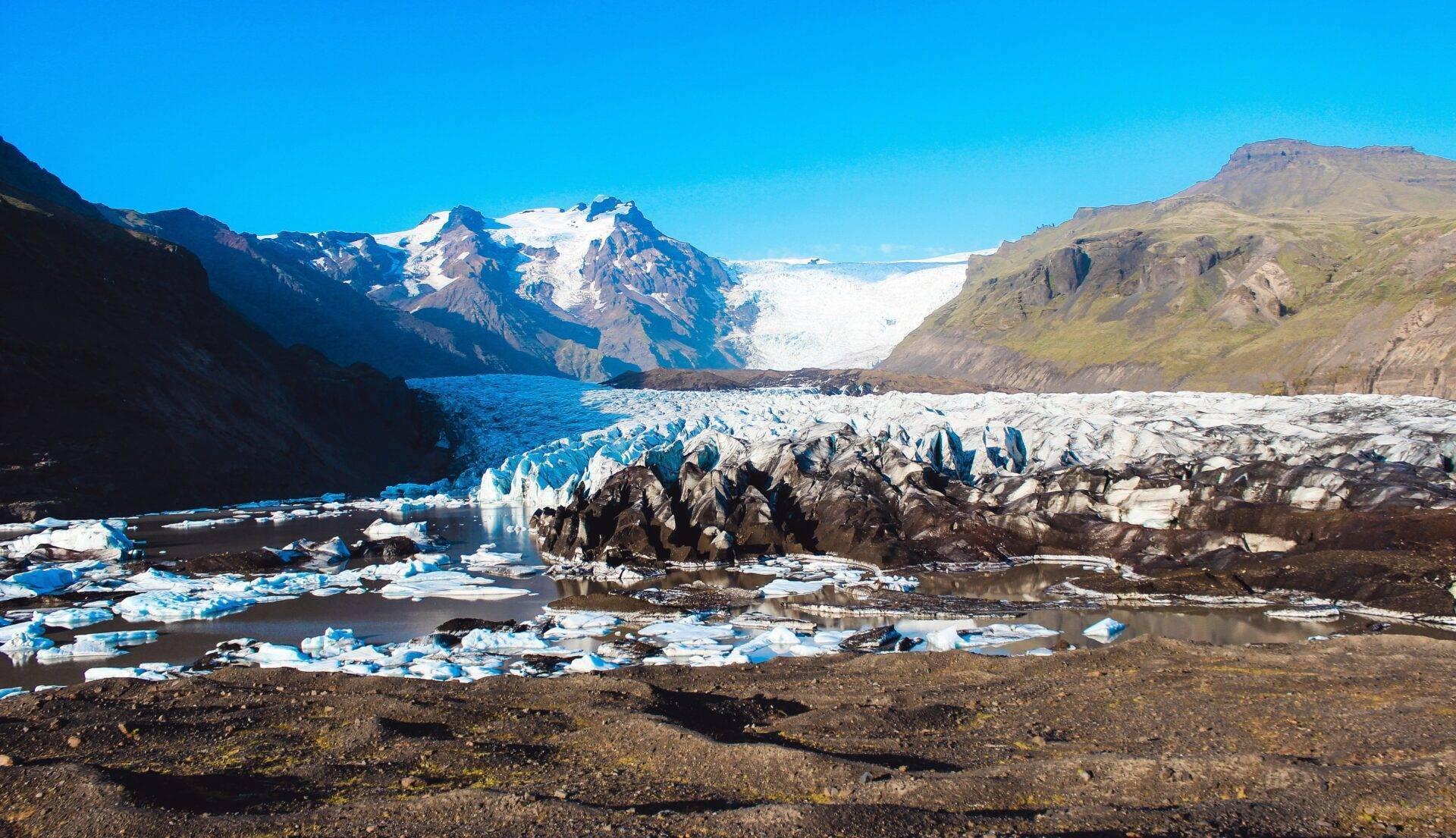
Vatnajökull National Park is home to its namesake glacier, the largest in Europe. At its edge, the Jökulsárlón glacial lagoon is one of the country’s most photographed sights: chunks of ice in shades of blue and white drift slowly out towards the Atlantic. Amphibious boat tours let you get within a few metres of them.
In winter, certified guides lead visitors into the natural ice caves that form inside the glacier. Their walls reveal layers of volcanic ash from thousands of years ago, locked inside blue ice.
The Snæfellsnes Peninsula
Nicknamed “Iceland in miniature”, Snæfellsnes packs into 100 kilometres what the rest of the country spreads across thousands: volcanoes, glaciers, basalt cliffs, black sand beaches and fishing villages. The ice-capped Snæfellsjökull volcano inspired Jules Verne’s “Journey to the Centre of the Earth”.
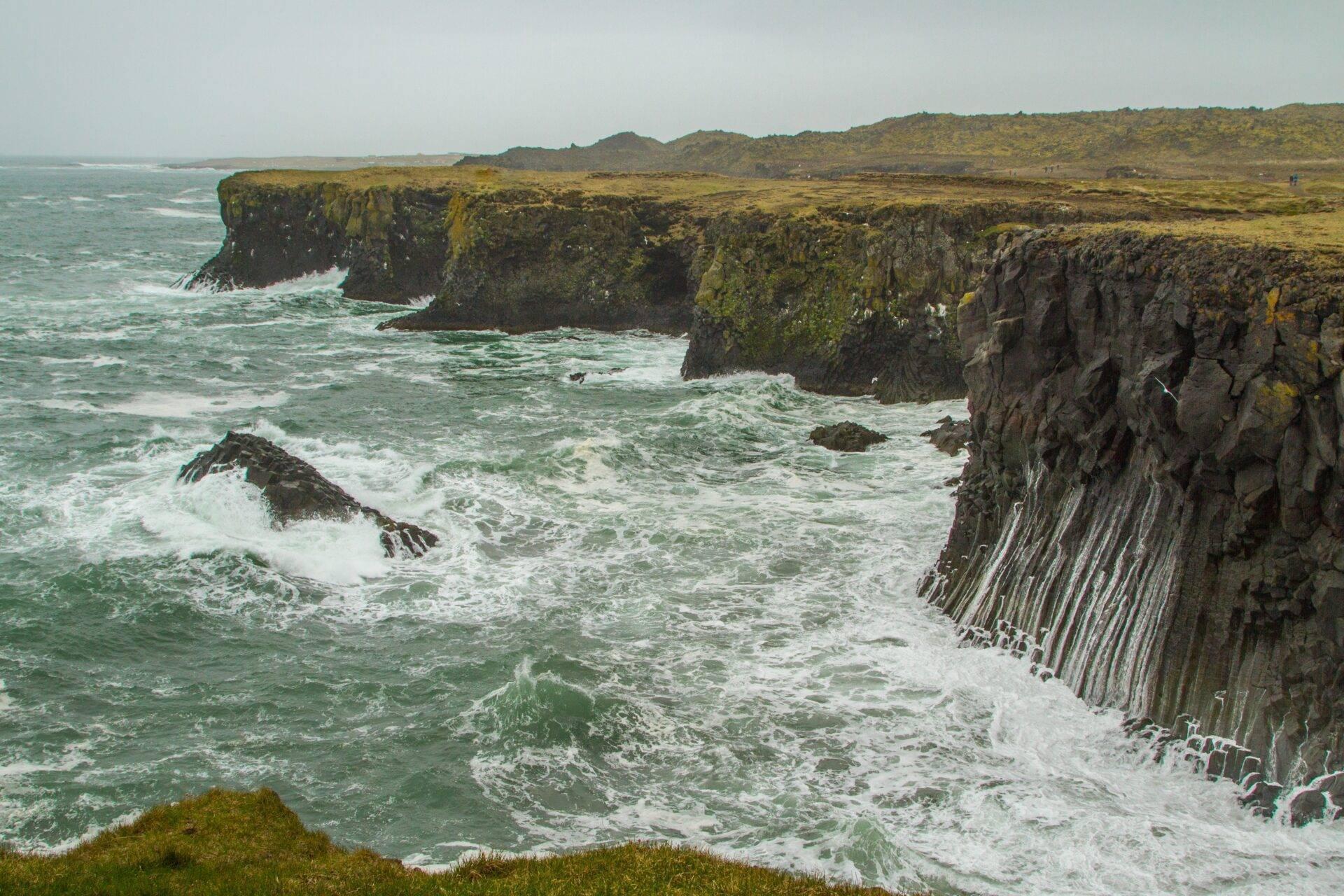
The basalt columns of Gerðuberg, the Lóndrangar sea stacks and the black sand beach of Djúpalónssandur are among the circuit’s most striking stops. The peninsula is also one of Iceland’s best spots for whale watching from the shore.
Worth noting for August 2026: the Snæfellsnes Peninsula is one of the best vantage points for the total solar eclipse of 12 August 2026, the only total eclipse visible from Iceland in the entire 21st century. At Hellissandur, totality lasts 2 minutes and 7 seconds. Accommodation and tours are selling out months in advance.
Kirkjufell mountain and the northern lights
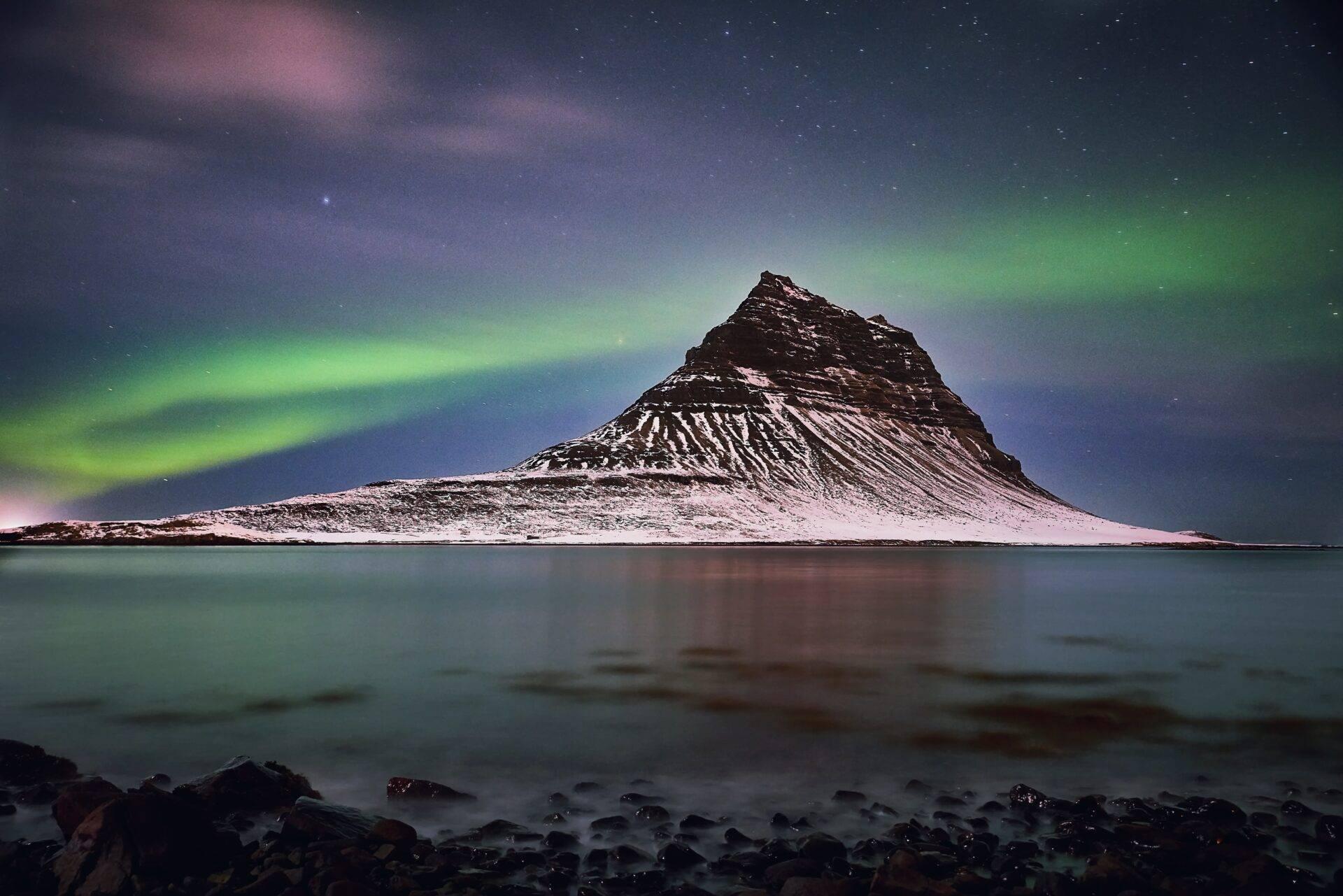
Kirkjufell, with its distinctive pyramid silhouette and the Kirkjufellsfoss waterfalls tumbling at its base, is one of Iceland’s most photographed scenes. In winter, the northern lights dancing above its summit make this one of the most breathtaking spots in the country.
The aurora borealis is visible from September to April, when Icelandic nights are dark enough. The high solar activity forecast for 2026 increases the chances of witnessing large-scale light shows.
Lake Mývatn and the wild north
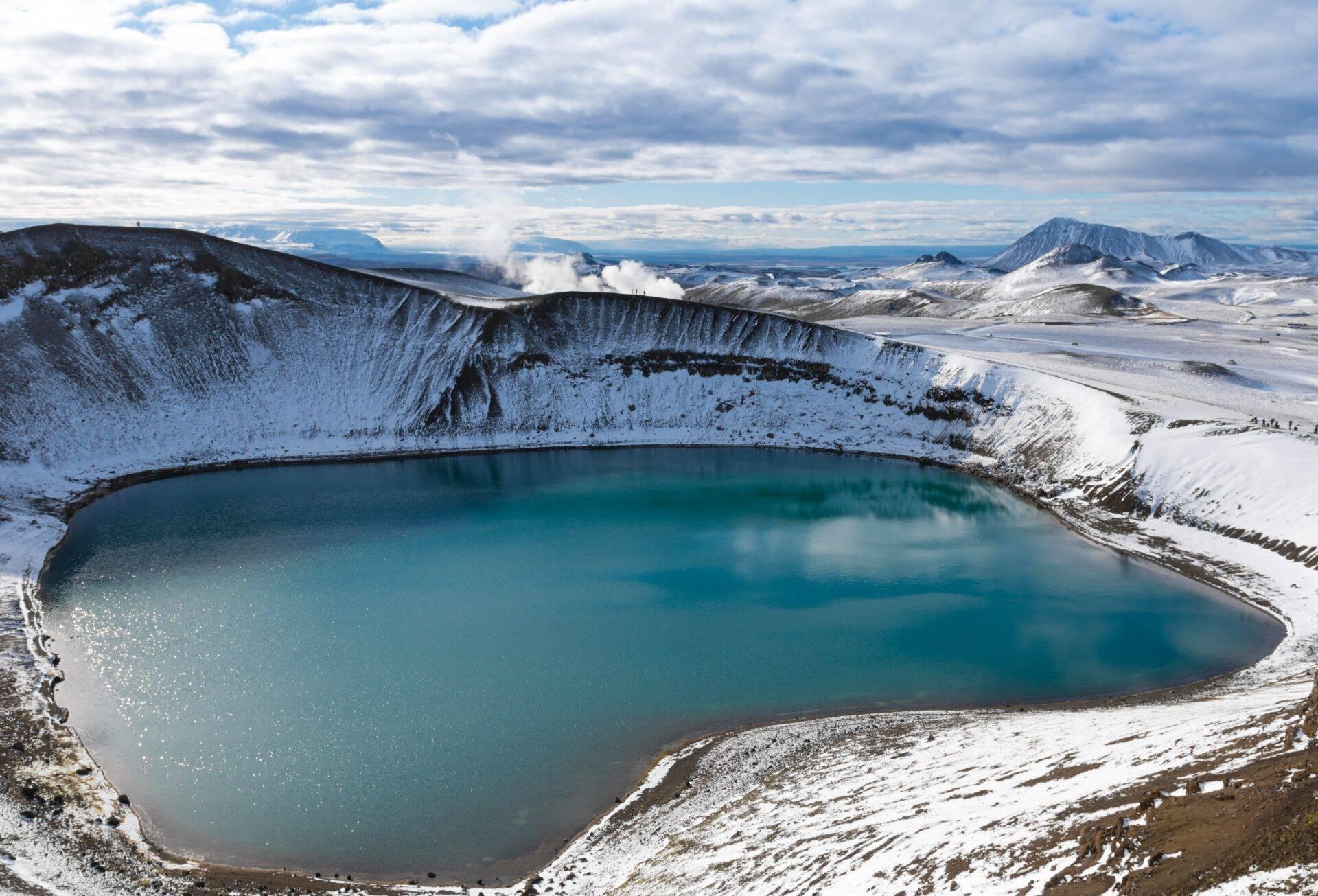
Lake Mývatn is ringed by volcanic craters, pseudo-craters and strange lava formations. The Mývatn nature reserve is home to one of the largest concentrations of nesting duck species in the world. Nearby:
- Dettifoss, considered the most powerful waterfall in Europe
- Godafoss, the “waterfall of the gods”, more accessible and no less spectacular
- Húsavík, Iceland’s humpback whale-watching capital (April to October)
The Mývatn Nature Baths offer a quieter alternative to the Blue Lagoon, set against an unspoilt volcanic landscape.
The Westfjords: Iceland off the beaten track
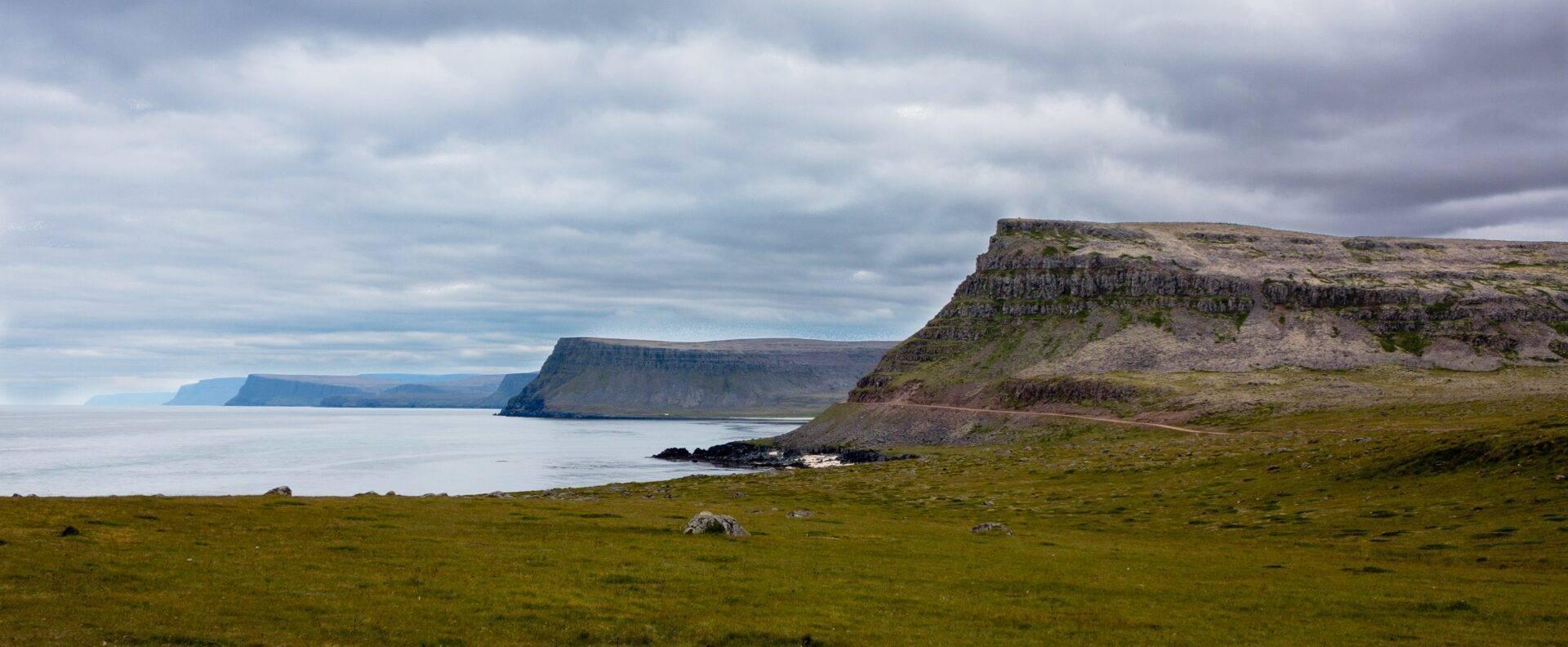
The Westfjords (Vestfjörður) form Iceland’s most remote region. Mountains plunge straight into narrow fjords, and the Hornstrandir nature reserve is only reachable on foot or by boat. The small town of Ísafjörður makes a pleasant base for exploring local life.
The Látrabjarg cliffs are home to one of Europe’s largest seabird colonies: puffins, guillemots and kittiwakes nest here every summer.
The Dyrhólaey arch and the south coast
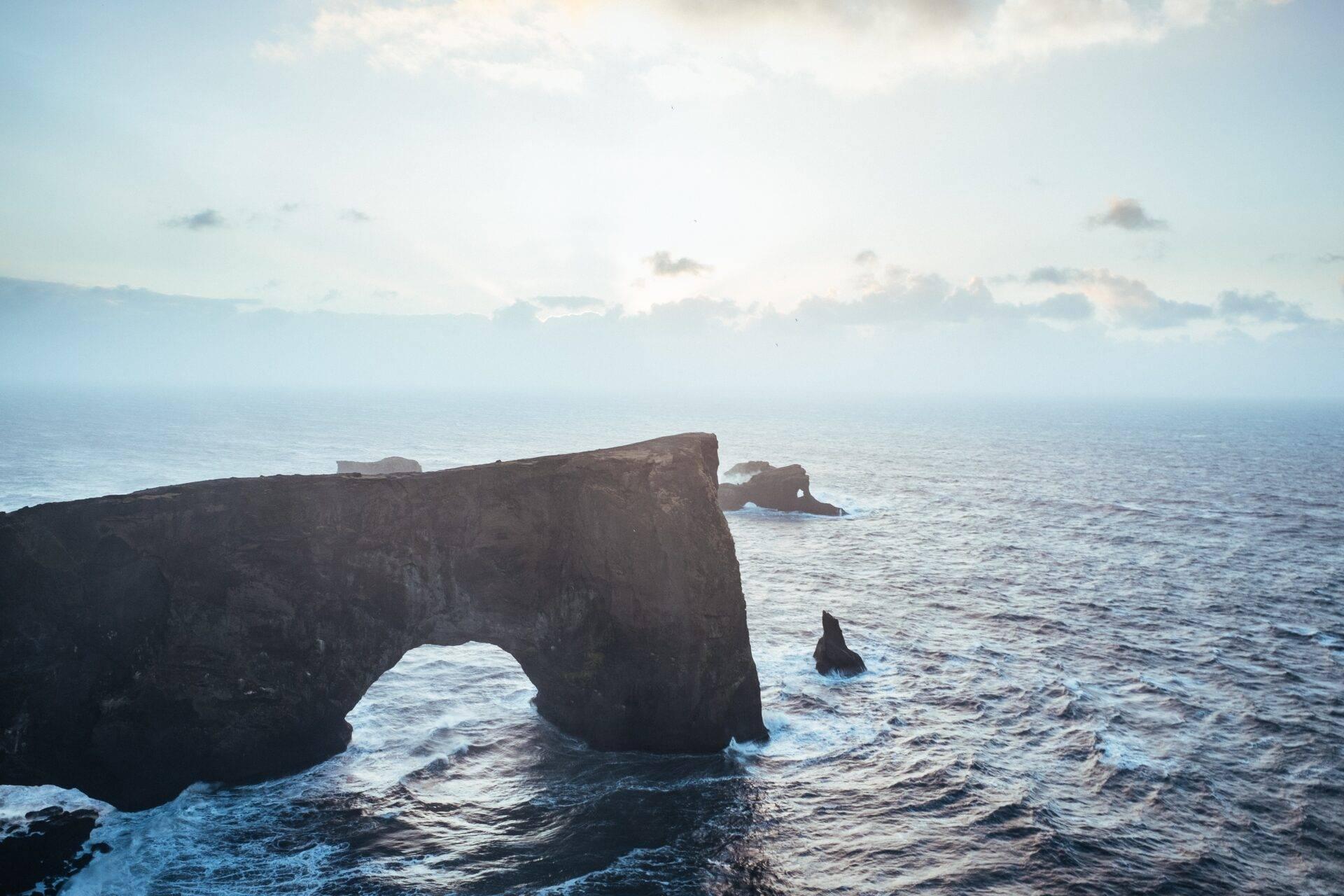
On the south coast near Vík, the Dyrhólaey arch rises above the Atlantic in a dramatic setting of black cliffs and powerful surf. From the top, the view stretches over endless black sand beaches. Just nearby, Reynisfjara beach is famous for its hexagonal basalt columns and unpredictable waves (swimming is prohibited).
Near Seljalandsfoss, a path lets you walk behind the waterfall itself, a rare experience anywhere in Europe.
Geothermal spas
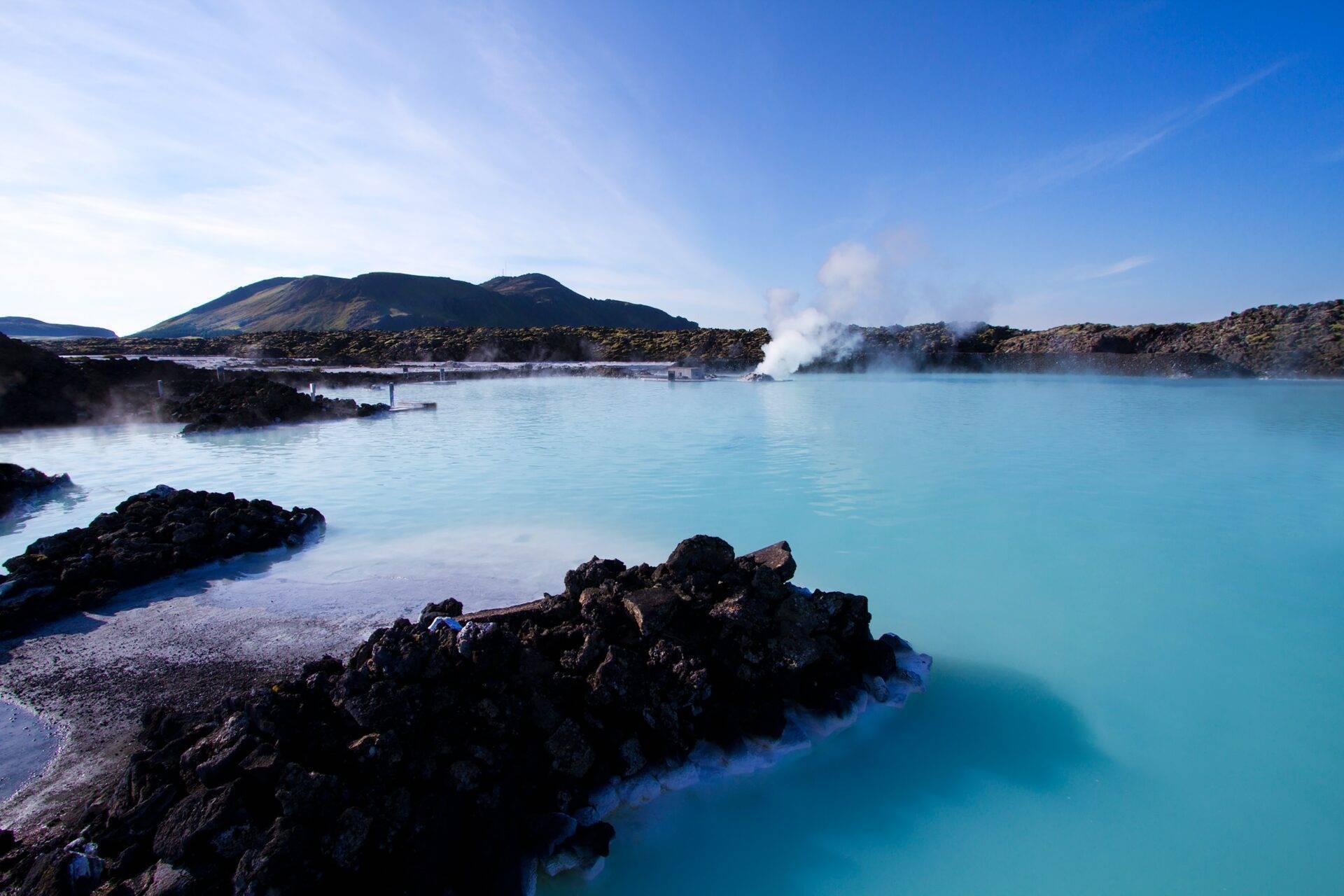
The Blue Lagoon is Iceland’s most famous geothermal spa. Its milky, silica-rich waters stay between 37 and 39°C against a backdrop of black lava fields. Online booking, several weeks ahead, is essential: time slots disappear fast.
For a quieter experience, the Mývatn Nature Baths in the north or the wild hot springs at Landmannalaugar (accessible by 4x4 in summer) offer a more direct connection with Iceland’s geothermal nature.
When to visit Iceland
Iceland is worth visiting year-round, but each season has its own character:
- June to August: midnight sun, open trails, puffins and whales back in season
- September to November: first northern lights, autumn colours, fewer crowds
- December to March: aurora at its peak, ice caves accessible inside the glaciers
- April to May: waterfalls swelled by snowmelt, nature coming back to life
If you are weighing up several summer destinations, our article Travelling this summer: Greece, Cyprus or Iceland compares the seasonal feel of each. For more Nordic adventures in a similar vein, our guide Things to do in Norway rounds out the picture nicely.
For entry requirements and medical cover, visit our Iceland travel insurance page.
FAQ
When is the best time to see the northern lights in Iceland?
The northern lights are visible from late August to April, when Icelandic nights are dark enough. September to March offers the best conditions overall. In 2026, high solar activity boosts the chances of witnessing particularly impressive displays.
How long do you need to visit Iceland?
7 to 10 days is enough to cover the highlights: the Golden Circle, the south coast, Vatnajökull and Snæfellsnes. To include the Westfjords and the north (Mývatn, Húsavík), allow 12 to 14 days.
Can the Golden Circle be done in a day from Reykjavik?
Yes. The classic route (Þingvellir, Geysir, Gullfoss) can be completed in a single day. An early start gives you time to enjoy each site without rushing.
Is Iceland an expensive destination?
Iceland is one of Europe’s priciest destinations. Renting a car, staying in guesthouses and preparing some of your own meals all help to keep costs in check. For 2026, book early: the 12 August eclipse is pushing up demand for accommodation across the west of the country.
What risks should you be aware of before visiting Iceland?
The main risks come from nature: mountain roads, rapidly changing weather and dangerous waves at beaches such as Reynisfjara. Medical cover and repatriation insurance are essential for outdoor activities in sometimes very remote areas. Our Iceland travel insurance page details the cover options available.