
Crete packs an extraordinary amount into a single island: some of Europe’s oldest Minoan ruins, turquoise lagoons reachable on foot or by boat, gorges made for a full day’s hike, and a cuisine best enjoyed in the shade of a vine-covered terrace. Seven to ten days is enough to take in the highlights, provided you have a car.
Get my travel insurance quoteArchaeological Sites: Traces of Minoan Civilisation
The Palace of Knossos
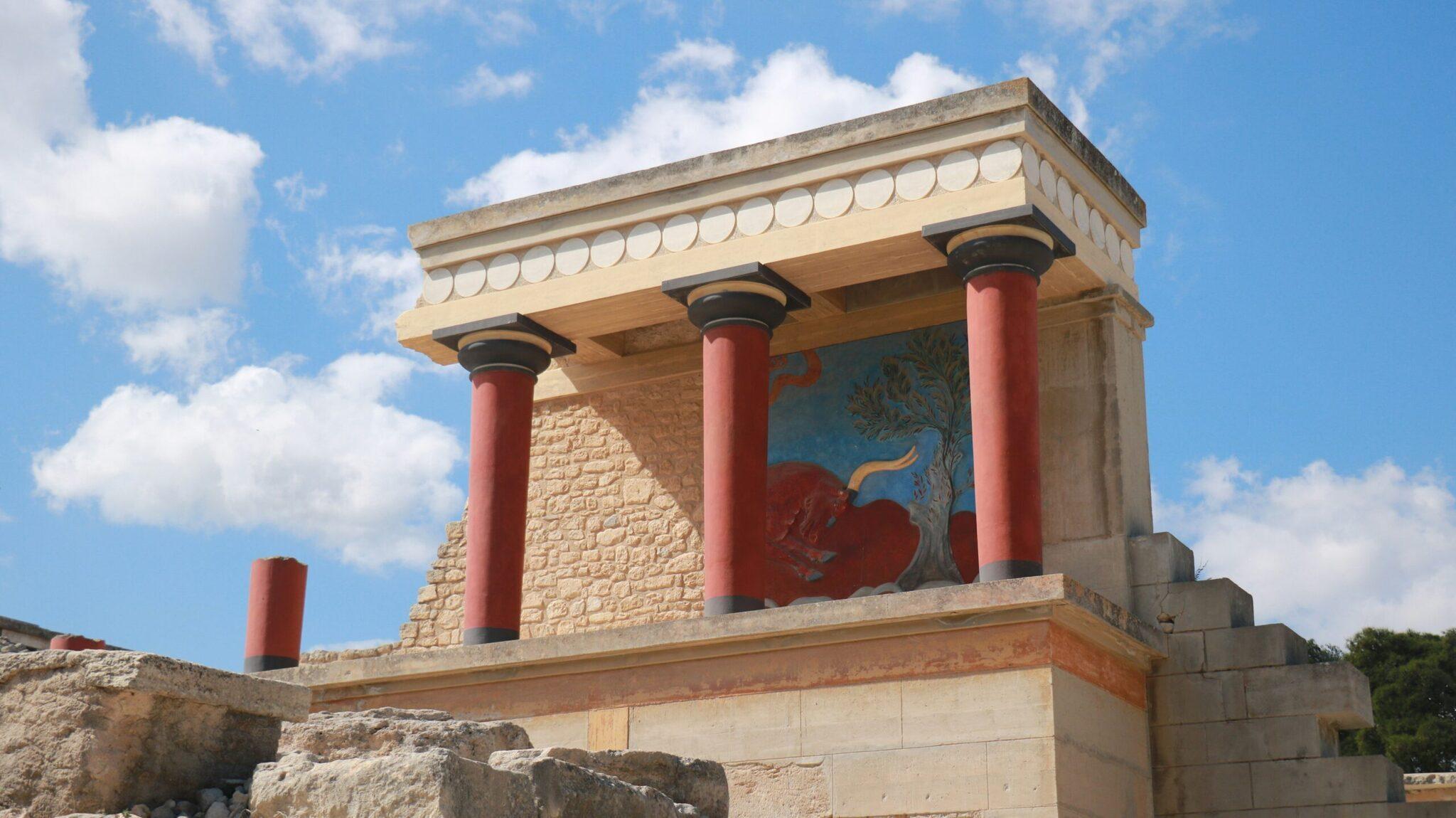
Five kilometres south-east of Heraklion, Knossos is Crete’s most visited site and the ancient heart of Minoan civilisation, widely regarded as Europe’s first great culture. The reconstructed inverted red columns and restored frescoes give the site a clarity rare among ancient ruins: even without a guide, you can picture what the palace would have looked like around 1700 BC.
Open 8am to 8pm April to October, 8am to 5pm for the rest of the year. Buy tickets online in advance to avoid queuing, particularly in July and August.
Heraklion Archaeological Museum and the Palace of Phaistos
Heraklion’s museum brings together the finest pieces from the island’s excavations: the original Bull-Leaping fresco, the Phaistos Disc, and exquisite Minoan gold jewellery. Allow half a day. The Palace of Phaistos, in the south of the island, offers sweeping views over the Messara Plain and a quieter atmosphere than Knossos, with no reconstructions.
Three Cities Worth Exploring
Heraklion
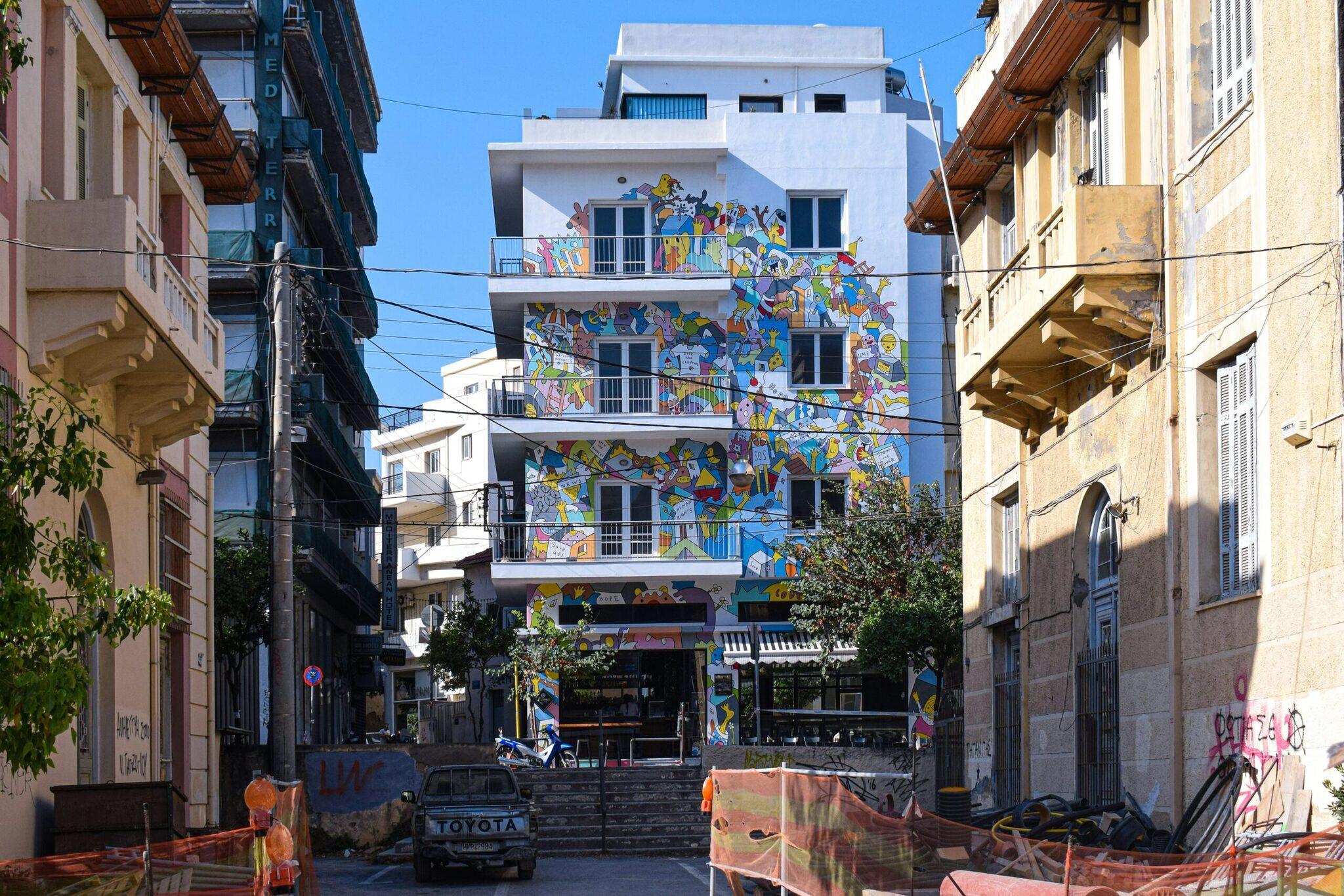
Heraklion is more than a transit hub. The Venetian fortress of Koules, at the end of the harbour jetty, is worth an hour of your time. The 1866 Street market is the place to stock up on thyme honey, dried herbs, and quality olive oil. It also makes a logical base for visiting Knossos and the archaeological museum in the cool of the morning, before the heat sets in.
Chania
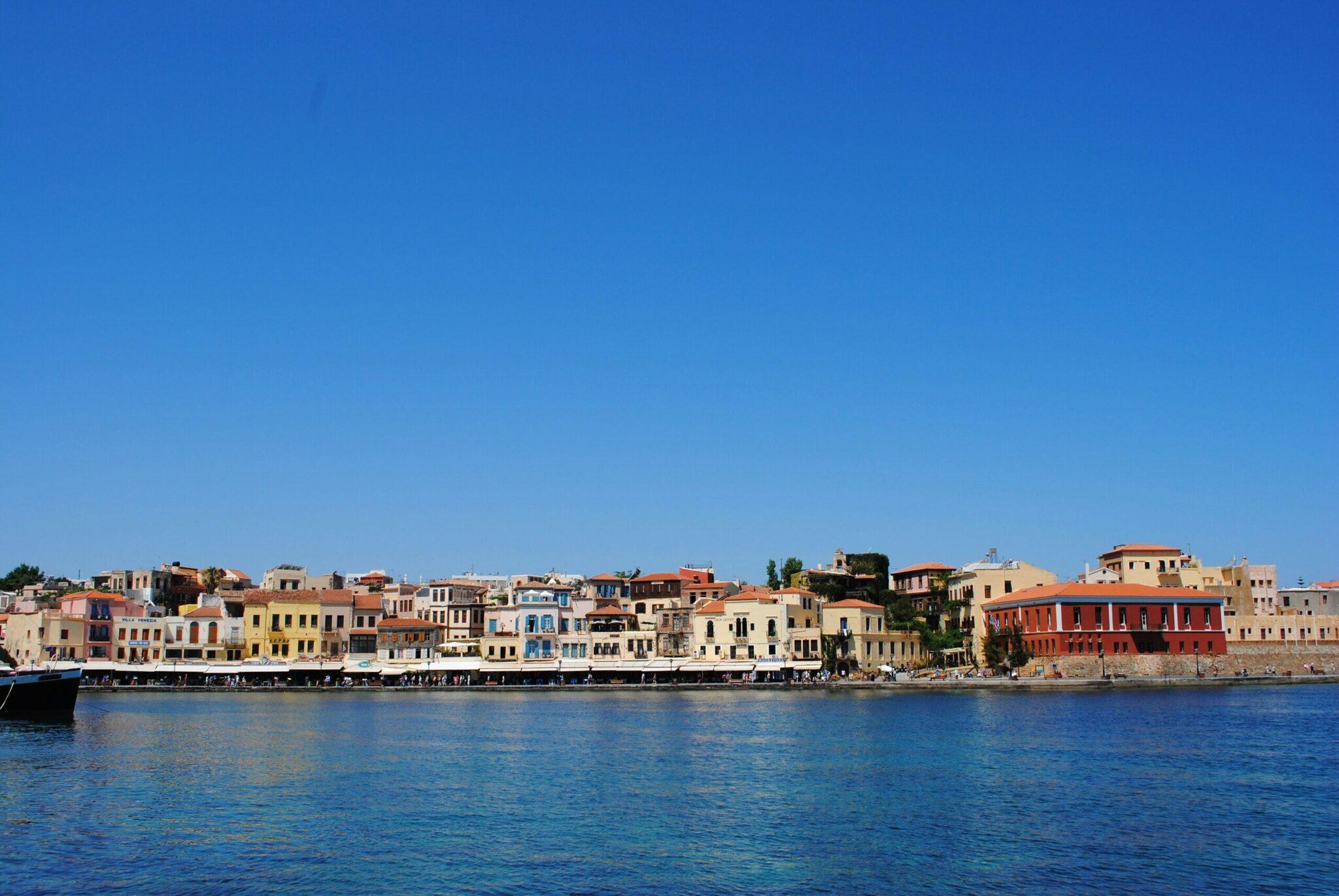
Chania’s Venetian harbour, built in the 14th century and framed by its lighthouse and the Mosque of the Janissaries, is one of the most photogenic settings in the eastern Mediterranean. Turkish, Venetian and Greek history layer upon one another within just a few hundred metres. Come at dusk, when the crowds thin and the light shifts across the colourful facades.
Agios Nikolaos
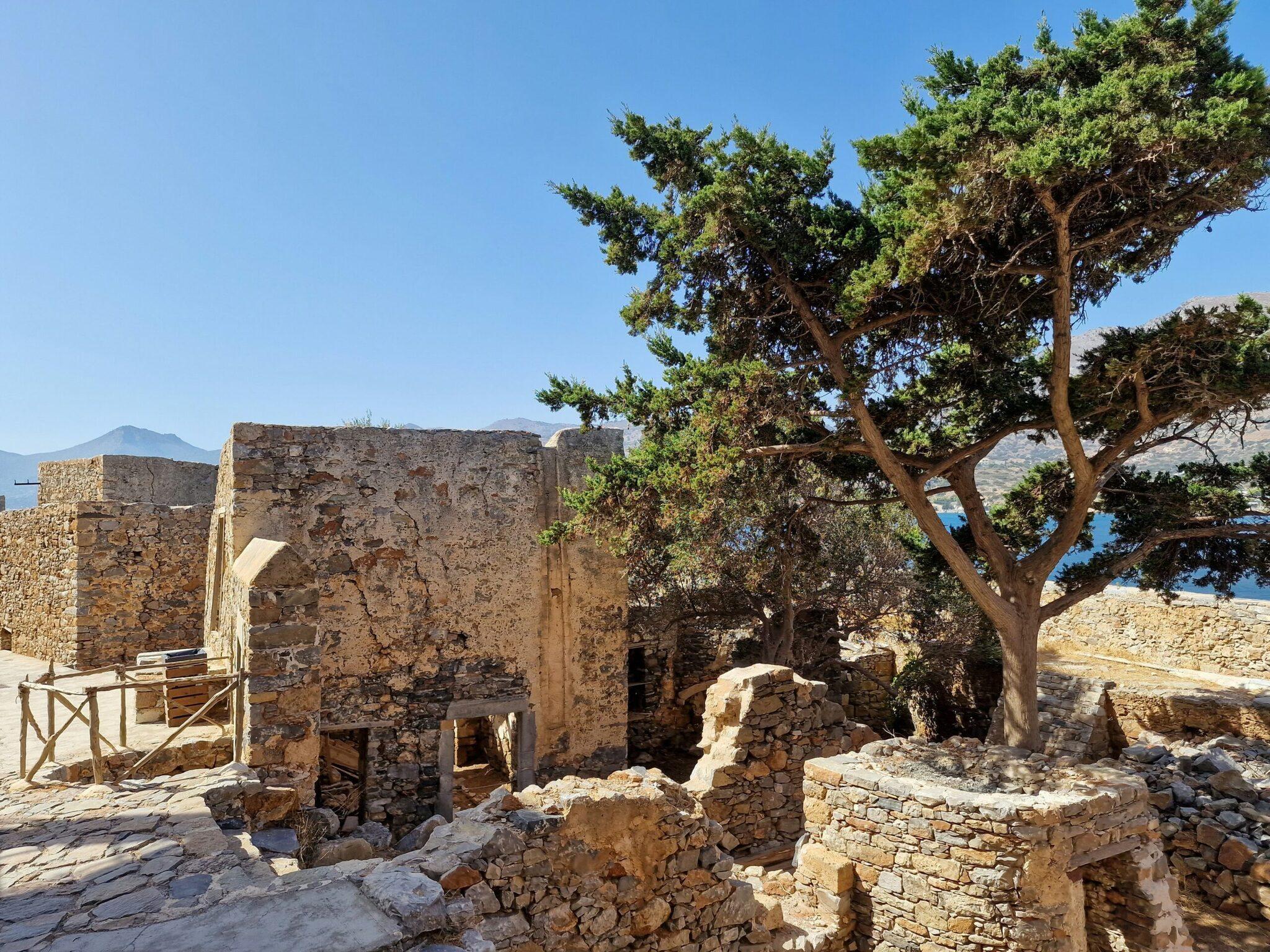
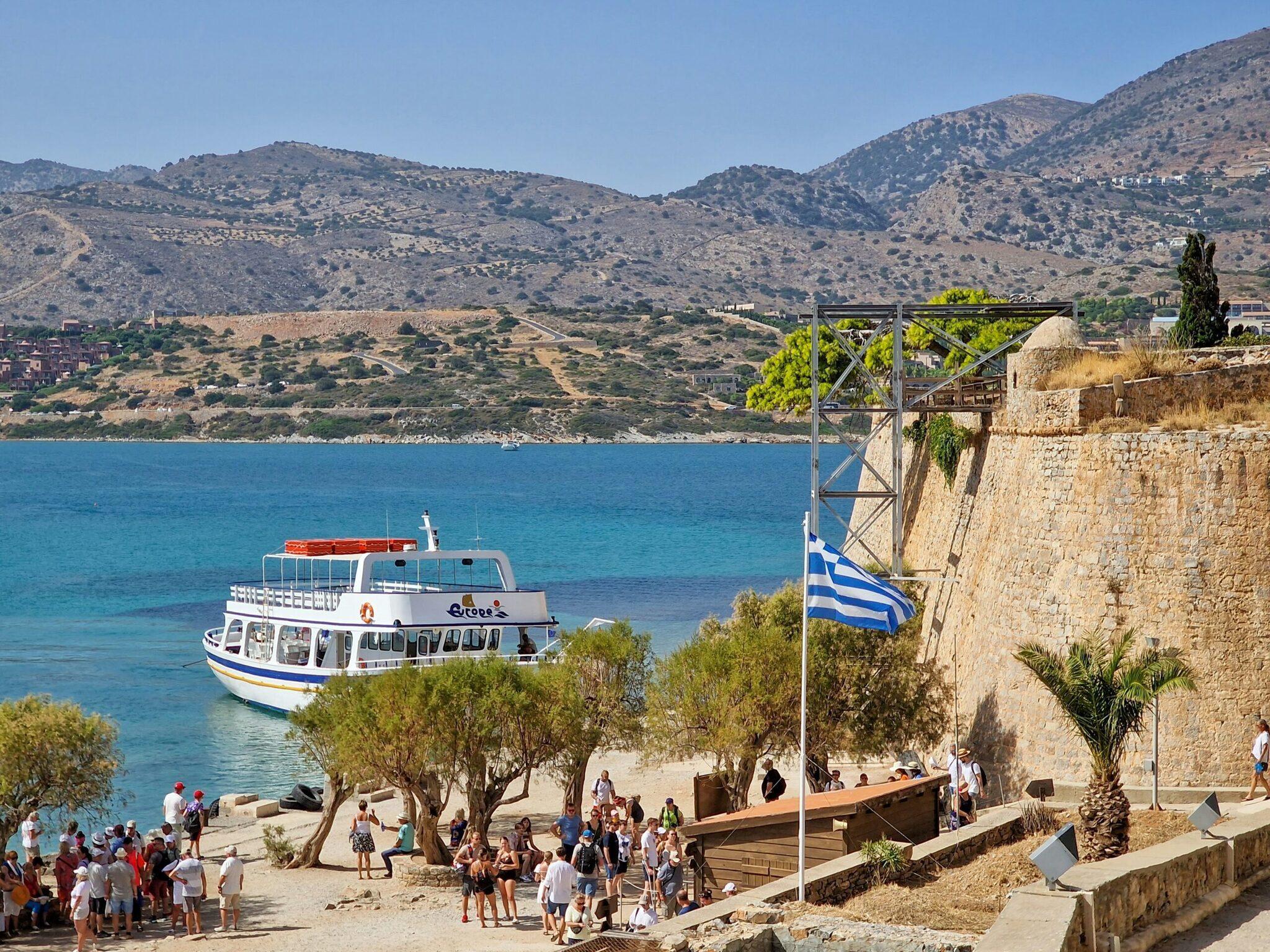
On the east coast, Agios Nikolaos revolves around Lake Voulismeni, connected directly to the sea. It is the natural starting point for trips to Spinalonga island, a former leper colony whose history inspired Victoria Hislop’s novel The Island. Daily ferries depart from Elounda, a few kilometres to the north.
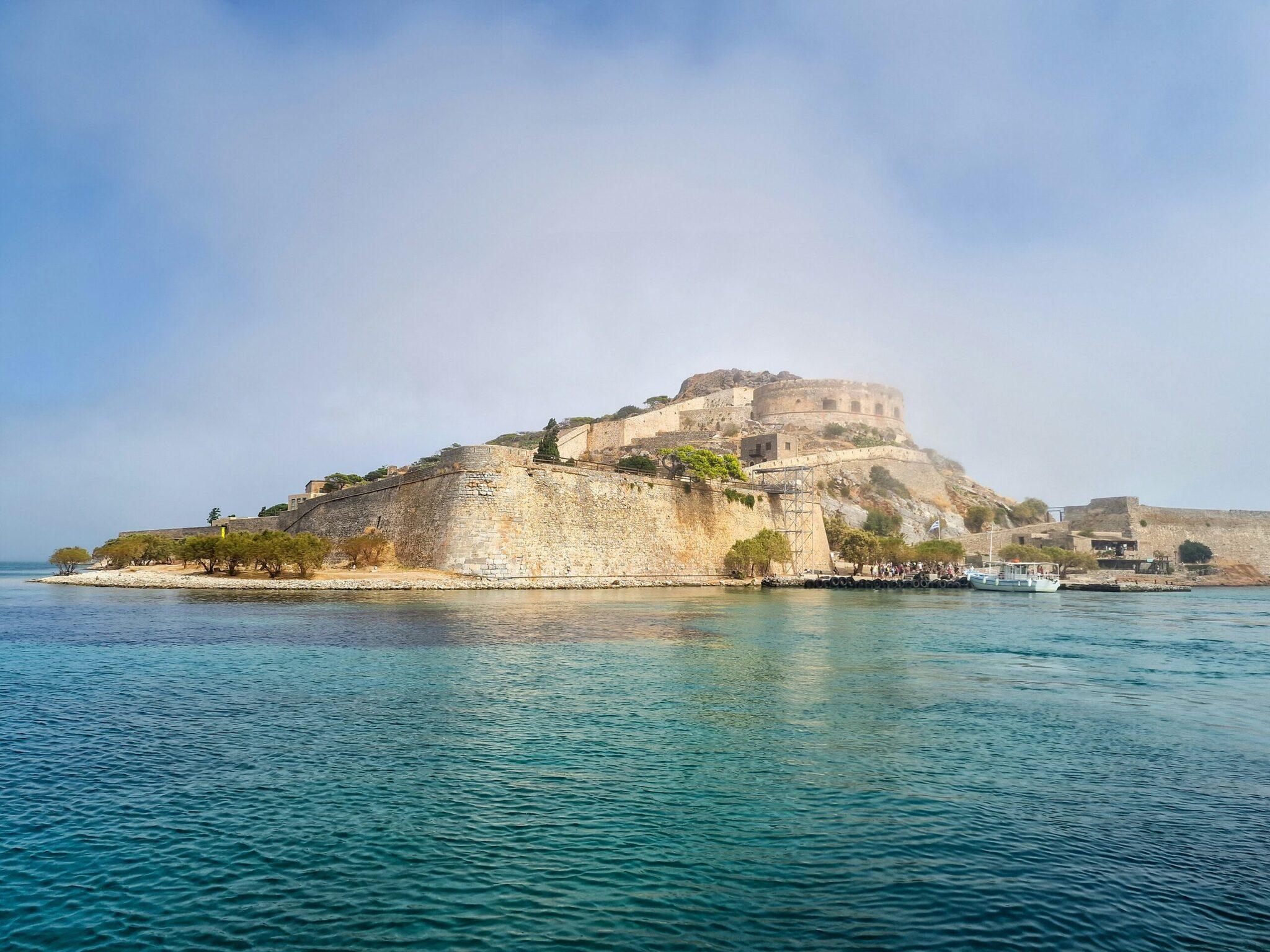
Beaches and Lagoons: the Best of the Coastline
Balos Lagoon
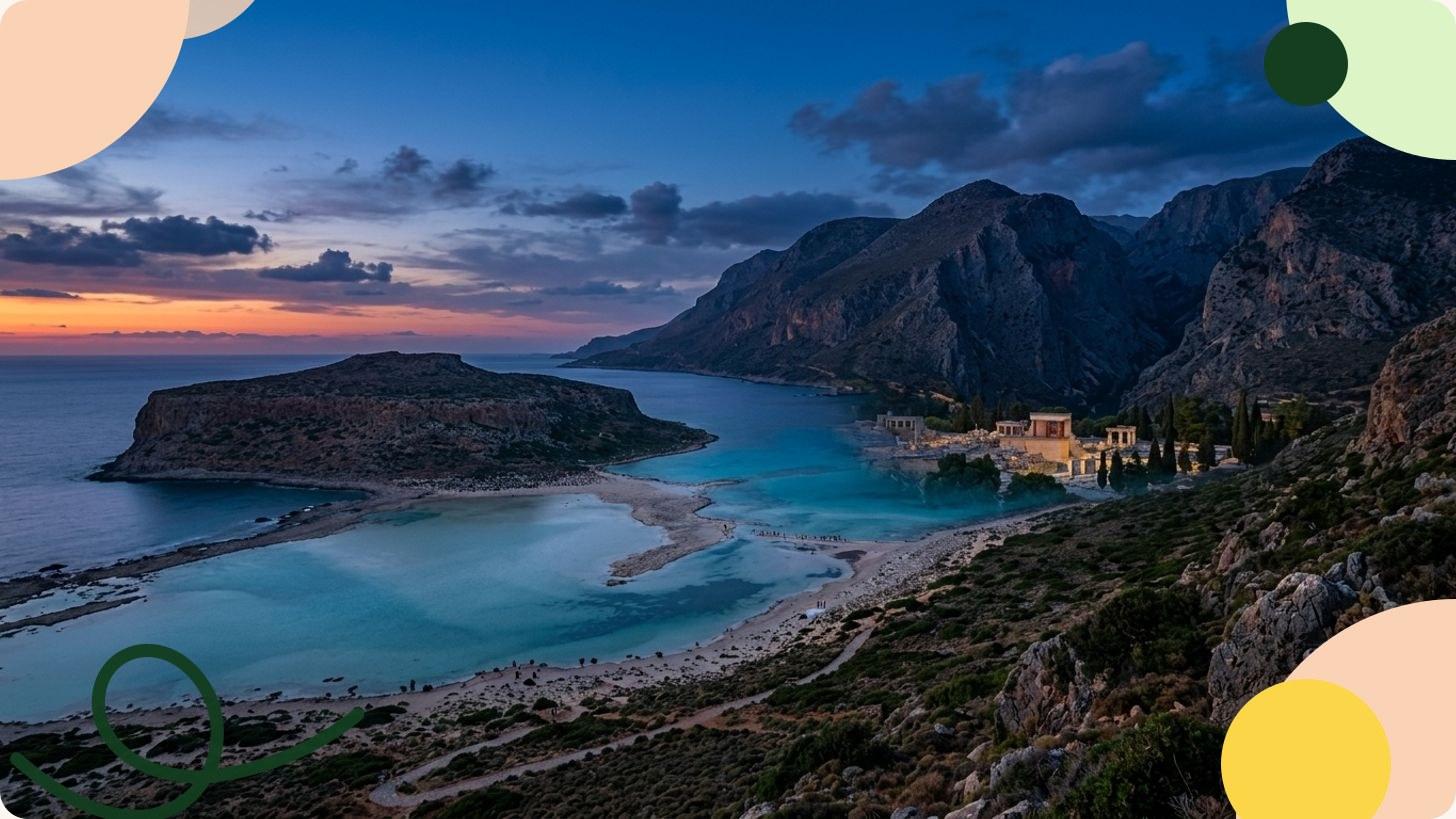
Tucked at the tip of the Gramvoussa Peninsula in the north-west, Balos is one of the most breathtaking beaches in the Mediterranean. Its waters shift from milky white to emerald green depending on depth and time of day. From Chania, allow around 90 minutes by road, followed by an 8km track and a 20-minute walk. Alternatively, take a boat trip from Kissamos harbour, available from 30 April to 30 October.
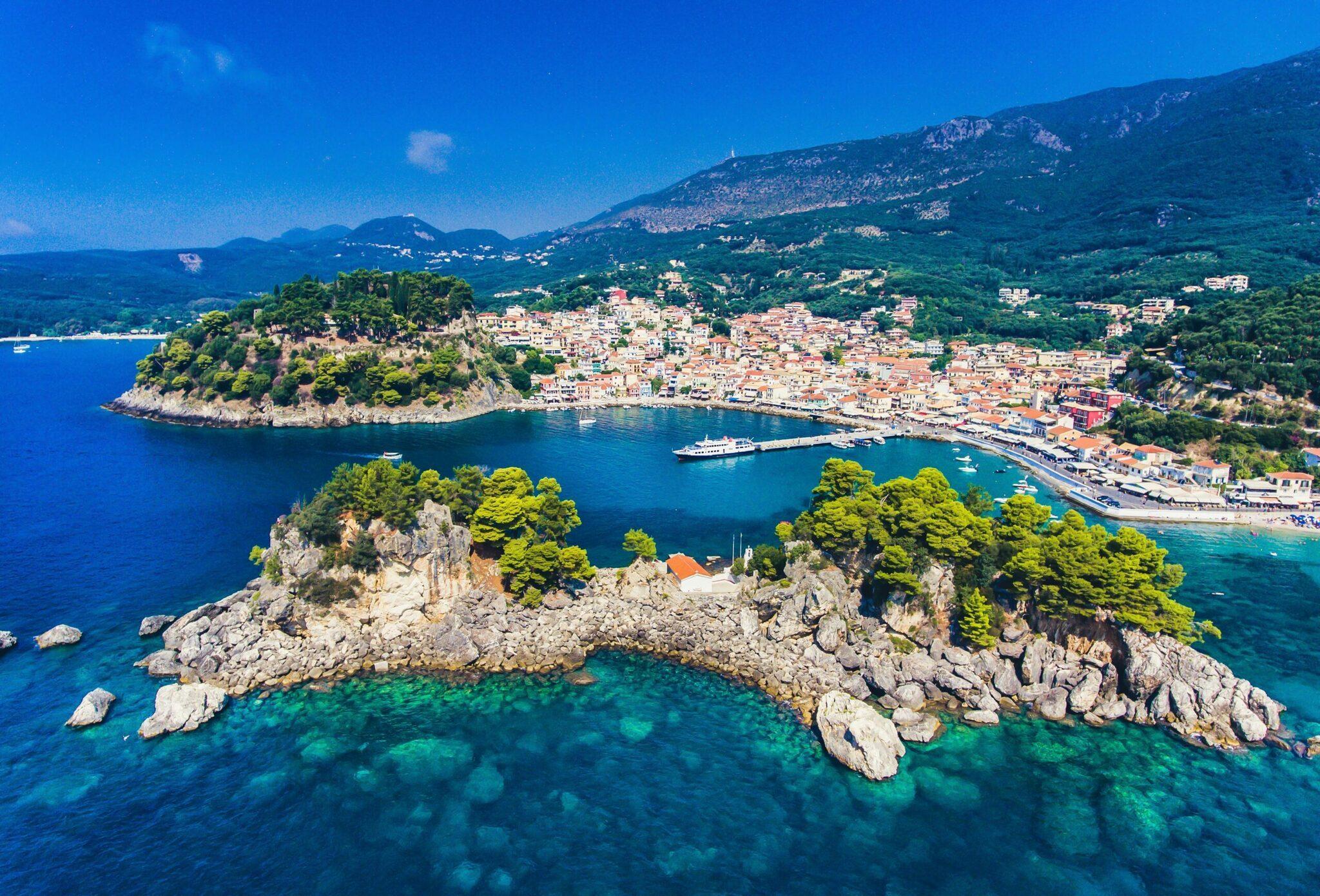
Elafonissi, Falassarna and the Western Beaches
Elafonissi gets its rose-tinged hue from fragments of coral shells mixed into the white sand. Easier to reach than Balos (paved road, bus from Chania), it also draws bigger crowds in July and August. Falassarna, further north on the west coast, offers a long stretch of fine sand with the sun setting directly over the water, and considerably fewer visitors.
Hiking and Outdoor Activities
The Samaria Gorge: Crete’s Iconic Trek
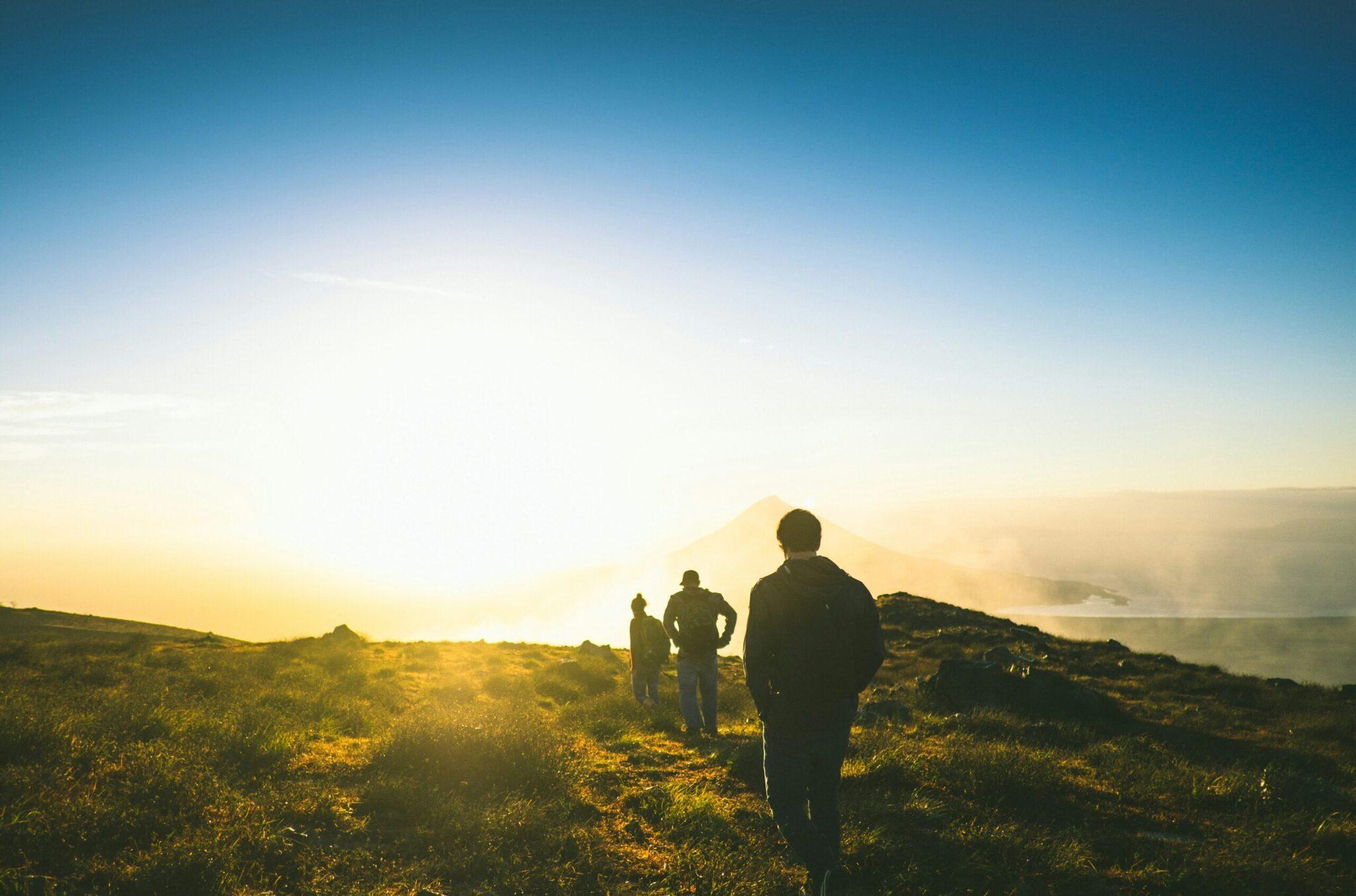
The Samaria Gorge is Crete’s great long-distance hike. The 16km route begins at Xyloskalo (1,230m above sea level) in the White Mountains and descends 1,250m to the coastal village of Agia Roumeli. Allow between 6 hours for fit walkers and 8 hours with breaks. From Agia Roumeli, a ferry returns to Hora Sfakion or Sougia, from where a bus connects back to Chania.
Open May to late October, 7am to 5pm. Entry: €5. In July and August, temperatures at the bottom of the gorge can exceed 35°C; May to June and September to October are considerably more pleasant for the walk.
Diving, Snorkelling and Mountain Villages
The waters around Chania and Agios Nikolaos are home to posidonia seagrass meadows, grouper fish, and a handful of Second World War wrecks. Plenty of diving clubs offer introductory dives and guided outings, with no certification required.
For a Crete well away from the beaches, the villages of Anogeia (traditional Cretan music), Archanes (well-regarded vineyards) and Kritsa (textile crafts) offer a window into the island’s inland life, far from the coastal tourist trail.
If you are combining Crete with other Greek destinations, our guide Things to Do in Greece: 20 Must-See Experiences provides a useful framework for planning a multi-island itinerary.
Cretan Cuisine: Eating Well, Eating Local
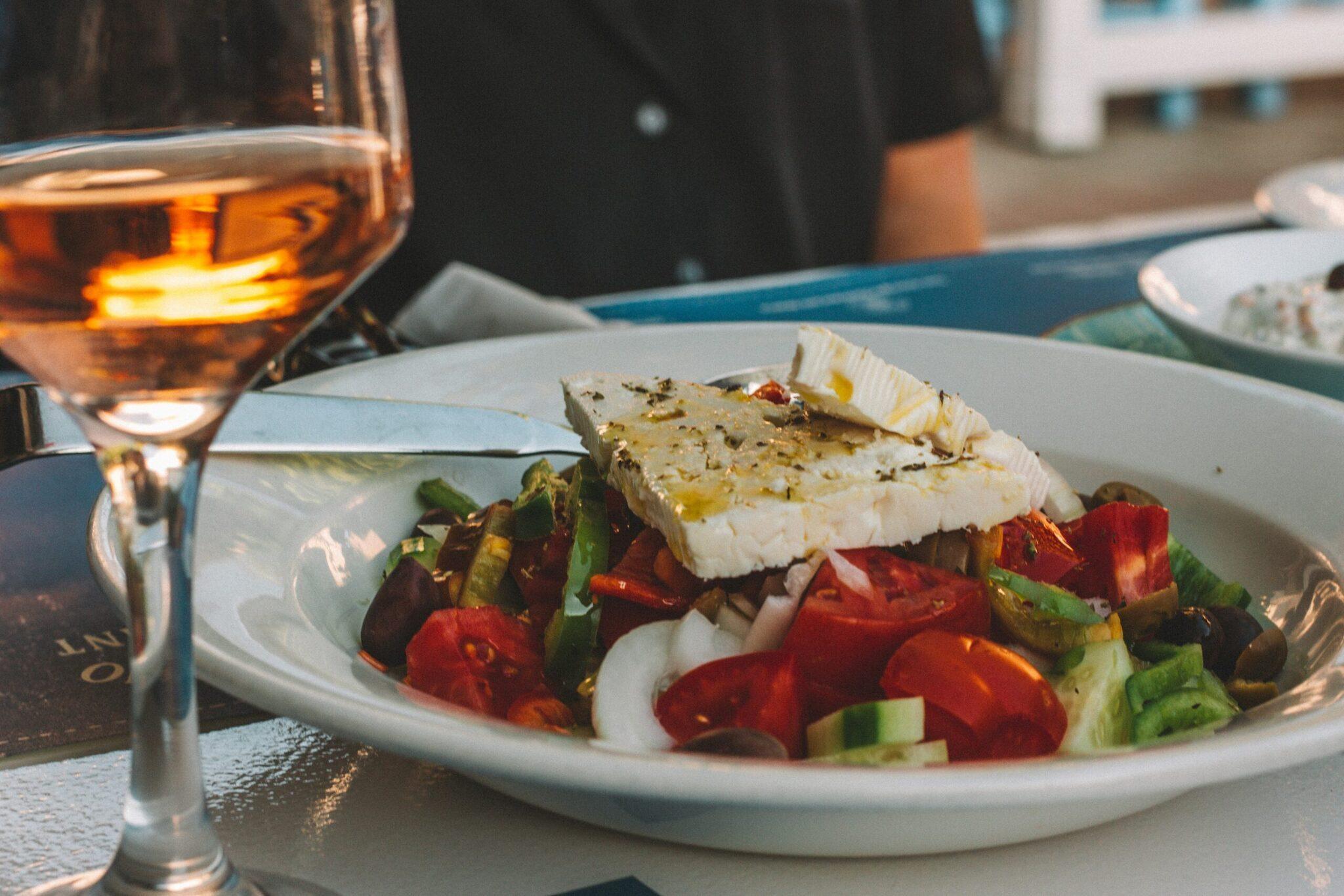
Cretan cooking is built on honest ingredients: olive oil, seasonal vegetables, wild herbs (oregano, dittany), cheeses (graviera, mizithra) and fresh fish. The dakos, a barley rusk topped with fresh tomato, crumbled feta and a drizzle of olive oil, captures the philosophy perfectly: few ingredients, uncompromising quality. At the end of the meal, a glass of raki (known locally as tsikoudia) is often offered by the house as a gesture of hospitality.
When to Visit Crete
| Period | Advantages | Things to Bear in Mind |
|---|---|---|
| April to May | Quiet sites, wildflowers, ideal for hiking | Sea still cool |
| June | Mild temperatures, pleasant sea | Tourism begins to pick up |
| July to August | Peak season, everything is open | Intense heat, crowded sites, the gorge is gruelling |
| September to October | Warm sea, lower prices, smaller crowds | Days getting shorter |
For another Mediterranean island with a rich layered history, our guide Travelling to Sardinia makes for useful complementary reading. And if you are planning a Balkan circuit, Travelling to Albania is a destination that is becoming increasingly accessible from Greece.
FAQ
How Long Do You Need to Visit Crete?
Seven to ten days is enough to cover the main areas: the east around Agios Nikolaos, the centre with Heraklion and Knossos, and the west with Chania, Balos and the Samaria Gorge. Two weeks gives you time to explore mountain villages and hike at a more relaxed pace.
Do You Really Need to Hire a Car in Crete?
Yes, if you want to reach the vast majority of natural sites and villages. Buses connect the main towns, but Balos, Elafonissi, Phaistos and the Samaria Gorge are extremely difficult to reach without your own transport.
Is the Samaria Gorge Suitable for Everyone?
The walk demands a decent level of fitness: 16km, 6 to 8 hours of hiking, over rocky terrain. It is not recommended for anyone with joint or heart problems. Closed hiking shoes and at least 1.5 litres of water per person are essential.
What Are Crete’s Most Beautiful Beaches?
Balos and Elafonissi are the most spectacular. Falassarna tends to be less crowded. On the east coast, Vai with its palm grove and Seitan Limania with its deep blue-green waters appeal to those looking for more off-the-beaten-track spots.
What Can You Do in Crete with Children?
Knossos, with its labyrinthine atmosphere and vivid frescoes, works well with children. The shallow, rose-tinged sands of Elafonissi are ideal for young ones. The Samaria Gorge is not recommended for children under 8 and remains challenging before the age of 12.