
The Gambia packs everything that makes an African journey unforgettable into fewer than 12,000 square kilometres: mangrove forests, unspoilt Atlantic beaches, wildlife parks best explored by boat, two UNESCO World Heritage Sites and markets that pulse with local life. The dry season, from November to May, is the ideal window to explore the country.
Banjul and its markets
1. Arch 22 and the National Museum
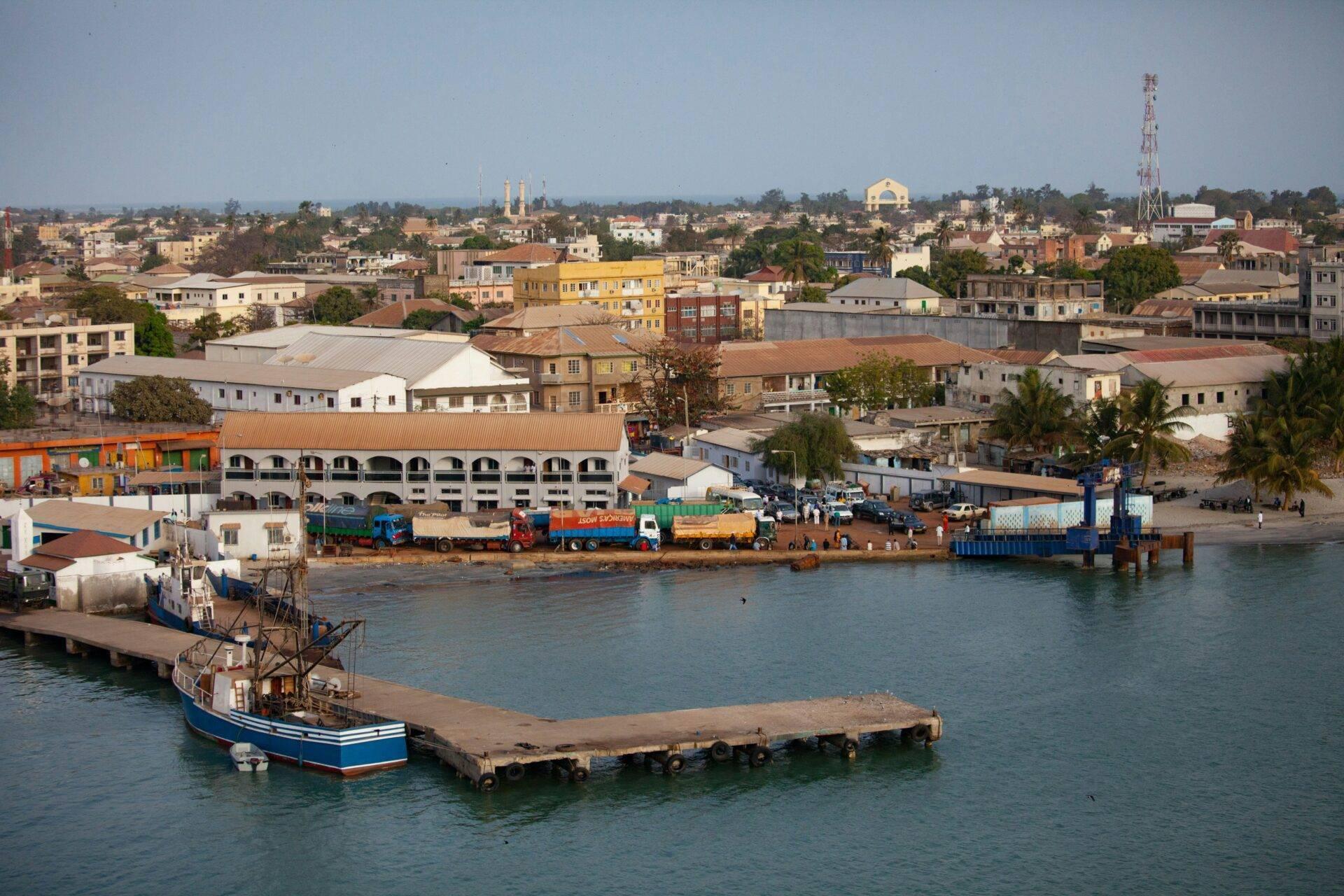
Banjul sits on a flat peninsula at the mouth of the Gambia River. Its colonial centre, with grid-pattern streets and faded facades, exudes a rare tranquillity for an African capital. Arch 22, the city’s most recognisable landmark, offers a 360-degree panorama over Banjul and the river from its viewing platform. A short walk away, the National Museum traces the country’s history from its pre-colonial kingdoms through to independence in 1965.
2. Albert Market and Serrekunda Market
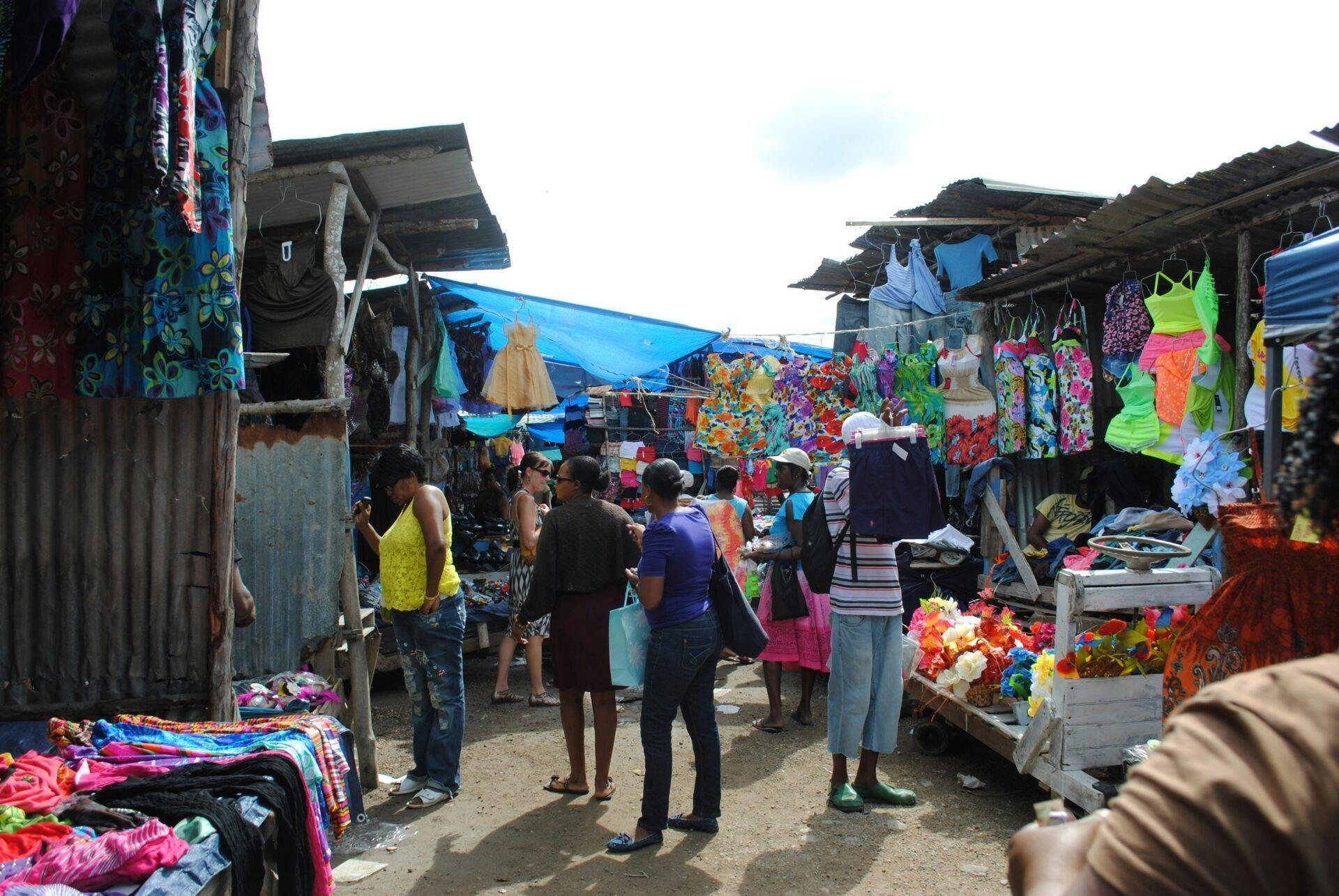
In the heart of Banjul, Albert Market is where Gambians do their daily shopping: spices, printed cottons, batiks and local crafts pile up in an atmosphere that has nothing staged about it. A few kilometres south, Serrekunda hosts the country’s largest market, where textiles from Mali, fresh vegetables and hardware trade side by side in a warm, bustling energy. Arrive early in the morning to take in both in a single day.
Parks and nature reserves
3. Bijilo Forest Park: forest between the hotels
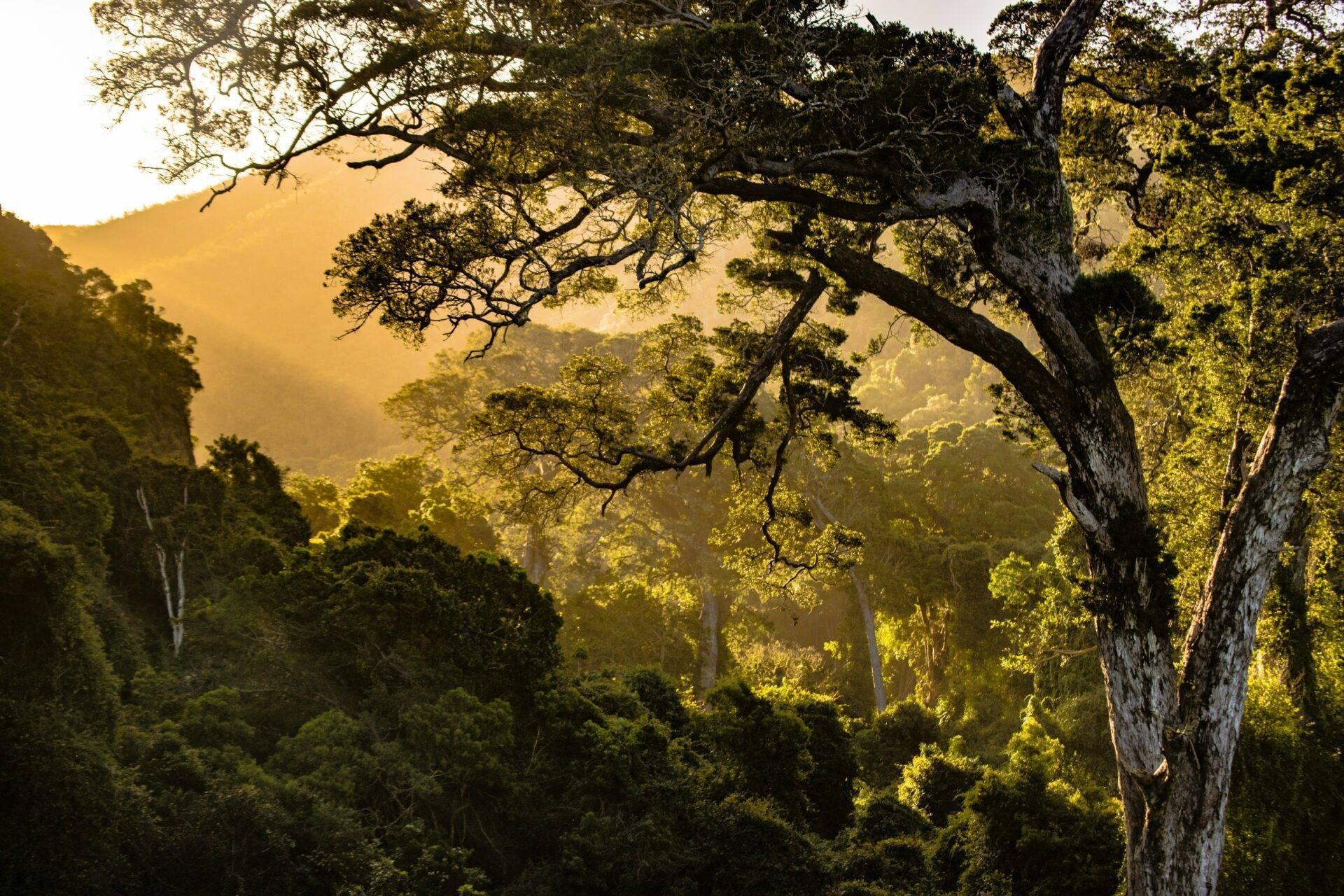
Known as “Monkey Park”, this 51-hectare reserve wedged between the hotel complexes of Kololi and the Atlantic offers around 4 km of trails through coastal dune forest. Green vervet monkeys and red colobus have no fear of visitors, and the morning light filtering through the canopy makes an early rise well worthwhile. Easy to reach on foot from most hotels in the area, it deserves a visit even on a pure beach holiday.
4. Abuko Nature Reserve
Founded in 1968, Abuko is the oldest and most visited of The Gambia’s protected areas. Across its 105 hectares, the Lamin Stream feeds a ribbon of evergreen gallery forest sheltering Nile crocodiles, green vervets, red colobus and the giant kingfisher. The main circuit takes around two hours to walk. It makes an ideal introduction to the country’s wildlife, just thirty minutes’ drive from Banjul.
5. Makasutu Cultural Forest
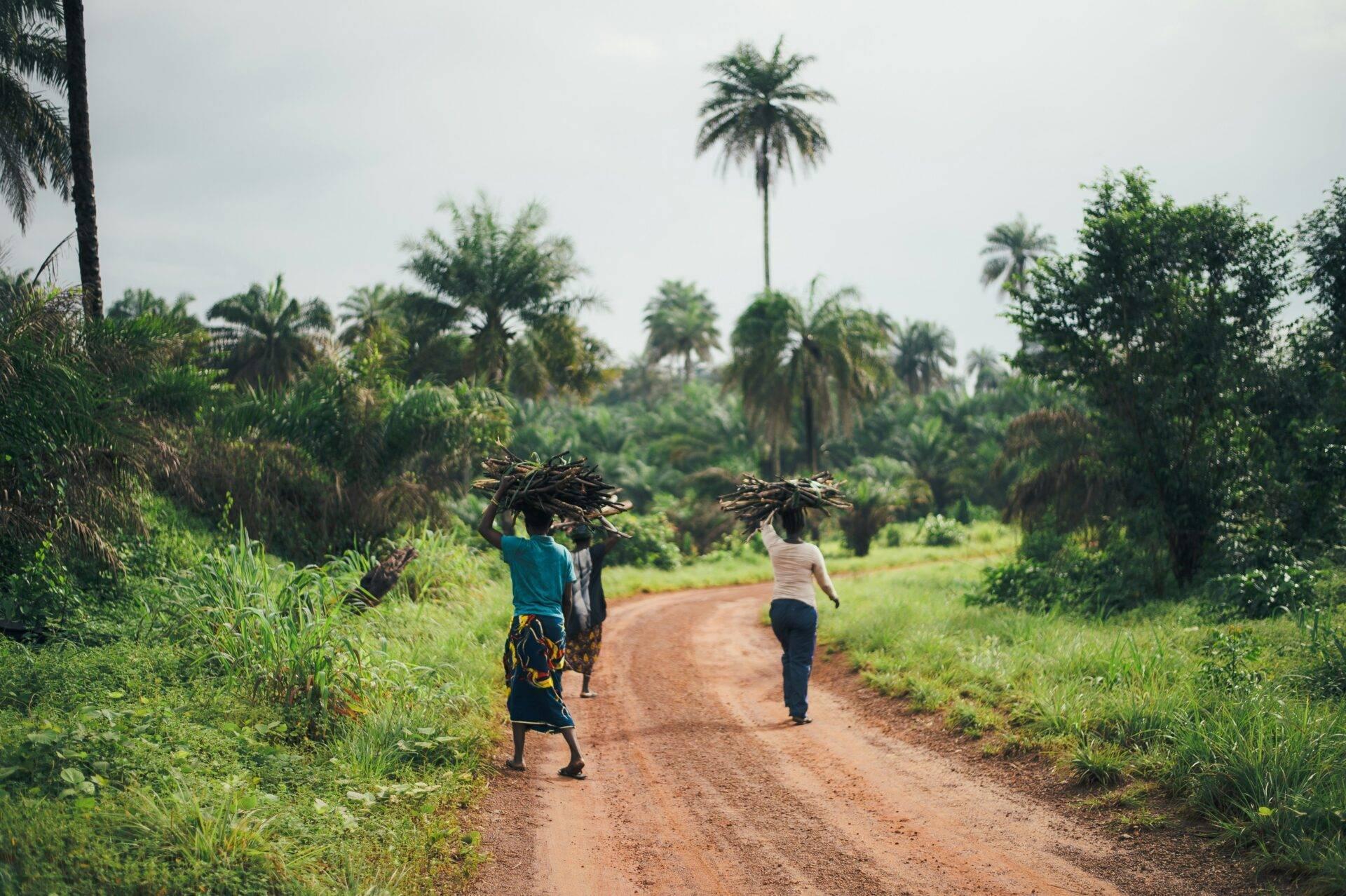
“Sacred forest” in Mandinka: Makasutu spreads across more than 400 hectares of savanna, dry forest and mangrove in the Kombo Central region. Dugout canoes glide through mangrove channels, local guides explain the medicinal plants, and evenings around a campfire with griots playing the kora are among the trip’s true highlights. One of the most immersive experiences the country offers, where nature and culture come together in a single space.
6. Gambia River National Park (Baboon Islands)
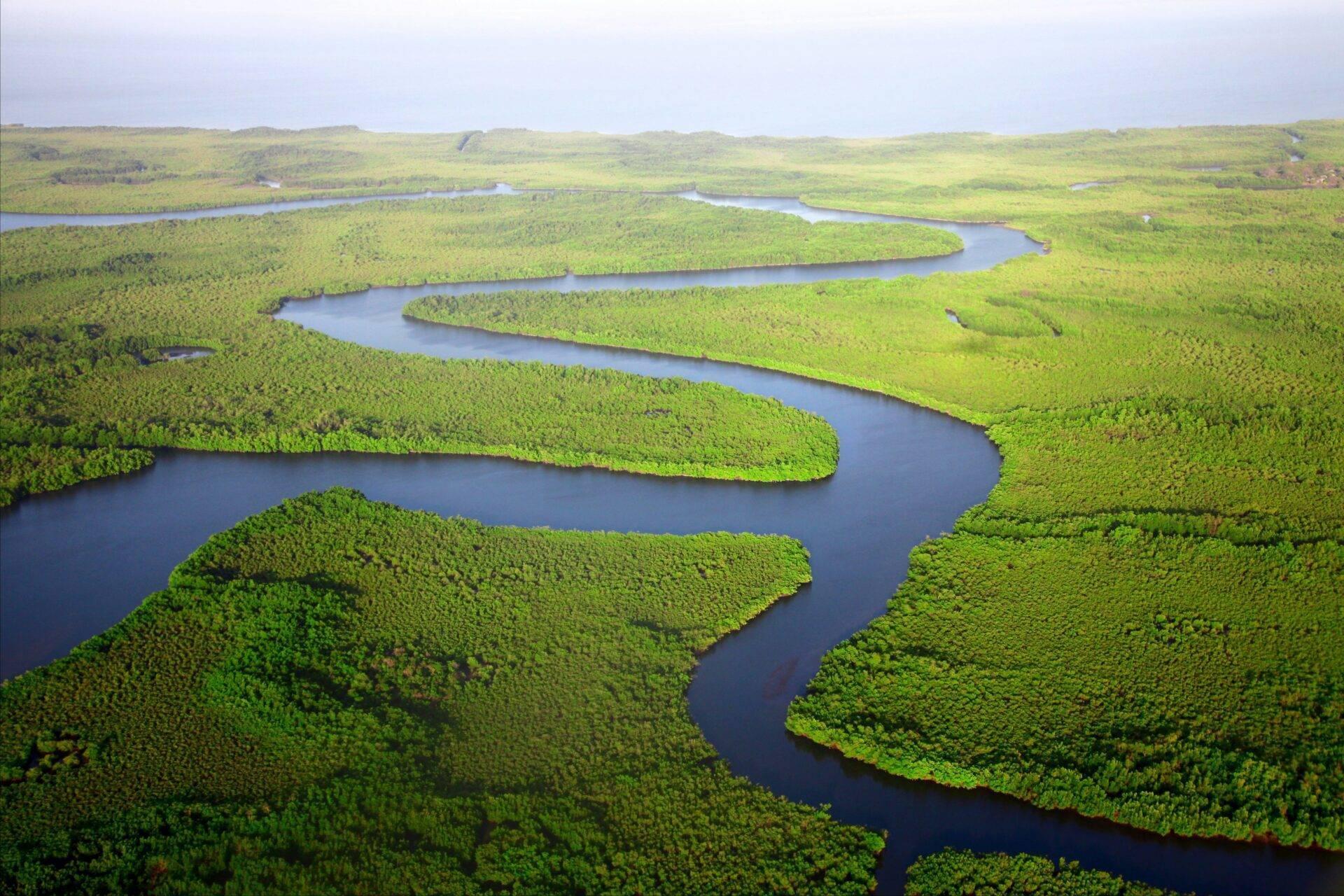
Five river islands with no roads and no accommodation, accessible only by guided boat. The park has hosted a chimpanzee rehabilitation project for several decades, returning captive-born animals to a semi-wild life on the islands. Hippos, crocodiles and hundreds of bird species inhabit the banks. Access is strictly controlled to protect the ecosystem: book your excursion in advance through a licensed local operator.
7. Kiang West National Park
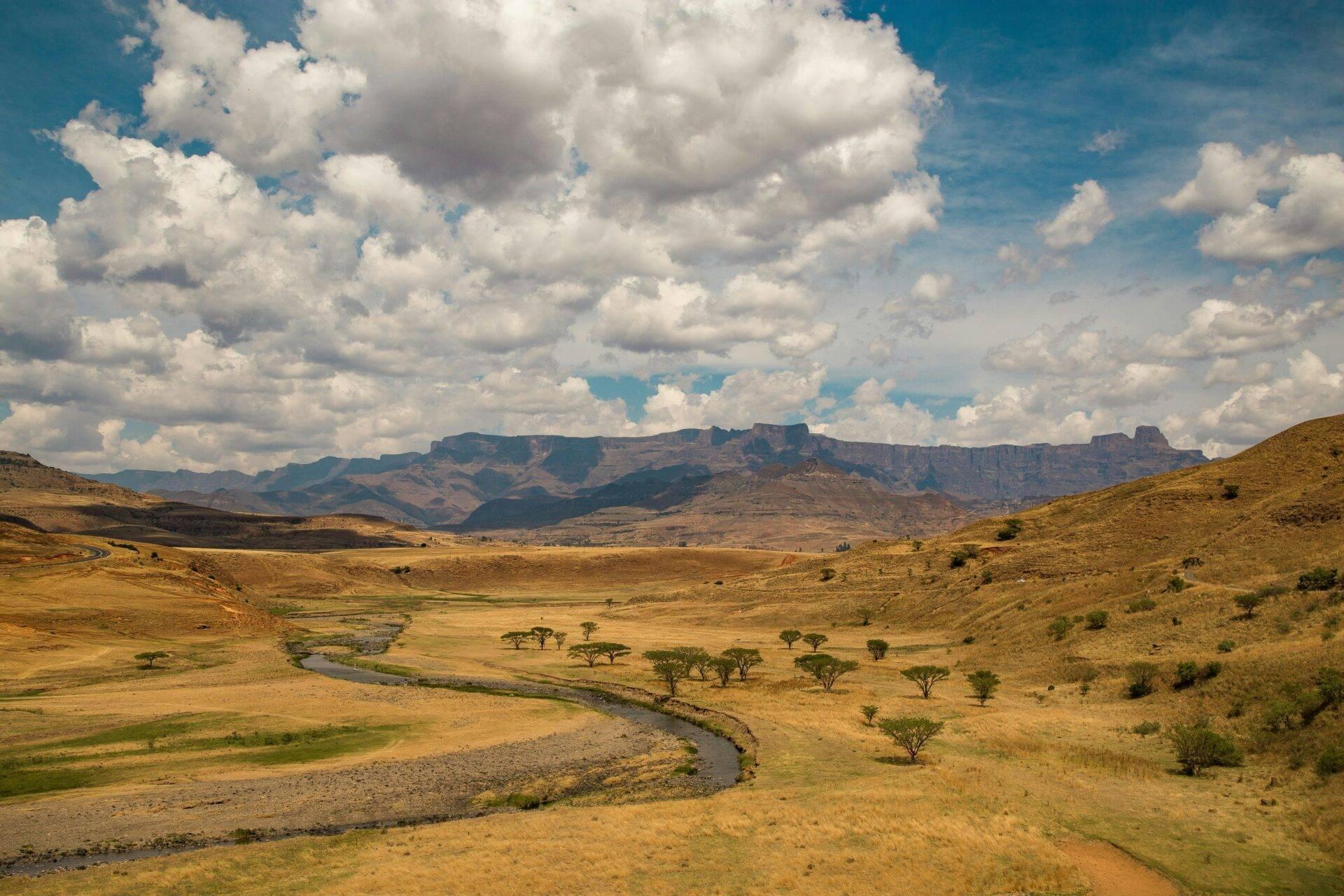
The Gambia’s largest national park, on the southern bank of the river, is also the least visited by foreign tourists. Baboons, warthogs and manatees roam its vast stretches of savanna and mangrove. From November to May, low vegetation concentrates wildlife around water sources, making this the best period for sightings.
8. The Chimpanzee Rehabilitation Project
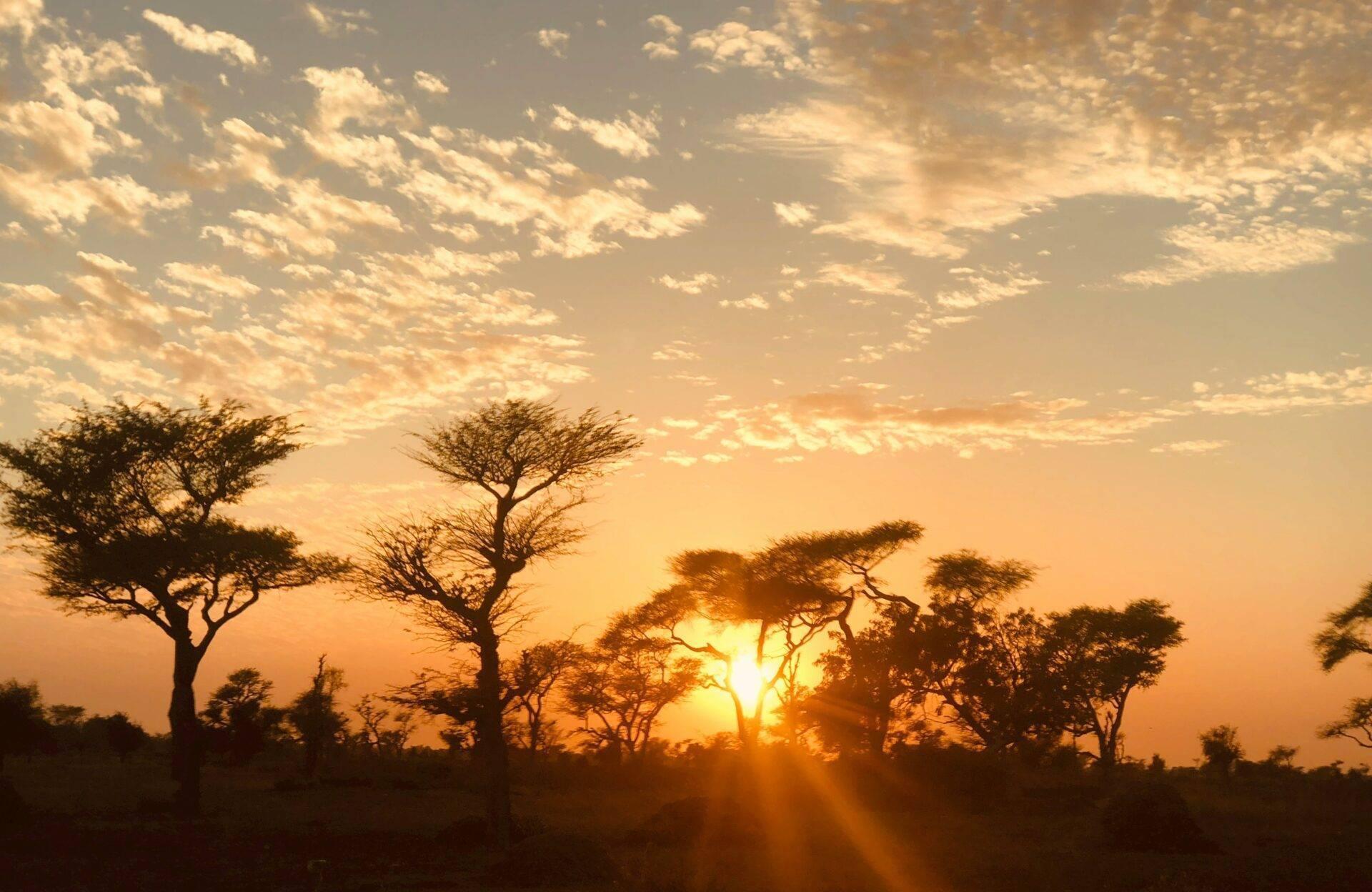
At the Baboon Islands, a pioneering project takes in chimpanzees rescued from the illegal wildlife trade and prepares them for a semi-wild existence on the river islands within the national park. Boat excursions allow visitors to observe the animals from the water without disrupting their rehabilitation. A visit that stays with you long after you leave, quite unlike a conventional safari.
Birdwatching: a world-class destination
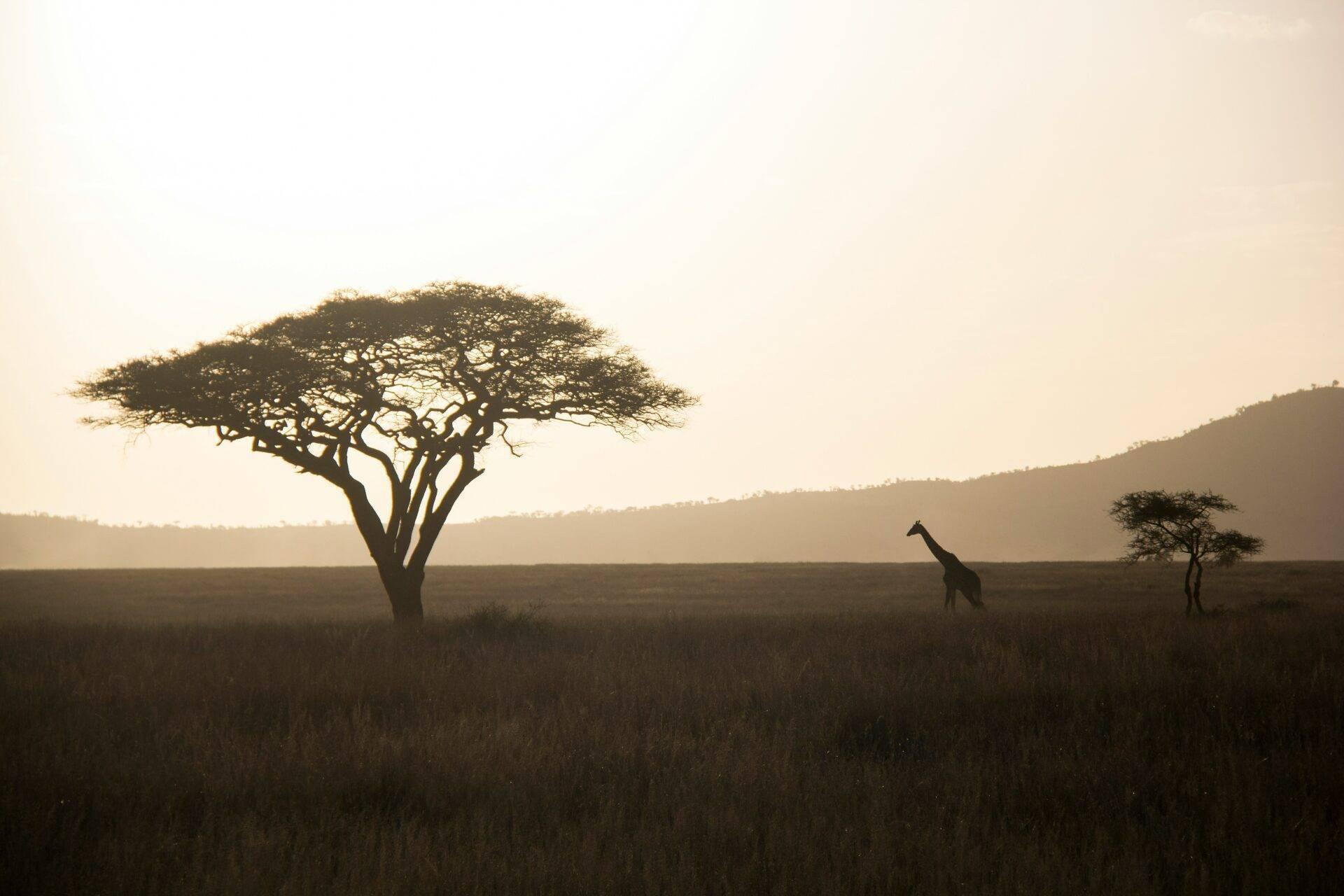
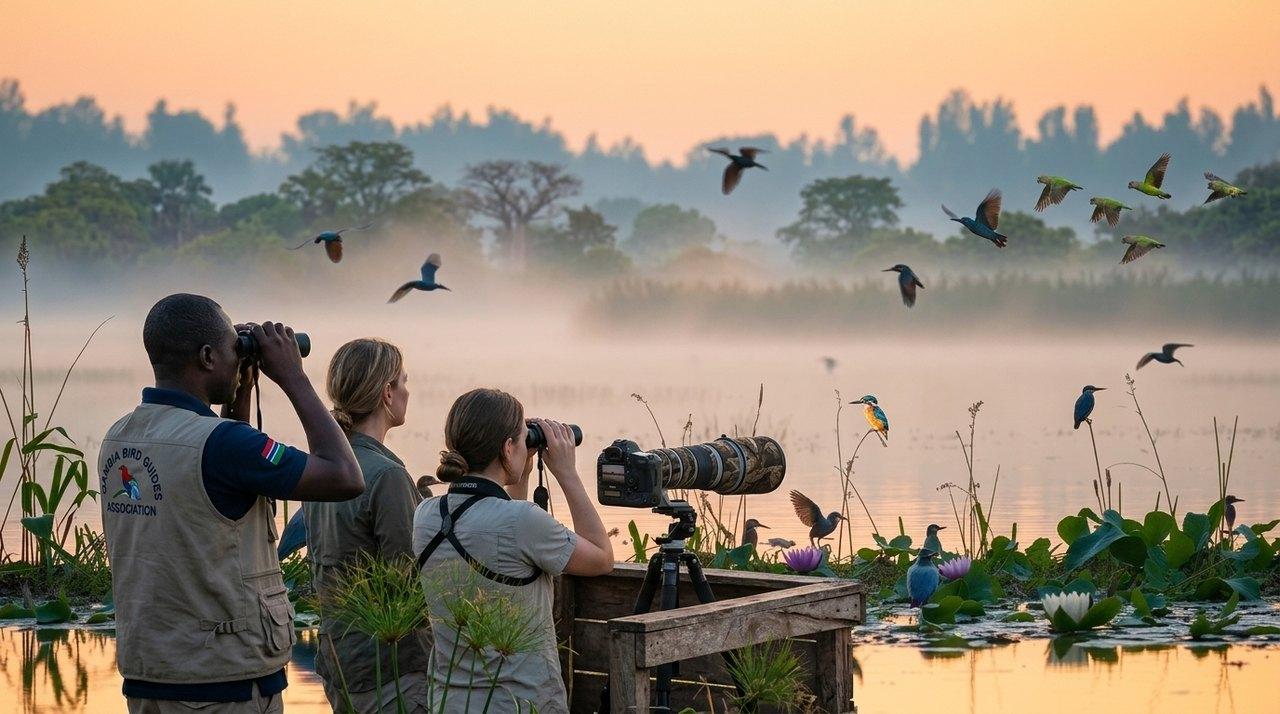
With more than 540 recorded bird species across a territory the size of a single English county, The Gambia ranks among the finest birdwatching destinations in West Africa. The concentration of varied habitats within a compact area is unique: gallery forest, mangrove, savanna and Atlantic coastline all within easy reach of one another. Gambian bird guides, widely respected for their field knowledge, will spot what the untrained eye would miss entirely. Abuko, Bijilo and Makasutu form an ideal triangle for starting a birdwatching week, whatever your experience level or target species.
The Atlantic coast beaches
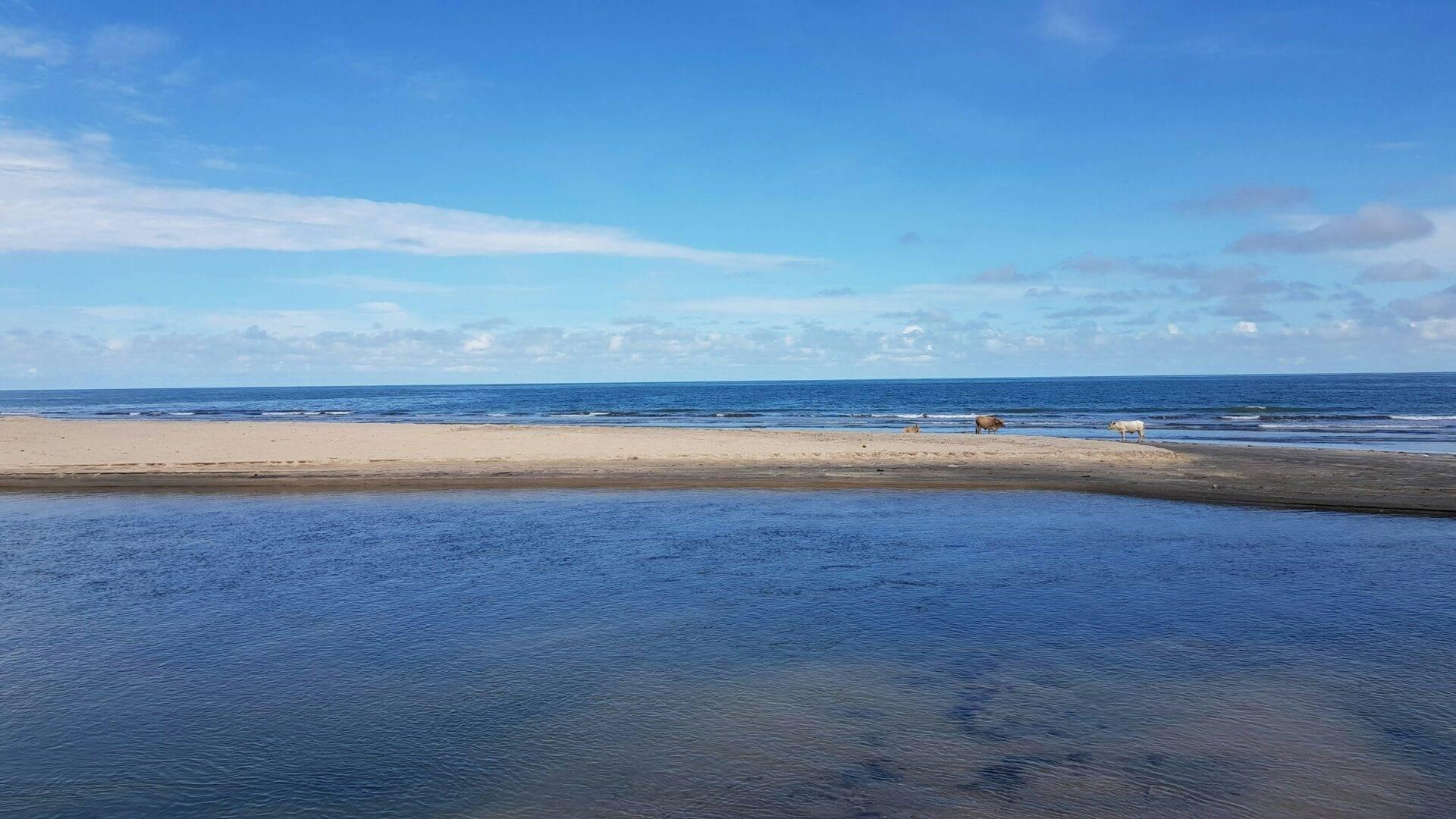
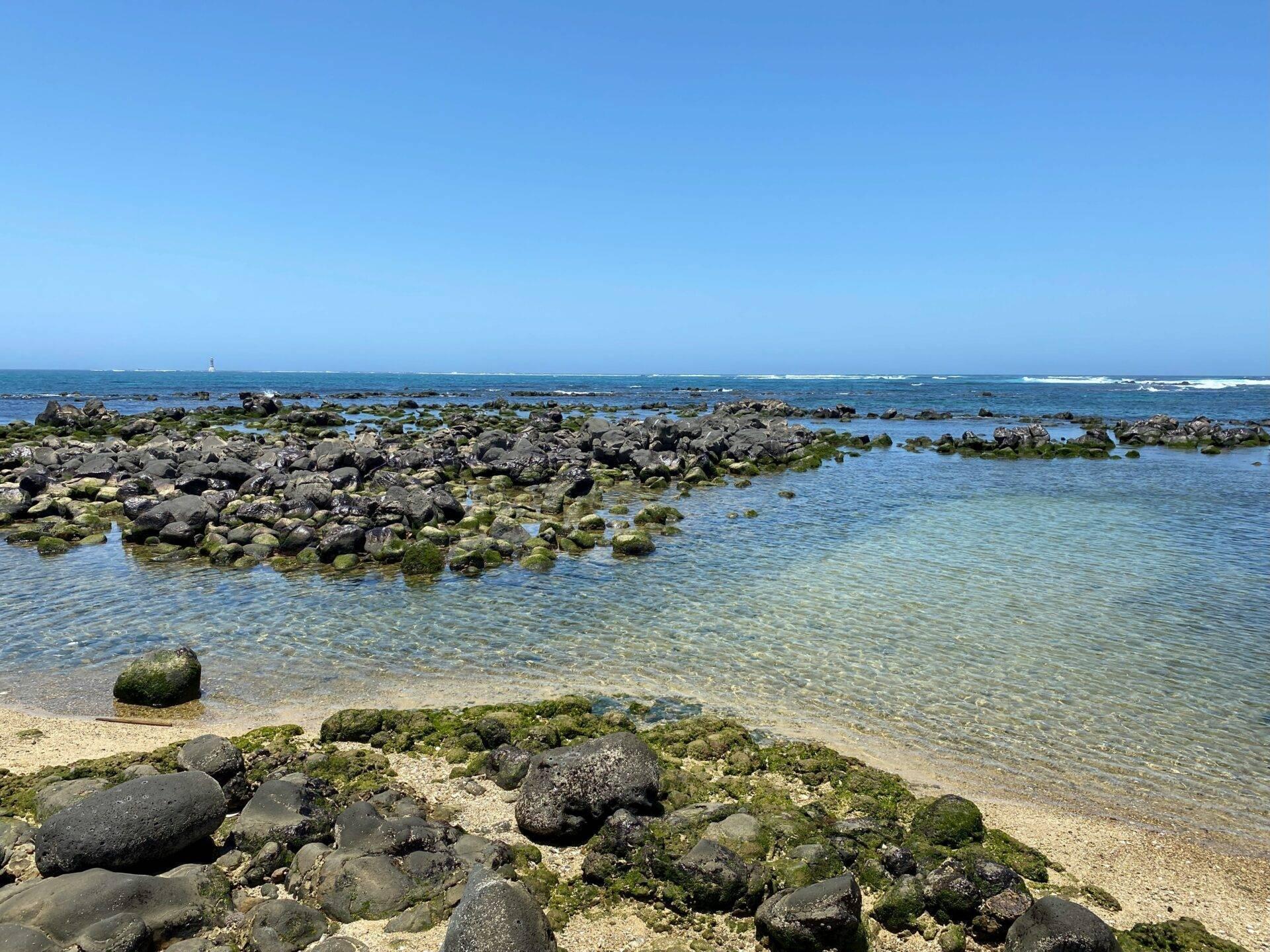
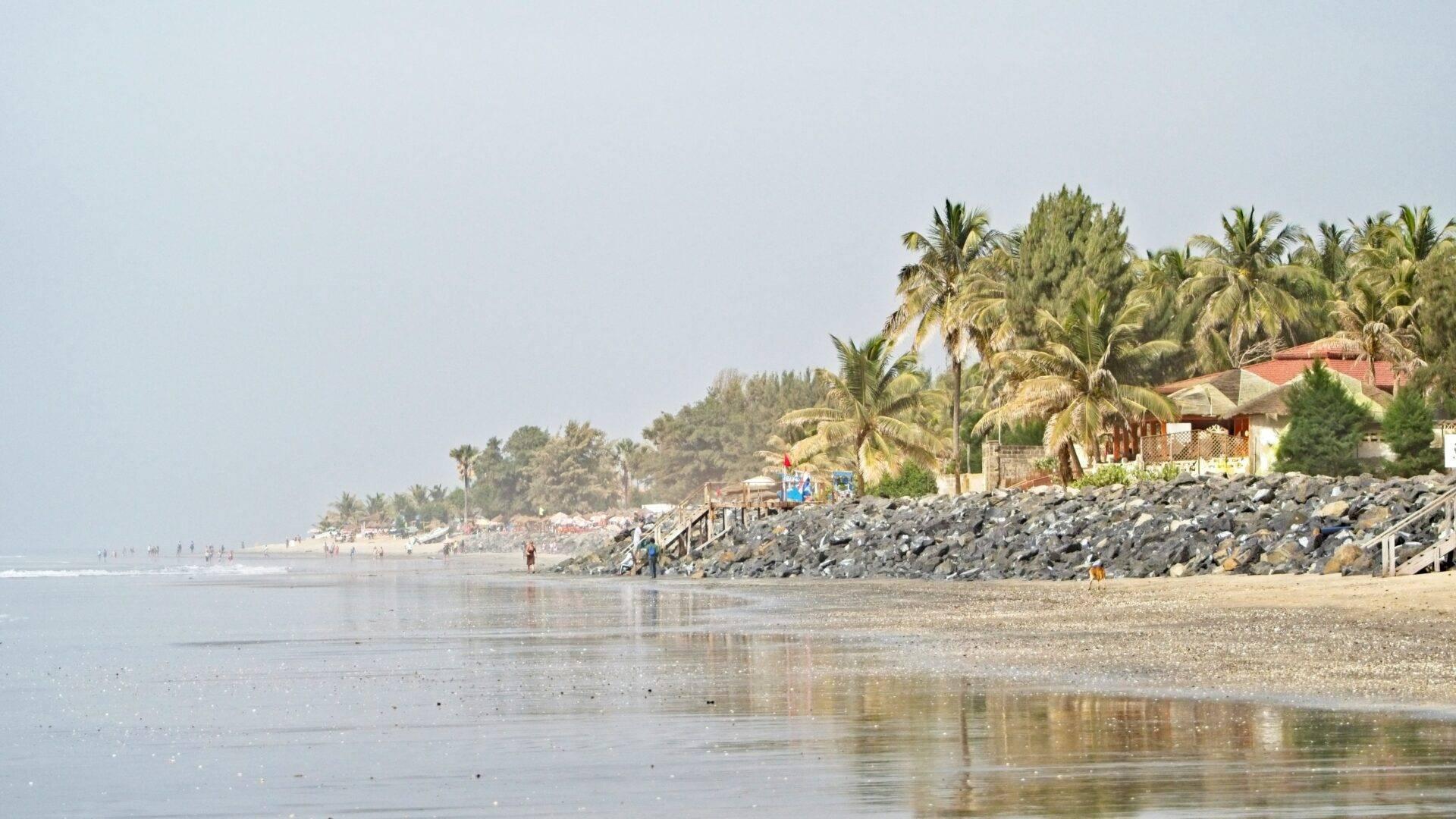
The Gambian coastline offers sandy beaches lapped by warm Atlantic waters, far less crowded than their North African counterparts. The main coastal strip runs from Banjul south to Sanyang, with several beaches within easy walking distance of hotels in the region.
10. Fajara Beach
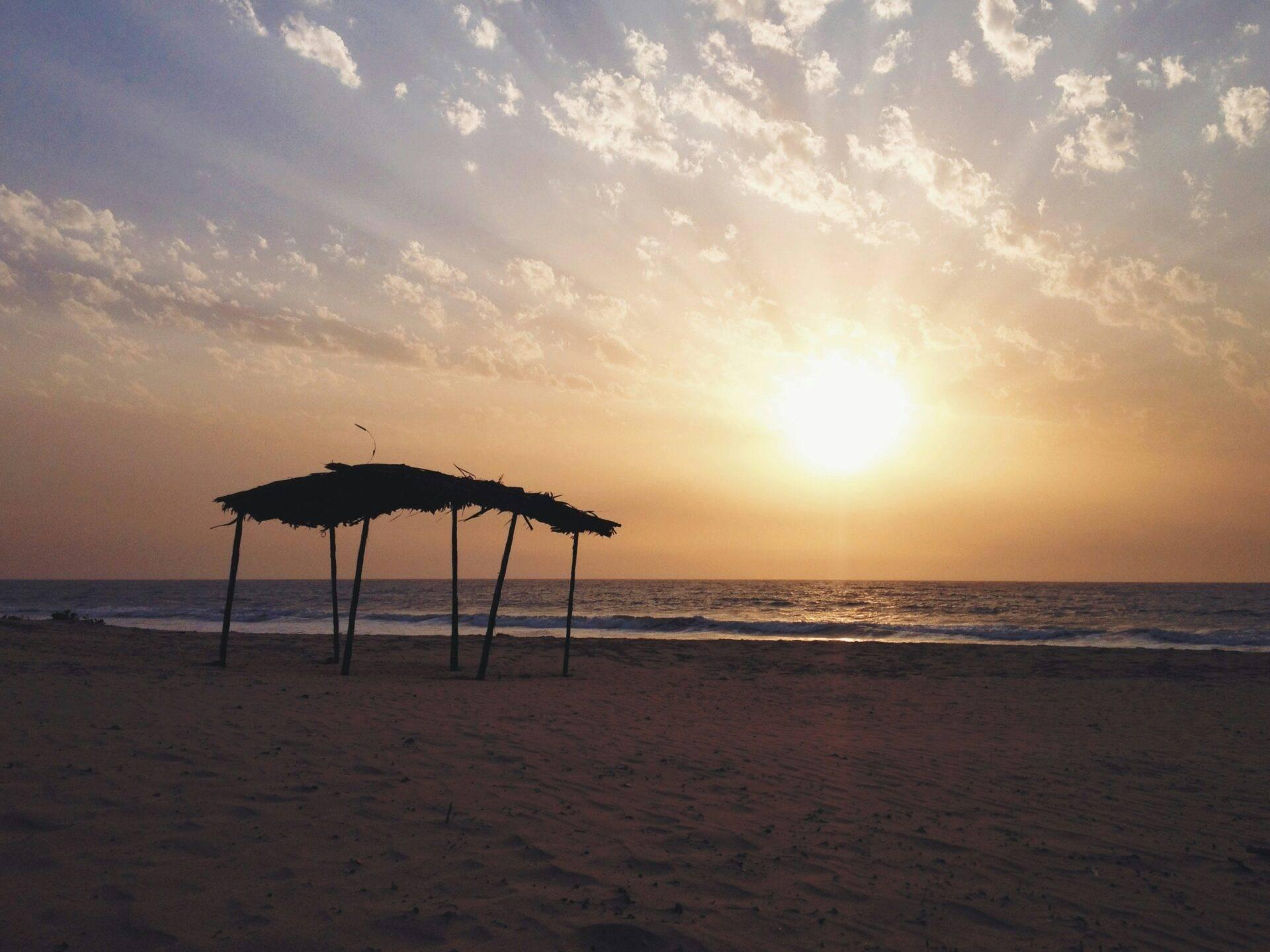
Fajara combines an immaculate beach with a quiet atmosphere, well away from the main hotel clusters. Hotels set back from the waterfront leave the sand open and uncrowded. In the late afternoon, horseback rides are available along the shore, and the Atlantic sunset is one of the standout moments of any Gambian stay.
11. Kololi and Kotu Beach
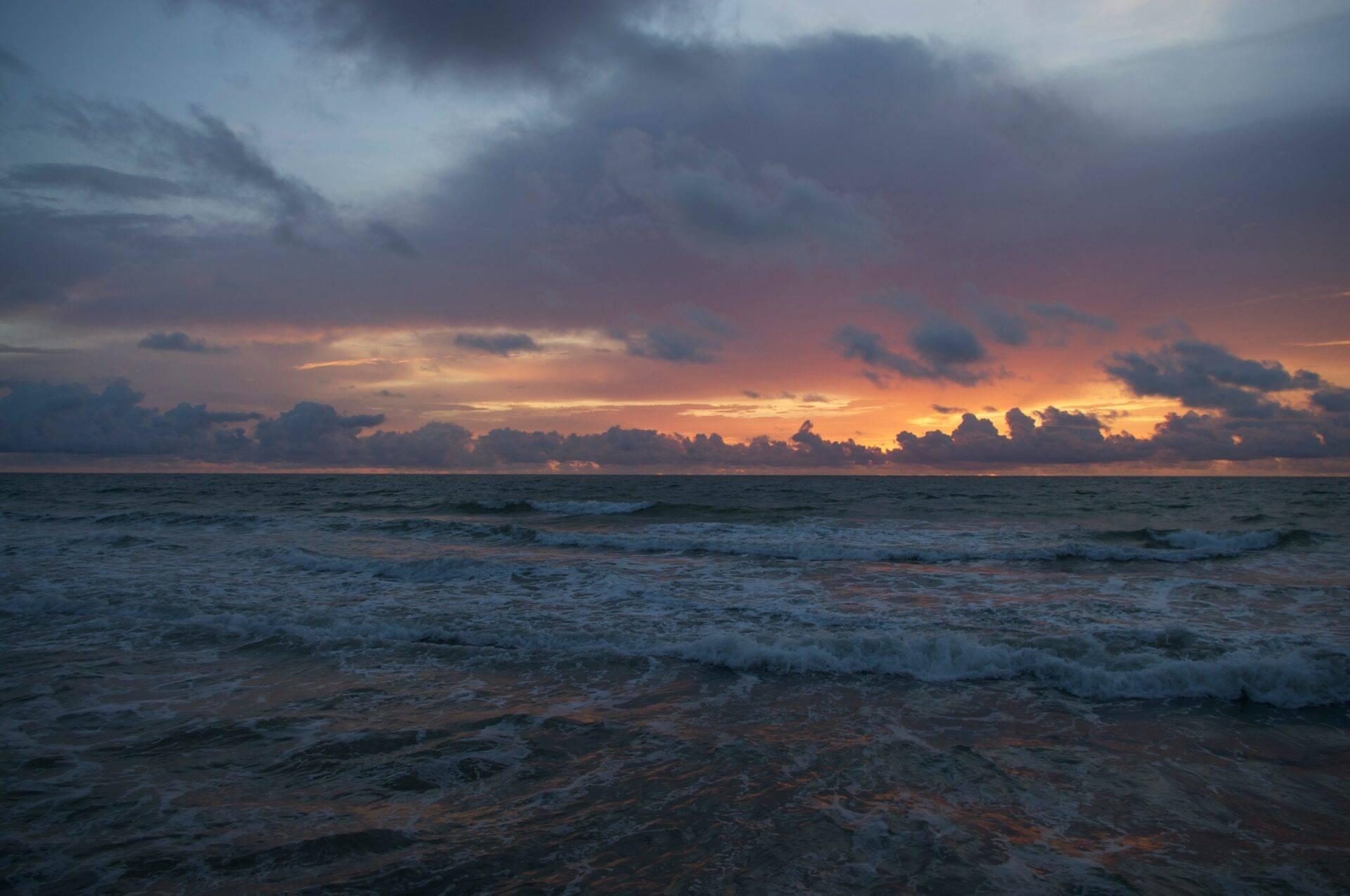
Kololi is the hub of The Gambia’s hotel strip: beach restaurants, watersports (kayaking, paddleboarding) and bars line the waterfront in quick succession. Kotu, two kilometres along, is quieter and ideal for long walks on the sand. Between the two beaches, the Atlantic sunset draws strollers and fruit sellers together every evening.
12. Sanyang Beach: the south’s bohemian shore
About 25 km south of Kololi, Sanyang, nicknamed “Paradise Beach”, remains refreshingly undeveloped, with small grilled-fish restaurants set directly on the sand. Surfers take to the Atlantic swell in season. Worth visiting before word gets out and the atmosphere changes.
Culture, villages and traditions
13. Kachikally Crocodile Pool (Bakau)
In Bakau, this sacred pool is home to around a hundred crocodiles that live peacefully alongside their keepers and visitors. For local communities, the water holds protective powers, and many Gambians come here to seek a blessing. A local guide explains the spiritual significance of the site: this is far more than a tourist curiosity.
14. Bakau: the authentic coastal town
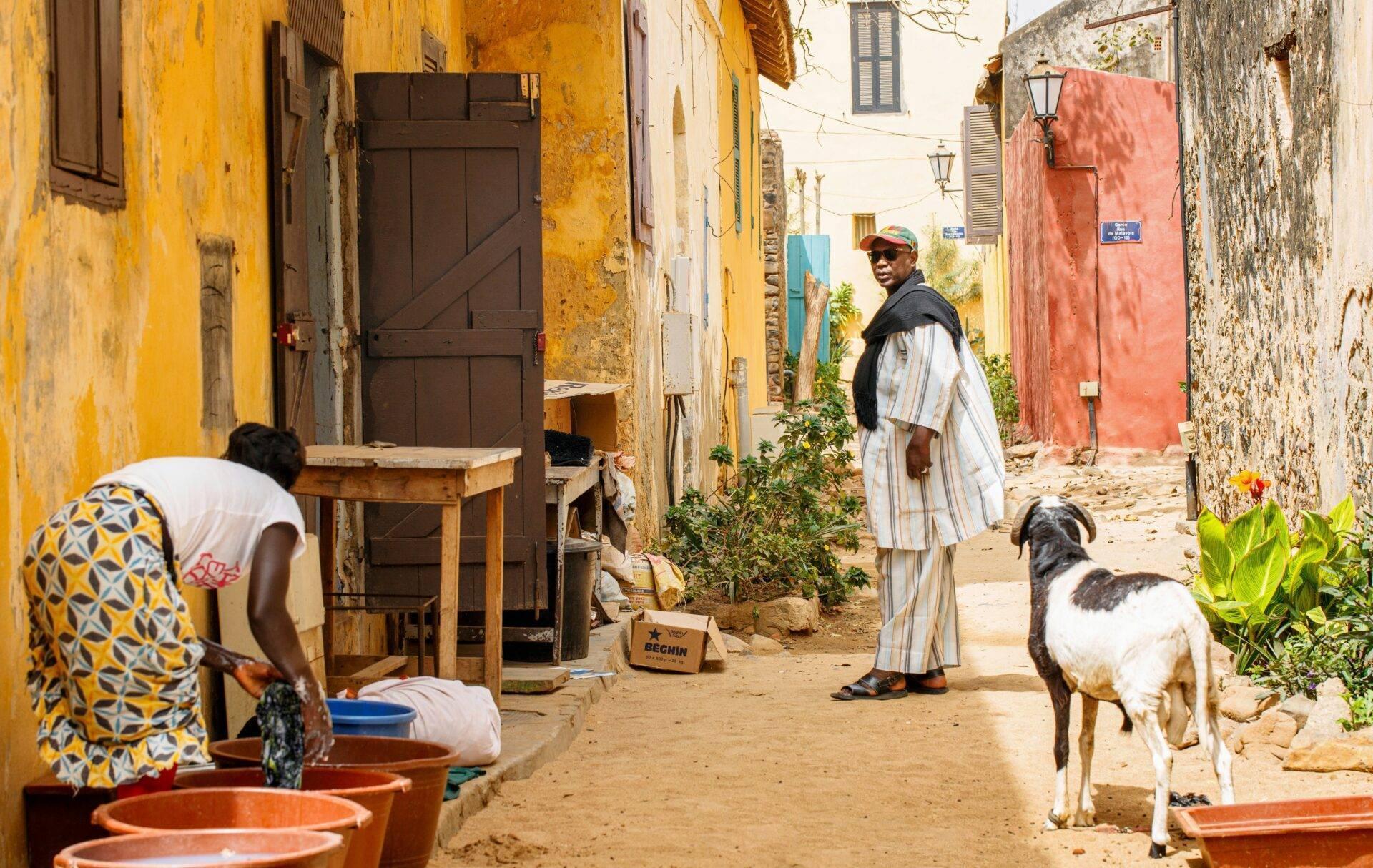
Between Banjul and the Kololi hotel zone, Bakau offers a more genuine glimpse of everyday Gambian life. Its street markets, small fish restaurants and lively waterfront are worth exploring after a visit to Kachikally. In the evenings, painted fishing boats return to harbour and the quayside becomes a scene you want to photograph.
15. Tanji Village and the fish market
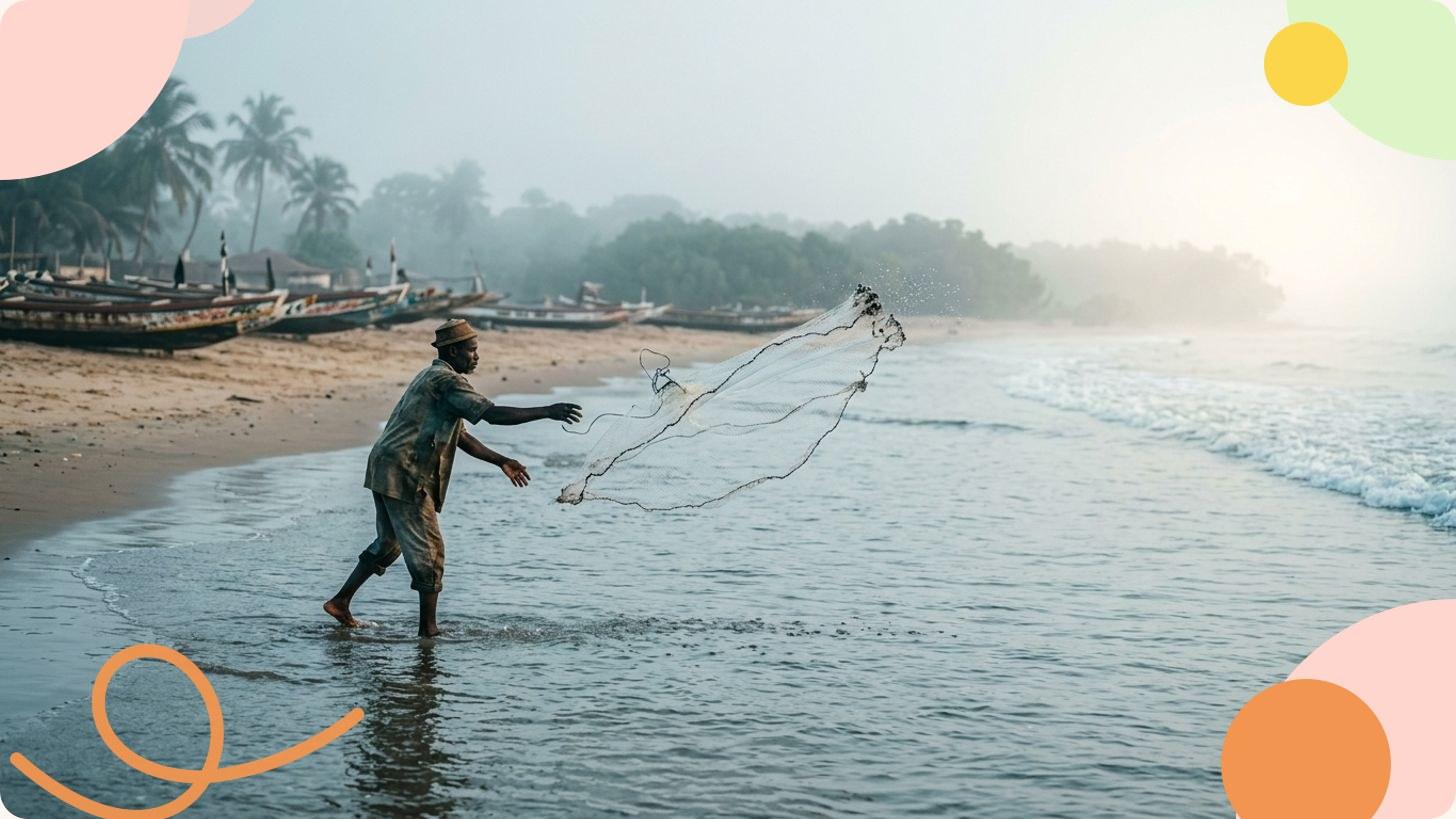
Tanji is the main fishing village on the Gambian coast. Each morning at dawn, the pirogues return laden with the night’s catch and the fish market springs to life for a few hours in a striking swirl of colour and smell. The Tanji Museum rounds off the visit with displays on local crafts and the natural history of the coastline.
16. The Makasutu Cultural Village
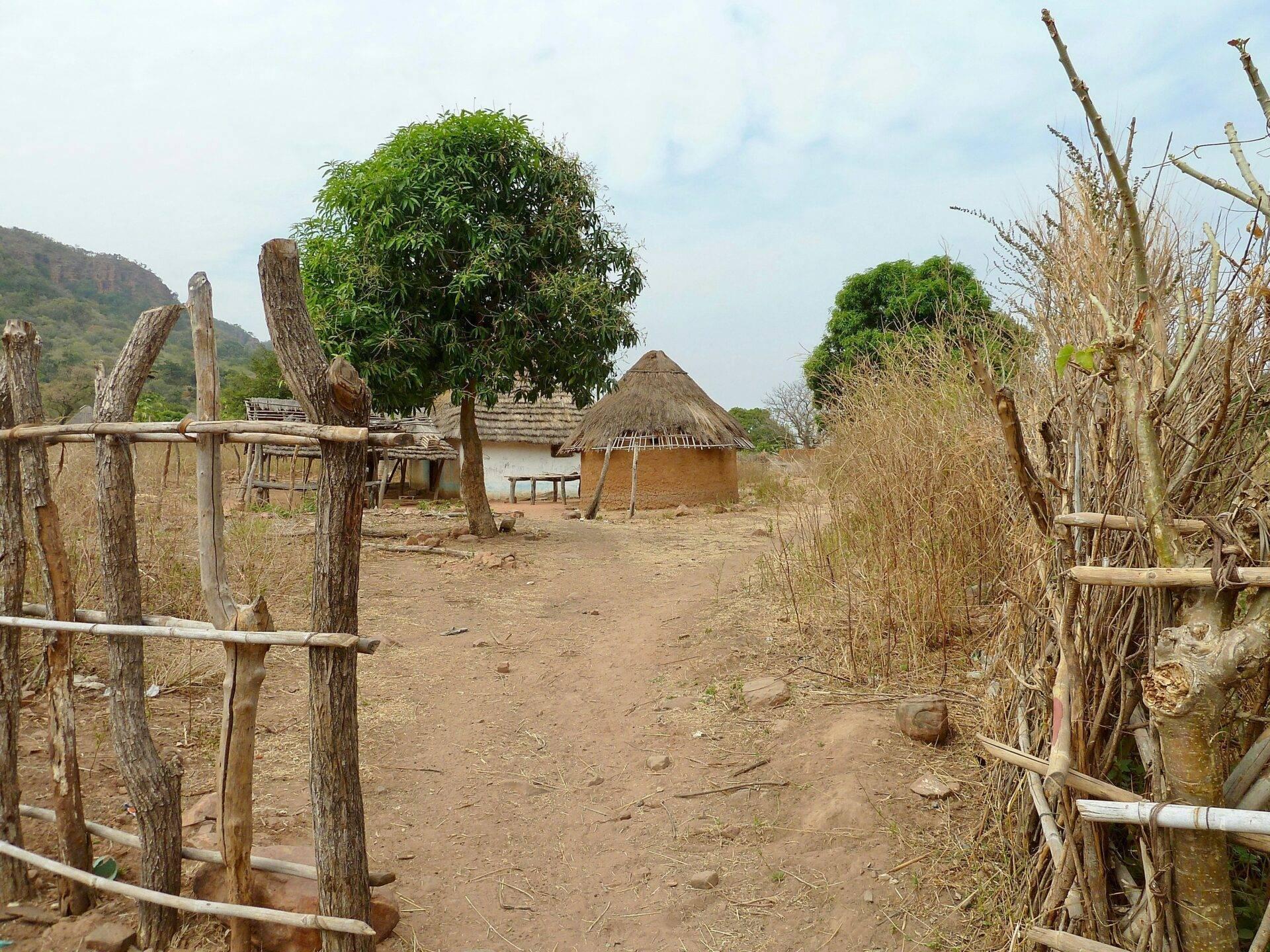
Adjacent to the forest, this village offers demonstrations of Mandinka architecture (mud-brick roundhouses, millet granaries), indigo-dyeing workshops and introductions to local dances. The experience flows naturally into an evening around a campfire with live musicians. Combine it with the Makasutu forest excursion on the same day for a full and rewarding itinerary.
History and UNESCO heritage
17. Jufureh and Kunta Kinteh Island
Jufureh is a village on the north bank of the Gambia River made famous by Alex Haley’s novel Roots (1976), which traces part of his family’s journey into slavery back to this spot. A short pirogue ride away, Kunta Kinteh Island (formerly James Island), a UNESCO World Heritage Site, preserves the ruins of a colonial fort that served as a slave-trading post. The river crossing and the island’s museum give the visit a depth that is rarely matched elsewhere in The Gambia.
For practical information before you travel (health, recommended vaccinations, budget), see our page Gambia travel insurance.
18. The Wassu Stone Circles
At Wassu, in the Central River region, 11 laterite monolith circles form one of West Africa’s most impressive archaeological sites. The stones date from between the 3rd century BC and the 16th century, and the site is part of the Stone Circles of Senegambia, inscribed on the UNESCO World Heritage List in 2006, a designation shared between The Gambia and neighbouring Senegal. An on-site museum accompanies the visit.
19. The International Roots Festival
Held in The Gambia since 1996 on a biennial basis, the festival draws members of the African diaspora from across the world to honour the shared heritage of Africa and its descendants. Concerts, historical visits to Jufureh and cultural exchanges make this one of the most singular events in The Gambia’s calendar. The festival typically takes place in May, though exact dates vary by edition.
20. A pirogue trip on the Gambia River
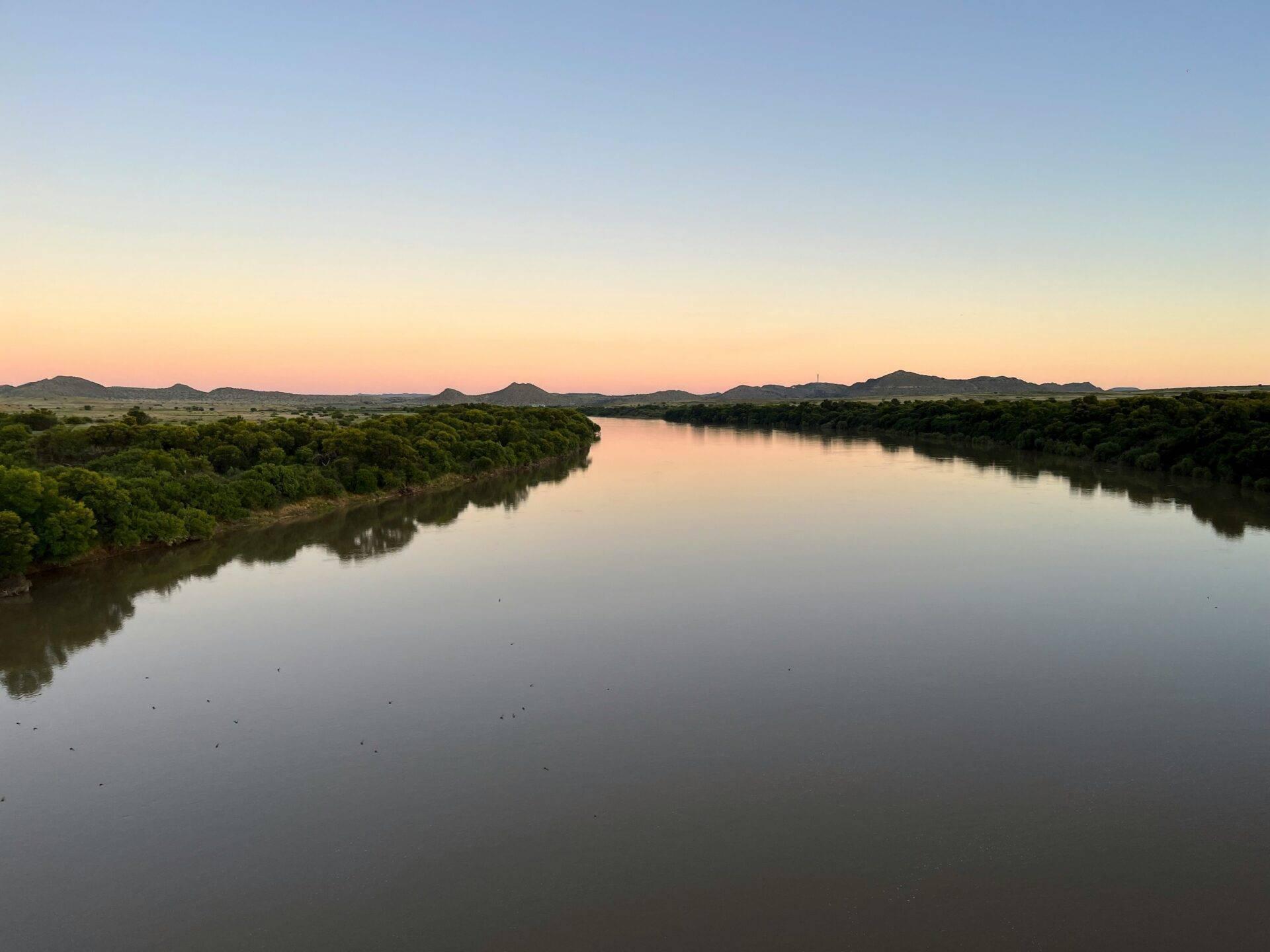
The river runs the full width of the country from east to west. A half-day or full-day excursion reveals a side of The Gambia that no road can show: riverbank villages, mangroves alive with birds, hippos visible in the early morning. Local operators offer departures from Banjul or from Janjanbureh (Georgetown) heading upriver towards the national parks. One of the simplest ways to see a great deal of The Gambia in a short time.
For more travel ideas in sub-Saharan Africa, our guide to things to do in South Africa explores the highlights of another African destination with a very different character.
FAQ
When is the best time to visit The Gambia?
The dry season, from November to May, offers the ideal conditions: near-constant sunshine, comfortable temperatures and more visible wildlife in the national parks, as low vegetation concentrates animals around water sources.
Is The Gambia safe for tourists?
The Gambia is considered one of the safest destinations in West Africa and has welcomed European visitors for several decades. As with any trip, it is advisable to avoid displaying valuables and to check the travel advice issued by your government before departure.
How many days do you need to visit The Gambia?
A week is enough to cover the essentials: Banjul, the coastal strip, one or two nature reserves and a pirogue excursion. Two weeks gives you time to venture upriver to Jufureh, Wassu and the Gambia River National Park.
Are the beaches in The Gambia worth it?
Absolutely. The Gambian Atlantic coast offers sandy beaches that remain largely uncrowded, from Fajara down to Sanyang. The latter, still almost entirely undeveloped, is the perfect spot for a grilled-fish lunch with your feet in the sand in a relaxed, unhurried setting.
Can you combine The Gambia and Senegal in one trip?
Easily. The Gambia is entirely surrounded by Senegal, and the border crossings are straightforward for most travellers. The megalithic stone circles of Senegambia are, in fact, shared between the two countries. The Casamance region on the Senegalese side makes a natural extension for anyone wanting to spend more time in West Africa.