
Brazil packs an extraordinary range of must-see places into a single country: from the Christ the Redeemer statue towering over Rio to the white dunes of the Lençóis Maranhenses, taking in the Amazon rainforest, Iguaçu Falls and UNESCO-listed colonial towns along the way. Here are twenty iconic places and experiences to build your itinerary around, whether you have ten days or a month. For everything on entry requirements, recommended vaccinations and health cover, see our Brazil travel insurance page.
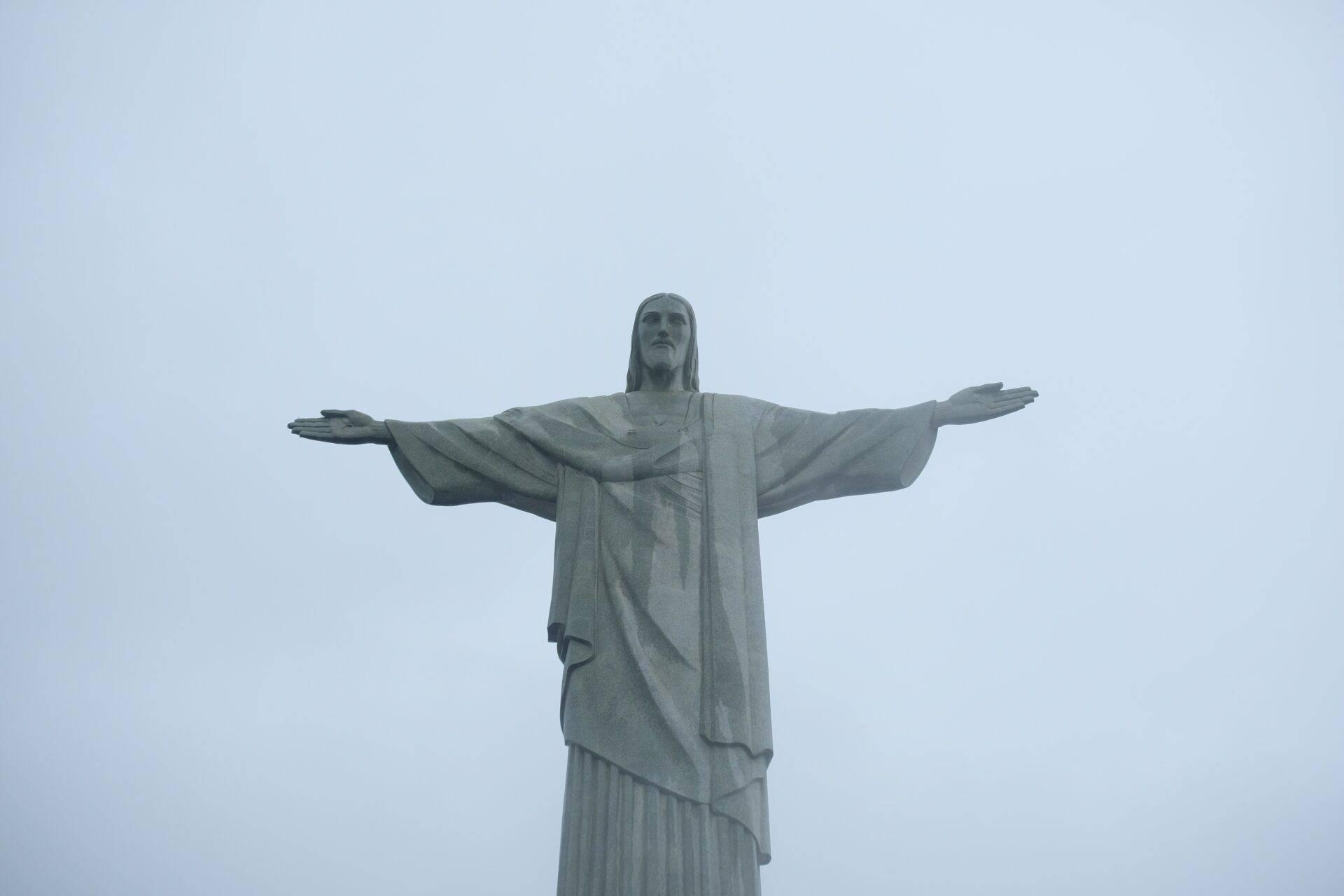
Christ the Redeemer, Rio de Janeiro
Perched at the top of Corcovado at 710 metres above sea level, Christ the Redeemer is the image the whole world associates with Brazil. The statue stands 38 metres tall in total (including an 8-metre pedestal) and weighs 1,100 tonnes. From the viewing platform, a single glance takes in Guanabara Bay, Sugarloaf Mountain, Copacabana and Ipanema. You can reach it by cog railway from the Cosme Velho district, or on foot via the trails of Tijuca Forest.
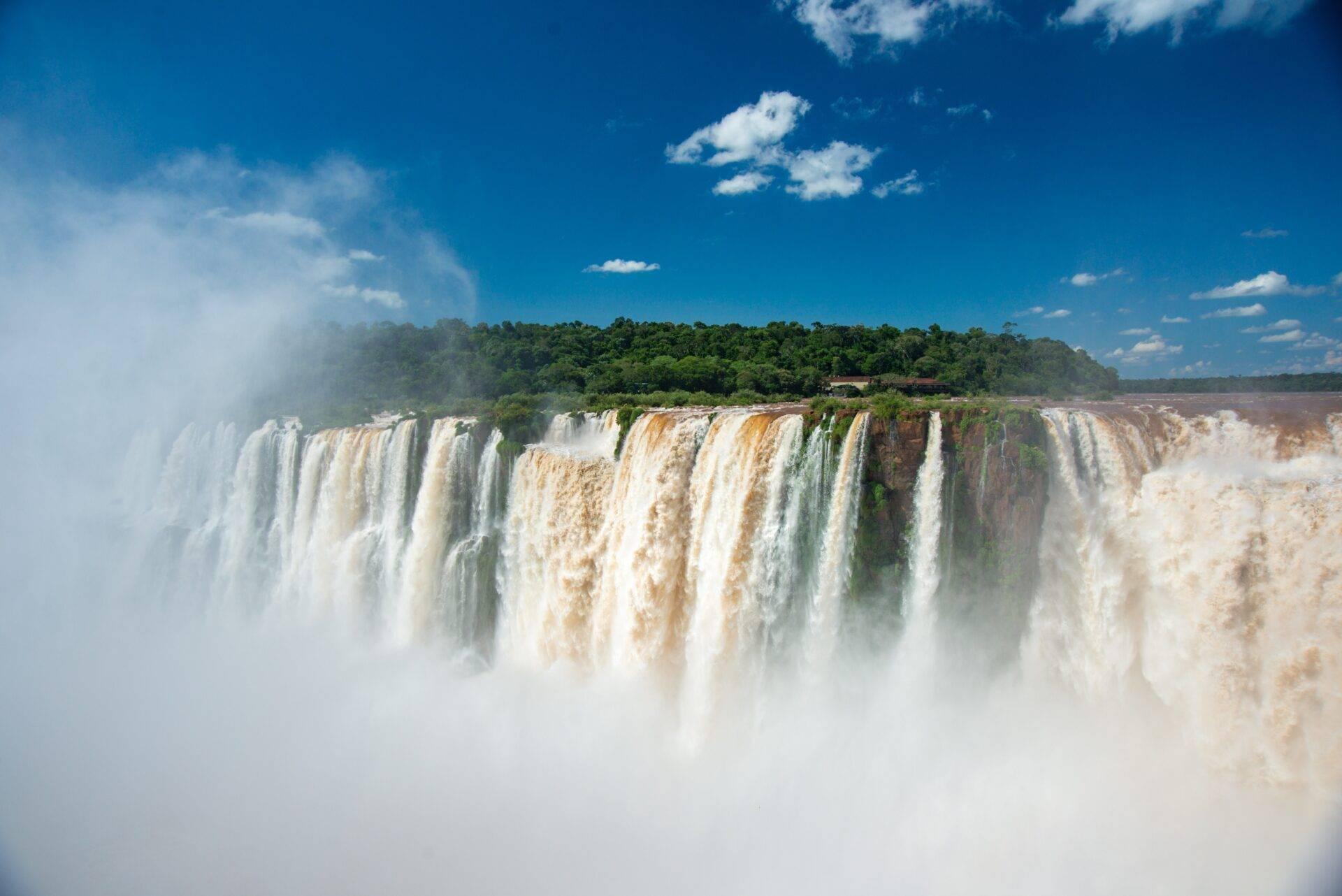
Iguaçu Falls, Paraná
On the border with Argentina, Iguaçu Falls spreads more than 270 cascades across several kilometres, listed as a UNESCO World Heritage Site on both sides of the border. The Brazilian walkway offers a sweeping panoramic view of the entire system; the Garganta del Diablo on the Argentine side places you right at the heart of the most powerful fall. The surrounding rainforest is home to toucans, coatis and hundreds of endemic species.
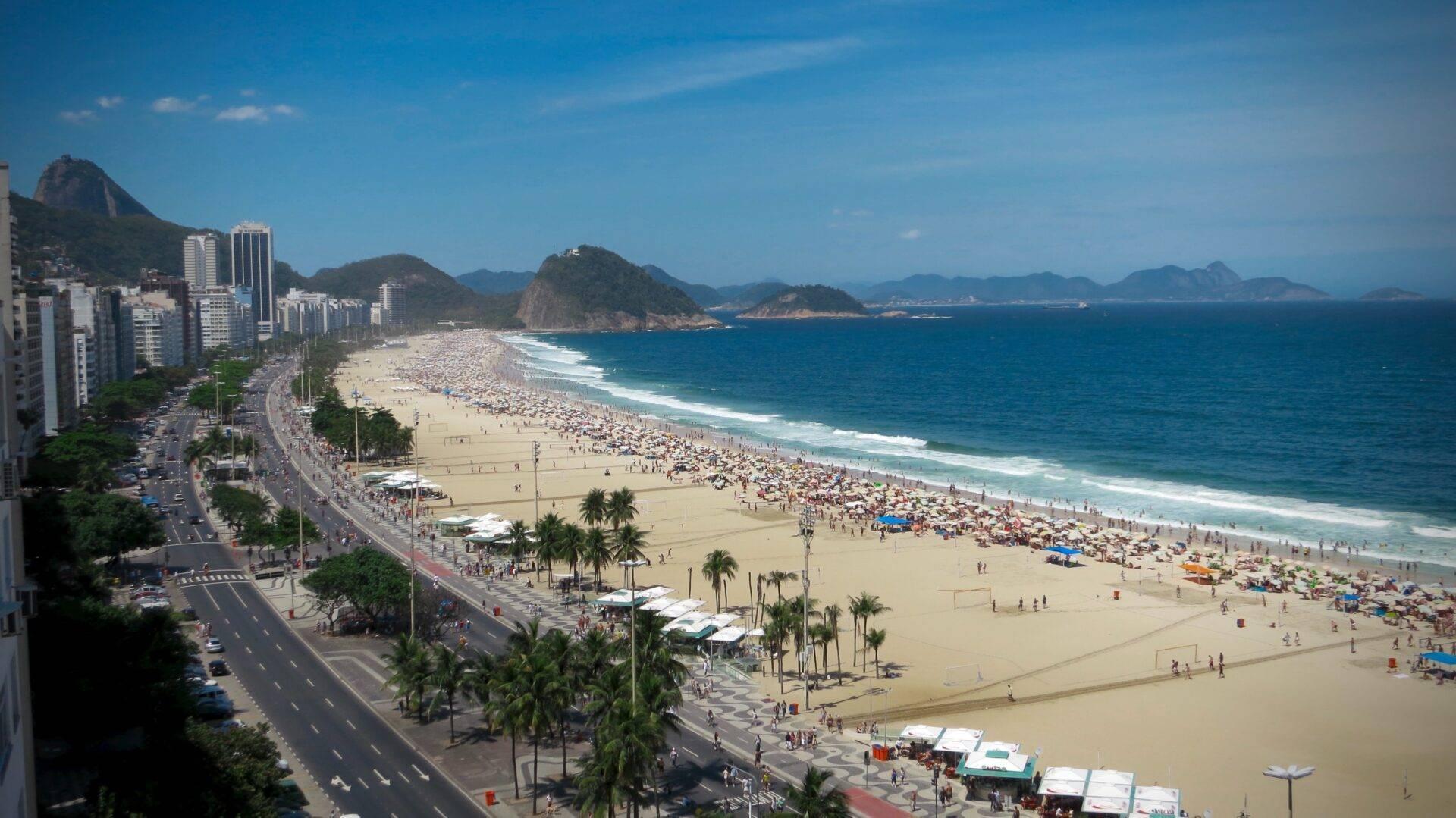
Copacabana Beach, Rio de Janeiro
Four kilometres of sand lined by a wavy mosaic pavement: Copacabana is one of the most famous urban beaches in the world. In the morning, retirees walk briskly along the shore; in the afternoon, footvolley matches spring up spontaneously. Street vendors sell iced maté, cocada and biscoito de polvilho. It is the place to catch carioca life at its most everyday.
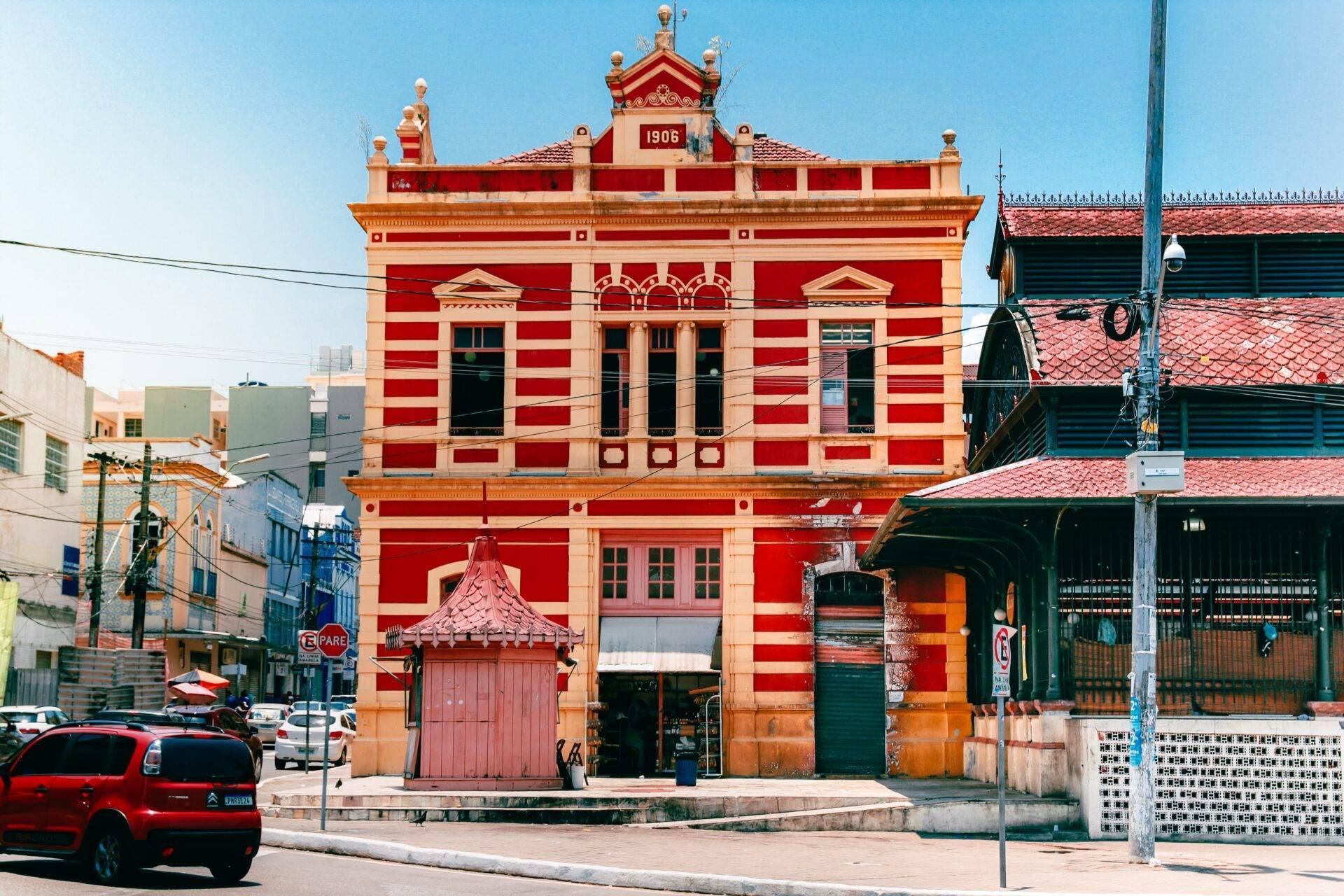
Manaus and the Gateway to the Amazon
In Manaus, the wilderness begins where the city ends, sometimes before it. The historic centre preserves reminders of the great rubber boom era, including this red-and-white colonial building dating from 1906. This is where the “encontro das águas” takes place: the dark waters of the Rio Negro and the pale waters of the Solimões flow side by side for dozens of kilometres without mixing. The city serves as a base for river cruises and lodge stays deep in the Amazon.
Rio Carnival
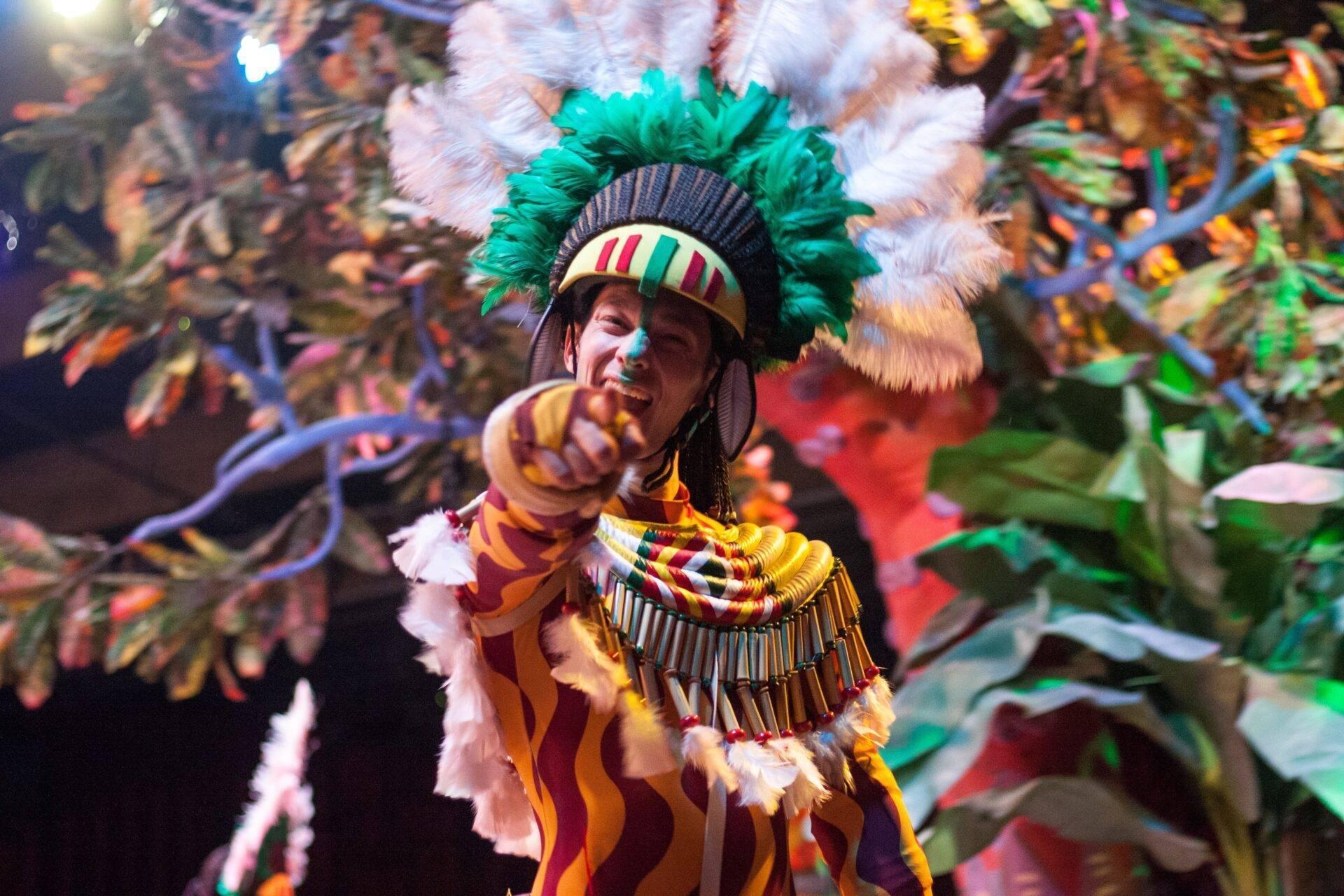
Every year before Mardi Gras, Rio becomes the most festive city on the planet. At the Sambadrome, samba schools compete with elaborate floats and costumes in parades that have been prepared for months. In the streets, “blocos” draw joyful crowds for kilometres. For a full understanding of carnival, its rituals, its schools and its music, our article Rio Carnival covers it in depth.
The Pantanal
One of the world’s largest tropical wetlands, the Pantanal is the place on earth where spotting a wild jaguar is most likely. The dry season, from May to October, concentrates wildlife around water sources: caimans, capybaras, giant otters and several hundred bird species. Stays at a fazenda allow you to explore on horseback or by 4x4. A trip to such a remote environment calls for solid medical cover, including repatriation.
Get my Yupwego quote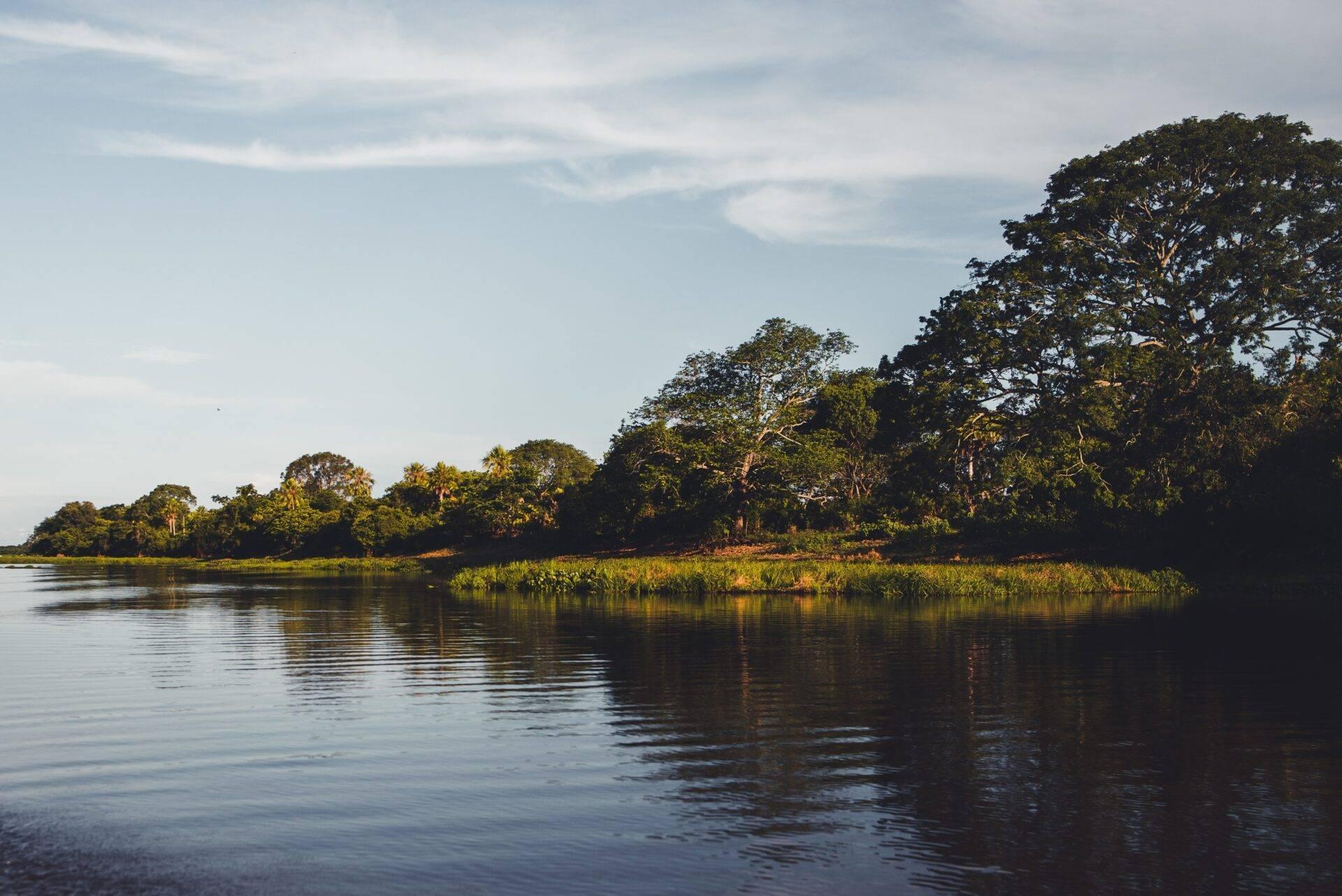
Ipanema Beach, Rio de Janeiro
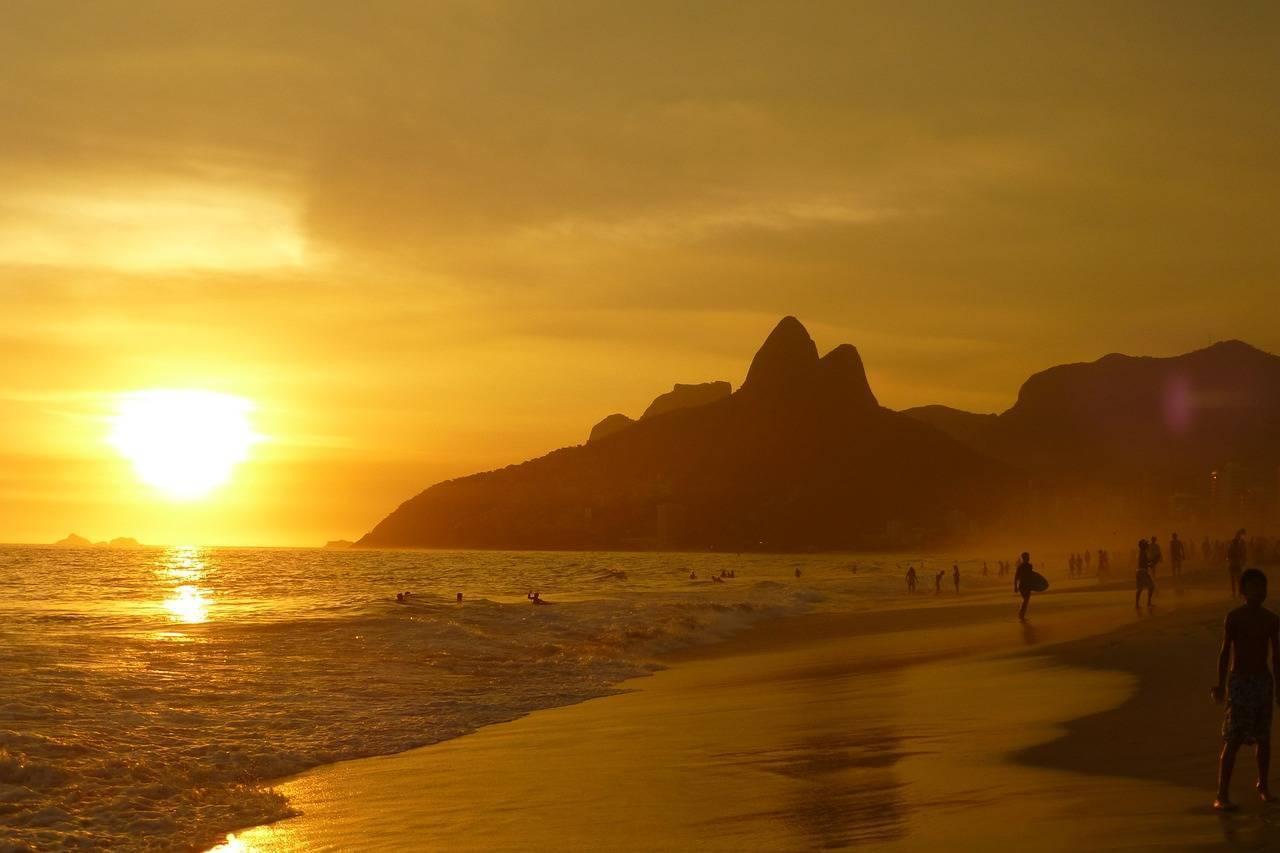
Next door to Copacabana but with a very different feel, Ipanema draws a local and fashionable crowd. The Dois Irmãos mountains and Morro do Leblon frame it like a painting. Every sunset there draws a spontaneous round of applause. The neighbourhood behind the beach is home to some of the city’s best restaurants.
Ouro Preto, Minas Gerais
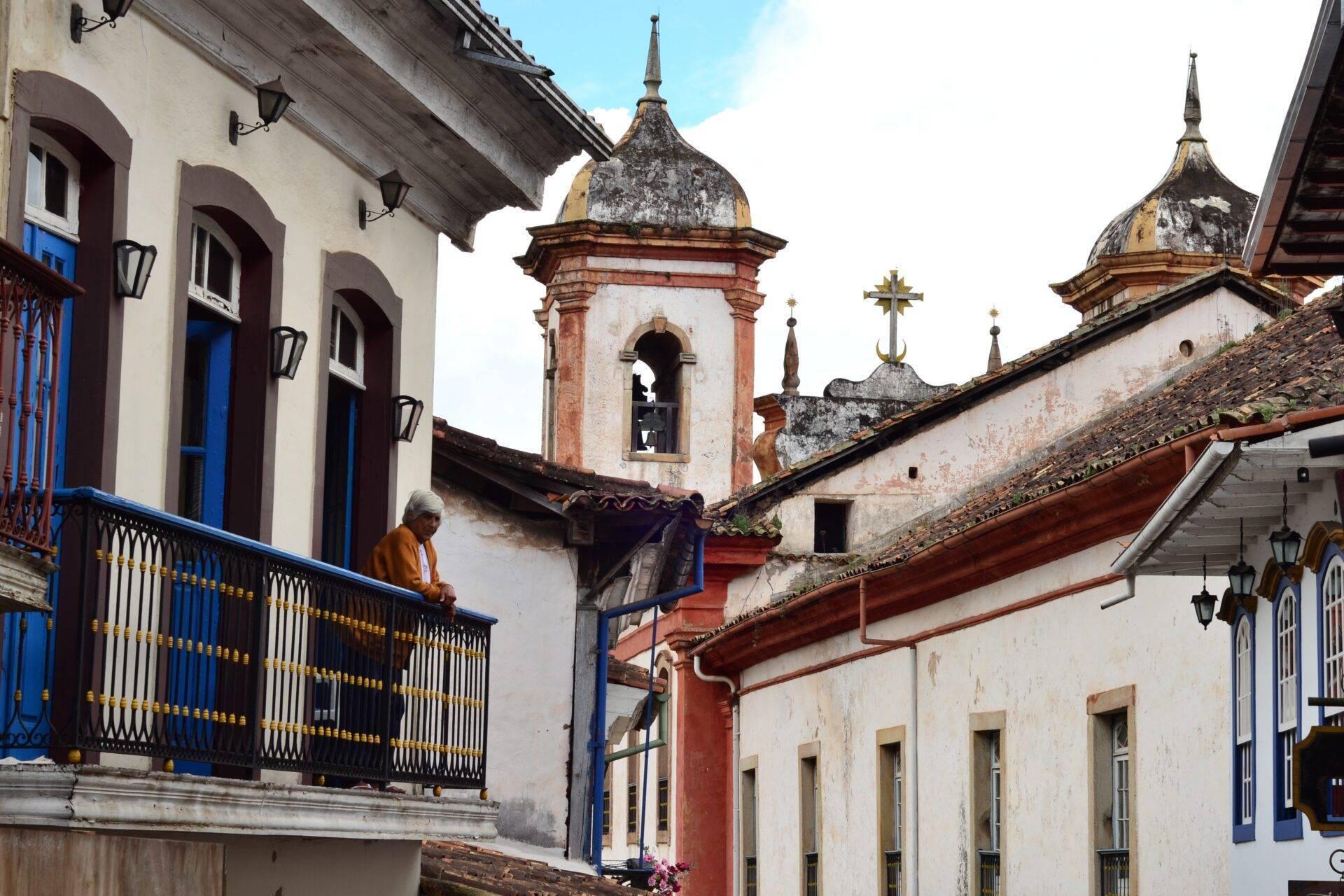
A UNESCO World Heritage Site since 1980, Ouro Preto is a Baroque town frozen in the 18th century. Its cobbled lanes climb between white facades with coloured shutters. Its 13 soapstone churches are among the finest in Latin America. A flagship city of the gold cycle, Ouro Preto was once one of the wealthiest cities in the Americas. Its museums tell that story with rare honesty.
Olinda, Pernambuco
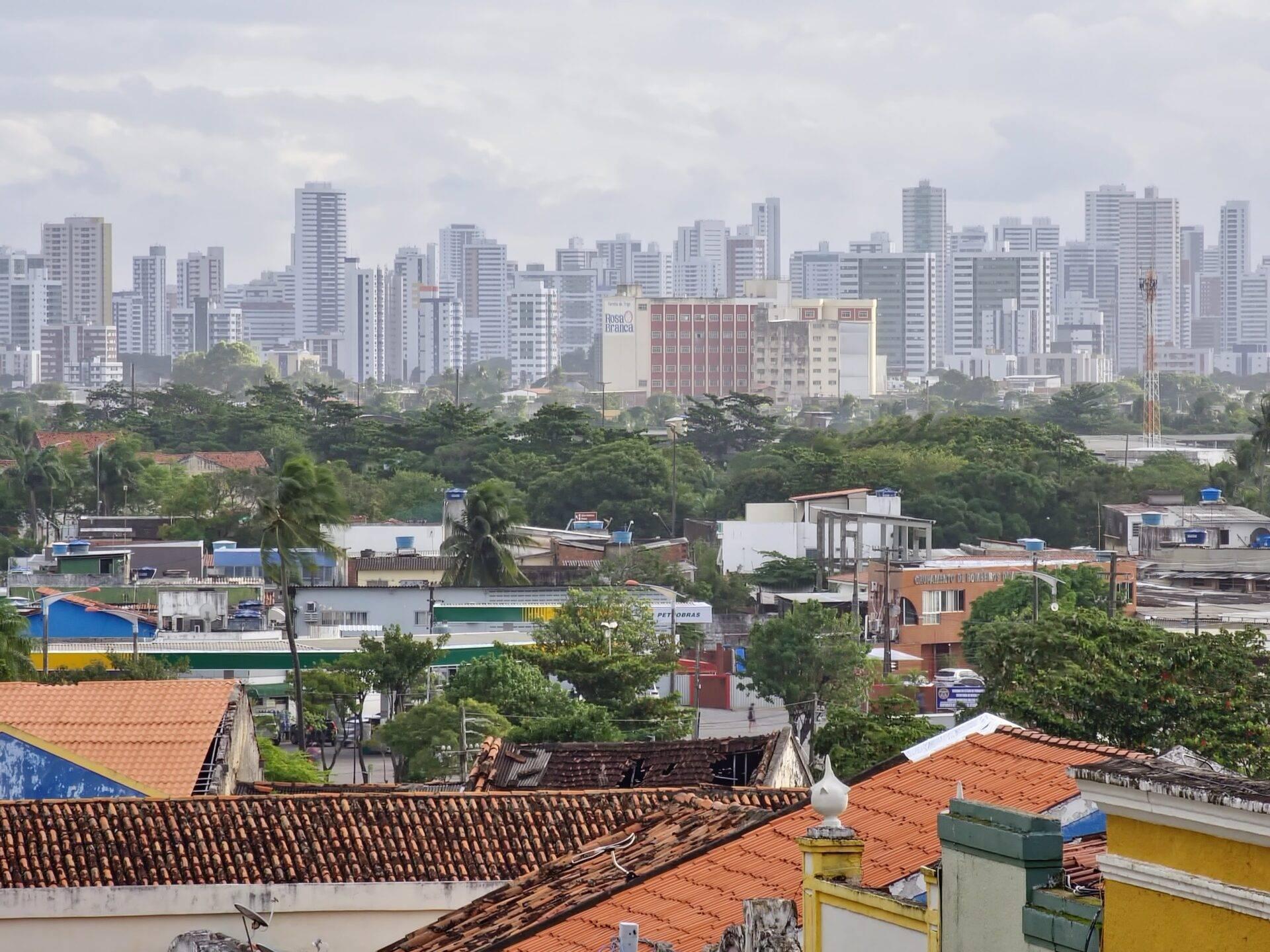
A UNESCO listing since 1982, Olinda has crowned a hill in the Northeast since the 16th century. Its colourful lanes, artists’ workshops and seven convents make it one of the best-preserved colonial towns on the continent. Its proximity to Recife, visible in the background from the hilltops, illustrates the striking contrast between the historic town and the modern metropolis. During carnival, giant “bonecos” puppets carried through the sloping streets put on a truly unique spectacle.
Salvador and the Pelourinho, Bahia
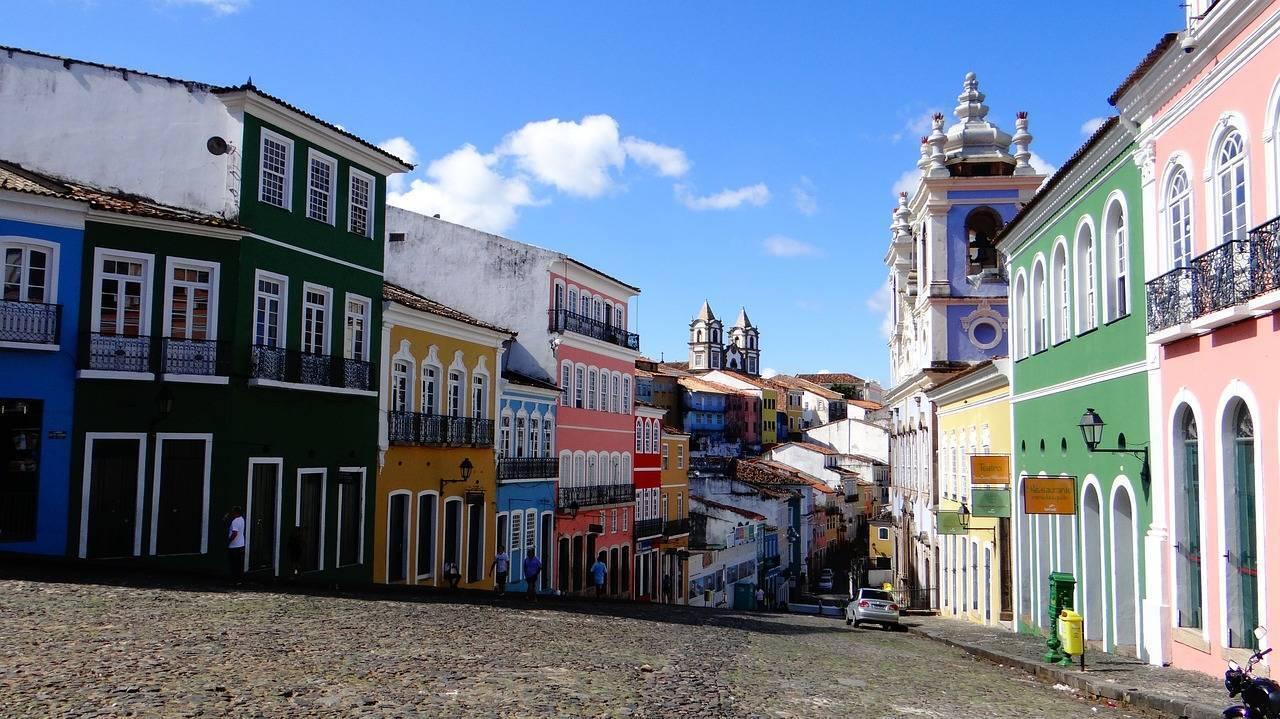
Salvador is the city that best embodies Afro-Brazilian culture. Its historic centre, the Pelourinho, a UNESCO site since 1985, lines up colourful colonial buildings and ornate Baroque churches. Capoeira is practised in the streets, candomblé is very much alive, and Bahian cuisine (acarajé, moqueca) is an experience in its own right.
Jericoacoara, Ceará
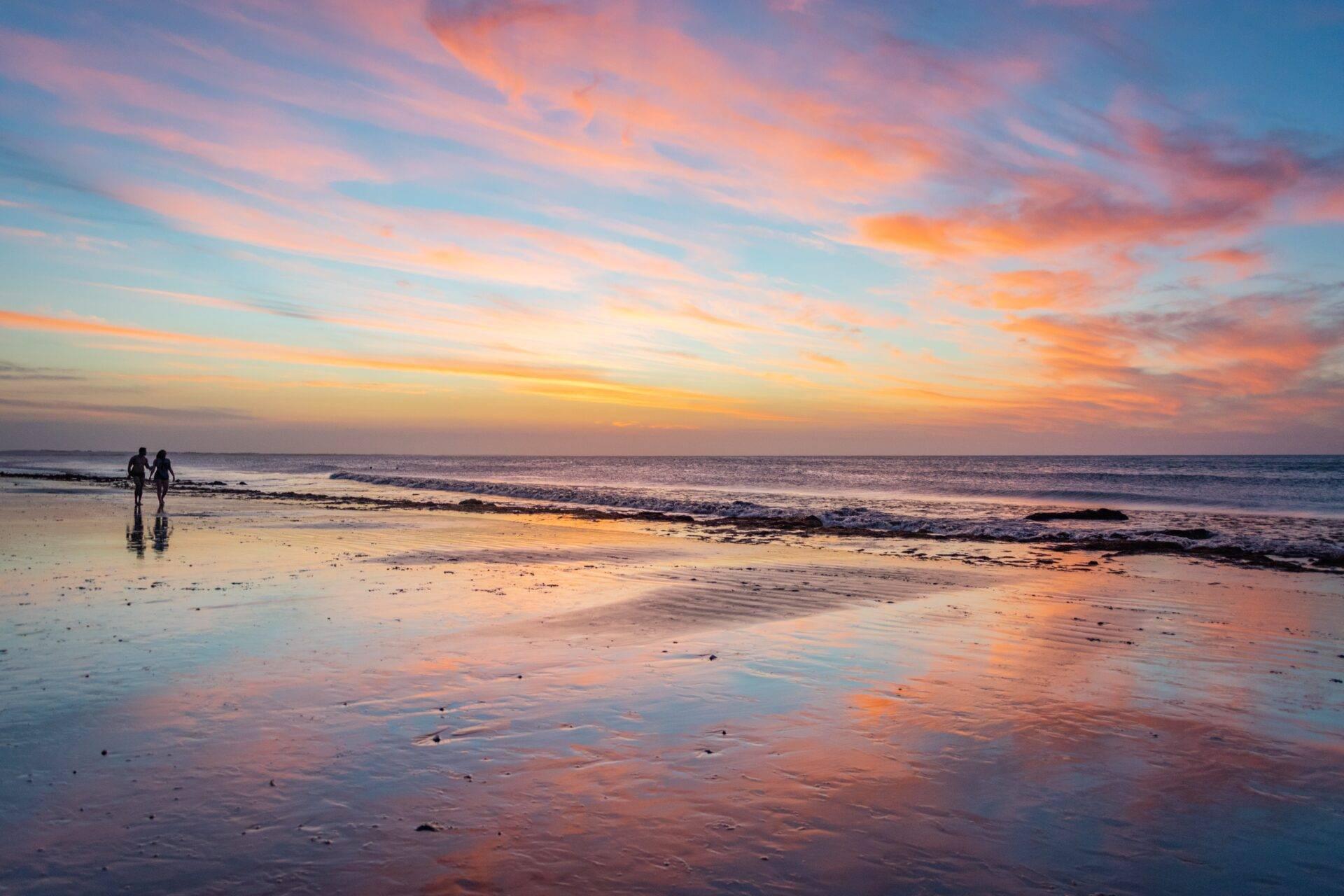
“Jeri” is reached via a sandy track from Jijoca, which naturally keeps the crowds at bay. The village lives by the wind: kite-surfing and windsurfing are practised at a high level, the dunes offer natural sandboarding terrain, and freshwater lagoons invite you to swim. Every evening, the sunset from the main dune draws together the community of travellers who have made this place their base.
Fernando de Noronha
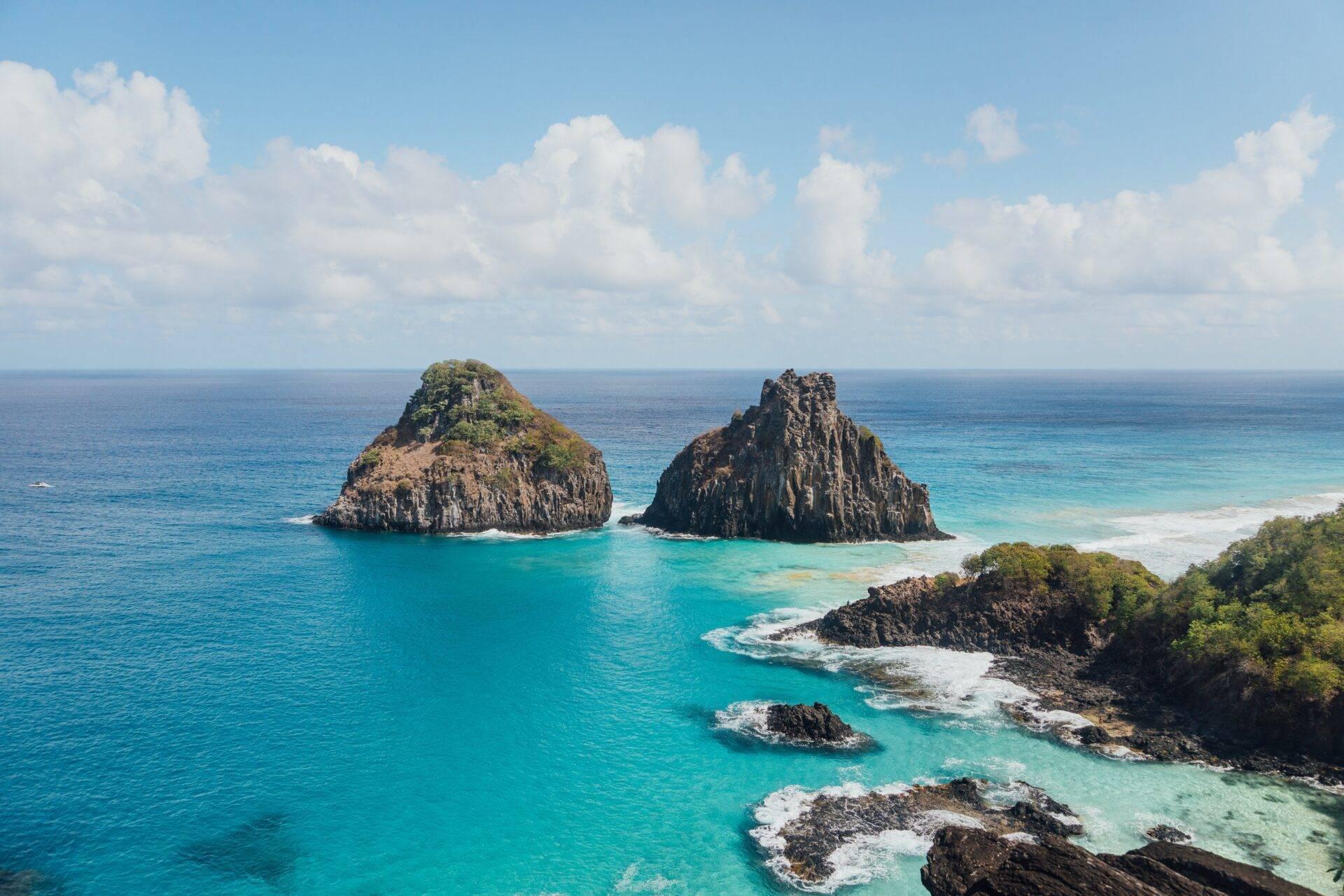
An archipelago roughly 350 km off the coast, Fernando de Noronha limits access to protect its coral reefs. Its waters rank among the clearest in the tropical Atlantic. Every morning, hundreds of spinner dolphins come to rest in the Baía dos Golfinhos. The beaches of Baía do Sancho and Cacimba do Padre regularly feature among the most beautiful in the world.
To dig deeper into Brazil’s beach options, our guide to the most beautiful beaches in Brazil covers the choices region by region.
The Lençóis Maranhenses, Maranhão
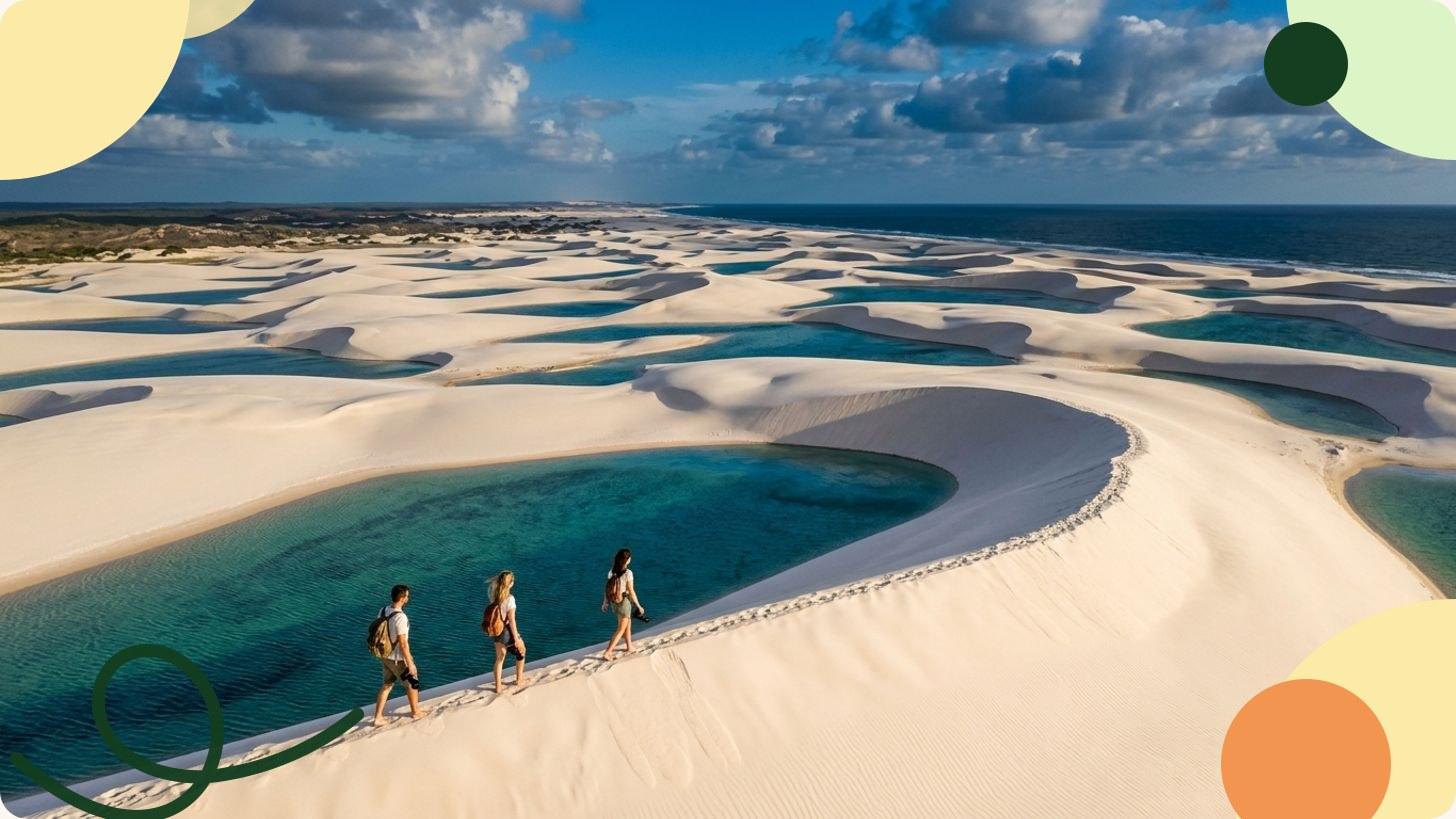
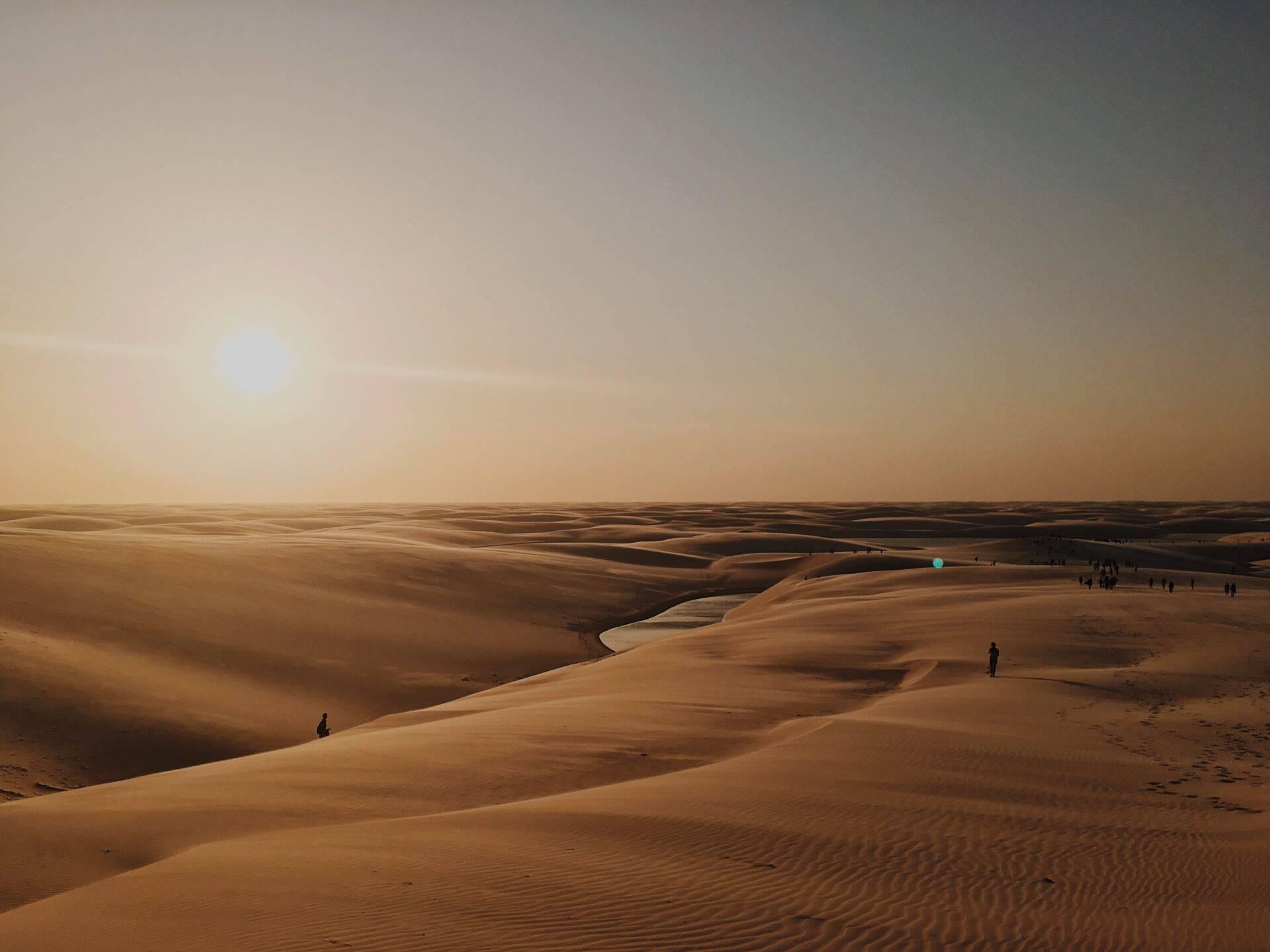
The Lençóis Maranhenses National Park covers more than 1,500 sq km of white sand dunes dotted with turquoise and emerald lagoons. These lagoons form between January and June: rainfall collects in the hollows between the dunes, and because the ground is impermeable, the water stays. The best time to visit is between June and September, when the lagoons are full and the contrast between the white sand and the blue water is at its most striking.
São Paulo
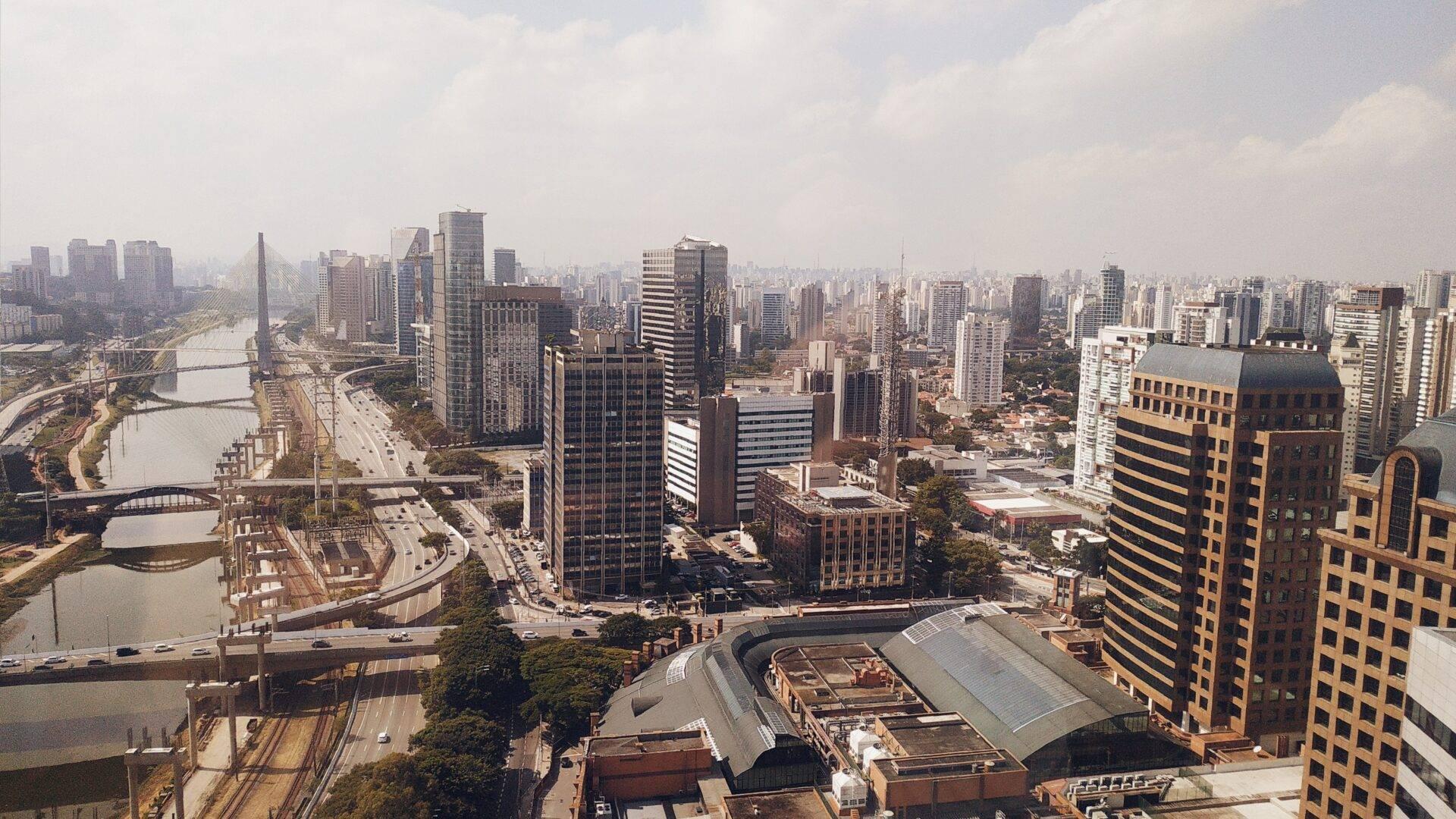
Latin America’s largest city overwhelms you first with its scale, then wins you over. Ibirapuera Park, designed by Oscar Niemeyer, welcomes around 14 million visitors a year and is home to several major museums. The Vila Madalena neighbourhood is packed with contemporary art galleries, bars and the famous Beco do Batman, a constantly evolving street-art space. On the food front, São Paulo ranks among the world’s richest cities for the sheer diversity of its cuisines.
Bonito, Mato Grosso do Sul
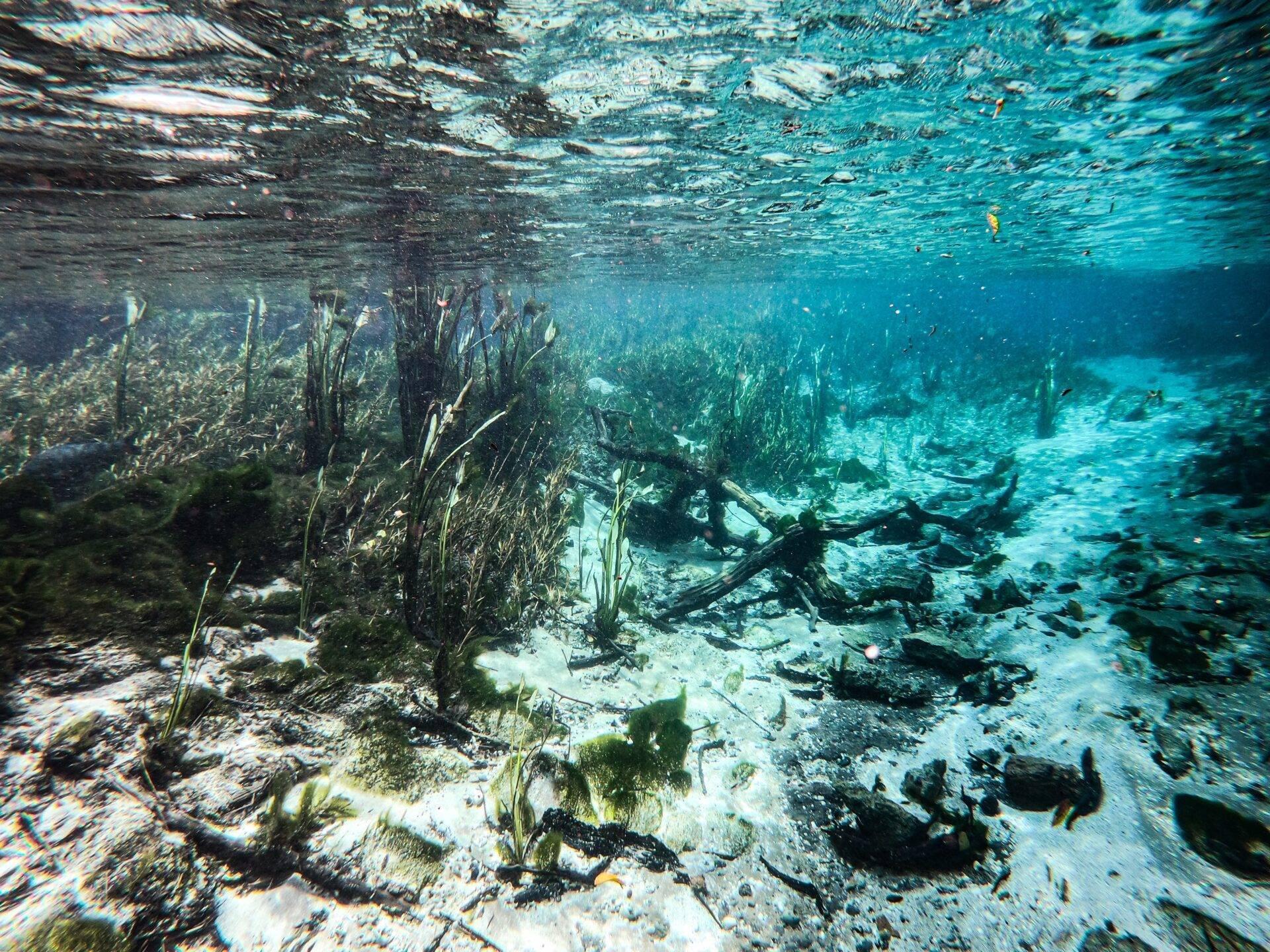
Bonito lives up to its reputation as Brazil’s eco-tourism capital. Its rivers, including the Rio Sucuri and the Rio da Prata, are spectacularly clear: you can snorkel among colourful fish in fresh, limpid water. Aquatic wildlife is protected and abundant. The dry season, from May to September, offers the best visibility conditions.
Paraty, Costa Verde
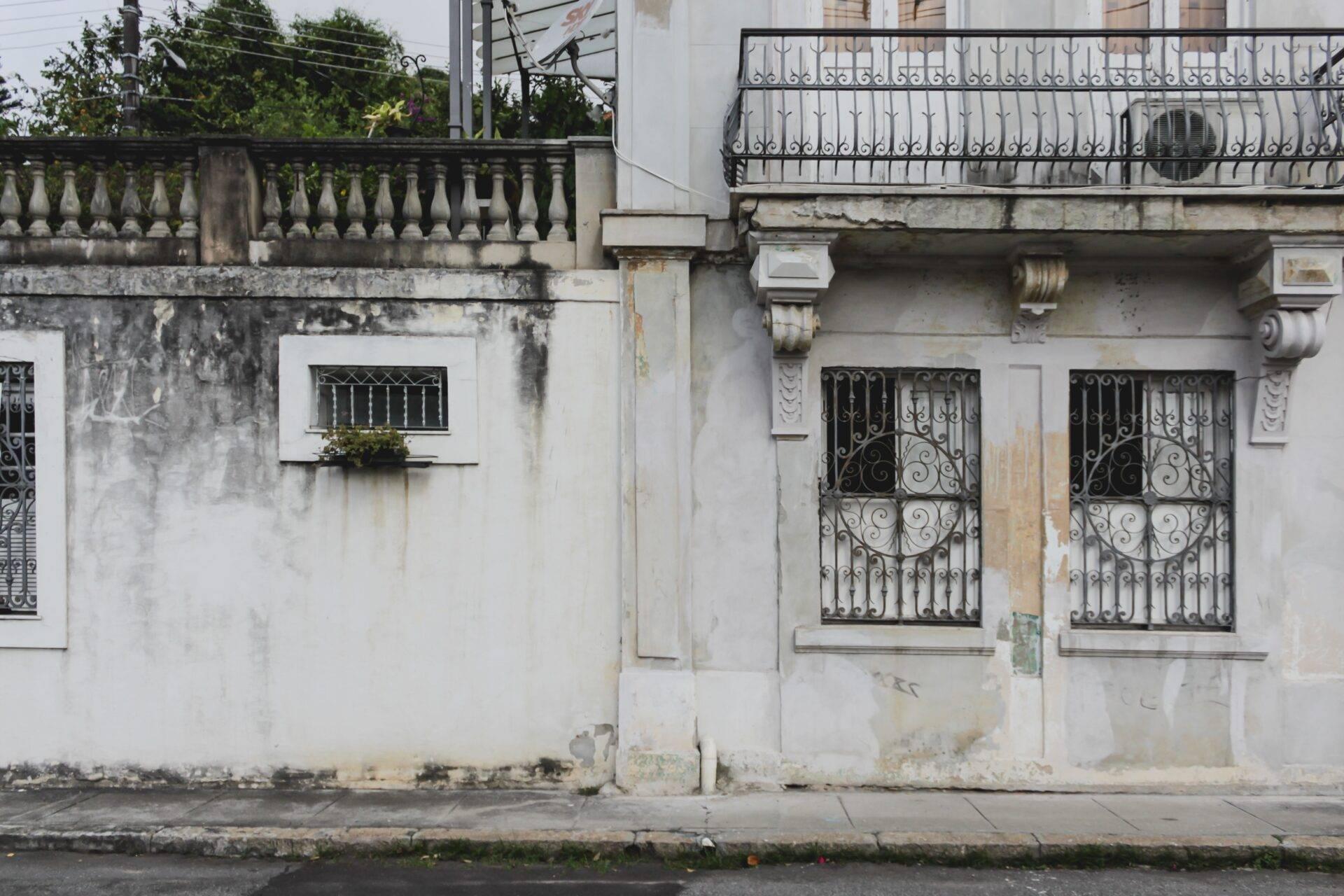
Founded in the 18th century as a port for exporting gold from Minas Gerais, Paraty was bypassed when a direct road to Rio was opened, leaving its colonial centre frozen in an exceptional state of preservation. In 2019, Paraty and Ilha Grande were jointly inscribed on the UNESCO World Heritage List. Its cobbled streets flood at high tide, a quirk found nowhere else.
The Chapada Diamantina, Bahia
In the state of Bahia, the Chapada Diamantina surprises with its plateaux, canyons and waterfalls, which cut sharply against the region’s beach-resort image. The Cachoeira da Fumaça is one of Brazil’s highest waterfalls, with a drop of around 380 metres, reached after several hours of trekking. The Poço Encantado, an underground lake whose waters change colour with the light and the season, is among the most breathtaking sights of its kind on the continent. The town of Lençóis serves as the main logistics base.
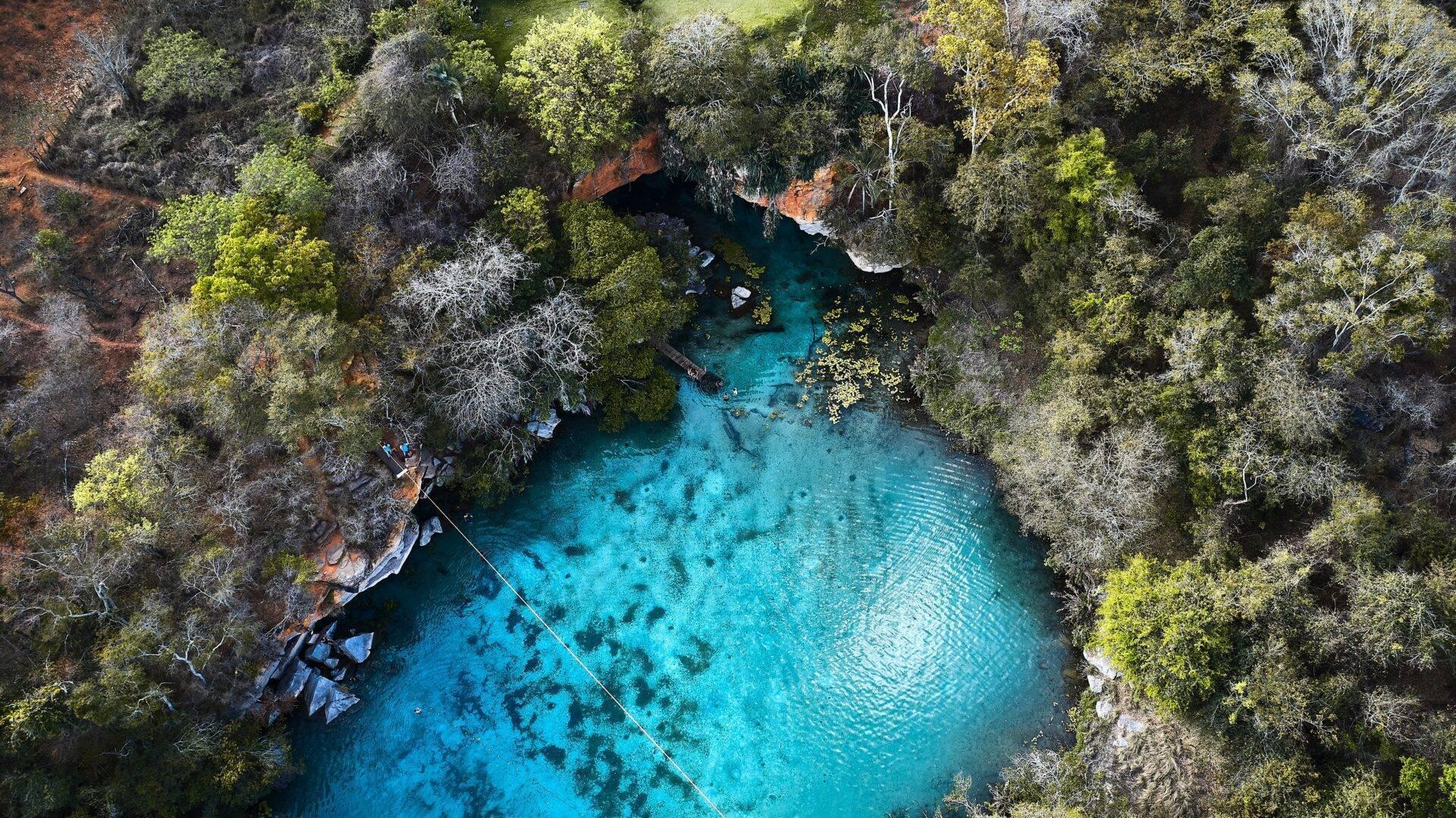
The Chapada dos Veadeiros, Goiás
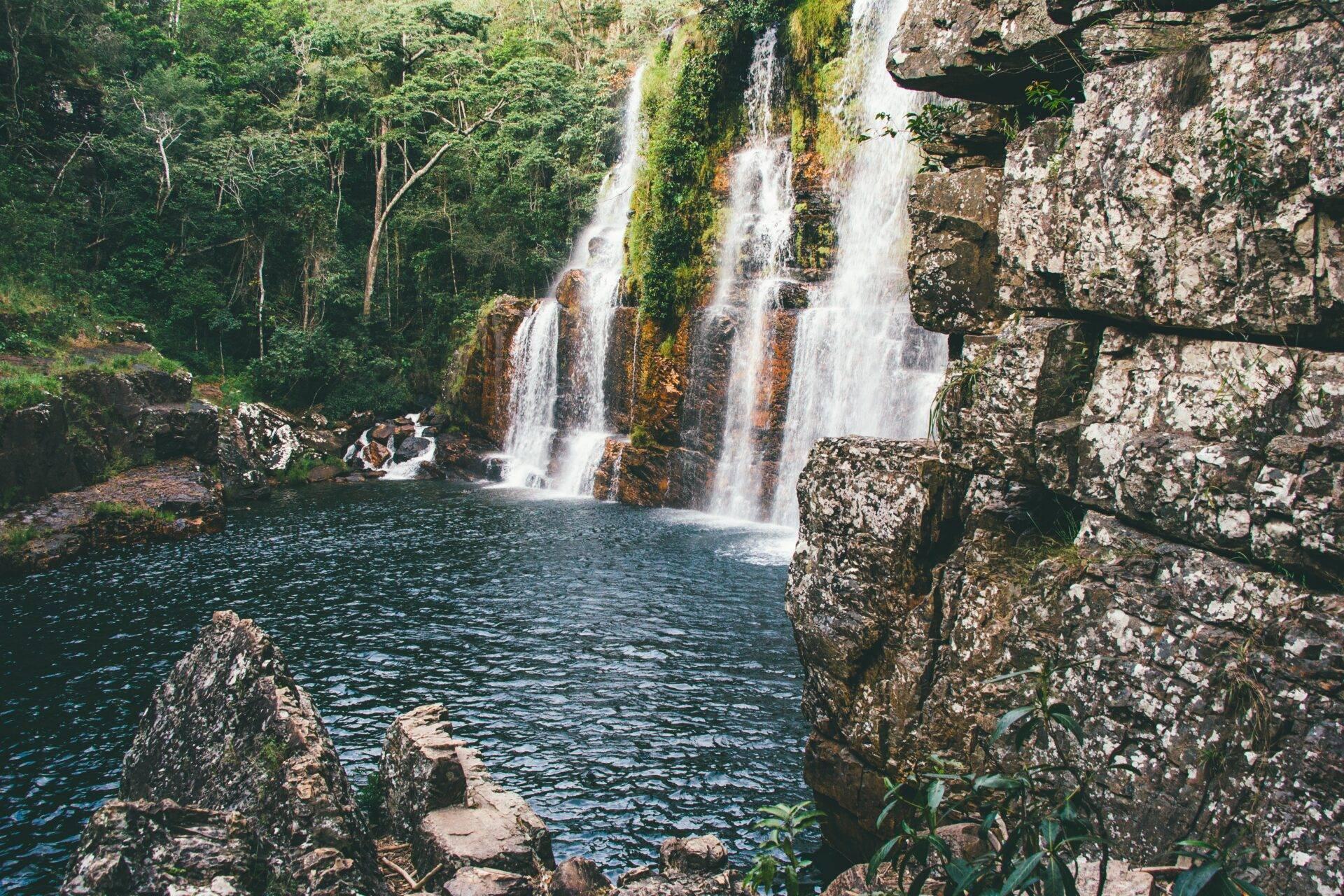
Some 260 km north of Brasília, the Chapada dos Veadeiros has been a UNESCO World Heritage Site since 2001. This Cerrado national park is home to more than 800 bird species, and its waterfalls plunge into crystal-clear pools ringed by rocky cliffs and jungle. Alto Paraíso de Goiás, the park’s gateway town, has good accommodation options. The best time to visit runs from April to October.
Morro de São Paulo, Bahia
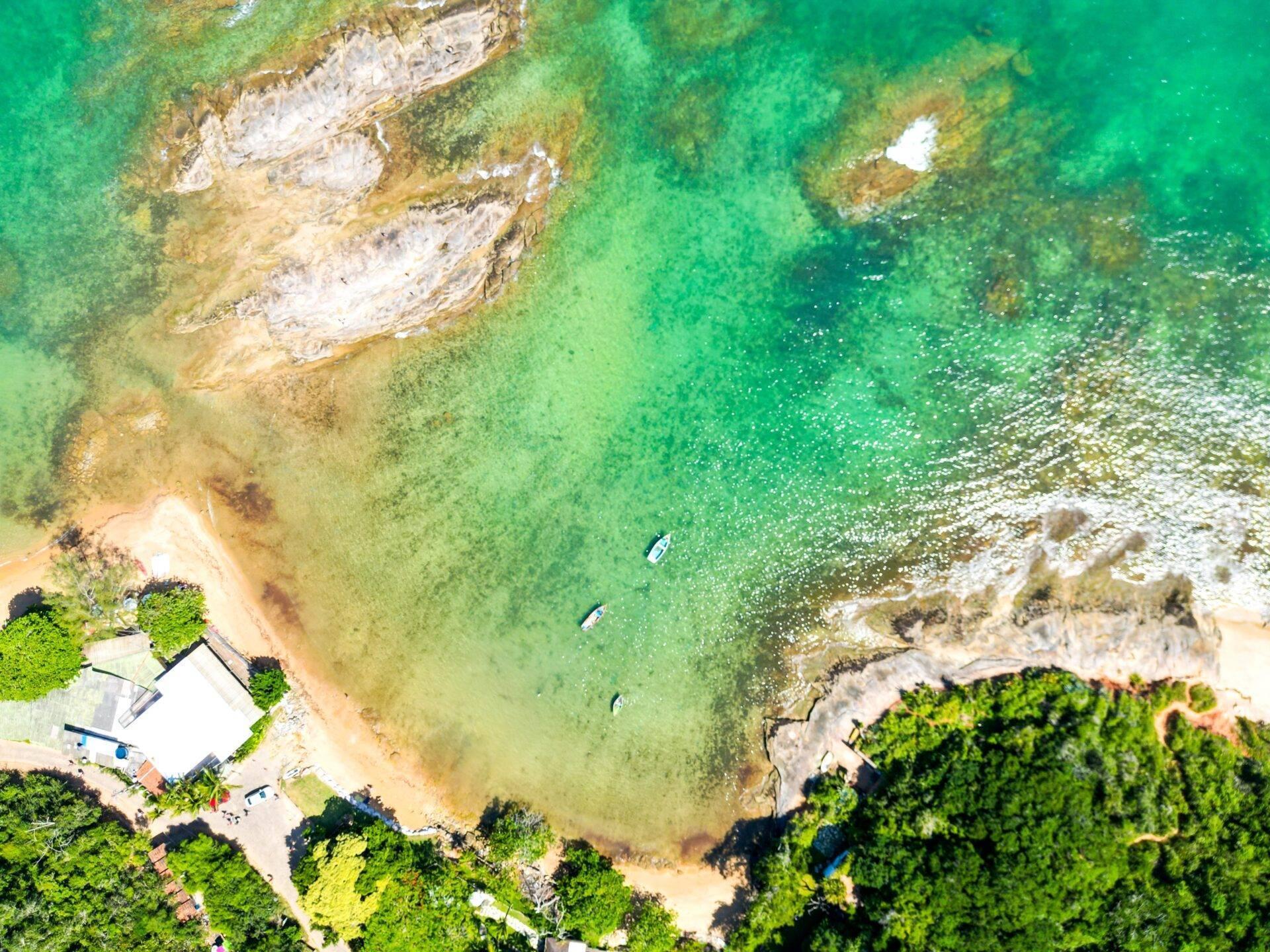
On Tinharé Island, 60 km south of Salvador, Morro de São Paulo is accessible only by boat or light aircraft: there are no cars on the island. Its beaches are numbered from the first to the fifth, each with a different atmosphere, ranging from lively to family-friendly to secluded. The village retains a Portuguese fort and a colonial fountain. It makes a natural stop after Salvador for extending your stay along the Bahian coast.
Alter do Chão, Pará
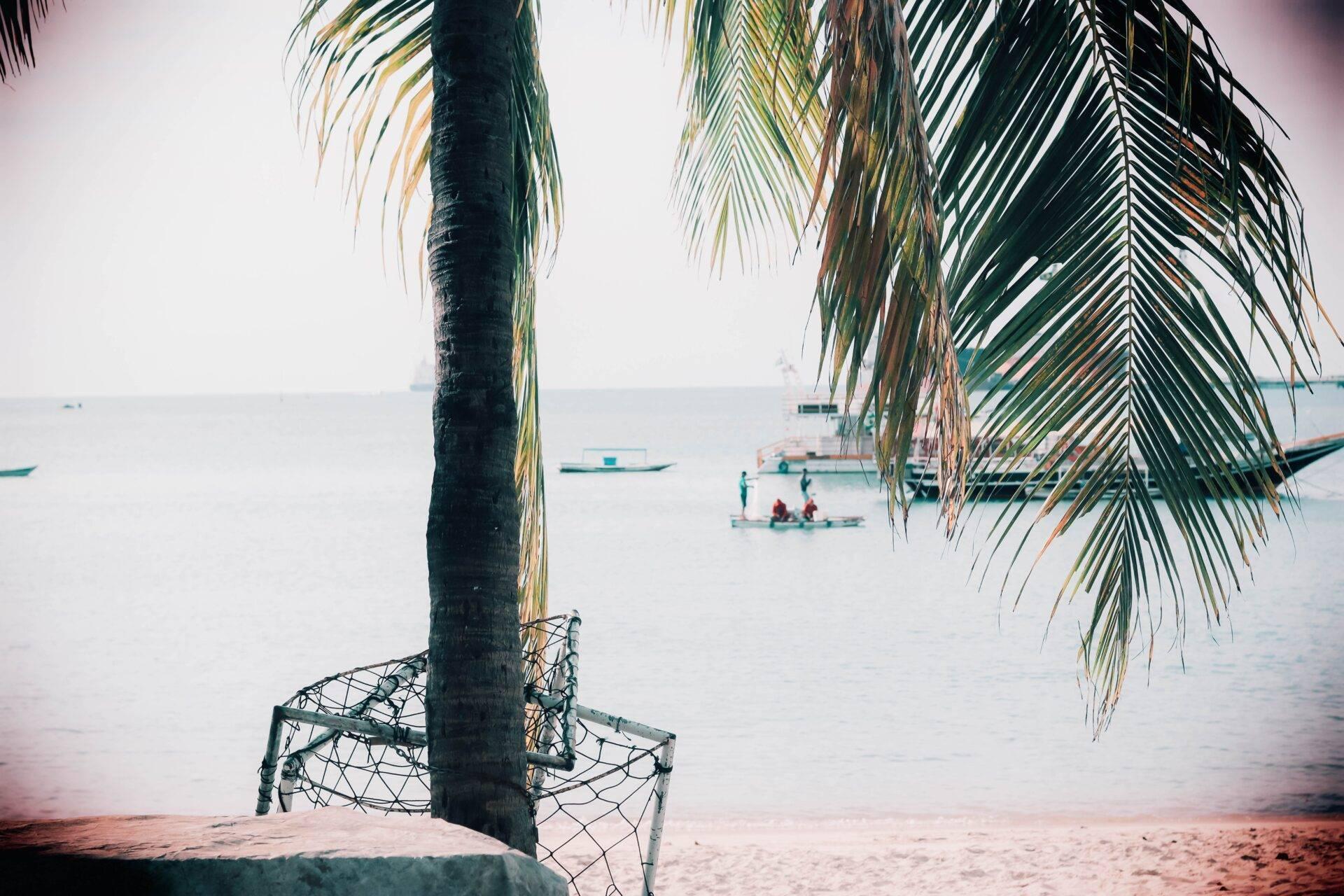
Nicknamed “the Caribbean of the Amazon”, Alter do Chão is a village on the banks of the Rio Tapajós, 35 km from Santarém. During the dry season, from August to January, the river recedes to reveal white-sand beaches including the Ilha do Amor, a sandbar surrounded by calm waters and forest. Excursions allow you to spot pink river dolphins and venture into the Tapajós forest with local guides.
How to plan your trip around these twenty sites
Twenty sites, one country, dozens of possible itineraries. Whether it is your first visit or your fourth, our complete guide to planning a trip to Brazil offers suggested routes by duration and interest, from the Northeast to Iguaçu Falls.
FAQ
What is Brazil’s most iconic natural site?
Opinions differ, but Iguaçu Falls and the Lençóis Maranhenses consistently feature among the most spectacular natural landscapes on the continent. Fernando de Noronha is regularly cited as one of the most beautiful beaches in the Atlantic.
How many Brazilian sites are UNESCO World Heritage Sites?
Brazil has around twenty UNESCO-listed sites. Among the destinations covered in this article: the Iguaçu parks (1986), Ouro Preto (1980), Olinda (1982), Salvador/Pelourinho (1985), Fernando de Noronha (2001), the Pantanal (2000), the Chapada dos Veadeiros (2001) and Paraty/Ilha Grande (2019).
What is the best season to visit Brazil’s natural sites?
It varies by region. The Lençóis Maranhenses are best visited between June and September, when the lagoons are full and the sand is clear. The Pantanal is most accessible in the dry season, from May to October. The Chapada dos Veadeiros can be explored from April to October. Rio and the Northeast beaches are pleasant year-round.
Are the Iguaçu Falls accessible from Rio de Janeiro?
Foz do Iguaçu has its own international airport served by major Brazilian airlines from Rio, São Paulo and Brasília. The site can be efficiently visited by combining the Brazilian and Argentine sides over two days.
Can you snorkel in Brazil outside Fernando de Noronha?
Yes. Bonito (Mato Grosso do Sul) offers freshwater river snorkelling in exceptional visibility conditions. Morro de São Paulo has natural rock pools accessible at low tide. Both options are less regulated and less expensive than Fernando de Noronha.