
Travelling to understand means refusing the whistle-stop tour where you tick off monuments without ever catching anyone’s eye. In practice: you choose a destination, stay long enough to settle in, eat what the locals eat, pick up a handful of words in their language, and lose yourself in streets the guidebooks ignore. This isn’t a vague philosophy; it’s a way of travelling that can be learnt.
Seeing and understanding: two radically different ways to travel
What you miss when you rush through
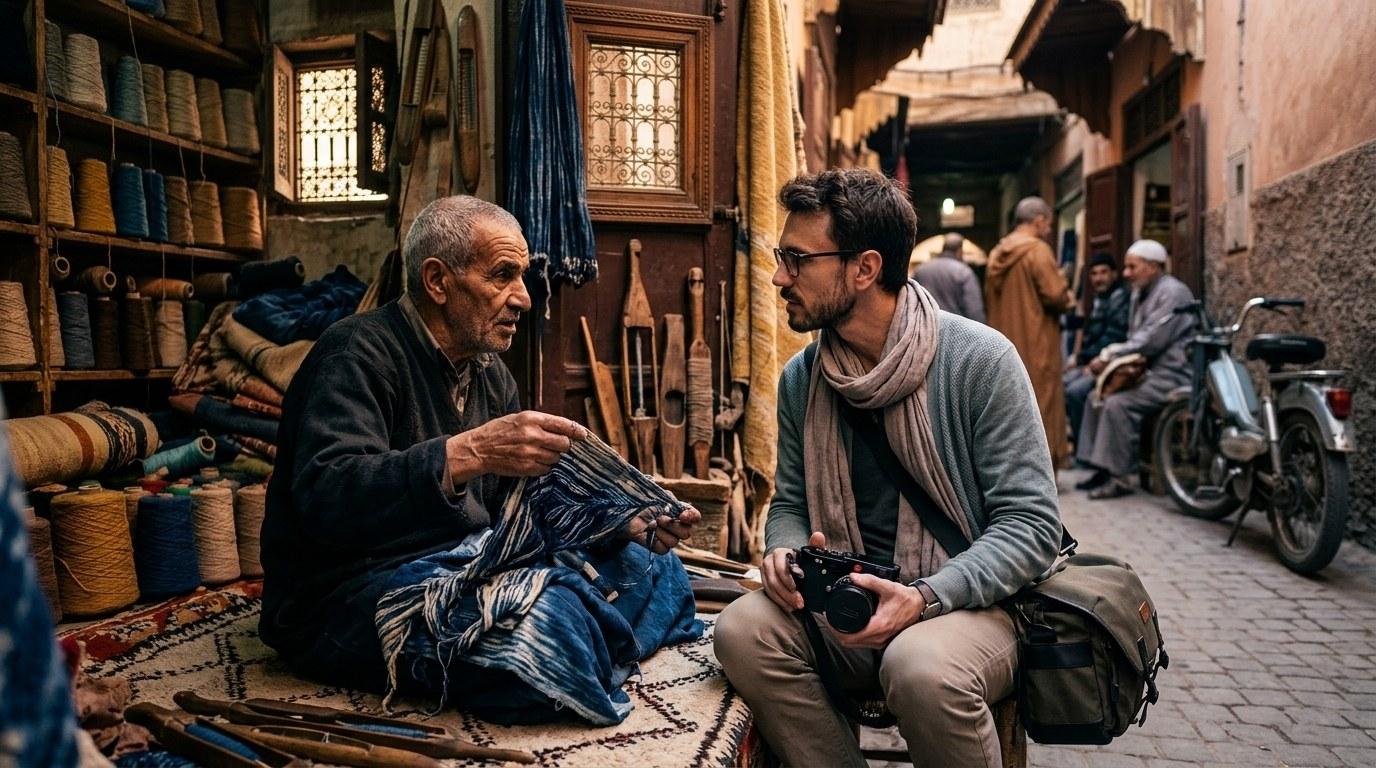
A weekend in Lisbon lets you see the azulejos and walk through Belém. Three weeks in Lisbon lets you understand why locals prefer their coffee standing at the counter, what fado means on an ordinary street, and how the city has shifted over the past decade under the pressure of mass tourism. Same place, radically different experience.
The difference lies in pace and attention. The tourist optimises their trip; the curious traveller accepts not seeing everything in order to truly understand something. That shift in intention changes everything.
Slow travel: a trend that’s here to stay
Slow travel rests on a simple idea: fewer destinations, more time in each one. The overnight sleeper train is making a remarkable comeback. Workations, extended stays where you work remotely from a foreign city for weeks or months at a time, are reshaping how some travellers settle into a country rather than simply passing through. According to the Abritel Unpack ’26 study, 31% of travellers plan to combine remote work with a stay abroad. It’s one of the defining travel trends of 2026.
Gateways into a culture
Language: a few words go a long way
Learning ten words in the local language isn’t a linguistic feat. It’s a signal: you’re here to connect, not to consume. In return, locals open doors they keep firmly shut to visitors in a hurry. A hello in Albanian in Tirana, a thank you in Uzbek in Samarkand: modest gestures with an often outsized effect.
Food as a mirror of society
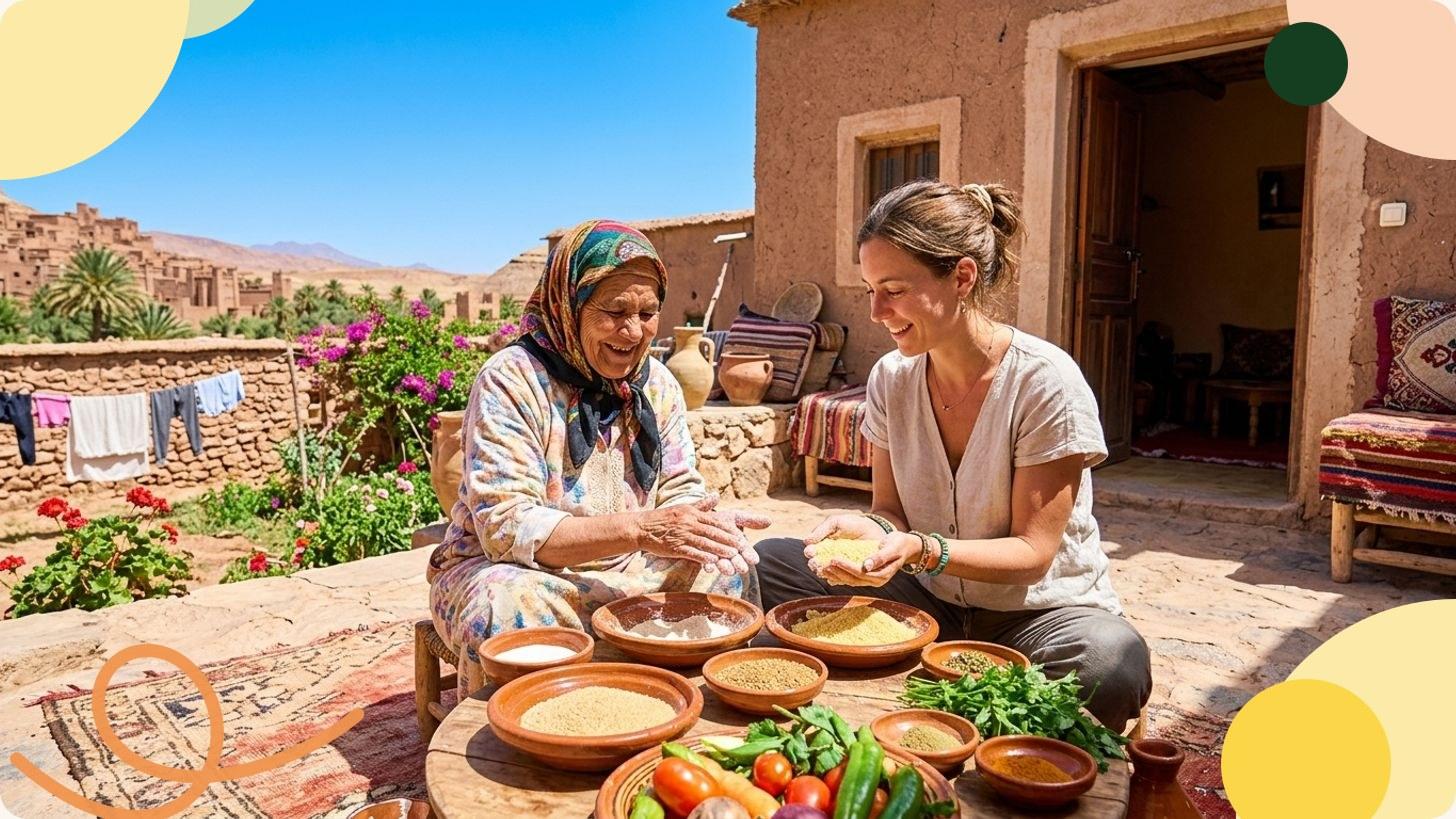
Gastronomy isn’t a side note to travel; it’s one of its cornerstones. What a society cooks reveals what it values: the ingredients it grows, the rhythm of its mealtimes, the way it gathers around a table. Eating in a covered market rather than on the terrace of a tourist café, asking your guesthouse host what she makes at home on a Sunday: these are ways of understanding a culture from the inside, not just its façade.
Ordinary neighbourhoods over tourist landmarks
Tourist attractions show what a country chooses to put on display. Residential neighbourhoods, morning markets and local public transport show how it actually lives. That’s where real immersion happens: in the everyday life of a place, not its shop window.
Destinations that lend themselves to travel with depth
Far from overtourism, close to authenticity
The flight from overtourism is pushing more and more travellers towards less-visited destinations that still offer genuine cultural exchange. Three countries stand out in 2026:
- Albania: uncrowded beaches, spectacular mountains, a complex history that captivates, and a warmth of welcome that few visitors have yet had the chance to experience.
- Colombia: restored security across many regions, a vibrant culture blending indigenous, African and Spanish influences, and exceptional biodiversity.
- Uzbekistan: the mythical Silk Road cities, Samarkand and Bukhara chief among them, breathtaking architecture and living craft traditions.
These destinations reward the patient traveller. They don’t give themselves up in two days of rushed sightseeing.
For more inspiration on choosing a destination that genuinely shifts your perspective, explore our selection of places that change the way you see the world.
Preparing to travel off the beaten track
Planning for the unexpected when you leave the tourist trail
The further you stray from well-trodden tourist routes, the more likely the unexpected becomes and the harder it is to absorb. A twisted ankle on an Albanian mountain path, a bout of food poisoning after taking the plunge at a local market in Colombia: medical costs abroad add up quickly, especially in countries where healthcare infrastructure is unevenly distributed.
According to the Yupwego FAQ, policies cover medical costs and hospitalisation in the event of injury or illness during your trip, as well as medically justified repatriation. For a short stay, a standard travel policy is enough. For a workation or a multi-month trip, you’ll need long-term cover.
Get my travel insurance quoteChoosing accommodation as a tool for immersion
Accommodation is an underrated lever for immersion. A family-run guesthouse gives you access to something no guidebook provides: what people actually think of their own country, their daily life, their neighbours. From rentals in residential neighbourhoods to locally run guest houses, choosing to stay outside tourist bubbles profoundly changes the experience.
What travelling to understand does to you
Travelling to understand doesn’t mean pretending you’ve grasped an entire culture after a fortnight. It means accepting that you won’t understand everything, and finding that stimulating rather than frustrating. It means coming home with questions rather than certainties, and having your assumptions about the universal challenged.
That openness to questioning also makes you a more attentive, more respectful traveller, one who can adapt more readily to a different cultural context.
To understand why this kind of travel brings such a deep sense of satisfaction, read what researchers say about the link between travel and happiness. And if you’re wondering how to balance the urge for authentic adventure with a more responsible approach, this article on the new values shaping travel offers plenty of food for thought.
FAQ
Is slow travel more expensive than a conventional trip?
Not necessarily. Staying longer in a single place cuts transport costs and often opens up cheaper accommodation options than hotels: weekly rentals, rooms with a local host. Any extra cost, when there is one, tends to come from the length of the stay rather than a higher daily spend.
Which destinations do you recommend for a first immersive trip?
Countries where mass tourism hasn’t yet homogenised the experience: Albania, Colombia and Uzbekistan are among the 2026 destinations offering genuinely authentic cultural exchange, according to trends tracked by InfosTourisme. Closer to home, rural Portugal or the Greek islands out of season also lend themselves to a slower, more curious approach.
How do you prepare for a trip focused on cultural immersion?
Learn a few words of the local language, seek out everyday markets or local events, choose accommodation with a local host, and leave room for unplanned time. Some cultural groundwork before you go, books or documentaries about your destination, helps you find your footing faster once you arrive.
How do you choose accommodation for genuine immersion?
Opt for bed and breakfasts, locally run guesthouses, or rentals in residential neighbourhoods. International hotel zones recreate the same environment from city to city and cut you off from the local fabric of life.
Do I need specific insurance if I’m travelling for a long time or off the standard tourist trail?
Yes. A standard short-stay policy typically only covers a few weeks. For an extended stay (workation, working holiday visa, internship abroad) or for less touristy destinations, make sure your policy includes medical costs, hospitalisation and repatriation across your entire itinerary.