
Travelling in 2026 means choosing with a new kind of clarity. Safety has become the top criterion when selecting a destination: 51% of travellers rank it first, ahead of price or cultural appeal, according to the European Travel Commission. This is not timidity. It reflects a profound shift: people want to travel, but they want to be prepared, to genuinely connect with locals, and to leave without an unintended footprint.
Safety: the Top Priority for Today’s Traveller
Safety has taken the lead among travel priorities. Across Europe, 51% of travellers place it at the top of their list, ahead of affordability and cultural richness. This shift reflects several converging realities: geopolitical instability in certain regions, growing climate-related risks, and a sharper awareness of actual conditions at each destination.
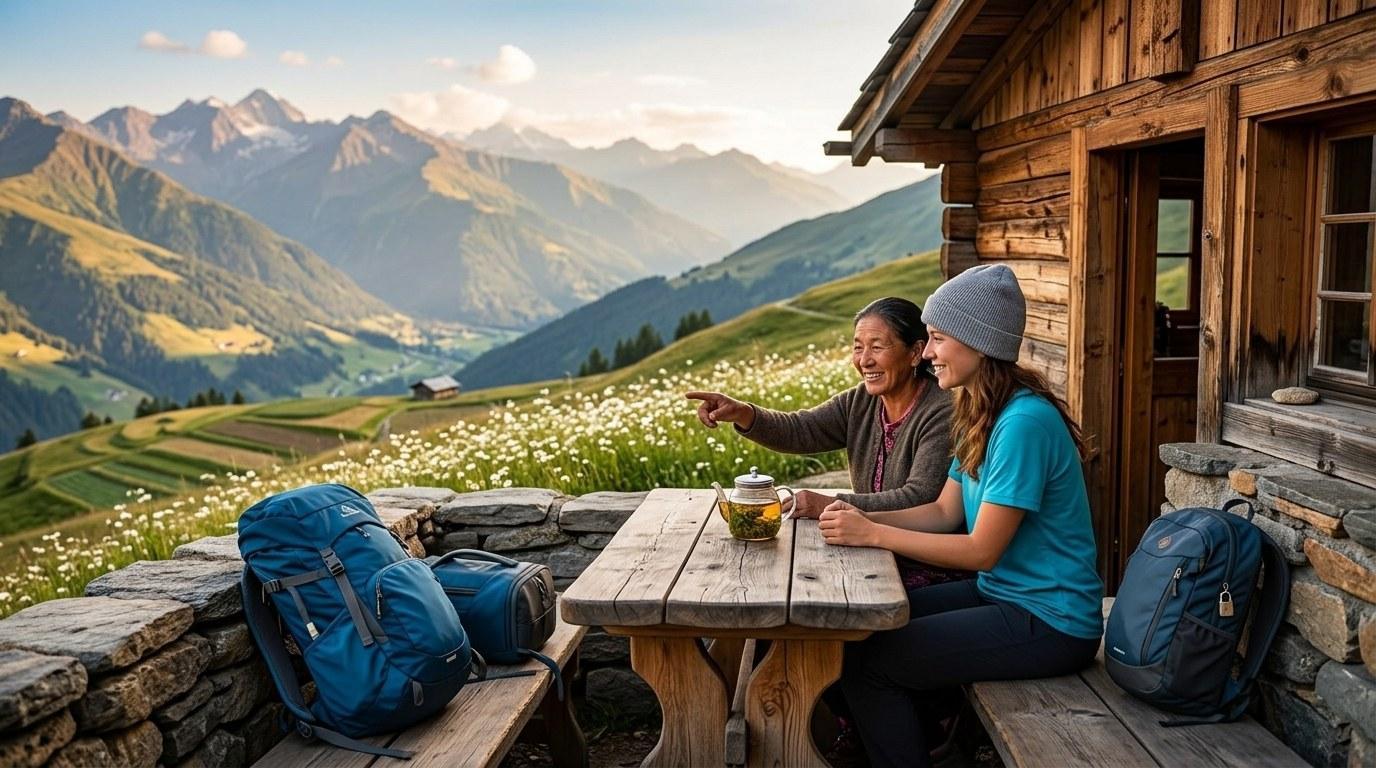
Today’s travellers no longer set off in the dark. They research, compare and plan ahead. Yet the appetite for travel remains undimmed. International tourism recovered and surpassed pre-pandemic levels in 2025. Vigilance is not the same as hesitation. It drives better choices.
Travelling does not mean running away from the unknown. It means stepping into it with the right safety net in place.
Slow Travel: Going Deeper to Connect More Genuinely
Slow travel accounts for 26% of travel intentions in 2026, up from 22% the previous year. This is no niche trend: it is a direct response to the fatigue of mass tourism.
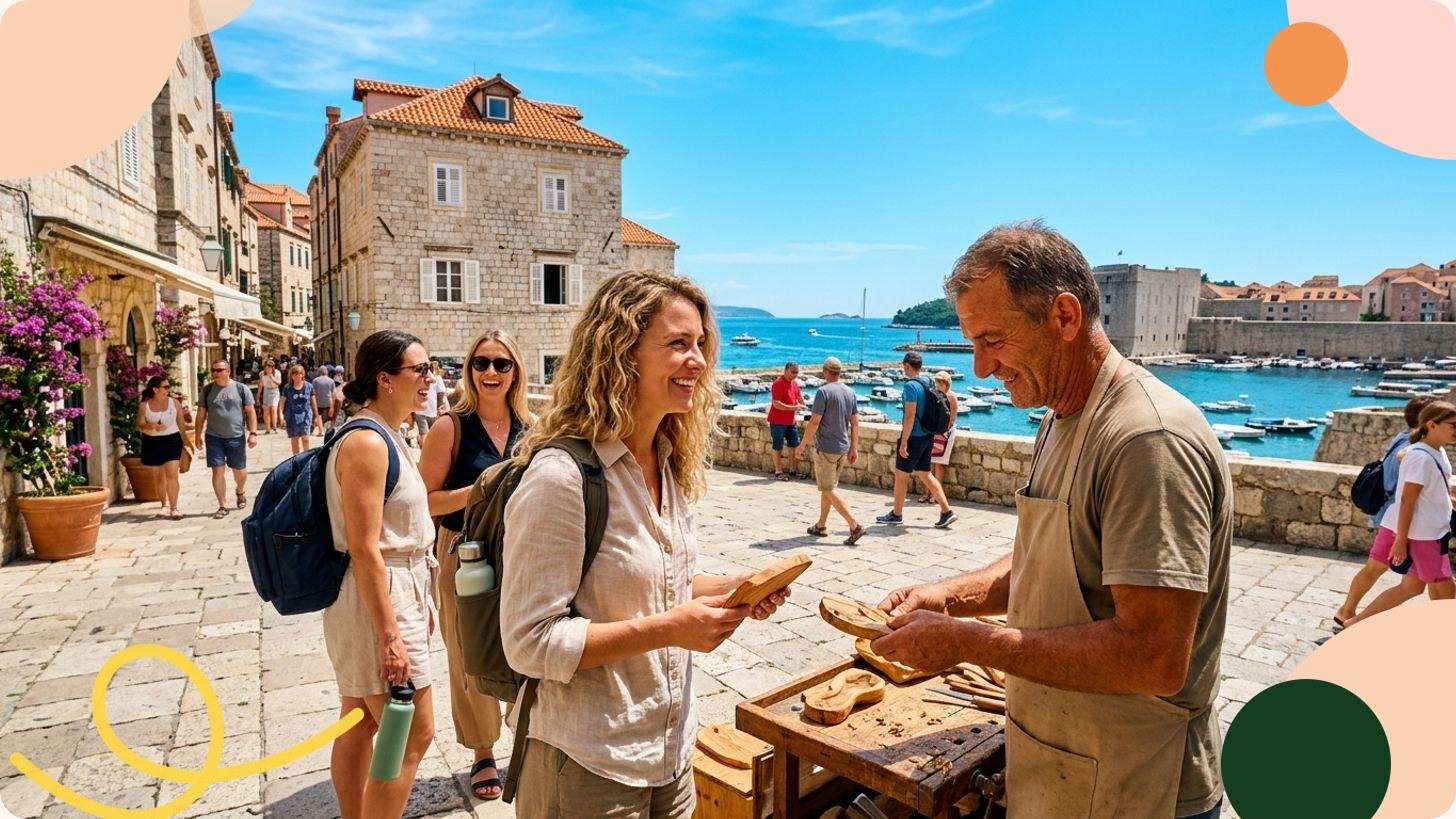
When you slow down, you connect differently. A week spent in one place opens up conversations with locals that a rushed afternoon simply cannot. You welcome the unexpected. You adapt to local life rather than racing through it as a hurried observer.
That openness has one prerequisite: feeling confident. Not blind confidence, but grounded confidence: the kind that comes from having checked the conditions at your destination and knowing that, if something goes wrong, you are not on your own.
To explore this dimension of travel further, read Travel to Understand, Not Just to See.
Plan my trip with peace of mindResponsibility: Not Becoming Someone Else’s Problem
“Responsible travel” often conjures images of carbon footprints and eco-friendly accommodation. That is real: 83% of travellers worldwide consider responsible tourism important, and 75% want to travel more sustainably in the next twelve months. But responsibility has another face, one that rarely gets discussed: not placing a burden on the systems you move through.
A traveller hospitalised abroad without medical cover often becomes an unexpected strain on local facilities, or a crisis that falls on family back home to manage. Travelling prepared also means staying self-sufficient if things go wrong: you do not have to rely on the capacity of a foreign healthcare system, and you can return home when you need to.
A growing majority of travellers say they are concerned about overtourism. To understand how this phenomenon is also reshaping travel insurance, read Travel Insurance: Why the End of Mass Tourism Changes Everything.
What Travel Insurance Actually Changes in Practice
Safety, human connection, responsibility: all three aspirations point to the same practical conclusion. Taking out travel insurance that fits your needs is no longer a last-minute afterthought. It is a decision that aligns with how you want to travel.
It changes three things in practice:
- Your safety: if you are hospitalised abroad, Yupwego covers your medical costs and arranges your repatriation if your condition requires it. No upfront payments needed.
- Your relationship with the unexpected: leaving without the nagging worry of “what if things go wrong” changes how you show up. You open yourself more readily to encounters and to the unplanned.
- Your impact on others: you do not become a burden on the local healthcare system, or on the people you left behind.
You can take out a policy online in a matter of minutes, before you leave. No complex process, no paperwork to prepare in advance.
For inspiration on where to travel this summer while keeping this mindset, see European Destinations for This Summer.
FAQ
Why has safety become such an important factor when choosing a destination?
Travellers now have access to faster, more accurate information about real-world risks, whether geopolitical, climate-related or health-related. According to the European Travel Commission, 51% of travellers cite safety as the top criterion for choosing a European destination in 2026. This awareness does not stop them from travelling; it pushes them to choose more carefully.
What is slow travel and why is it growing?
Slow travel means spending longer in fewer destinations, prioritising immersion and local connection over ticking off sights. Intentions to travel slowly rose from 22% in 2025 to 26% in 2026, according to the European Travel Commission. This approach responds both to mass-tourism fatigue and to a desire for more authentic experiences.
How can you travel responsibly without placing a burden on others?
Responsible travel also means anticipating problems so they do not become someone else’s to handle. Heading abroad without medical cover risks leaving an unexpected strain on foreign healthcare facilities, or a crisis for your family back home in an emergency. Travel insurance with medical cover and repatriation keeps you self-sufficient whatever happens.
Does travel insurance genuinely change the experience on the ground?
It does. Knowing you have medical cover, and that repatriation is taken care of if needed, removes a persistent background anxiety. It lets you open up more easily to the unexpected, to spontaneous encounters, to what was never on the itinerary. That is not a minor detail: it is often what makes the difference between enduring a trip and truly living it.
How do you choose the right travel insurance for the way people travel today?
Check that your policy includes medical costs abroad, emergency repatriation and, depending on your destination, cancellation cover for force majeure events. Cover varies between policies and destinations: read the terms and conditions before signing up to make sure what you have matches the specific trip you are planning.