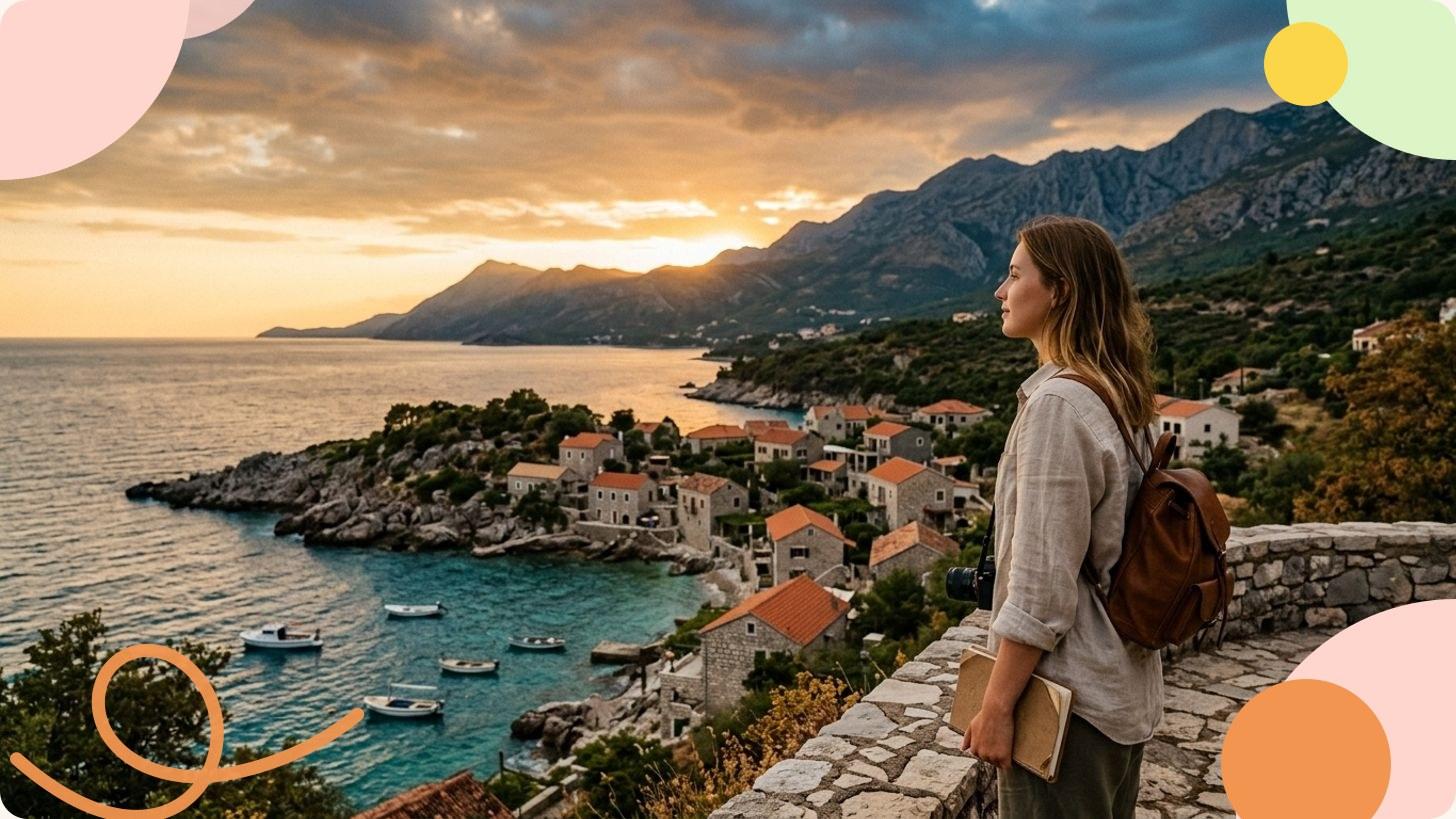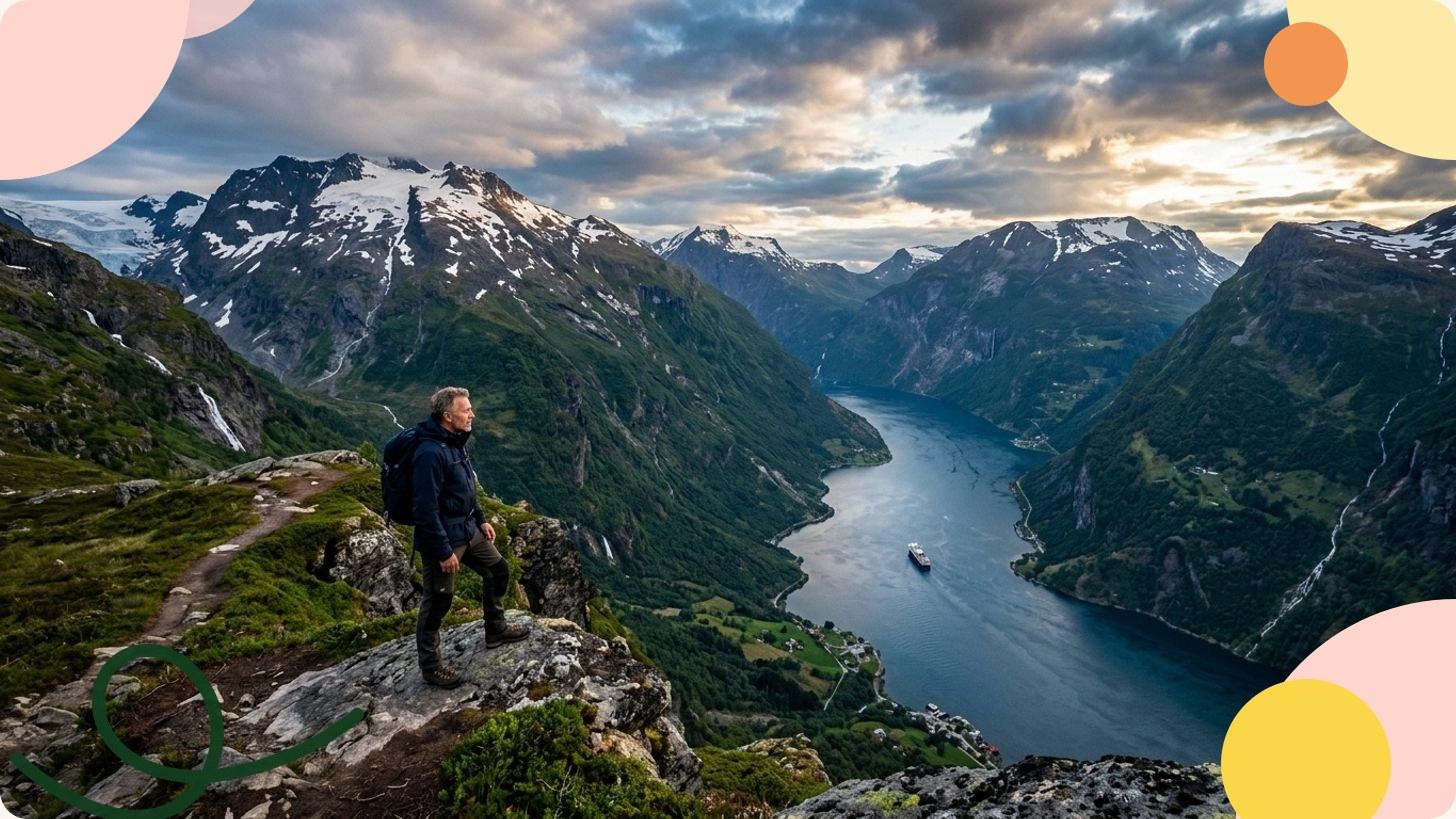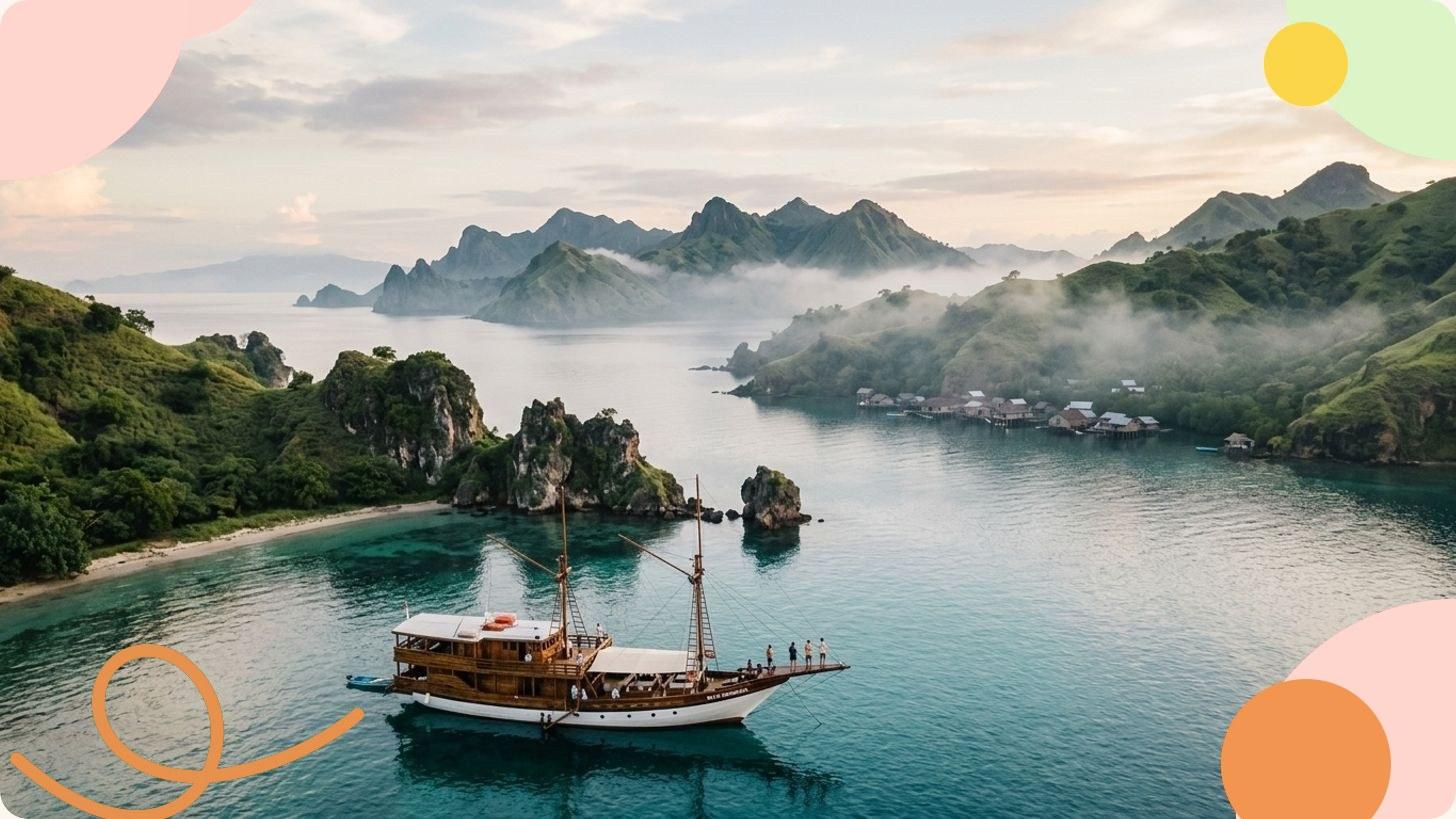
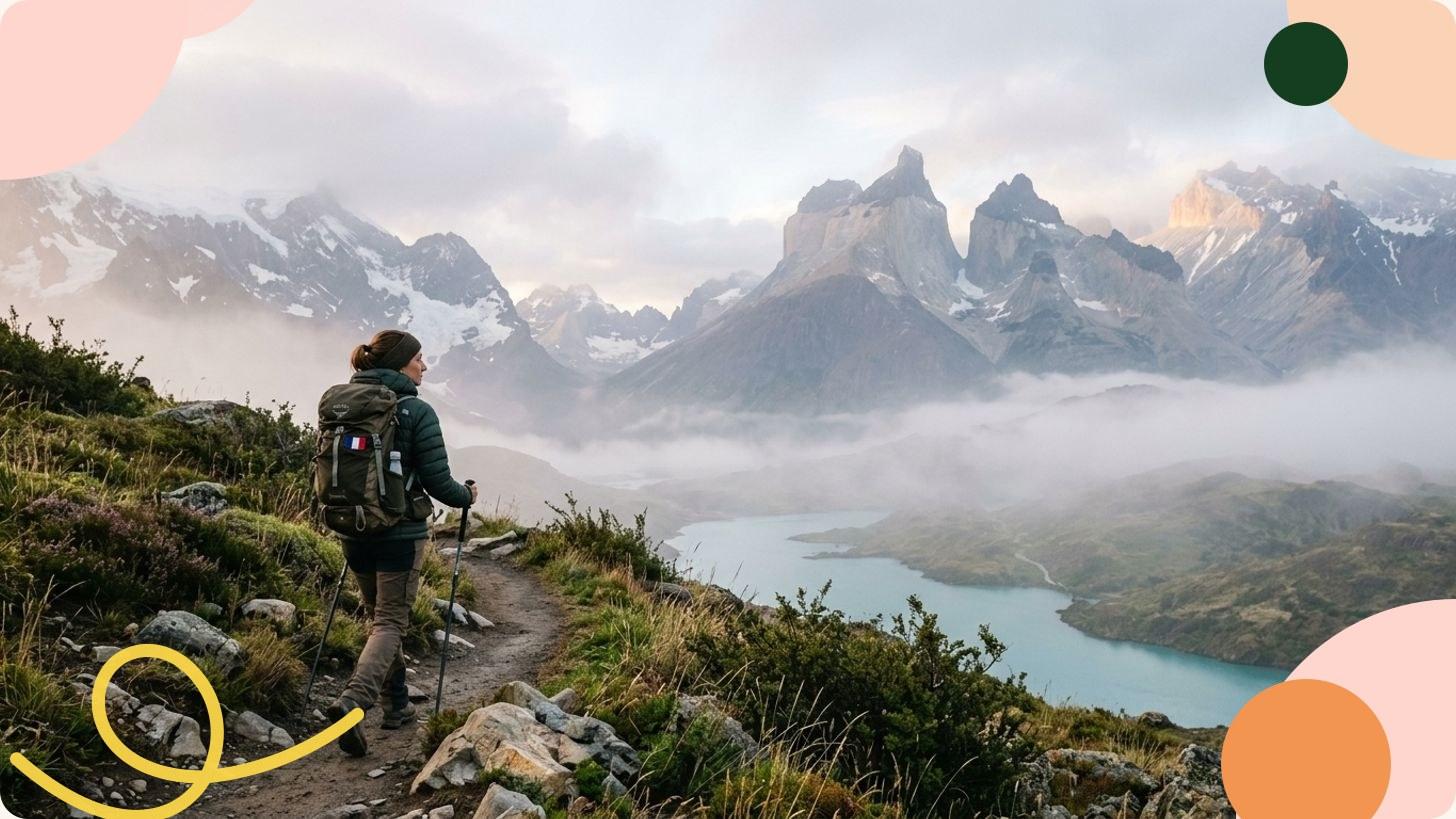

Thailand, Chile, Argentina, Peru, Bolivia, Cambodia, Australia, New Zealand: these eight countries appear on the vast majority of serious travellers’ itineraries. According to a Generation Voyage survey of more than 500 French-speaking travel bloggers, they all rank at the top of round-the-world destinations. What they share: a complete change of scenery, extraordinary landscapes and cultures utterly unlike everyday life back home.
Southeast Asia: Thailand and Cambodia
Thailand: the destination 8 in 10 world travellers won’t skip
No other destination comes close: Thailand features in 80% of French-speaking globetrotters’ itineraries, according to the survey. The country manages to offer several trips in one. In the north, Chiang Mai delivers night markets, temples and a genuine taste of local life. Bangkok disorients and fascinates within hours of arrival. In the south, the islands of the Gulf of Thailand and the limestone cliffs of Krabi convert even the most reluctant traveller.
What comes up in every account: the street food, ubiquitous and endlessly inventive, and a warmth that makes it easy to connect with people. The essential guide to Thailand lists 12 stops to help you plan your itinerary.
Cambodia: Angkor and so much more than temples
Angkor Wat remains Cambodia’s iconic image, and it more than earns its reputation. But the country offers far more: Phnom Penh, a capital shaped by a painful history and in the midst of reinvention, challenges your assumptions at every turn. The Gulf islands of Koh Rong and Koh Ta Kiev still offer the kind of quiet that Southeast Asia is increasingly hard-pressed to sell.
South America: four countries, one whole continent
South America dominates the ranking with four countries in the top eight. That is no coincidence: the continent offers a diversity of landscapes and cultures that lets you move between entirely different worlds in just a few hours by plane or bus.
Chile: from the driest desert to Patagonia
Chile stretches more than 4,000 kilometres, from the Atacama Desert, one of the driest places on earth, to the fjords and glaciers of Patagonia. Easter Island, out in the middle of the Pacific, is a stop unlike any other: the moai, stone statues raised by the Rapa Nui civilisation, continue to fuel archaeological debate. Further south, Torres del Paine is one of South America’s great trekking destinations. The essentials of Chile covers 12 stops to help you shape your stay.
Argentina: Buenos Aires, Patagonia and everything in between
Buenos Aires is worth several days in its own right: San Telmo for antique dealers and Sunday tango, Palermo for the food scene, La Boca for its vivid colours. But it is the vastness that follows which truly transforms the trip: Patagonia shared with Chile, the Iguazu Falls among the most breathtaking in the world, the Mendoza vineyards at the foot of the Andes. The essentials of Argentina will help you decide what to prioritise.
Peru: Machu Picchu and everything they forget to mention
Machu Picchu, the UNESCO-listed Inca site, is the starting point for every itinerary. But Lima has firmly established itself as one of Latin America’s great culinary capitals. Lake Titicaca and the floating Uros islands, the Nazca Lines and the Amazon jungle accessible from Iquitos add dimensions that no postcard ever captures.
Bolivia: the country that resets everything
Bolivia is often the biggest surprise on a round-the-world trip. The Uyuni Salt Flat, an immense expanse of white perched above 3,600 metres, offers landscapes unlike anything else on earth. La Paz is best explored on foot, wandering between its witches’ markets and colourful alleyways. Madidi National Park is home to a level of biodiversity that is recognised as exceptional on a global scale. Our guide to Bolivia sets out the essential stops.
Oceania: Australia and New Zealand
Australia: a continent to explore at your own pace
Australia is at once a great city, a desert, a coral reef and a wild coastline. Sydney and Melbourne for urban life, Uluru for the silence of the Australian bush, the Great Barrier Reef for diving. Many travellers spend several months here thanks to the Working Holiday Visa, which lets you combine exploration with casual work. The essentials of Australia covers 10 must-see stops.
New Zealand: two islands, landscapes from another world
Active volcanoes, fjords, ancient tree-fern forests, wild coastlines: New Zealand packs a rare geological diversity into two islands. Fiordland and Milford Sound, in the South Island, are among the most spectacular landscapes travellers consistently name. Maori culture gives the country a depth that goes far beyond the scenery. Our guide to New Zealand suggests 10 destinations to shape your trip.
What Draws Travellers So Far from Home
These eight destinations share characteristics that match what travellers look for when they set off for an extended period.
Unspoilt nature. The Bolivian altiplano, the Australian outback, New Zealand’s fjords, Cambodia’s forests: these countries offer spaces that the urbanised world has barely touched. The contrast with daily life is immediate.
Living cultures. These destinations are not simply backdrops. Inca traditions in Peru, Thai Buddhism, Maori culture in New Zealand, Khmer heritage in Cambodia: travelling here means travelling to understand, not just to see.
A genuine break from the everyday. These countries are far enough away to impose a real rupture with normal life. Travel psychology backs this up: it is precisely this sense of novelty and discovery that makes us happier when we travel.
These destinations also call for serious preparation on the health front. In Thailand or Australia, treatment in private hospitals can run to significant sums. In remote areas of South America, extreme altitude or isolation can make medical repatriation necessary. Depending on your policy, Yupwego covers your medical costs and organises your repatriation if the situation requires it.
Sort my travel insurance before I goIf these far-flung horizons feel like a step too far for this trip, bear in mind that European destinations this summer have plenty of surprises in store too, all within easy reach.
FAQ
What is the top destination for French world travellers?
Thailand comes out on top: according to a Generation Voyage survey of more than 500 French-speaking travel bloggers, 80% of round-the-world travellers stop there. Chile (78%) and Argentina (70%) complete the podium among these standout destinations.
Why do so many French globetrotters choose South America?
South America combines extreme landscapes (Patagonia, the Andes, the Amazon), exceptional cultural richness and easy accessibility for French passport holders. Chile, Argentina, Peru and Bolivia each appeal to very different desires and fit together naturally in a single multi-month itinerary.
Do I need travel insurance for these long-haul destinations?
Yes. In countries like Thailand or Australia, private hospital treatment can be extremely expensive. In remote areas of South America, medical repatriation carries a significant cost. Travel insurance covering medical expenses and repatriation protects your trip against these unexpected situations. Always check the exclusions in your policy, particularly for high-altitude activities or water sports.
Can you combine several of these 8 destinations in a single trip?
Yes, and that is often exactly what globetrotters do when they travel for several months. A classic itinerary takes in Southeast Asia (Thailand, Cambodia), South America (Peru, Bolivia, Chile, Argentina) and Oceania (New Zealand, Australia). This kind of round-the-world trip requires insurance that covers multi-destination stays over an extended period.
What is the best time to visit New Zealand?
The southern summer (December to February) offers the best weather across both islands. Spring (October to November) and autumn (March to April) are pleasant, with fewer crowds. The southern winter (June to August) is ski season in the Southern Alps.