
Europe is the most popular destination for summer travel, and 2026 is no exception. Mediterranean coastlines, culturally rich cities in Central Europe that have yet to be overrun by mass tourism, Nordic fjords for those who prefer their holidays on the cool side: the continent caters to almost every appetite, whatever the length of your trip.
What’s shaping travel choices in 2026
The defining trend of this summer can be summed up in one word: authenticity. Travellers are gradually turning away from overcrowded hotspots in favour of alternatives that offer more peace, genuine local connection and better value for money. There is also a growing appetite for coolcations: choosing cooler latitudes to escape the intense heat that batters southern Europe as early as July.
Two broad types of holiday are emerging:
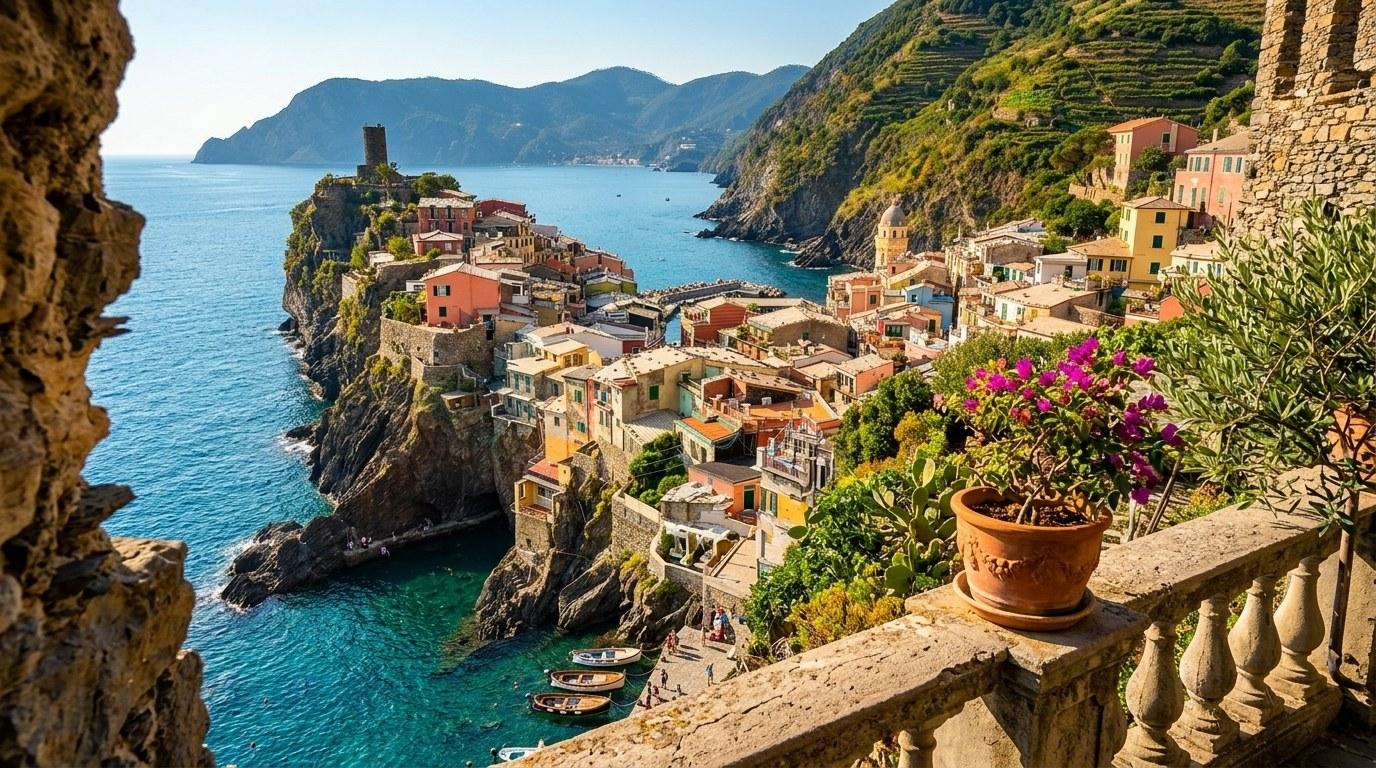
- Sun and sea: Greece, Croatia, southern Italy and Spain for beaches, gastronomy and heritage.
- Culture and wide-open spaces: inland Portugal, Central European capitals and Scandinavia for unspoilt landscapes.
The Mediterranean: classic destinations, fresh perspectives
Greece: looking beyond the best-known islands
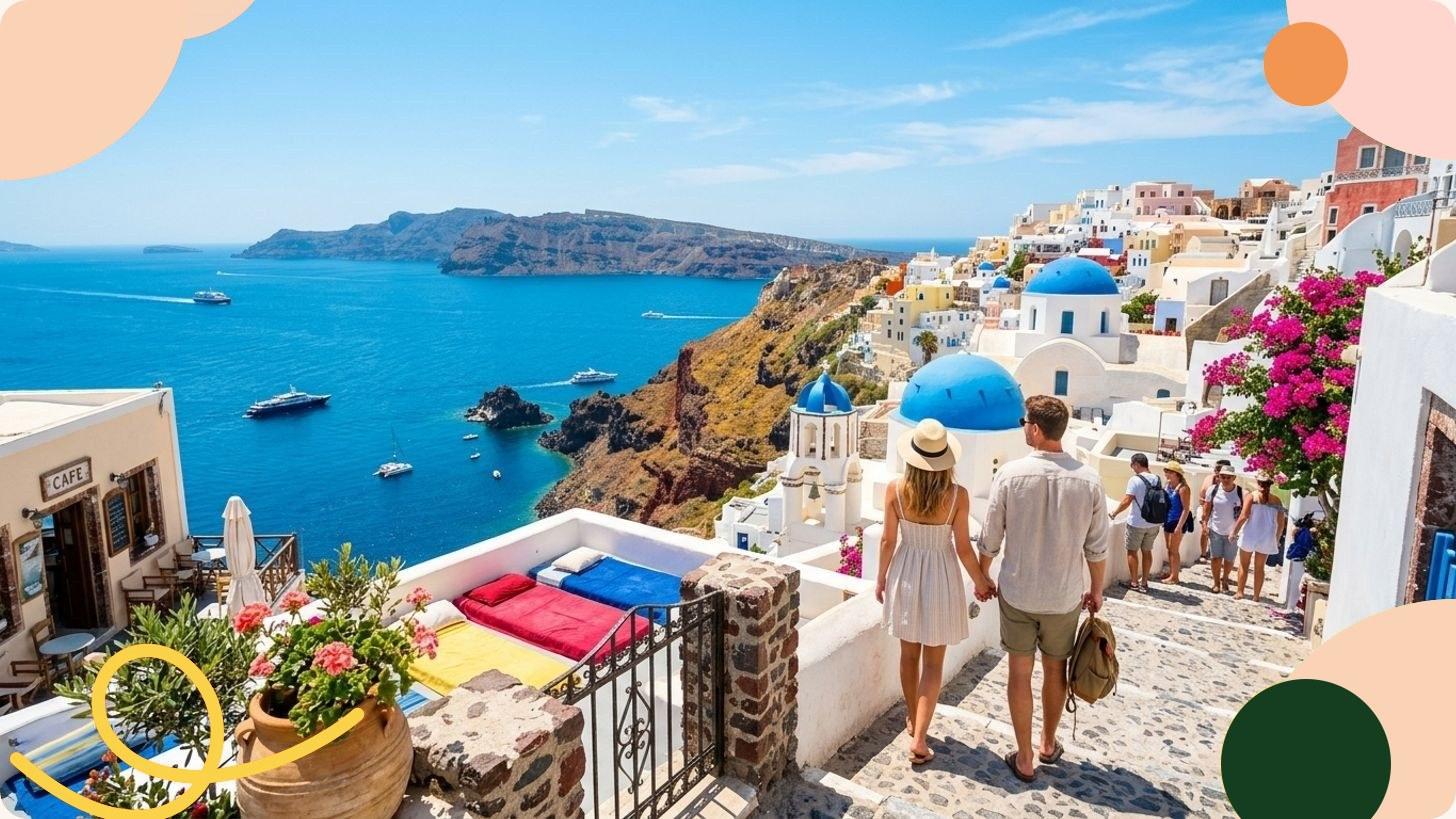
Athens remains a gateway to antiquity and a natural springboard for the islands. This summer, travellers are moving away from Santorini and Rhodes in favour of Naxos (Cyclades), with its wild beaches and mountain villages, or the Cretan interior around Chania and the Lassithi Plateau. These destinations fly well under the radar on social media, yet offer a far more immersive experience.
For a closer look at Greece, Cyprus and Iceland, see our selection Greece, Cyprus and Iceland this summer.
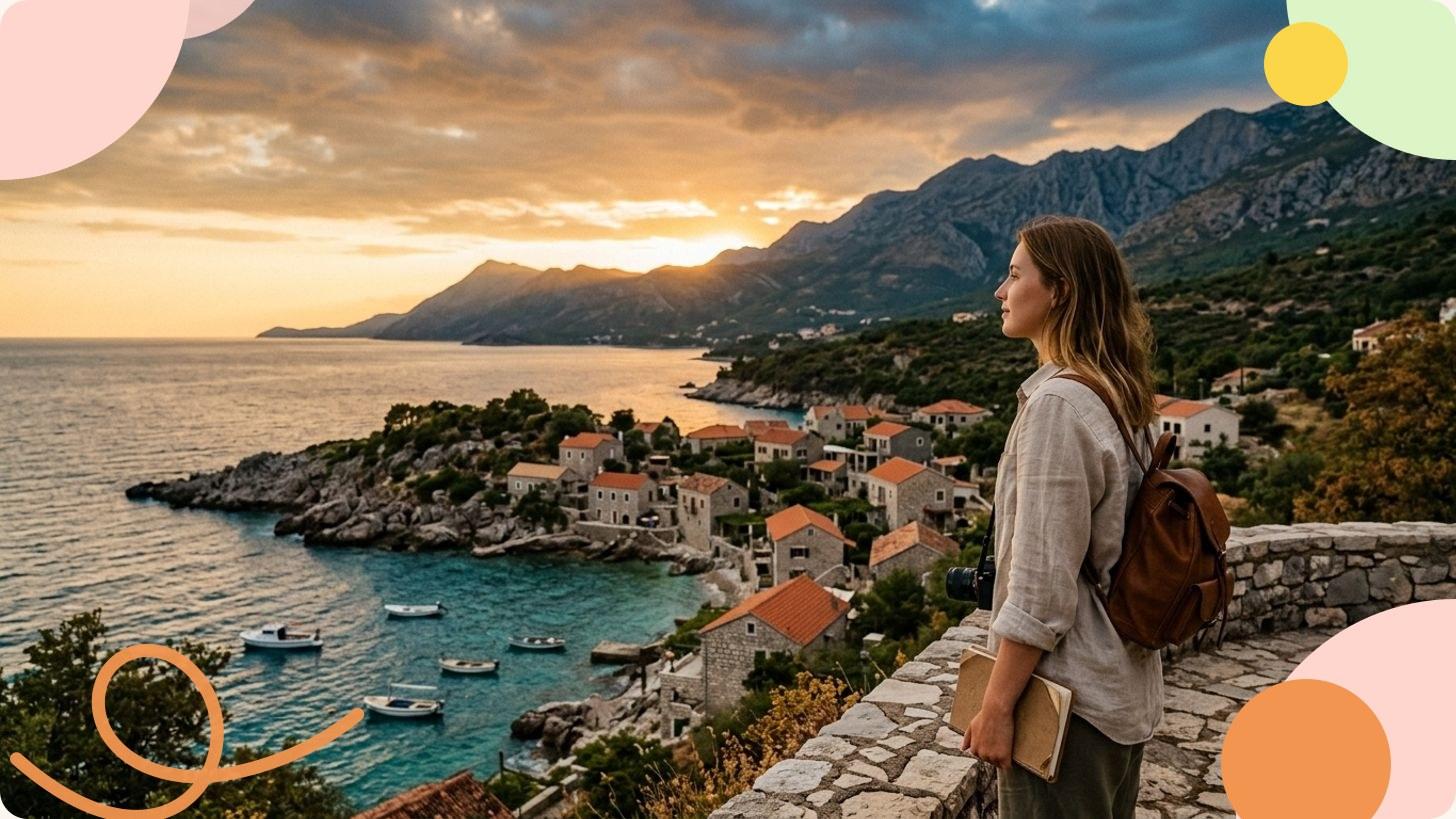
Croatia: Split as your Adriatic base
Split has everything that makes Croatia so appealing: Diocletian’s Palace wrapped in everyday neighbourhood life, beaches within easy walking distance, and the islands of Brač and Hvar a short ferry ride from the harbour. Less crowded than Dubrovnik at the height of summer, the city is an ideal base for exploring the Adriatic coast at your own pace.
Italy: Puglia and Sardinia, off the beaten track
Puglia is drawing ever more visitors: Alberobello with its trulli, Matera, the coves of the Gargano. This is a deeper, less-discovered Italy, well away from the usual Tuscany-and-Veneto circuit. In Sardinia, the northern area around Olbia combines accessible coves with shepherd villages, a world apart from the Costa Smeralda resorts.
Portugal: slow travel between the Alentejo and the Atlantic
The Alentejo, south of Lisbon, and the Vicentine Coast embody the slow travel movement: golden plains, whitewashed villages and unspoilt dunes, far from the tourist bustle of the Algarve. The Douro Valley, a UNESCO World Heritage Site, has firmly established itself as a wine tourism destination, with its dramatic terraced vineyards. Porto and its azulejo-tiled facades, Lisbon and its hilly neighbourhoods: Portugal layers atmosphere upon atmosphere without ever feeling forced, and remains one of the most affordable destinations in Western Europe.
Our page Portugal, Croatia and Norway this summer covers each of these three destinations in detail.
Central Europe: Budapest, Ljubljana and their neighbours
Cheaper than Paris, Rome or Barcelona, the capitals of Central Europe are one of this summer’s most rewarding discoveries. Budapest for its thermal baths, its after-dark spa scene and its vibrant cultural life; Ljubljana, Slovenia’s green capital, with its pedestrianised centre lined with riverside cafes; Bratislava, an hour from Vienna by train, for a taste of Central Europe without the queues.
And if you are after a destination that is still genuinely off the radar: Transylvania in Romania, with its fortified Saxon villages and medieval towns such as Sighișoara, is one of the season’s real finds.
Our page Czech Republic, Hungary and Austria this summer rounds out this Central European overview.
Scandinavia: cool, dramatic and unmissable
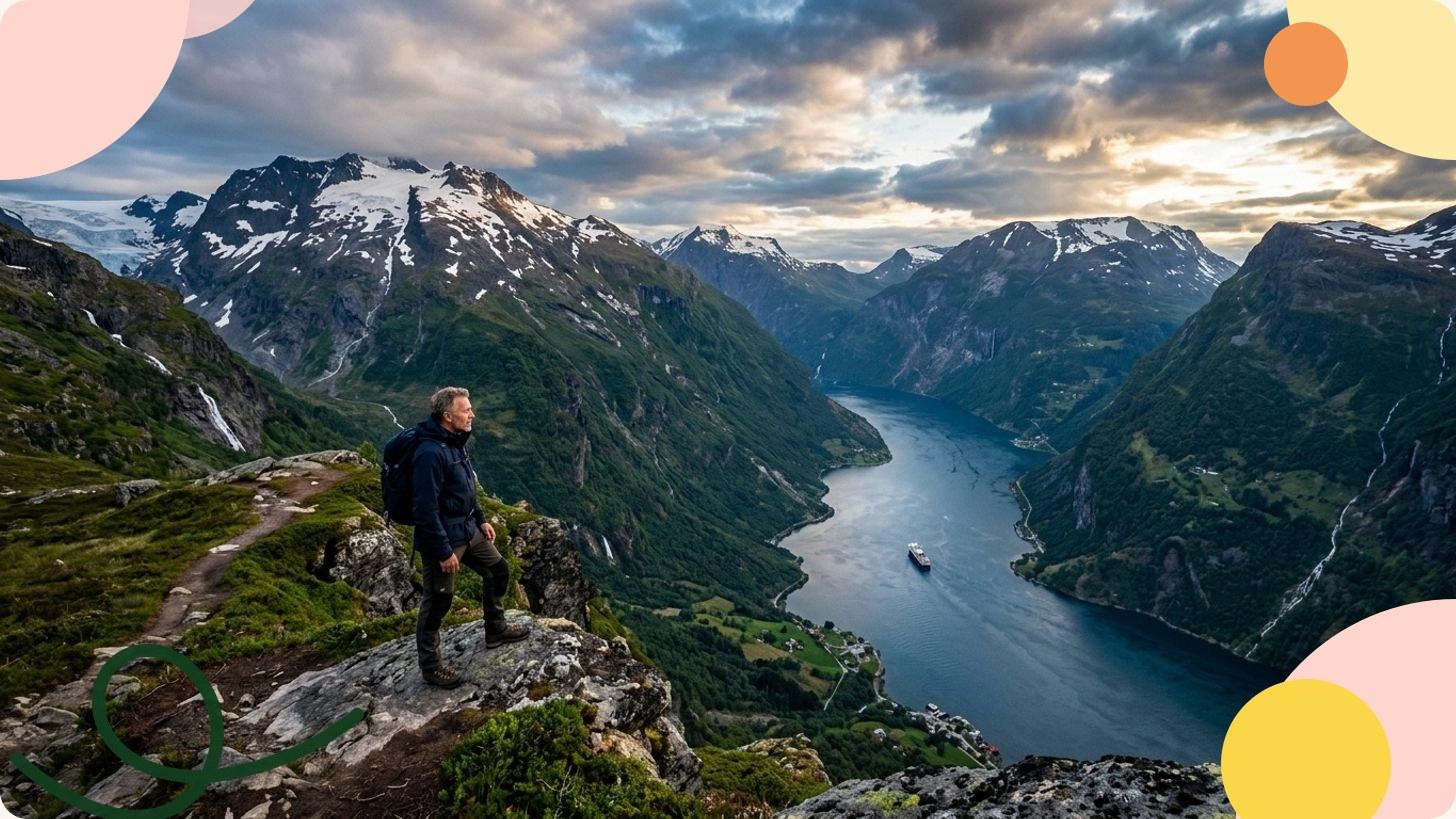
Norway and Iceland are answering a growing demand from travellers who want to escape the heat without leaving Europe. The Norwegian fjords, Icelandic waterfalls and volcanoes offer some of the most breathtaking scenery on the continent. In June and July, the pale, luminous nights bring a quality of light that southern Europe simply cannot match. One highlight for 2026: Oulu, in Finland, holds the title of European Capital of Culture this year, with a programme spanning art, technology and Nordic traditions.
Travelling differently: across the continent by train
Paris to Barcelona, Paris to Berlin, Paris to Vienna by overnight train: Europe’s rail network is expanding and becoming a genuine alternative to flying for many destinations. Our guide Travelling by train in Europe has everything you need to plan a rail journey this summer.
FAQ
Which is the cheapest destination in Europe for summer 2026?
Central European capitals such as Budapest, Bratislava and Riga, along with the Balkans (Albania, Montenegro), are among the most budget-friendly options. The Alentejo in Portugal and lesser-known Greek islands such as Naxos also offer an excellent balance between quality of experience and value for money.
Where should I go in Europe to avoid the heat this summer?
Norway, Iceland and Finland offer cool summer temperatures and spectacular natural scenery. This trend, often called a coolcation, is gaining traction as heatwaves extend across southern Europe from July onwards.
Can I travel in Europe this summer without a visa?
For citizens of European Union countries, the vast majority of European destinations are accessible without a visa. For travellers from outside the EU, or for certain destinations such as the United Kingdom, entry requirements vary by nationality: check with the relevant official authorities before you travel.
Do I need travel insurance to visit Europe this summer?
Even within the EU, the European Health Insurance Card (EHIC) covers a portion of healthcare costs in public facilities, but not medical repatriation or trip cancellation. Complementary travel insurance remains a sensible option for complete peace of mind.
When is the best time to travel in Europe during the summer?
June and September often strike the best balance: pleasant temperatures, smaller crowds and slightly lower prices than July and August. For Nordic destinations, July and August remain the ideal window to make the most of the long, luminous days.