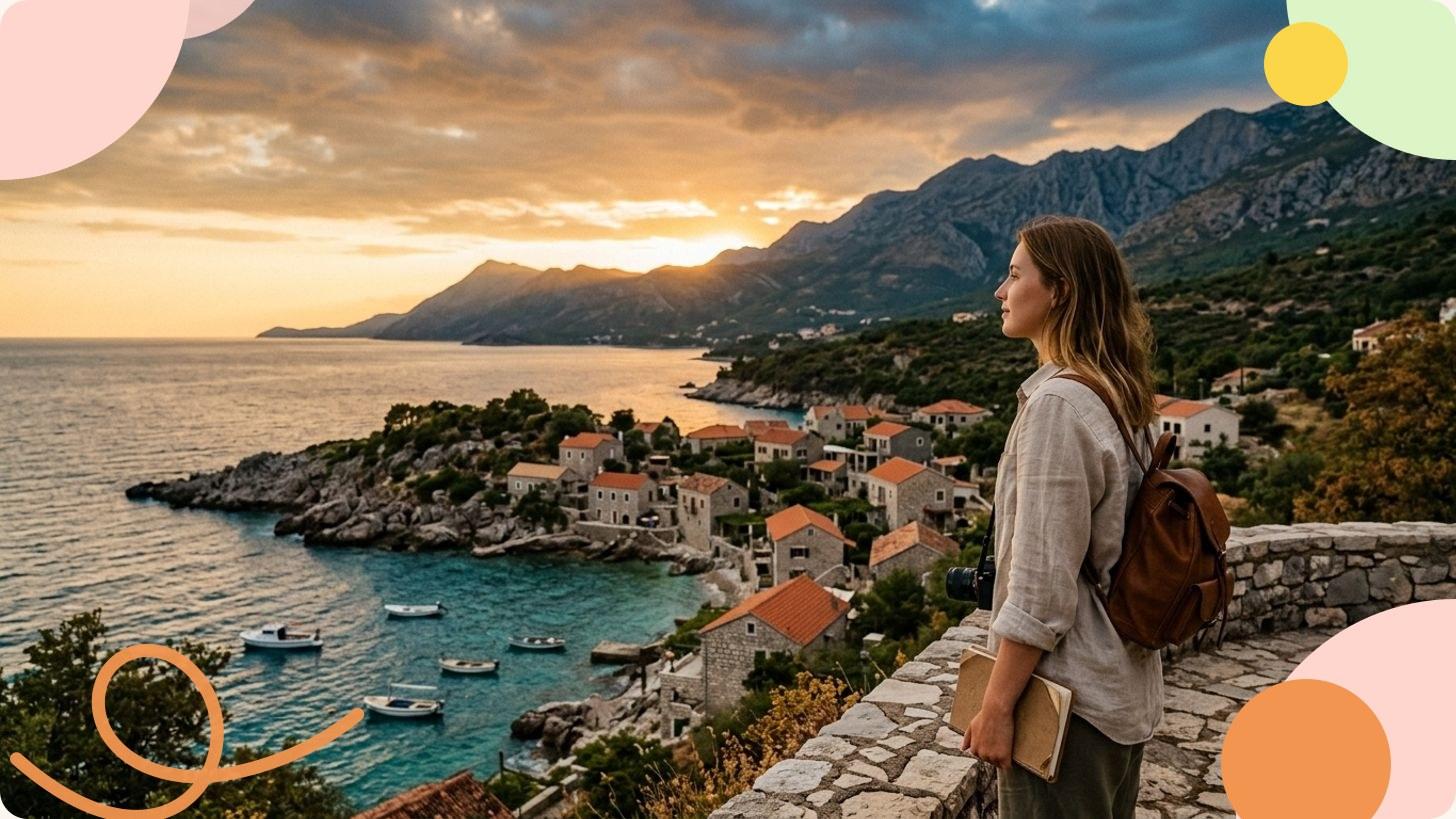

Tunisia packs three utterly different worlds into a single country: a sun-drenched Mediterranean coastline, imperial cities layered with more than two millennia of history, and a Saharan desert you can reach from the north in half a day’s drive. With nine UNESCO World Heritage Sites, it ranks among the richest destinations in the Mediterranean basin for anyone drawn to ancient ruins, living medinas and rolling sand dunes.
Get my travel insuranceAncient Heritage: Carthage, Dougga and El Jem
Carthage: Capital of a Vanished Empire
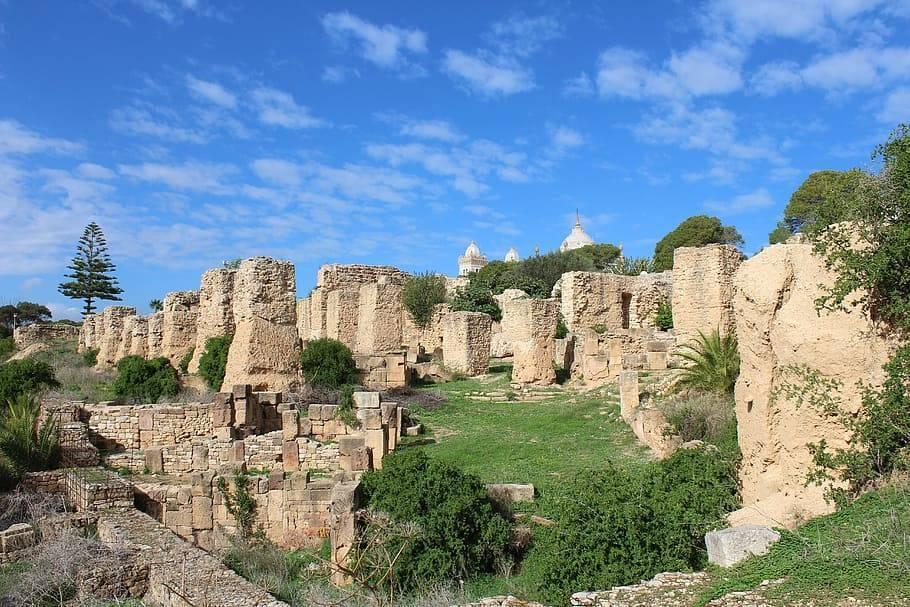
Founded in the 9th century BC by Phoenician settlers, Carthage long rivalled Rome before being razed to the ground in 146 BC. The archaeological site, awarded UNESCO status in 1979, spreads across the outskirts of Tunis and takes in the Antonine Baths, the tophet and the remains of the Byrsa citadel. Allow half a day for a thorough visit, or longer if you pair it with the National Bardo Museum in the city.
The Phoenicians who founded Carthage sailed from the eastern Mediterranean: if that civilisational thread intrigues you, our guide Things to Do in Lebanon traces those same footprints on the other side of the sea.
Dougga: The Best-Preserved Roman City in North Africa
Listed as a World Heritage Site since 1997, Dougga (ancient Thugga) sits on a hillside in northern Tunisia. Its theatre, temples and baths paint a vivid picture of life in a Roman provincial town during the 2nd century. The site draws far fewer visitors than Carthage, making it a quietly memorable stop for anyone willing to linger.
El Jem: North Africa’s Greatest Amphitheatre
Built in the 3rd century and inscribed by UNESCO in 1979, the amphitheatre of El Jem is the largest in North Africa, capable of holding up to 35,000 spectators. Its silhouette, rising without warning from the flat Tunisian Sahel plain, is one of the most striking sights in the country.
Medinas and Islamic Tunisia
The Tunis Medina: Living Monument
Awarded World Heritage status in 1979, the medina of Tunis is one of the largest and best-preserved in the Arab world. Its souks are arranged by trade: perfumers, weavers, leather workers. The Ez-Zitouna Mosque, founded in the 8th century, forms its historic heart. Beyond the medina, Tunis offers a vibrant modern cultural scene: museums, contemporary art galleries and the animated cafes where Tunisians gather every day.
Kairouan: Islam’s Fourth Holy City
Founded in 670 and a UNESCO World Heritage Site since 1988, Kairouan holds the rank of Islam’s fourth holiest city, after Mecca, Medina and Jerusalem. Its Great Mosque, established in the 7th century, is one of the oldest in the western Islamic world and served as the blueprint for countless mosques across the Maghreb and Andalusia. Non-Muslims may visit the inner courtyard. The city is equally celebrated for its hand-woven carpets and date-filled maqroudh pastries.
Charming Villages and the Coast
Sidi Bou Said: Blue and White Above the Gulf of Tunis
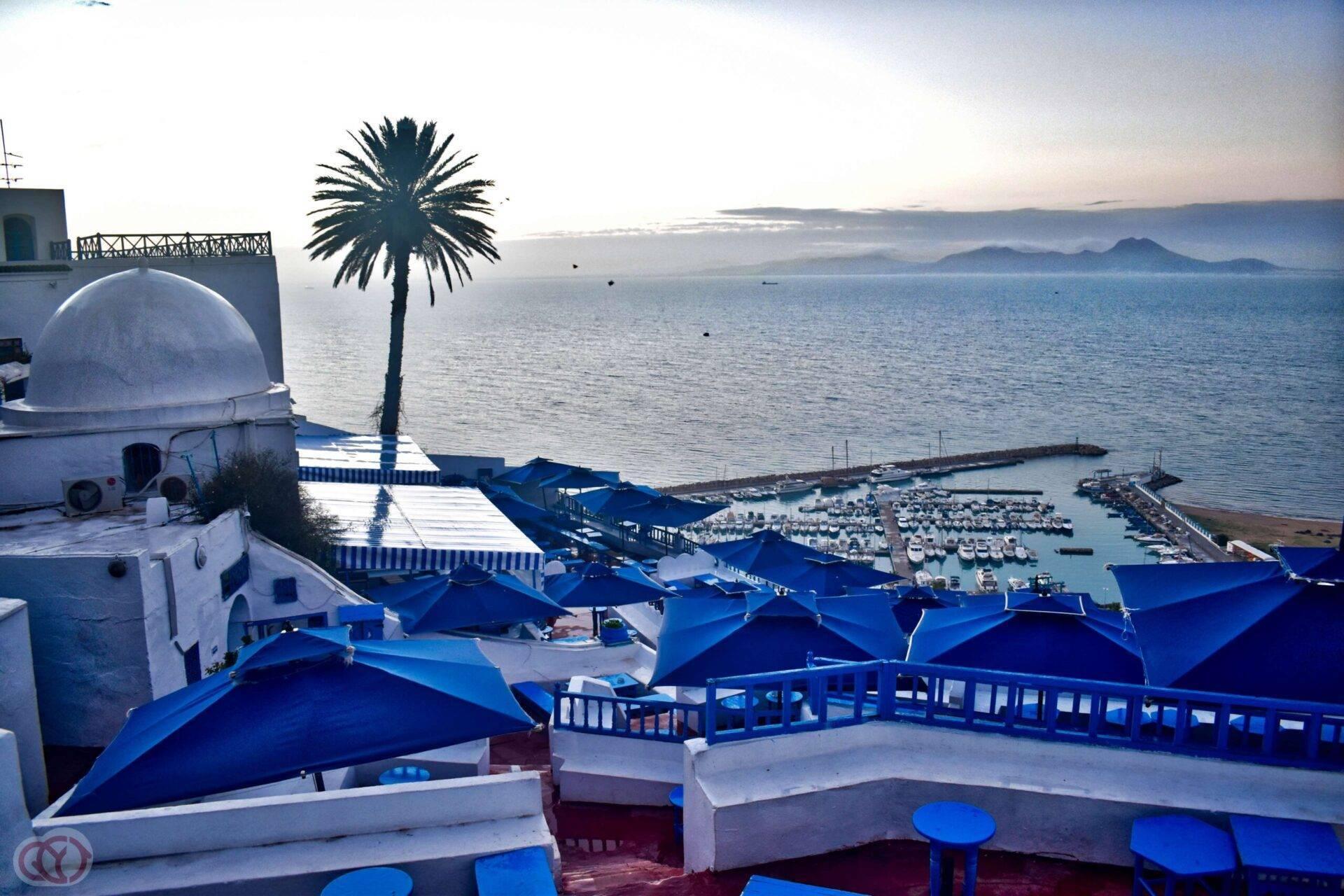
Just north of Tunis, Sidi Bou Said is one of Tunisia’s most photographed spots: cobbled lanes, whitewashed facades, blue ironwork and shutters, and terraces gazing out over the gulf. The village is not yet on the UNESCO list, but its candidacy was submitted in 2025 and a decision is expected in 2026.
Hammamet and Cap Bon
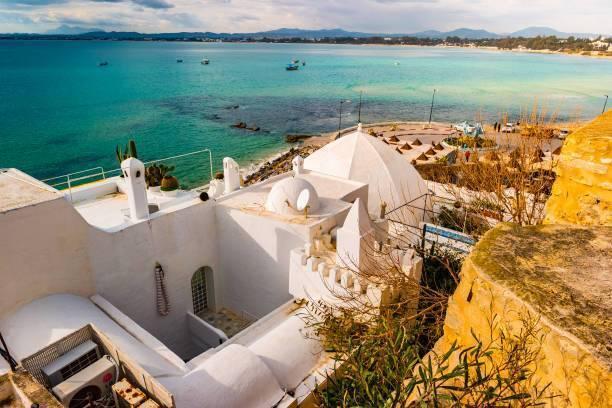
Hammamet draws visitors for its sandy beaches and fortified medina. The Cap Bon peninsula opens up further landscapes: Nabeul for its pottery, Kelibia for its clifftop citadel overlooking the sea. Travellers hiring a car can link Tunis, Sidi Bou Said, the nearby ancient ruins and Hammamet in just a few days without any long drive.
The Deep South: Oases and the Sahara
Tozeur and the Mountain Oases
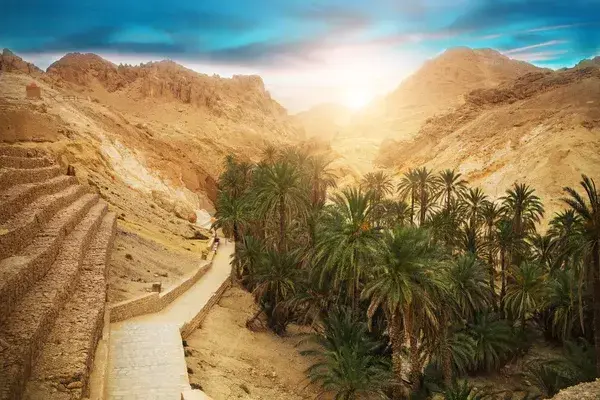
Tozeur is built from sun-dried brick, its facades decorated with geometric patterns that have become one of the country’s architectural signatures. The town is also known as a film location, featuring in several scenes from the Star Wars saga. Nearby, the mountain oases of Chebika, Tamerza and Mides offer limestone gorges and waterfalls best reached by 4x4. The crossing of Chott el-Jerid, a vast salt lake that adjoins the town, is a journey worth making in its own right.
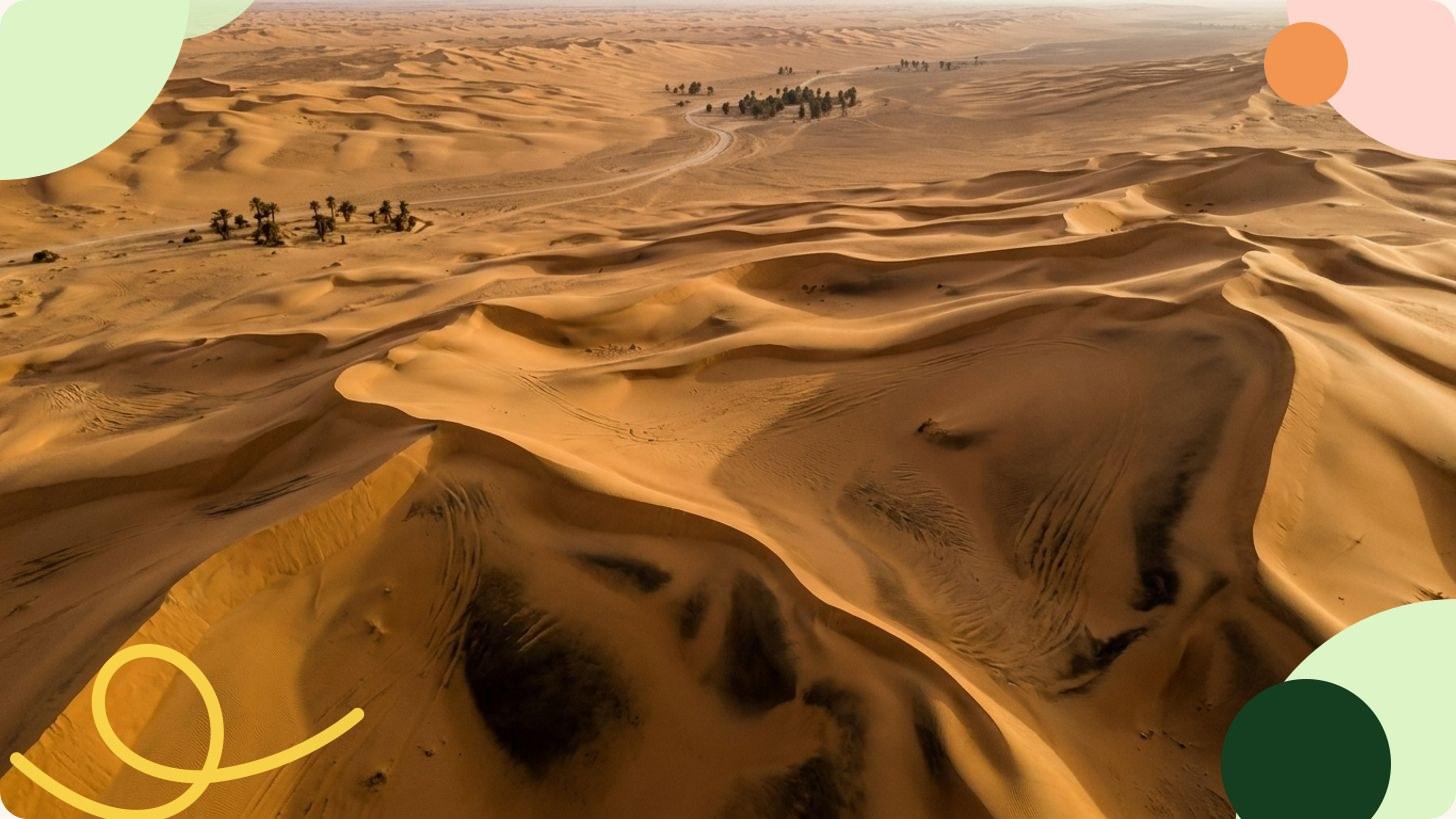
Douz: Gateway to the Sahara
Beyond Tozeur, Douz is the departure point for excursions into the great dunes of the Grand Erg Oriental. Camel treks and desert bivouacs are all organised from here. Plan your visit between November and March: summer temperatures in this region regularly top 40°C.
Desert lovers and Islamic heritage enthusiasts will find comparable landscapes in our guide Things to Do in Jordan.
When to Visit Tunisia
Spring (April-May) and autumn (September-October) suit most travellers heading to the north and centre: mild temperatures, still-warm sea in September, and quieter sites than in high summer. Summer remains beach season, but the heat bears down heavily in the medinas and on exposed archaeological sites. The Deep South (Tozeur, Douz, Sahara) is best explored from November to March, when the sun is warm rather than punishing.
For entry formalities, local currency, recommended vaccinations and the right medical cover, visit our Tunisia travel insurance page: it covers everything to check before you leave.
FAQ
What are the must-visit cities in Tunisia?
Tunis and its surroundings (medina, Carthage, Sidi Bou Said, Bardo), Kairouan, Sousse, Hammamet and Tozeur for the Deep South are the key stops. A north-to-south itinerary combining Tunis, Dougga, El Jem and Tozeur covers the highlights in a week.
What is there to do in Tozeur?
Visit the medina and palm groves, take a 4x4 to the mountain oases of Chebika, Tamerza or Mides, cross the Chott el-Jerid salt lake, and head out on a day trip to the first dunes of the Sahara from Douz.
Can you visit Tunisia’s ancient sites independently?
Yes. Carthage, Dougga and El Jem can all be explored without a guide. At Carthage, a local guide helps you navigate ruins spread across a wide area.
What is there to do in Tunisia with children?
The beaches of Cap Bon and Hammamet suit all ages. The El Jem amphitheatre, camel rides in Douz and the souks of the Tunis medina all go down well with younger travellers.
What makes Tunisia stand out from other Mediterranean destinations?
The sheer density of heritage: nine UNESCO sites within a country the size of Greece, plus an immediacy between sea, imperial cities and the Sahara that few destinations can match. Rarely elsewhere can you travel from a 7th-century medina to Saharan dunes in just a few hours.