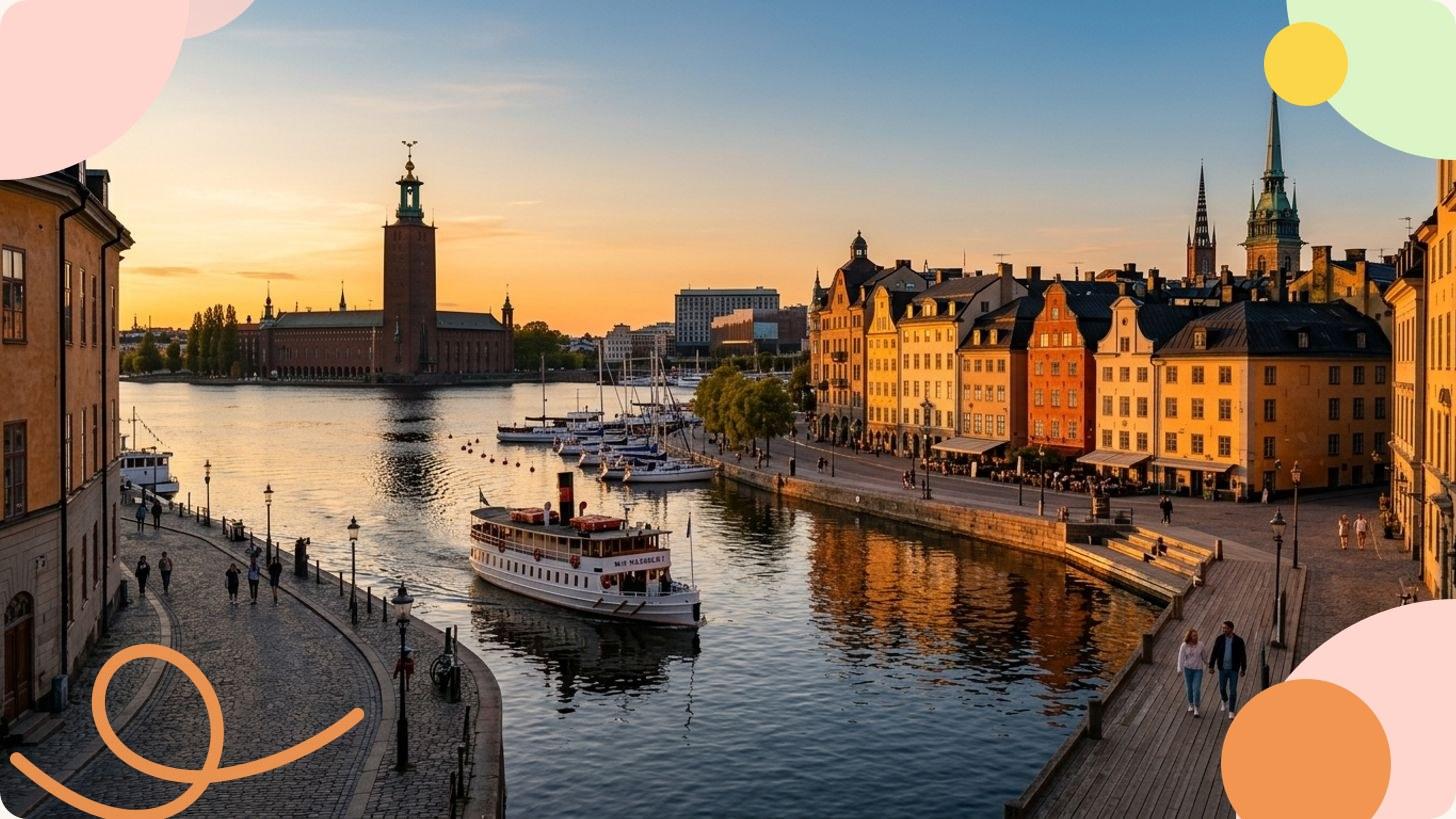

Stockholm is built across 14 islands linked by bridges: the medieval heart of Gamla Stan, the museum island of Djurgården, the royal palace of Drottningholm and a vibrant food scene all combine into a rewarding city break. Three to four days is enough to take in the essentials.
Gamla Stan: Getting Lost in the Medieval Old Town
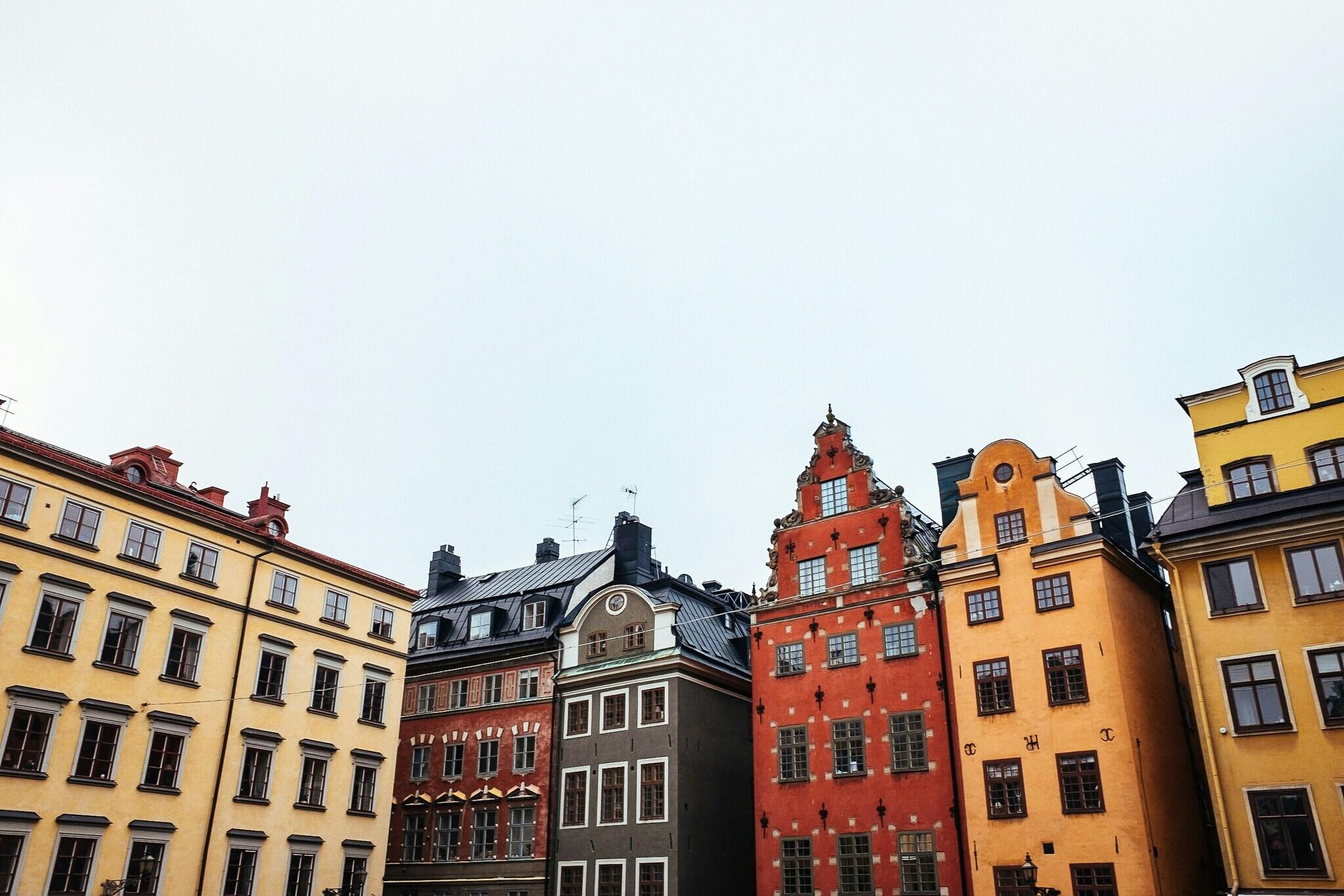
Founded in 1252, Gamla Stan is the natural starting point for any Stockholm trip. Stortorget square, lined with orange, red and yellow facades dating from the 17th and 18th centuries, is its most photographed centrepiece.
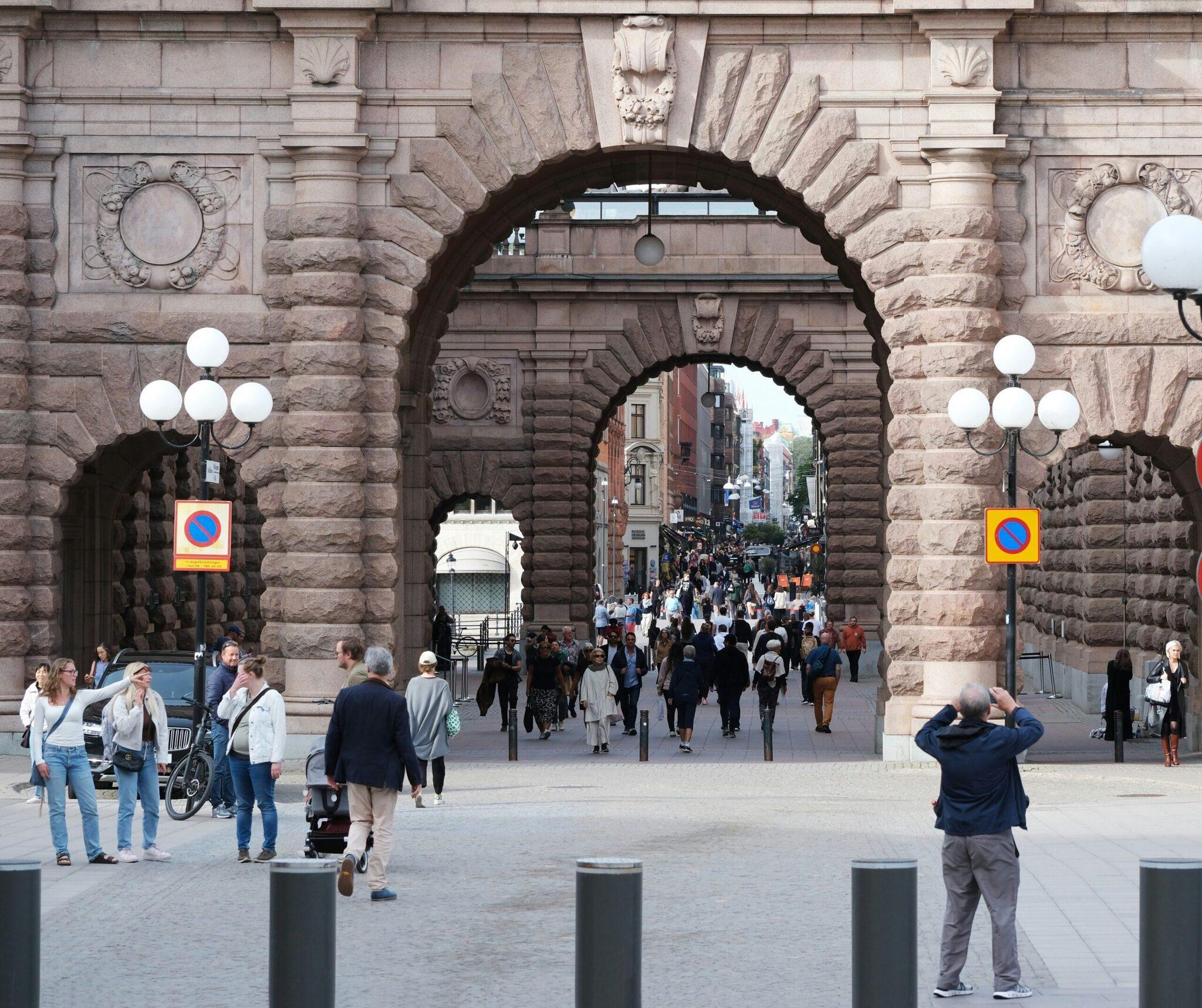
Around Stortorget, the cafes Kaffekoppen and Chokladkoppen spill out directly onto the square. Storkyrkan Cathedral, the oldest church in the city, houses medieval artworks well worth a look. In the surrounding lanes, Den Gyldene Freden has been open since 1722, making it one of the oldest restaurants still in operation in Sweden.
The old town is best explored on foot, without a fixed route. Allow two to three hours to wander freely and duck into the hidden courtyards tucked between the lanes.
Vasa Museum: Face to Face with the World’s Only Intact 17th-Century Warship
The Vasa Museum is home to the only virtually intact 17th-century warship in the world. The Vasa sank on its maiden voyage in 1628 and was raised in 1961 after 333 years on the seabed. Its masts rise more than 50 metres inside the museum roof.
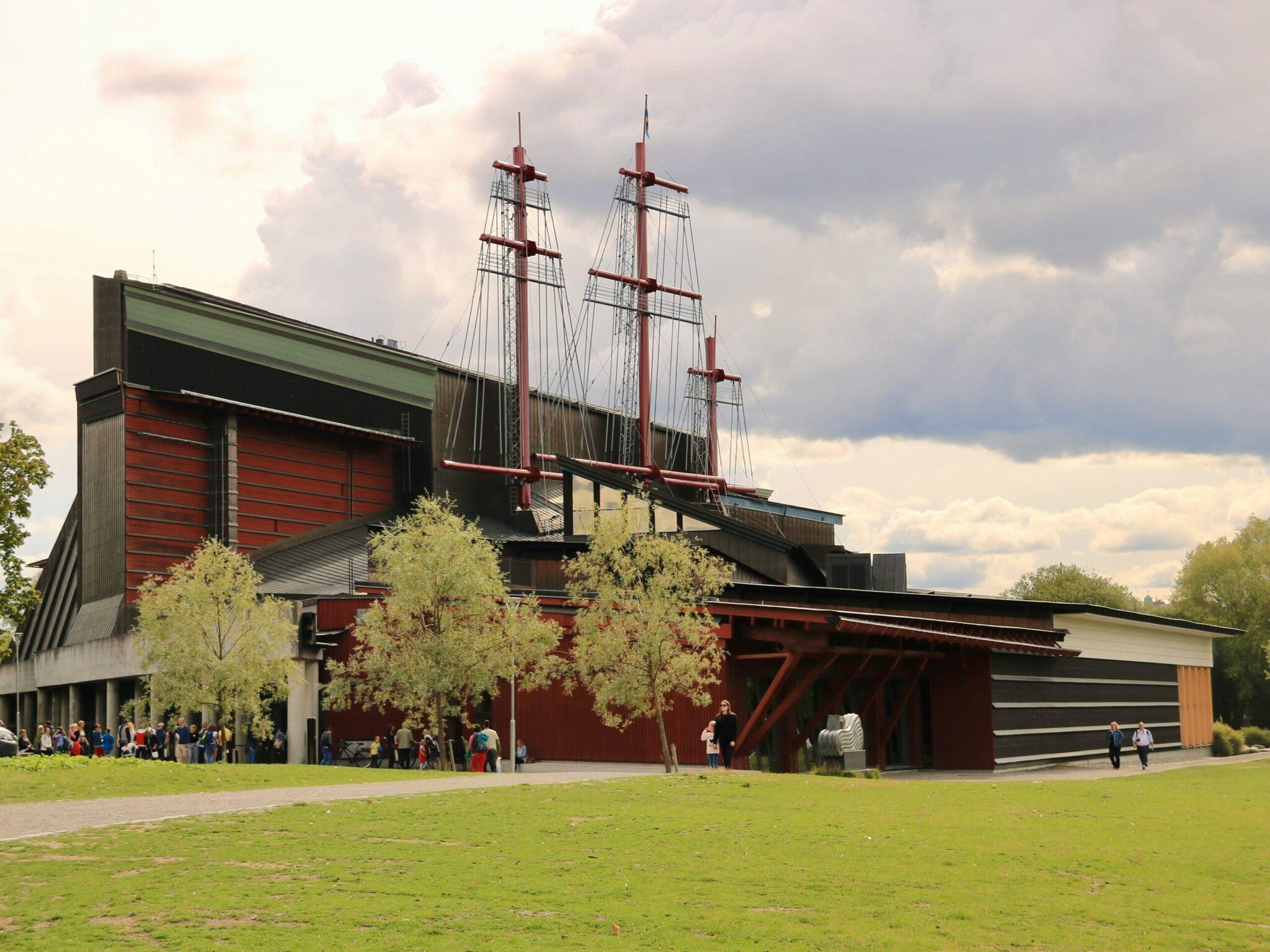
Adult entry: 170 SEK from October to April, 190 SEK from May to September. Free for under-18s. Opening hours: 10am to 5pm daily (until 8pm on Wednesdays) from September to May; 8.30am to 6pm in June and July. Take tram 7 to the Nordiska museet / Vasamuseet stop. Book online to skip the queue during peak season.
Protect my Stockholm tripCity Hall (Stadshuset): The Stage for the Nobel Prize Banquet
Stadshuset is instantly recognisable by its square tower overlooking Lake Mälaren. The Blue Hall is where the Nobel Prize banquet is held each year. The Golden Hall, covered in mosaics depicting Swedish history, is the highlight of the tour. The Prince’s Gallery and Council Chamber round out the route.
Visits are by guided tour only (around 45 minutes). Adult entry: 150 SEK (130 SEK for students and seniors). Tickets go on sale online one week in advance, or at the door from 8.30am on the day. From the top of the tower, you get a panoramic view over Stockholm’s islands and waterways.
Djurgården: The Island of Museums and Nature
Djurgården is within walking distance from Strandvägen, reachable by ferry from Gamla Stan or by tram from the city centre. Several museums sit just minutes apart from one another on the island.

Skansen
The open-air museum at Skansen brings together more than 150 houses, farmsteads and workshops from across Sweden, spanning the 17th century to the early 20th. Nordic animals including moose and reindeer roam a recreated natural landscape. Set aside at least half a day.
ABBA Museum and Gröna Lund
The ABBA Museum traces the story of Sweden’s iconic pop group through an immersive, interactive exhibition. The Gröna Lund amusement park, right next door, is a natural fit for families with children. These two attractions work well as a second day on Djurgården, following a morning at Skansen.
Drottningholm: The UNESCO-Listed Royal Palace
Around 30 minutes from the city centre by public transport (green metro line to Brommaplan, then bus 176 or 177), Drottningholm Palace is well worth the trip. Built in the 17th century, it has been the permanent residence of the Swedish royal family since 1981 and is a UNESCO World Heritage Site.
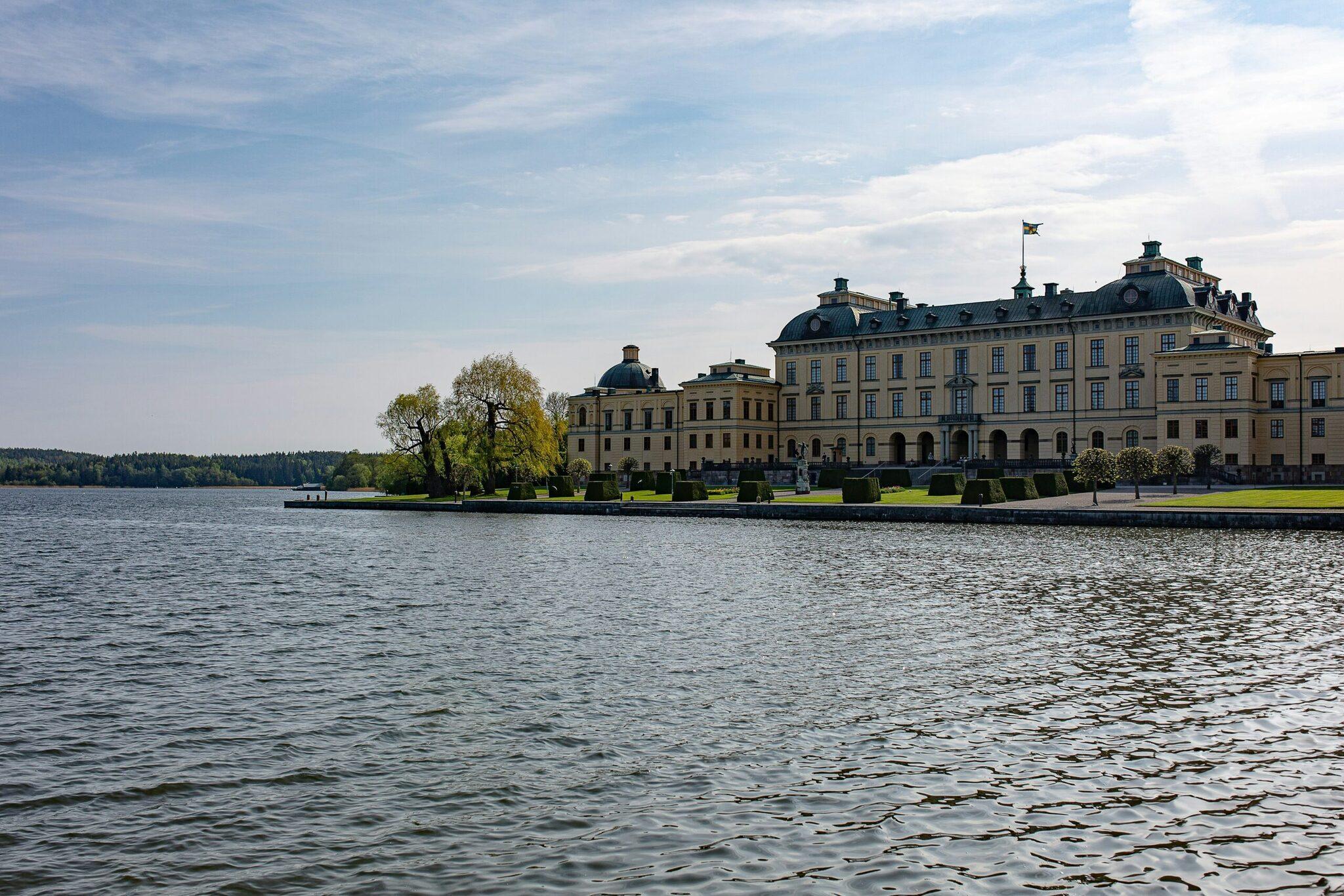
Adult entry: 130 SEK for the royal apartments. The formal French gardens are free to enter. The 18th-century baroque theatre, whose original stage machinery is still in working order, is a rare curiosity. Opera performances are staged there during the summer season.
By boat from Stadshuskajen pier (May to September), the crossing offers fine views over the archipelago before you arrive at the palace.
To explore Sweden beyond Stockholm, our complete guide to Sweden covers 20 experiences to discover across the rest of the country.
Swedish Food: What to Eat in Stockholm
Stockholm’s food scene blends Scandinavian tradition with contemporary creativity.
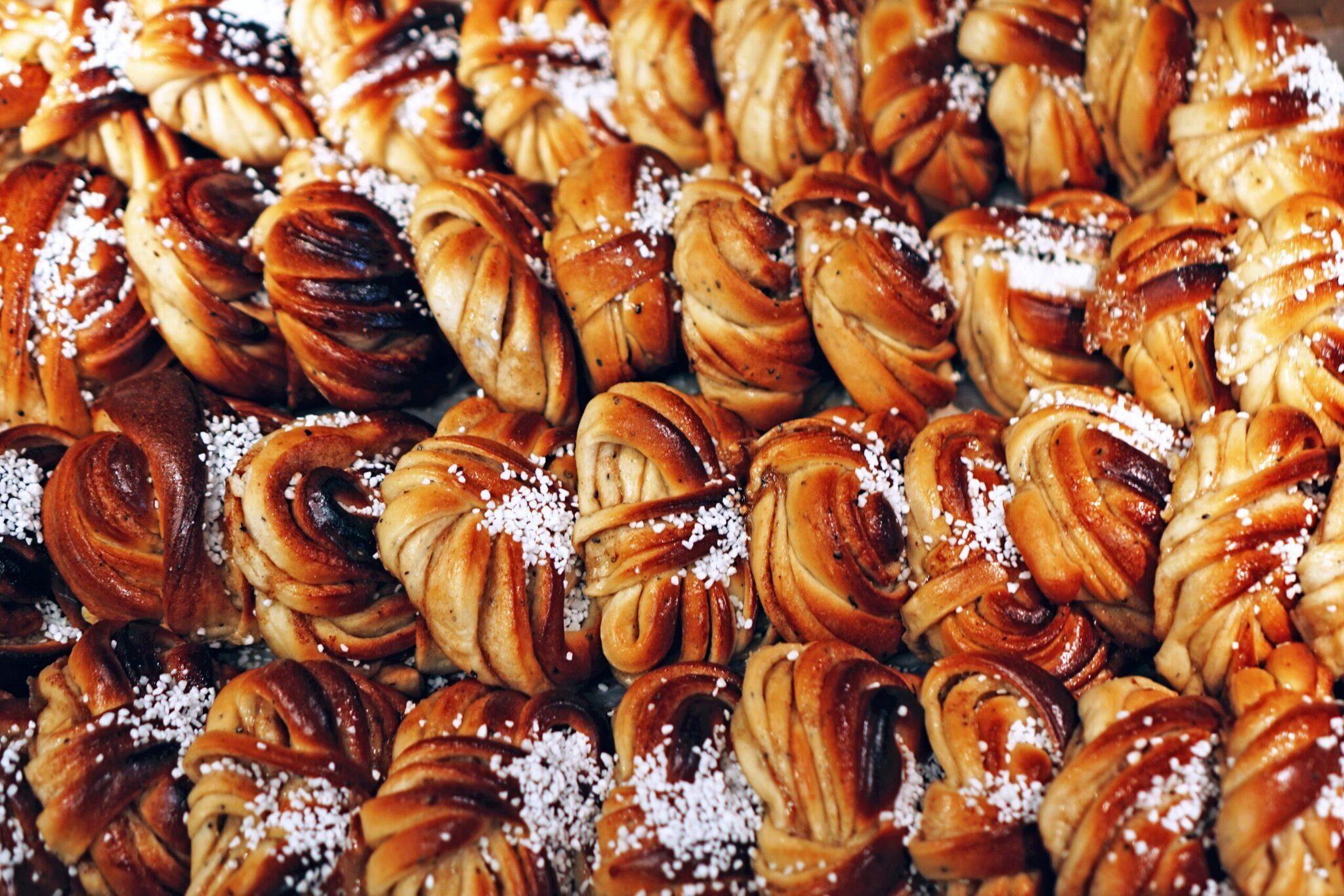
Fika: a coffee break paired with pastries, fika is a social ritual practised several times a day across Sweden. Kanelbullar (cardamom and cinnamon buns) are the classic companion. The Fabrique bakery is regularly cited as one of the best places in the city to find them.
Östermalms Saluhall: this covered market offers aged cheeses, smoked fish and regional produce. Perfect for a quick lunch and an early taste of local flavours.
The classics: köttbullar (meatballs with mashed potato and cream sauce), pickled herring (sill) and crispbread knäckebröd. Most cafes and restaurants also serve open sandwiches topped with various garnishes (smörgåsar).
For a fine-dining experience, Stockholm has several Michelin-starred restaurants; book several weeks ahead for the most sought-after tables.
For more city-break ideas in the same vein, our guides to Things to Do in London and Things to Do in Madrid follow the same practical format.
FAQ
How many days do you need to visit Stockholm?
Three to four days is enough to cover the highlights: Gamla Stan and the Royal Palace, the Vasa Museum, City Hall, Djurgården and Drottningholm. With just two days, focus on Gamla Stan, the Vasa Museum and Djurgården.
What is the best time to visit Stockholm?
June to August brings very long days, giving you plenty of time to explore the city on foot. April to May and September offer a good balance between pleasant weather and smaller crowds. Winter is cold and dark, but the Christmas markets give the city a special atmosphere all of their own.
Do you need a car to visit Stockholm?
No. The metro (tunnelbana), bus and tram network covers all major tourist sites. Drottningholm is reachable without a car by metro and bus (or by boat in summer). Gamla Stan and Djurgården are both entirely walkable from the city centre.
Are Stockholm’s museums expensive?
Several major national museums are free to enter. Paid attractions include the Vasa Museum (170 to 190 SEK for adults depending on the season, free for under-18s), Drottningholm Palace (130 SEK for adults) and Skansen (prices vary by season).
How do you get to Drottningholm from central Stockholm?
Take the green metro line to Brommaplan, then bus 176 or 177 to the palace: the journey takes around 30 minutes. From May to September, the boat from Stadshuskajen pier is a scenic alternative with views over the archipelago.