
Morocco packs extraordinary contrasts into a single country: ancient medinas, Saharan dunes, a wild Atlantic coast and Berber villages clinging to the Atlas Mountains. A week is enough to explore one region; three weeks lets you connect the imperial cities with the deep south and the coast. The natural starting point is Marrakech, from which you can easily fan out to Fes, Essaouira or the desert depending on how much time you have.
Marrakech: the cornerstone of any Moroccan itinerary
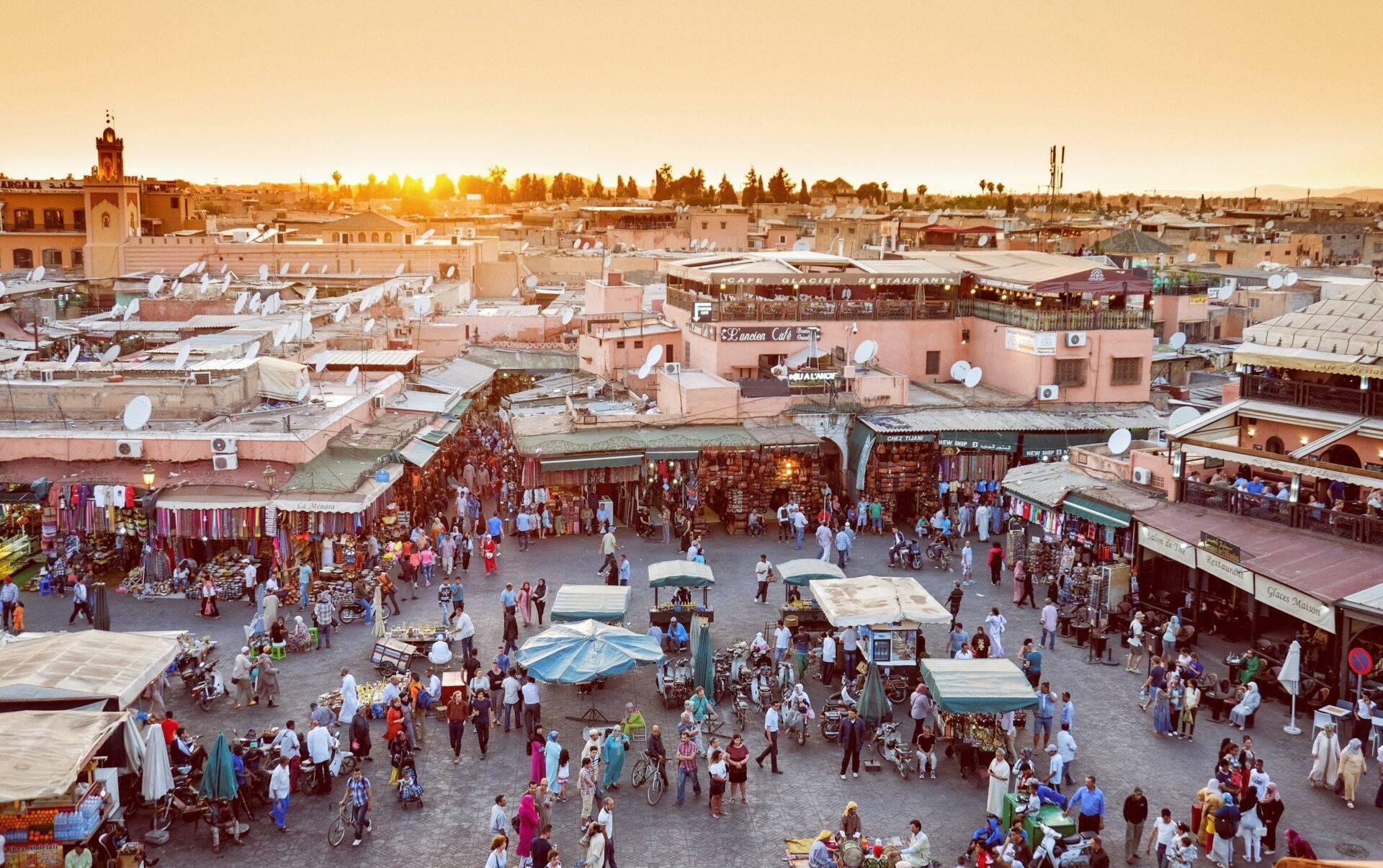
Djemaa el-Fna square, listed by UNESCO as Intangible Cultural Heritage, brings together storytellers, Gnawa musicians and vendors selling freshly squeezed orange juice. Come evening, it transforms into one vast open-air dining room, with dozens of cooks setting up their grills.
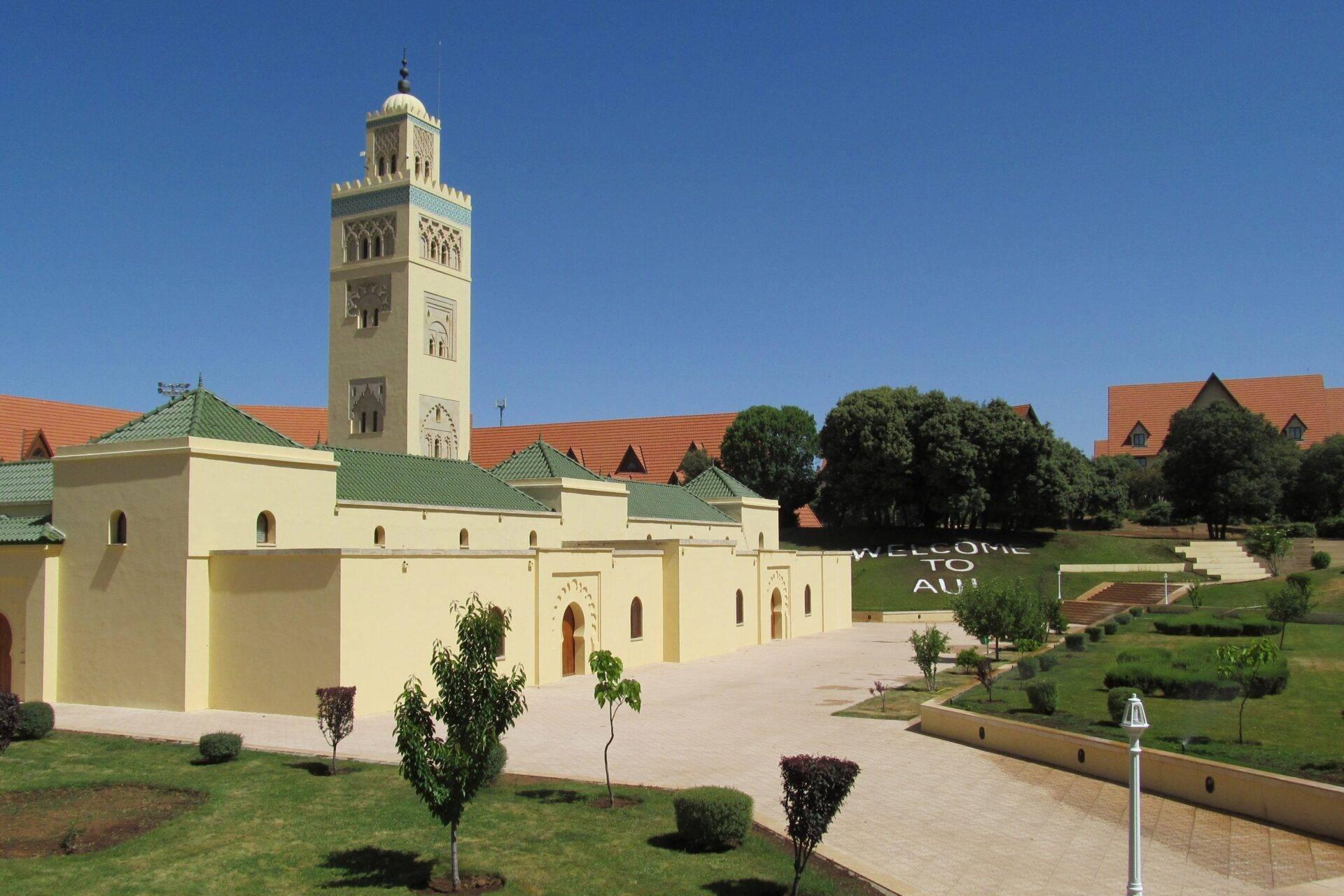
Around the square, the Koutoubia Mosque and the souks each deserve half a day. The Bahia Palace, El Badi Palace and the Majorelle Garden round out a packed cultural itinerary. The Yves Saint Laurent Museum, which faces the garden, hosts exhibitions on the couturier’s life and creative work.
Our detailed guide covers the 10 must-sees and things to do in Marrakech.
Insure my trip to MoroccoThe imperial cities: Fes, Meknes and Rabat
Fes, the medieval heart of Morocco
Fes el-Bali, a UNESCO World Heritage Site, is the largest medieval pedestrian zone in the world. Within its maze of narrow streets, the Chouara Tannery has been producing leather using techniques unchanged for centuries. The Al-Qarawiyyin Mosque, founded in 859, is considered one of the oldest continuously operating universities in the world.
Meknes, the overlooked imperial city
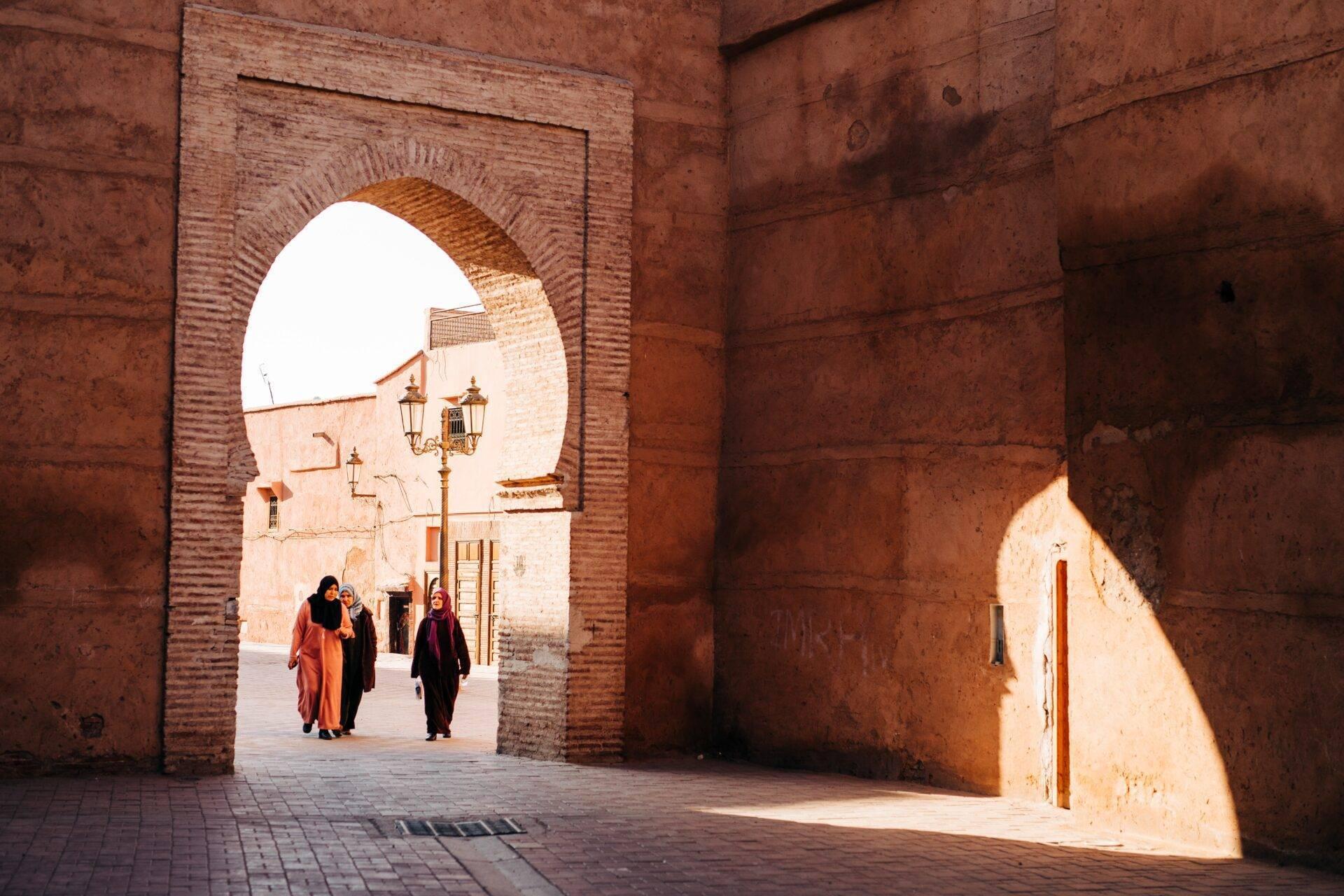
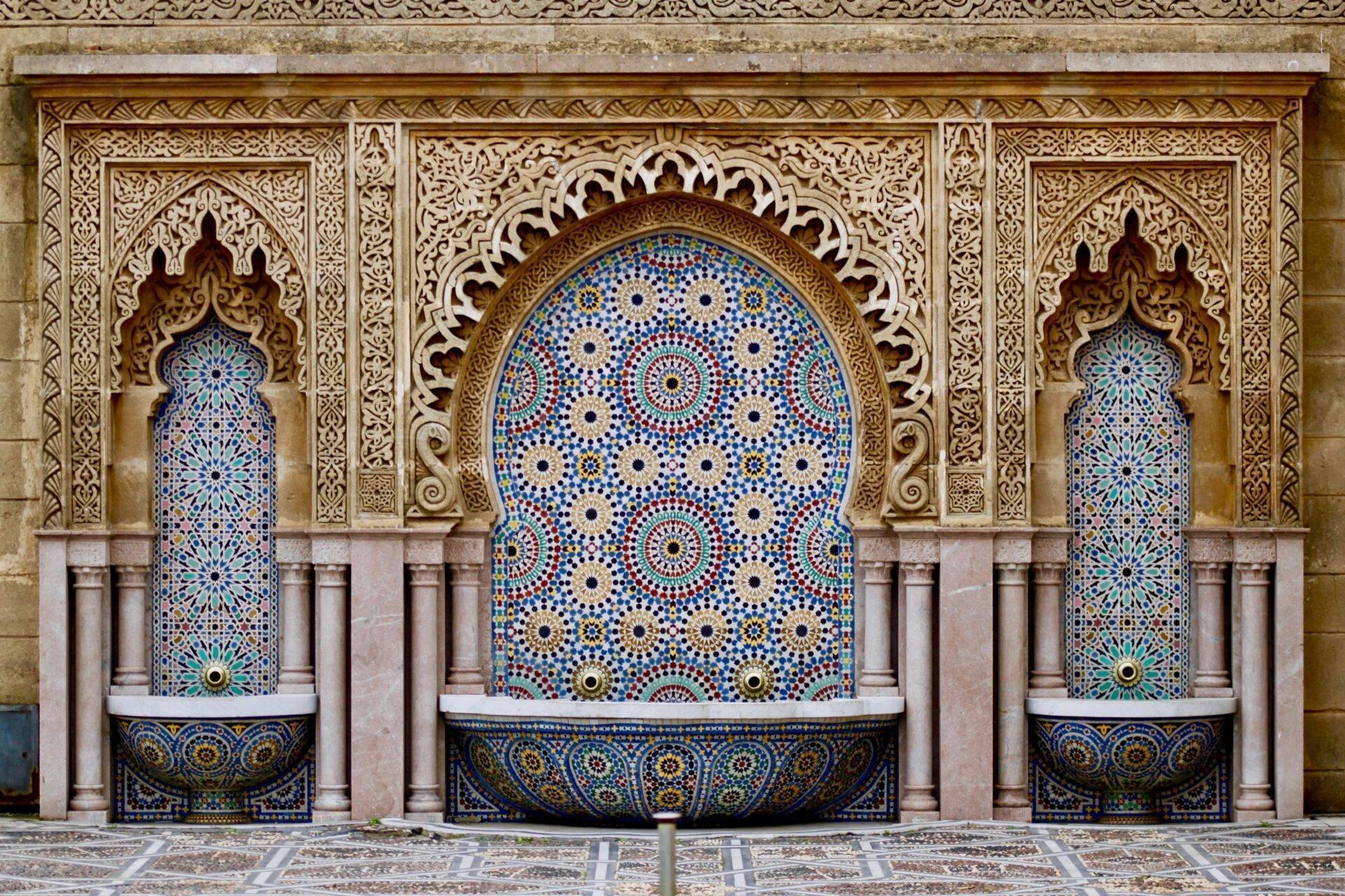
Less visited than Fes or Marrakech, Meknes surprises with the sheer scale of its monuments. The ramparts of Bab Mansour, the zellige-adorned fountains and the Mausoleum of Moulay Ismail can all be explored on foot in a single day. El-Hedim square, right next to the medina, invites you to linger over a coffee on a terrace.
Rabat, the royal capital between history and modernity
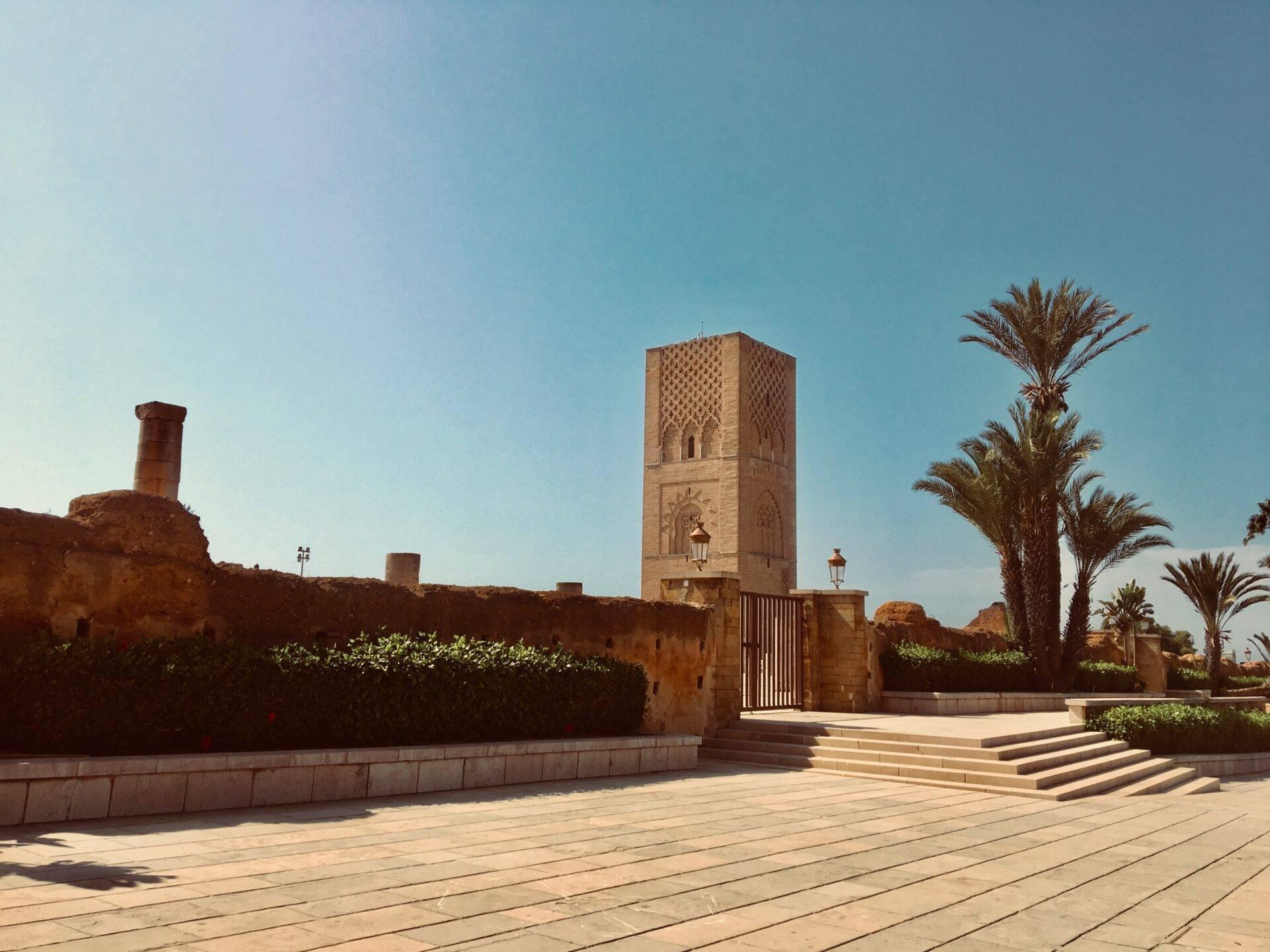
Founded in the 12th century, Rabat blends heritage with the energy of a modern capital. The Kasbah of the Udayas stands above the Atlantic on a hilltop and shelters an Andalusian garden that most hurried visitors overlook. The Mohammed V Mausoleum showcases the mastery of Moroccan craftsmen in mosaic and stucco work.
Casablanca and Tangier: gateways to the Mediterranean and the Atlantic
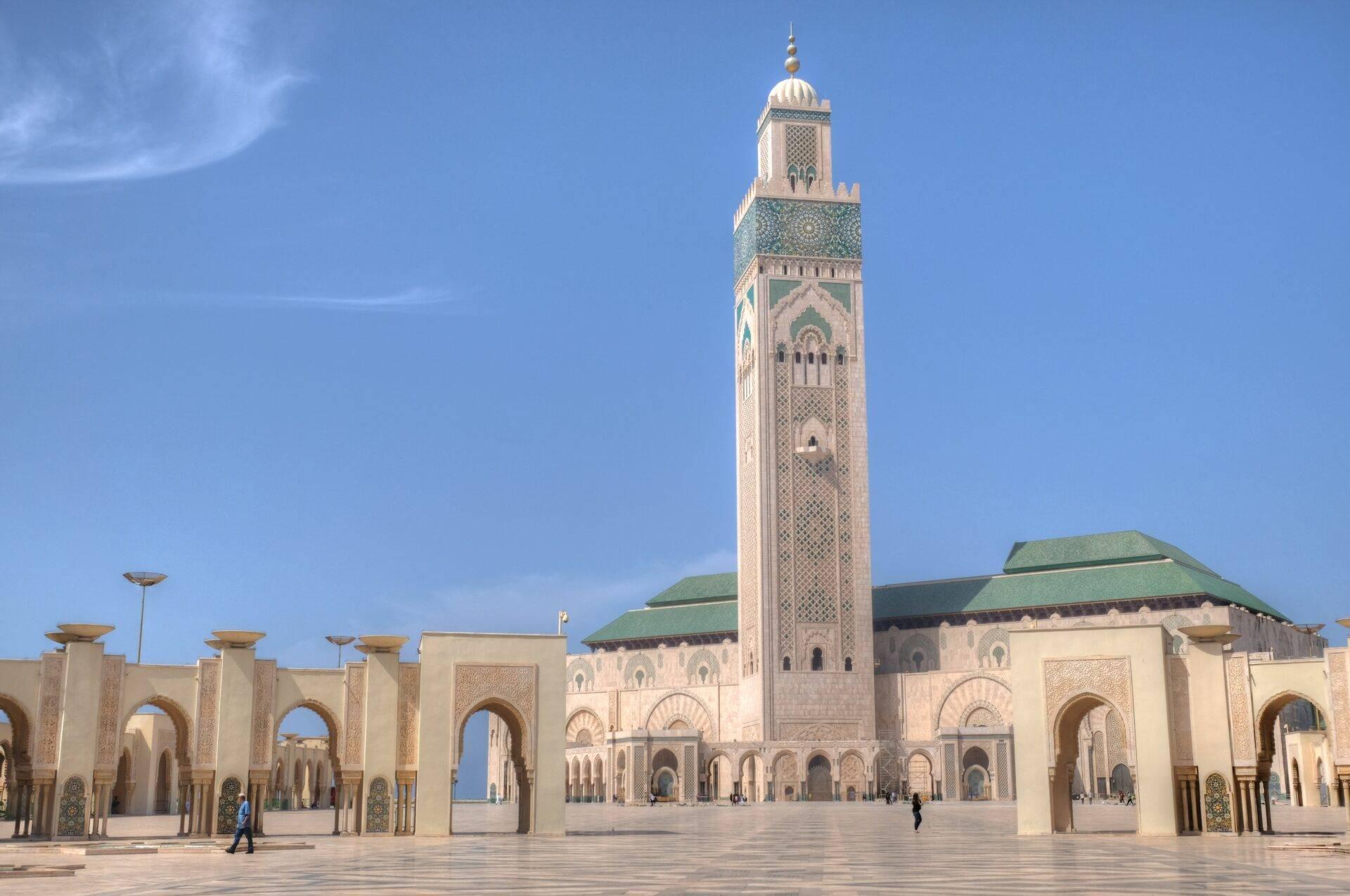
The Hassan II Mosque in Casablanca
Built right on the seafront, the Hassan II Mosque is one of the largest mosques in the world and the only one in Morocco open to non-Muslims. Visited by guided tour, it reveals a remarkable feat of architecture: its glass floor lets you look down through to the Atlantic waves below.
Tangier, a gateway between two continents
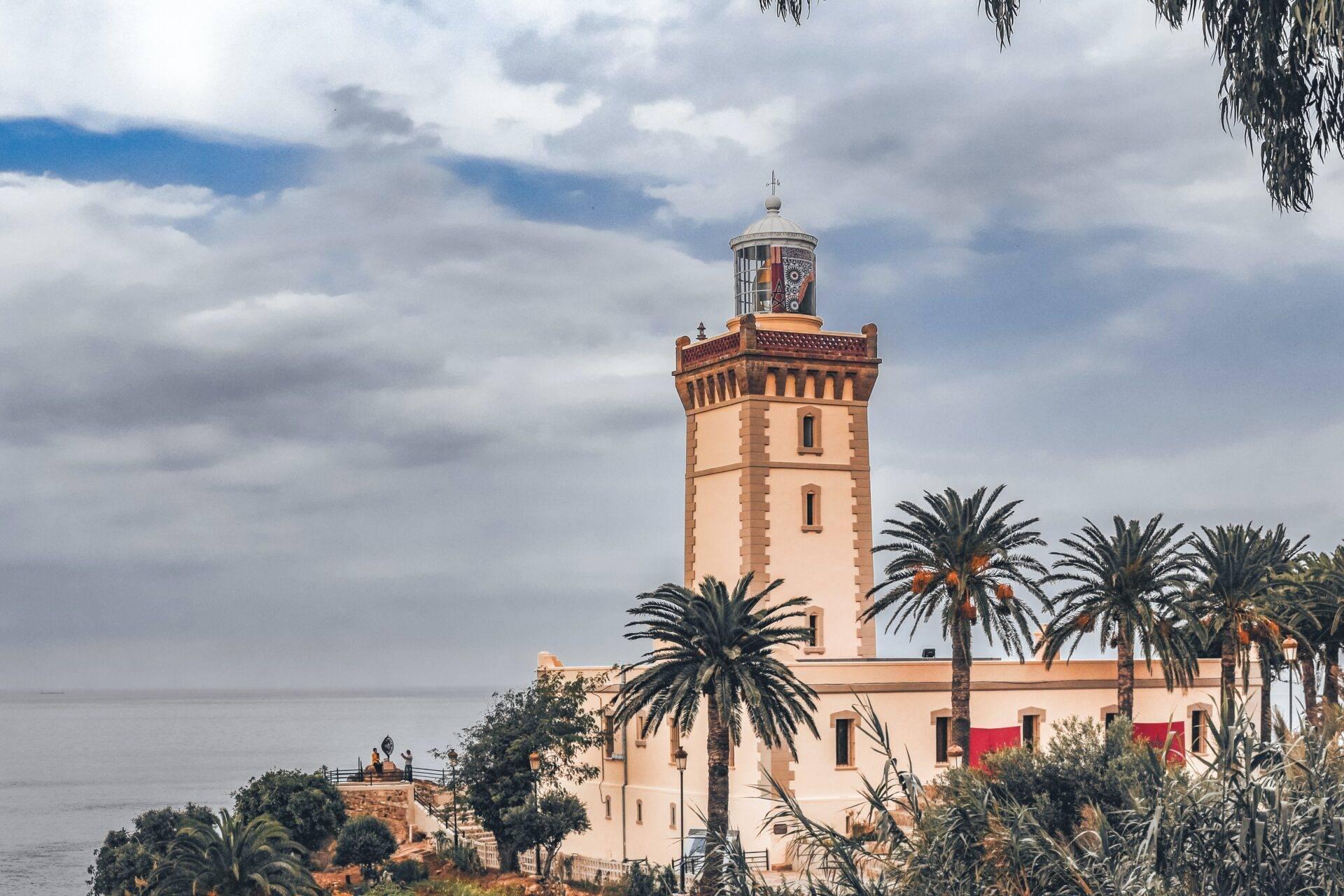
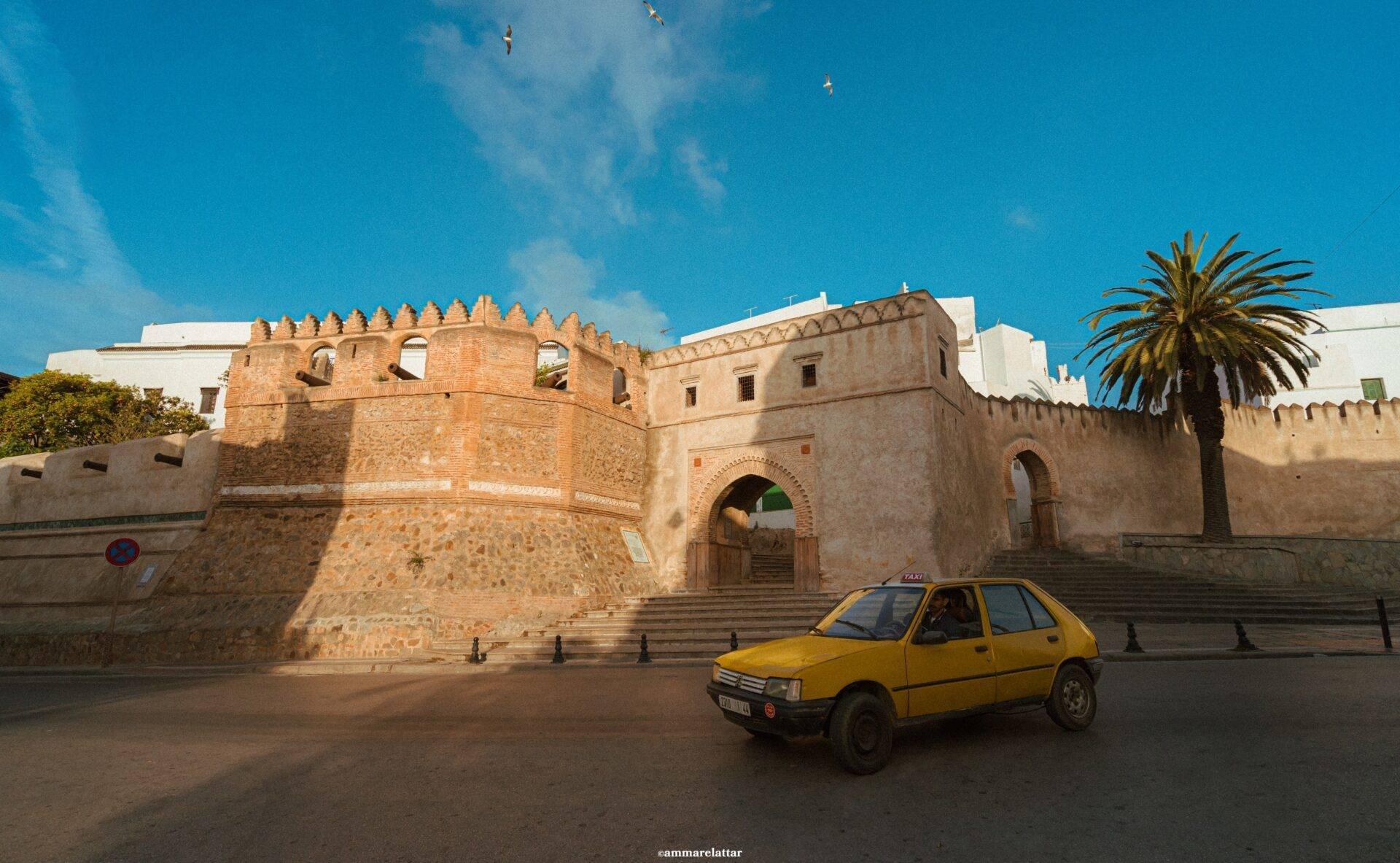
Tangier sits just a few kilometres from Europe, separated from the Spanish coast by the Strait of Gibraltar. Its medina, white-sand beaches and hilltop Kasbah make it a destination worth a stop in its own right. Cape Spartel lighthouse, at the north-western tip of Africa, marks the point where the Mediterranean meets the Atlantic.
Chefchaouen: getting lost in the blue alleys of the Rif
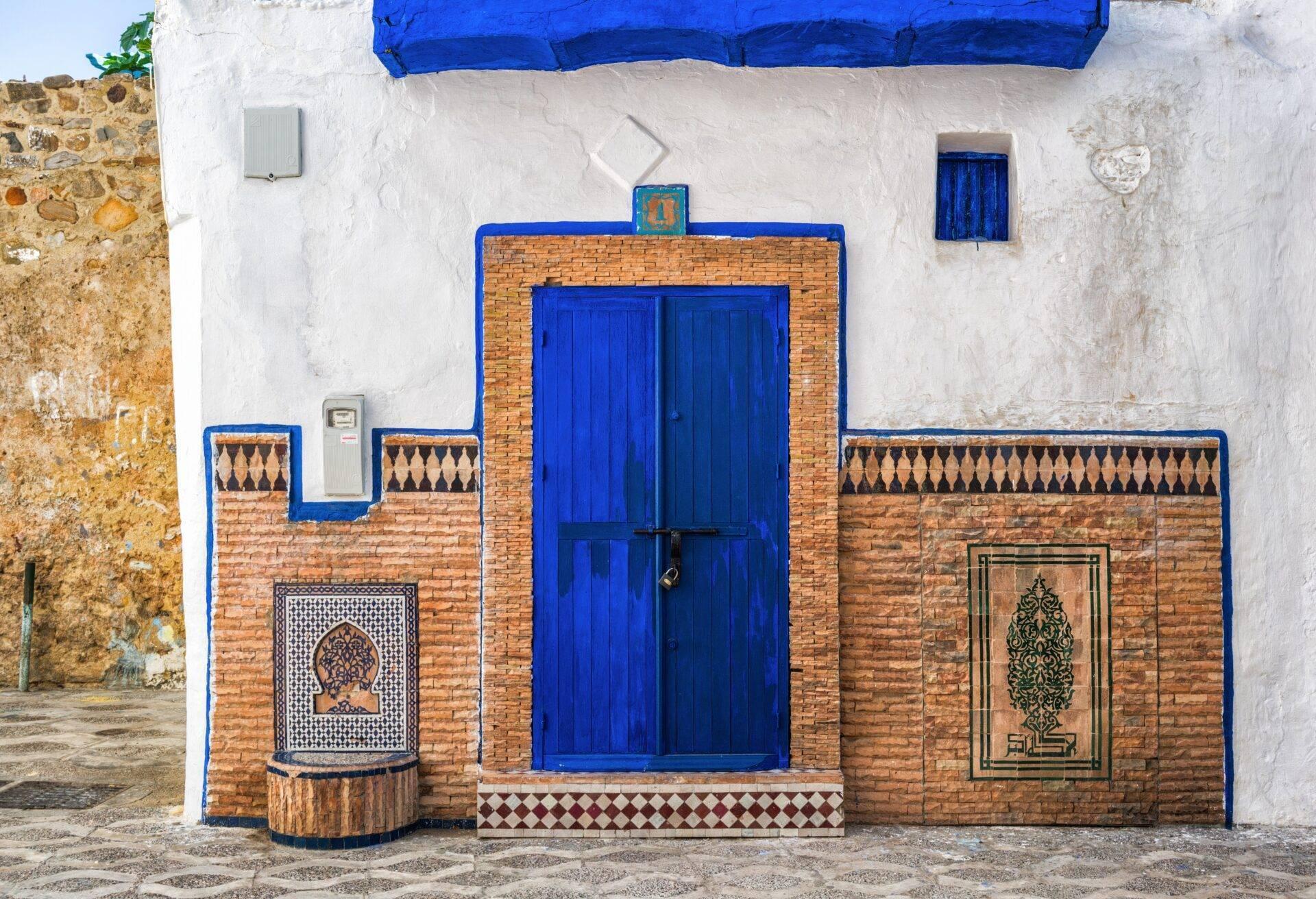
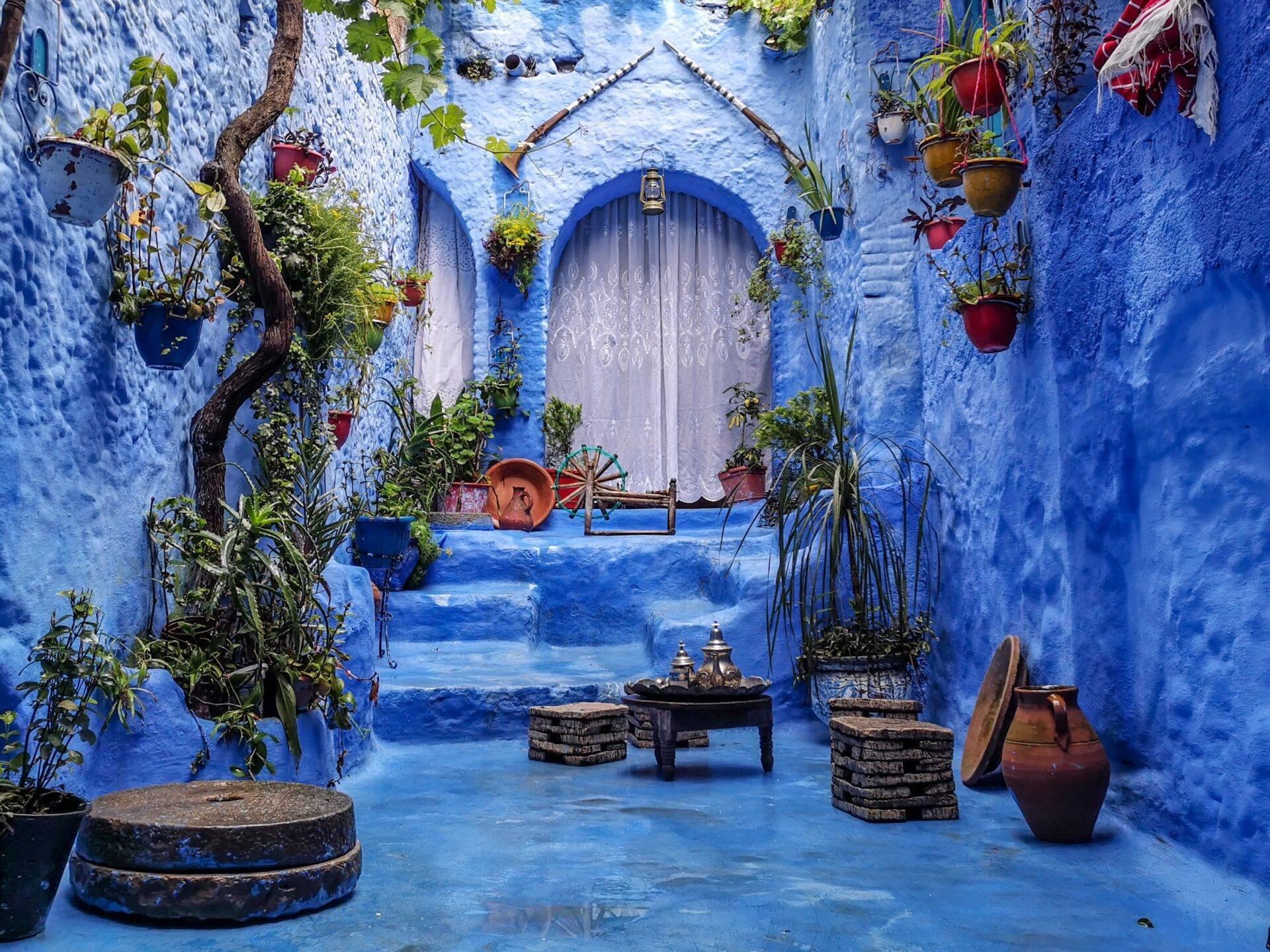
Nestled in the Rif mountains, Chefchaouen owes its fame to a medina painted in every shade of blue. A town of around 50,000 people, it is worlds apart from the bustle of Marrakech: the pace is unhurried, the alleys are narrow and cats are everywhere. The carefully preserved Kasbah overlooks a lush garden, while the Spanish Mosque on the hillside offers the most photographed view in northern Morocco.
The best light for wandering the medina: early morning or late afternoon, before tour groups fill the alleys.
Essaouira: the city of the trade winds
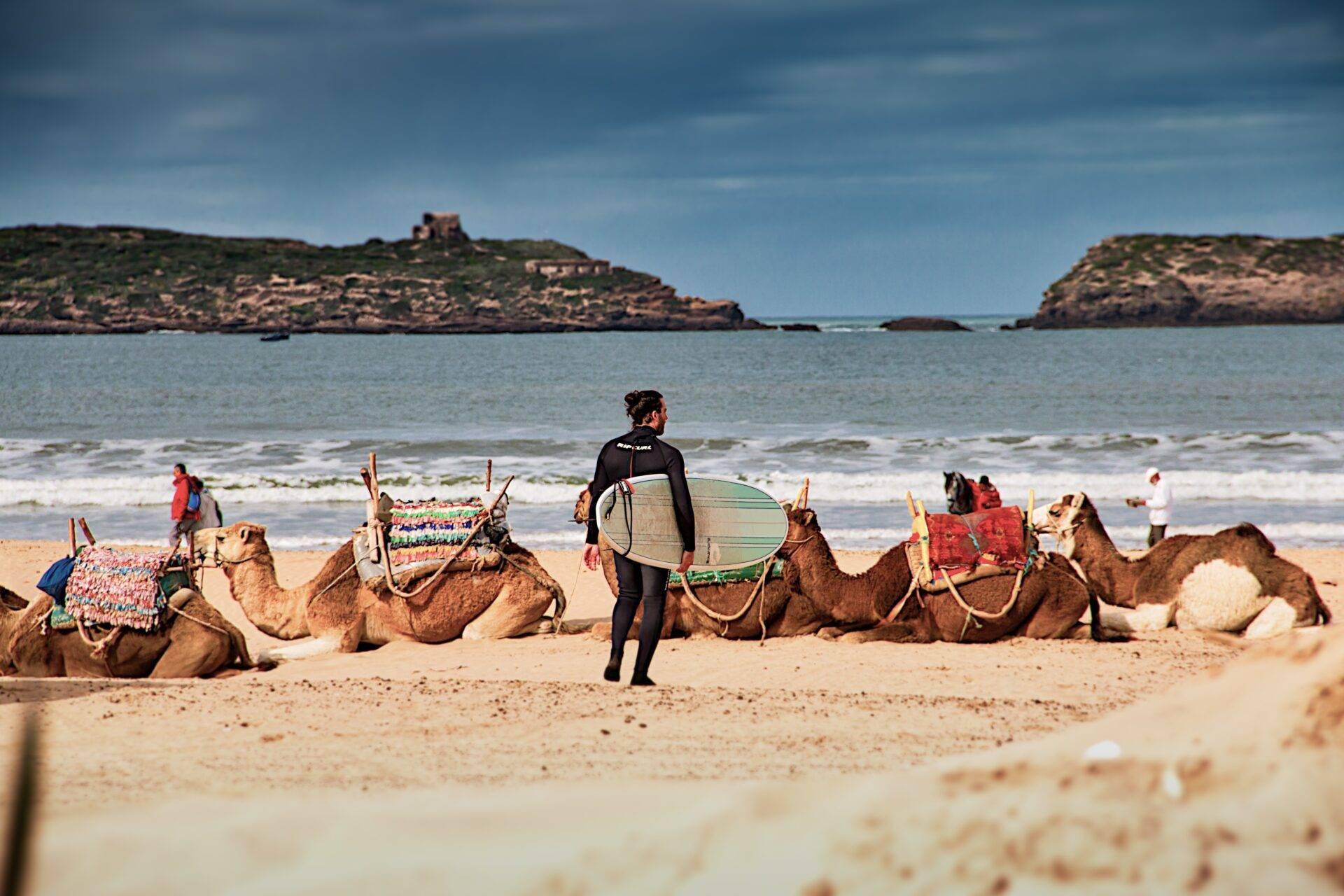
Fishing port, fortified citadel and kitesurfing destination: Essaouira wears many hats at once. Its entire medina is inscribed as a UNESCO World Heritage Site. The white stone ramparts offer a seafront walk swept by the trade winds year-round, which is why the beaches have become a magnet for surfers and kitesurfers from around the world.
The fishing harbour, where brightly painted boats come in each morning, is one of the most photogenic fish markets in the country.
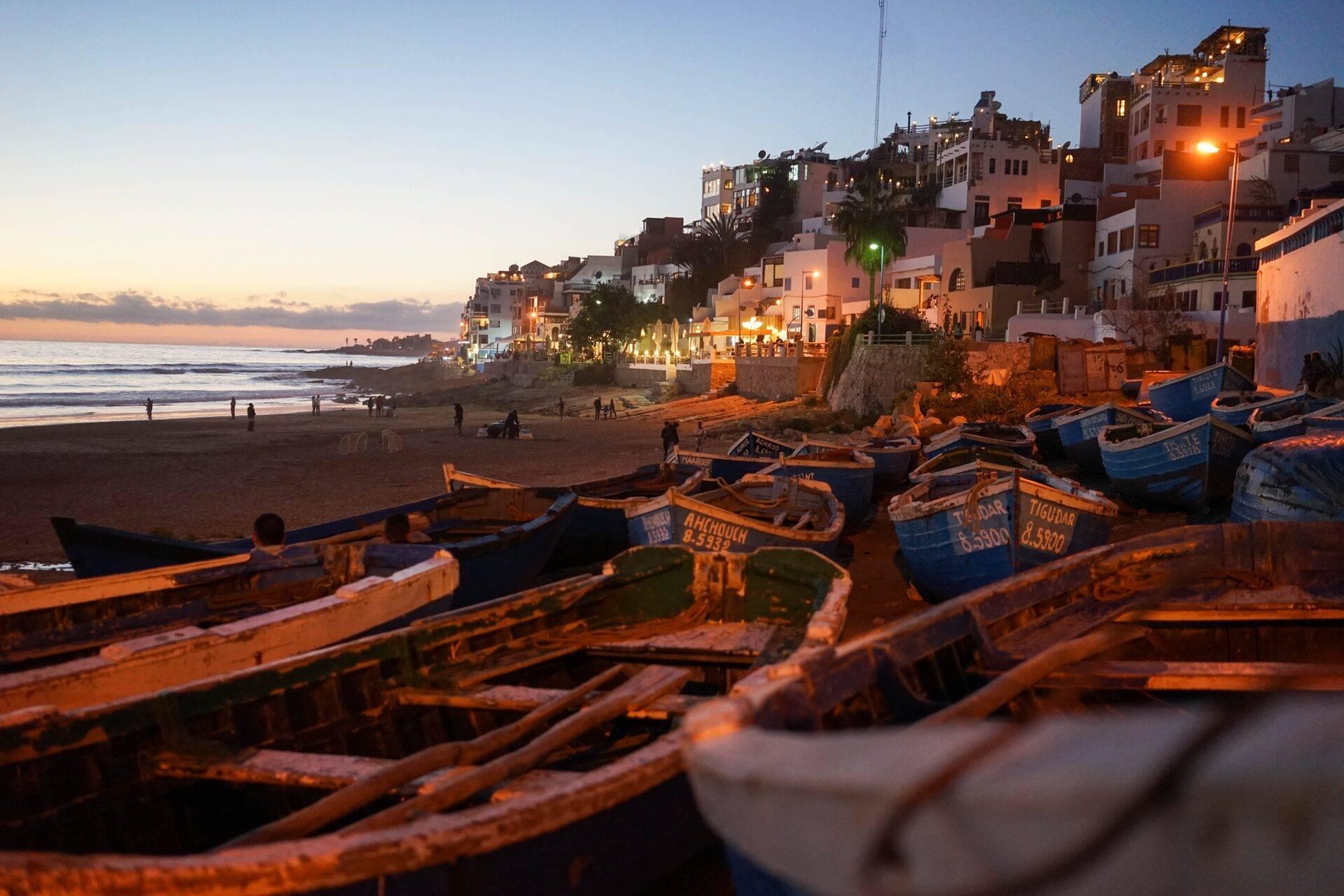
Agadir and the southern Atlantic coast
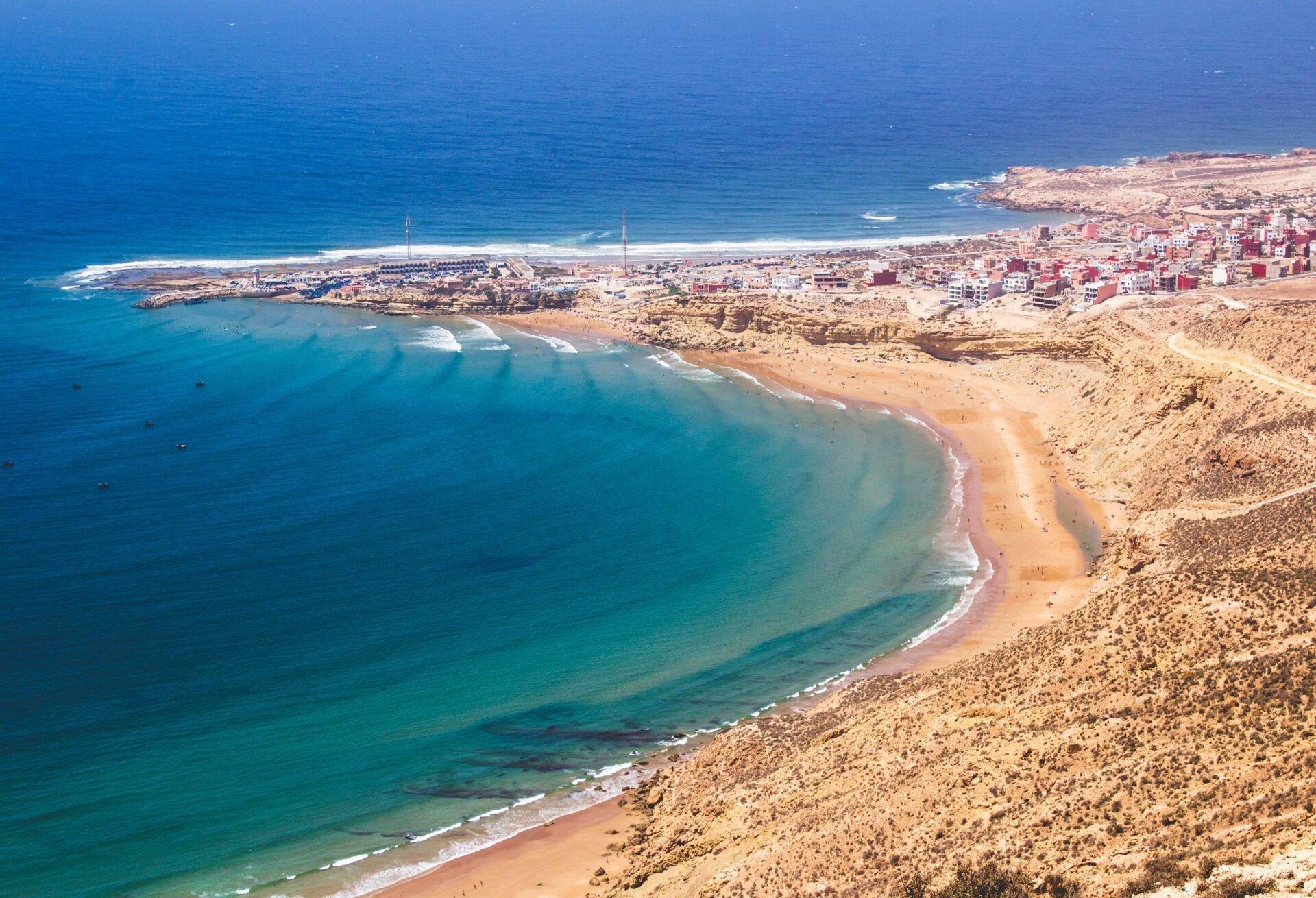
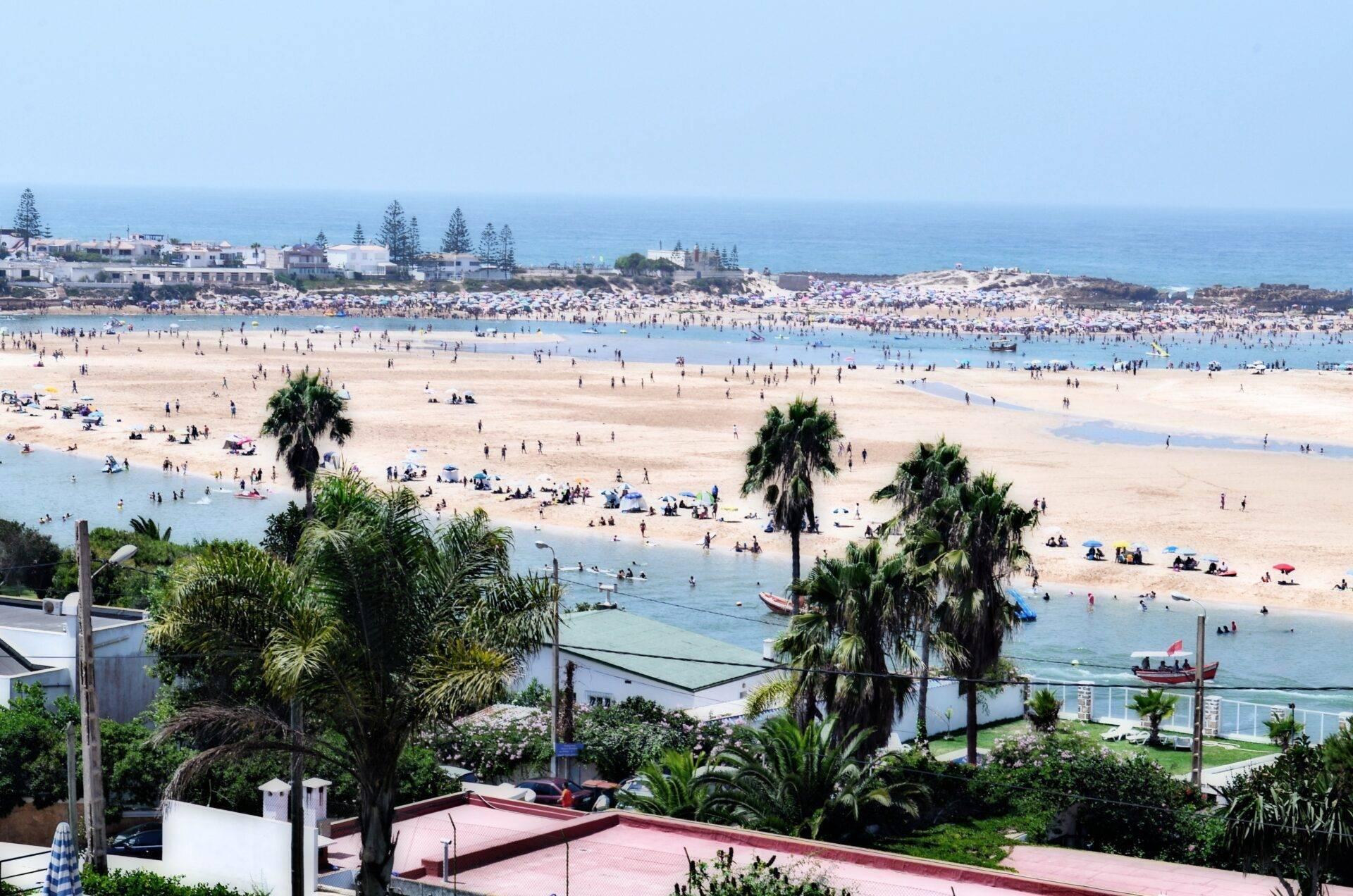
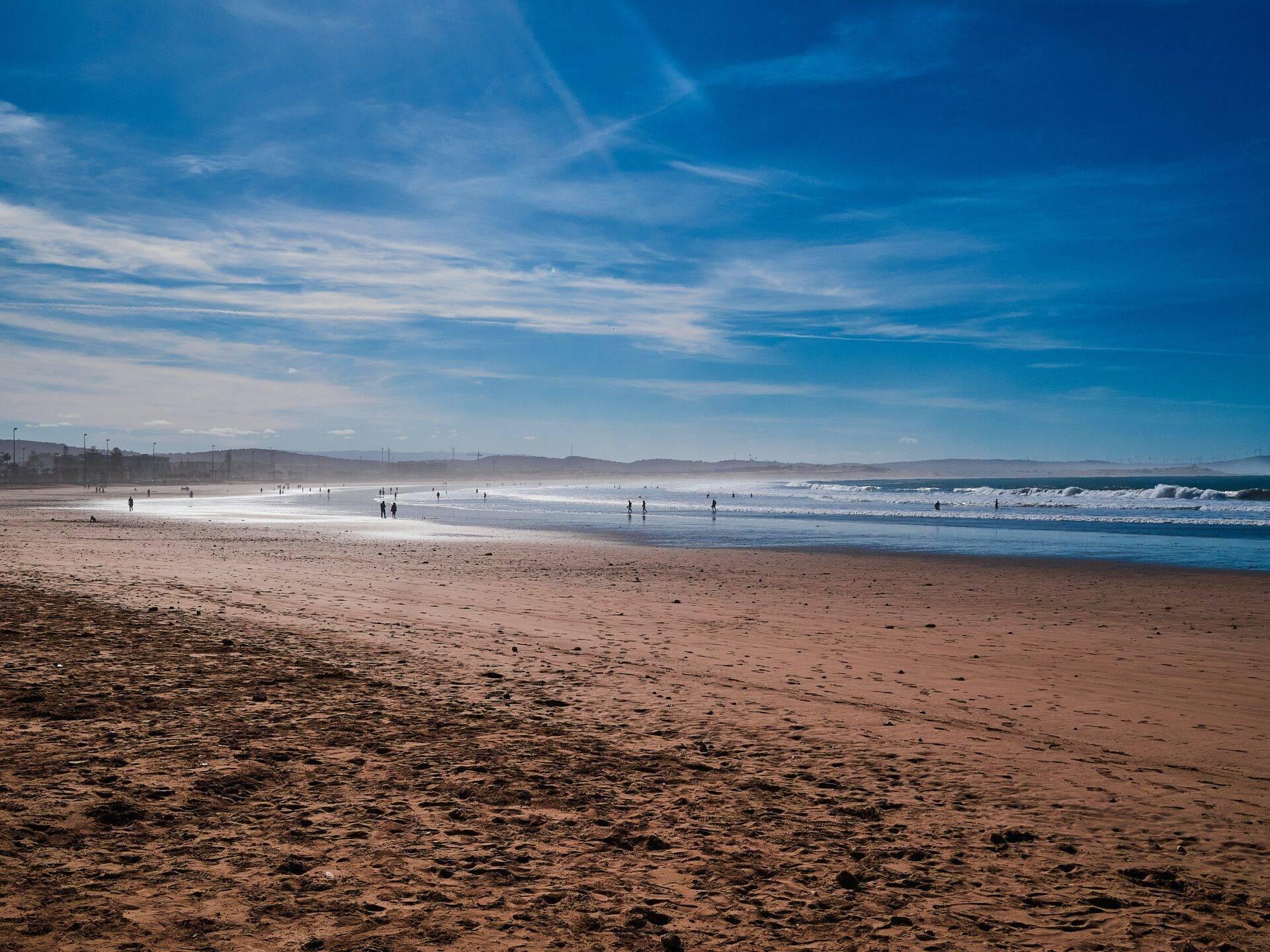
Agadir is Morocco’s most popular beach resort, with a long stretch of fine sand, generous sunshine and well-developed hotel infrastructure. The Agadir Oufella Kasbah dominates the city from a hilltop and offers a panoramic view over the bay. Souss-Massa National Park, around 40 kilometres away, is home to bald ibises and greater flamingos in a protected coastal landscape.
The deep south: kasbahs, valleys and the Sahara
Ouarzazate, gateway to the desert and movie-set backdrop
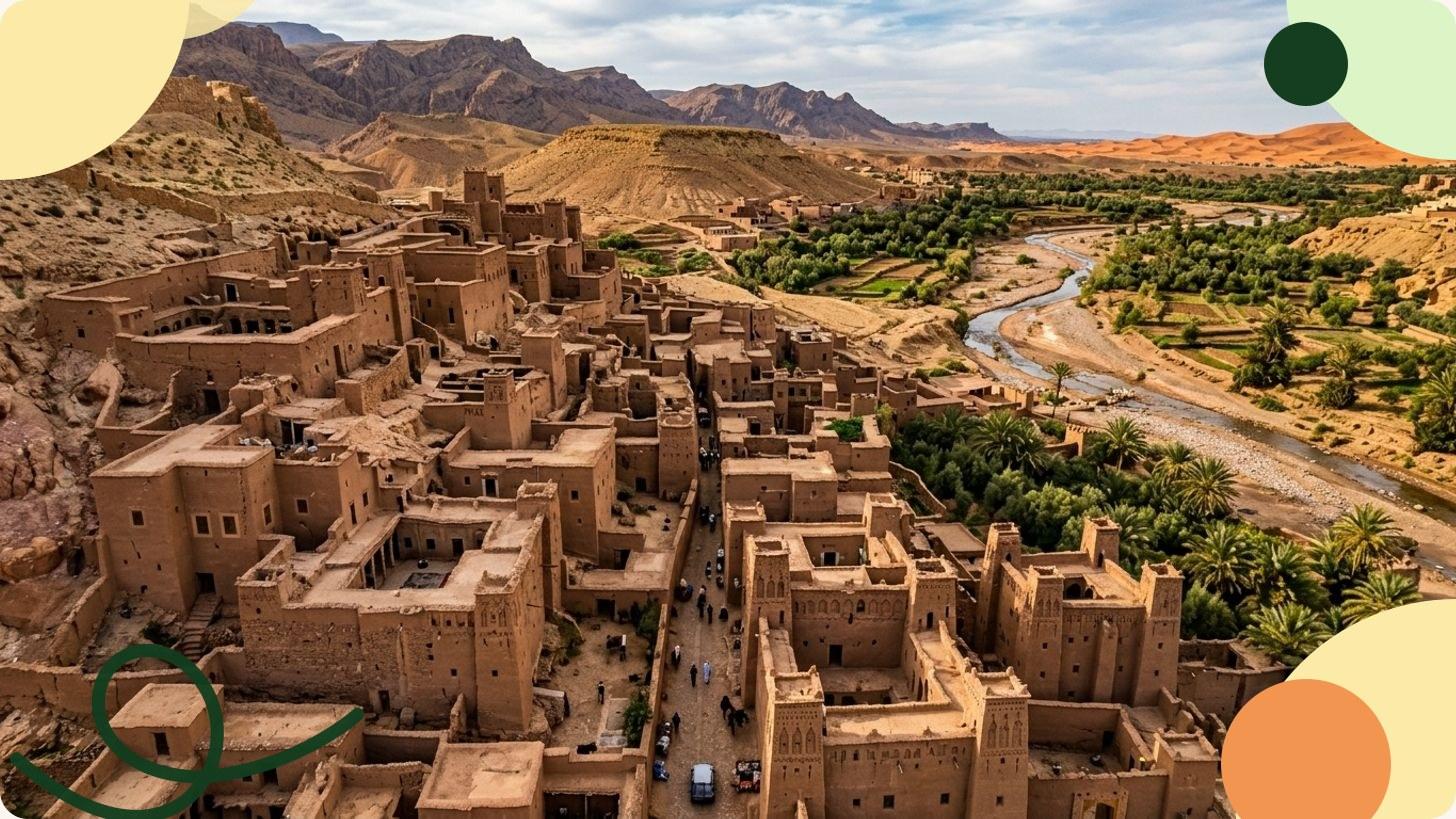
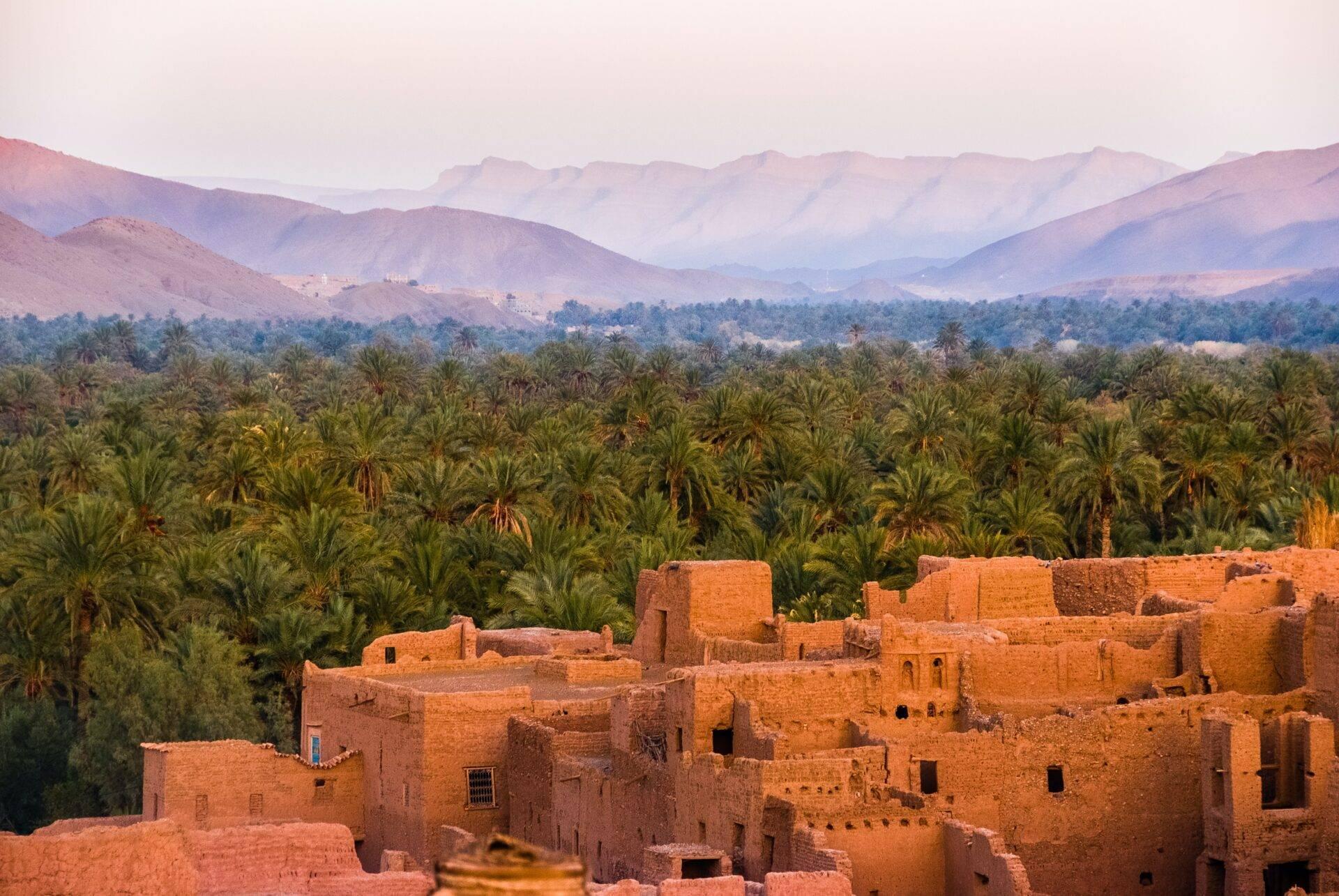
Around four hours’ drive from Marrakech, Ouarzazate is the base for exploring Morocco’s deep south. The Kasbah of Taourirt, an 18th-century pisé fortress, is one of the best-preserved monuments in the region. Aït-Ben-Haddou, a UNESCO World Heritage Site, is a fortified village whose earthen walls have served as a backdrop for productions including Gladiator and Game of Thrones.
Berber villages and Atlas valleys
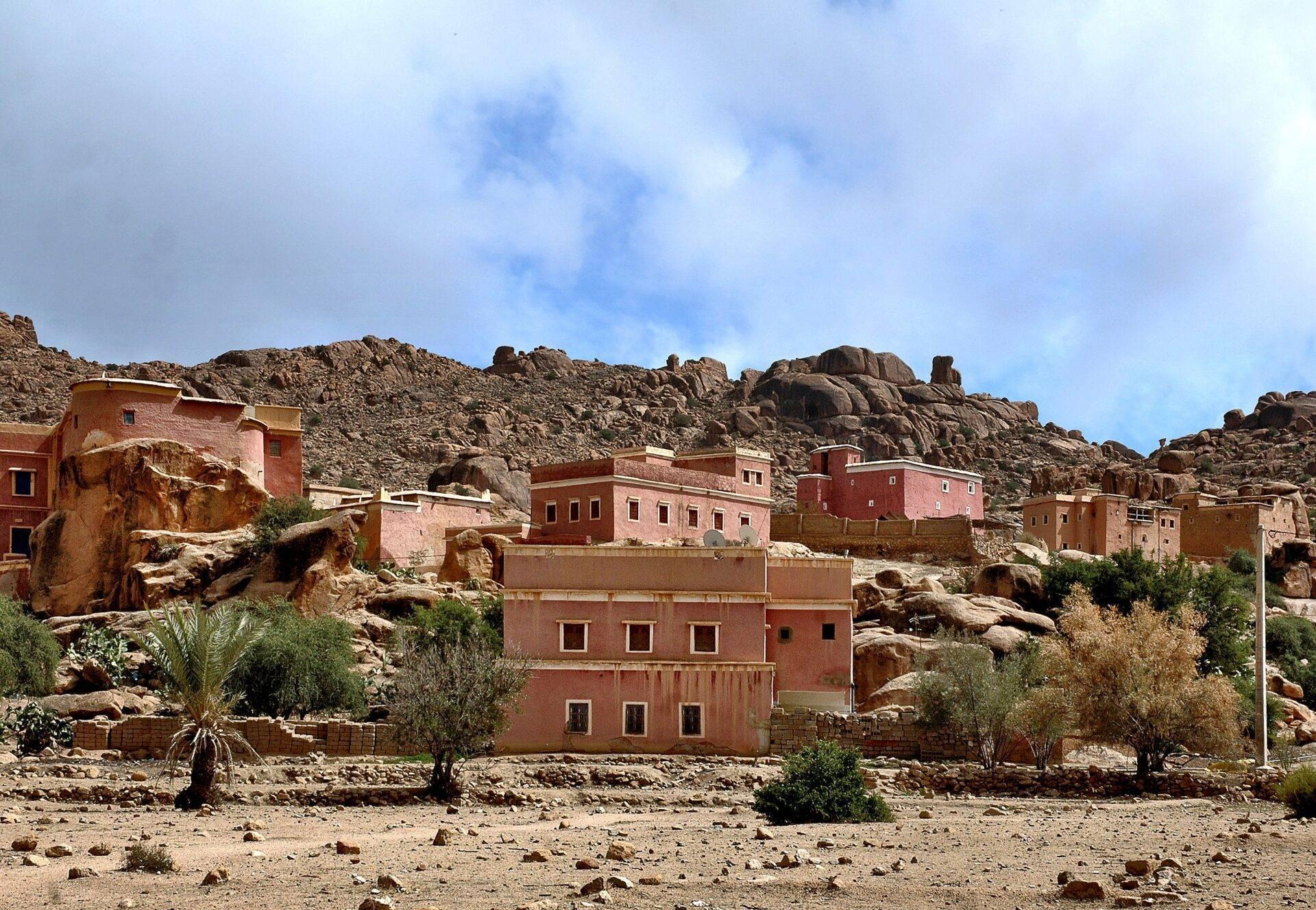
On the road to the desert, the Dadès Valley and the Todra Gorge offer dramatic cliff landscapes carved by rivers over millennia. Ochre-coloured Berber villages, nestled in the folds of the Atlas, give a glimpse of a way of life built in harmony with the natural environment.
Merzouga and the Erg Chebbi dunes
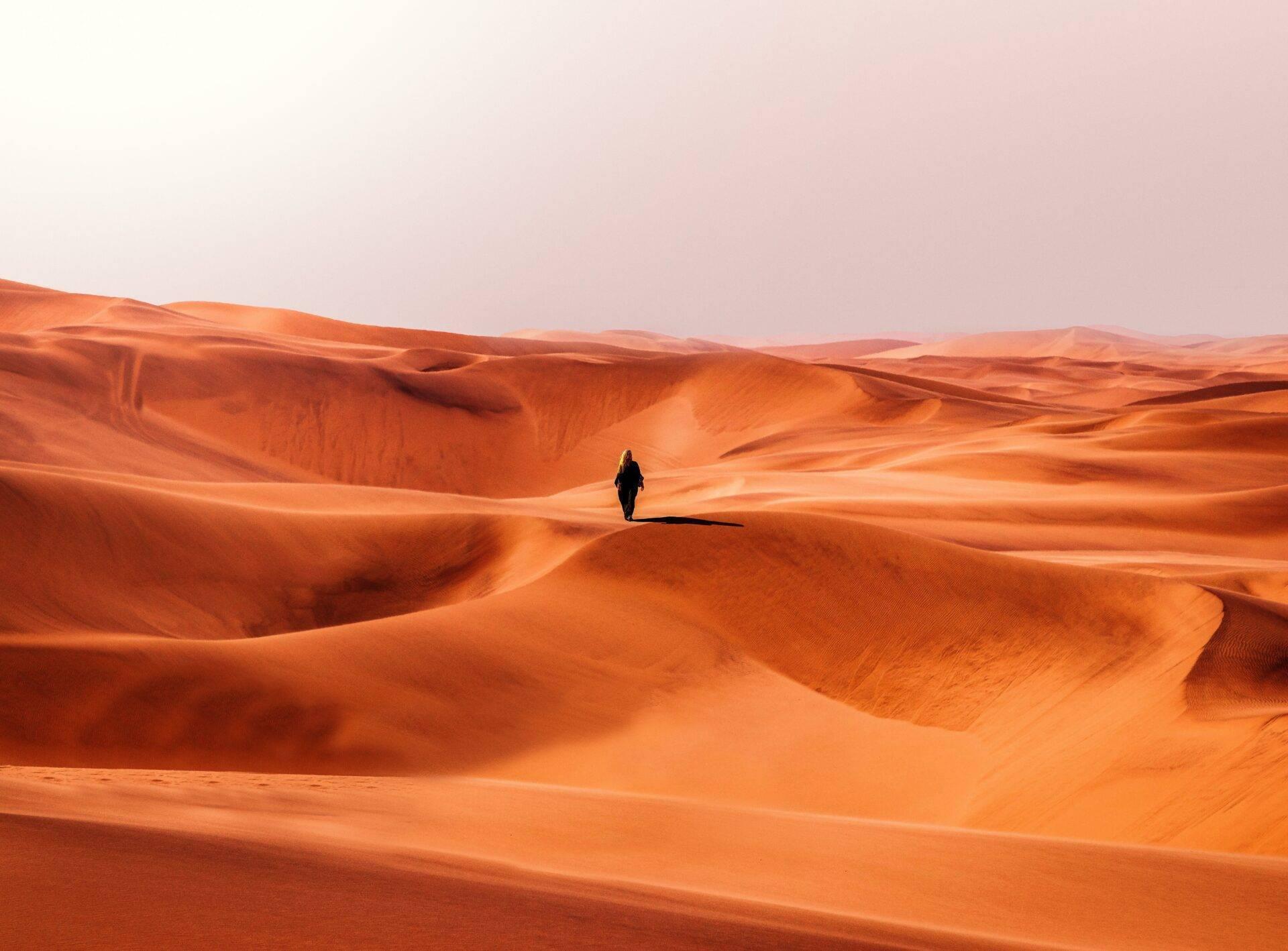
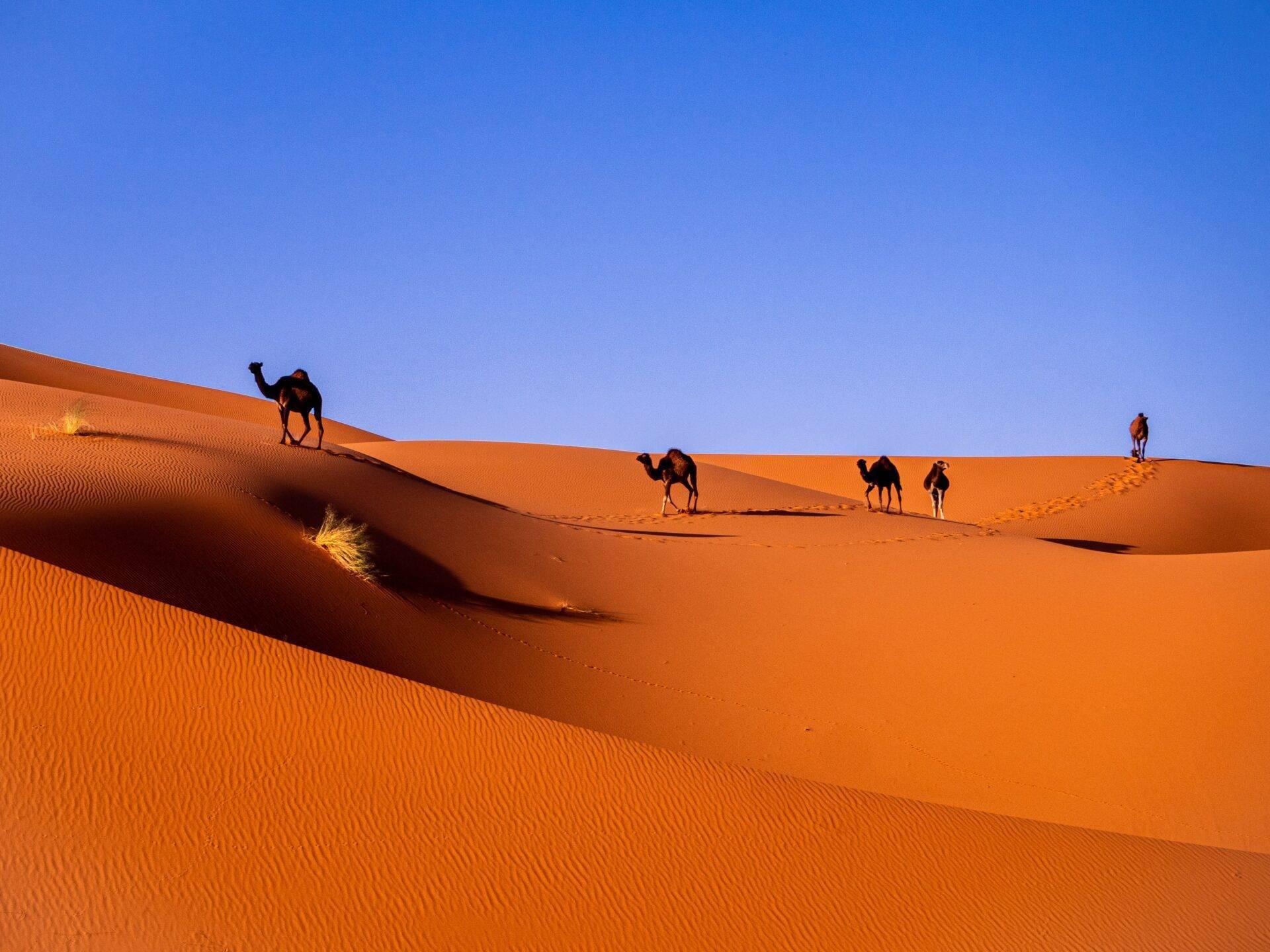
Erg Chebbi, a few kilometres from Merzouga, is Morocco’s most spectacular dune field: roughly 22 km long and 5 km wide. A camel ride at sunset followed by a night under canvas in the dunes remains the most unforgettable experience Morocco has to offer.
When to visit Morocco
Spring (March to May) and autumn (September to November) are the most pleasant seasons for visiting the imperial cities and the Rif: mild temperatures, green landscapes and smaller crowds. Summer suits the Atlantic coast but is stifling in the inland cities. Winter is mild in Agadir and Essaouira, and perfect for camping in the desert without the punishing heat, although nights at altitude can be bitterly cold.
For destination ideas by month, our selection of places to travel in October can point you in the right direction.
Before you go, check your health cover and entry requirements: everything is laid out on the Morocco travel insurance page.
FAQ
What is the best time to visit Morocco?
Spring (March to May) and autumn (September to November) offer the best conditions for the imperial cities and the Rif. The Atlantic coast is pleasant to visit year-round, and the desert is more manageable outside of July and August.
Which sites in Morocco are UNESCO-listed?
Among the most visited: the medina of Fes el-Bali, the medina of Essaouira, the fortified site of Aït-Ben-Haddou, the medina of Marrakech and Djemaa el-Fna square (Intangible Cultural Heritage).
How long do you need to visit Morocco?
A week covers one region (Marrakech and the deep south, or the imperial cities). Two weeks allow for a circuit combining the imperial cities and the desert. Three weeks let you add the Atlantic coast, Chefchaouen and the Rif.
Can non-Muslims visit the Hassan II Mosque?
Yes, the Hassan II Mosque in Casablanca is the only mosque in Morocco open to non-Muslims. It is visited by guided tour, which includes access to the interior of the building.
Can you visit the desert alone?
It is possible to reach Merzouga by bus or car from Marrakech (around 10 hours by road). Overnight camps in the dunes and camel treks can be booked on arrival or through local operators.