
Berlin packs centuries of history, an unrivalled cultural scene and neighbourhoods that keep reinventing urban life, all into one city. Monument to division, reunified capital, global artistic playground: here are the places and experiences that will make you want to come back.
Protect my Berlin tripThe Brandenburg Gate and the Historic Heart
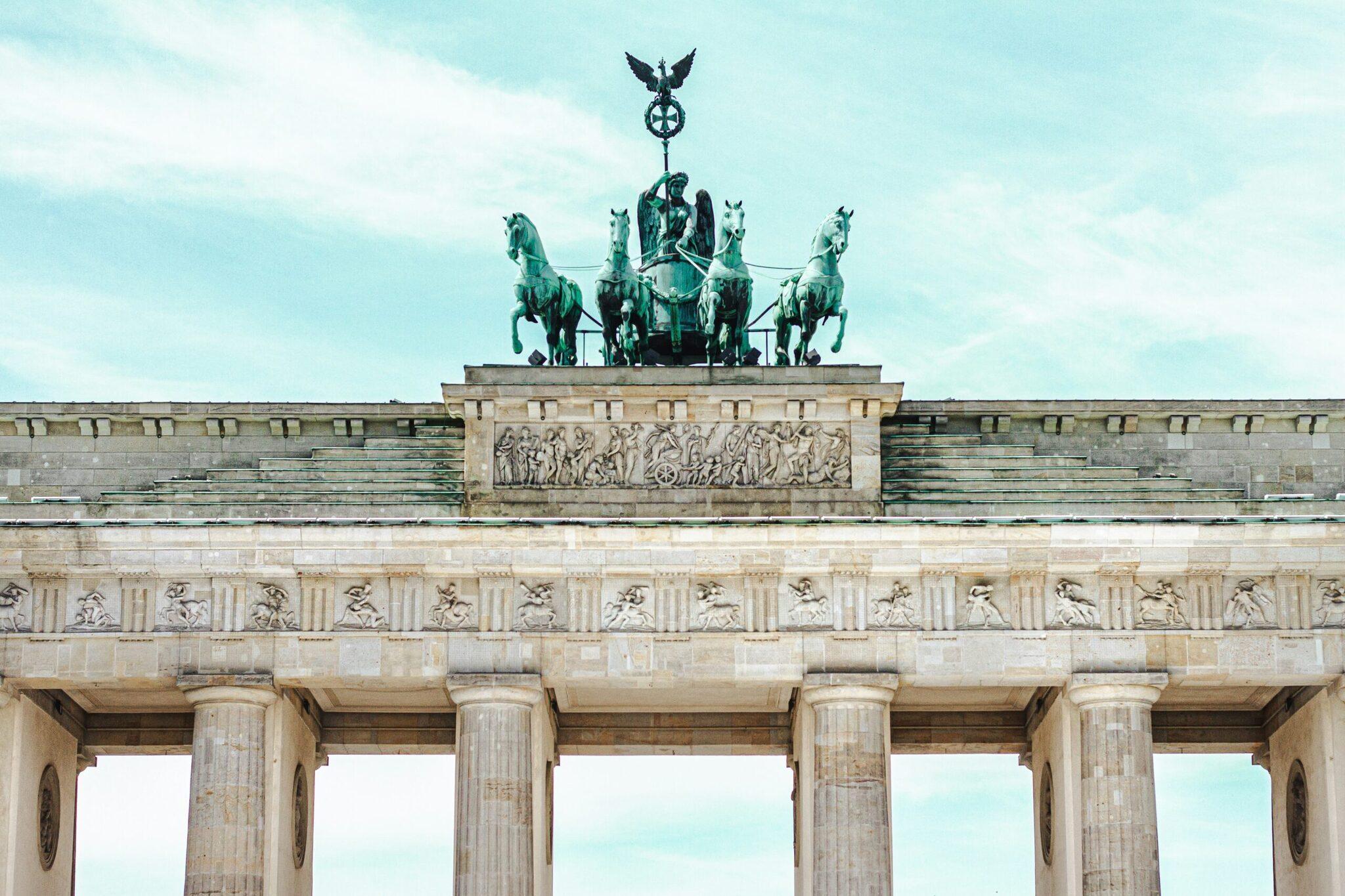
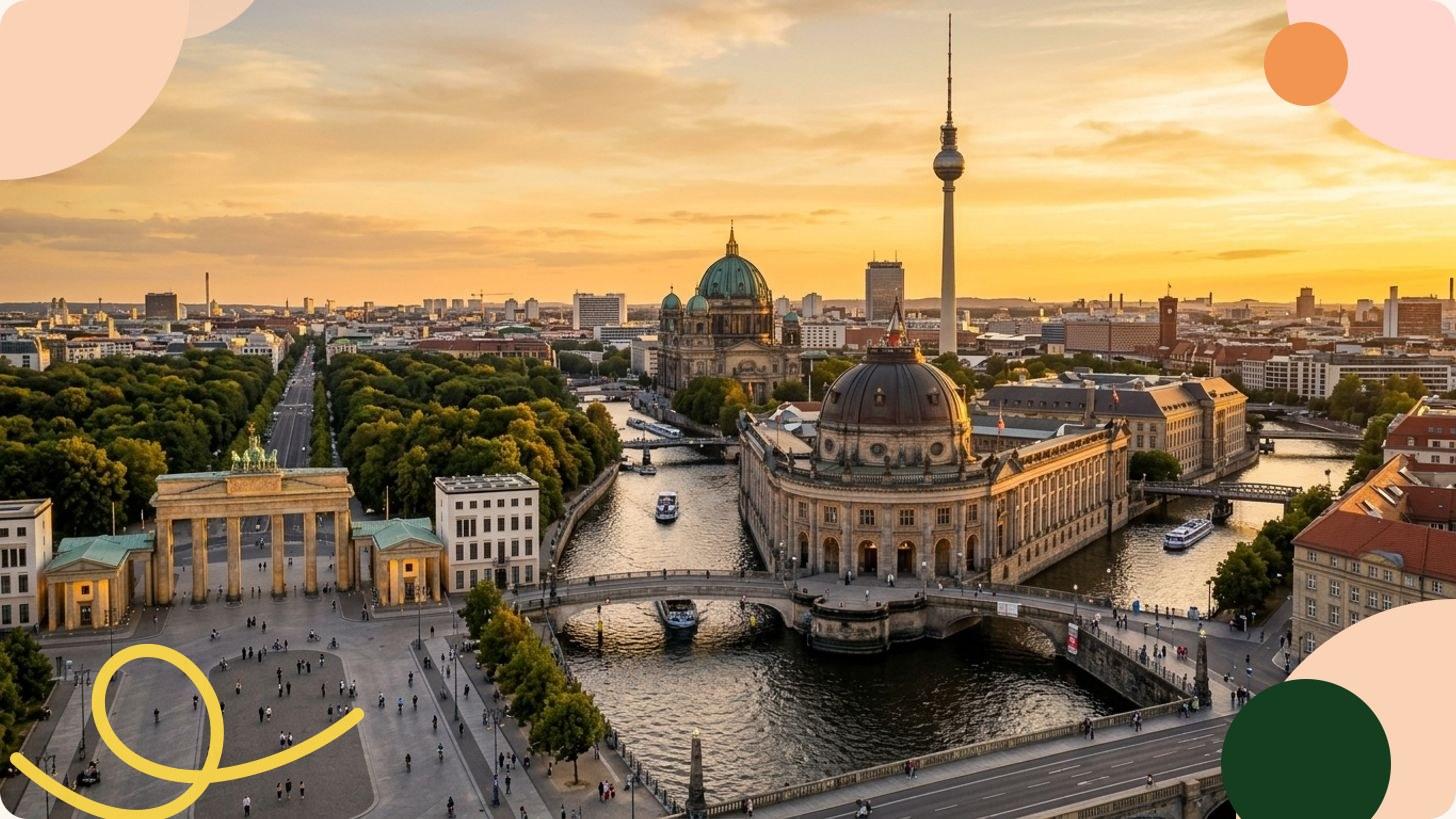
Built between 1788 and 1791, the Brandenburg Gate is Berlin’s most recognisable landmark. It marks the entrance to Pariser Platz and makes the perfect starting point for a day on foot: the Reichstag, the Holocaust Memorial and the Unter den Linden boulevard are all within a 15-minute walk.
Arrive before 9am to photograph the monument before the tour groups descend.
Museum Island: Five UNESCO-Listed Institutions
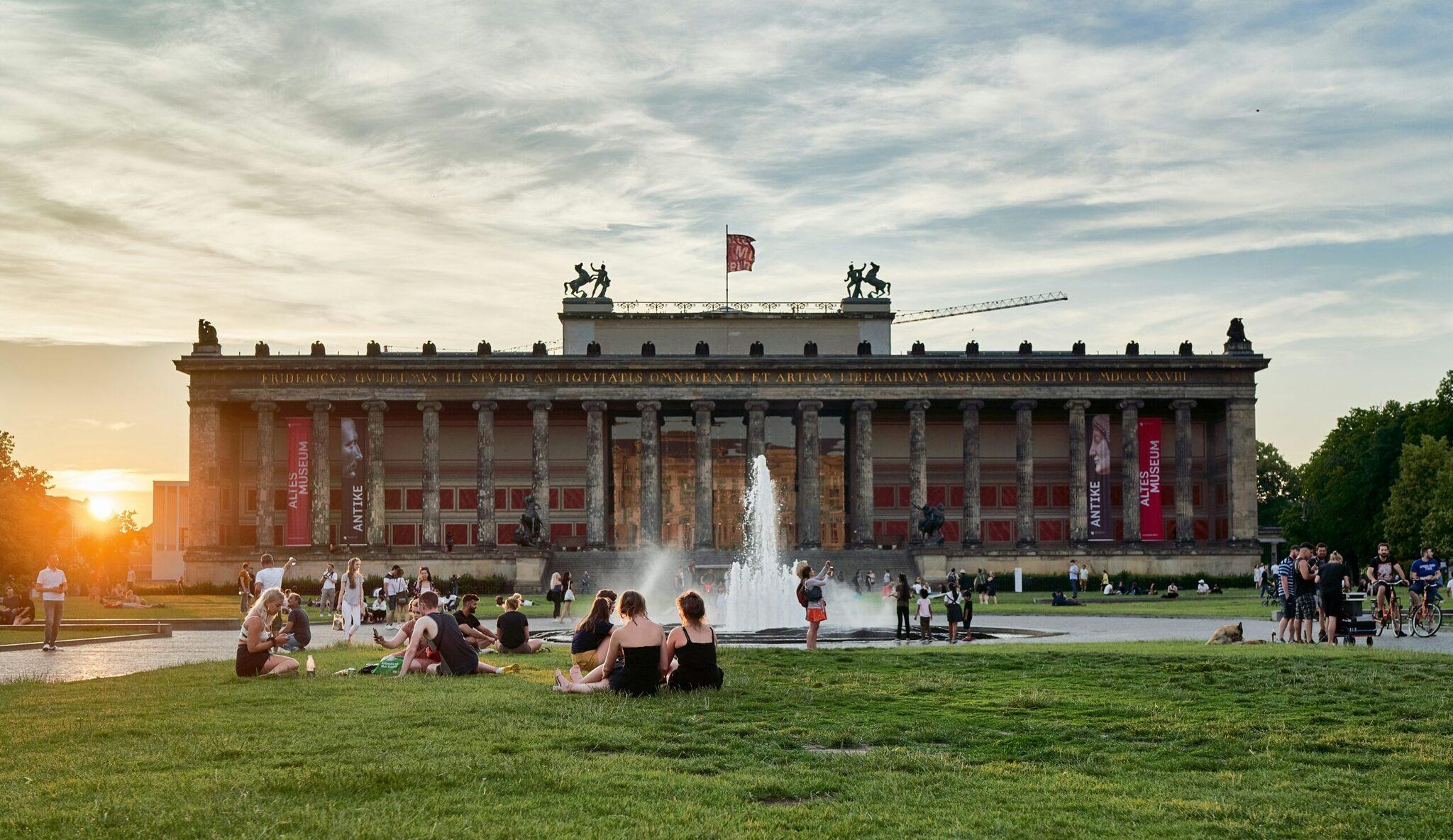
A UNESCO World Heritage Site, Museum Island brings together five major institutions on a peninsula in the Spree:
- Neues Museum: home to the bust of Nefertiti (14th century BC), the island’s most sought-after piece.
- Altes Museum: Greco-Roman antiquities housed in a neoclassical building designed by Schinkel.
- Alte Nationalgalerie: 19th-century painting and sculpture.
- Bode-Museum: medieval sculptures, Byzantine art and a numismatic collection.
Set aside a full day if you want to explore several museums without rushing. Online booking is recommended, especially in high season (June to August).
The Pergamon Museum is Closed Until 2027
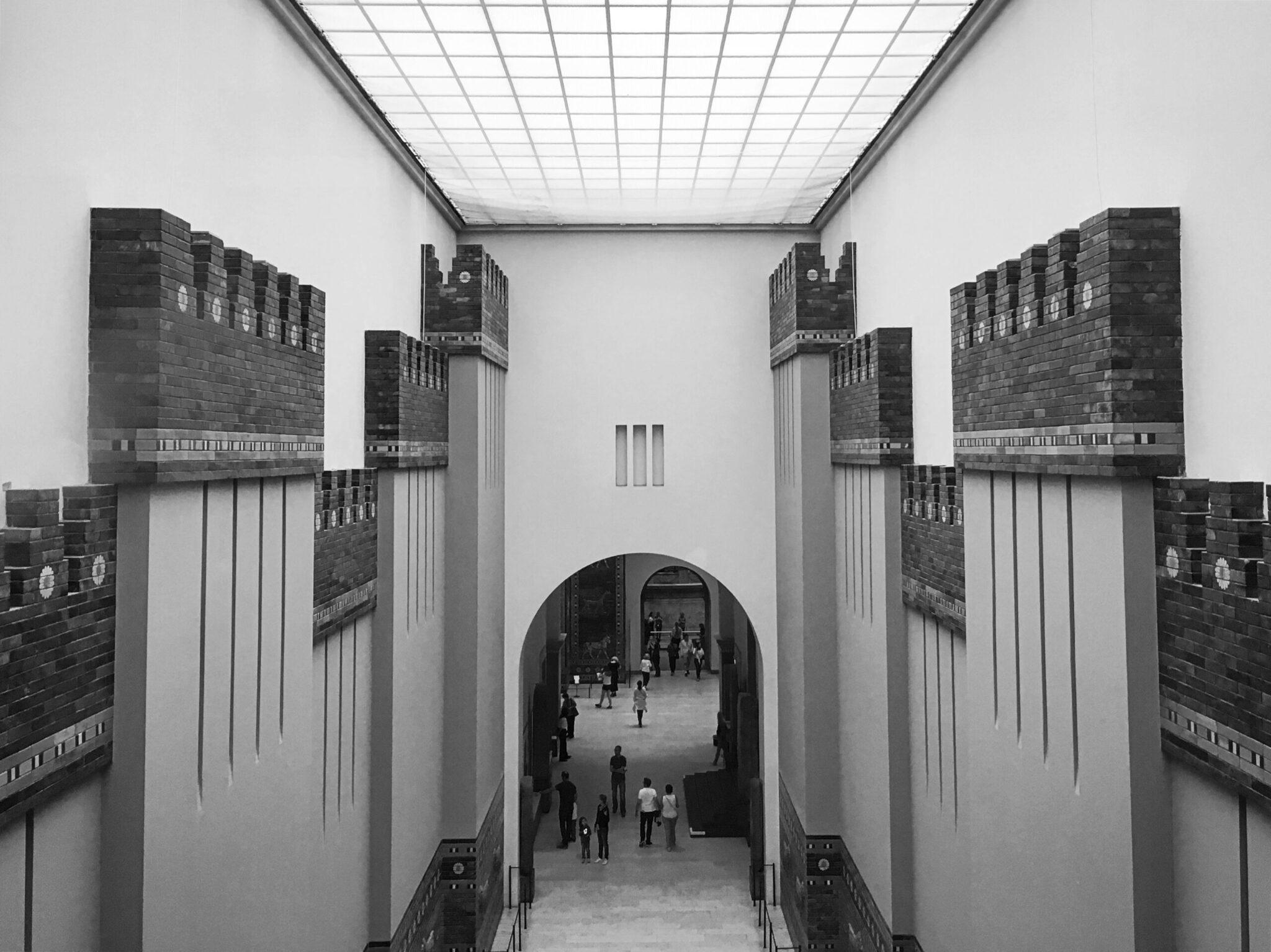
The Pergamon Museum, famous for the Pergamon Altar and the Ishtar Gate, has been fully closed for renovation since October 2023. A partial reopening is expected in June 2027. In the meantime, Pergamonmuseum. Das Panorama (Am Kupfergraben 2) offers a 360-degree panoramic painting of the ancient city of Pergamon by artist Yadegar Asisi: an immersive alternative just around the corner.
The East Side Gallery: 1,316 Metres of Murals on the Wall
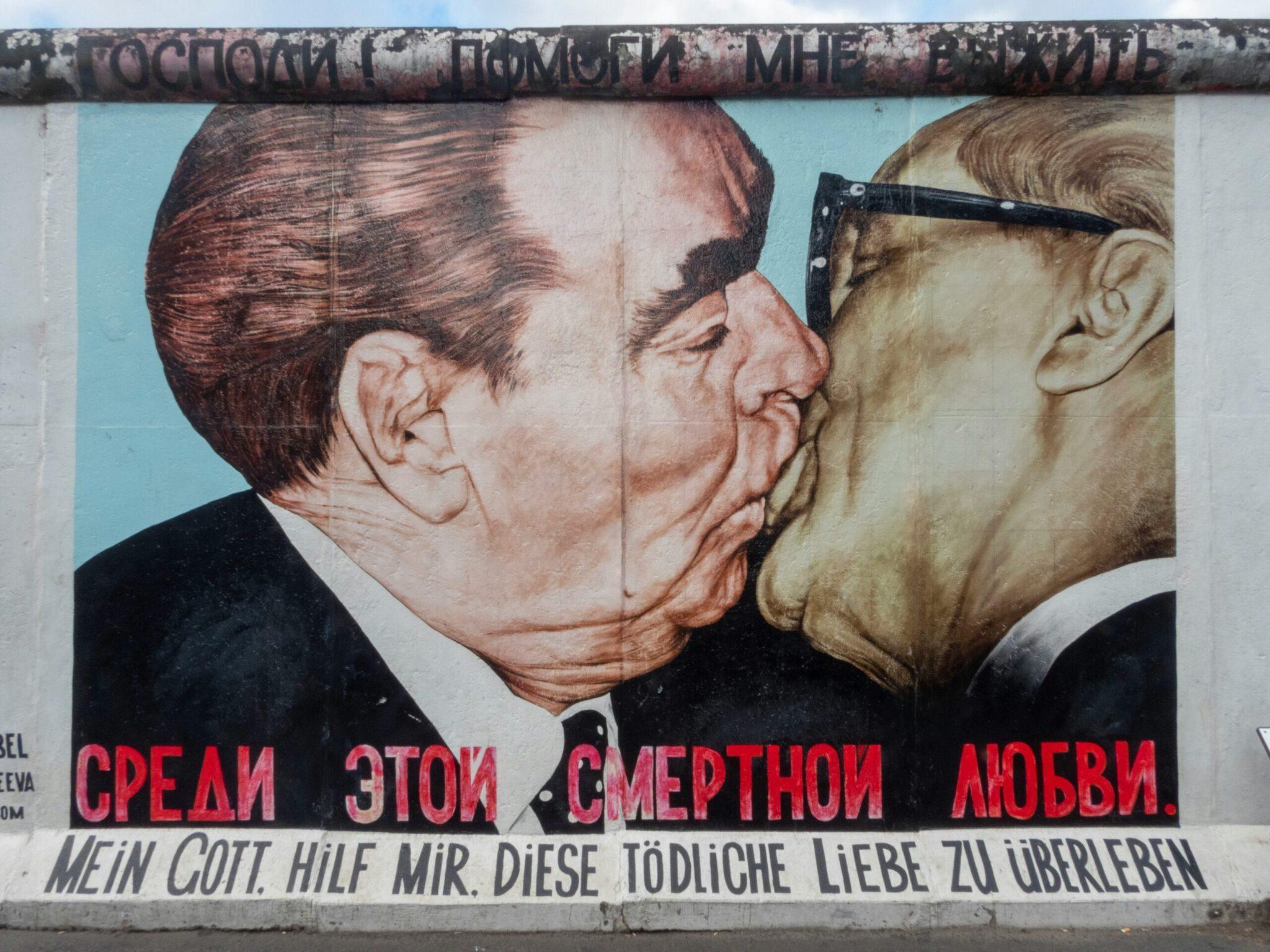
The East Side Gallery is the longest remaining section of the Berlin Wall: 1,316 metres of concrete covered by 118 artists from 21 countries, starting in 1990. The most celebrated mural is Dmitri Vrubel’s Bruderkuss, depicting the fraternal embrace between Leonid Brezhnev and Erich Honecker, based on a photograph taken in 1979.
The gallery runs along the Spree in the Friedrichshain district. Allow between one and one and a half hours to walk it at a comfortable pace and read the captions.
Kreuzberg: Counterculture, Street Art and World Food
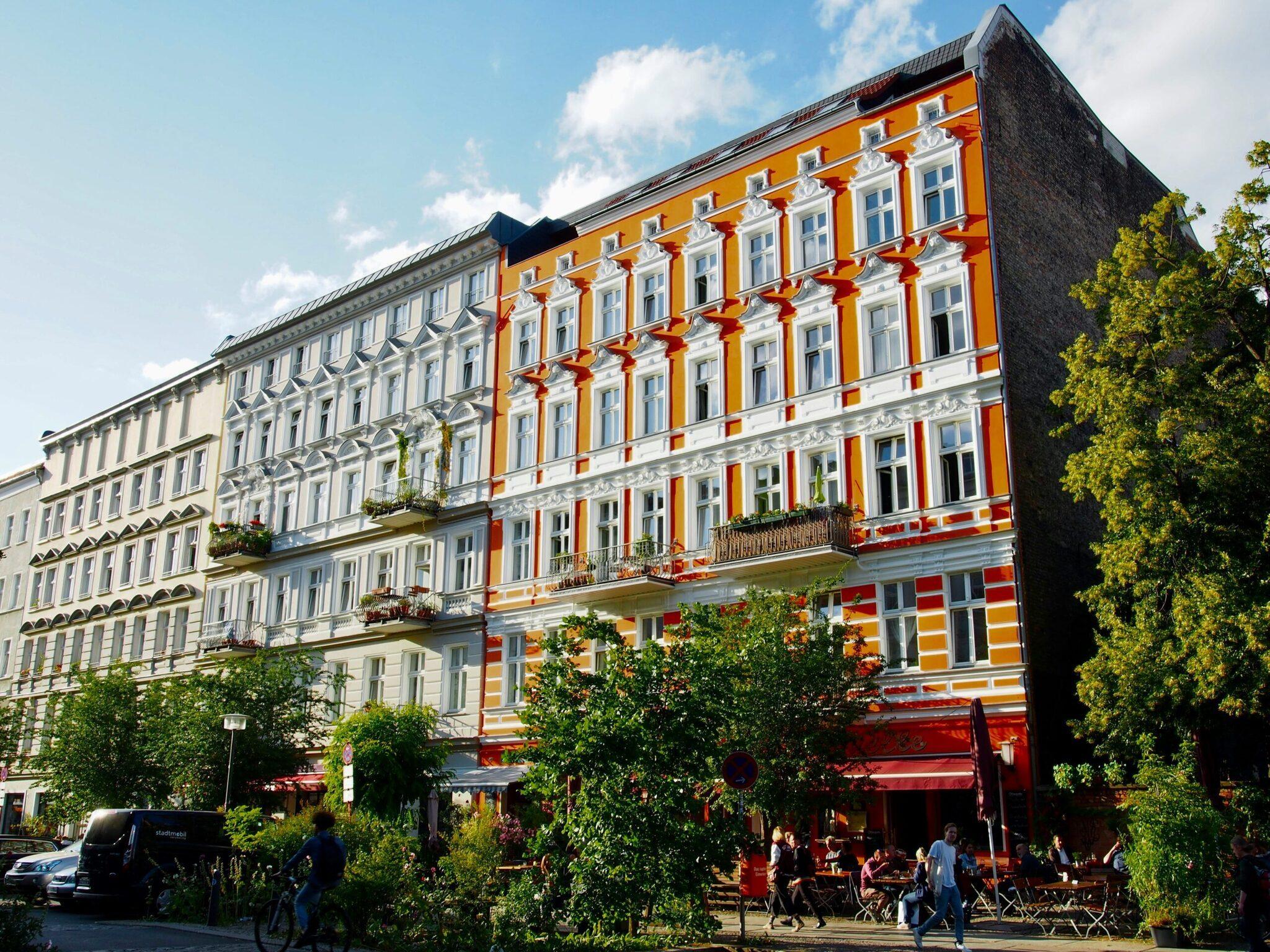
Kreuzberg is the neighbourhood that best captures alternative Berlin: streets plastered with street art, independent cafes, Turkish, Lebanese and Vietnamese eateries lining the pavements, underground music venues tucked into courtyard buildings.
The Turkish market at Maybachufer (Tuesdays and Fridays), along the Landwehrkanal, is perfect for snacking and soaking up local life. Görlitzer Park, a few minutes away, comes alive in warmer months.
The Tiergarten: a Green Oasis in the Heart of the City
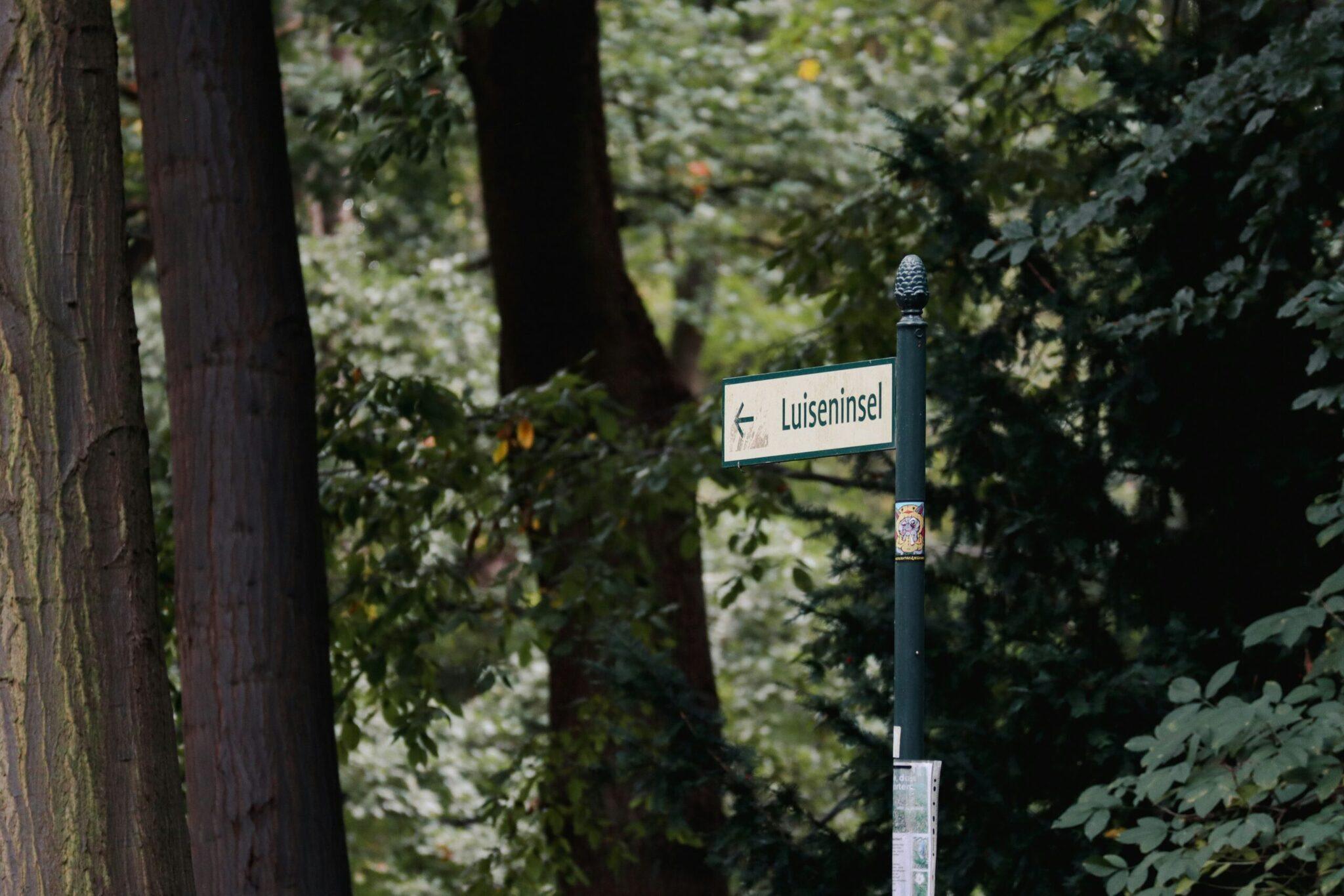
The Tiergarten is Berlin’s largest urban park. Its wooded paths and open lawns offer a welcome breather between museums or neighbourhoods. At the centre of the park, the Siegessäule (Victory Column) delivers a 360-degree panorama from its viewing platform.
The Tiergarten borders the Kulturforum, home to the Neue Nationalgalerie dedicated to 20th-century art.
The Fernsehturm: Berlin’s Highest Panorama
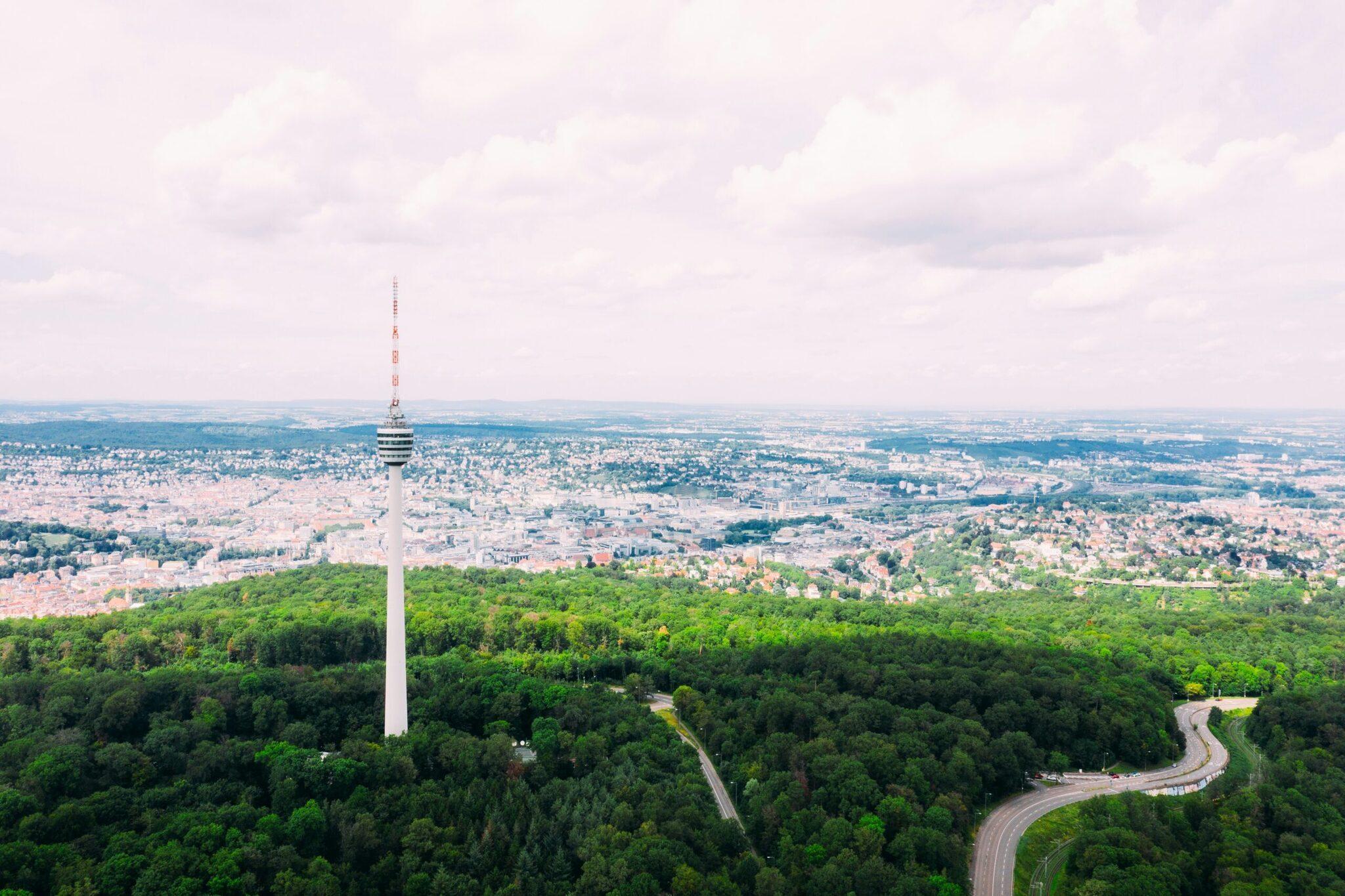
Standing 368 metres tall, the Fernsehturm is Germany’s tallest structure. Its observation deck sits at 203 metres: on a clear day, the view stretches well beyond the city limits. The revolving restaurant at 207 metres completes a full 360-degree rotation in one hour.
At its foot, Alexanderplatz is the great public square of the former East Berlin, with its World Time Clock (Weltzeituhr) and the constant flow of trams, underground trains and pedestrians.
The Memorial to the Murdered Jews of Europe
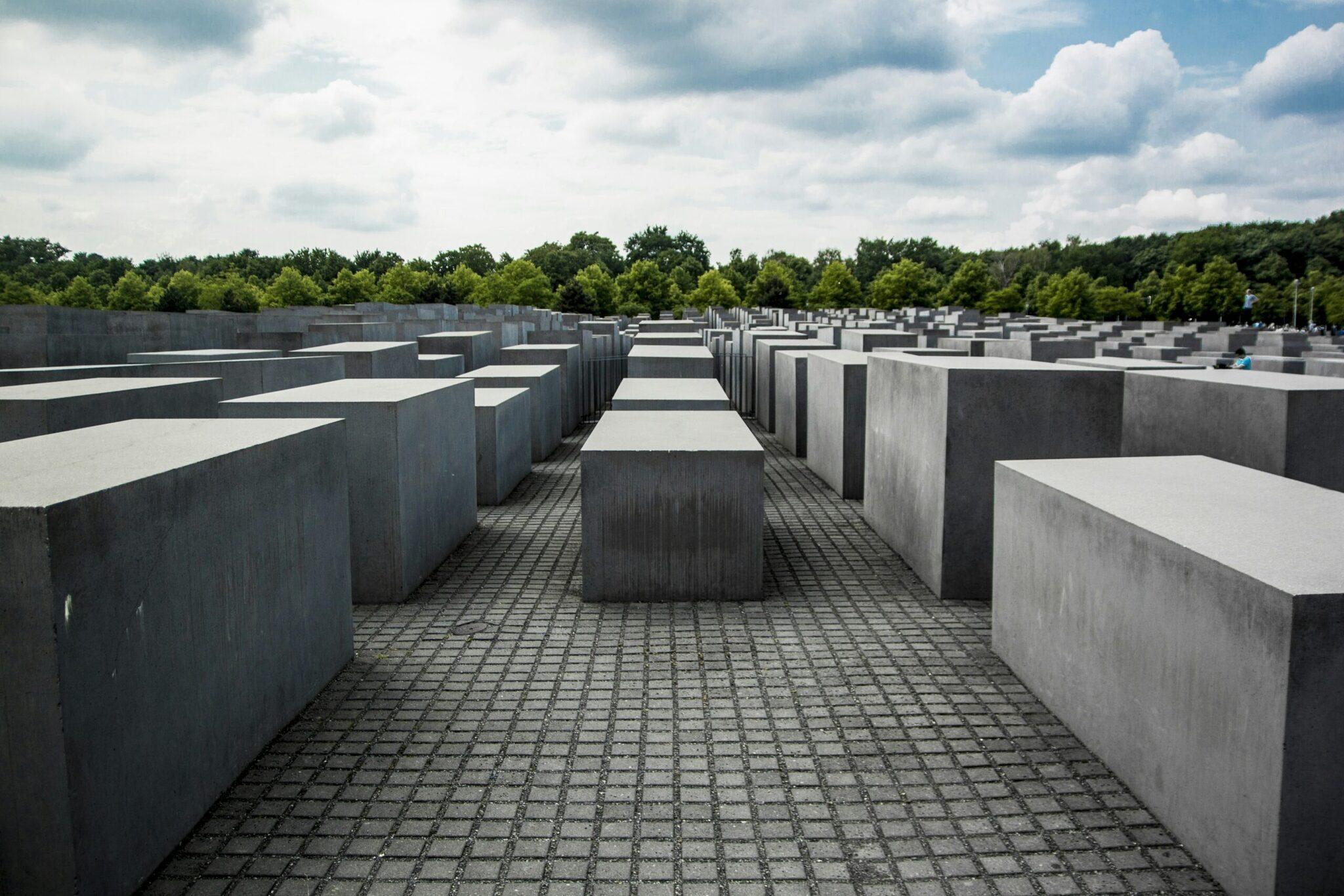
Designed by architect Peter Eisenman and inaugurated in 2005, the Memorial to the Murdered Jews of Europe covers 19,073 square metres, a short walk from the Brandenburg Gate. Its 2,711 concrete stelae of varying heights form a labyrinth that disorients the visitor and invites reflection.
Admission to the underground Information Centre is free. The outdoor area is open day and night.
Kurfürstendamm and KaDeWe
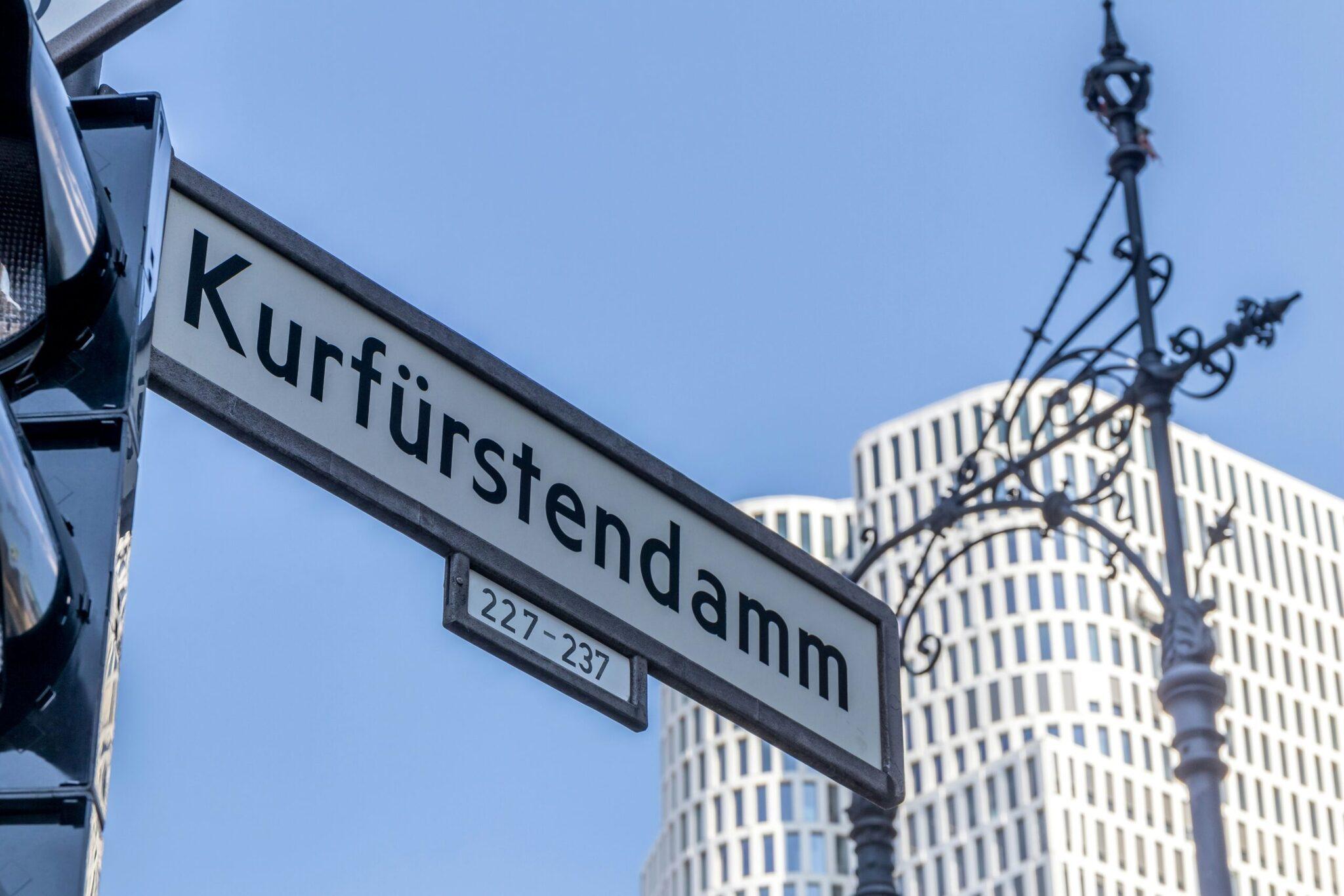
The Kurfürstendamm (Ku’damm) is the iconic shopping boulevard of the former West Berlin. International boutiques, Art Deco cafes and local shops stretch for several kilometres. KaDeWe (Kaufhaus des Westens), one of Europe’s largest department stores, is worth a stop for its sixth floor entirely dedicated to food, with counters devoted to cheeses, charcuterie and world specialities.
Berghain and Berlin’s Nightlife
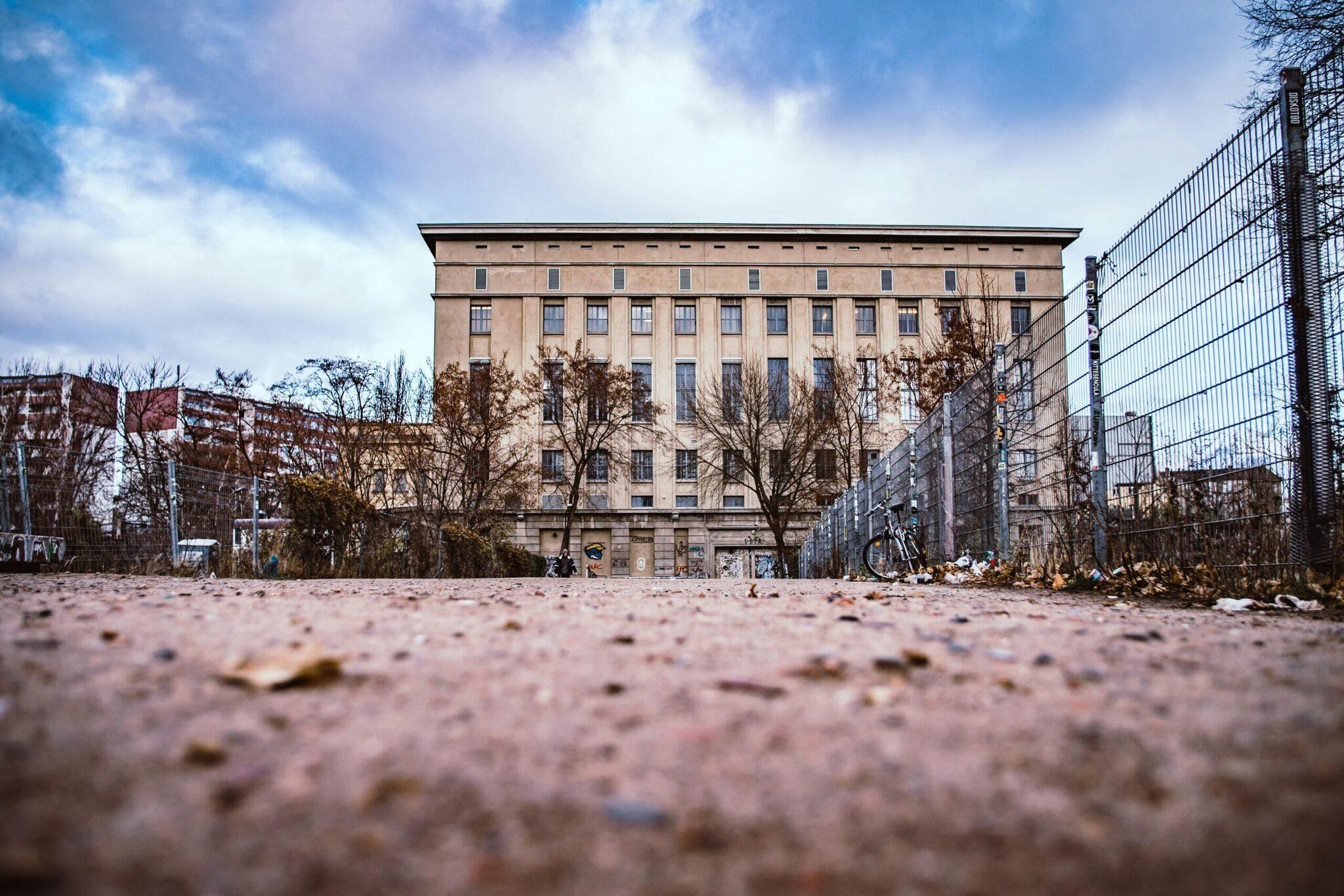
Berghain occupies a former power station in Friedrichshain and runs every weekend from Friday evening through to Monday morning, with a world-class techno line-up.
The door selection, handled since 2014 by Sven Marquardt, is unpredictable and unwritten. A low-key style (often all black, no flashy accessories) and a relaxed attitude are the only reliable pointers. Entry is never guaranteed, regardless of what precautions you take.
Berlin’s nightlife extends well beyond Berghain: Watergate (on the banks of the Spree), Tresor and Sisyphos each offer a comparable atmosphere with their own distinct identity.
Berlin in 3 Days: a Logical Itinerary
If you have a long weekend, here is a breakdown that avoids unnecessary backtracking:
- Day 1: Brandenburg Gate, Reichstag, Holocaust Memorial, Museum Island, dinner by the Spree.
- Day 2: East Side Gallery, Friedrichshain, Maybachufer market in Kreuzberg, dinner in the neighbourhood, nightlife as the mood takes you.
- Day 3: Tiergarten and Siegessäule, Ku’damm and KaDeWe, Fernsehturm in the late afternoon for the sunset view.
A fourth day is well spent exploring Prenzlauer Berg and its Sunday flea market at Mauerpark (every Sunday, free entry, with up to 40,000 visitors on some weekends).
If Berlin is your gateway to Germany, find more ideas for things to see and do across the country. For another history-rich European capital, our guide to things to do in Rome has plenty more inspiration.
FAQ
When is the best time to visit Berlin?
Spring (April to May) and summer (June to August) are the most pleasant months, with green parks and outdoor events. In winter, the Christmas markets (November to December) draw large crowds, though temperatures can drop below freezing. Autumn is a quieter, less touristy alternative.
How many days do you need to visit Berlin?
Three days cover the highlights. Five days allow you to explore neighbourhoods off the main tourist trail (Prenzlauer Berg, Neukölln, Charlottenburg) and spend proper time in the museums.
Is the Pergamon Museum open in 2026?
No. The Pergamon Museum has been closed since October 2023 for a major renovation. A partial reopening is expected in June 2027. In the meantime, Pergamonmuseum. Das Panorama (Am Kupfergraben 2) offers an immersive alternative dedicated to the ancient city of Pergamon.
Do you need to book Museum Island tickets in advance?
Yes, particularly in high season (June to August). The Neues Museum, home to the bust of Nefertiti, is among the most popular. Booking online avoids long queues.
How do you get into Berghain?
There is no guaranteed formula. The door is managed by Sven Marquardt and his team according to undisclosed criteria. A low-key style and a relaxed attitude are the only reliable pointers, with no guarantee of entry.
Is Berlin safe for tourists?
Berlin is a generally safe destination in Europe. As with any major city, stay alert in busy areas (Alexanderplatz, public transport) to avoid pickpockets.