
Germany packs an extraordinary amount into a single country: fairytale castles, buzzing metropolises, wild national parks and medieval towns that time has barely touched. Here are 20 genuine experiences to help you build a trip that truly delivers.
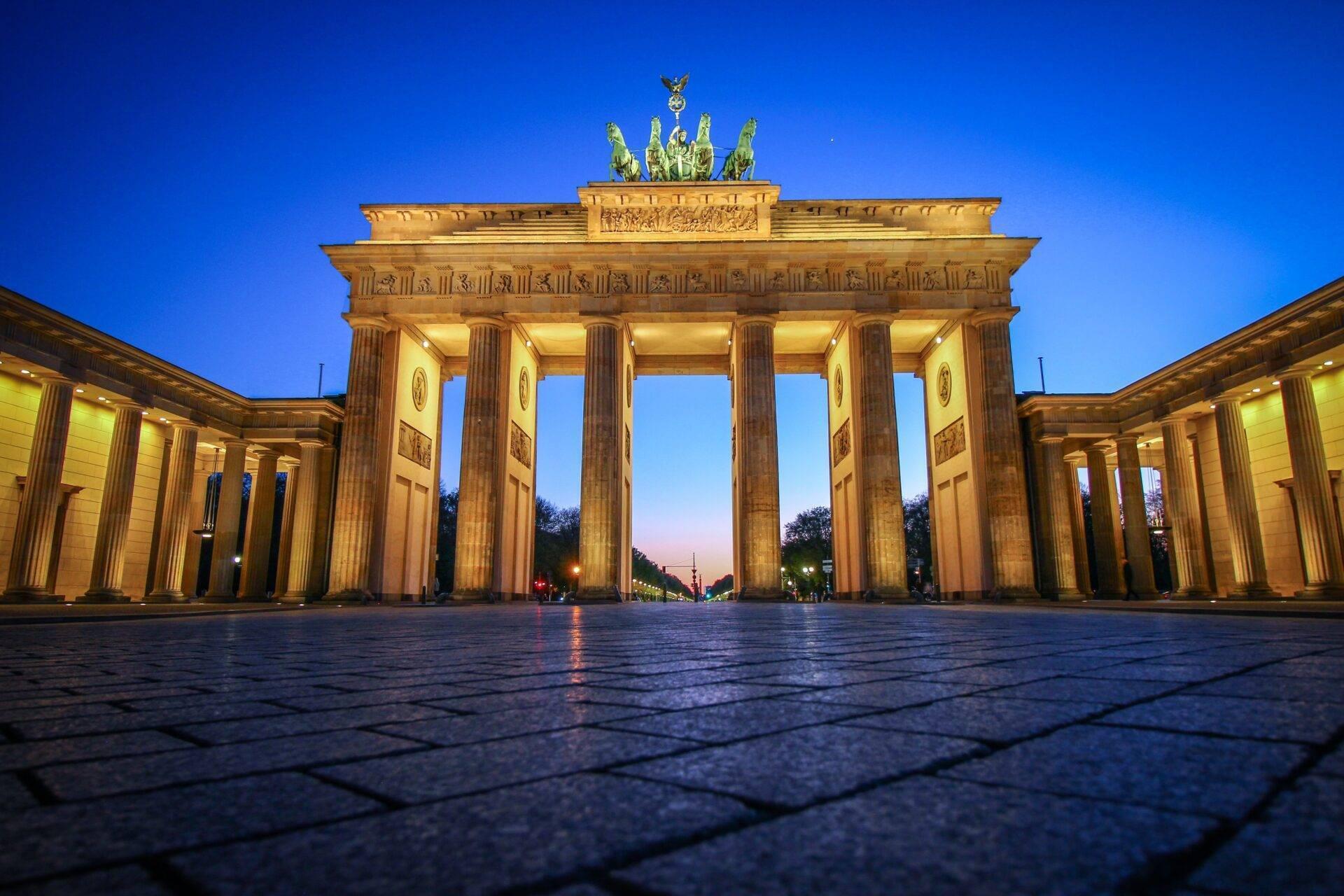
1. The Brandenburg Gate: the soul of Berlin
Built in 1791 and witness to two centuries of German history, the Brandenburg Gate is free to visit at any hour. Within easy walking distance you will find the Reichstag (its glass dome is free to visit with advance registration), the Holocaust Memorial and the Unter den Linden boulevard. At dusk, the light on this monument is particularly striking.
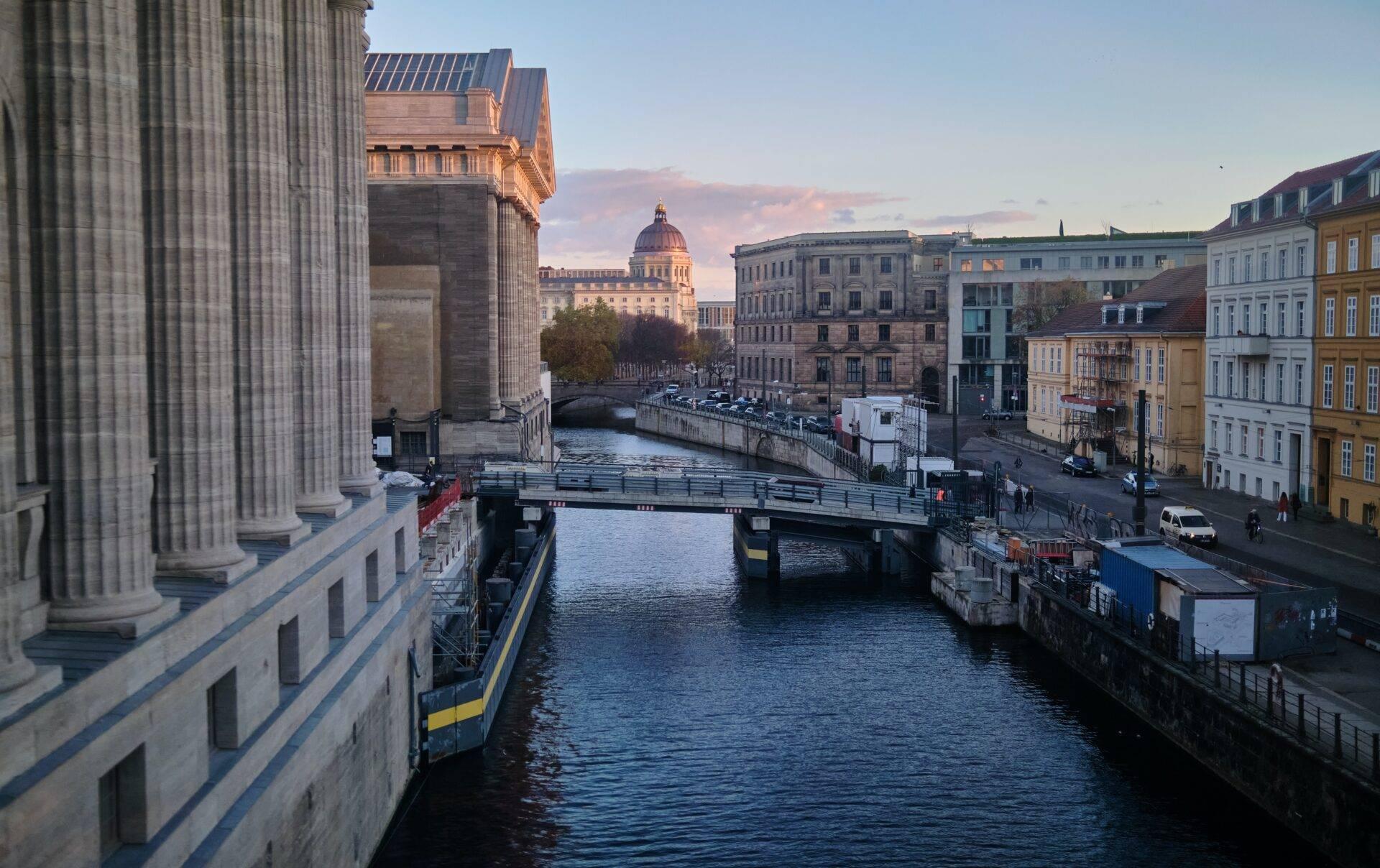
2. Museum Island, Berlin
On an island in the Spree, five world-class museums stand within a few hundred metres of each other. The Pergamon Museum houses breathtaking reconstructions of ancient architecture, including the Ishtar Gate of Babylon and the Pergamon Altar. The Bode Museum opens onto Byzantine sculpture and ancient coinage. A UNESCO World Heritage Site, Museum Island can easily fill an entire day. For a deeper look at everything the capital has to offer, see our guide Things to Do in Berlin.
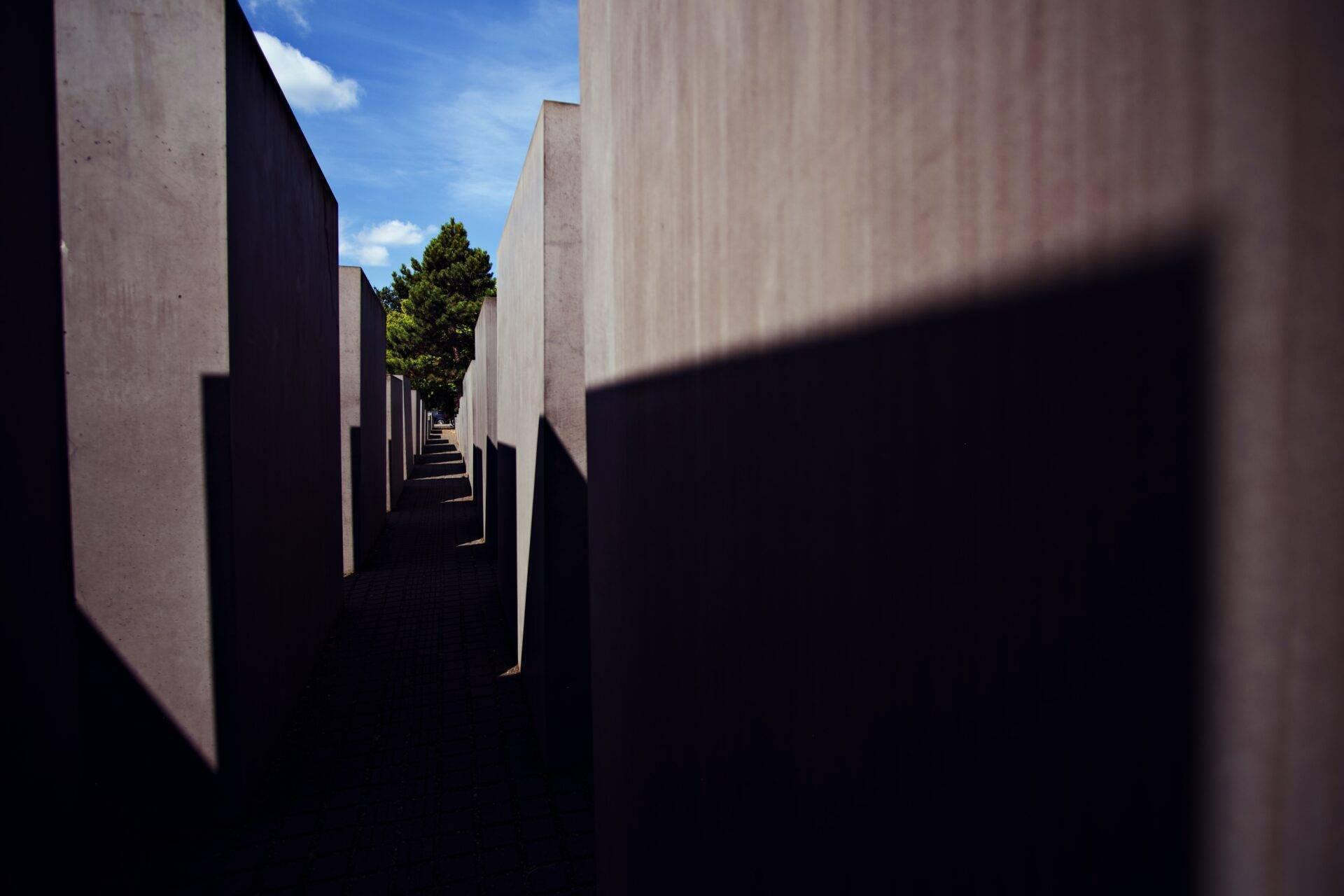
3. The Holocaust Memorial, Berlin
Inaugurated in 2005, the Memorial to the Murdered Jews of Europe comprises 2,711 concrete stelae of varying heights. The gently sloping ground heightens the sense of disorientation as you move deeper between the rows. Beneath the stelae, the Information Centre tells the stories of individual families. Free entry.
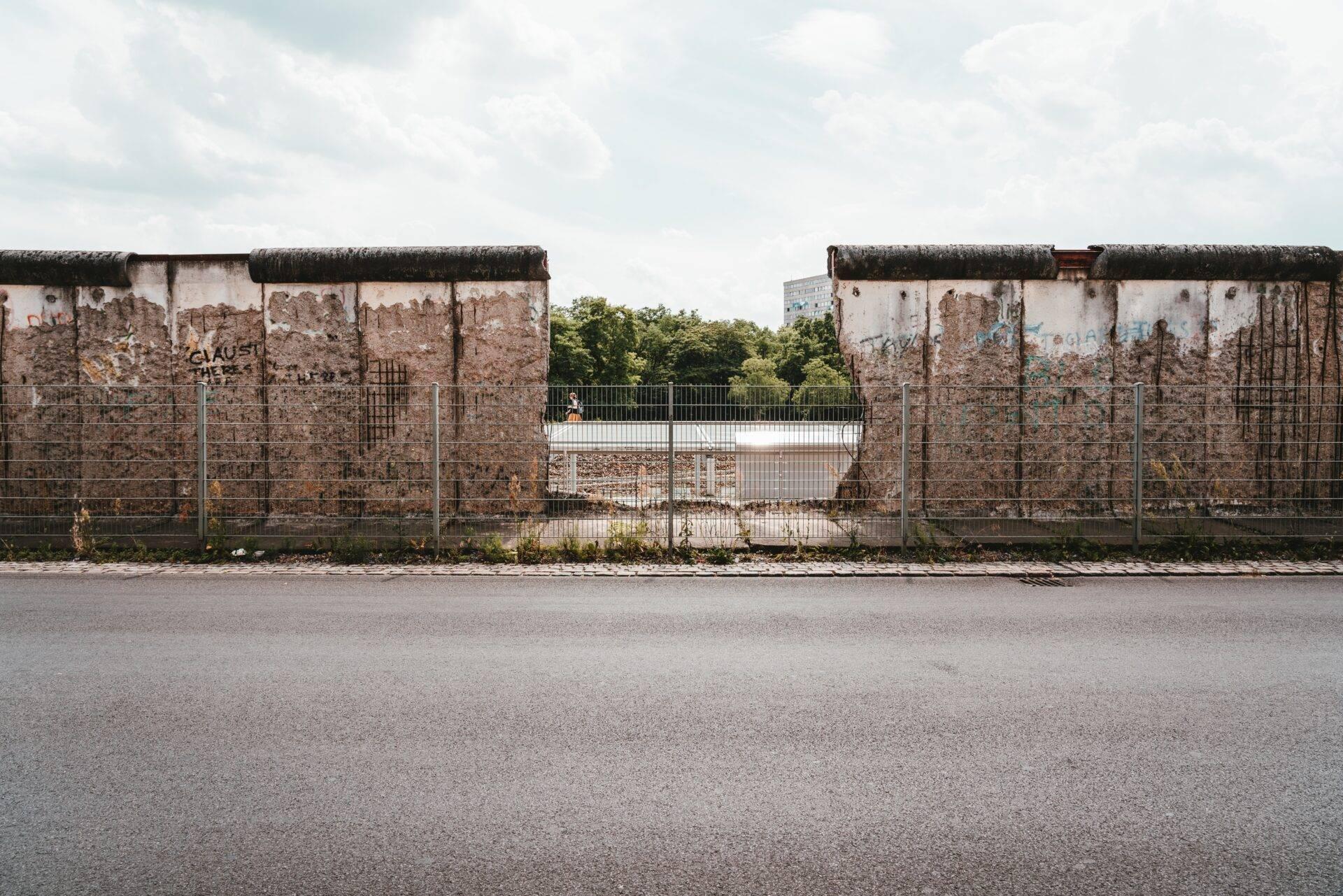
4. The Berlin Wall and the East Side Gallery
Erected in 1961 and brought down in 1989, the Wall divided Berlin for 28 years. The East Side Gallery preserves its longest remaining stretch (1.3 km), covered in murals commissioned from artists around the world from 1990 onwards. Checkpoint Charlie and the Topography of Terror, an open-air museum on the former site of the Gestapo headquarters, round out the memorial trail.
5. The Fernsehturm: Berlin’s TV Tower
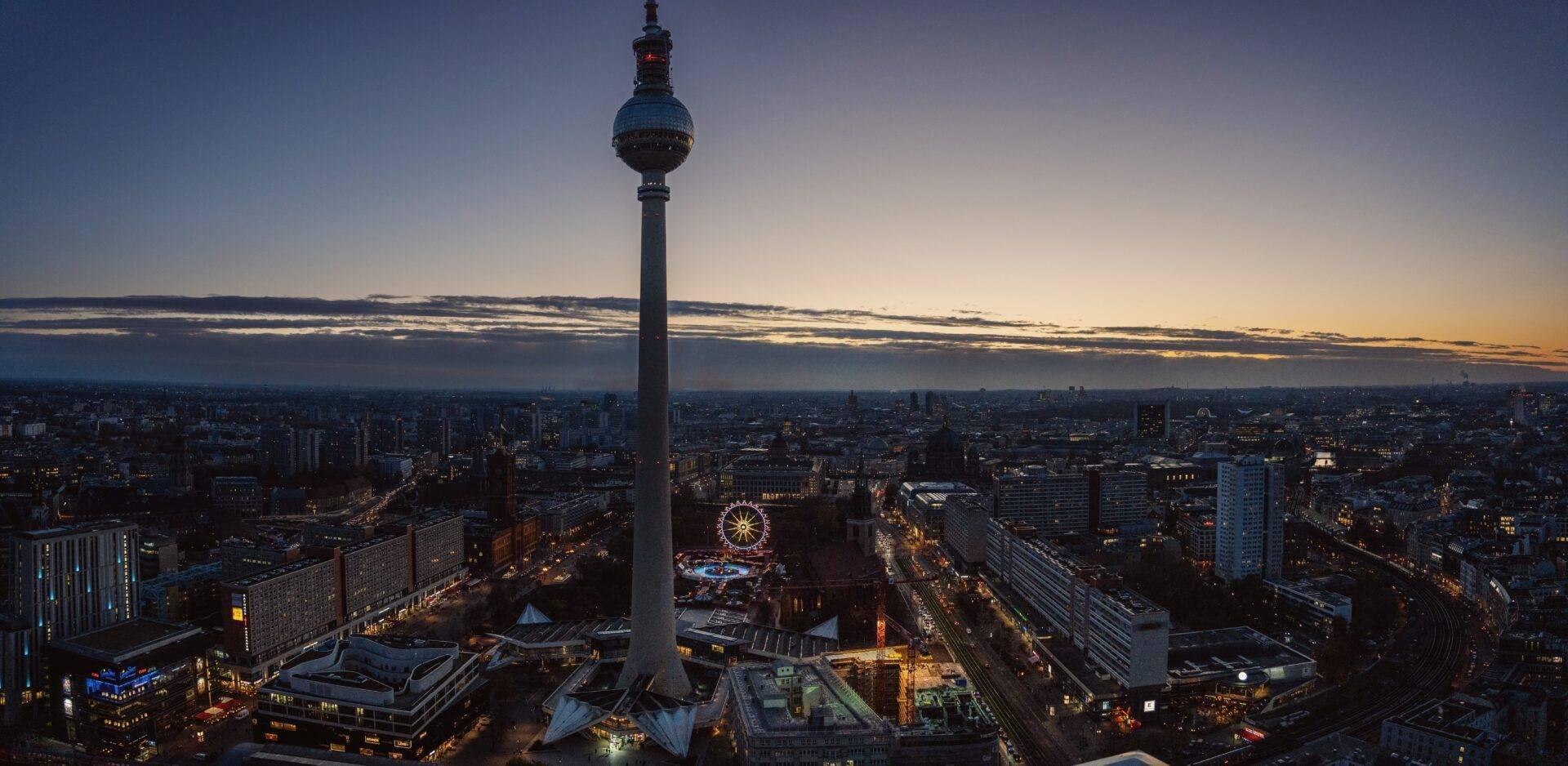
368 metres tall and offering a 360-degree view over the entire capital. Opened on 3 October 1969 by the GDR, the Fernsehturm remains Germany’s tallest building. On a clear day, the panorama from the observation platform stretches well into the forests beyond the city. In summer, book ahead to avoid the queues.
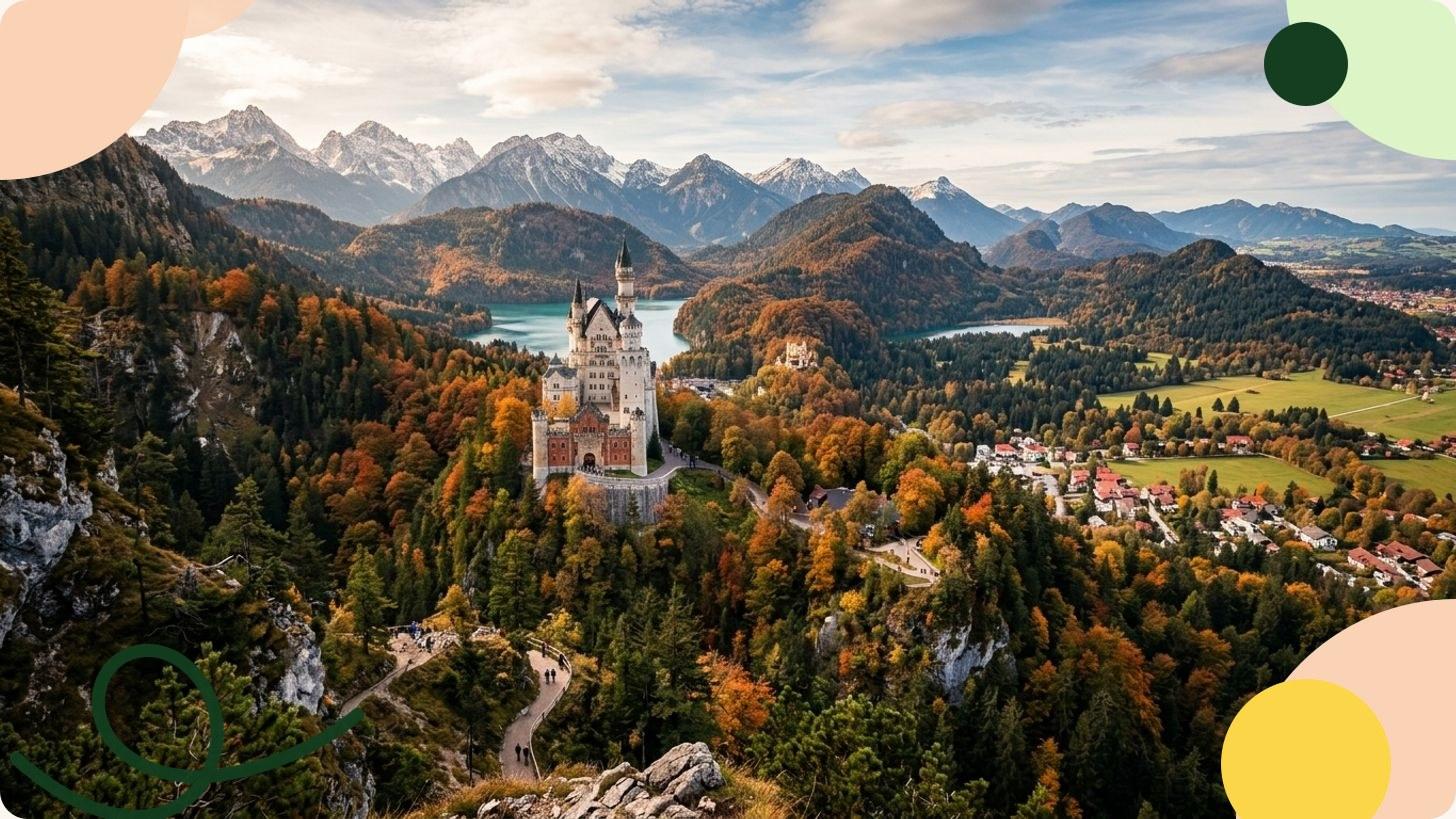
6. Neuschwanstein Castle, Bavaria
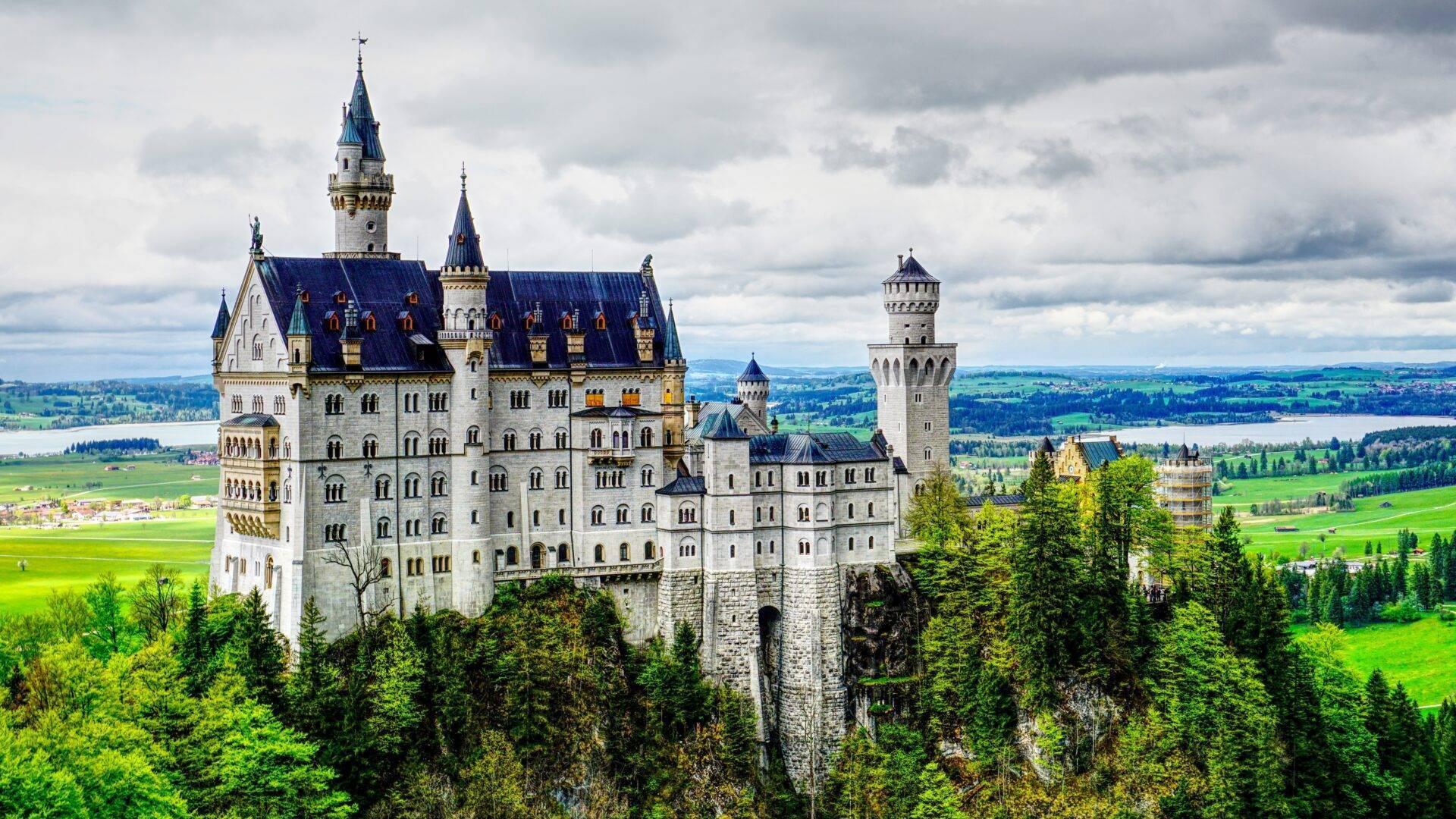
Perched at 965 metres on a rocky outcrop near Füssen, Neuschwanstein draws around 1.5 million visitors a year, making it the most visited castle in Europe. King Ludwig II of Bavaria commissioned it in the 19th century: the never-completed interior is a wildly fantastical medieval vision. Visits are guided (30 minutes) and must be booked exclusively online at hohenschwangau.de. For the iconic photograph, the Marienbrücke (Mary’s Bridge), reachable on foot, is free.
7. Marienplatz and the Viktualienmarkt, Munich
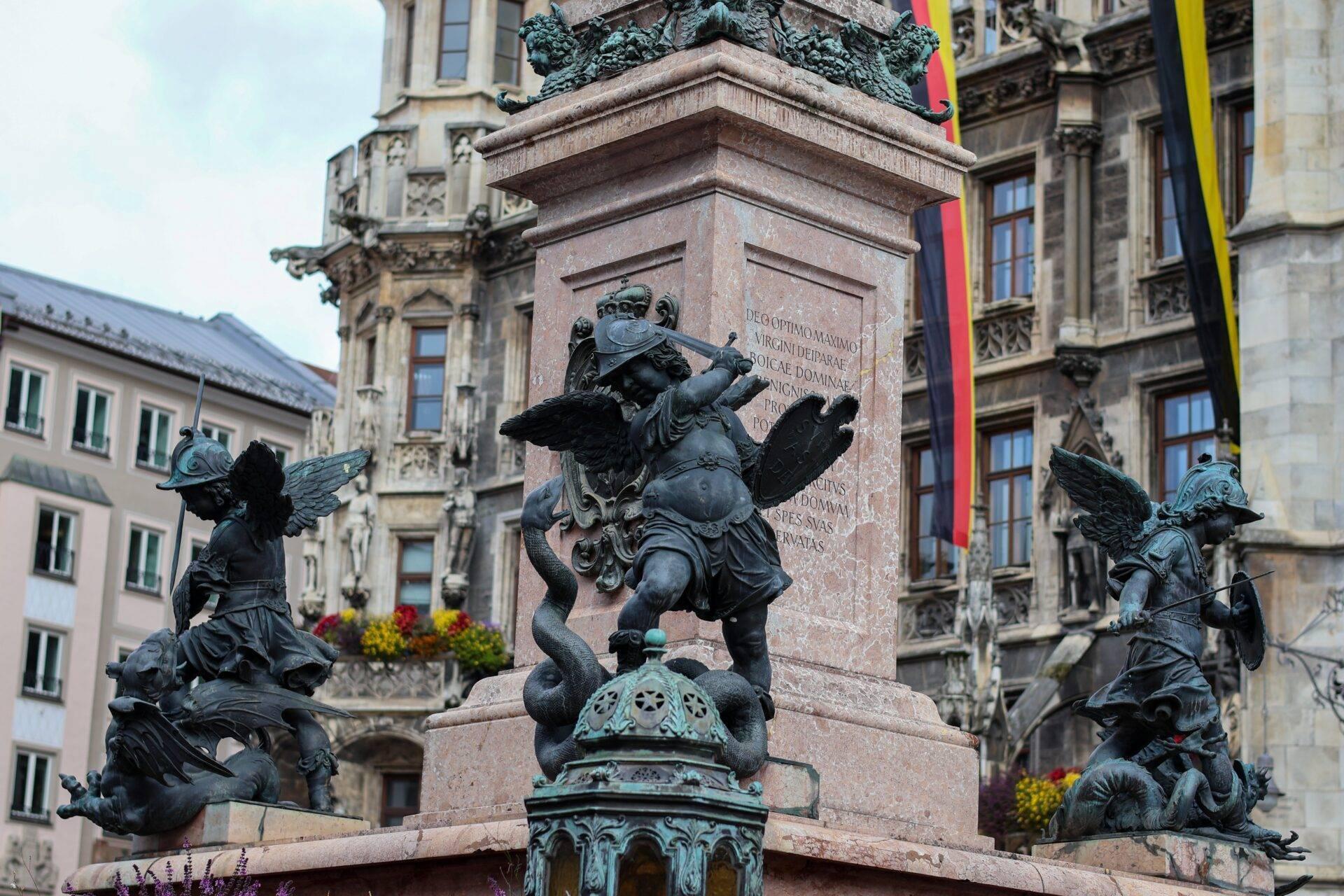
The heart of Munich since the Middle Ages, Marienplatz is flanked by the Neues Rathaus and its Glockenspiel carillon, whose mechanical figures re-enact scenes from Bavarian history several times a day. Right behind it, the Viktualienmarkt is one of Europe’s oldest food markets: pretzels, Weisswurst (Bavarian white sausage) and local beers sit alongside flower stalls and cheese counters in an atmosphere of genuine daily life.
8. Munich’s Beer Gardens
The Bavarian art of living is best enjoyed outdoors, beneath century-old chestnut trees. A Masskrug (one-litre stein of beer), Brezn (pretzels) and Obatzda (spiced cheese spread) shared at wooden tables with strangers: this is the beer-garden tradition, born in the 19th century. The Chinesischer Turm in the Englischer Garten (English Garden), right in the heart of Munich, is the liveliest spot on a summer’s evening.
9. The Romantic Road
The Romantische Strasse runs 460 km from Würzburg to Füssen through Bavaria and Baden-Württemberg. It passes through remarkably well-preserved medieval towns, castles, vineyards and abbeys. Dinkelsbühl, with its virtually intact town walls, and Nördlingen, built inside an ancient meteorite crater, are two particularly authentic stops, far less crowded than the headline sights.
10. Rothenburg ob der Tauber
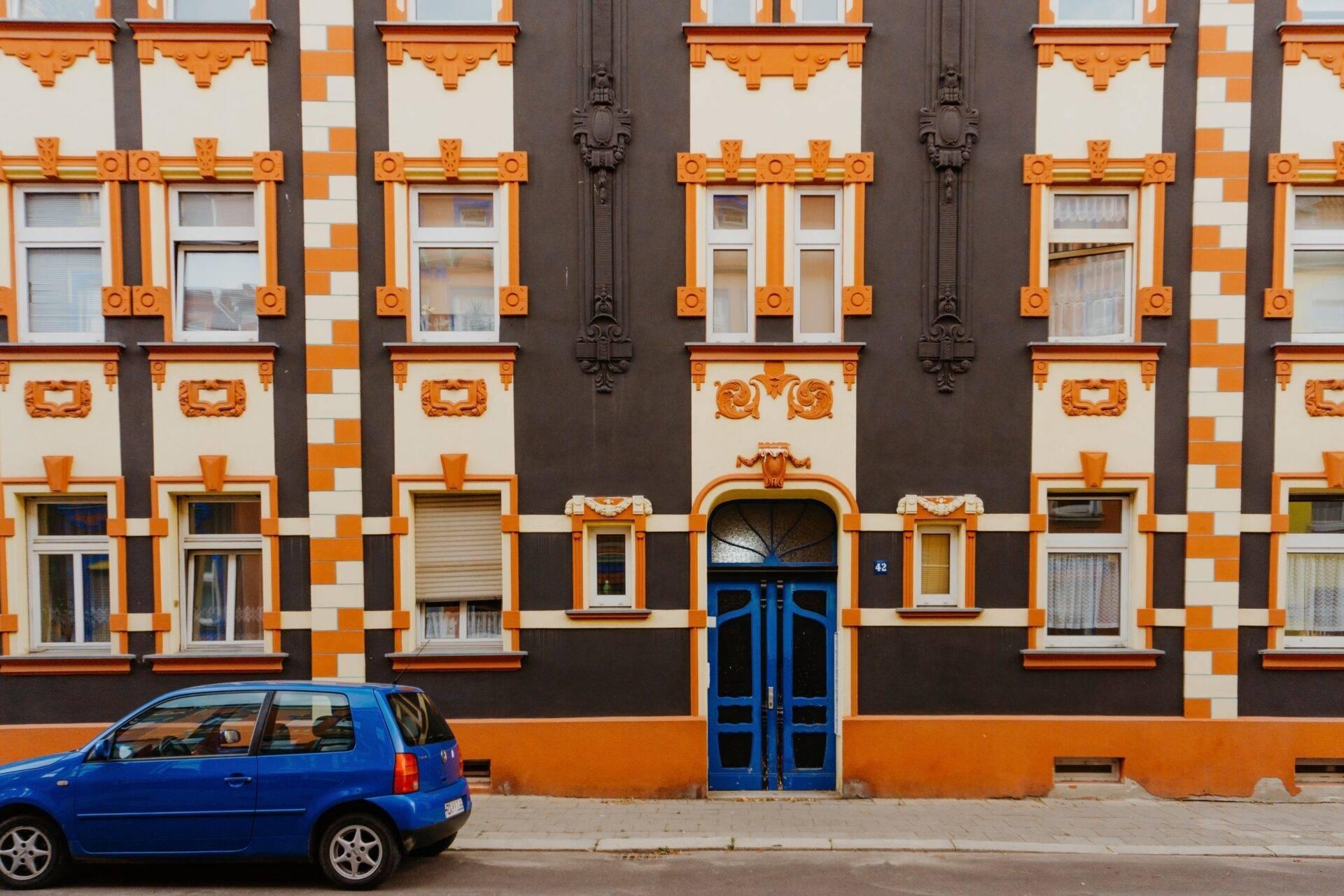
The most iconic stop on the Romantic Road: its 14th-century ramparts can still be walked in their entirety. Cobbled lanes, half-timbered houses and craft shops create the impression of stepping back in time. In high season, visit in the morning to beat the tour groups. In December, its Weihnachtsmarkt is among the most picturesque Christmas markets in Germany.
11. Cologne Cathedral
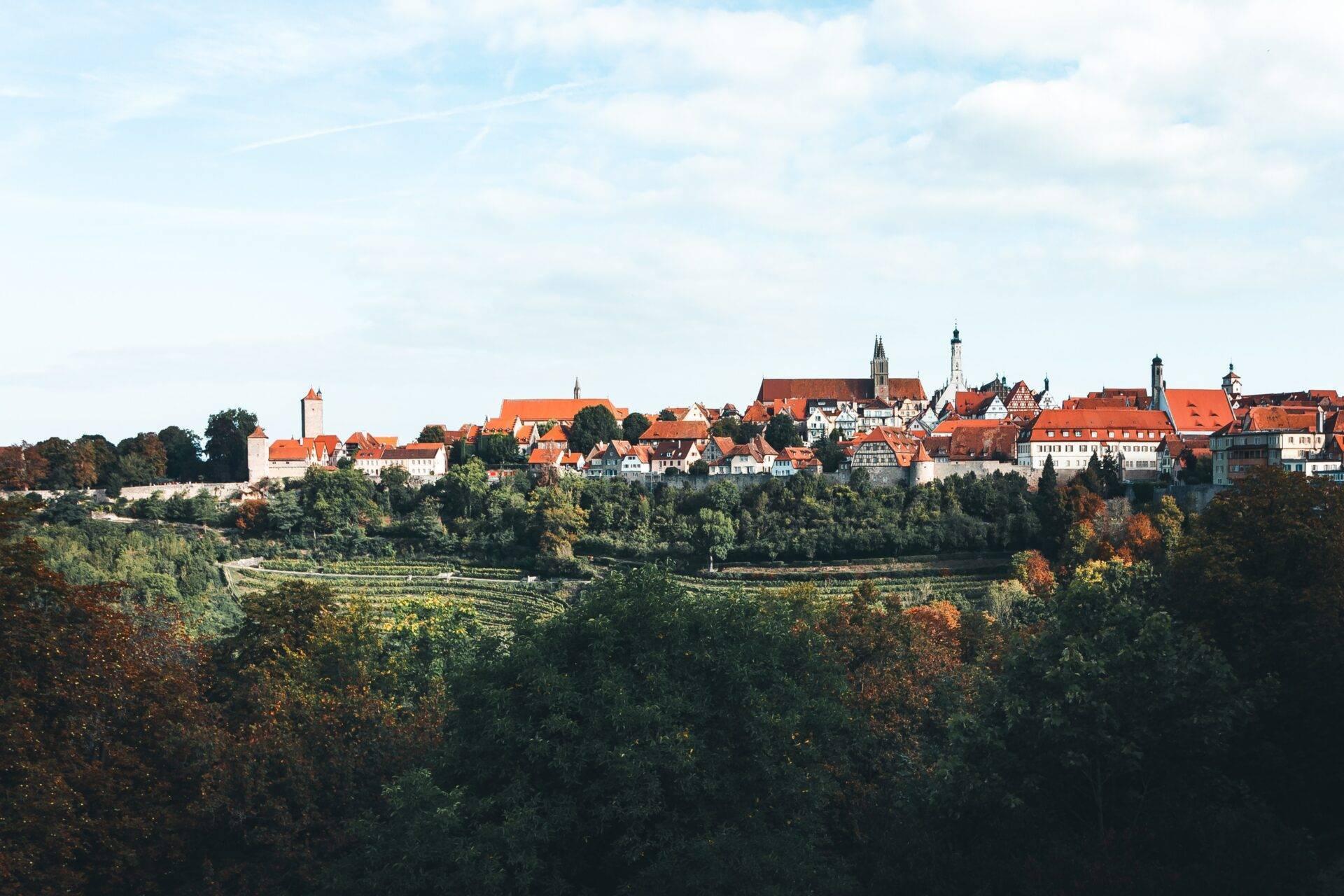
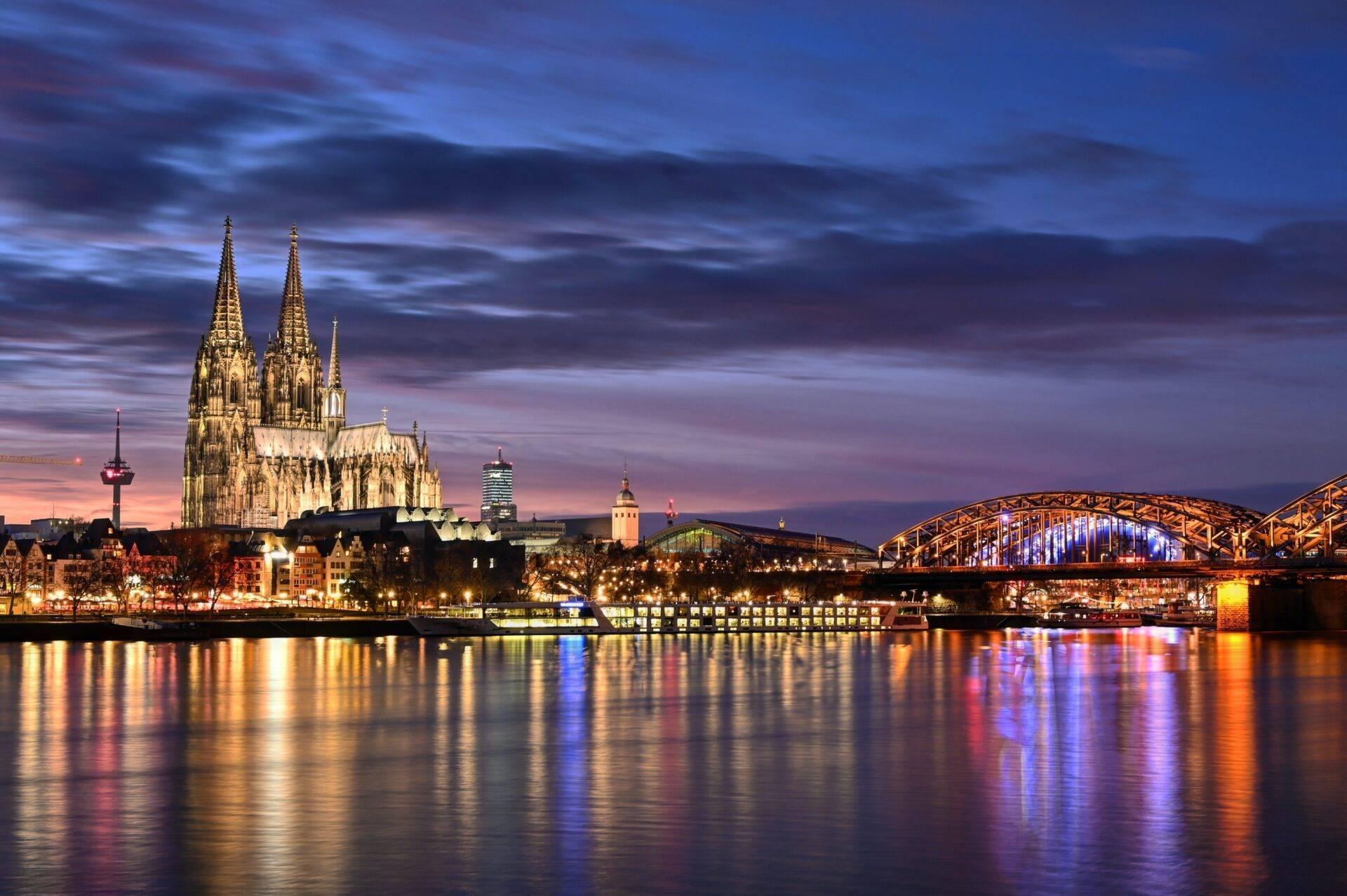
Begun in 1248 and completed in 1880, Cologne Cathedral (Kölner Dom) is one of the largest Gothic cathedrals in the world. Its twin spires soar to 157 metres above the banks of the Rhine. Inside, the Shrine of the Three Kings and the medieval stained glass are spellbinding. Climbing to the top via 533 steps rewards you with a sweeping panorama over the city and the river. The cathedral is a UNESCO World Heritage Site.
12. Heidelberg Castle
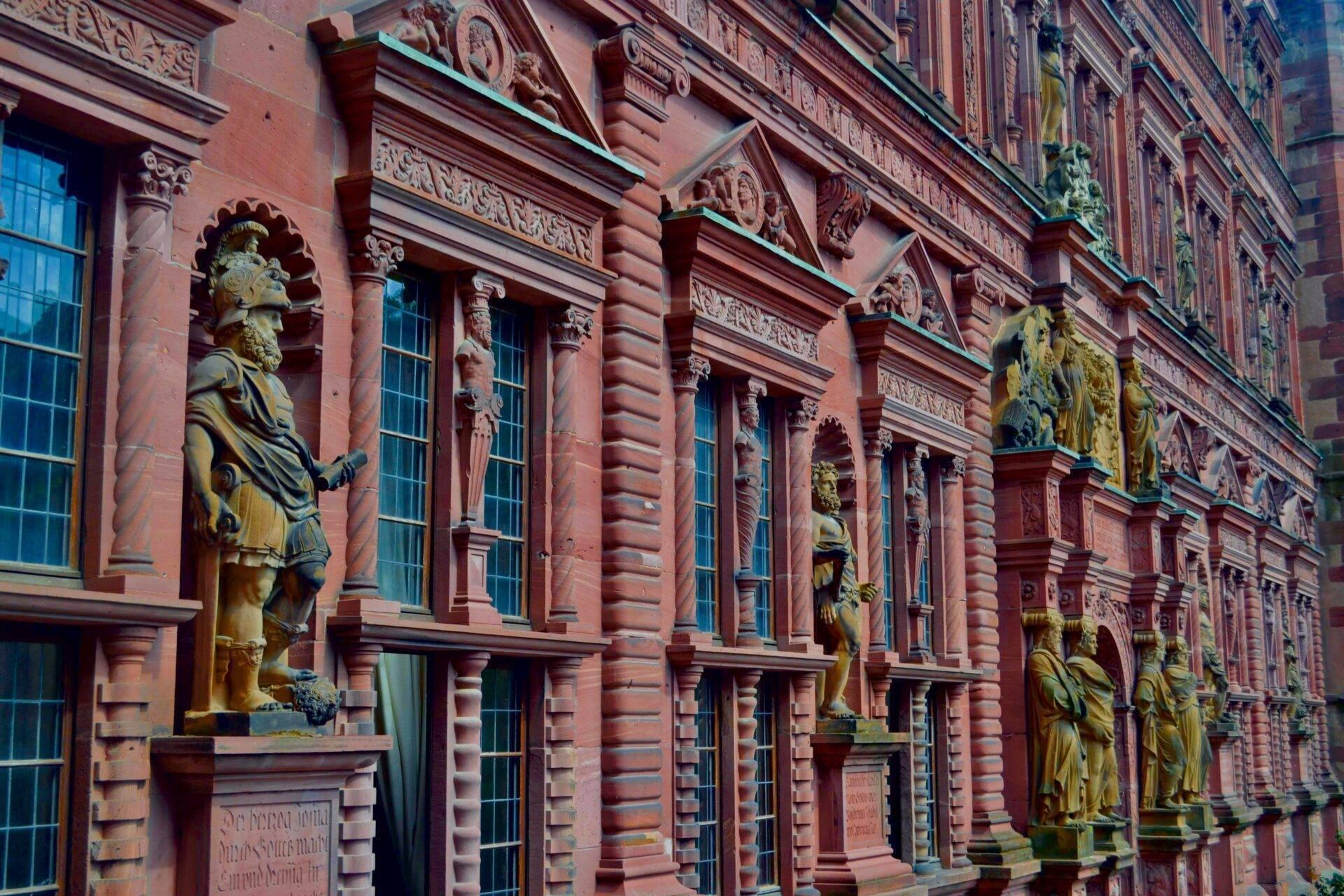
Towering over the city from the Königstuhl hill, this partially ruined castle is one of Germany’s finest examples of Renaissance architecture. Its cellar houses a colossal wine vat that local guides recount with great relish. Below, the lively old town is home to Germany’s oldest university, founded in 1386. The view from the gardens over the Neckar valley alone makes the climb worthwhile.
13. Sanssouci Palace, Potsdam
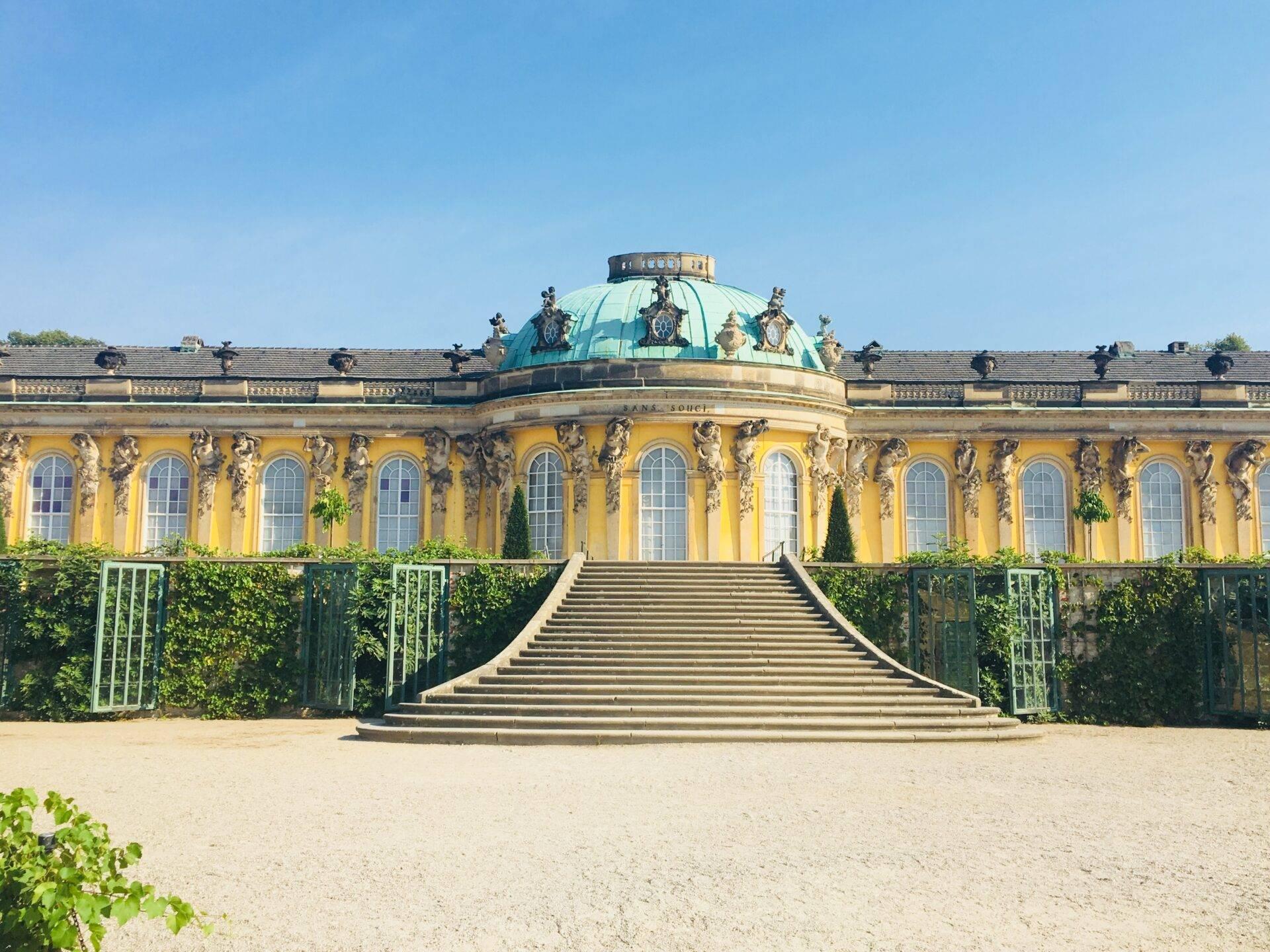
Just 30 km from Berlin, Potsdam is home to one of Europe’s finest Baroque ensembles. Sanssouci, Frederick the Great’s summer residence, was built between 1745 and 1747 in an elegant Rococo style. Its vine-clad terraced gardens, fountains and formal French-style parklands are listed as a UNESCO World Heritage Site. A full day is not enough to cover all of Potsdam’s palaces.
14. Miniatur Wunderland, Hamburg
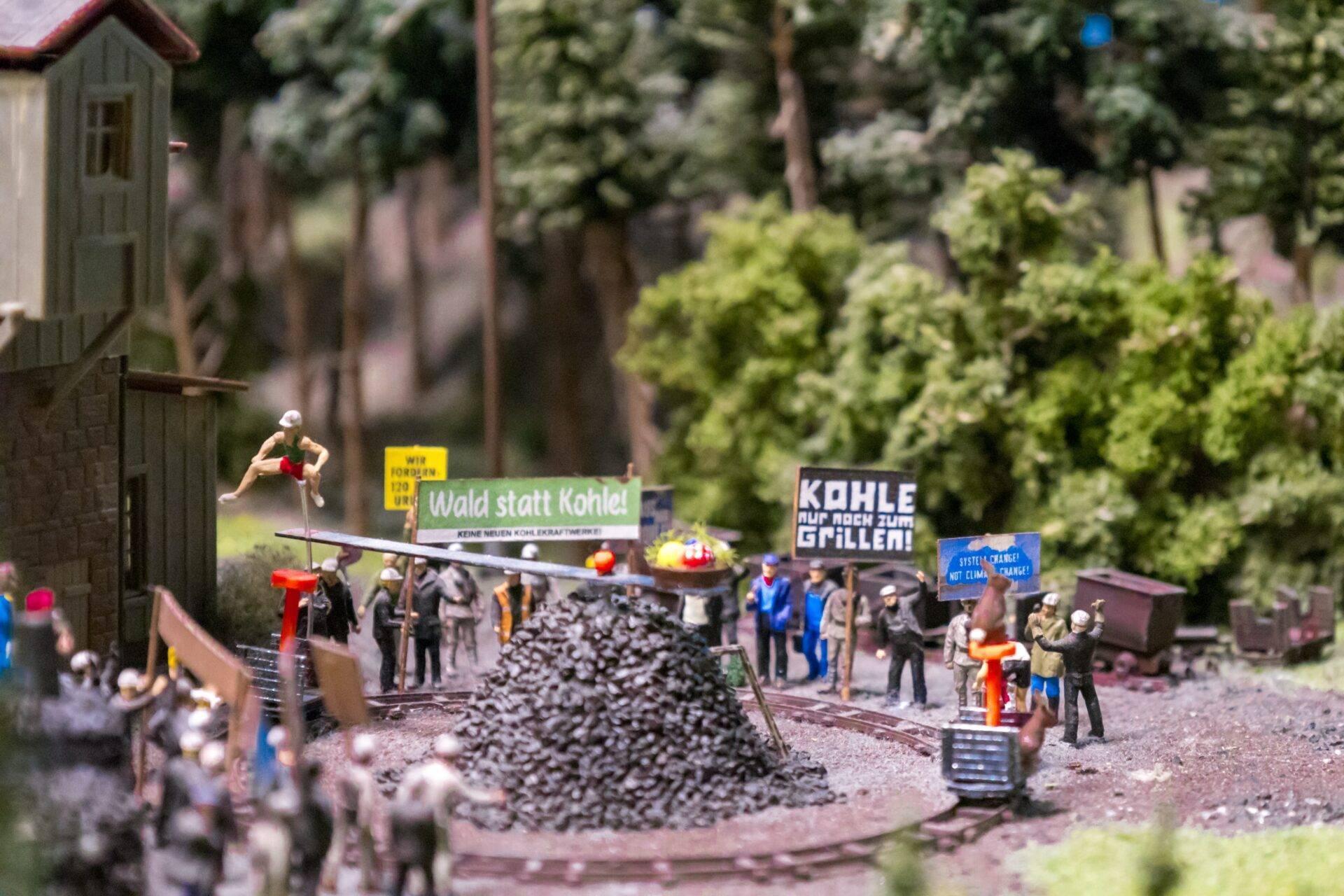
Set in Hamburg’s Speicherstadt warehouse district, itself UNESCO-listed, Miniatur Wunderland is the world’s largest model railway according to the Guinness World Records. Some 1,230 trains run through dioramas reproducing Germany, Scandinavia, the United States and Italy. In March 2025, the attraction welcomed its 25 millionth visitor since opening. Book tickets online to skip the queue.
15. Mercedes-Benz Museum, Stuttgart
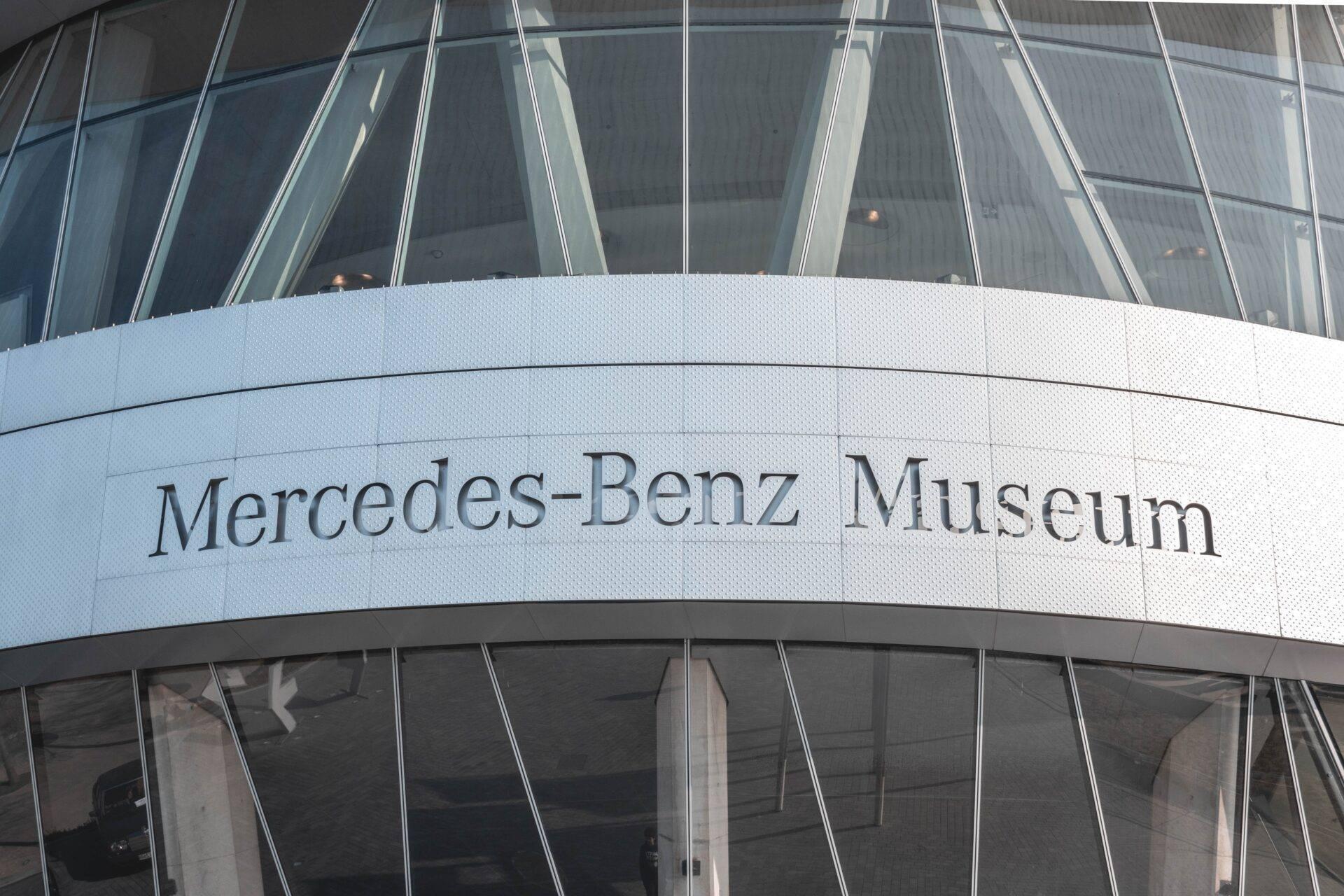
Opened in 2006, the Mercedes-Benz Museum spreads across nine floors and 160 vehicles tracing the history of the automobile from the 1886 Benz Patent-Motorwagen, widely recognised as the world’s first petrol-powered car. The double-helix architecture by Dutch firm UNStudio is worth the visit in its own right. Motoring enthusiasts can also visit the Porsche Museum, just a few kilometres away in the same city.
16. Autostadt, Wolfsburg
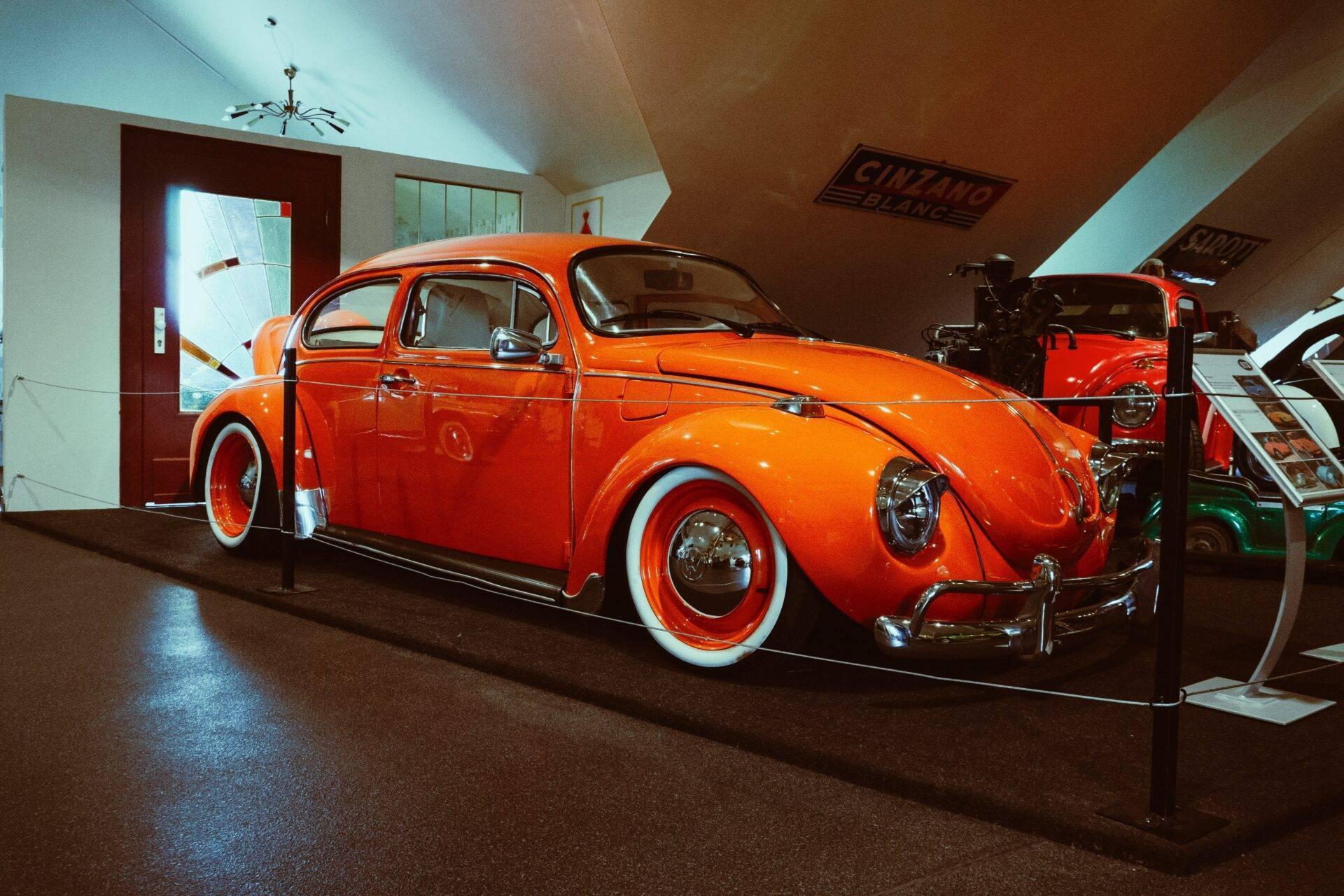
Wolfsburg, a city built by Volkswagen in the 1930s, is home to Autostadt: a 28-hectare automotive park. Brand pavilions for the group’s marques (VW, Audi, Porsche, Seat, Skoda, Lamborghini), the Zeithaus museum, interactive exhibitions and the glass delivery towers where brand-new cars await their owners make this a uniquely European experience, drawing around 2.2 million visitors a year.
17. The Black Forest
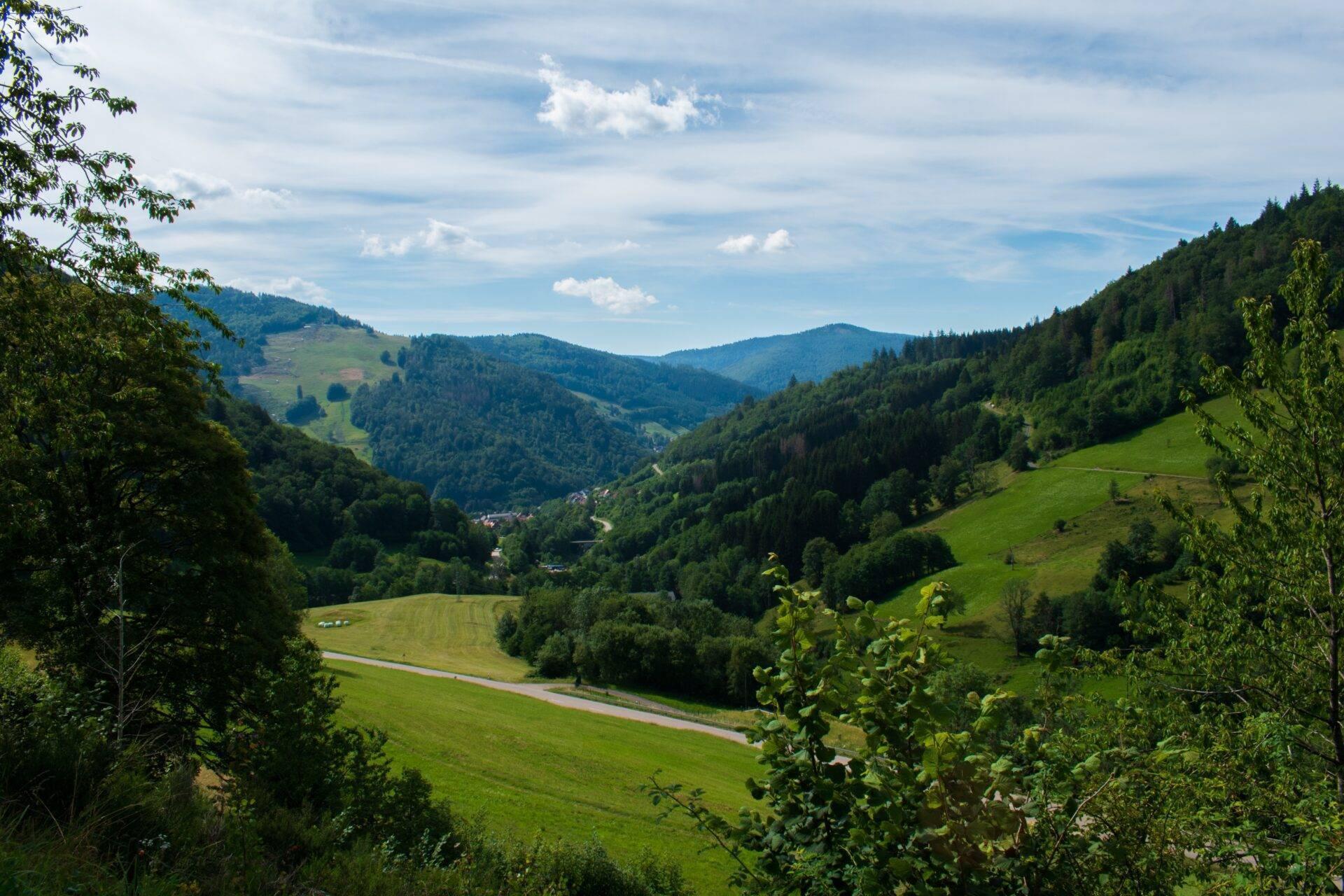
The Black Forest (Schwarzwald), in south-west Germany, takes its name from the density of its spruce trees. It can be explored on foot or by bicycle, along rivers, past lakes such as the Titisee and through villages with their distinctively wide overhanging rooftops. The local food is worth the trip alone: Schwarzwälder Kirschtorte (Black Forest gateau) and cuckoo clocks, of which the region is the world’s home, are two emblems you simply will not find anywhere else with quite the same authenticity.
18. Saxon Switzerland National Park
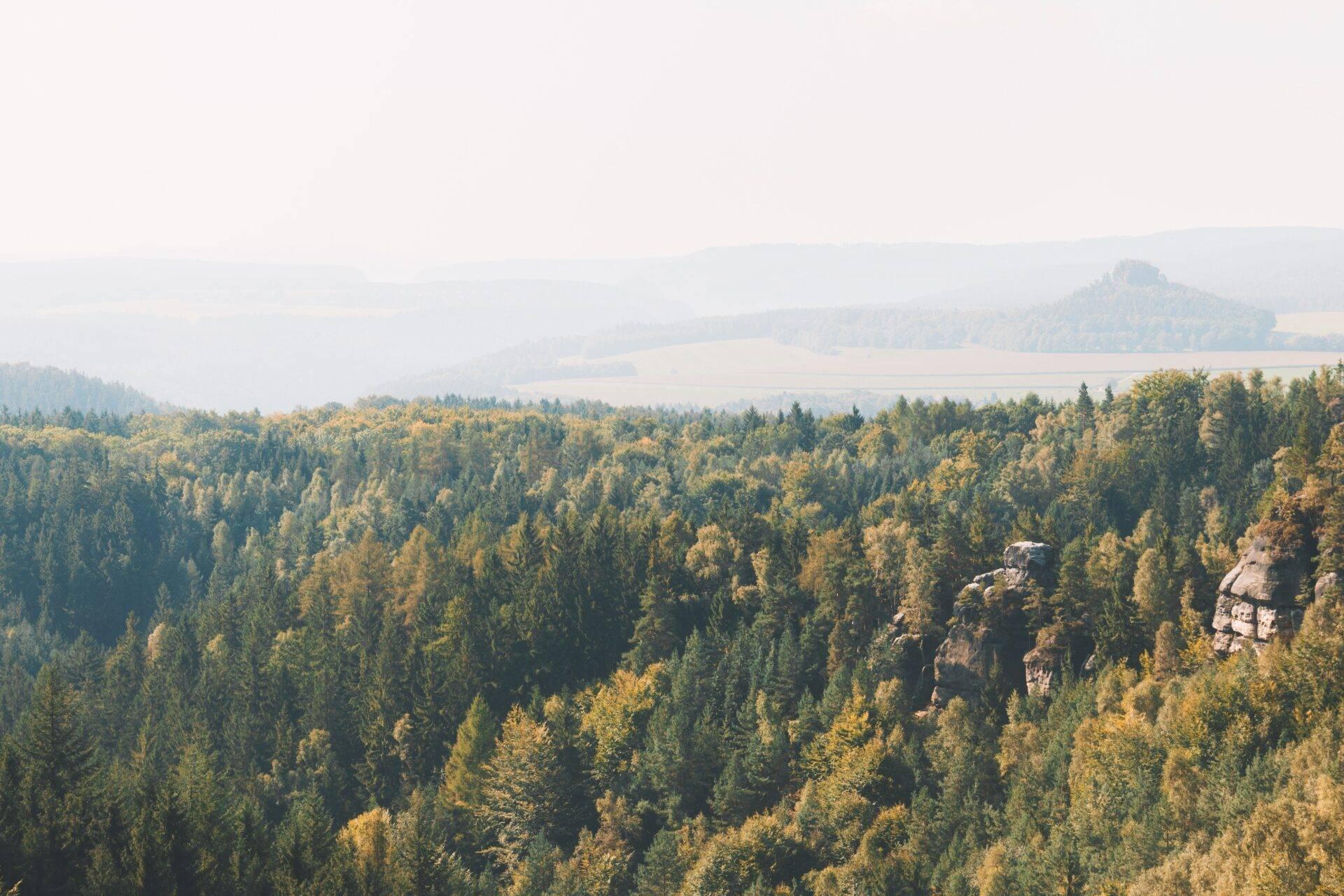
An hour east of Dresden, Saxon Switzerland (Sächsische Schweiz) is a landscape of sandstone formations sculpted by the Elbe over millions of years: sheer cliffs, deep gorges and pine forests clinging high above the void. The Bastei Bridge, perched on the rocks above the valley, is the park’s most photographed viewpoint. One of Germany’s finest natural secrets for walkers in search of something truly different.
19. The Harz Mountains
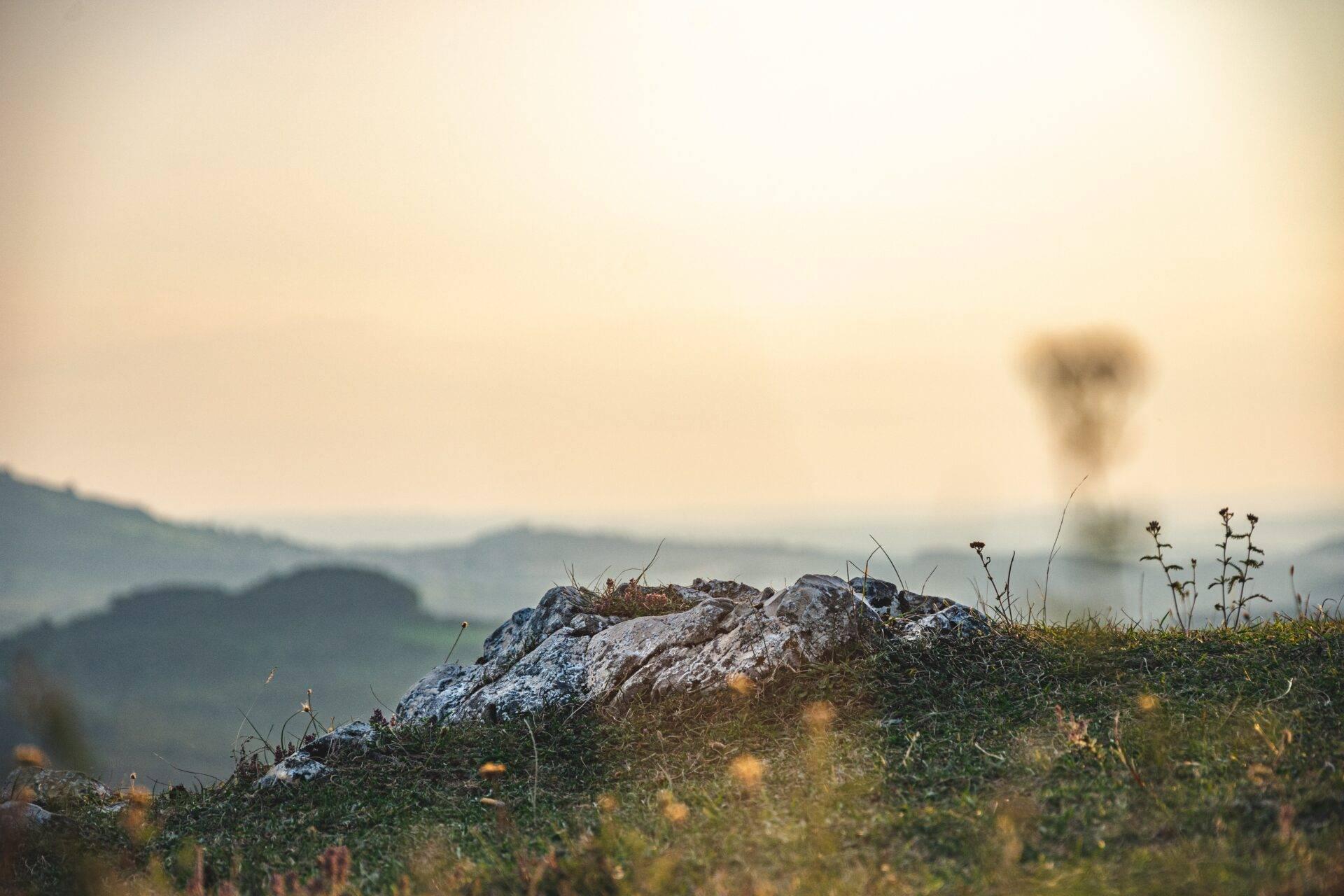
A forested massif at the heart of Germany, the Harz is crossed by the narrow-gauge steam railway of the Harzer Schmalspurbahnen, which climbs to the Brocken, the highest point at 1,141 metres. The dense forest, moss-covered rocks and autumn mists have fuelled centuries of Germanic legend. Walpurgisnacht (Witches’ Night, 30 April) is still celebrated locally. A complete change of scenery just two hours from Berlin.
20. Europa-Park, Rust
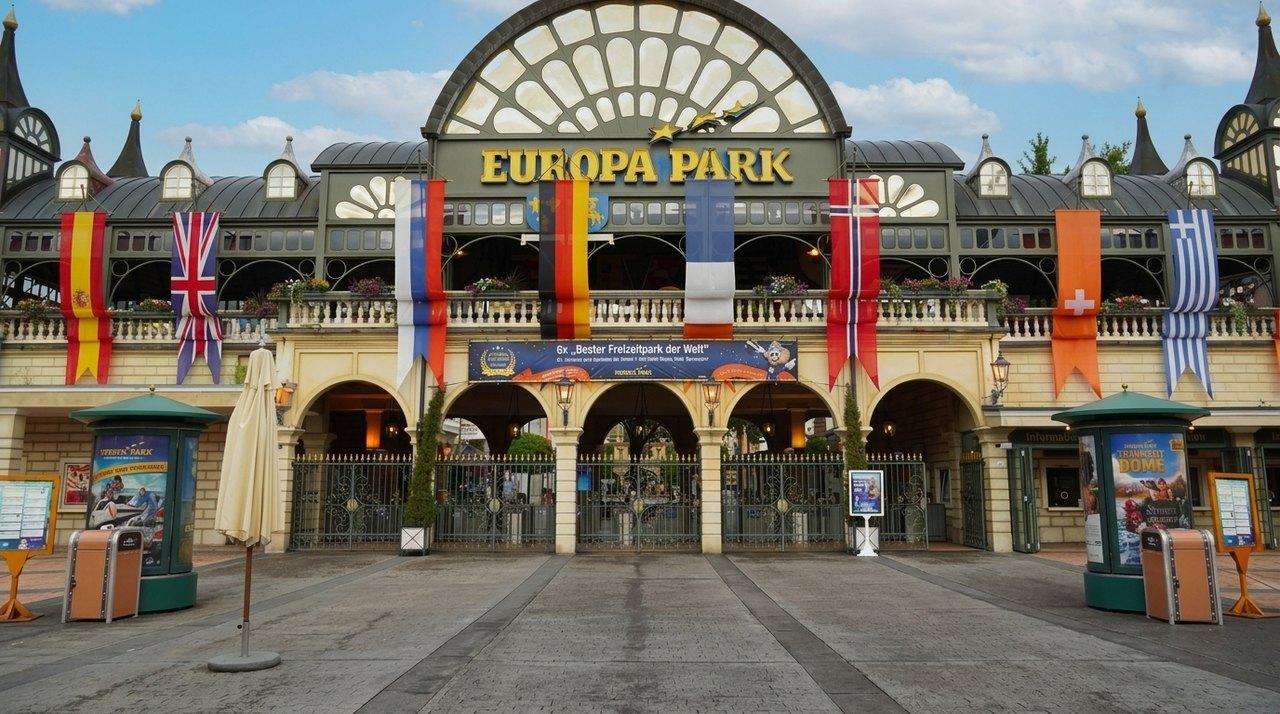
Germany’s largest theme park, Europa-Park in Rust offers more than 100 attractions spread across themed areas representing different European countries. The Silver Star and Blue Fire roller coasters are firm crowd favourites. The park suits families and thrill-seekers alike, with shows, themed restaurants and on-site hotels to make the most of a full two days.
Before You Go: Practical Information
Germany is part of the Schengen Area. For entry requirements, currency, health recommendations and choosing the right cover for your trip, visit our Germany travel insurance page, which brings together everything you need to know.
If Scandinavia also calls to you, our selection Things to Do in Sweden explores 20 experiences in the same spirit.
FAQ
When is the best time to visit Germany?
Spring (April to May) and autumn (September to October) offer the best balance: pleasant temperatures and sites that are far less crowded than at the height of summer. Summer remains the peak tourist season, ideal for beer gardens and open-air festivals. In winter, Germany’s Christmas markets (Weihnachtsmärkte) are among the most celebrated in Europe.
How many days do you need to visit Germany?
Berlin deserves at least 3 full days. Bavaria (Munich, Neuschwanstein, the Romantic Road) demands just as many. For a trip that takes in Cologne, Hamburg, Stuttgart and a natural park, allow 10 to 14 days. Germany also works brilliantly as a series of regional themed trips rather than one exhaustive circuit.
Which cities should you visit on a first trip to Germany?
Berlin (unmissable for history and culture), Munich (the gateway to Bavaria and the base for Neuschwanstein) and Cologne (for its cathedral and the banks of the Rhine) form the classic trio for a first visit. Hamburg rounds the itinerary out perfectly with its harbour architecture and vibrant cultural scene.
Are there free things to do in Germany?
Plenty, and not second-rate ones either. The Reichstag dome is free to visit with advance registration. The Holocaust Memorial and its Information Centre, the East Side Gallery, and the national parks of Saxon Switzerland and the Harz are all free to enter. Many museums also offer free admission one Sunday a month.
Is Germany a good destination for families with children?
Yes. Europa-Park, Miniatur Wunderland in Hamburg, Autostadt in Wolfsburg and Bavaria’s fairytale castles captivate children of all ages. Public transport is reliable right across the country. Natural parks such as the Black Forest and the Harz offer walking trails accessible from a young age.