
Train travel offers something neither planes nor cars can match: the slow, unhurried contemplation of landscapes at human scale, with the rhythm of the rails as your constant companion. From the Siberian steppes to the Swiss Alps, through the Australian outback and the Argentine Andes, here are eight rail journeys that deserve a place on your travel list.
Protect my train journeyThe Trans-Siberian Railway: the ultimate rail odyssey
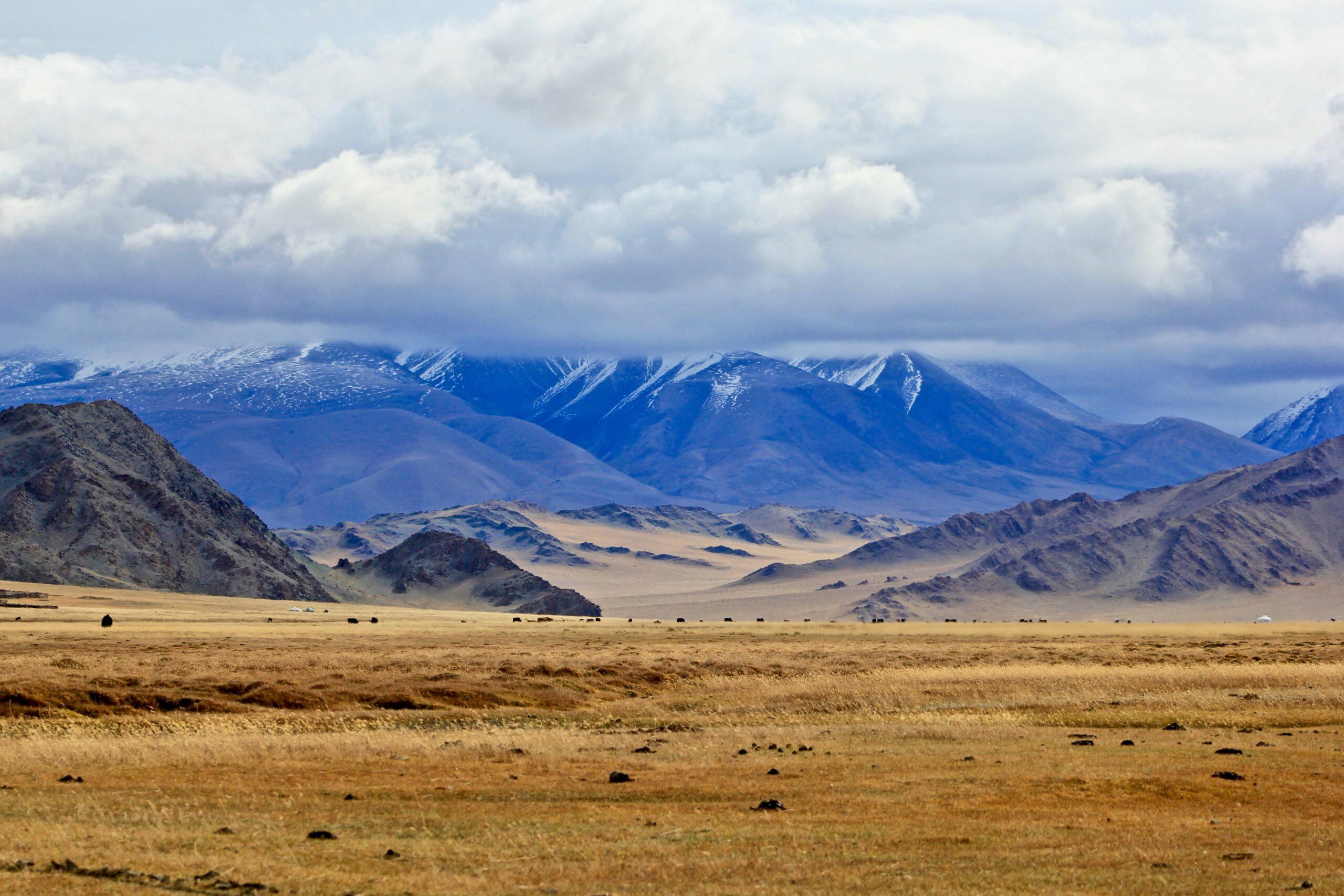
The Trans-Siberian Railway links Moscow to Vladivostok across nearly 9,288 km, making it the longest continuous rail journey in the world. The trip takes between 7 and 14 days depending on your itinerary and chosen stops. Alternative routes allow you to reach Ulaanbaatar (Mongolia) via the Trans-Mongolian line, or Beijing (China) via the Trans-Manchurian, with unforgettable stops along the shores of Lake Baikal. Before planning this journey, you must check the official travel advice issued by your government: entry and transit conditions vary by nationality and the current diplomatic situation.
The Glacier Express: the Swiss Alps in eight hours
Nicknamed “the world’s slowest express train”, the Glacier Express runs from Zermatt to St. Moritz via the Oberalp Pass and the Rhine Gorge. The journey takes around 8 hours and crosses 291 bridges and 91 tunnels. In 2025, the seat reservation supplement ranges from CHF 44 to CHF 49, on top of the ticket price (from CHF 159 in second class). The best time to travel is June to September, when the alpine meadows are in full bloom, though winter brings equally spectacular snow-covered scenery.
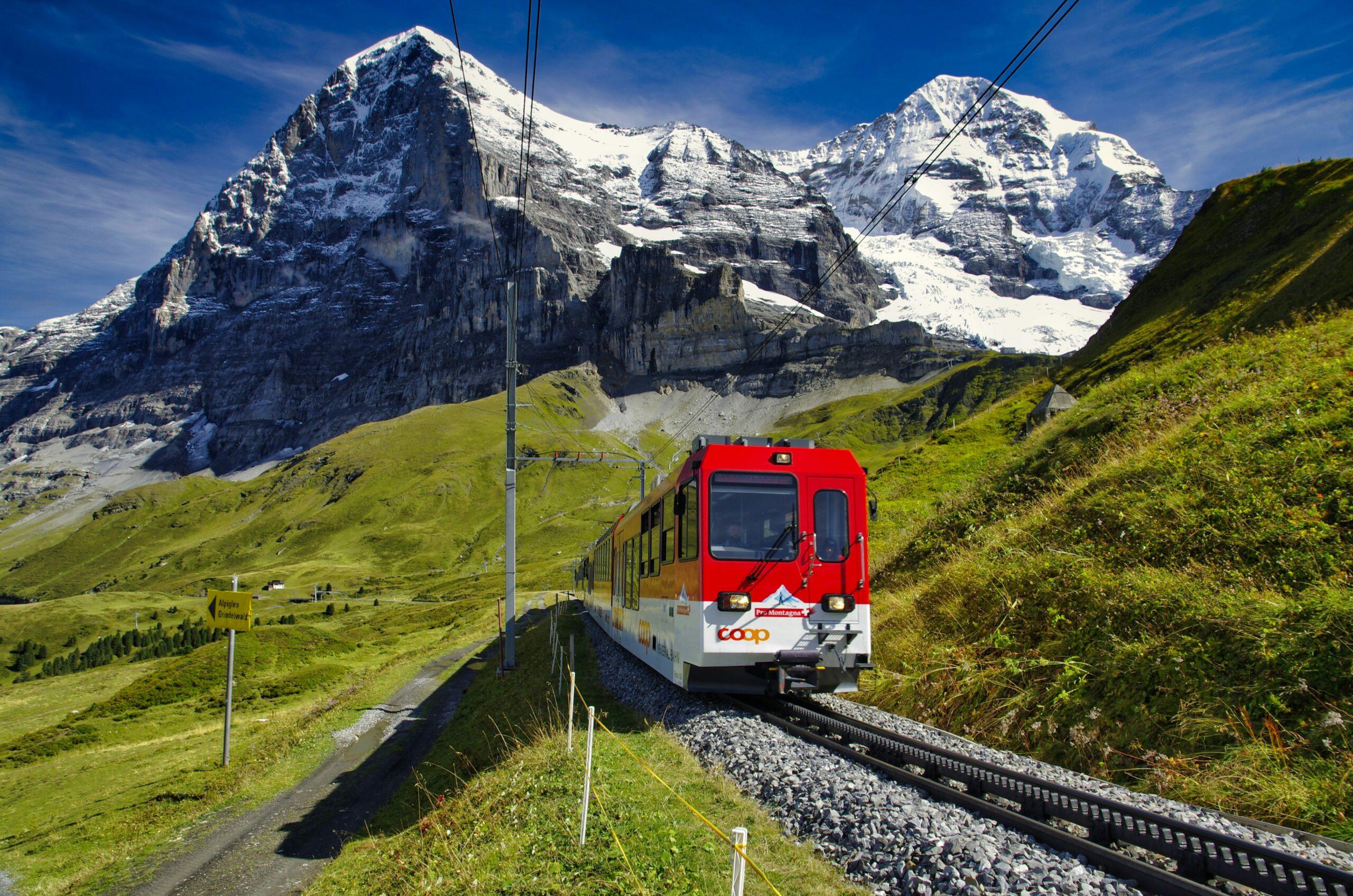
The Ghan: 2,979 km through the heart of Australia
The Ghan is one of the great rail adventures of the world. The train covers 2,979 km from Adelaide to Darwin, passing through Alice Springs and Katherine, in approximately 53 hours and 15 minutes. One of the journey’s greatest surprises is the gradual transformation of the landscape: the green plains of the south give way to the ochre deserts of the Red Centre, then to the tropical savannahs of the Northern Territory. Optional excursions are offered at each stop, including a visit to Katherine Gorge. If you are thinking of extending your stay in the region, have a look at our guide to choosing between Australia and New Zealand for a working holiday visa.
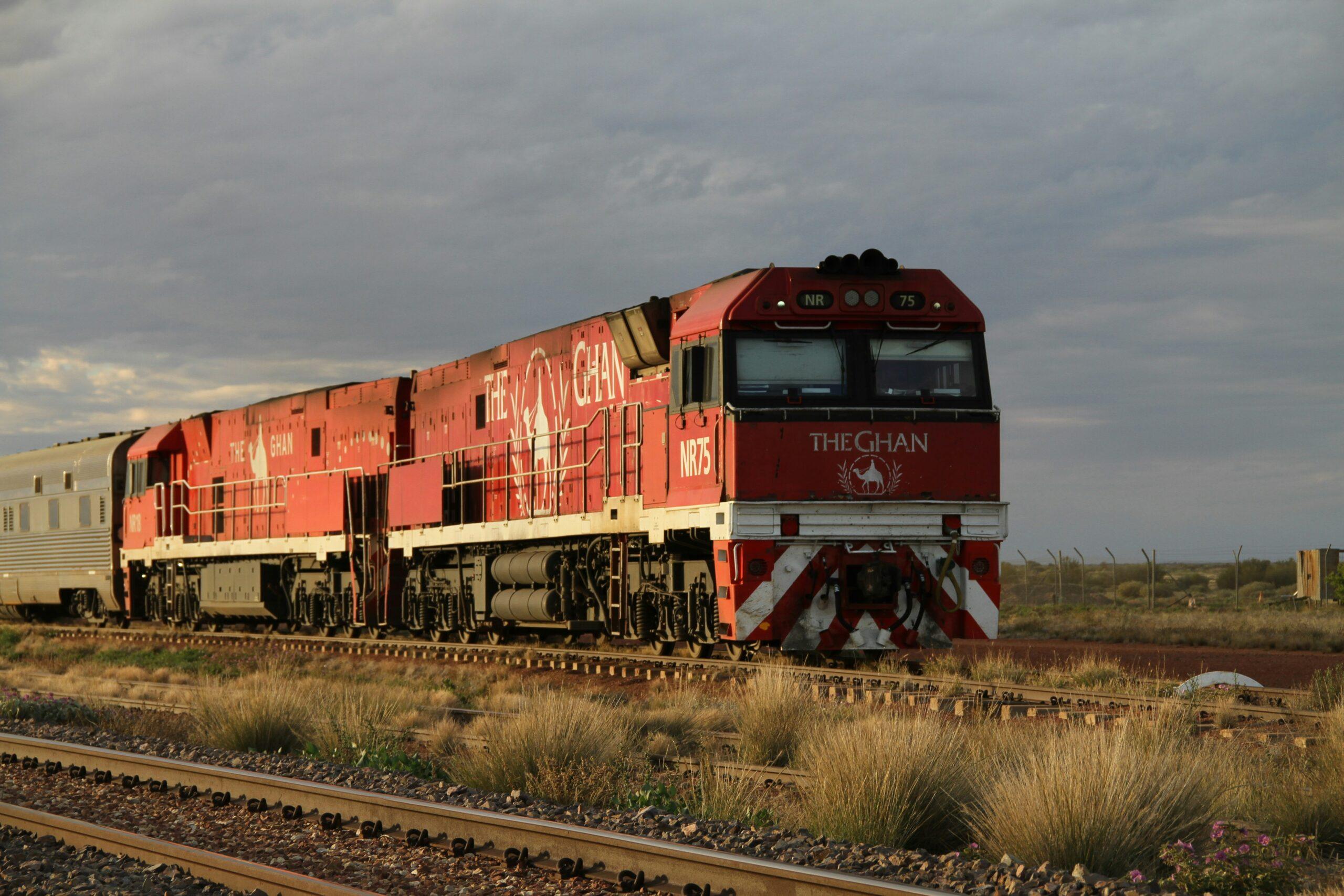
The Bernina Express: a UNESCO World Heritage journey
The Bernina Express runs from Chur to Tirano (Italy) via St. Moritz, reaching a high point of over 2,253 m above sea level. A UNESCO World Heritage Site since 2008, it crosses 196 bridges and 55 tunnels without ever relying on a rack-and-pinion system. Reservation is compulsory. The undisputed highlight of the journey is the crossing of the circular Brusio Viaduct in Poschiavo: a sweeping stone spiral that is one of the most photographed railway structures in Europe.
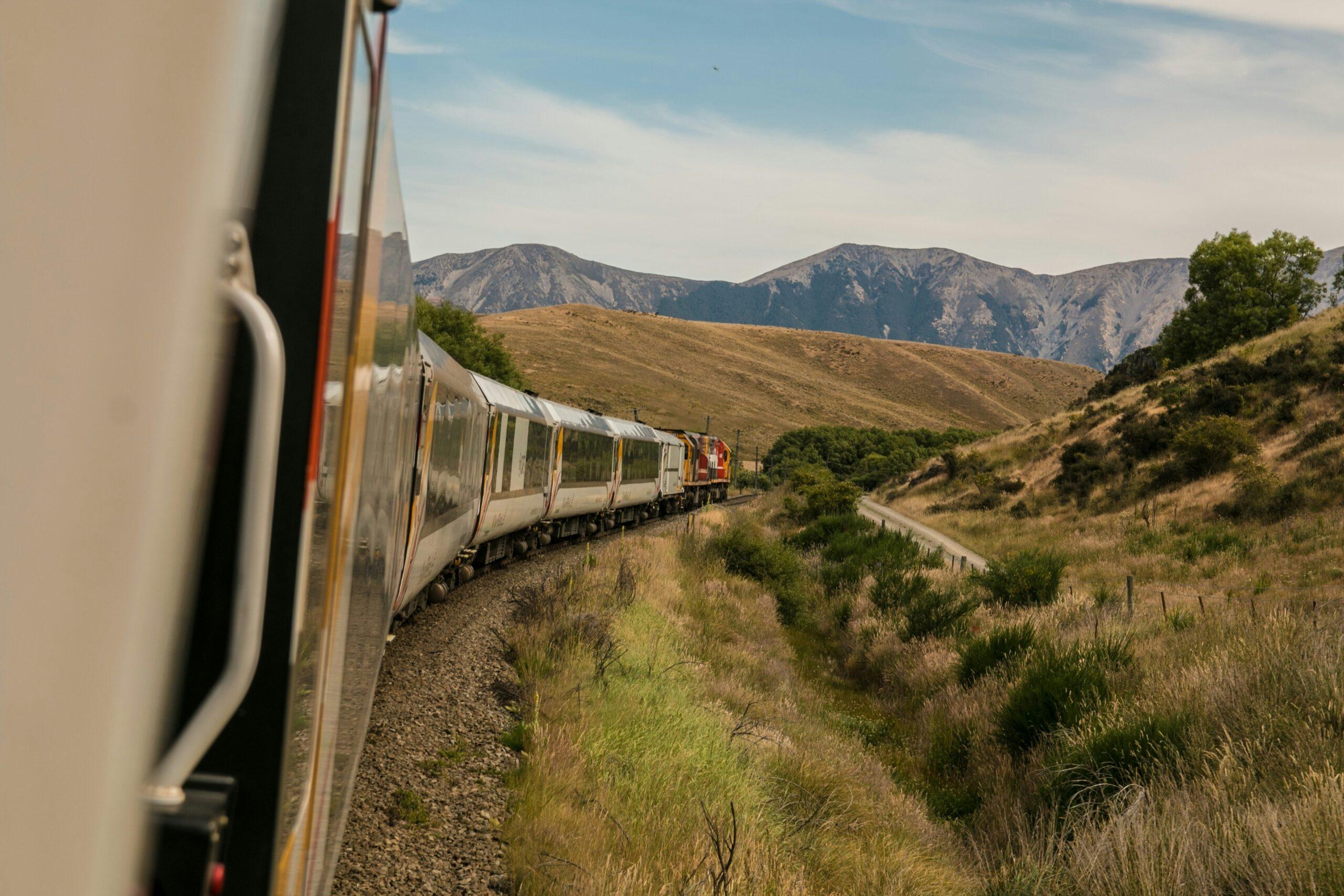
The Rocky Mountaineer: the Canadian Rockies from a glass dome
The Rocky Mountaineer connects Vancouver to Banff (or Jasper) through the heart of the Canadian Rockies. Its glass-domed carriages offer 360-degree views of glacial lakes, forested valleys and snow-capped peaks. The train runs only during daylight hours, with passengers spending the night in Kamloops so that no scenery is missed in the dark. The service runs from April to October, twice weekly in each direction.
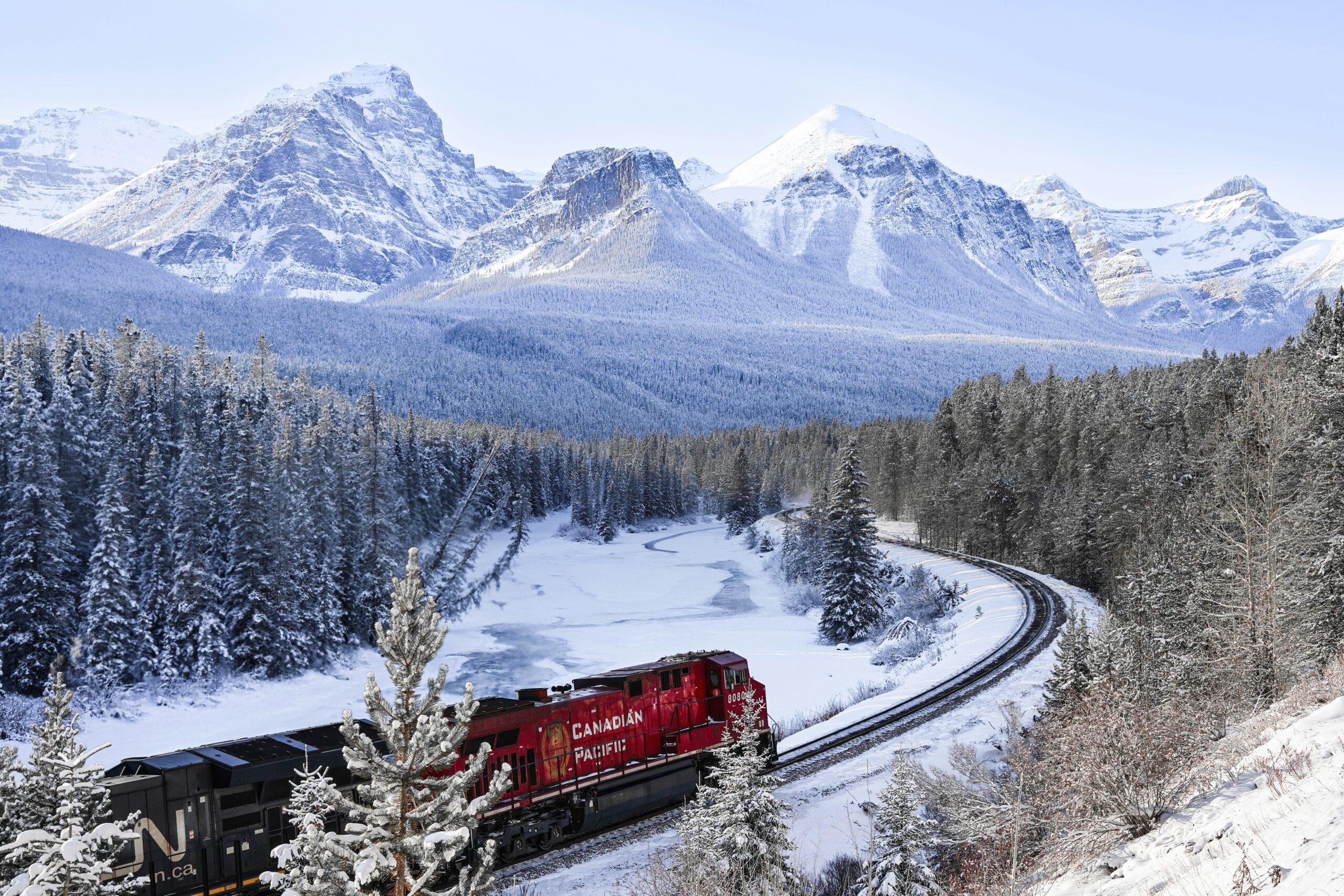
The Maharajas’ Express: royal India on rails
A genuine palace on wheels, the Maharajas’ Express offers several itineraries through Rajasthan and northern India, connecting cities such as Jaipur, Udaipur and Agra, home to the Taj Mahal. Its cabins panelled in fine wood and its lounges inspired by Rajput palaces make it one of the most luxurious trains in the world. Bookings are typically made months in advance; the most pleasant season runs from October to March, well outside the heat and the monsoon.
The Coastal Pacific: clifftops and vineyards in New Zealand
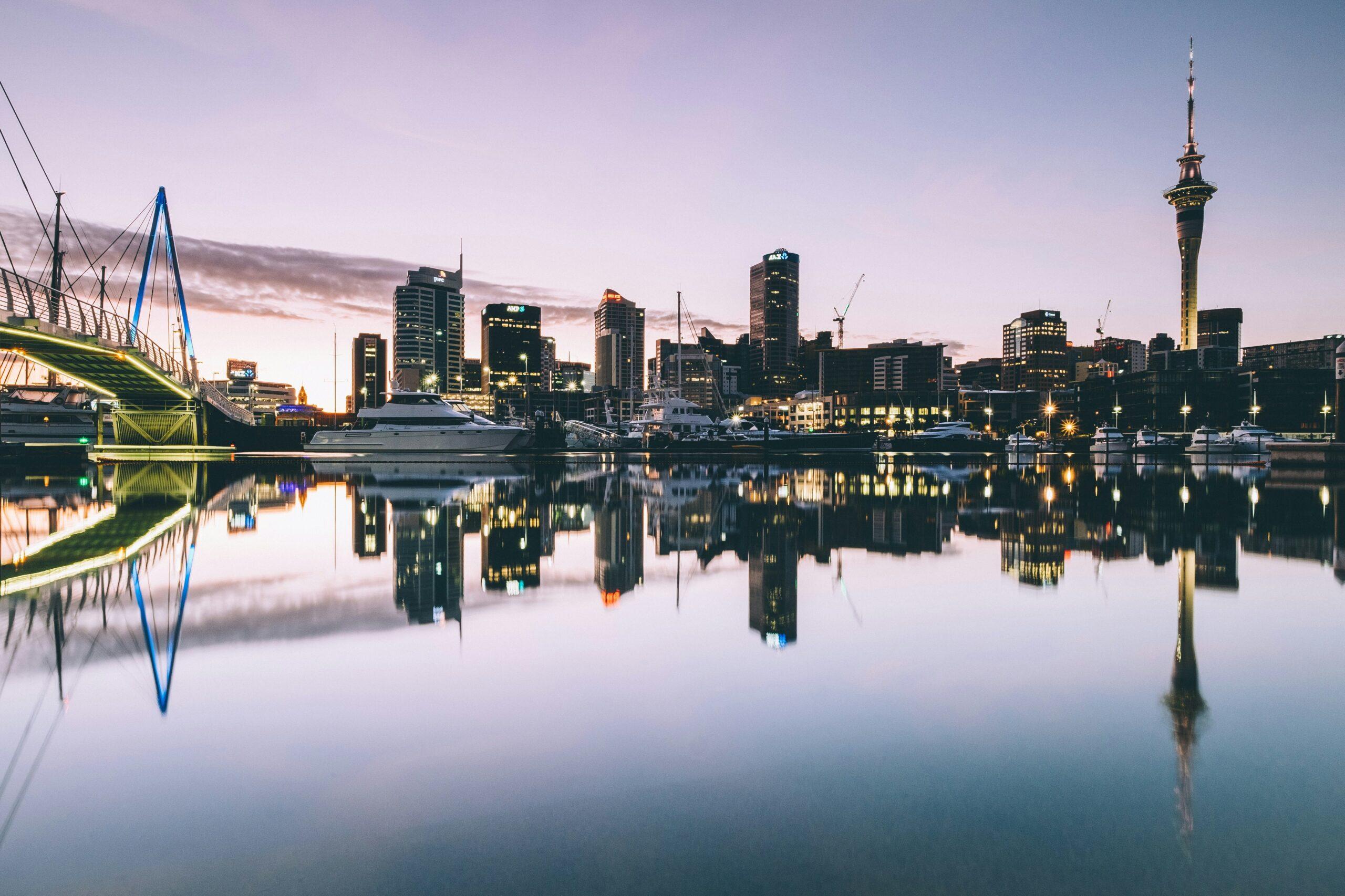
The Coastal Pacific runs from Christchurch to Picton along the east coast of New Zealand’s South Island in around 5 hours and 30 minutes. The journey combines pebble beaches, limestone cliffs, Marlborough vineyards and glimpses of the Kaikoura mountains. Important to note: the train does not run between late April and late August (the southern hemisphere winter). Check the operating dates on the Great Journeys NZ website before finalising your itinerary.
The Tren a las Nubes: brushing the clouds above Salta
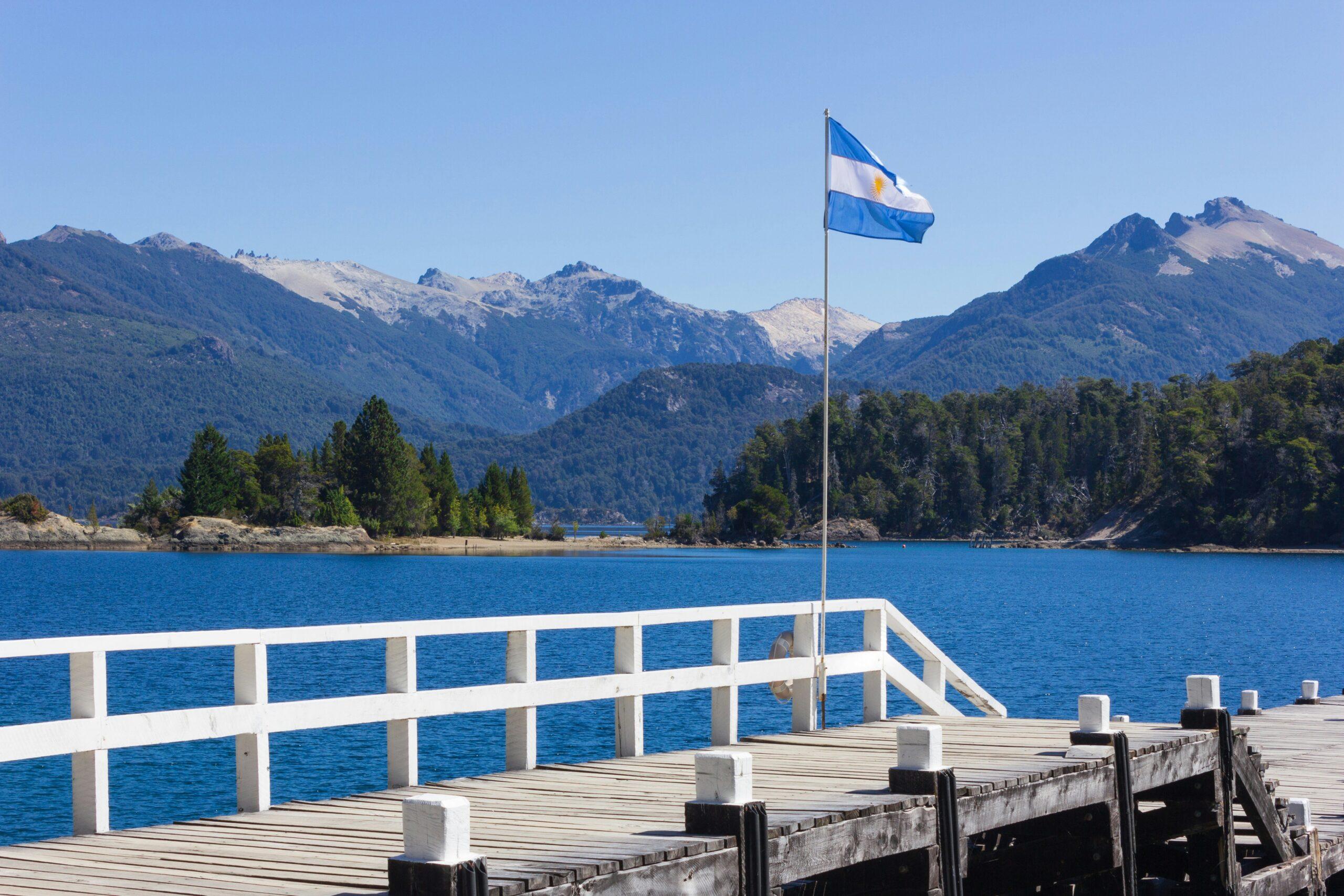
The Tren a las Nubes (“Train to the Clouds”) departs from Salta in Argentina and climbs to 4,220 m above sea level at the La Polvorilla viaduct in the Andes. The return journey covers 217 km and takes around 15 hours (departing at around 7am, returning around midnight). The train crosses 29 bridges and 21 tunnels. It typically operates from April to November. At this altitude, altitude sickness is a real concern: spend at least one night acclimatising in Salta (1,187 m), drink plenty of water and avoid alcohol the night before. Travel medical cover is particularly recommended for this type of high-altitude journey.
Practical tips for travelling by train internationally
Book well in advance
The most sought-after tourist trains (Glacier Express, Rocky Mountaineer, Maharajas’ Express) are often fully booked months before departure. Plan ahead, especially in peak season, and check whether seat reservations are compulsory or optional for your chosen train.
Check entry requirements
Every destination involves different formalities: visas, a valid passport, transit conditions. For the Trans-Siberian, requirements vary depending on whether you are crossing Russia, Mongolia or China. Consult your foreign ministry’s country advisories before you travel.
Take out the right travel insurance
A long rail journey is not without its risks: delays, cancellations, medical emergencies (particularly at altitude or in remote areas) and damaged luggage. Travel insurance covering medical expenses and repatriation is essential, especially outside Europe where healthcare costs can be extremely high.
FAQ
What is the longest continuous rail journey in the world?
The Trans-Siberian Railway, between Moscow and Vladivostok, stretches approximately 9,288 km, making it the longest continuous rail journey in the world. Allow between 7 and 14 days depending on your stops and the line you take.
Do I need to book the Glacier Express well in advance?
Yes. Seat reservation is compulsory and costs between CHF 44 and CHF 49 in 2025, on top of your ticket. In peak season (June to September), trains sell out several weeks before departure. As a minimum, aim to book one to two months ahead.
What is the best time to travel on the Bernina Express?
Summer (June to September) offers the greenest landscapes with snow still visible on the peaks. Autumn is prized for the golden foliage around Poschiavo. Winter gives the glaciers and valleys a particularly striking, almost otherworldly quality.
Is the Tren a las Nubes risky for your health?
At 4,220 m above sea level, altitude sickness is a genuine possibility. The train carries on-board medical assistance. It is advisable to spend the previous night acclimatising in Salta, to avoid alcohol and to stay well hydrated throughout. In the event of serious symptoms, passengers are brought back down to a lower altitude.
Do I need travel insurance for a long train journey?
Yes, especially outside Europe. In India, Australia, Argentina or Canada, medical costs in the event of an accident or illness can be very high. Insurance that covers medical treatment and repatriation means you can travel with complete peace of mind, whatever your itinerary.