
Staying in good shape when you travel regularly comes down to a handful of simple but consistent habits: protecting your sleep, keeping up some level of physical activity, staying hydrated throughout the day and eating local rather than grabbing whatever is fast. The goal is not peak performance; it is longevity: a body that is well looked after copes far better with odd hours, long journeys and shifting climates.
Protect your sleep, even with disrupted schedules
Sleep is usually the first casualty of travel: jet lag, overnight connections, noisy accommodation. Yet adults need 7 to 9 hours a night to maintain their physical and mental capacities.
A few practical habits for protecting sleep quality:
- Switch to local time from the first evening: this helps your body clock resynchronise faster.
- Block out light and noise: an eye mask, earplugs or a white-noise app can make a real difference to recovery in an unfamiliar environment.
- Avoid screens before bed: the blue light from phones and laptops suppresses melatonin and delays the onset of sleep.
- Get ahead of jet lag: shifting your sleep schedule by 30 to 60 minutes a day for five to seven days before departure makes it much easier to adjust on arrival.
If you have had a short night, a 20-minute nap mid-afternoon limits cumulative fatigue without disrupting the next night’s sleep.

Keep active, even lightly
Staying active does not require a gym. According to the World Health Organization, 150 minutes of moderate physical activity per week is enough to maintain fitness. When travelling, that target is often met naturally through walking around cities, hiking or swimming.
For sedentary days (long flights, bus journeys), a few practical solutions:
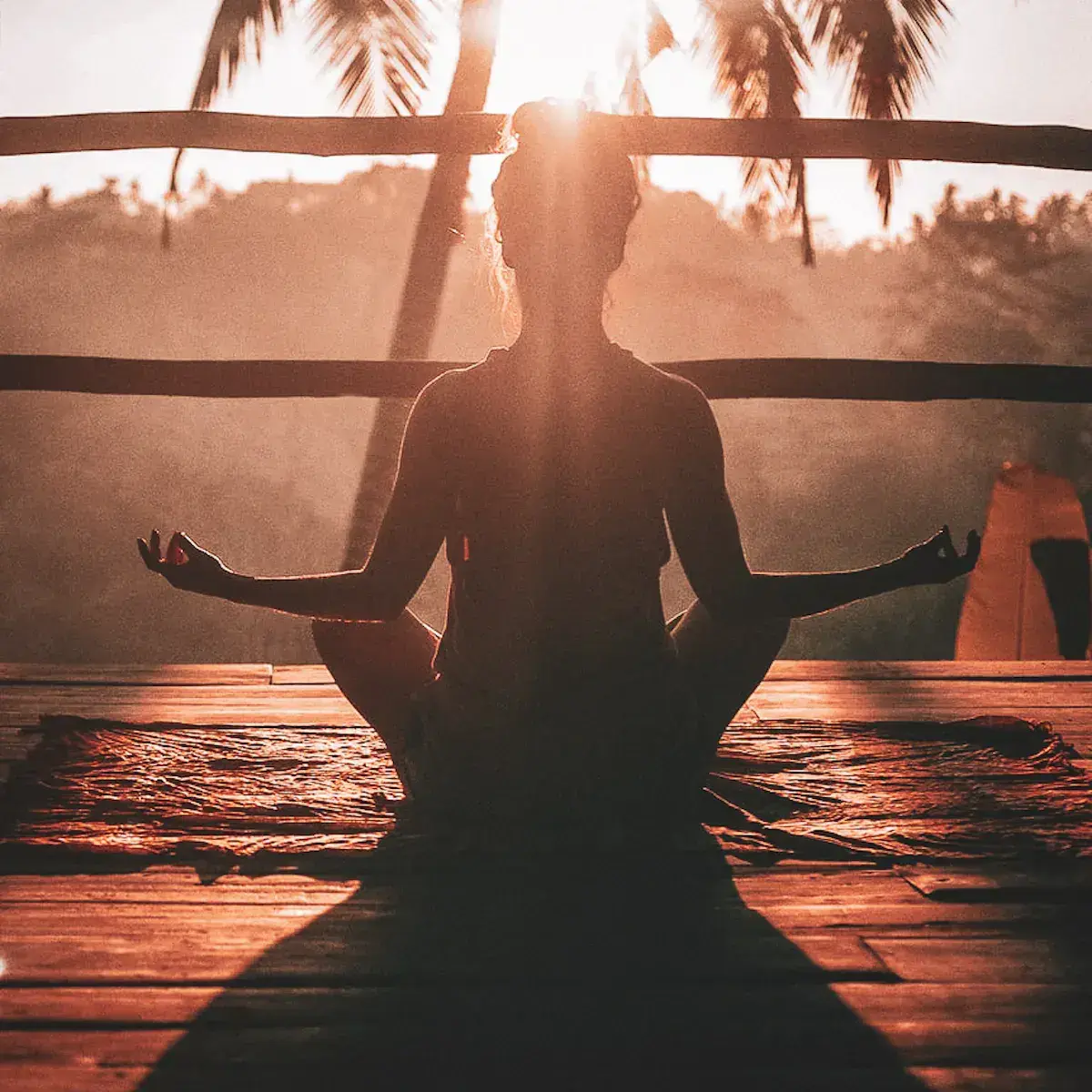
- Morning stretches or yoga: 10 to 15 minutes is enough to work out the tension built up from prolonged sitting and to prepare your body for the day ahead.
- Bodyweight exercises: squats, lunges, push-ups and planks require no equipment and work in any hotel room.
- Get up regularly on long flights: walking the aisle and stretching every two hours helps prevent circulatory problems on long-haul routes.
- Make use of local facilities: hotel gyms, pools and local parks; most major cities have accessible options.
Exercise also boosts your immune system: immune cells are more active in the bloodstream during and for several hours after physical effort, which is particularly valuable when you are regularly passing through crowded airports and public transport.
Travel with peace of mind with Yupwego health insuranceEat well without overcomplicating things
Getting your nutrition right on the road is about balancing enjoyment with common sense. A few principles that hold up over time:
Go local: freshly cooked dishes from markets, food trucks and neighbourhood restaurants are often fresher, cheaper and more nutritious than the shrink-wrapped sandwiches on offer at airports.
Cook when you get the chance: in a self-catering property (an Airbnb apartment or a hostel with a kitchen), making your own meals lets you control what goes in them and saves money.
Pack healthy snacks: nuts, dried fruit, cereal bars. Having a few provisions to hand means you will not end up starving between meals and reaching for fast food by default.
Keep alcohol to a minimum while travelling: beyond the direct dehydration, alcohol fragments your sleep and amplifies travel fatigue.
Stay hydrated: the simplest habit with the biggest payoff
Air conditioning on planes, shifting climates and increased physical activity all dehydrate you far faster than you would expect. The smart approach is to get ahead of it: start hydrating the day before a long flight, not just once you are on board.
A few practical benchmarks:
- Aim for around 2 litres of water a day, more in high heat or after exercise.
- Always carry a reusable bottle: most airports and train stations have water fountains past security.
- Drink a large glass of water first thing in the morning, before your coffee.
- In tropical destinations or areas where tap water quality is uncertain, stick to bottled or filtered water to avoid digestive problems.
Hygiene and prevention: the basics that make a real difference
Frequent travellers are exposed to more pathogens than most. The simplest habits remain the most effective. Washing your hands regularly, especially before meals and after using public transport, significantly reduces the risk of picking something up. Keeping a small bottle of hand sanitiser in your pocket covers situations where soap and water are not nearby.
Before heading to a destination with known health risks, a medical consultation (ideally four to six weeks before departure) lets you check which vaccinations are required and stock up on any specific medication.
A well-stocked first-aid kit for frequent travellers typically includes: painkillers, anti-diarrhoea medication, antihistamines, plasters, sun cream and insect repellent depending on the destination.

Look after your mind too
Physical and mental wellbeing are closely connected. The relentless accumulation of travel, new environments and intense social interaction can generate a mental fatigue that seasoned travellers often ignore until they hit a wall.
A few practical ideas:
- Allow yourself slow days with no packed itinerary, especially after a night flight or several particularly intense days.
- Take a few minutes for deep breathing in the morning: this calms your nervous system and eases the anxiety that comes with travel’s inevitable surprises.
- Keep up meaningful social connections along the way: travellers who take the time to meet local people consistently report less fatigue and a richer experience than those who stick to the tourist trail.
FAQ
Do you need to exercise every day when you travel a lot?
No. The WHO recommends 150 minutes of moderate activity per week, not an intensive daily session. When travelling, this is often covered naturally through walking and activities on the ground. On very sedentary days (long flights, bus journeys), 10 to 15 minutes of stretching or yoga is enough to maintain mobility and ease muscle tension.
How do you deal with jet lag to stay in good shape?
Adjusting to jet lag generally takes roughly one day per time zone crossed. To speed things up: switch to local time from the first evening, get as much natural daylight as you can during the day and avoid long naps. Starting to shift your sleep schedule a few days before departure is also an effective strategy.
What should you eat to stay healthy while travelling on a tight budget?
Go for local markets, food trucks and street food: these options are usually fresh, affordable and reflect genuine local eating habits. Packing healthy snacks (nuts, dried fruit) means you will not fall back on fast food by default between meals. Cooking for yourself in self-catering accommodation remains the most economical and nutritious option.
Do you need health insurance when you travel frequently?
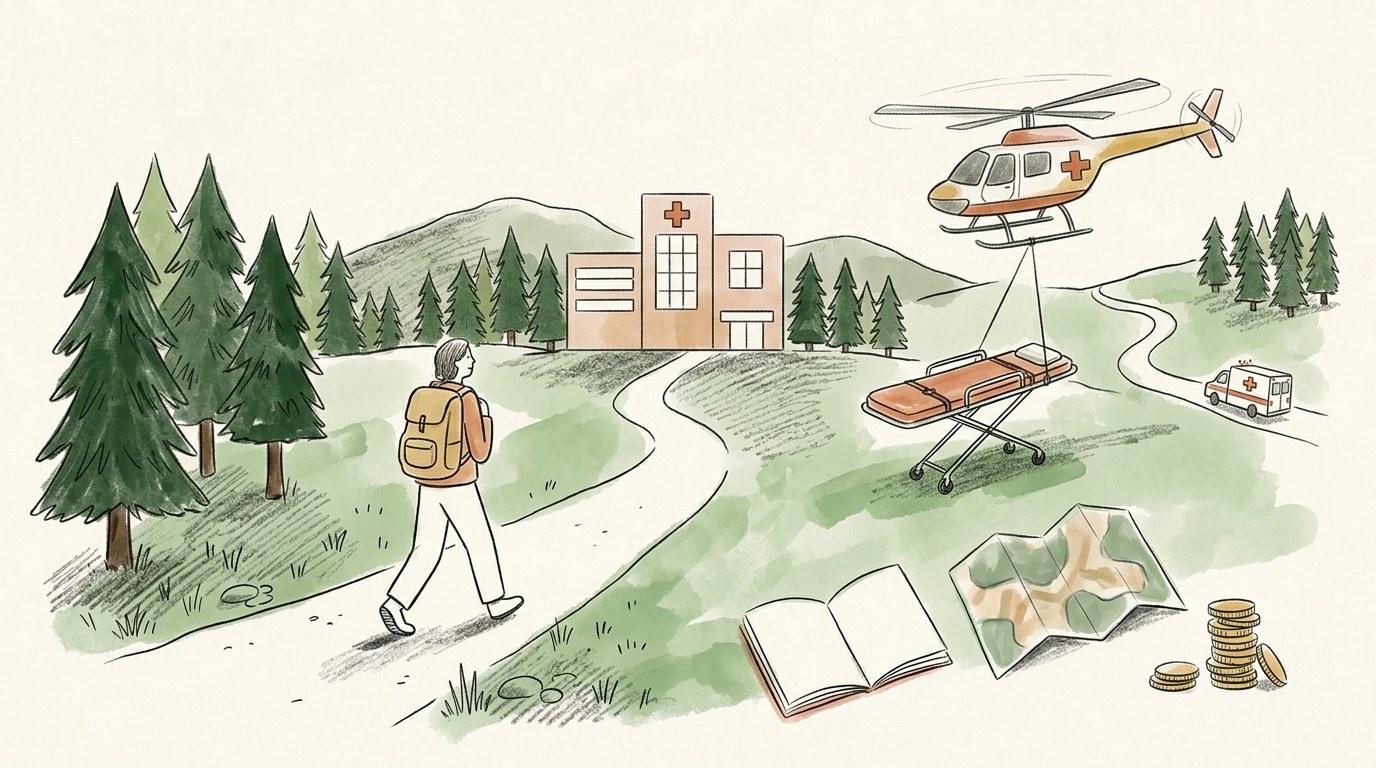
Yes. Outside the European Union, the European Health Insurance Card (EHIC) is no longer valid and medical costs abroad can be extremely high. Travel insurance covering medical expenses and repatriation is essential for travelling with peace of mind, whatever your destination.
How do you stay active while travelling without any gym equipment?
Bodyweight exercises (push-ups, squats, lunges, planks, burpees) require no equipment whatsoever and work in any hotel room or outdoor space. Mobile apps offer guided sessions of 10 to 20 minutes with no kit required. Daily walking remains the most accessible and beneficial activity for your overall health when you are on the move.