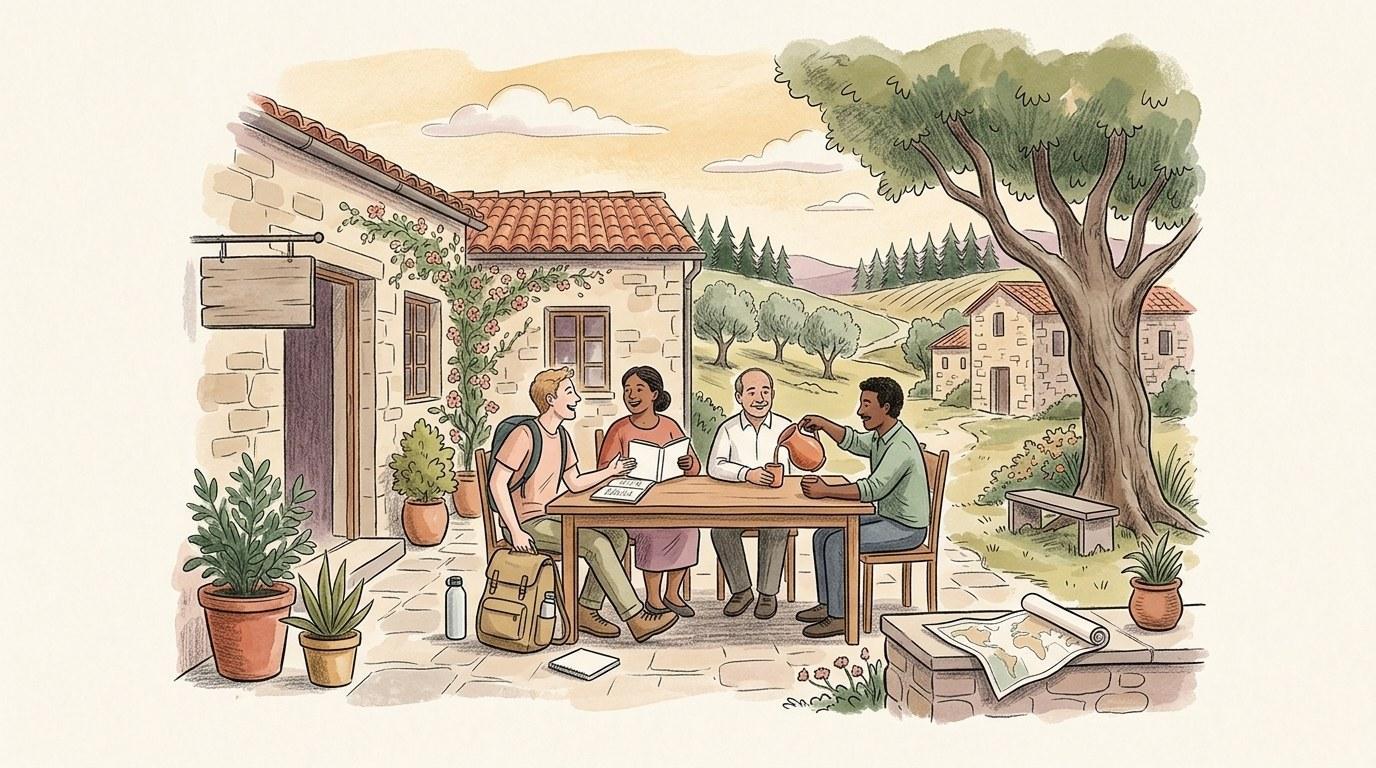

Meeting locals is often what stays with you longest after a trip: an unexpected conversation, a shared meal, a tip known only to the people who actually live there. None of this is down to luck. It comes from a handful of concrete attitudes and tools that any traveller can use, whether you’re heading out solo or with a group.
Getting the right mindset: where it all starts
Learn a few words in the local language
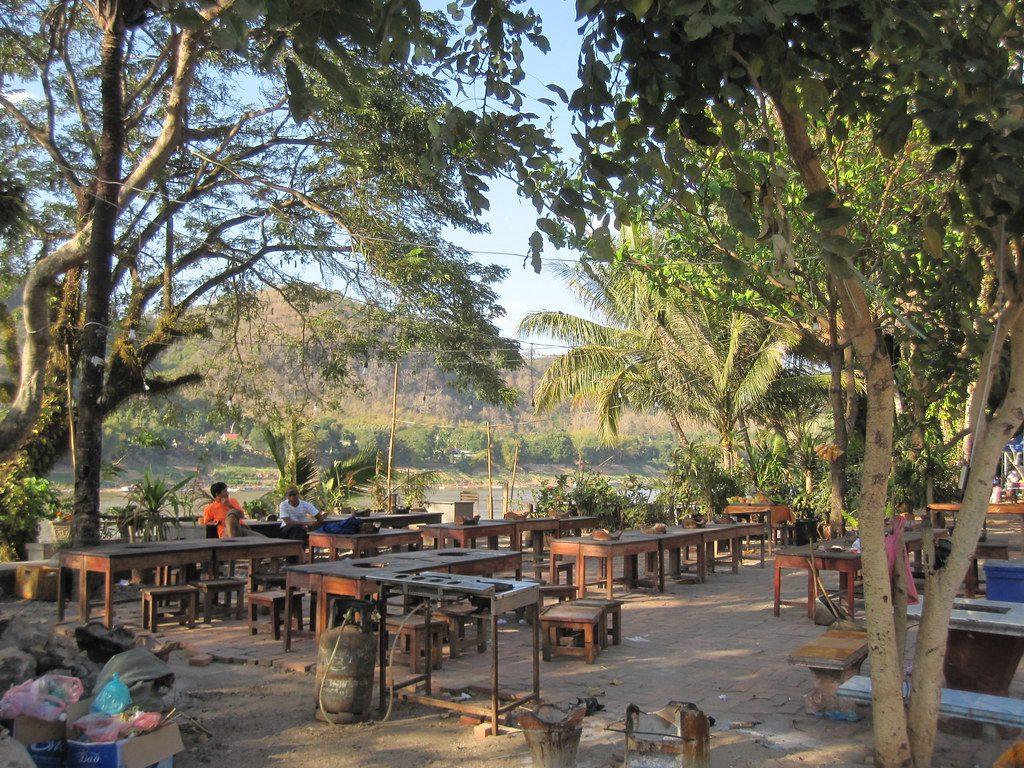
Credit: Mekong Overlook by Rolling Okie, CC BY 2.0, via Openverse.
You don’t need to be fluent. “Hello”, “thank you” and “please” in the local language will take you further than the best travel guide ever could. In Japan, ordering in Japanese - even haltingly - reliably draws smiles and words of encouragement. In Thailand, the wai (the traditional greeting) followed by a sawasdee signals a level of care and respect that money simply can’t buy.
Stay open and read local customs
Getting to grips with a few local customs saves you from embarrassing missteps. In Japan, blowing your nose in public is considered rude - it’s better to sniff than to reach for a tissue in a crowded space. In India, offering your left hand during any exchange is seen as offensive. These small details signal genuine respect, and they open doors.
Leave the tourist hotspots behind
You won’t find many locals around the Sagrada Família in Barcelona or the Pont du Gard in July. Take the city bus instead of the hop-on hop-off tourist coach; have lunch at the neighbourhood café rather than the restaurant flagged in your guidebook. The difference is remarkable.
Get travel cover in minutesStaying with locals: platforms worth knowing
Couchsurfing
Launched in 2003, Couchsurfing claims over 14 million members across 250 countries and 200,000 cities. The concept is straightforward: create a profile, send a request to a host and stay for free in exchange for genuine human and cultural connection. Since 2020 the platform has moved to a paid model (around €22.99 per year or €5.99 per month). It also organises local meetups open to everyone - including people who aren’t looking for accommodation - which makes it a good way to dip into the community without any commitment.
BeWelcome: the 100% free alternative
Founded in 2007 by the non-profit association BeVolunteer (registered in France), BeWelcome now has over 165,000 members and remains completely free, funded entirely by voluntary donations. It works in much the same way as Couchsurfing, with a smaller but often highly engaged community.
Workaway: work in exchange for a roof over your head
Workaway lists over 50,000 opportunities in more than 170 countries: a few hours of work each day - gardening, farm help, language teaching, admin tasks - in exchange for accommodation and sometimes meals. It’s a deep dive into the daily life of a local family or small organisation, and it’s ideal for longer trips.
Apps and traveller communities
Meetup: activities everywhere in the world
Meetup lists themed events in hundreds of cities: hikes, yoga classes, board game nights, language exchange evenings. You’ll find locals, expats and fellow travellers all in the same room - a natural way to build connections around a shared interest rather than a shared destination.
Travello: the global traveller community
Travello lets you see which other travellers are near you, join themed groups and take part in community-organised meetups. Unlike standard social apps, the focus is firmly on sharing travel experiences.
Local Facebook groups
Often underrated, geo-targeted Facebook groups (“Expats in Seoul”, “Francophones in Buenos Aires”, “Digital Nomads Lisbon”…) organise regular drinks, outings and language exchanges. In South-East Asia in particular, these groups are very active and give you fast access to an already-established community.
Getting involved through local activities
Attend a local event or festival
The local tourist office is still the best compass for finding village fairs, farmers’ markets, sports competitions or cultural events that haven’t been packaged for tourists. These shared moments create a natural sense of camaraderie - far more effectively than any cocktail bar on the main beach.
Join a coworking space
If you’re working on the move, a local coworking space puts you in contact with freelancers, entrepreneurs and creatives from the area. Conversation starts naturally over the wifi password, a spare power socket or a coffee. Look for independent spaces rather than the big international chains.
Cooking classes and craft workshops
Cooking with a local - even through a platform like Withlocals - remains one of the most direct ways to access a country’s culture. Preparing a pad thai from scratch with a family in Bangkok gives you three hours of genuine connection that no tour package can replicate.
Slow travel: the key to real human connection
The rule of thumb is clear: real immersion begins after seven days in the same place. Before that, you’re still in the observation phase. Staying longer lets you become a familiar face at the neighbourhood bakery, run into the same people at the market and build a genuine local routine. By contrast, a packed itinerary of back-to-back cities condemns every encounter to stay superficial.
Leaving gaps in your schedule is also a deliberate strategy: an unexpected invitation to a family meal, a local festival announced at the last minute - these opportunities vanish the moment your diary is full.
To look after yourself on adventures off the beaten track, take a look at our tips on how to stay healthy when you travel frequently.
Organised travel: an unexpected way to meet locals
A small-group organised trip - a hike led by a local guide, a homestay circuit offered by specialist agencies - can paradoxically make meeting people easier. The guide knows the local families, the producers and the addresses that an independent traveller would never stumble upon. Choose local agencies over international operators to maximise the direct economic benefit to the community and the quality of the interactions.
What travel insurance changes when you go off the beaten track
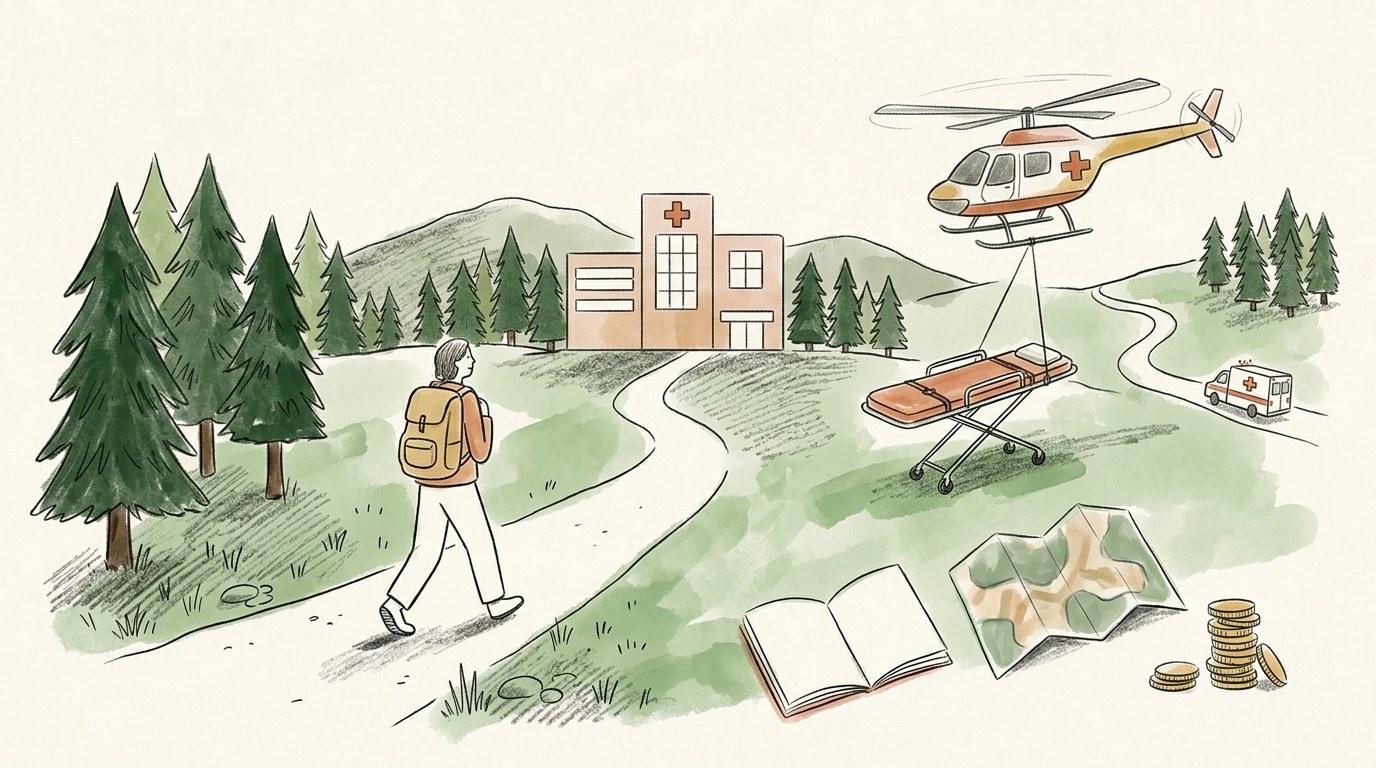
Meeting locals often means venturing away from the well-trodden tourist trail and accepting hospitality in less predictable settings. If a health issue arises during a rural homestay or a local activity, having solid medical cover and repatriation assistance makes all the difference. Before you leave, check exactly what your policy covers: the details vary depending on your destination and the length of your stay. For a clearer picture, read what nobody tells you about travel insurance before you go abroad.
FAQ
How do I meet locals when I don’t speak the language?
Non-verbal communication - a smile, gestures, active listening - goes a long way when words fall short. Instant translation apps (Google Translate, DeepL) make simple text-based exchanges perfectly workable. Learning even a handful of words phonetically in the local language is the minimum effort that unlocks most situations.
Is couchsurfing still safe in 2025?
Couchsurfing remains a safe practice, provided you read reviews left by other travellers on a host’s profile carefully, never share your accommodation address with strangers before you arrive, and keep a trusted contact informed of your plans. Reputable platforms (Couchsurfing, BeWelcome) all have verification and rating systems in place.
What are the free alternatives to Couchsurfing?
BeWelcome (165,000 members, 100% free and non-profit) and Trustroots (over 70,000 members, a British non-profit foundation) are the two main completely free alternatives. For cyclists, Warm Showers operates on a similar principle but now requires a one-time membership fee.
How do I meet locals in a country where I don’t know anyone?
Start with local Facebook groups or Meetup events in your destination city before you even leave home. Greeters - volunteer city ambassadors - exist in many cities around the world and offer free personalised walking tours. The local tourist office is also a resource that’s often overlooked.
Do I need travel insurance when staying with locals?
Yes. Staying with a host or taking part in a Workaway programme doesn’t eliminate the risk of health issues, accidents or lost luggage. Your national health insurance may have limited coverage outside your home country, particularly outside the EU. A travel insurance policy suited to your trip covers medical costs, hospitalisation and repatriation, subject to your policy terms.