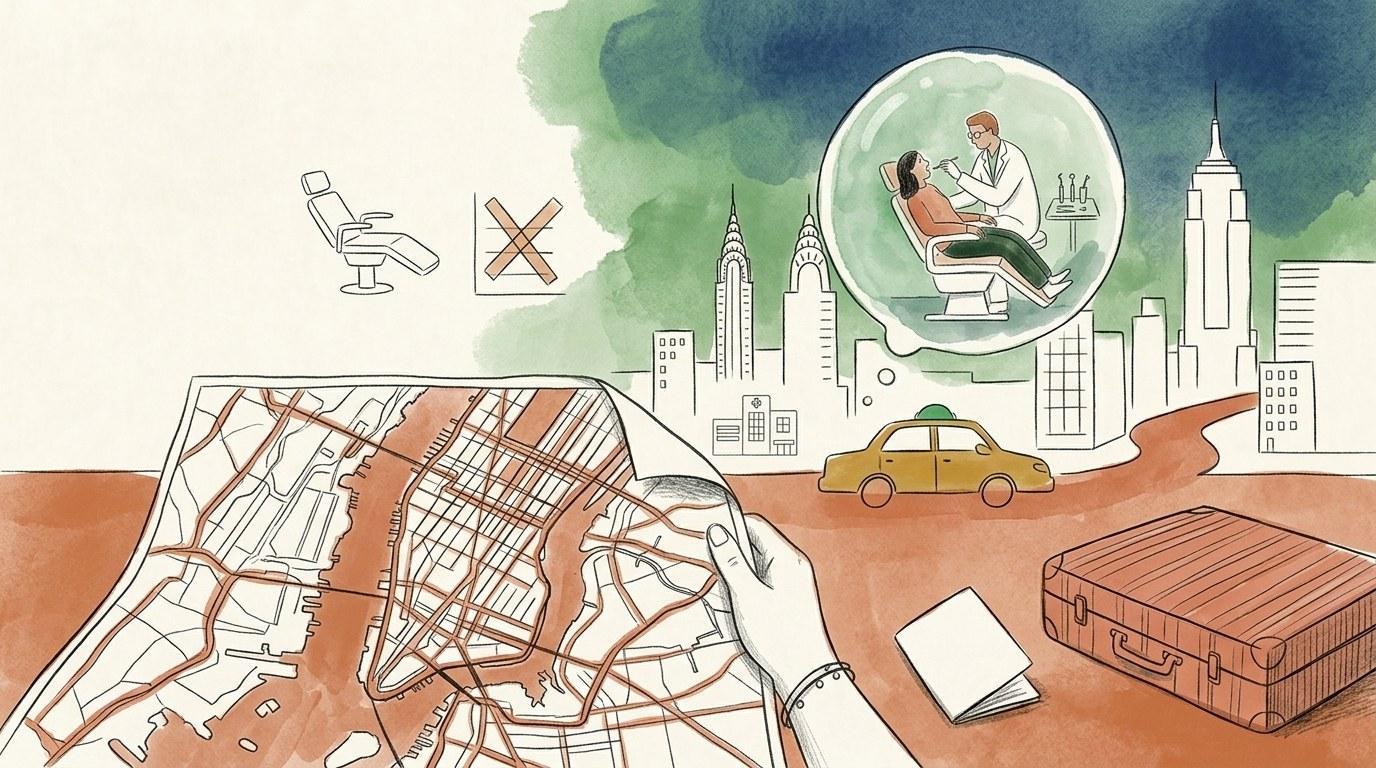


A city break in Lisbon, a New Year’s Eve in Berlin, a ski weekend in Innsbruck: even for just two or three nights abroad, an accident or hospital stay can run up staggering costs. Short break travel insurance gives you a concrete answer to that risk: dedicated cover that kicks in from day one, with no long-term commitment and no nasty surprises.
What is short break travel insurance?
Short break travel insurance is a temporary travel insurance policy taken out for a single trip abroad. It can cover anything from a few days to several weeks, with most policies capping cover at 90 consecutive days.
Credit: いつもと違う視点で街を眺める全 by masahiko, CC BY 2.0, via Openverse.
It is ideal for occasional travellers: long weekends, bank holidays, school holidays and the festive season. Unlike an annual multi-trip policy, you only pay for the duration of your trip.
Cover my short breakEssential cover to check before you travel
Medical expenses and hospitalisation
This is the most important cover, and the one where limits vary most widely between policies. Market recommendations for 2026:
- Within Europe: at least €100,000 in medical cover
- Outside Europe (USA, Canada, Japan, Australia…): at least €250,000
Some policies offer limits of between €500,000 and €1,000,000, which is worth considering for destinations where hospital costs are particularly high.
Emergency repatriation
In the event of serious hospitalisation, a medically equipped repatriation flight or air ambulance back home can cost tens of thousands of euros. Make sure this cover is included in your policy and that the limit is not set too low.
Round-the-clock assistance
In an emergency abroad, having access to a 24/7 helpline in your own language makes all the difference. Some insurers also arrange direct payment of medical bills with hospitals, so you do not have to pay large sums upfront and wait for reimbursement.
Baggage and personal belongings
A limit of at least €1,000 is recommended to cover theft, loss or damage to your luggage.
Personal liability abroad
This covers any accidental damage you cause to a third party. A minimum of €450,000 is recommended in line with market standards.
Cancellation: optional for short breaks
For a weekend or city break, cancellation cover remains optional. It becomes worthwhile if you have booked non-refundable flights or accommodation, and should ideally be taken out within 48 hours of booking to be fully effective.
Credit card cover vs dedicated insurance: what really differs
Many travellers assume their credit card benefits give them adequate protection. In reality, card cover often comes with low limits and frequent exclusions, and is rarely sufficient for destinations where medical costs are high.
Another catch: to activate your card’s cover, you typically need to have paid for the trip with that specific card, comply with strict reporting deadlines and submit a full claims file. A dedicated travel insurance policy simplifies all of this and gives you access to active assistance from the moment you depart. For a detailed breakdown, read the differences between travel insurance and health insurance.
Is the European Health Insurance Card (EHIC) enough?
In Europe, the EHIC gives you access to emergency medical care in EU countries at local rates. That is useful, but it falls short in several common situations: the EHIC does not cover emergency repatriation, private healthcare, baggage incidents or trip cancellation. Supplementary travel insurance is therefore strongly recommended even for a short trip within Europe.
Travelling over the festive period: why extra care matters
The Christmas and New Year period is one of the busiest travel times in Europe. Emergency services and transport are stretched, which can complicate a medical evacuation or prompt hospital admission. That is precisely why travelling insured over the festive season is a practical precaution, not a luxury.
If you travel several times a year, it is worth looking into annual policies: Yupwego is reinventing traveller protection in 2026 with options to suit every type of traveller.
How does Yupwego short break travel insurance work?
Yupwego offers travel insurance designed to fit the exact length of your trip. You can take out cover entirely online in minutes, with an instant policy certificate. Choose your cover based on your destination and profile, and you are protected from the moment you leave: medical expenses, emergency repatriation and round-the-clock assistance.
FAQ
Is short break travel insurance compulsory?
No, it is not compulsory in most destinations. However, some countries require proof of medical insurance to issue a visa, including for the Schengen area. In any case, the practical value of this cover far outweighs its cost, even for a two-day trip.
Can you take out travel insurance the day before departure?
Yes, for medical and assistance cover, you can take out a policy up to the day before departure, or even on the day itself, depending on the insurer. Cancellation cover, however, must be taken out within 48 hours of booking to be fully active.
What is the difference between short break insurance and an annual policy?
Short break travel insurance covers a single trip for a defined period. An annual multi-trip policy covers all your trips over 12 months, with a limit per journey. An annual policy generally becomes better value from around three trips a year.
Does the EHIC replace travel insurance in Europe?
No. The EHIC gives you access to emergency care in the EU at local rates, but it does not cover emergency repatriation, private practitioners, cancellations or baggage. A dedicated travel insurance policy fills these significant gaps.
Do I need to declare pre-existing medical conditions?
Yes, most policies exclude treatment related to undisclosed pre-existing conditions or conditions currently being treated. Read the terms and conditions carefully and declare your health status when taking out cover to avoid any claim being refused.