
Guinea is one of West Africa’s richest and most overlooked destinations: a vibrant capital facing the Atlantic, a turquoise archipelago less than an hour away by pirogue, a highland massif dotted with waterfalls and caves, and ancient forests sheltering chimpanzees and forest elephants. Here are the 20 places and experiences you should not miss for a well-rounded journey through this remarkable country.
In Conakry
1. The Coastline and Kaloum District
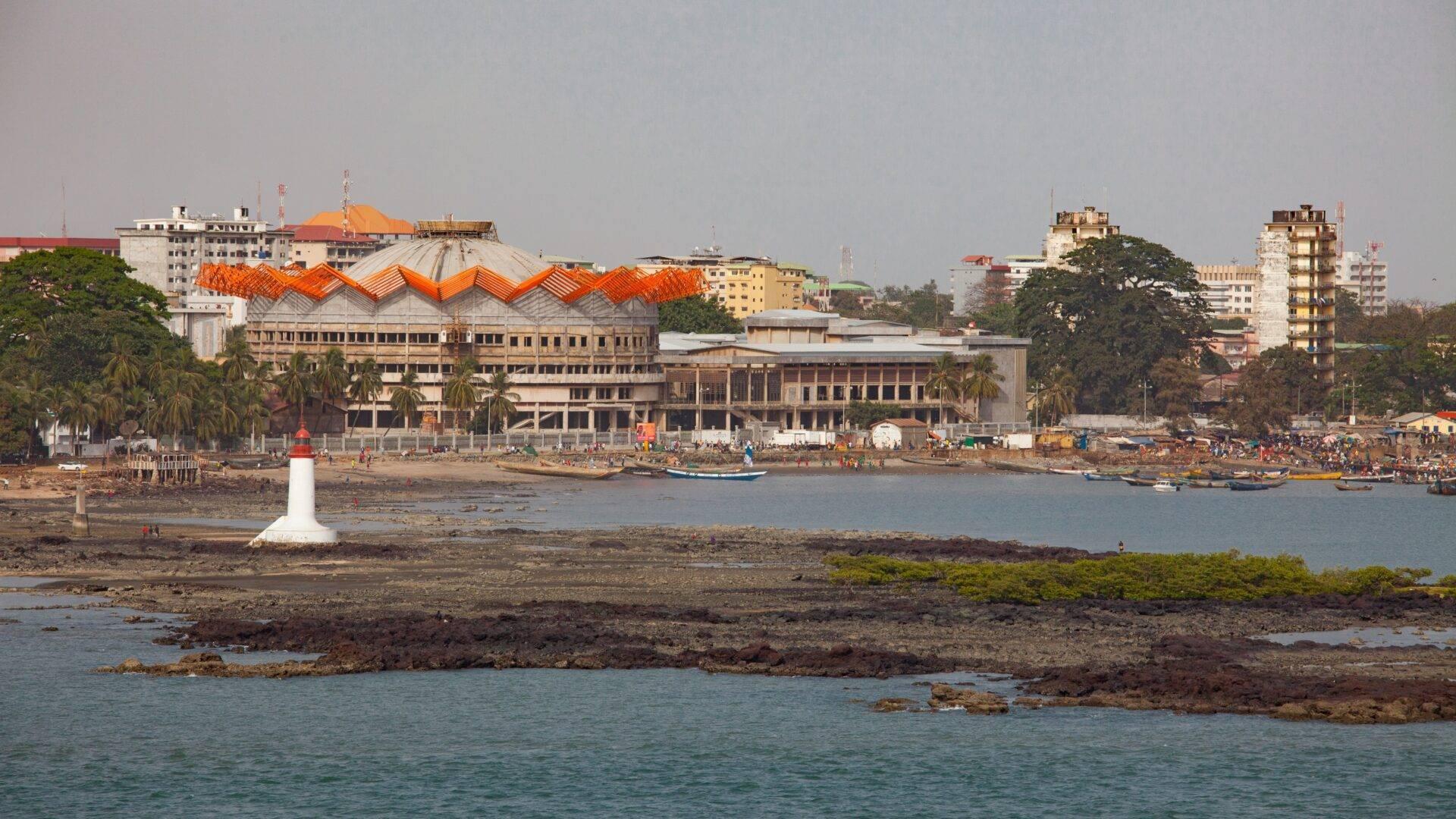
Stretched across a 36-kilometre peninsula between the Atlantic and the Konkouré estuary, Conakry has always lived with its face to the sea. The historic Kaloum district holds the city’s administrative buildings, the fishing port and a tangle of backstreets where fishermen, street vendors and musicians rub shoulders. A stroll along the waterfront at dusk, as the pirogues come in from a day at sea, sets the tone for any trip to Guinea.
2. Squares and Landmark Monuments
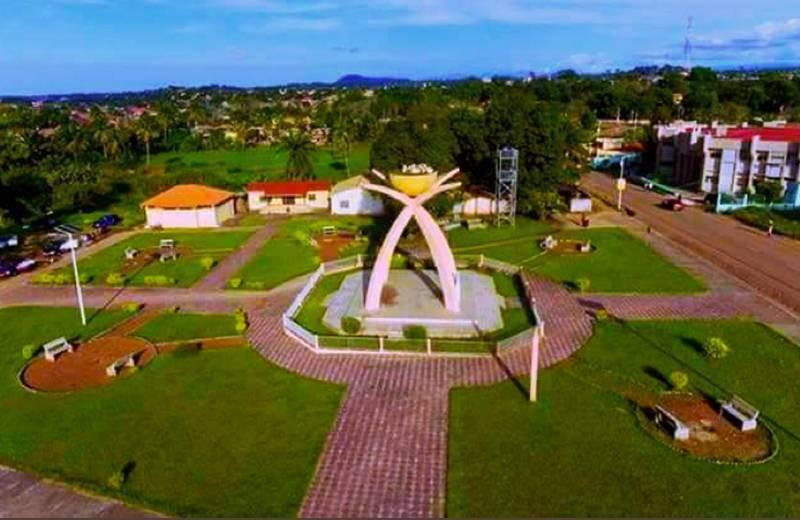
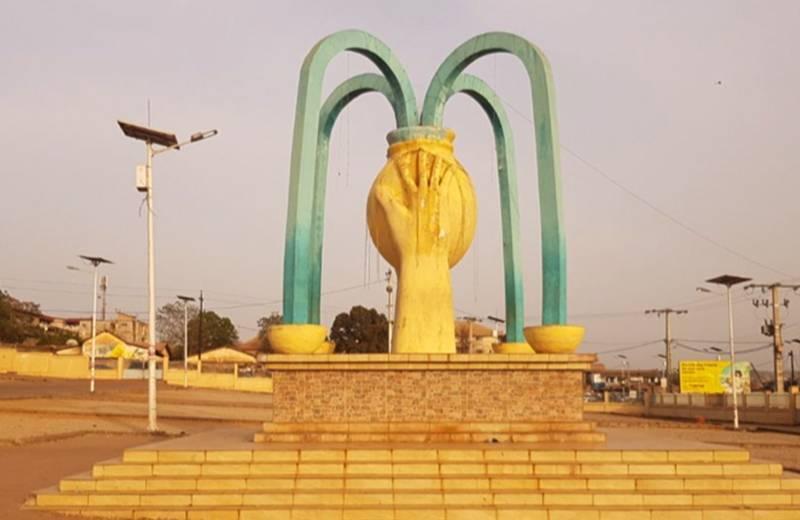
Central Conakry is anchored by a series of public squares that bear witness to the country’s history since independence in 1958. The commemorative monuments and green spaces at the heart of the city create a backdrop that is equal parts austere and colourful, perfect for an on-foot wander between neighbourhood visits.
3. The National Museum of Guinea
Located in the Kaloum district, the National Museum brings together ceremonial masks, ritual figurines and traditional musical instruments from every ethnic group in the country. An hour here is enough to appreciate Guinea’s extraordinary cultural diversity, from the Fulani of the Fouta Djallon to the Mandinka of Upper Guinea.
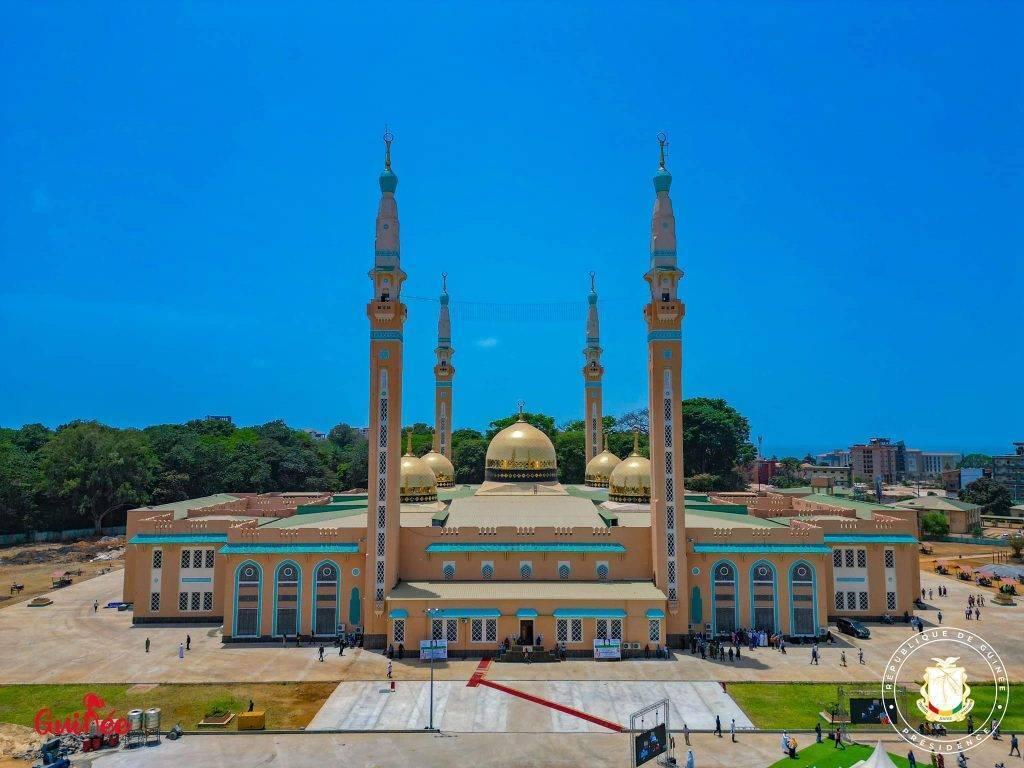
4. The Faysal Grand Mosque
Built between 1979 and 1981 and funded by King Fahd of Saudi Arabia, the Faysal Grand Mosque is the largest mosque in Guinea and the largest in sub-Saharan Africa. Its four minarets and gilded domes dominate Conakry’s skyline. The mosque can accommodate more than 12,500 worshippers, and its architecture blends Oriental influences with the rationalist style of the 1980s. Non-Muslim visitors are welcome to admire it from the surrounding square.
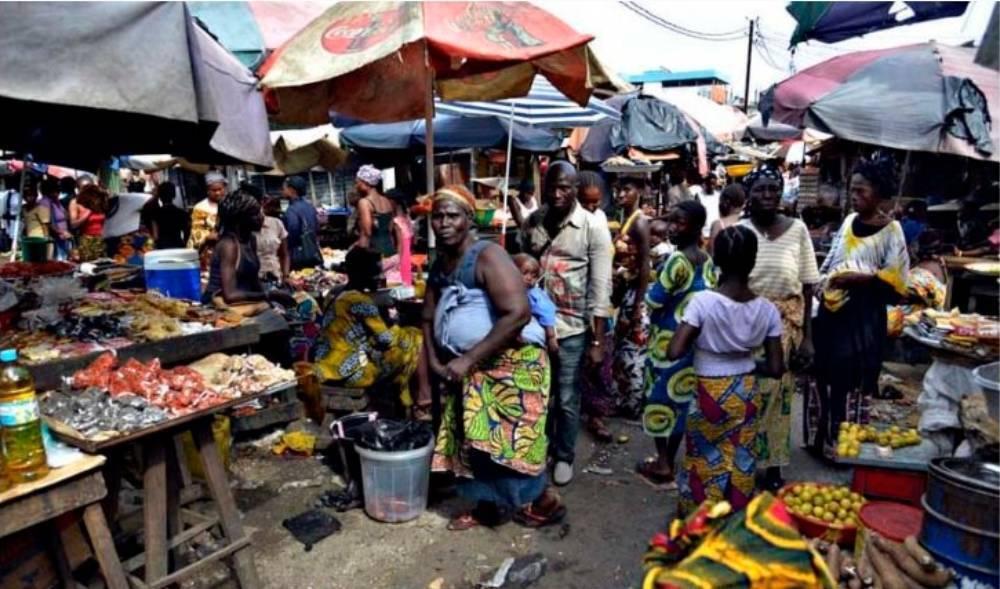
5. Madina Market
Regarded as one of the largest markets in West Africa, Madina Market spreads across several city blocks in the heart of Conakry. Spices, indigo fabrics, refurbished electronics, gold jewellery, tropical produce: everything is here, and everything is up for negotiation. Arrive early in the morning to beat the midday crowds, and keep a close eye on your belongings in the busier aisles.
The Los Islands
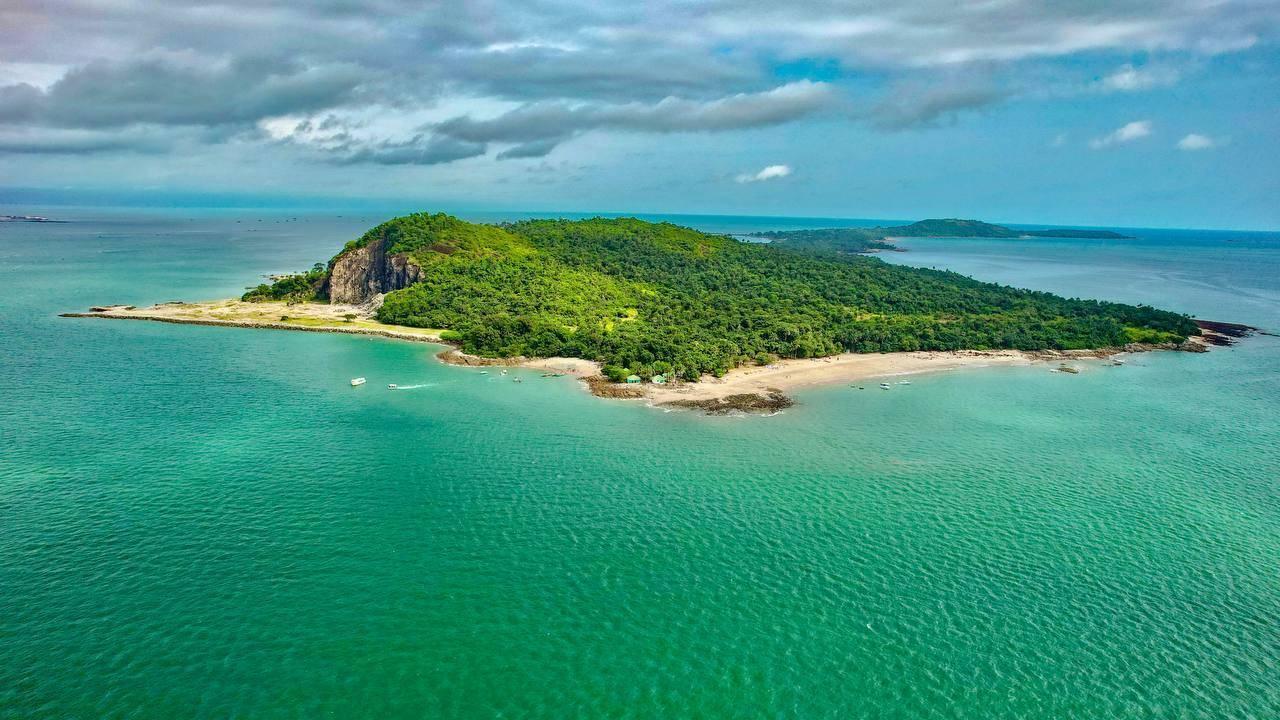
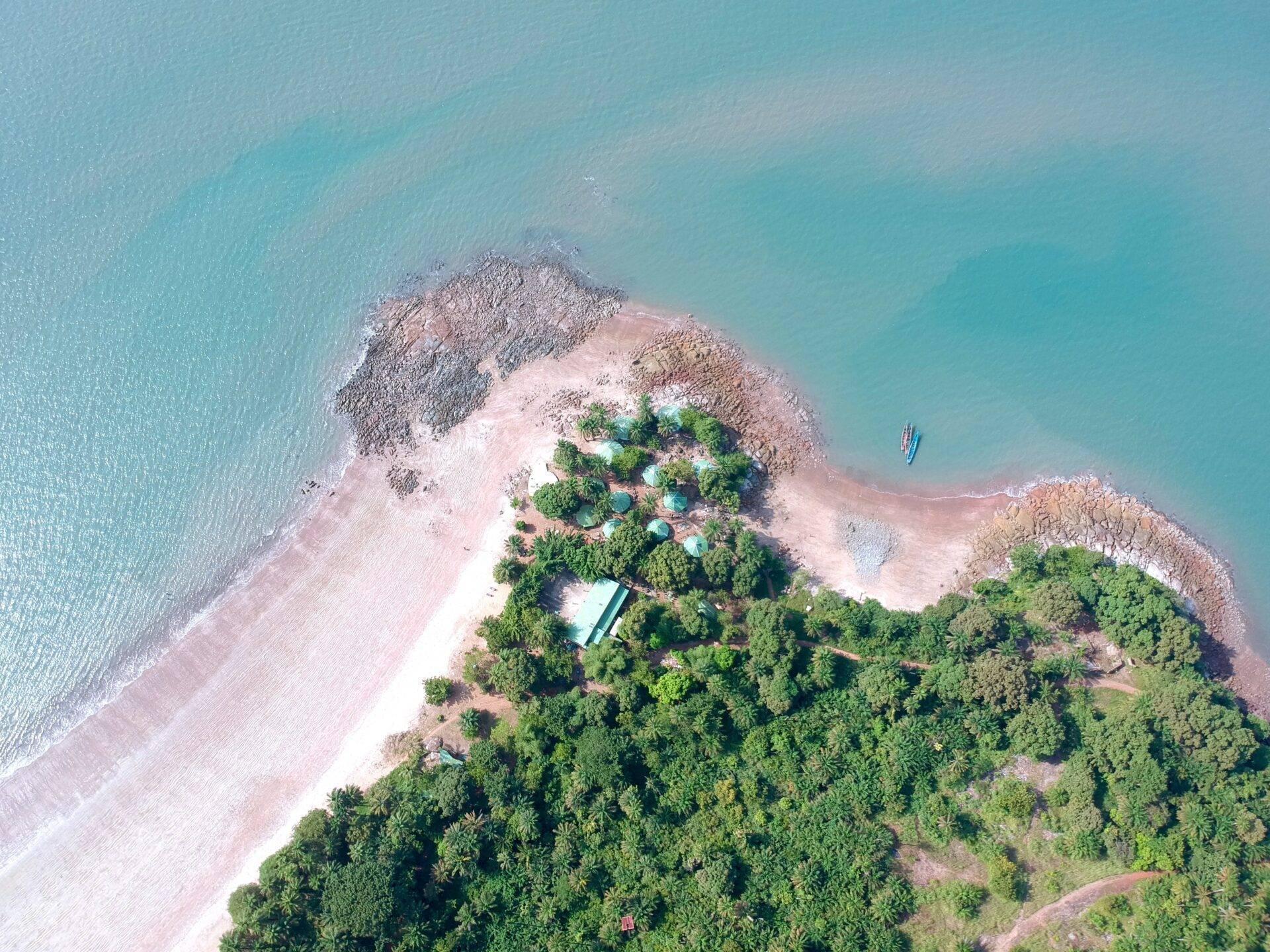
6. Kassa, Tamara and Roume
The Los Islands archipelago is made up of three islands with very different characters, all reachable by motorised pirogue from Conakry’s Boulbinet port in 25 to 45 minutes depending on the destination. Kassa is the closest and most visited, with its red-sand beaches and historical ruins. Roume charms with its quietude and dense forest. Tamara, the wildest of the three at 54 km², rewards adventurous travellers with near-deserted beaches. The clear waters, particularly during the dry season, are ideal for snorkelling.
Between Coast and Highlands: the Kindia Region
7. The Soumba Falls
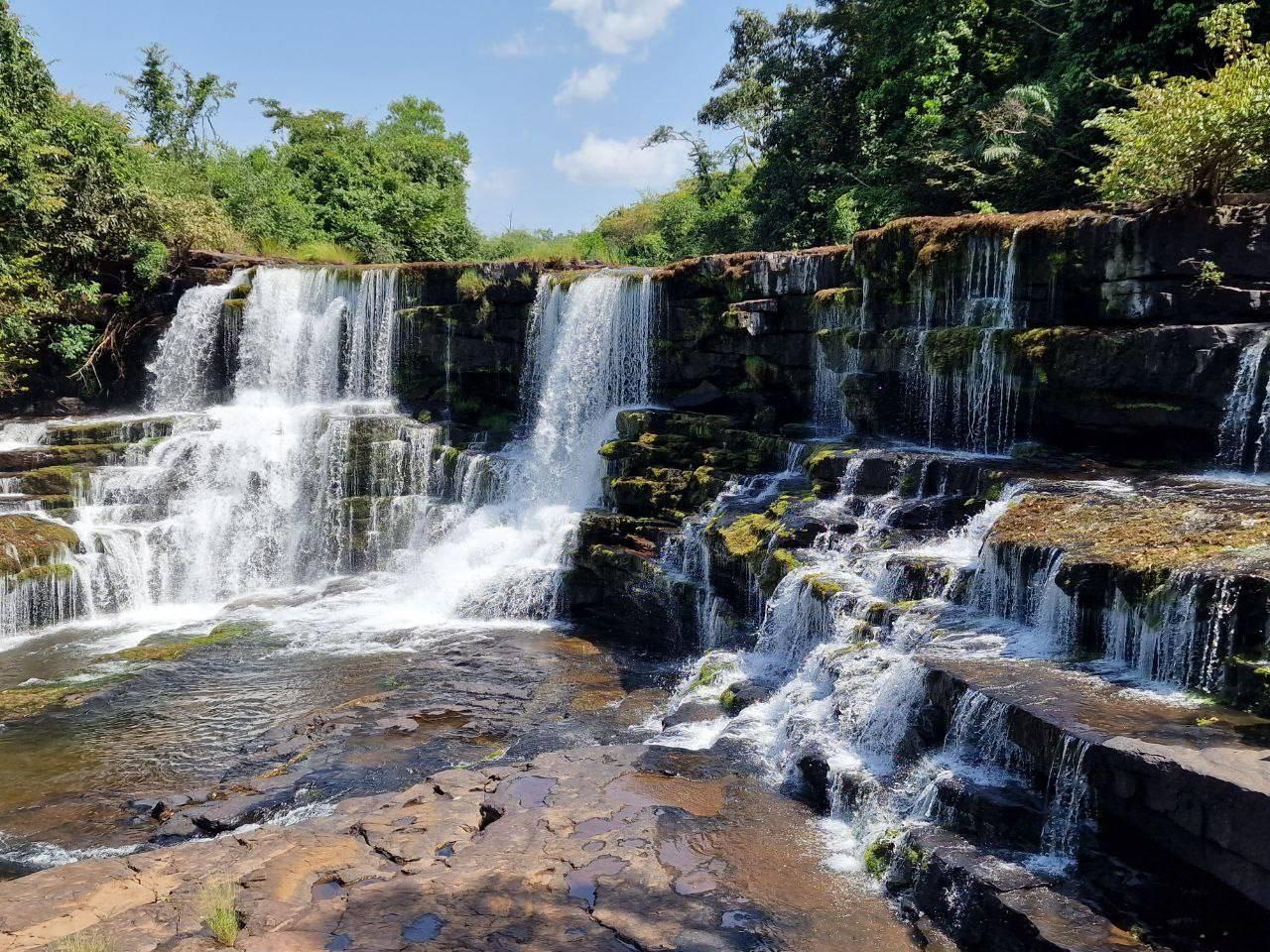
Around 50 kilometres from Conakry, the Soumba Falls tumble down in several tiers through dense vegetation. The site is a favourite weekend escape for Guineans: families picnic at the base while hikers climb the banks to reach the upper pools. During the rainy season, a local guide is essential to access the most dramatic sections safely.
8. Kindia Town and Its Surroundings
About two hours from Conakry by road, Kindia marks the transition from the coast to the foothills of the Fouta Djallon. Its central market overflows with tropical fruit, cloth and local crafts. The surrounding area hides further waterfalls, including the Voile de la Mariée (Bridal Veil Falls), and the rocky formations of Mount Gangan offer sweeping views across the plain below.
The Fouta Djallon
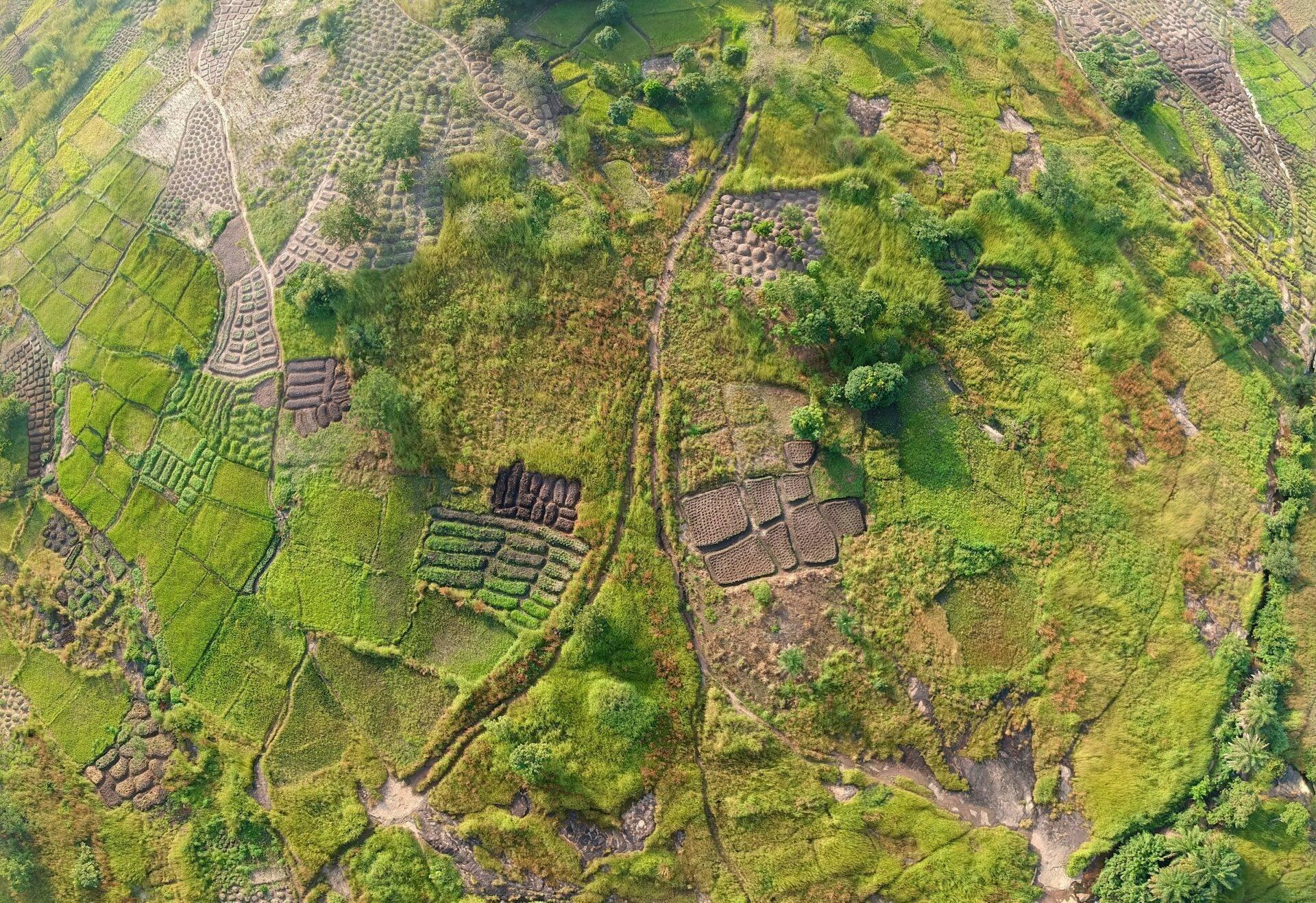
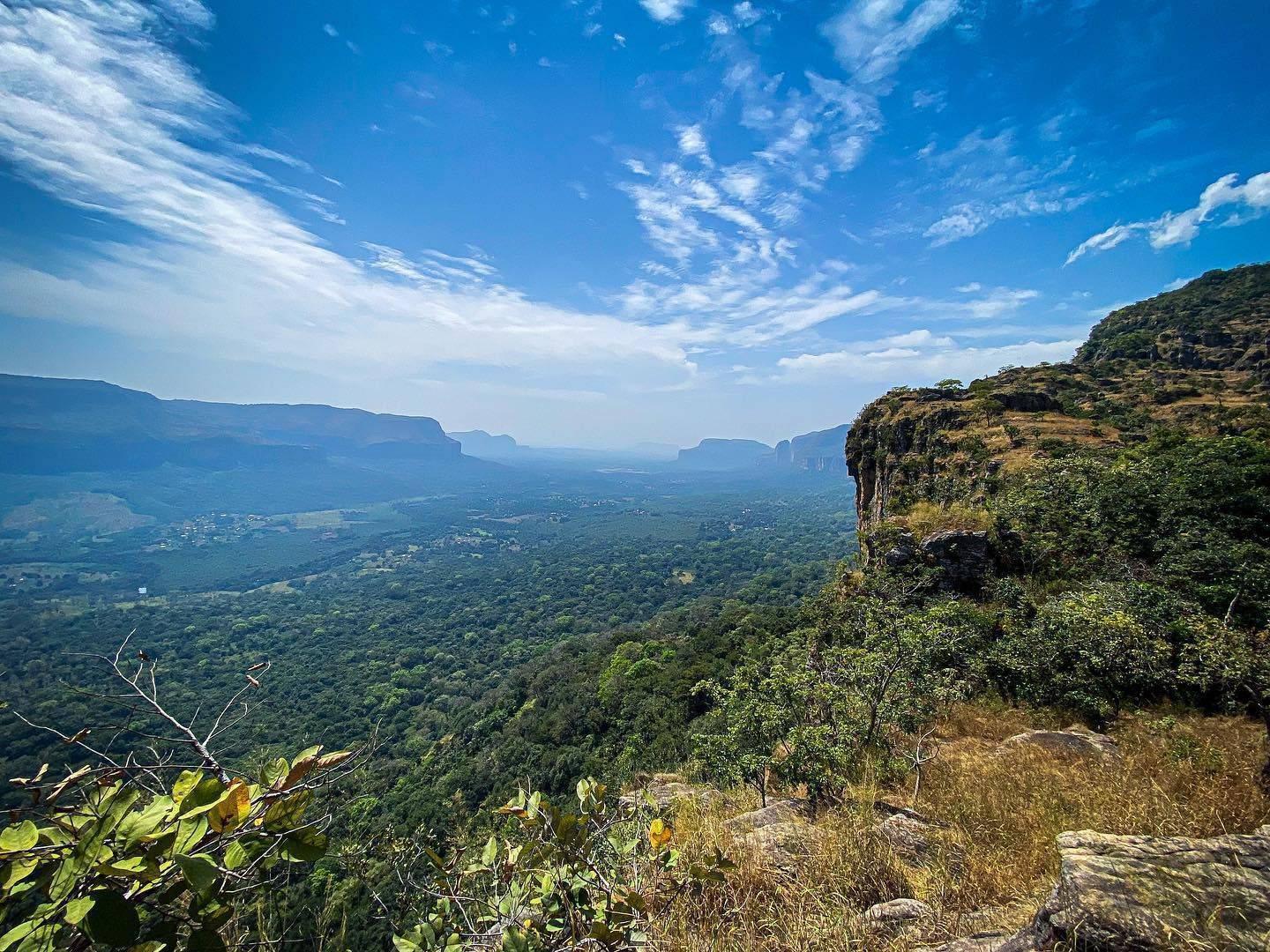
Often called the “water tower of West Africa,” the Fouta Djallon is a highland massif of plateaus rising between 800 and 1,500 metres, feeding the continent’s great rivers. This is the beating heart of any Guinea itinerary: breathtaking scenery, waterfalls, limestone caves and warm Fulani communities.
9. Hiking the Plateaus
From Dalaba or Pita, day hikes and multi-day treks follow cliff edges, pass through Fulani villages and open up vertiginous views over deep valleys. A local guide is essential for navigation, safety and respectful engagement with the communities you pass through.
10. Labé, Heart of the Fouta Djallon
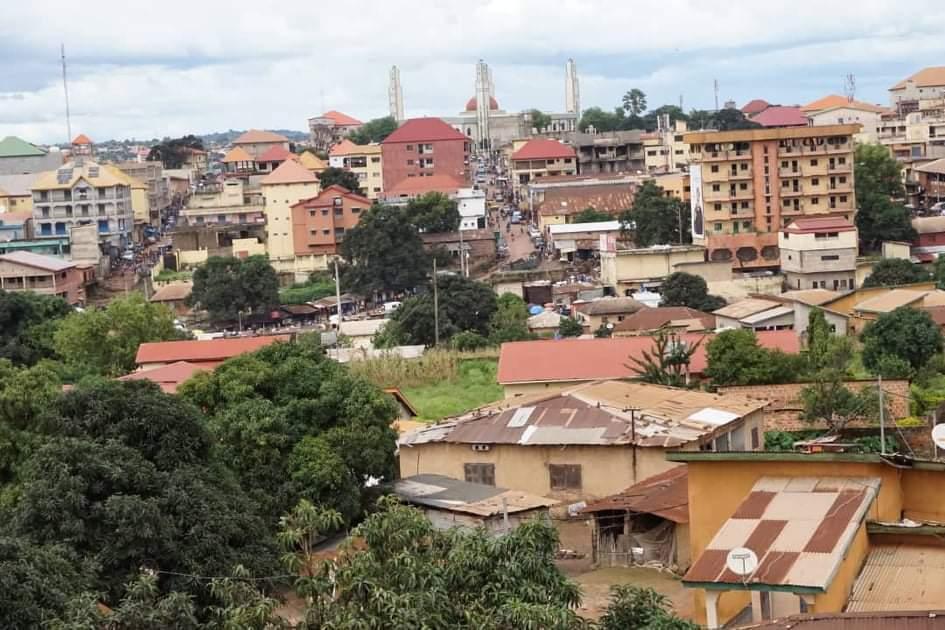
Labé is the Fouta Djallon’s main town, perched above 1,000 metres. Its weekly market draws Fulani farmers from across the region, selling curdled milk, honey, cured leather and embroidered cloth. The old quarter, with its tin-roofed houses in shades of red and a central cathedral, offers a quintessential snapshot of highland Guinea.
11. Kambadaga Falls
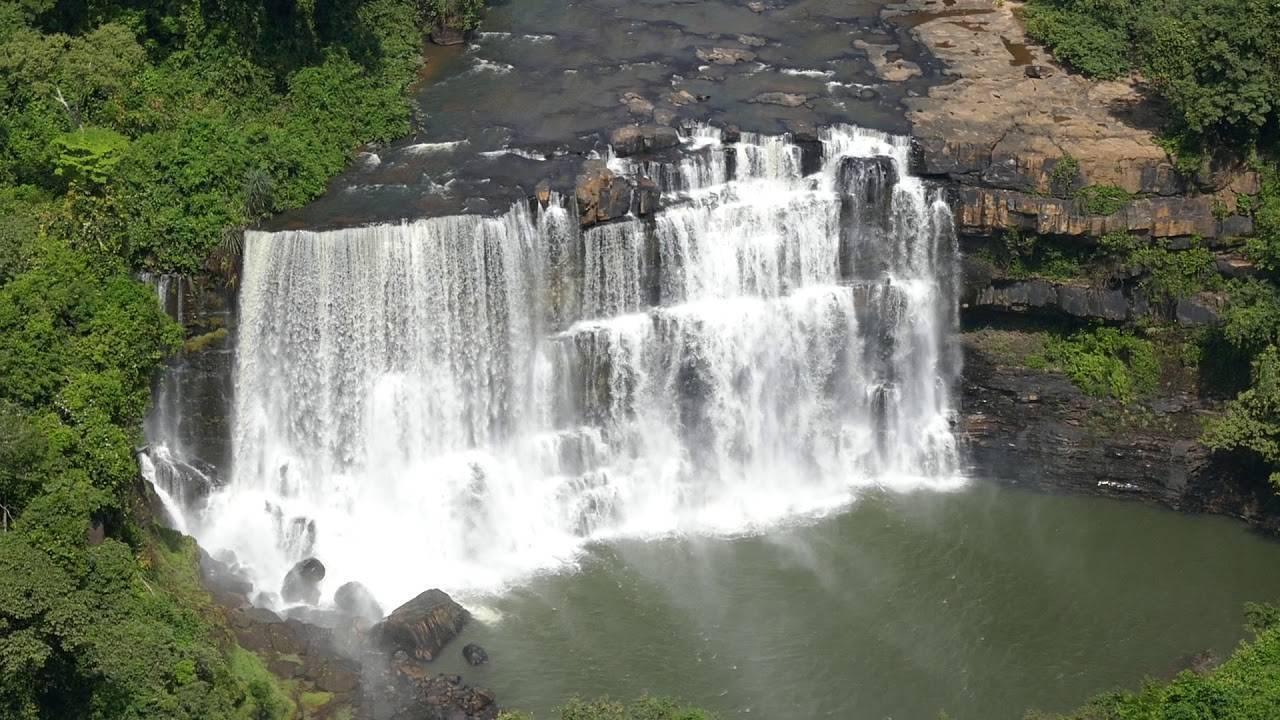
In the Pita prefecture, the Kambadaga Falls descend in three successive tiers along the Kokoulo River, dropping more than 60 metres in total. The emerald pools at the foot of the falls are framed by tropical vegetation sheltering rare aquatic plant species found nowhere else in the world. Getting there requires a drive along an unpaved track followed by 30 to 60 minutes of hiking over rough terrain.
12. The Guélakh Caves
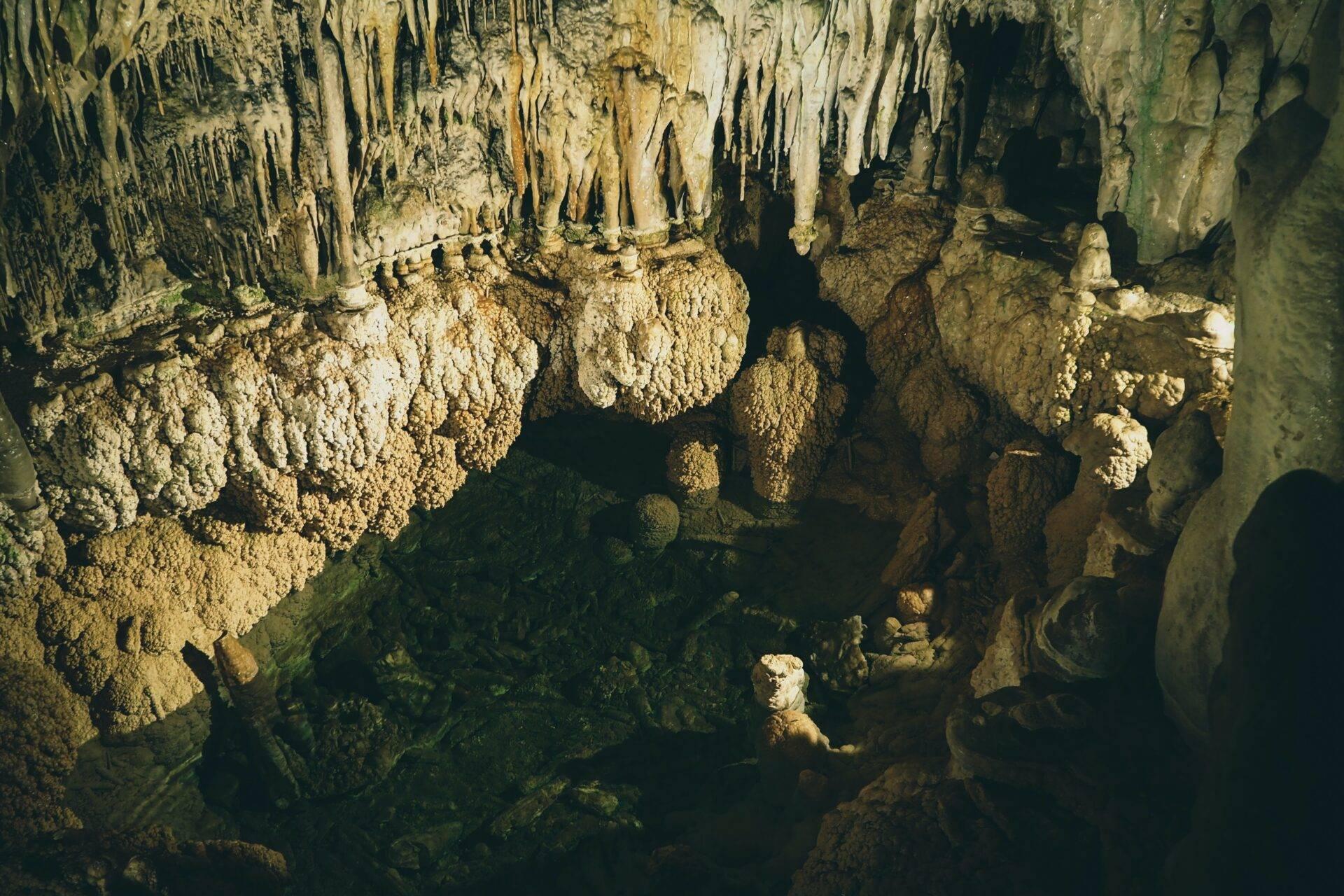
Carved into the Fouta Djallon limestone, the Guélakh Caves open into a network of underground chambers lined with stalactites and stalagmites. The natural coolness inside the galleries is a sharp contrast to the heat above ground. Exploration is done by headtorch with a guide who knows the passages and the geology of each chamber.
The Mount Nimba Nature Reserve
13. Trekking at the Foot of Mount Nimba
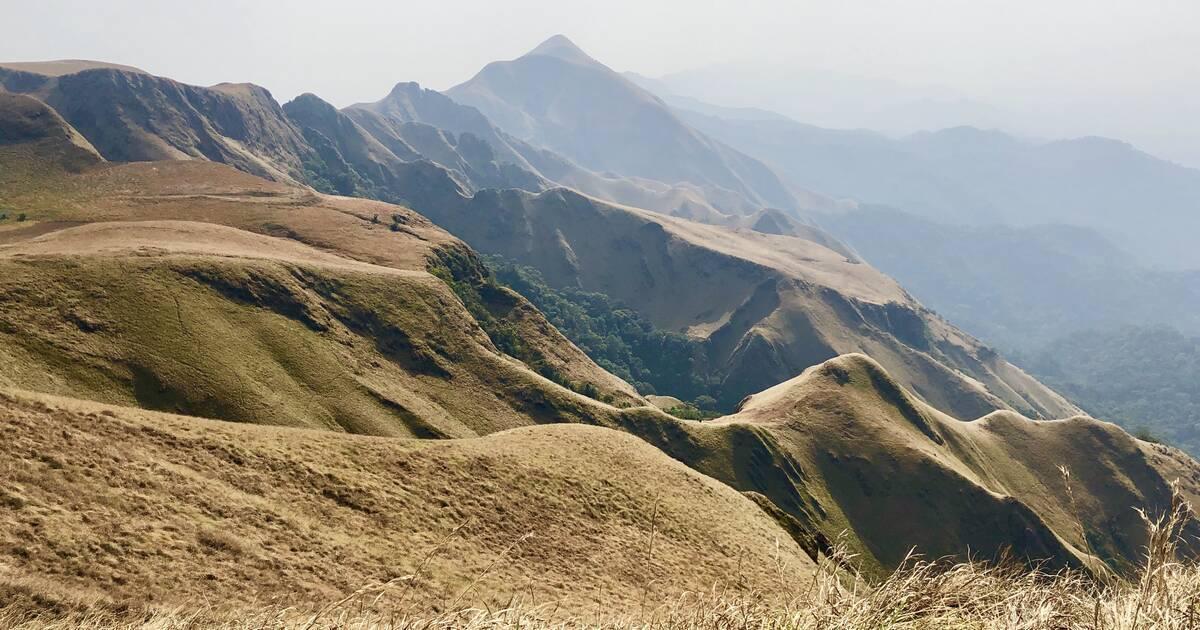
On the border of Guinea, Ivory Coast and Liberia, Mount Nimba reaches 1,752 metres. The strict nature reserve, inscribed as a UNESCO World Heritage Site and biosphere reserve since 1981, covers 12,540 hectares on the Guinean side. It is home to more than 317 vertebrate species with a remarkably high rate of endemism. The site is listed as a World Heritage in Danger due to mining pressures, which makes a visit all the more meaningful.
National Parks
14. Haut-Niger National Park
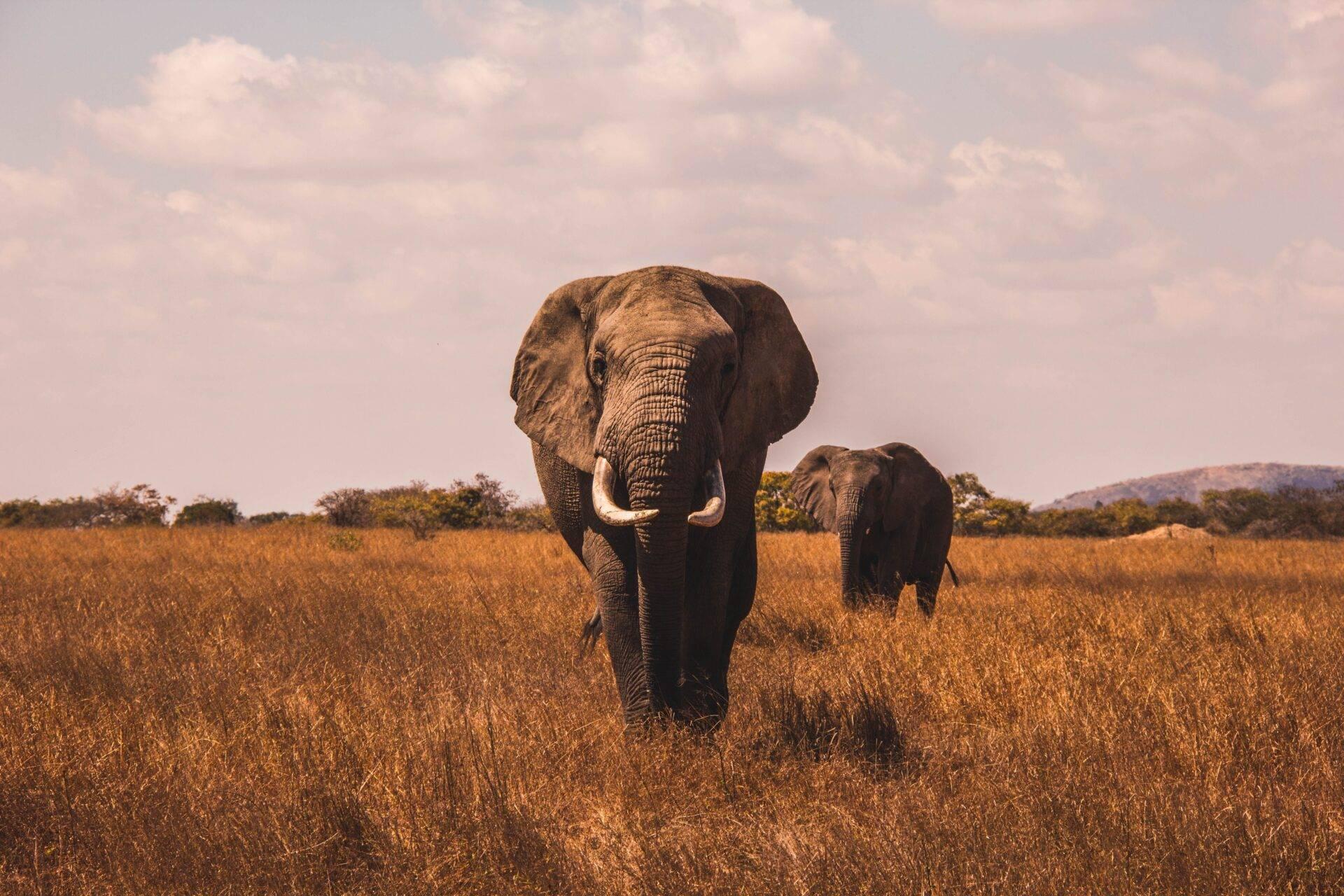
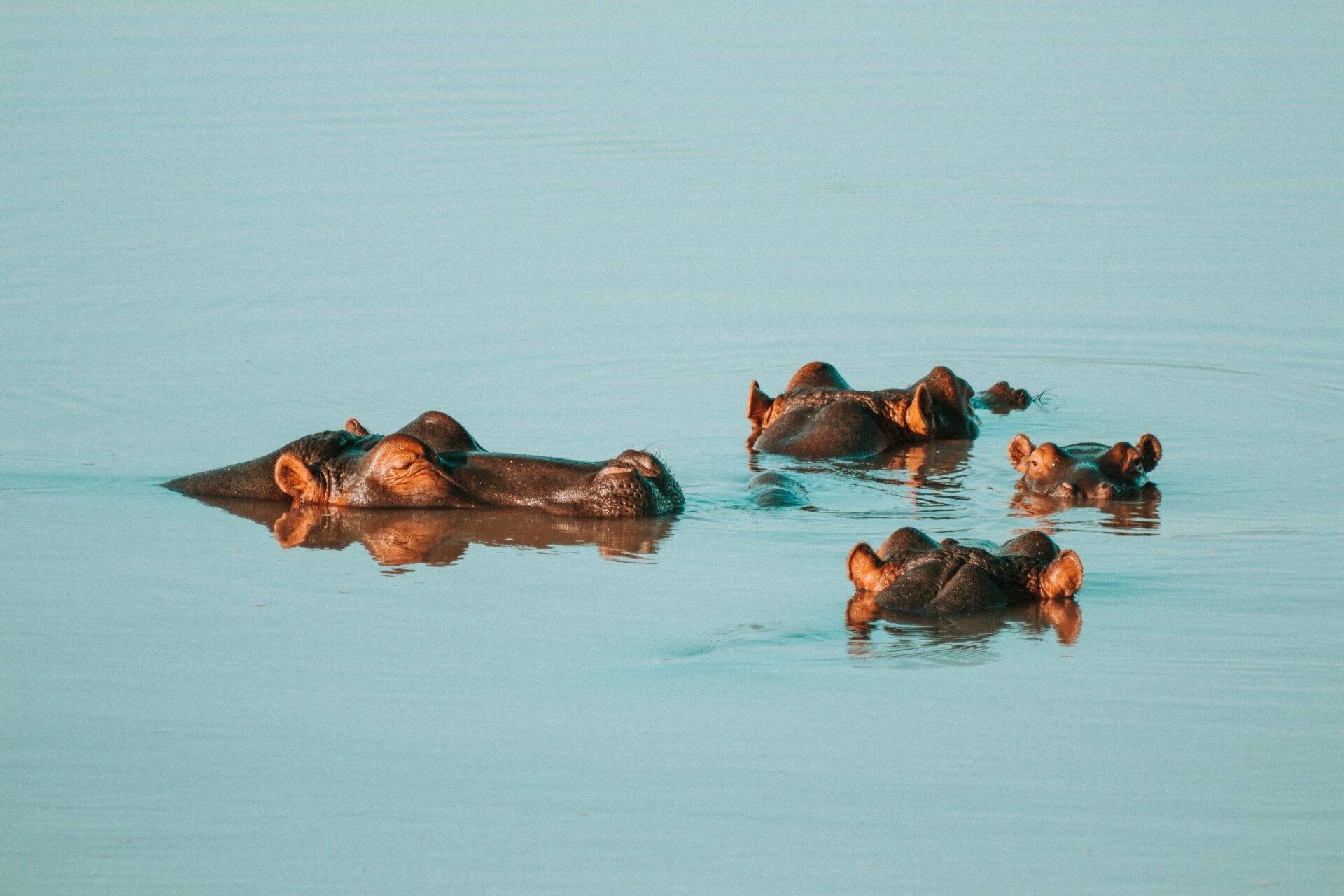
Established in 1997 and designated a UNESCO biosphere reserve in 2002, Haut-Niger National Park covers nearly 1,200,000 hectares along the Niger River. It is Guinea’s most significant wildlife reserve. Chimpanzees, lions, leopards, elephants and hippos all live here, and more than 300 bird species have been recorded. The Mafou sector is the most accessible for walking safaris and pirogue trips.
15. Badiar National Park
Shared between Guinea and Senegal, Badiar National Park stretches across a zone of savanna and gallery forests on the edge of the Fouta Djallon. Hippos, baboons, warthogs and buffalo can be spotted from the tracks that follow the rivers. For travellers extending their journey into neighbouring Senegal, this park makes a natural gateway: our guide on things to do in Senegal covers the country’s 20 essential highlights.
Eastern Towns
16. Kankan, Guinea’s Second City
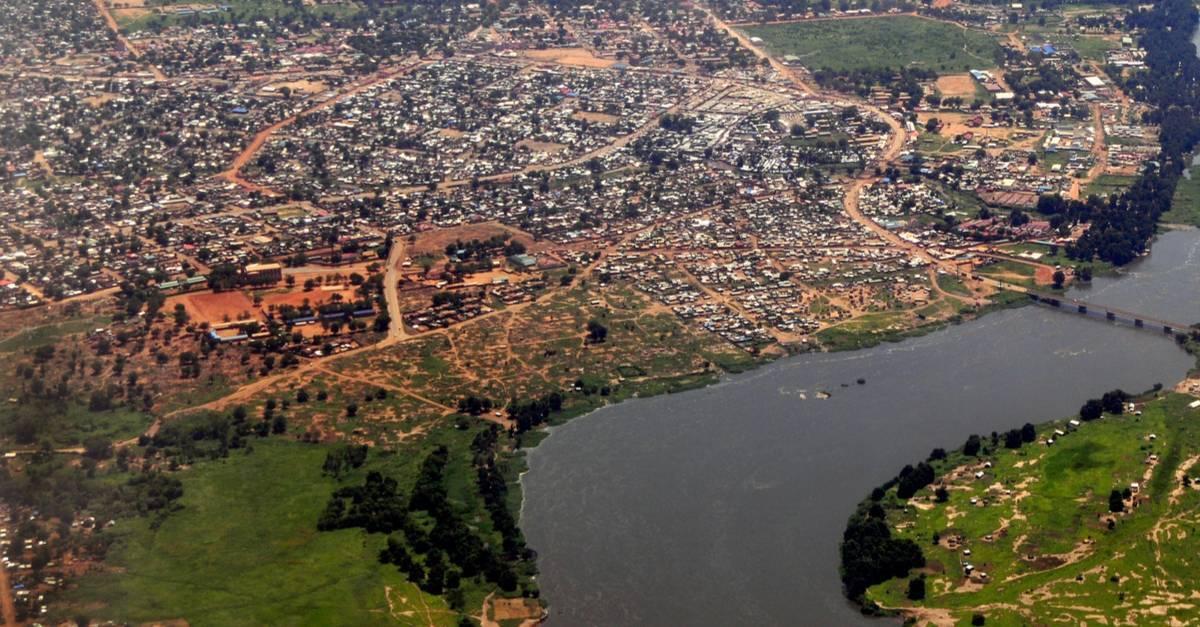
Straddling the Niger River, Kankan is the country’s second city and the commercial and cultural hub of Upper Guinea. Mandinka traditions and jaliya music, the art of the griots, are very much alive here: during festivals, koras and balafons ring out across the city. The riverside markets, alive with pirogues and fishermen, offer a vivid immersion in the unhurried rhythms of Upper Guinea.
17. Siguiri and the Banks of the Niger
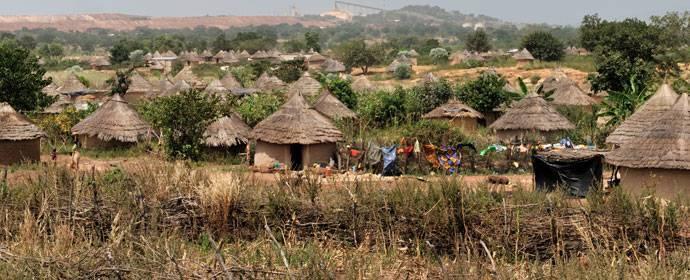
In Guinea’s north-east, Siguiri is the capital of artisanal gold panning. The town lives to the rhythm of the Niger River and the mining activities that have shaped its social fabric and built environment. The riverside markets, fishing villages and heavily laden pirogues make for an authentic experience well off the beaten tourist trail.
Forest Guinea
18. The Ziama Reserve
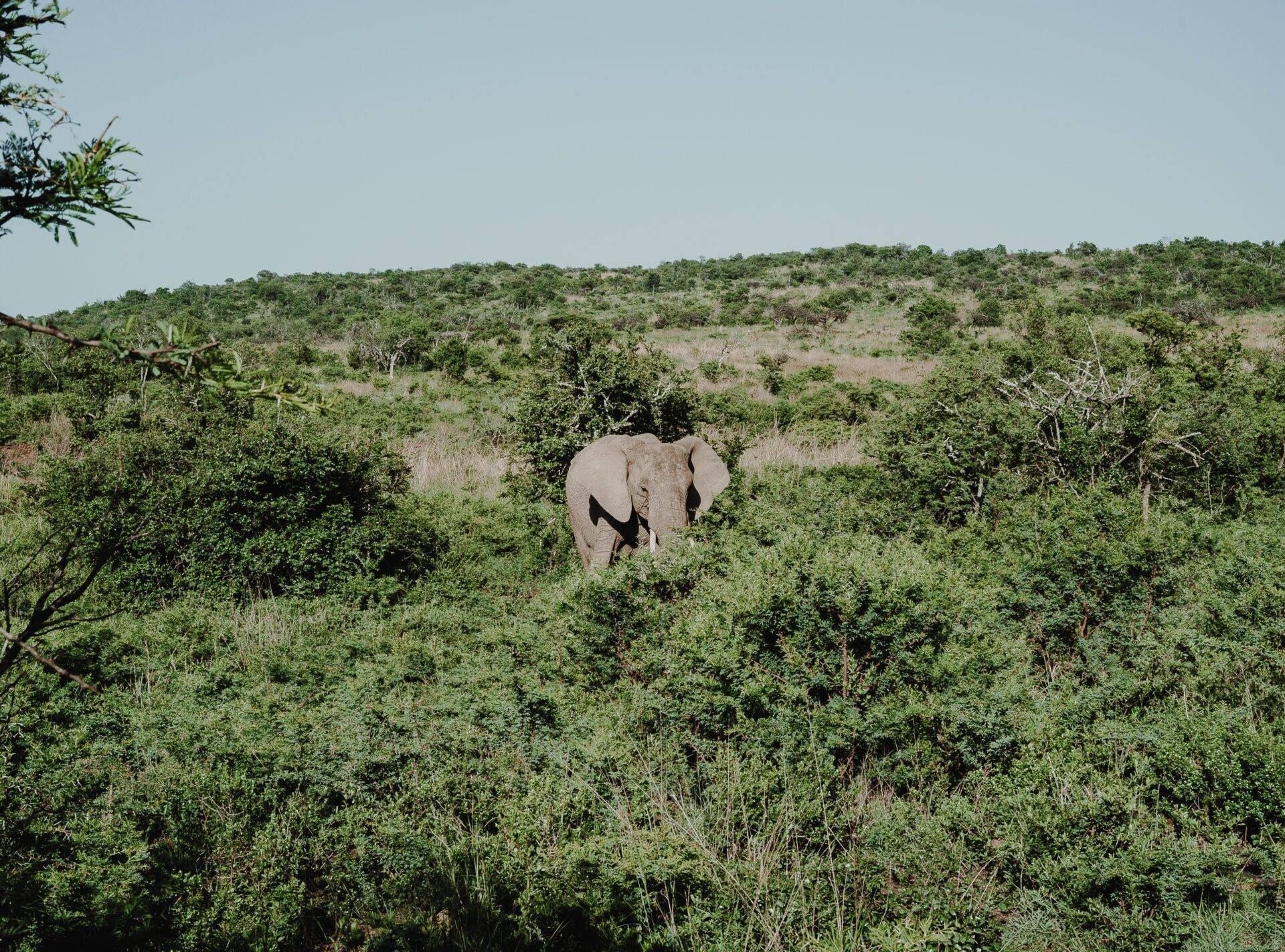
In the south-east of the country, the Ziama Reserve is a forest classified as a UNESCO biosphere reserve since 1980. It covers more than 116,000 hectares and is home to Guinea’s last remaining population of forest elephants, as well as chimpanzees, pygmy hippos and 287 recorded bird species. Guided trekking circuits allow visitors to immerse themselves in an ecosystem that remains largely intact.
19. Nzérékoré, Gateway to Forest Guinea
Nzérékoré is the main town in the forest region and a busy commercial crossroads between Guinea, Liberia and Ivory Coast. Its local market, one of the most authentic in the country, brings together traders from all three nations. The town is also the starting point for excursions into the dense forests of the surrounding area.
20. The Diécké Forest
Near Nzérékoré, the Diécké Forest is a classified forest that sees very few foreign visitors. Its trails, which plunge beneath a dense canopy, offer a genuine immersion in a forest ecosystem that serves as a reminder that Guinea is, all at once, mountain, savanna and tropical rainforest.
When to Visit Guinea
The best time to visit Guinea runs from November to April, during the dry season. Roads are passable, hiking in the Fouta Djallon and around Mount Nimba is far safer, and the islands are accessible by calm seas. The rainy season (May to October) transforms the country’s vegetation into a spectacular display of intense greenery, but can make some dirt tracks impassable.
Before you travel, check the Guinea travel insurance page for essential practical information: entry requirements, health recommendations and the medical cover that best suits your trip.
If sub-Saharan Africa draws you beyond Guinea, our guides on things to do in Cameroon and things to do in Madagascar make ideal companions, covering destinations with equally remarkable biodiversity.
FAQ
What is the best time of year to visit Guinea?
The dry season, from November to April, is the recommended window. Roads are passable, temperatures are more manageable and the Fouta Djallon waterfalls are fully accessible. The rainy season (May to October) can make off-road travel tricky, but delivers spectacular, lush scenery.
How long do you need to visit Guinea?
Two weeks is enough to cover Conakry, the Los Islands, the Fouta Djallon and Mount Nimba. Three weeks are needed to also reach Kankan, Siguiri and Forest Guinea at a comfortable pace.
Are the Los Islands easy to reach from Conakry?
Yes. Motorised pirogues connect Conakry to the Los Islands from Boulbinet port in 25 to 45 minutes depending on the island. The three islands (Kassa, Tamara and Roume) each suit a different type of traveller: sociable, adventurous or simply seeking peace and quiet.
Do you need a local guide to visit Guinea?
A local guide is strongly recommended for hiking in the Fouta Djallon, visiting national parks and venturing into remote areas. A guide smooths access to village communities, improves safety on the tracks and takes the hassle out of practical logistics on the ground.
What can you see in Guinea in just one week?
With a week, focus on Conakry (National Museum, Faysal Mosque, Madina Market), a day trip to the Los Islands, then two to three days in the Fouta Djallon around Labé or Pita for the Kambadaga Falls and the highland plateaus.