
Ethiopia packs, within a single country, some of Africa’s most spectacular UNESCO World Heritage Sites, extraordinary landscapes and living cultures that have endured for millennia. Ten days is enough to cover the unmissable northern historical circuit; two weeks opens the door to the Danakil Depression and the Omo Valley. Here are 20 concrete experiences to plan.
The historic north: where it all began
1. Lalibela and its 11 rock-hewn churches
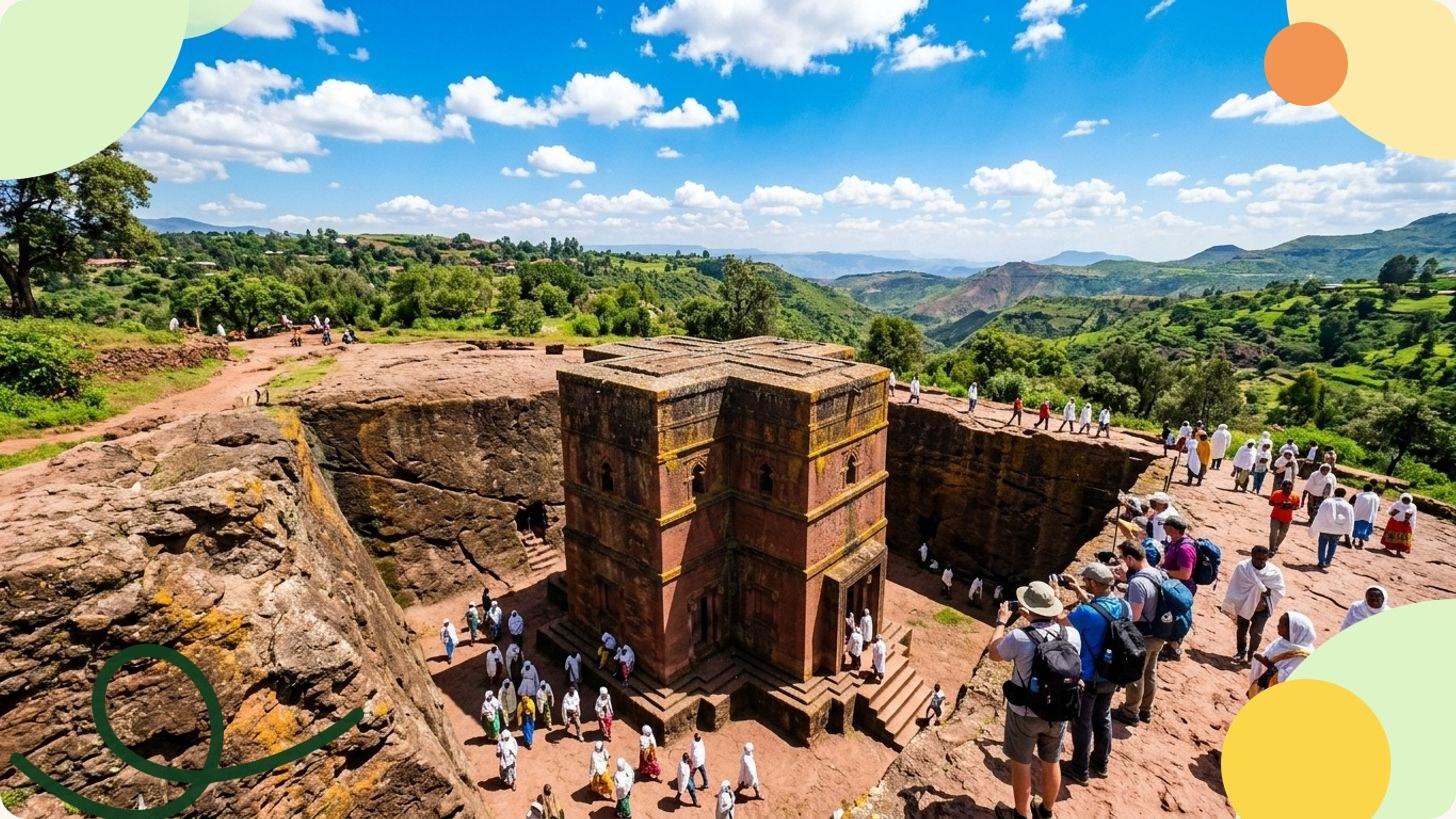
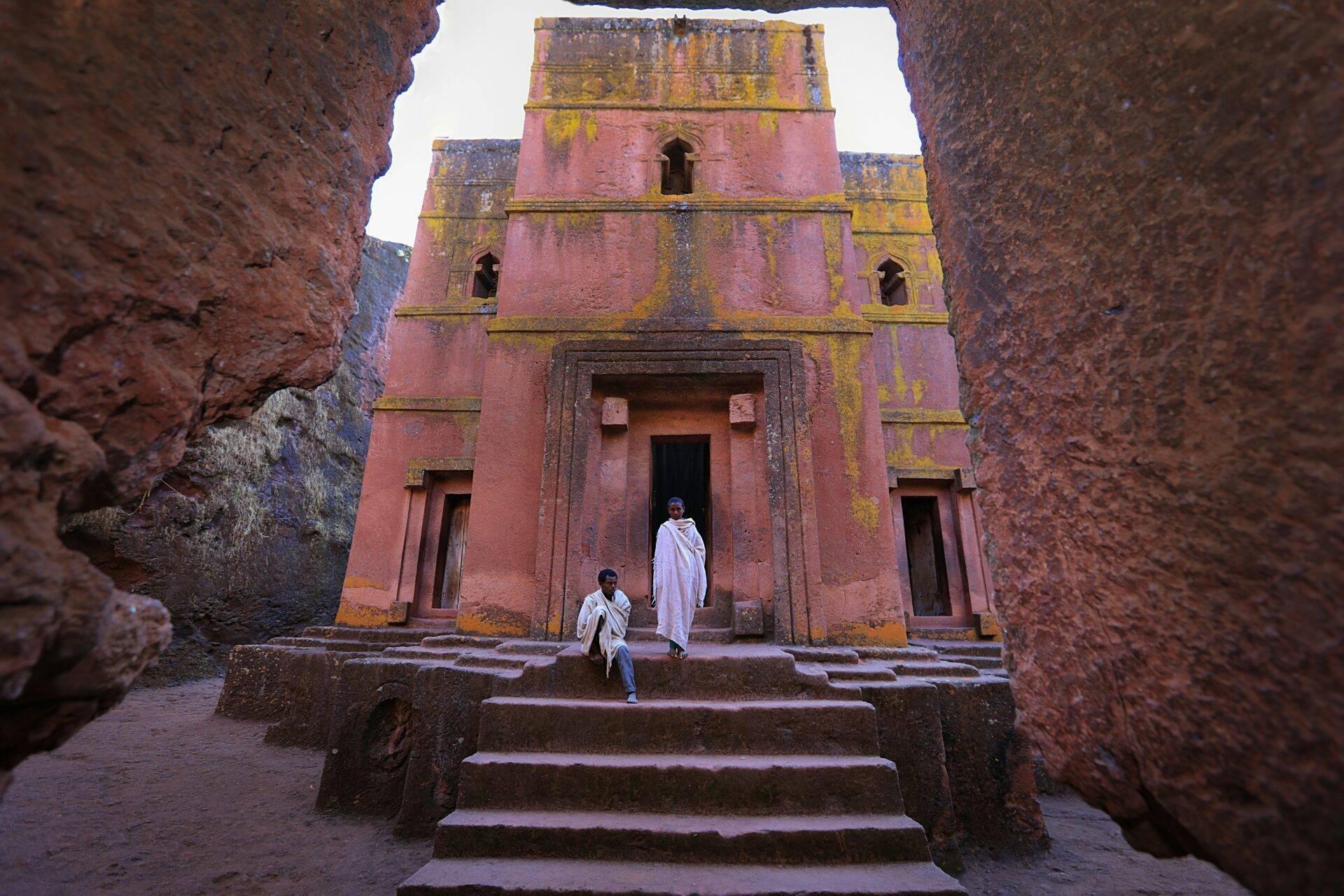
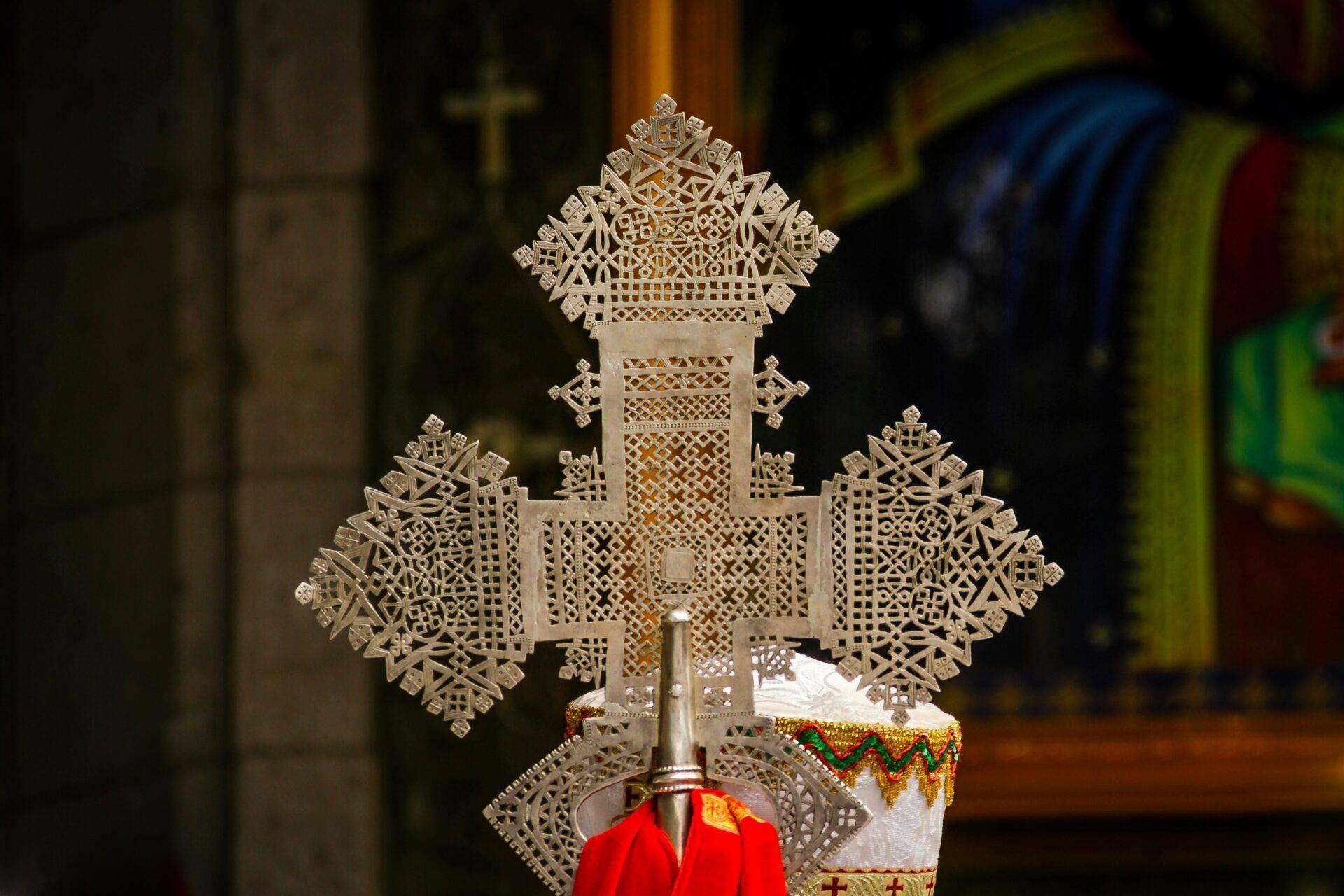
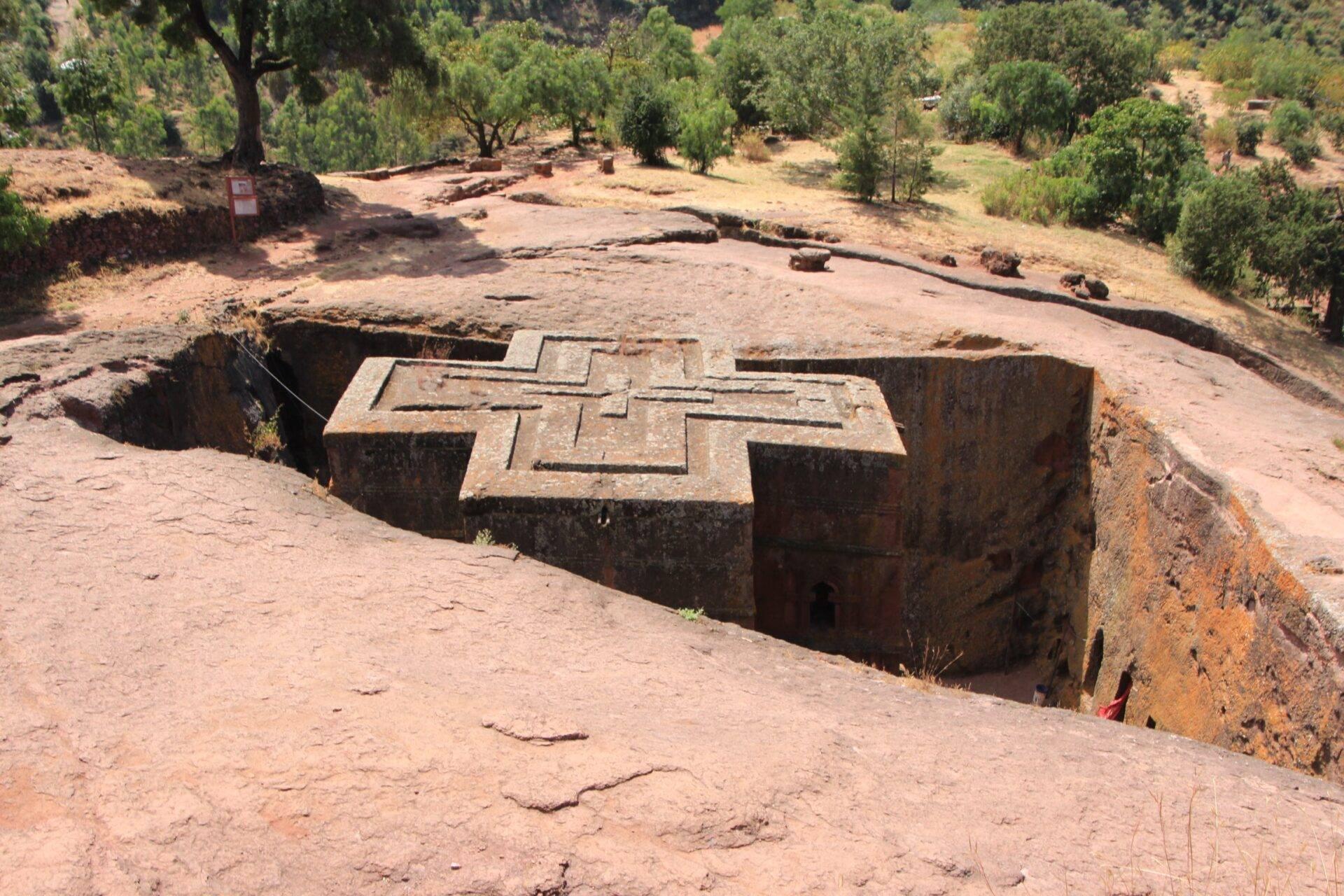
Lalibela tops most travellers’ lists, and with very good reason. Eleven monolithic churches were carved from volcanic rock during the reign of King Lalibela (1181-1221). They were not built in the conventional sense: sculpted from the top downwards, each form was freed from the surrounding rockface. The most photographed, Bete Giyorgis, takes the shape of a perfect Greek cross. These are working churches – Orthodox priests celebrate the liturgy here every day. Inscribed on the UNESCO World Heritage List, the site draws pilgrims from across the world year-round.
2. Aksum, cradle of the Aksumite Empire
Aksum holds the remains of one of ancient Africa’s great powers. Its most visible legacy is a set of granite stelae, one of which stands 24 metres tall, carved from a single block more than 1,700 years ago, its facade sculpted to resemble nine storeys of a building. A 33-metre stele lies toppled on the ground – it may be the largest monolith humanity ever attempted to erect. The city also claims to hold the Ark of the Covenant, kept in the Chapel of St Mary of Zion, off-limits to outsiders but central to the mystique of Ethiopian Christianity.
3. Gondar, the castles of Africa’s Camelot
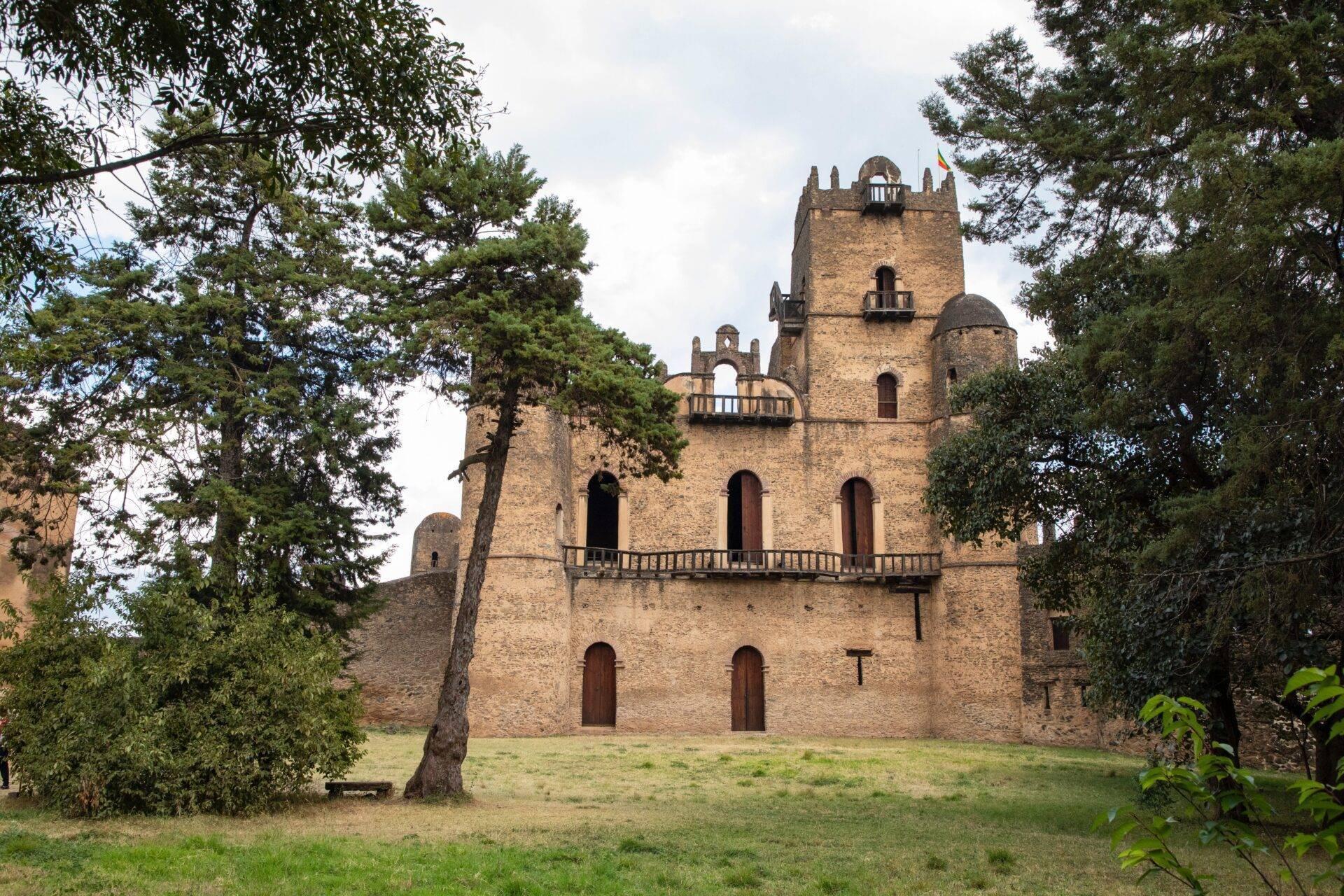
Nicknamed Africa’s Camelot, Gondar served as the capital of the Gondar Kingdom in the 17th and 18th centuries. Its royal enclosure, the Fasil Ghebbi, is UNESCO-listed and brings together several stone palaces blending Ethiopian, Arab and Portuguese influences. The castle of Fasilides, the grandest of them, impresses with its crenellated towers and vaulted galleries. Each January, Fasilides’ Bath is filled for the Timkat celebrations, the Ethiopian Orthodox Epiphany.
4. The rock-hewn churches of Tigray
Less well known than Lalibela, the Tigray churches offer a rawer and often more striking experience. Some cling to sheer cliffsides, reachable only on foot or by rope. Inside, frescoes in vivid, unfaded colours tell the Gospels. These are the sites that travellers seeking authenticity seek out to escape the crowds.
Landscapes that stretch the imagination
5. The Simien Mountains and Ras Dashen
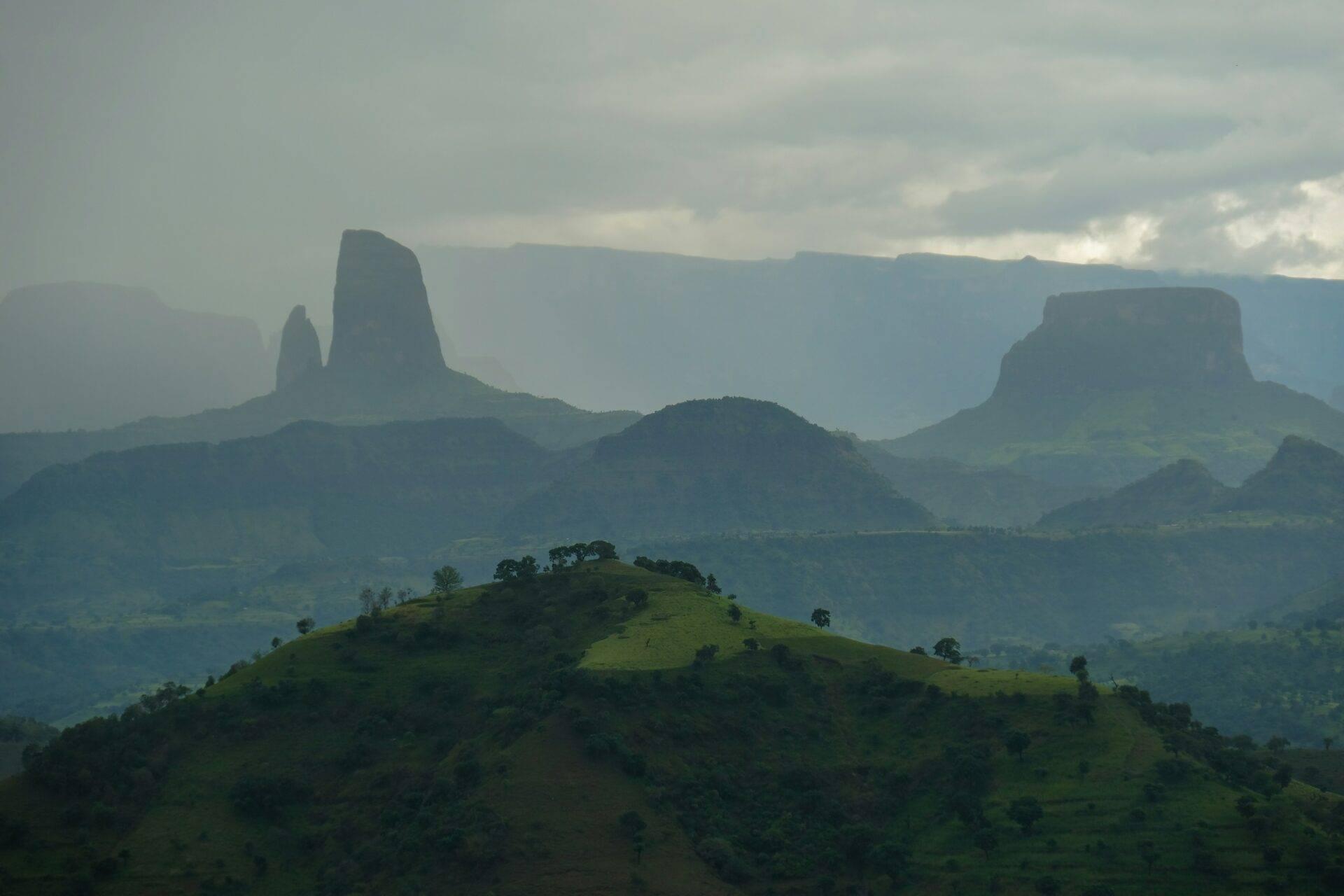
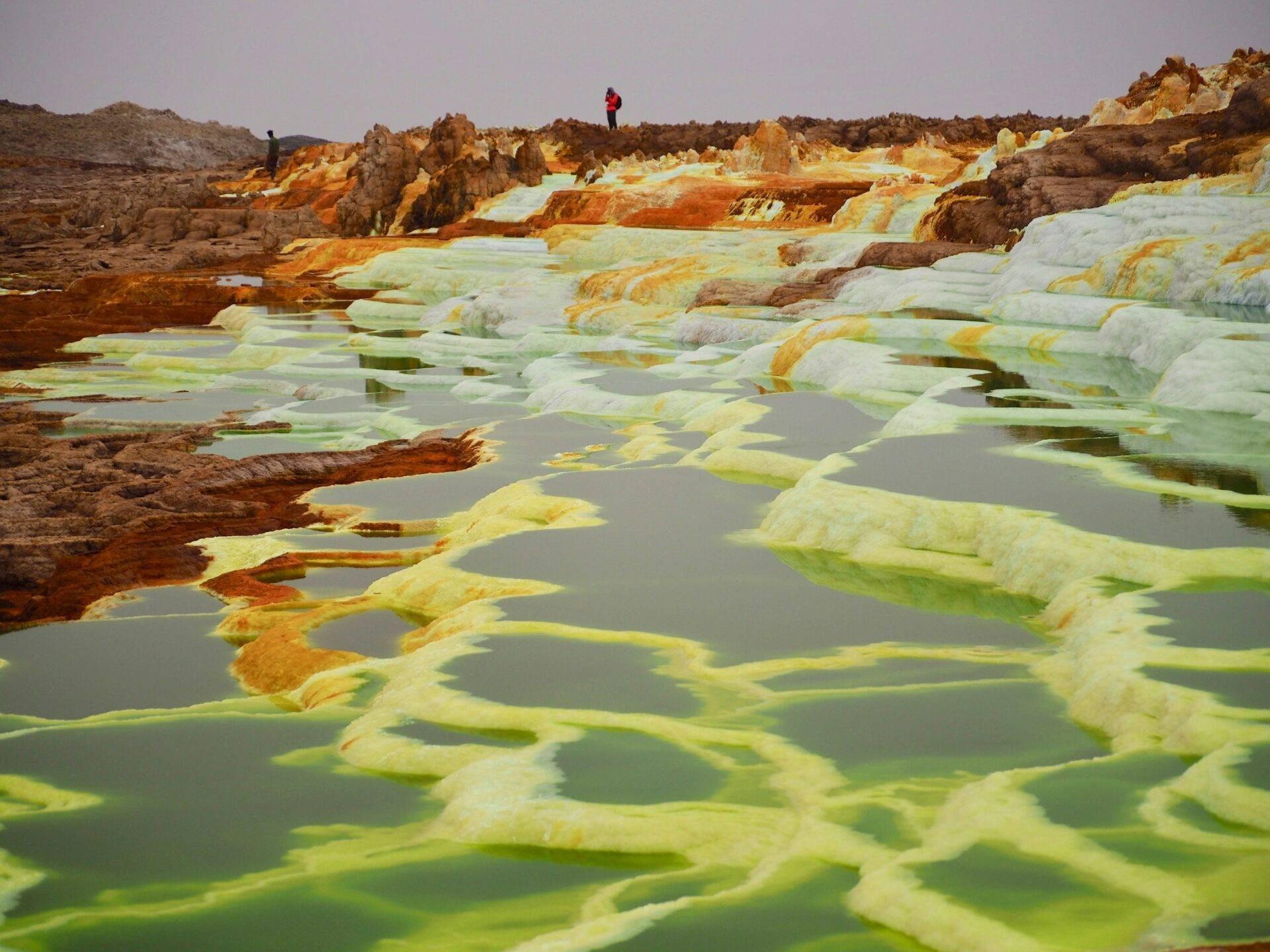
The Simien Mountains National Park, a UNESCO World Heritage Site, is often compared to the Grand Canyon for cliffs that drop as much as 1.5 kilometres. Ras Dashen peaks at 4,533 metres, Ethiopia’s highest point. The standard trek (3 to 6 days) follows high-altitude plateaus where geladas graze – red-chested baboons found nowhere else on Earth. The Ethiopian wolf and the Walia ibex, both critically endangered, can also be spotted here.
6. Lake Tana and its island monasteries
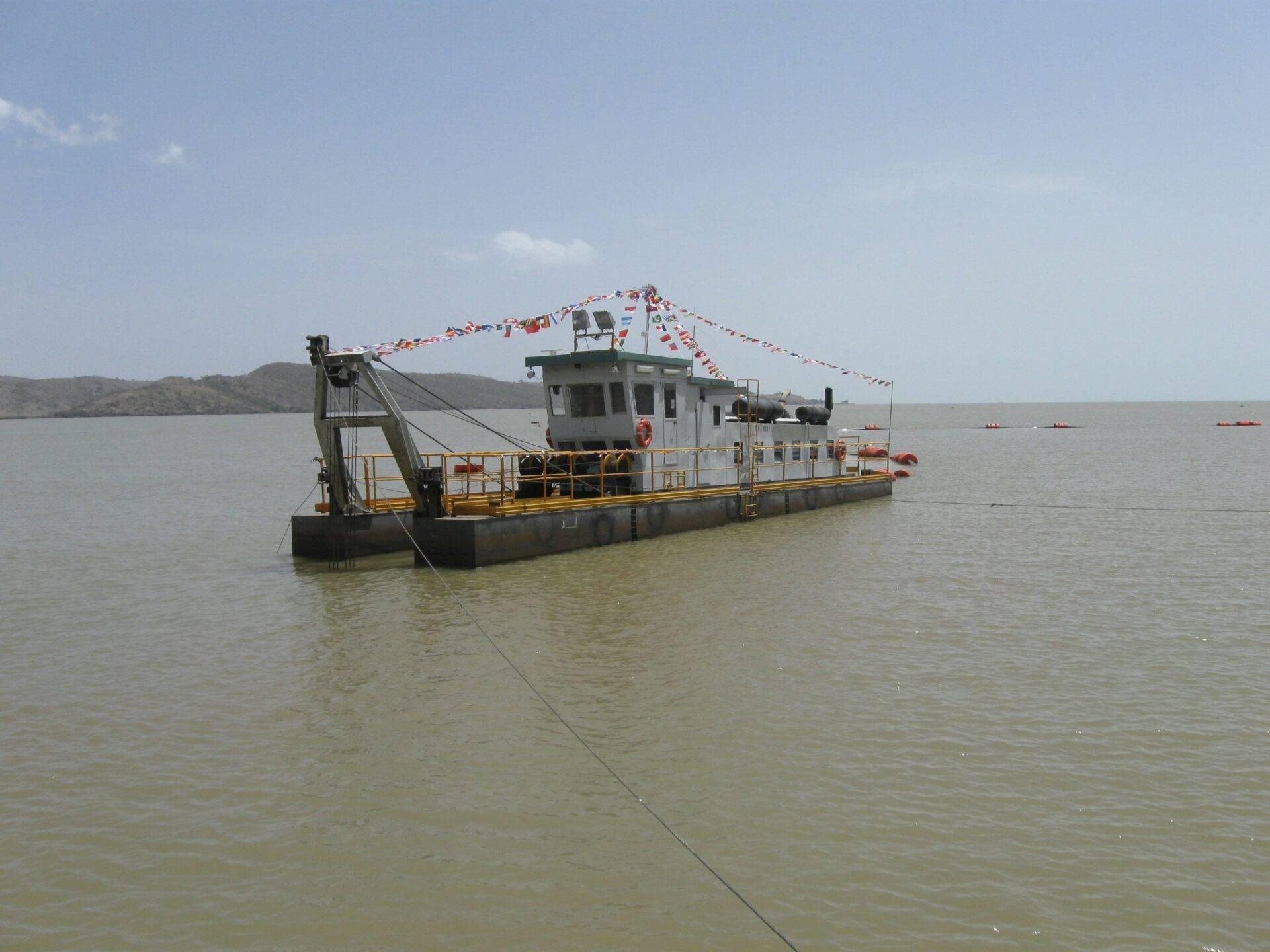
Lake Tana is Ethiopia’s largest lake and the source of the Blue Nile. Around thirty islands dot its surface, each home to Orthodox monasteries founded between the 14th and 16th centuries, some housing medieval icons and imperial thrones that women are traditionally barred from entering. Boats leave from Bahir Dar, the main lakeside city.
7. The Blue Nile Falls (Tis Issat) and their 400-metre breadth
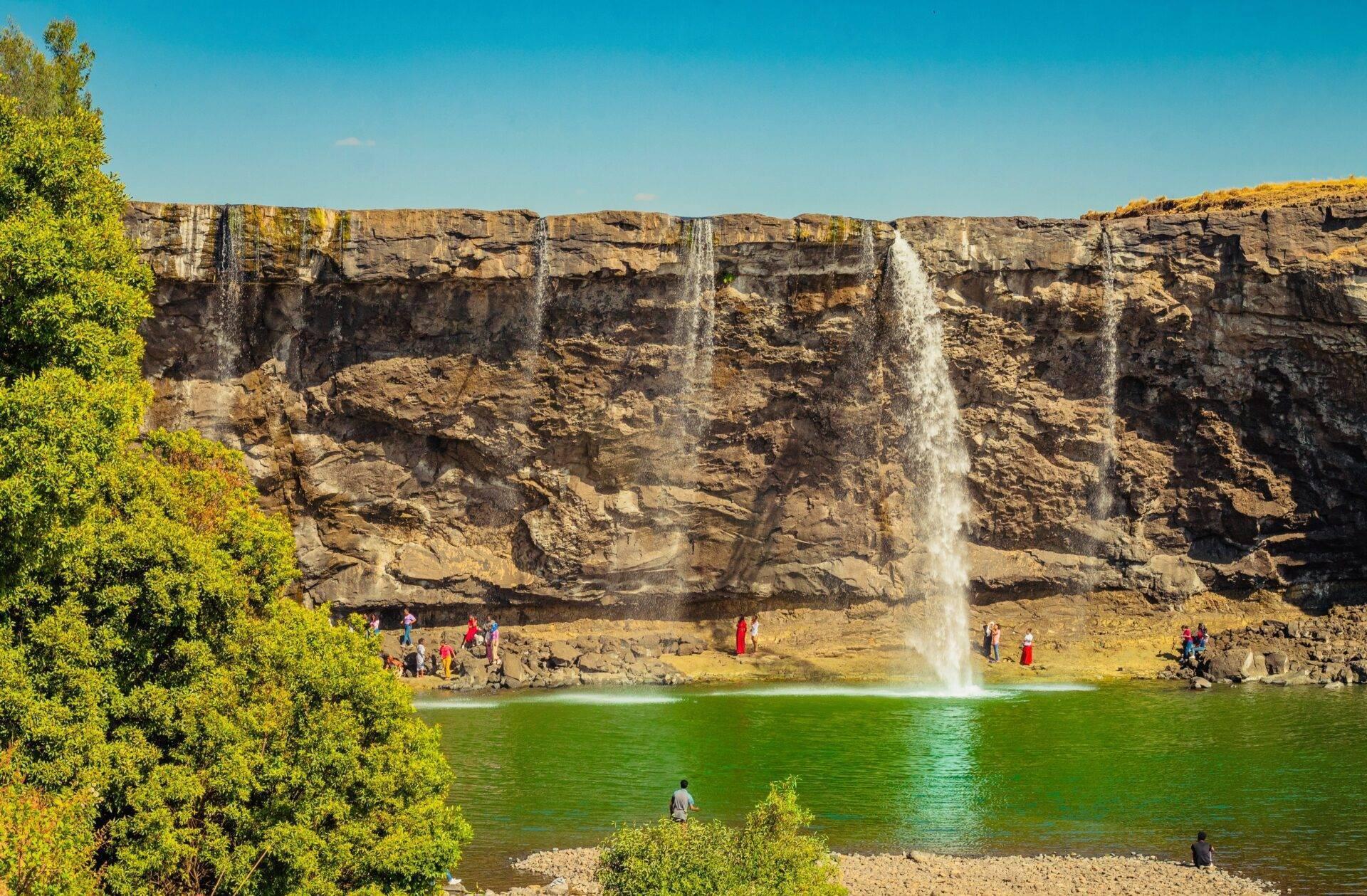
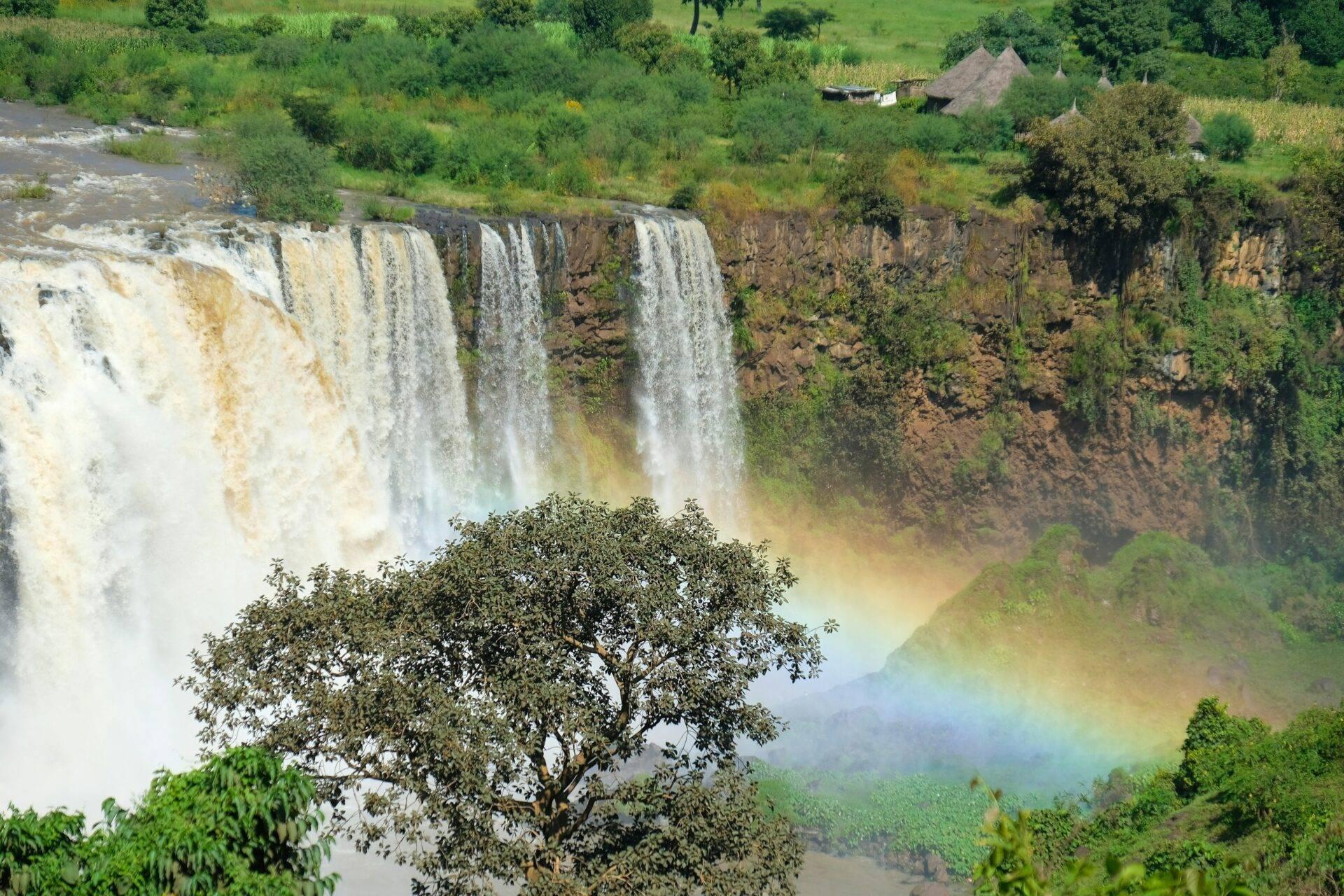
About 30 kilometres from Bahir Dar, the Blue Nile Falls plunge more than 40 metres and stretch nearly 400 metres across. Known locally as Tis Issat, meaning “smoking water” in Amharic, they generate a permanent mist cloud that becomes a rainbow in fine weather. The rainy season (July to September) is when they are at their most powerful.
8. Bale Mountains National Park and the Ethiopian wolf
Bale Mountains National Park protects a massif rich in endemic African wildlife. Its afro-alpine plateaus are home to the world’s largest population of Ethiopian wolves, a russet-coated canid found nowhere else on the planet. Harenna Forest, in the park’s southern reaches, is one of the largest montane rainforests on the continent. Trekking here is done on horseback or on foot over several days, in a tranquillity the Simien no longer always offers.
9. The Danakil Depression, another world on Earth
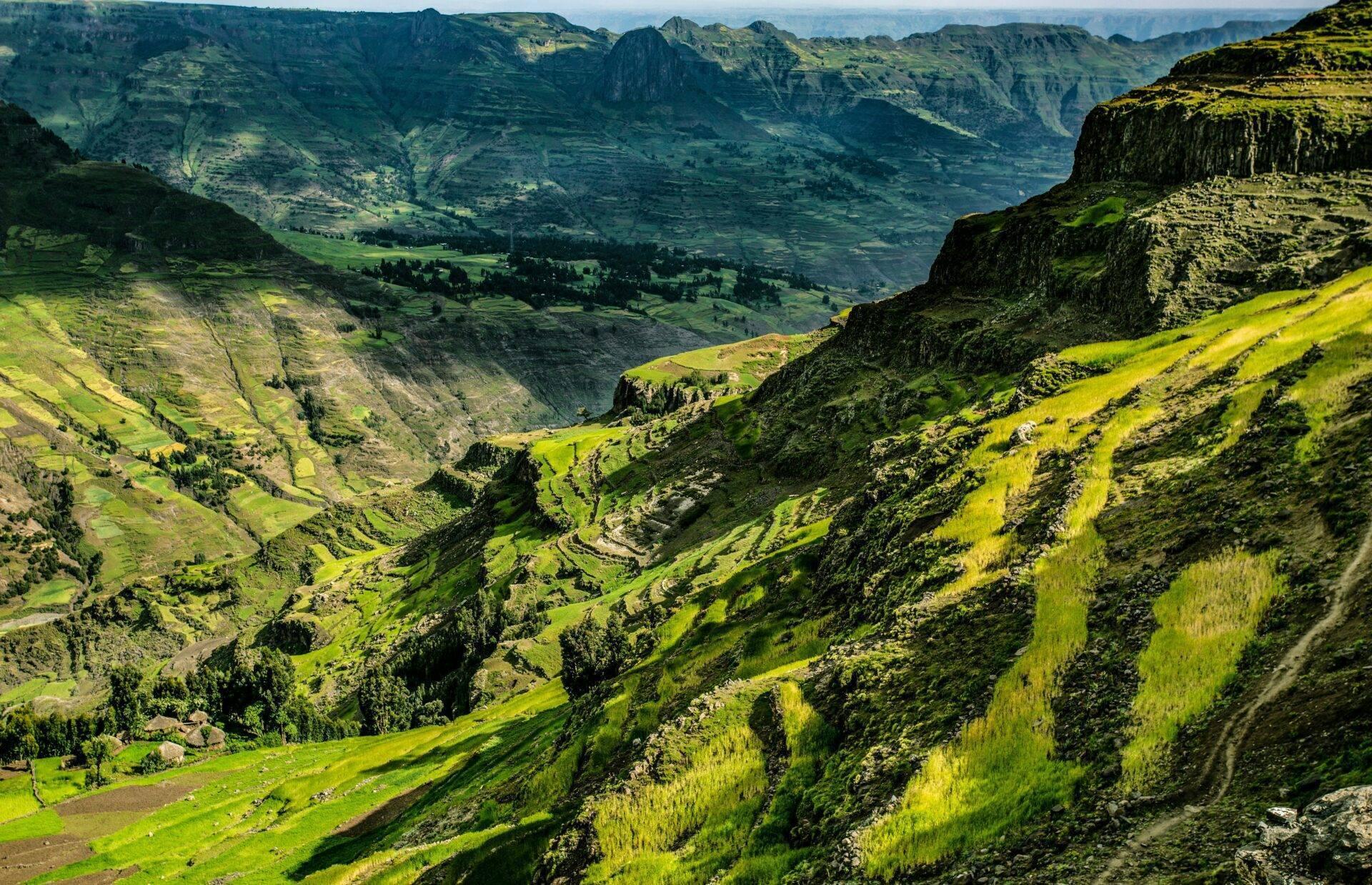
The Danakil Depression is one of the most inhospitable places on the planet: temperatures regularly topping 50°C, active volcanic terrain and salt deserts stretching as far as the eye can see. That is precisely the scale of it that draws travellers here. The Dallol site concentrates geothermal pools in shades of sulphur yellow, acid green and rust orange, in a landscape that has no equivalent at this scale anywhere on Earth. For other destinations that look like another planet entirely, our round-up of the world’s most otherworldly places pairs well with this itinerary.
10. Erta Ale and its permanent lava lake
Erta Ale is a shield volcano rising 613 metres in the Afar region. Its lava lake has existed almost continuously since at least 1906, making it one of the oldest on record. Such formations are exceptionally rare: only eight were documented worldwide in 2019. The night ascent to the crater is one of Ethiopia’s most visceral experiences, but it must be undertaken with a licensed guide and armed escort in this border region.
11. Lake Asale and its salt caravans
In the Danakil Depression, Lake Asale lies below sea level, one of Africa’s lowest points. Its white salt floor has been worked by the Afar people for centuries, cut into rectangular blocks and transported by camel caravan to markets in the Ethiopian highlands. These departing caravans are part of the daily scene that photographers travel from across the world to capture.
12. The Rift Valley lakes for birdwatching
The Rift Valley cuts through Ethiopia from north to south and strings together a series of shallow lakes exceptionally rich in birdlife. Lakes Abijatta and Shalla host colonies of flamingos alongside more than 300 recorded bird species in the area. The atmosphere, very different from that of the mountainous north, owes as much to the bush savanna as to the hot springs at the water’s edge.
Addis Ababa and cities with a character of their own
13. Addis Ababa, a capital in motion
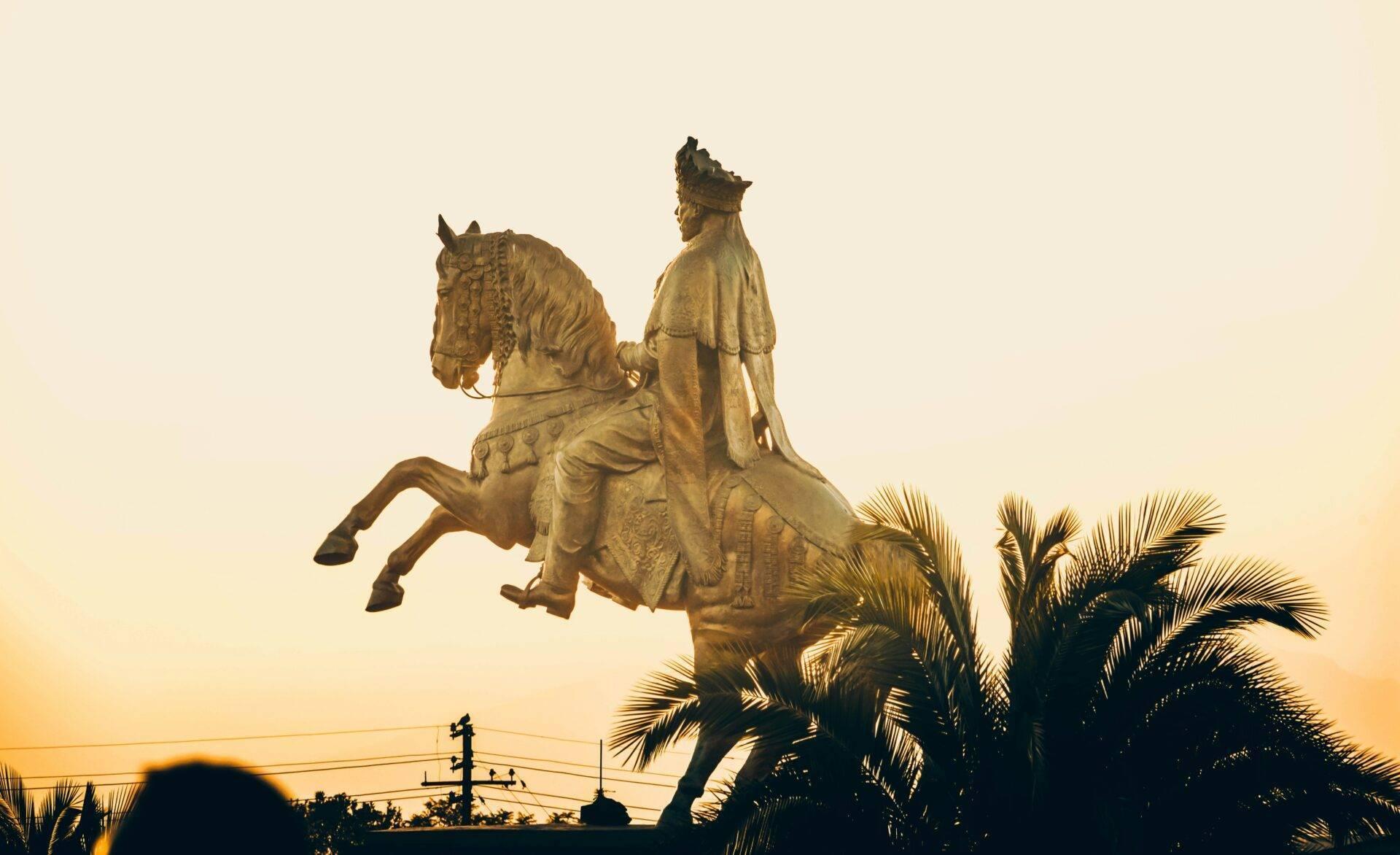
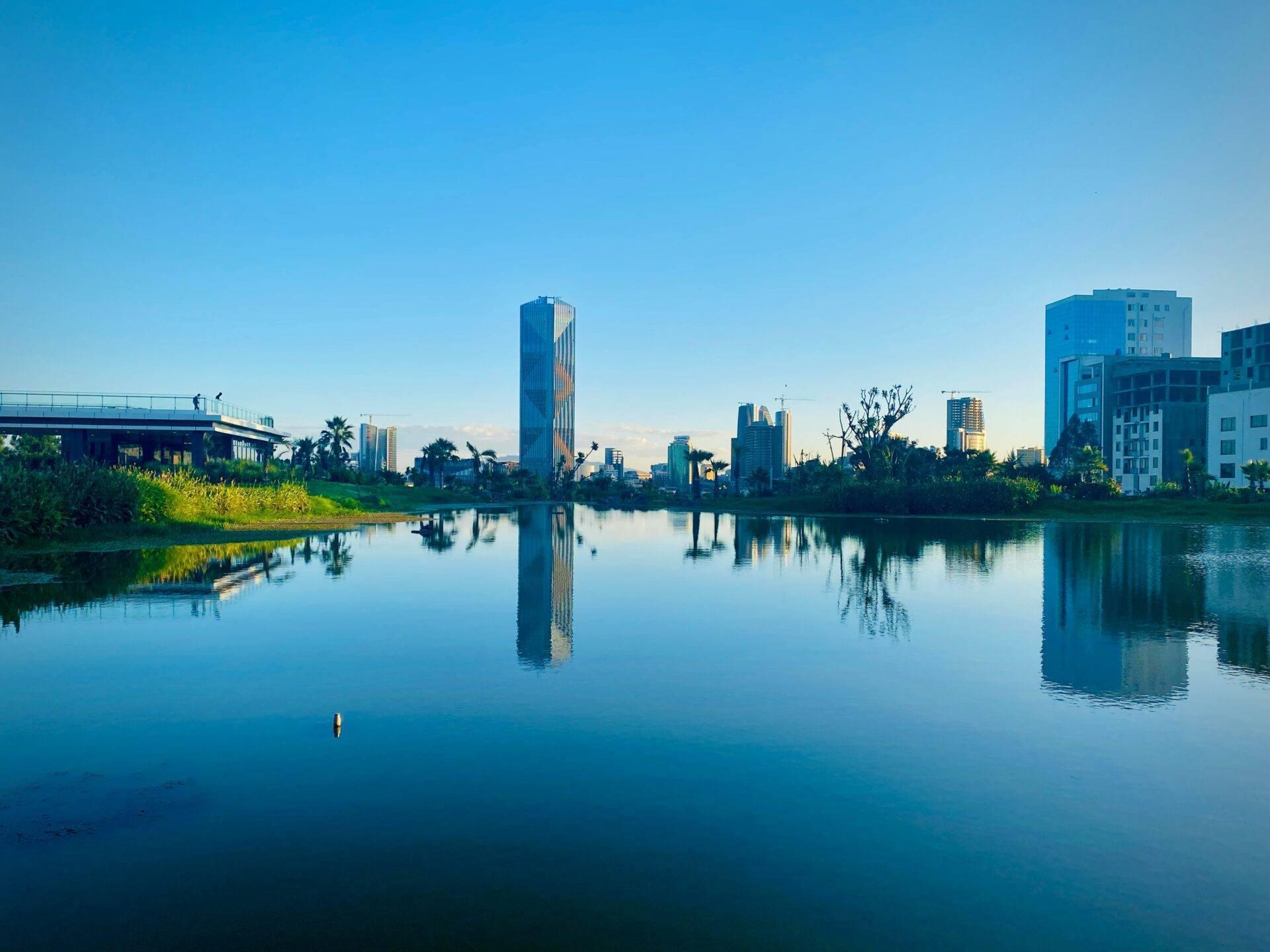
Addis Ababa, at 2,355 metres above sea level, is one of the fastest-changing capitals in Africa. The National Museum displays the skeleton of Lucy, an Australopithecus 3.2 million years old discovered in Ethiopia. The Mercato, one of the largest open-air markets in Africa, sprawls across several city blocks and sells everything from spices to electronics. The Bole district showcases the city’s modern side, with restaurants and contemporary art galleries.
14. Harar, the walled city of African Islam
Harar is an ancient walled city inscribed on the UNESCO World Heritage List, with a labyrinthine medina dense with centuries-old mosques and shrines. Its architecture blends African, Arab and Indian influences, visible on the colourful facades of traditional houses with their richly decorated interiors. This is a radically different Ethiopia from the north.
15. The nightly feeding of Harar’s hyenas
Every evening at nightfall, Harar’s “hyena men” call the wild hyenas that prowl the city gates by name and feed them by hand, sometimes mouth to mouth. This tradition, passed down through generations, is one of the most unforgettable experiences travellers bring home from Ethiopia.
16. Traditional markets: from the Mercato to Omo Valley market days
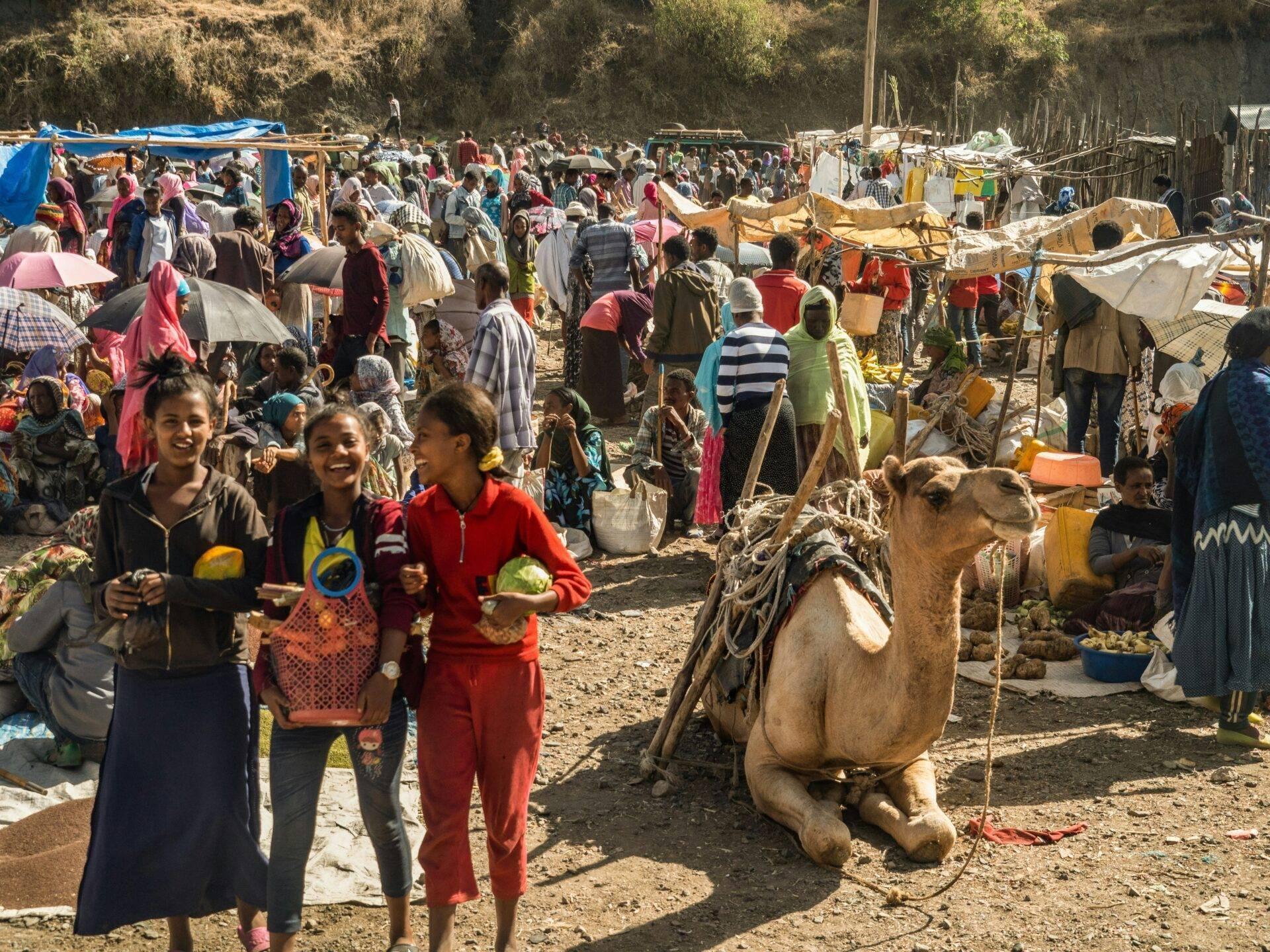
Ethiopian markets are worth your time. Fixed-day markets in the Omo Valley, camel markets in the north and the Addis Ababa Mercato are vivid slices of daily life, each utterly different from the last, where commerce and social ritual overlap in ways that are hard to find elsewhere.
Cultural experiences that transform a journey
17. The Omo Valley and its indigenous peoples
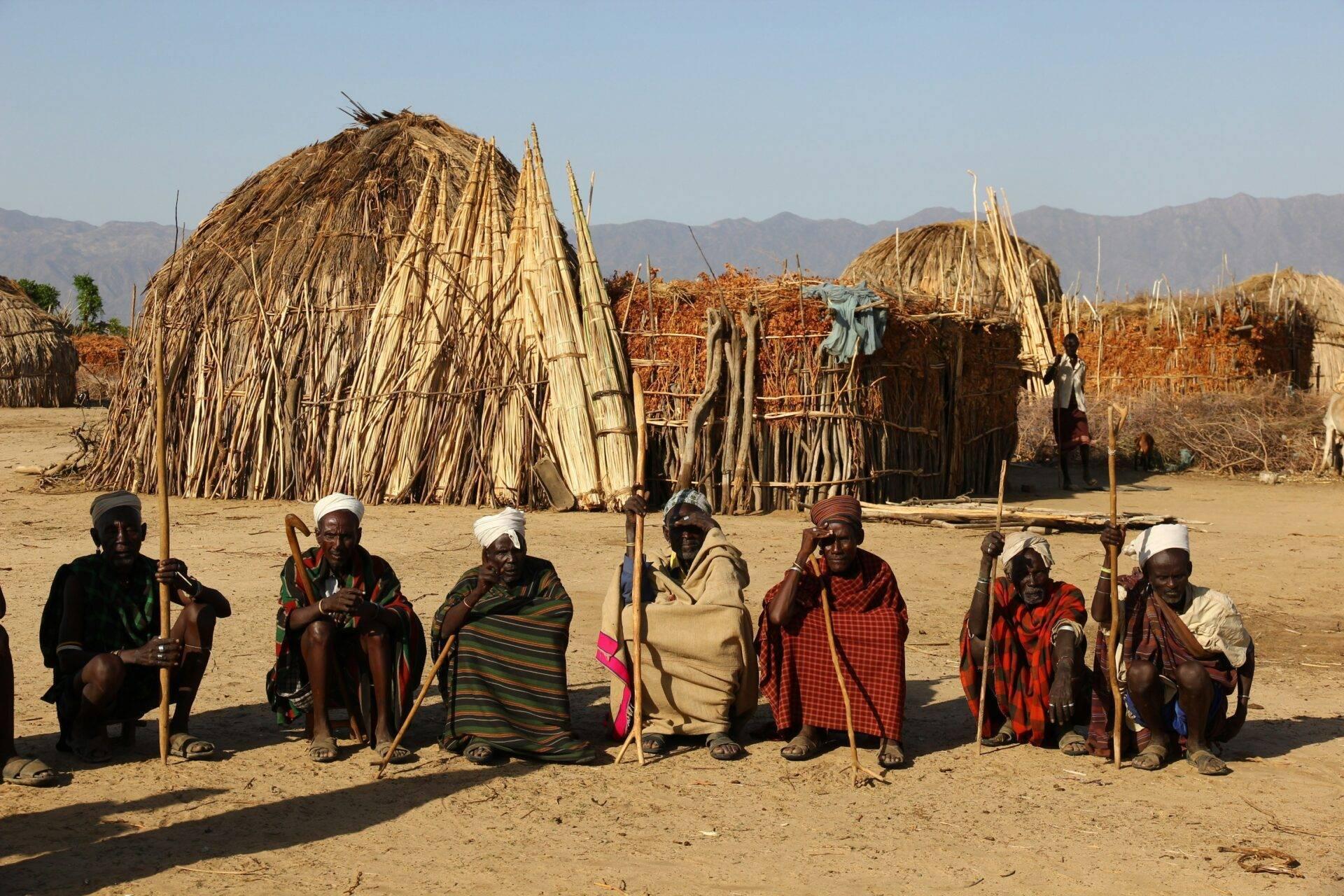
The Omo Valley, in the south of the country, brings together a concentration of ethnic groups found nowhere else in Ethiopia. The Mursi, Hamar, Karo and Dassanech peoples maintain coming-of-age rituals and pastoral practices that travellers come to document, though the risk of staged encounters grows as tourism expands. Asking which local operator redistributes revenue equitably is a question worth raising before you book.
18. The Ethiopian coffee ceremony
Ethiopia is the birthplace of arabica coffee, and the Kaffa region is recognised as the origin of the plant. The coffee ceremony is a daily social ritual in Ethiopian households: beans are roasted in a pan, ground by hand, brewed in a clay pot called a jebena and served in three successive rounds. Accepting an invitation to take part is one of the most genuine forms of hospitality this country has to offer.
19. Timkat, the Ethiopian Orthodox Epiphany
Every year on 19 January (Gregorian calendar), Ethiopia celebrates Timkat, the feast of Christ’s baptism and the most important date in the Ethiopian Orthodox calendar. Overnight processions precede ritual immersions in sacred pools. It is in Gondar and Lalibela that the festivities reach their peak. If you are planning your trip around this date, book accommodation several months in advance.
20. The Ethiopian table: injera, tej and speciality coffee
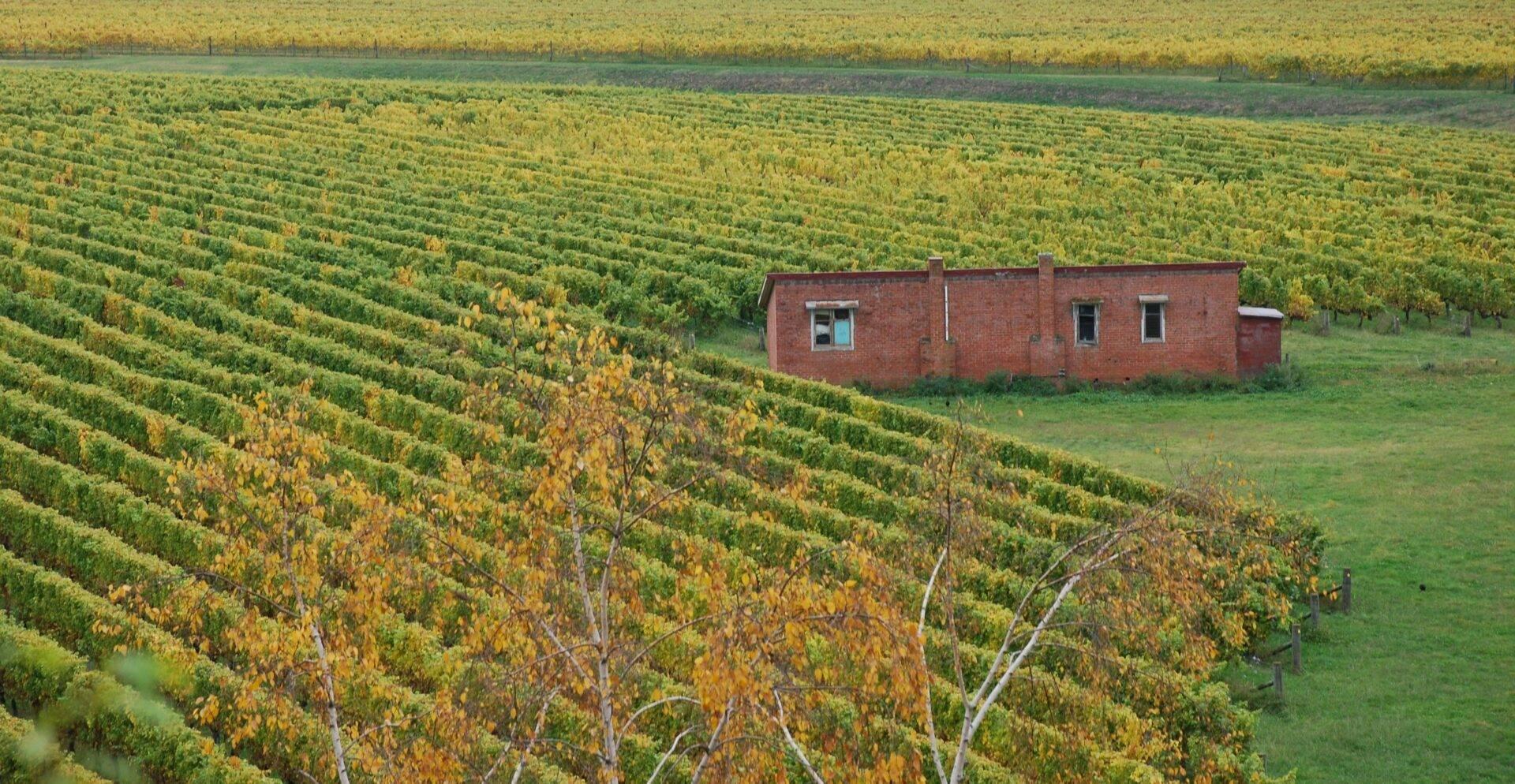
Ethiopian cuisine is built around injera, a large, slightly sour fermented teff flatbread that serves as both plate and edible utensil. Piled on top come lentil and vegetable stews (atkilt wot), spiced meats (tibs, doro wot) and fresh white cheese (ayibe). Tej, a fermented honey wine, is served in bulbous glasses called berele. Ethiopia’s highlands also support vineyards, a reflection of the agricultural diversity of a country with many distinct microclimates.
When to visit Ethiopia
The best time to visit runs from October to March, after the main rainy season. Skies are clear, tracks are passable and the vegetation stays green. The Danakil Depression is accessible year-round, but temperatures from November to January are far more bearable. Avoid July and August in lower-lying areas such as Harar or the Omo Valley due to heavy rainfall.
Planning your trip to Ethiopia
Ethiopia demands proper preparation: some regions are far from any medical centre, mountain roads require time, and the Danakil Depression ranks among the world’s most hostile environments. For practical details including visas, recommended vaccinations, currency and health precautions, see our full guide to Ethiopia travel insurance.
If you are building a wider East Africa itinerary, compare with things to do in Tanzania, Ethiopia’s neighbour, to put together a coherent African circuit.
FAQ
When is the best time to visit Ethiopia?
October to March, after the main rainy season. Skies are clear, roads are passable and temperatures are pleasant even at altitude. January is ideal for attending Timkat in Gondar or Lalibela.
How many days do you need to visit Ethiopia?
Allow a minimum of 10 days for the northern sites (Lalibela, Gondar, the Simien Mountains, Addis Ababa). Two weeks lets you add the Danakil Depression. Three weeks opens up the Omo Valley and the south of the country.
Can you visit the Danakil Depression without a guide?
No. The region requires a licensed guide and an armed escort. Agencies in Addis Ababa and Mekelle organise these tours, typically over 2 to 4 days departing from Mekelle.
Do you need vaccinations to travel to Ethiopia?
Recommendations vary depending on the areas you plan to visit and your vaccination history. Consult your doctor before departure and check the latest health precautions in our guide to Ethiopia travel insurance.
Is trekking in the Simien Mountains difficult?
Standard stages are manageable for any reasonably fit hiker. The ascent of Ras Dashen (4,533 m) requires serious preparation and prior acclimatisation to altitude: do not underestimate this.
What should you eat in Ethiopia?
Injera, a fermented teff flatbread, is the foundation of Ethiopian cooking, served with spiced stews (wot). Tej (fermented honey wine) and coffee prepared as part of a ceremony are the country’s signature drinks. The coffee ceremony, with beans roasted and brewed fresh on the spot, is an experience in its own right.