
Bangkok rewards those who take it one neighbourhood at a time. Its four most iconic districts – the Royal Palace on Rattanakosin Island, Chinatown, the banks of the Chao Phraya and Chatuchak Market – form a natural itinerary that can be covered comfortably in three to five days. Each area has its own pace, its own magic hours and its own unmistakable atmosphere.
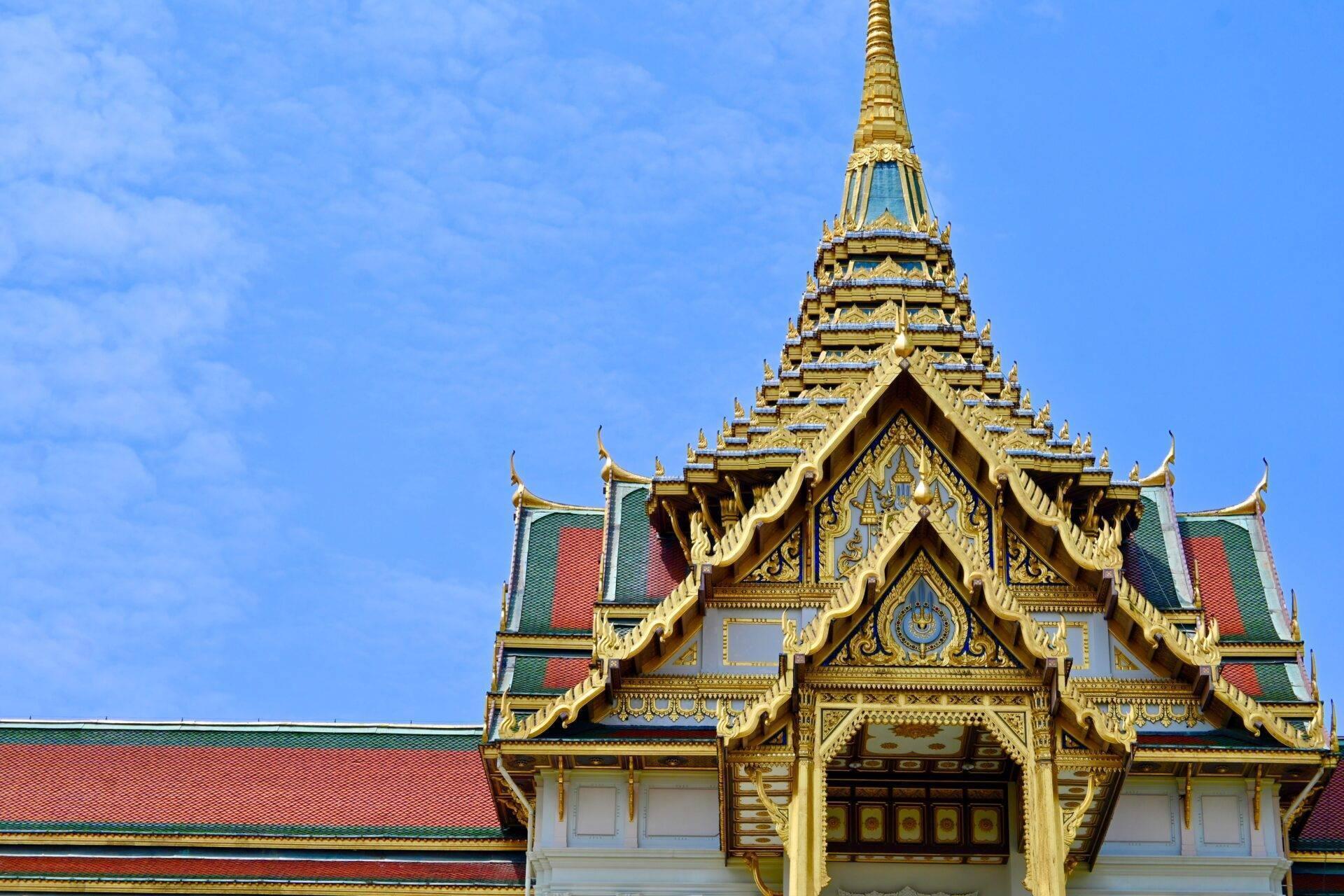
The Grand Palace and Rattanakosin Island
Rattanakosin Island is the historic heart of Bangkok. The city’s finest monuments are clustered within a few hundred metres of one another, making it the obvious starting point for any visit.
The Grand Palace and Wat Phra Kaew
The Grand Palace complex covers 22 hectares and is open daily from 8:30am to 3:30pm (last entry). Admission is 500 THB for foreign visitors and includes access to Wat Phra Kaew – the temple housing the Emerald Buddha, carved from a single block of green jade – as well as the Queen Sirikit Museum. Set aside three to four hours for a thorough visit.
One important note: covered shoulders and knees are required. Sarongs are available to borrow at the entrance if needed. Arriving at opening time helps you get ahead of the tour groups that begin flooding in mid-morning.
Wat Pho: the Reclining Buddha, five minutes on foot
Wat Pho is an easy walk from the Grand Palace. It houses a vast Reclining Buddha covered entirely in gold leaf – one of Bangkok’s most iconic images. The temple is also considered the birthplace of traditional Thai massage.
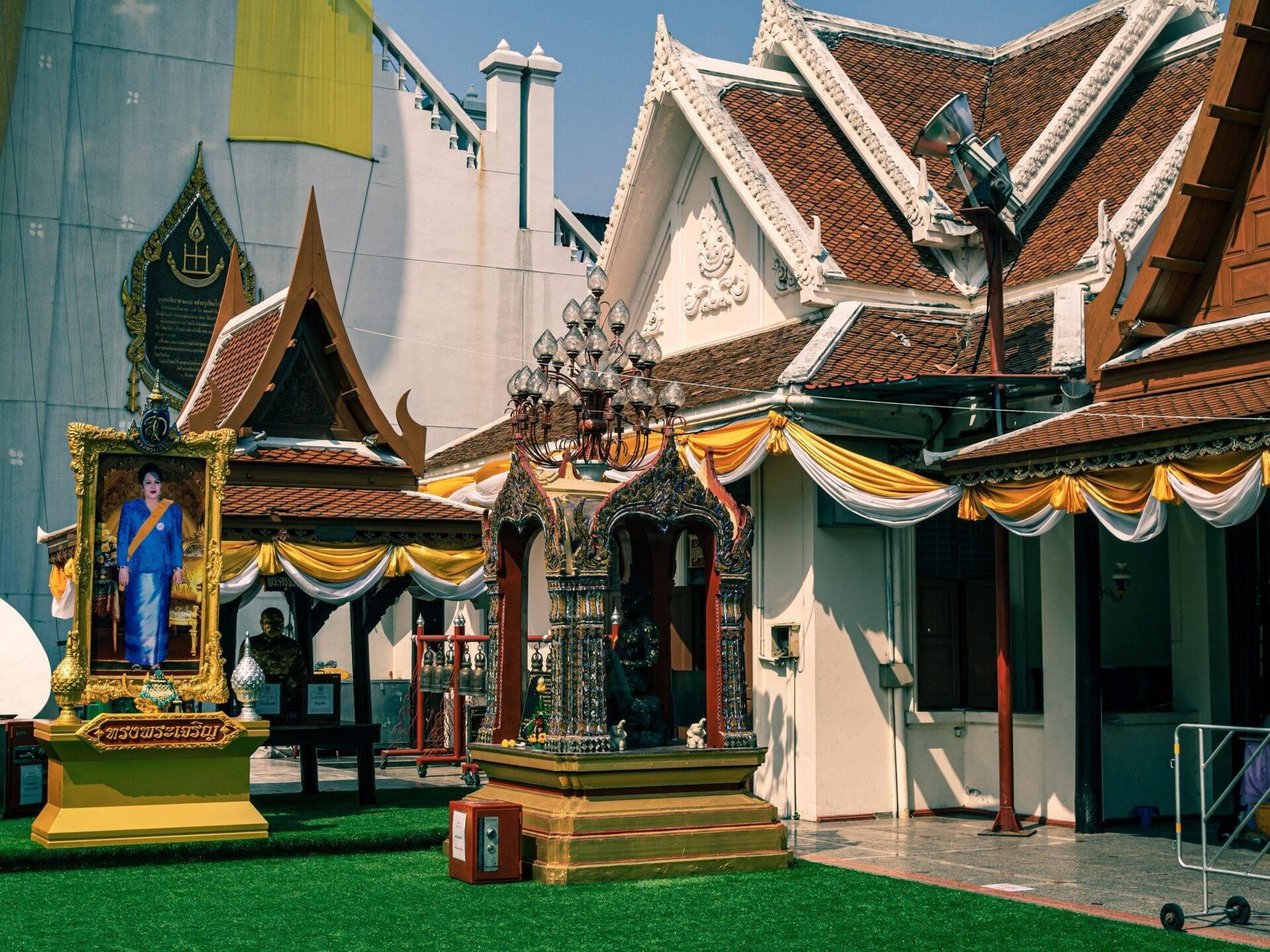
To make the most of the historic district, our guide things to do in Bangkok: the essential highlights covers every major site with practical visiting tips.
Chinatown (Yaowarat): the city’s other beating heart
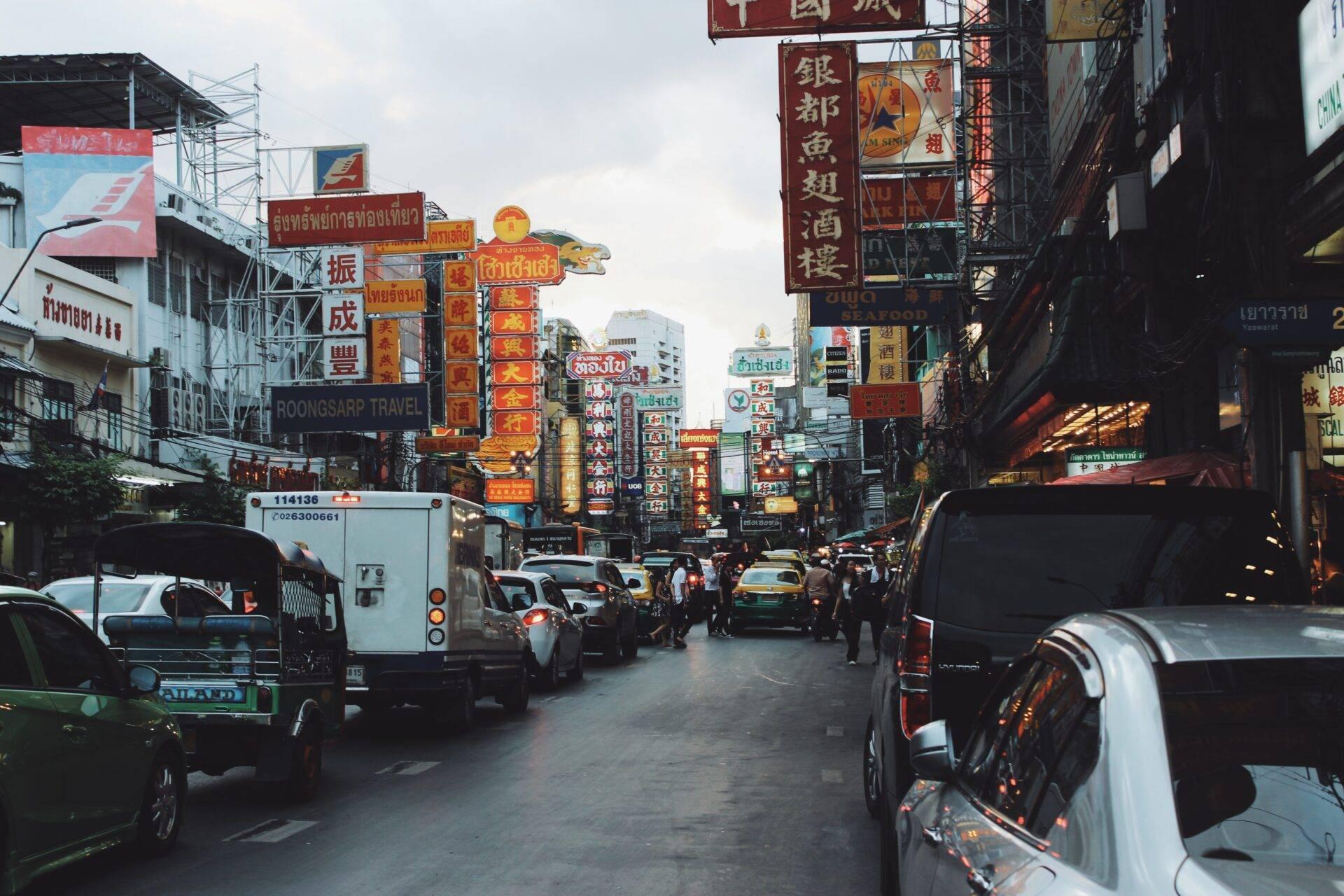
Bangkok’s Chinatown is centred on Yaowarat Road, its main artery lined with red-and-gold shopfront signs. This is one of the capital’s oldest neighbourhoods, established by Chinese merchants at the time Bangkok was founded in the late 18th century.
By day, the back lanes hide traditional herbalist shops, goldsmiths and temples – Wat Traimit shelters a solid-gold Buddha statue unlike anything else in the city. Come evening, the pavements transform into one long open-air feast. Dim sum, wok-tossed noodles and grilled seafood spill out across dozens of stalls from dusk onwards.
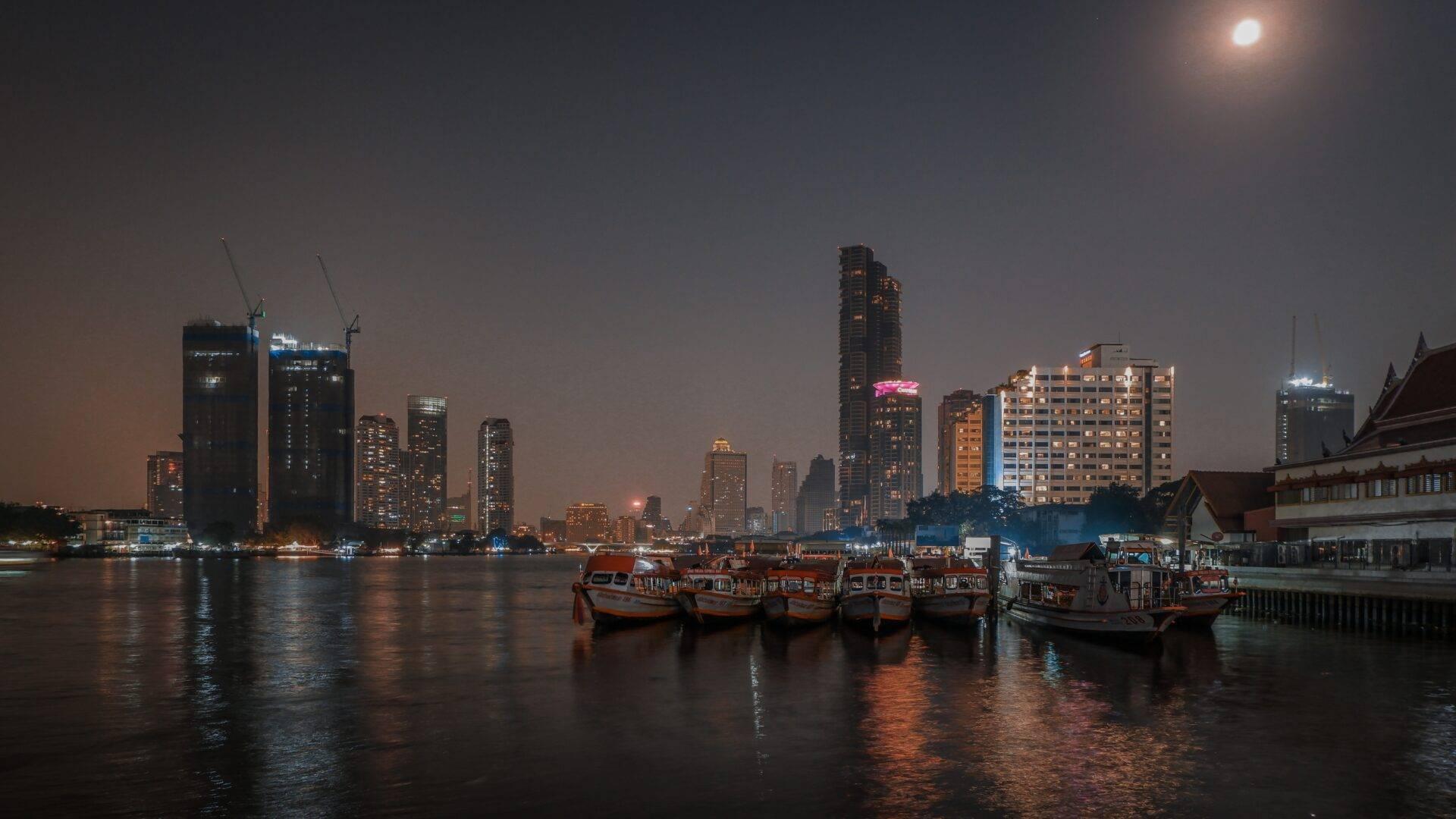
The Chao Phraya riverfront: temples and views along the water
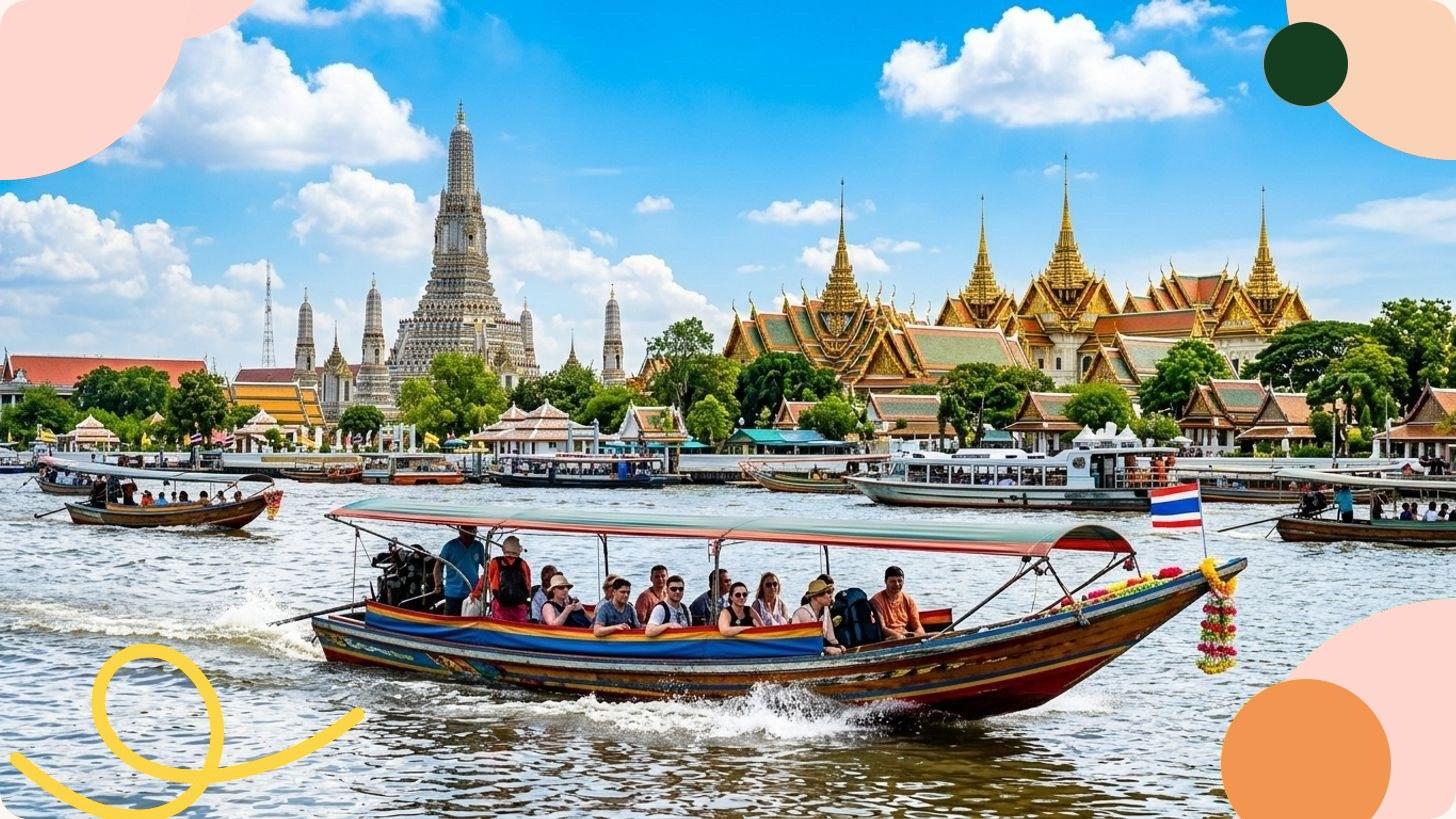
The Chao Phraya – whose name means “Lord of the Waters” in Thai – flows through Bangkok from north to south. Some of the capital’s finest sights line its banks, and the river ferry remains one of the most enjoyable and affordable ways to hop between neighbourhoods.
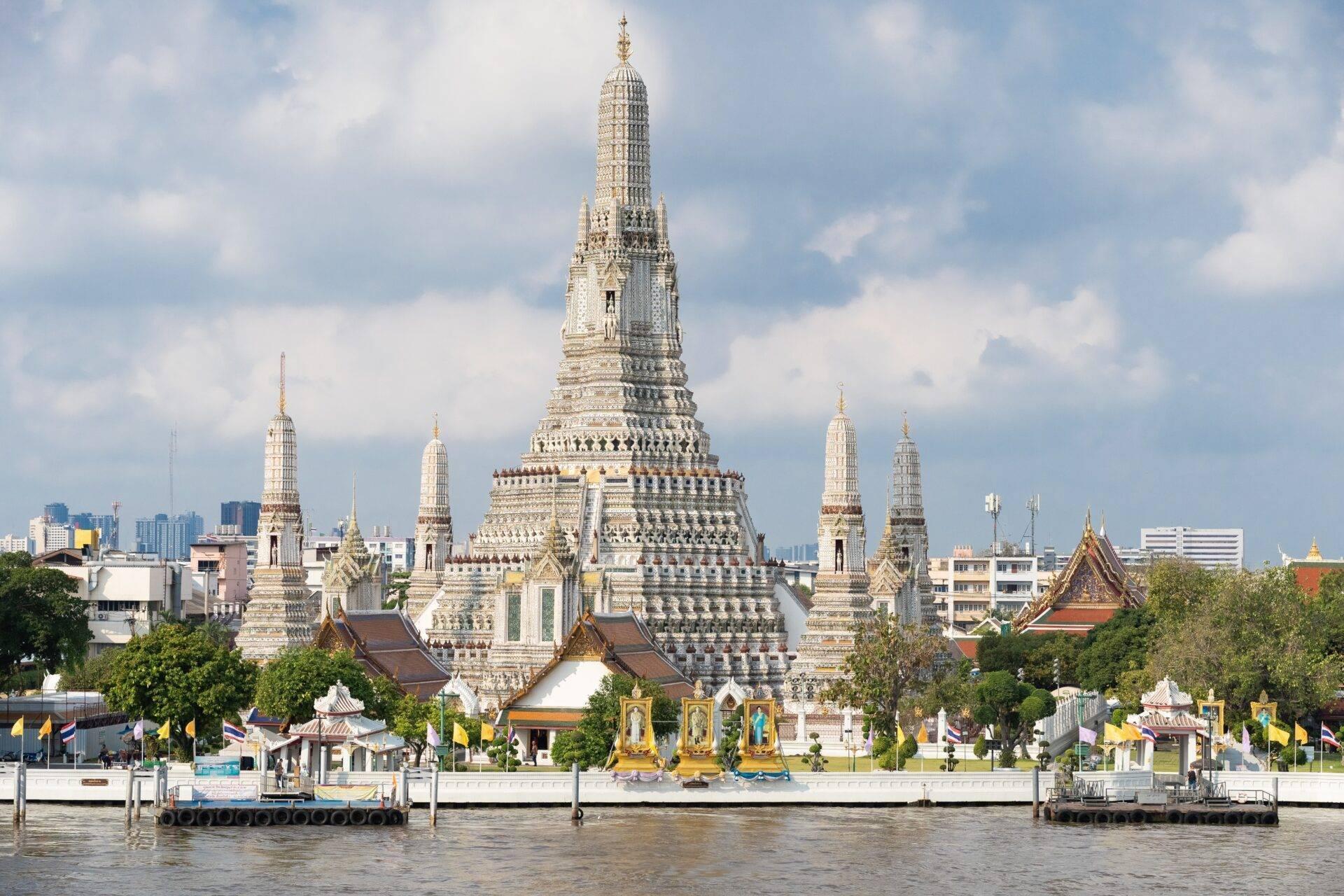
Wat Arun, the Temple of Dawn
Wat Arun stands on the west bank of the Chao Phraya, directly opposite the historic district. Its prangs (spires) are encrusted with thousands of fragments of coloured porcelain that shimmer in the sunlight – and glow even more dramatically at sunset, photographed from the opposite bank.
To get there, take the cross-river ferry from Tha Tien Pier, a two-minute walk from Wat Pho: the crossing takes just a few minutes and costs a handful of baht. The temple is open from 8am to 6pm and charges a paid admission (check the current rate on arrival).
Chatuchak Market: 15,000 stalls to explore at the weekend
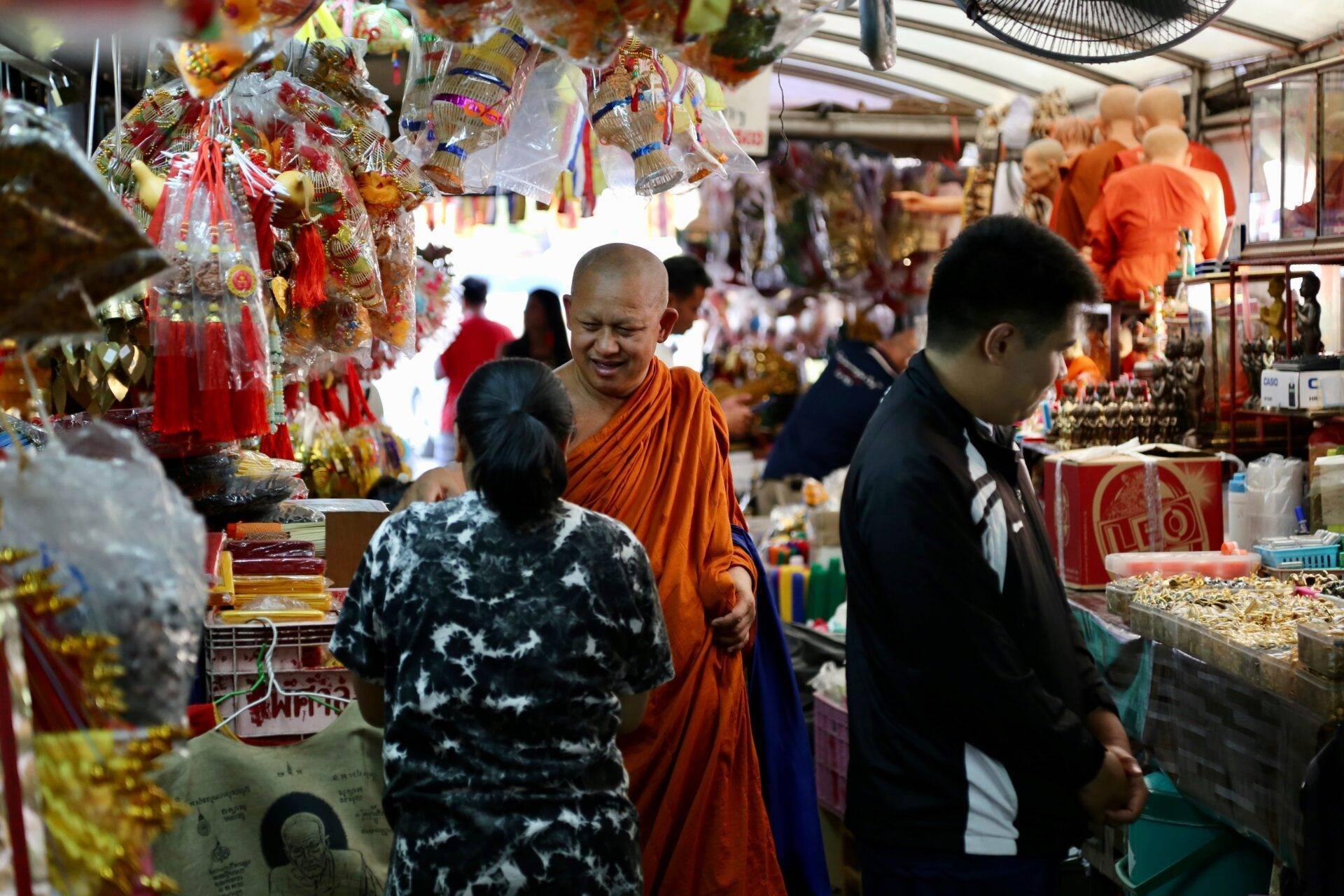
Chatuchak Market is the largest open-air market in Thailand. Open Saturday and Sunday from 9am to 6pm, it brings together more than 15,000 stalls across 27 sections: vintage clothing, local crafts, exotic plants, antiques, religious objects and street food.
The whole site covers around 14 hectares and draws close to 200,000 visitors every weekend. Entry is free. A map is handed out at the Information Centre near the entrance – pick one up, as it is genuinely essential for navigating this labyrinth.
Practical tip: arrive between 9am and 11am to beat the afternoon heat and the crowds. The market is served directly by the BTS (Mo Chit station) and the MRT (Chatuchak Park or Kamphaeng Phet stations).
Other Bangkok neighbourhoods worth exploring
Khao San Road
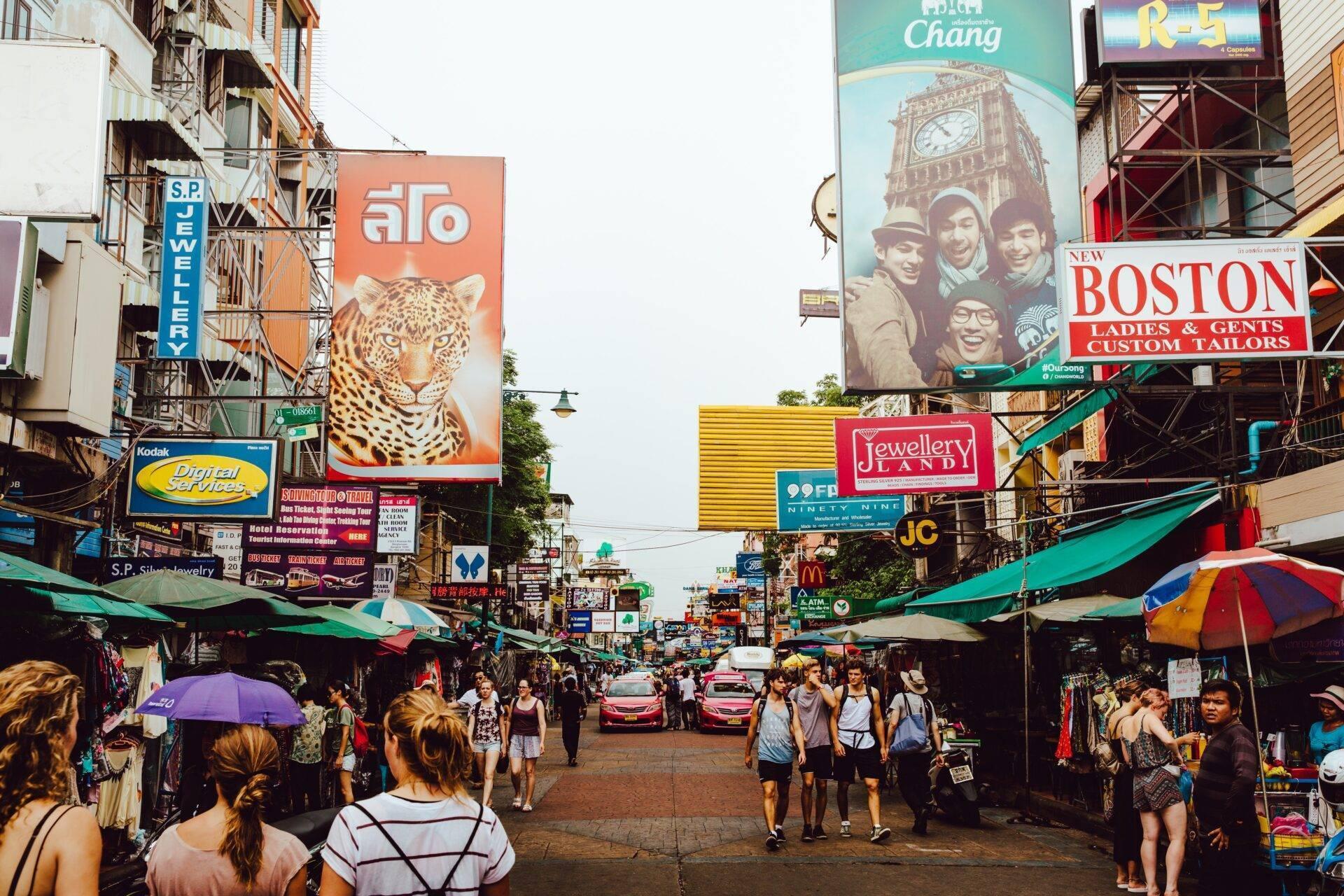
Khao San Road is the best-known street among travellers passing through Bangkok. Guesthouses, cafes and street food stalls line it from morning to night. It is also a convenient base for walking into the historic Rattanakosin district.
Lumphini Park
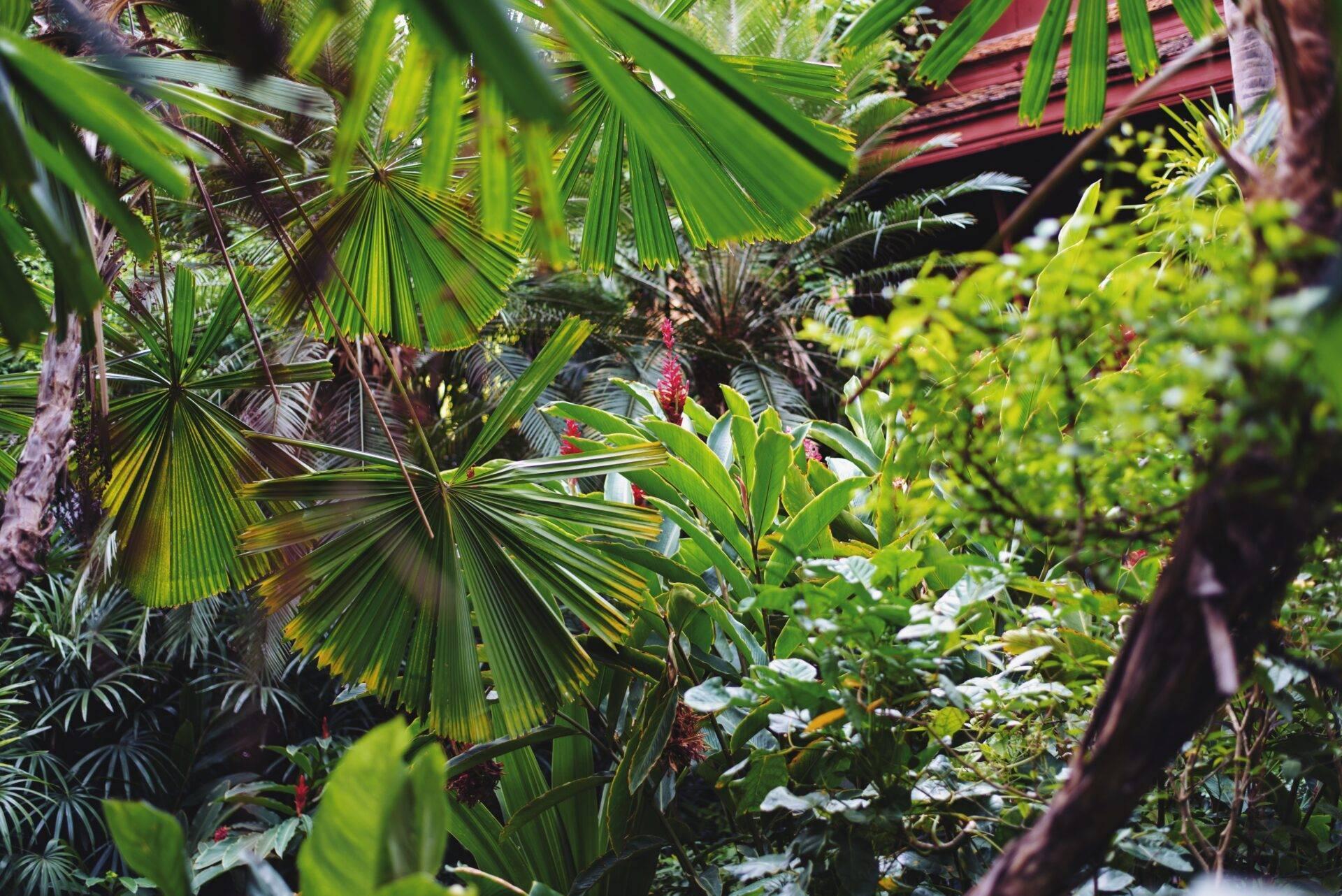
Right in the middle of the Silom business district, Lumphini Park offers a welcome breathing space from the density of the city. On weekday mornings, groups gather by the lake for tai chi and yoga. A perfect place to recharge between sightseeing.
Muay Thai
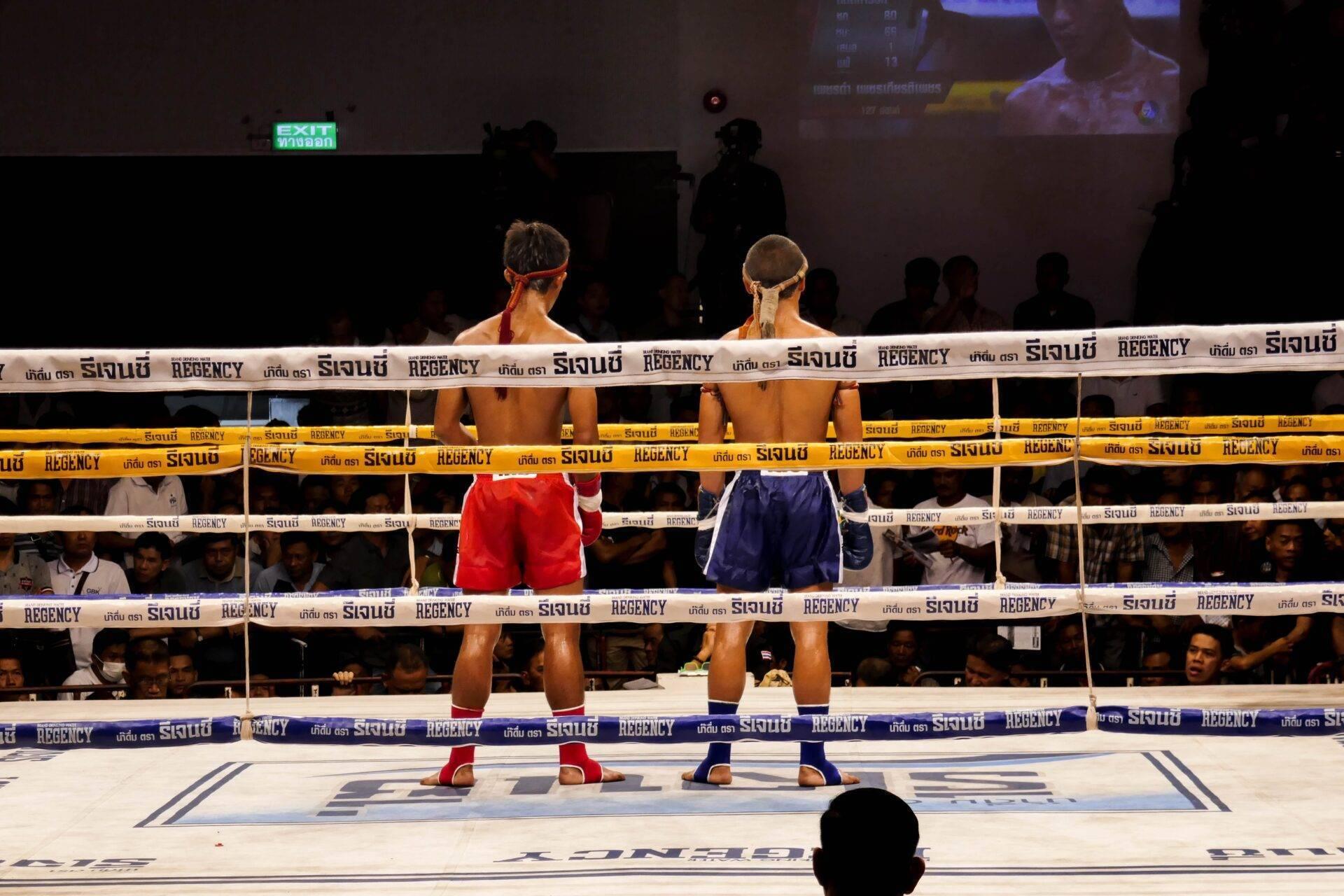
Watching a Thai boxing bout at one of Bangkok’s major stadiums is an experience you will not find anywhere else. The atmosphere in the stands – with local punters and commentators in full voice – is a world apart from the tourist-oriented shows put on elsewhere in the city.
Shopping and modern Bangkok
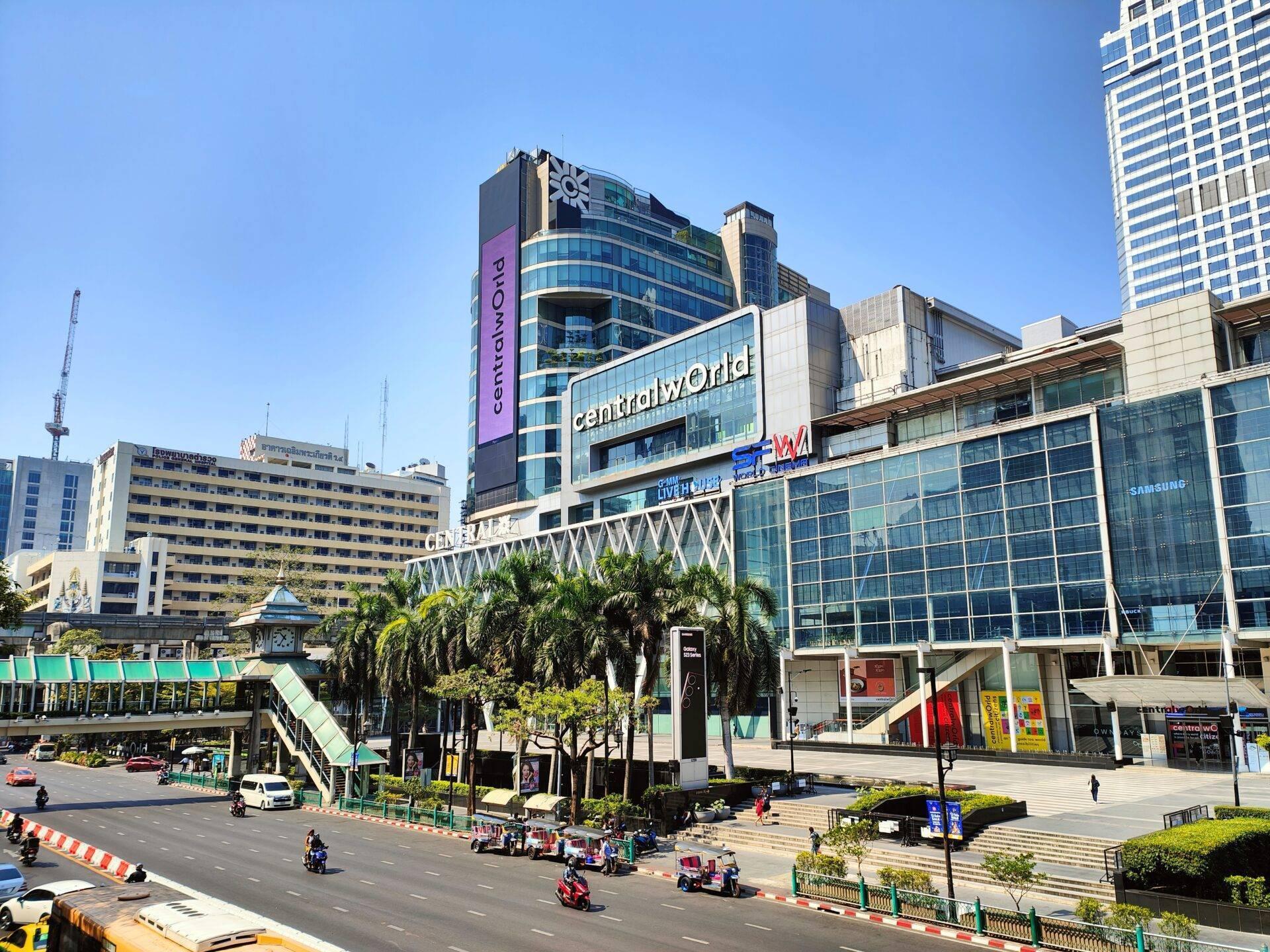
The Siam district and the area around Ratchaprasong are home to the capital’s main shopping malls. The tuk-tuks weaving through the avenues remain one of the most convenient options for short hops, and one of the city’s most enduring visual symbols.
Planning your itinerary neighbourhood by neighbourhood
Grouping visits by area avoids unnecessary cross-city journeys in a city this vast.
Day 1, Rattanakosin: Grand Palace and Wat Phra Kaew from opening at 8:30am, Wat Pho in the afternoon, Wat Arun via the river ferry at the end of the day to catch the sunset.
Day 2, Chinatown and the river: morning at Wat Traimit or a riverside stroll, lunch in the back lanes of Chinatown, evening on Yaowarat Road for the street food.
Day 3, Chatuchak and the park: Chatuchak Market in the morning (Saturday or Sunday only), Lumphini Park or the Siam district in the afternoon.
Day 4 (optional): Khao San Road, an evening of Muay Thai, or a day trip to Ayutthaya.
For getting around, the BTS Skytrain covers the modern districts (Siam, Silom, Sukhumvit) efficiently in air-conditioned comfort, while the Chao Phraya river ferry serves the historic Rattanakosin area. For anywhere not covered by these, app-based taxis (Grab) are the most reliable and affordable fallback.
If Bangkok has whetted your appetite for more of the country, our guide things to do in Thailand: 20 absolute must-sees is the natural next read.
Before you go, find everything you need to know about entry requirements, health considerations and cover on our Thailand travel insurance page.
FAQ
How many days do you need to visit Bangkok?
Three days is enough to cover the main neighbourhoods at a brisk pace. Five days gives you more breathing room to explore the night markets, museums and day trips to nearby destinations such as Ayutthaya or the floating markets.
What is the best time of year to visit Bangkok?
The cool, dry season from November to February is the most pleasant: temperatures are more manageable and rainfall is rare. The hot season from March to May is not recommended for intensive outdoor sightseeing. From June to October, short but heavy downpours are frequent.
How do you get around Bangkok?
The BTS Skytrain and MRT cover the modern districts quickly and in air-conditioned comfort. The Chao Phraya river ferry serves the historic Rattanakosin area. For anywhere not on these networks, app-based taxis (Grab) are reliable and inexpensive.
Is the Grand Palace open every day?
The Grand Palace is open daily from 8:30am to 3:30pm (last entry). Admission is 500 THB for foreign visitors and includes the Emerald Buddha temple. The site may occasionally close for royal ceremonies – it is worth checking ahead of your visit.
Is Chatuchak Market open every day?
The full market is open on Saturdays and Sundays only, from 9am to 6pm. Entry is free. Aim to arrive before 11am to make the most of the cooler, quieter morning hours before the afternoon heat and crowds build up.