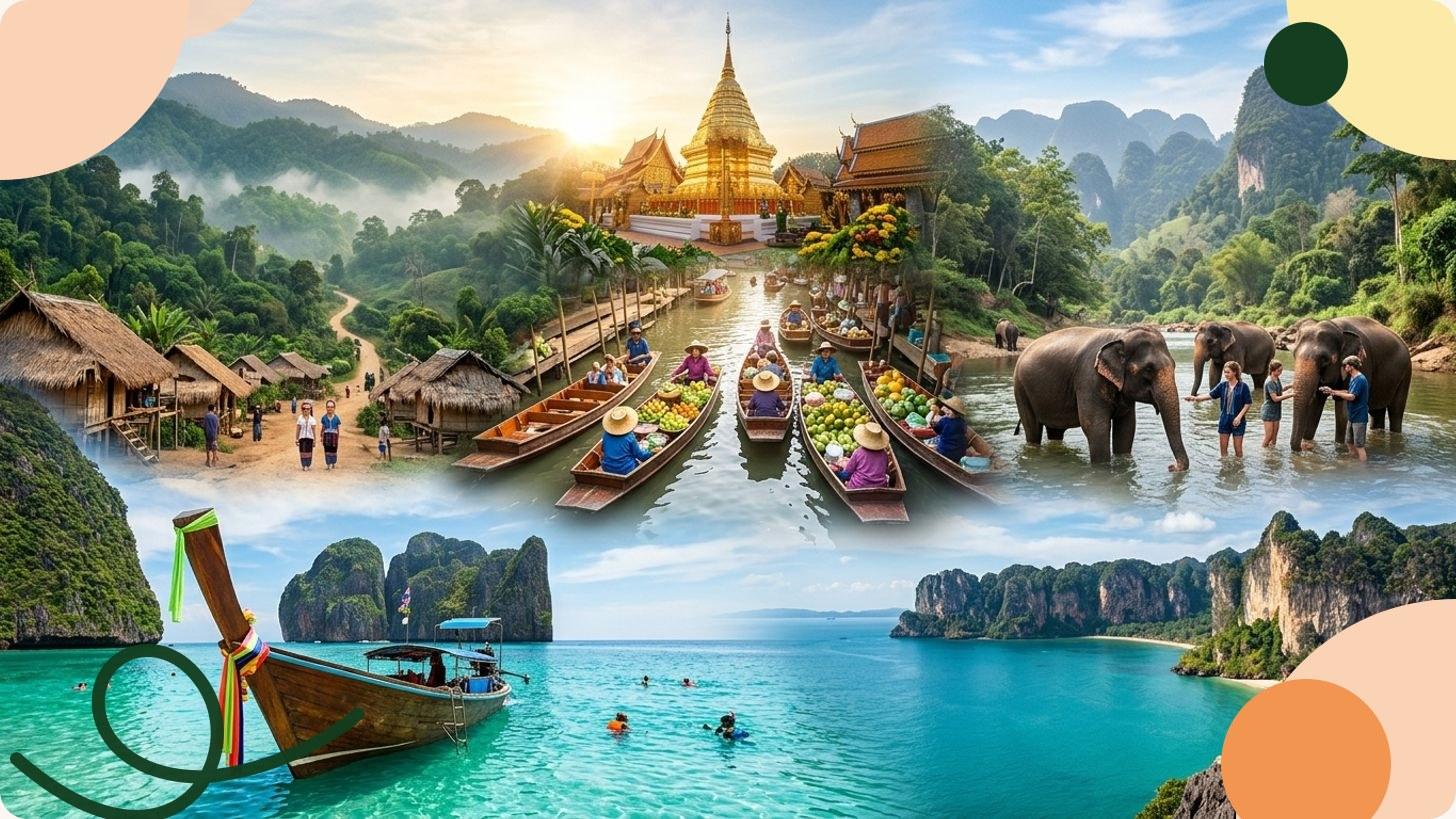

Thailand falls neatly into three distinct zones: the historic, mountain-fringed North; Bangkok and its crown of ancient cities; and the South, where turquoise-water archipelagos stretch to the horizon. Here are 20 places and experiences that cover the best of the country, from ruined temples to white-sand beaches.
The North: Temples, History and Mountains
1. Chiang Mai, Cultural Capital of the North
The former capital of the Lanna kingdom, Chiang Mai is Thailand’s second city. Its old town is encircled by a moat and a fortified wall punctuated by four cardinal gates. Inside, dozens of temples sit alongside night markets and neighbourhood bars, in an atmosphere far more relaxed than Bangkok’s.
Doi Suthep National Park is home to Wat Phrathat Doi Suthep, reached by climbing 300 steps to the summit, from where the views over the plain below are spectacular. The temple’s gilded statues are among the finest in the North.
2. Elephant Sanctuaries
Around Chiang Mai, several sanctuaries take in and care for elephants rescued from the tourism and logging industries. A day spent watching them bathe, feeding them and learning their stories is often the most powerful memory visitors take home from the North. Choose a place that bans riding and runs no performing shows.
3. Chiang Rai and the White Temple
About three hours north of Chiang Mai, Chiang Rai is best known for the Wat Rong Khun, the White Temple. Conceived by Thai artist Chalermchai Kositpipat in 1996, the structure is entirely coated in white plaster and mirror fragments that catch the sunlight in dazzling fashion. Nothing else in Thailand looks quite like it.
4. Sukhothai, the First Capital of Siam
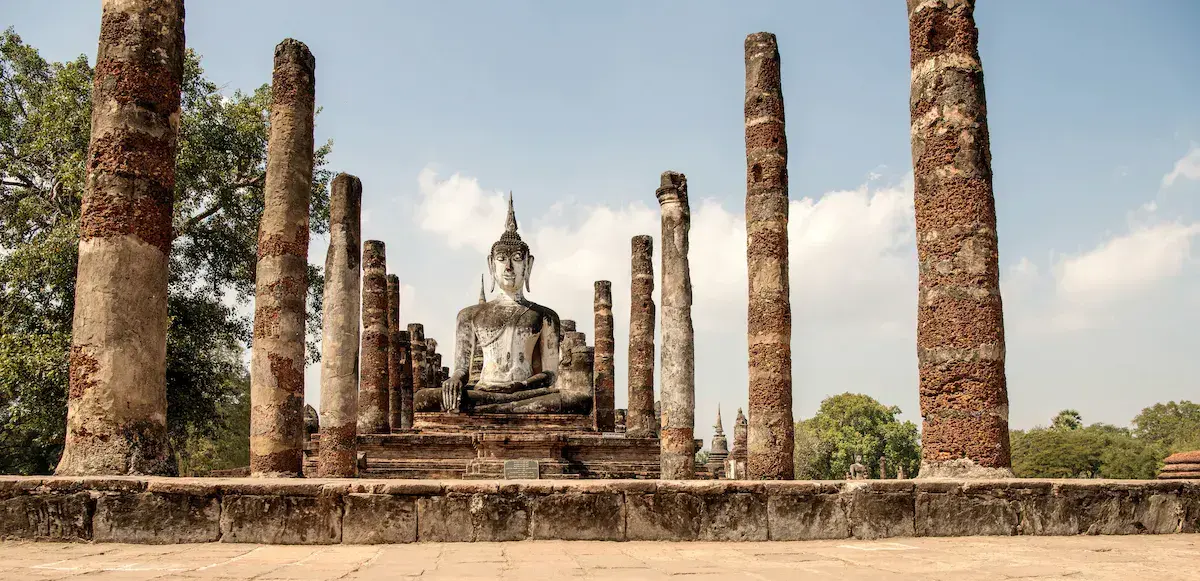
Listed as a UNESCO World Heritage Site, Sukhothai is a vast open-air archaeological park regarded as one of the most impressive historical sites in the country. The central zone contains the best-preserved temples, including Wat Mahathat with its reflecting ponds. In the northern sector, Wat Si Chum shelters a seated Buddha roughly 15 metres tall, whose silhouette towers above the mandapa walls.
Exploring by bicycle, available from the park entrance, remains the best way to move between the different zones at your own pace.
5. Trekking in the Northern Mountains
The hills around Mae Hong Son and the Burmese border offer treks lasting one to five days through dense forest, with nights spent in Karen or Hmong villages. The landscape shifts as the altitude rises, and time spent with mountain communities is often the highlight of any stay.
Insure my trip to Thailand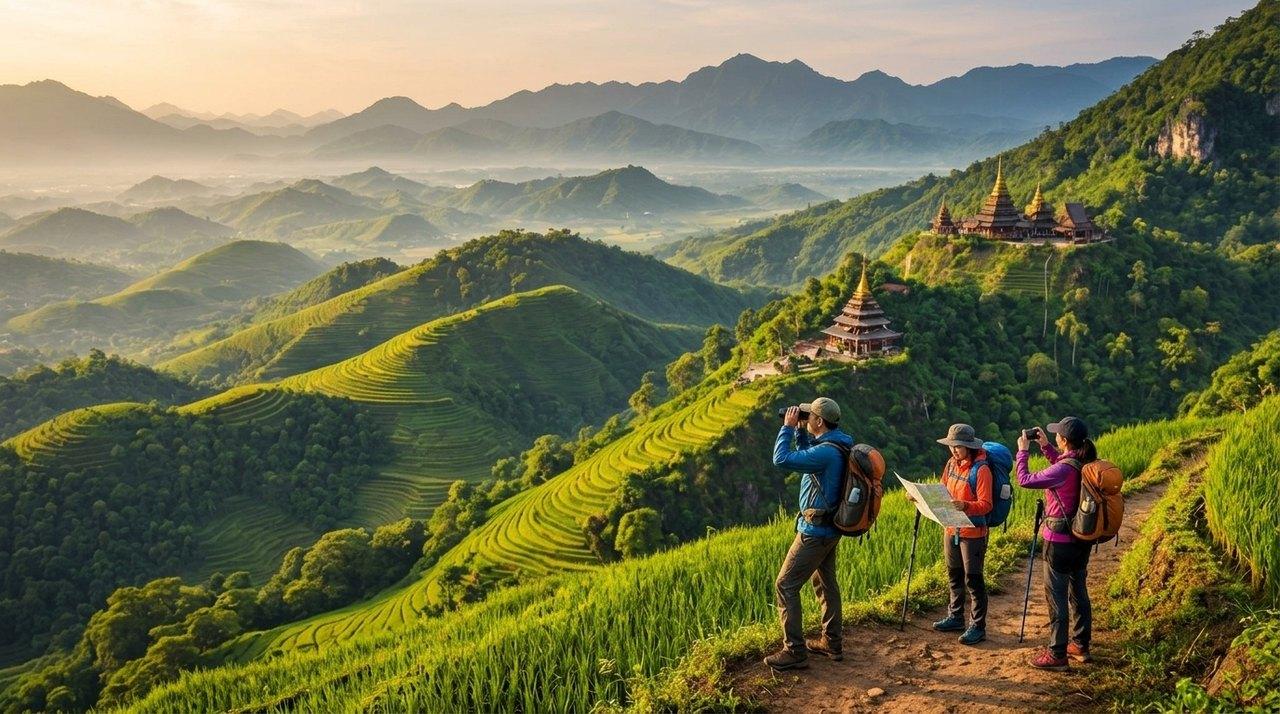
Bangkok and Surroundings
6 and 7. The Grand Palace and Wat Pho
The Grand Palace houses Wat Phra Kaew and its Emerald Buddha, a revered statue whose ceremonial costume is changed with the seasons. Next door, Wat Pho shelters a reclining Buddha more than 45 metres long, covered from head to toe in gold leaf. It is also the historical birthplace of traditional Thai massage: a massage school still operates on the grounds today.
For a neighbourhood-by-neighbourhood guide to the capital, our Bangkok neighbourhood guide covers these sites and all the other highlights of the city.
8. Wat Arun, the Temple of Dawn
Rising above the bank of the Chao Phraya river, Wat Arun is distinguished by its towers encrusted with fragments of coloured porcelain. You can climb the structure for a direct view over the river and the city skyline.
9. Chinatown and its Alleyways
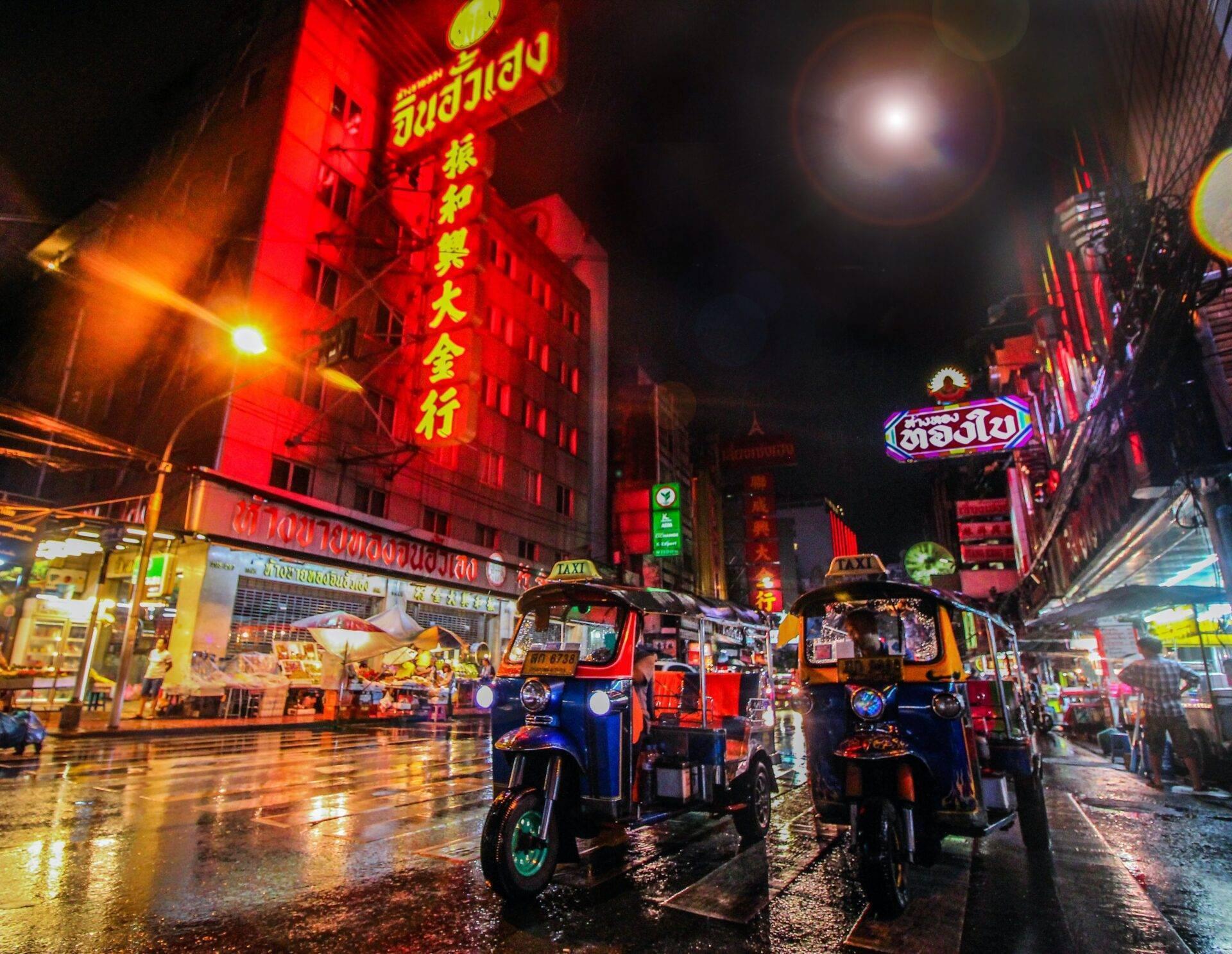
The Yaowarat district never truly sleeps. After dark, food stalls spill onto the pavements: roast duck, dim sum, grilled seafood. It is one of the best places in Bangkok to eat well without spending a fortune.
10. The Floating Markets
Less than an hour from Bangkok, the Damnoen Saduak floating market is the most iconic in the country. Vendors sell tropical fruit, flowers and ready-cooked dishes from their boats. The experience is best enjoyed early in the morning, before the tour groups arrive.
For a full rundown of things to do in the capital, our Bangkok travel guide lists the best options by type of experience.
11. Chatuchak, the World’s Biggest Weekend Market
Open on Saturdays and Sundays, Chatuchak Market lines up more than 15,000 stalls across 26 sections: vintage clothing, plants, antiques, street food. Allow at least half a day.
12. Kanchanaburi and the Bridge over the River Kwai
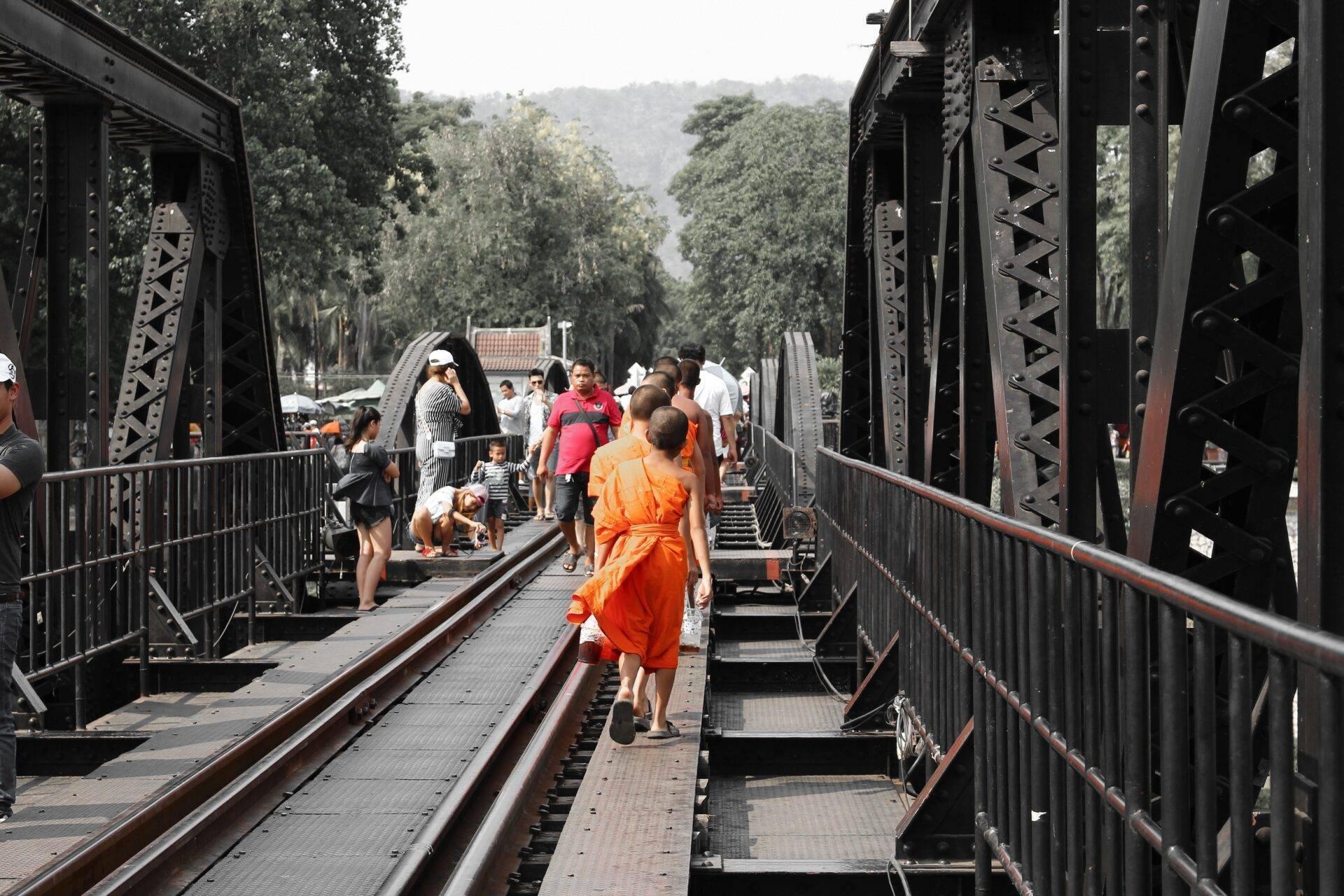
130 kilometres west of Bangkok, Kanchanaburi is known for the Bridge over the River Kwai, a symbol of the forced labour endured during the Second World War. The town’s museum covers this chapter with care and rigour. Kanchanaburi itself is leafy and relaxed: the Erawan waterfalls and Sai Yok National Park each justify half a day. Spending a night in one of the floating hotels on the river is an experience in itself.
13. Ayutthaya, the Ancient Royal Capital
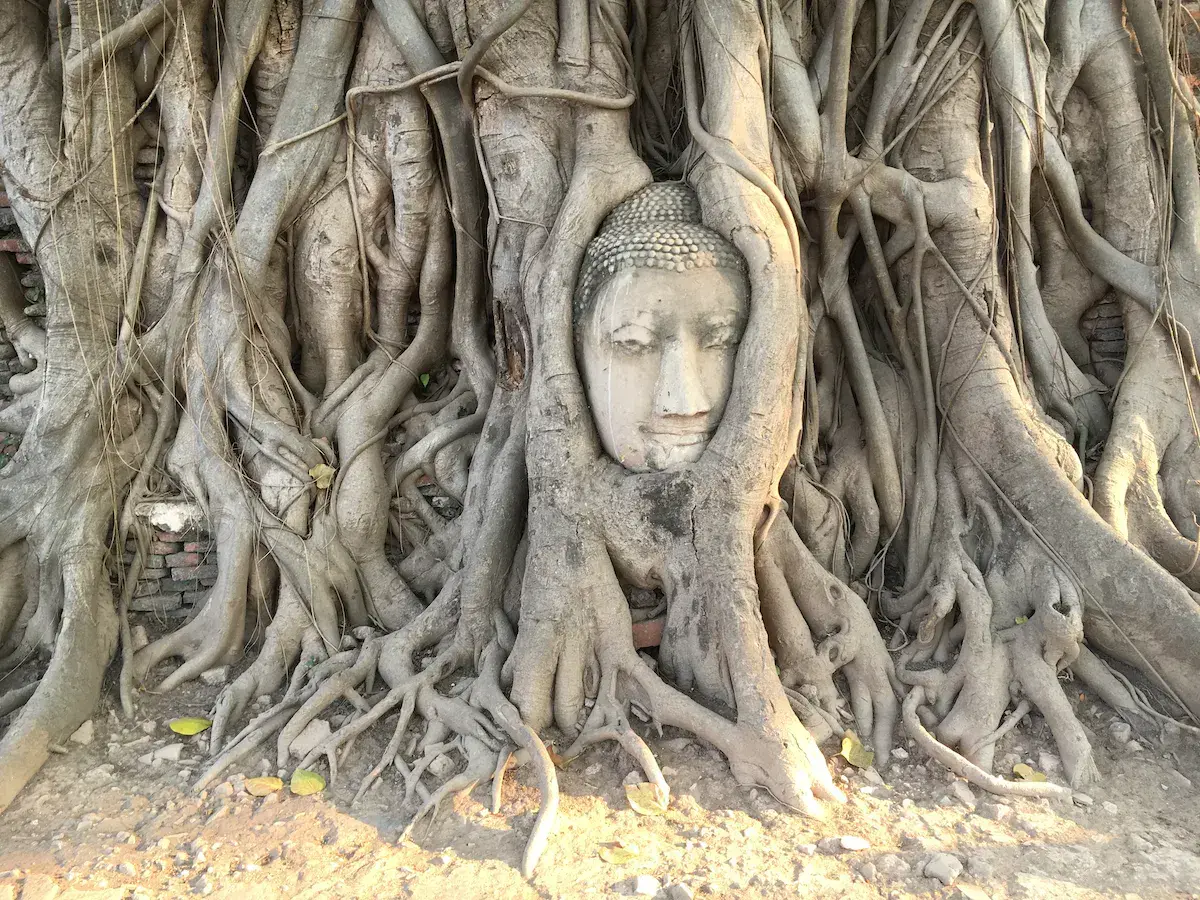
Seventy-five kilometres north of Bangkok, Ayutthaya was the capital of the Kingdom of Siam for more than four centuries before its destruction in 1767. Its ruins, listed as a UNESCO World Heritage Site, still speak to the city’s former power. The most photographed image on the site is the Buddha head at Wat Mahathat, gradually encased over the centuries in the roots of a fig tree. Bicycles and tuk-tuks are the best ways to move between the various temples scattered across several sites.
14. Lopburi, the Monkey City
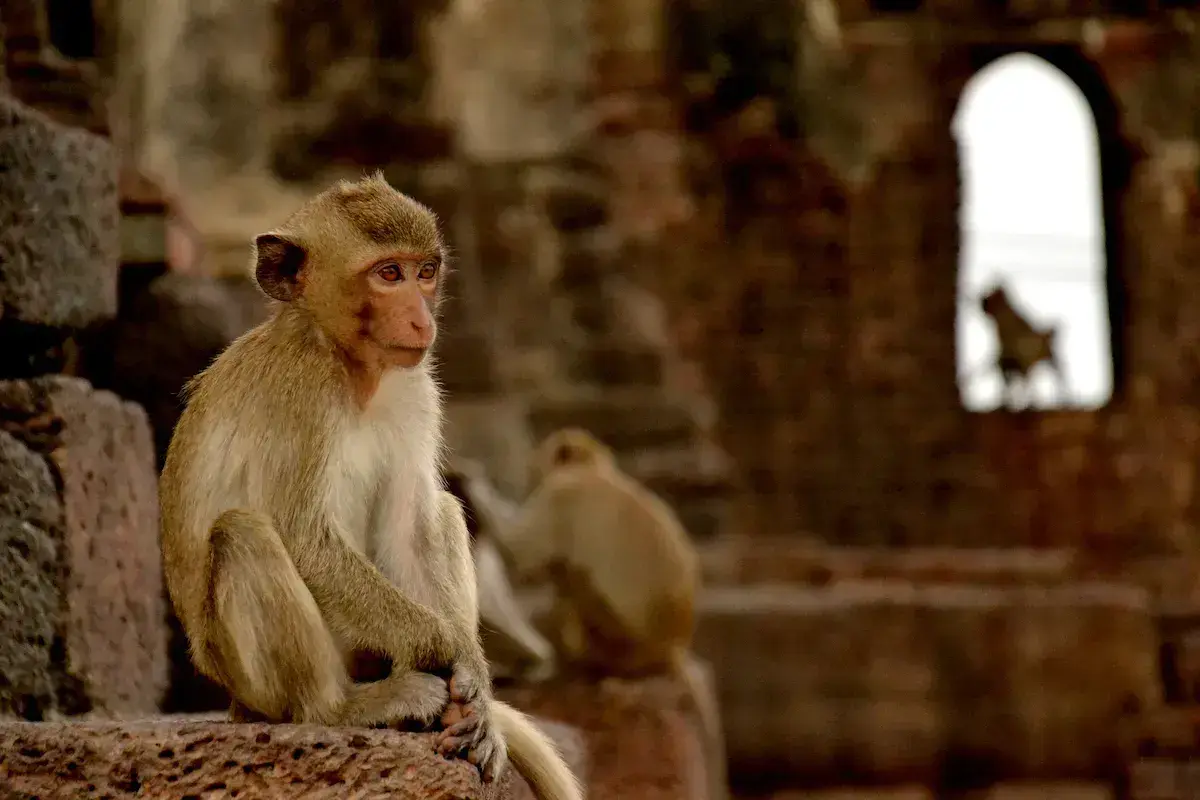
An hour from Ayutthaya, Lopburi is famous for the macaques that have colonised certain temples and alleyways. Keep bags and sunglasses well out of reach: these are wild animals with a talent for snatching anything that catches their eye.
The South: Beaches and Islands
15. Phuket, the Big Island
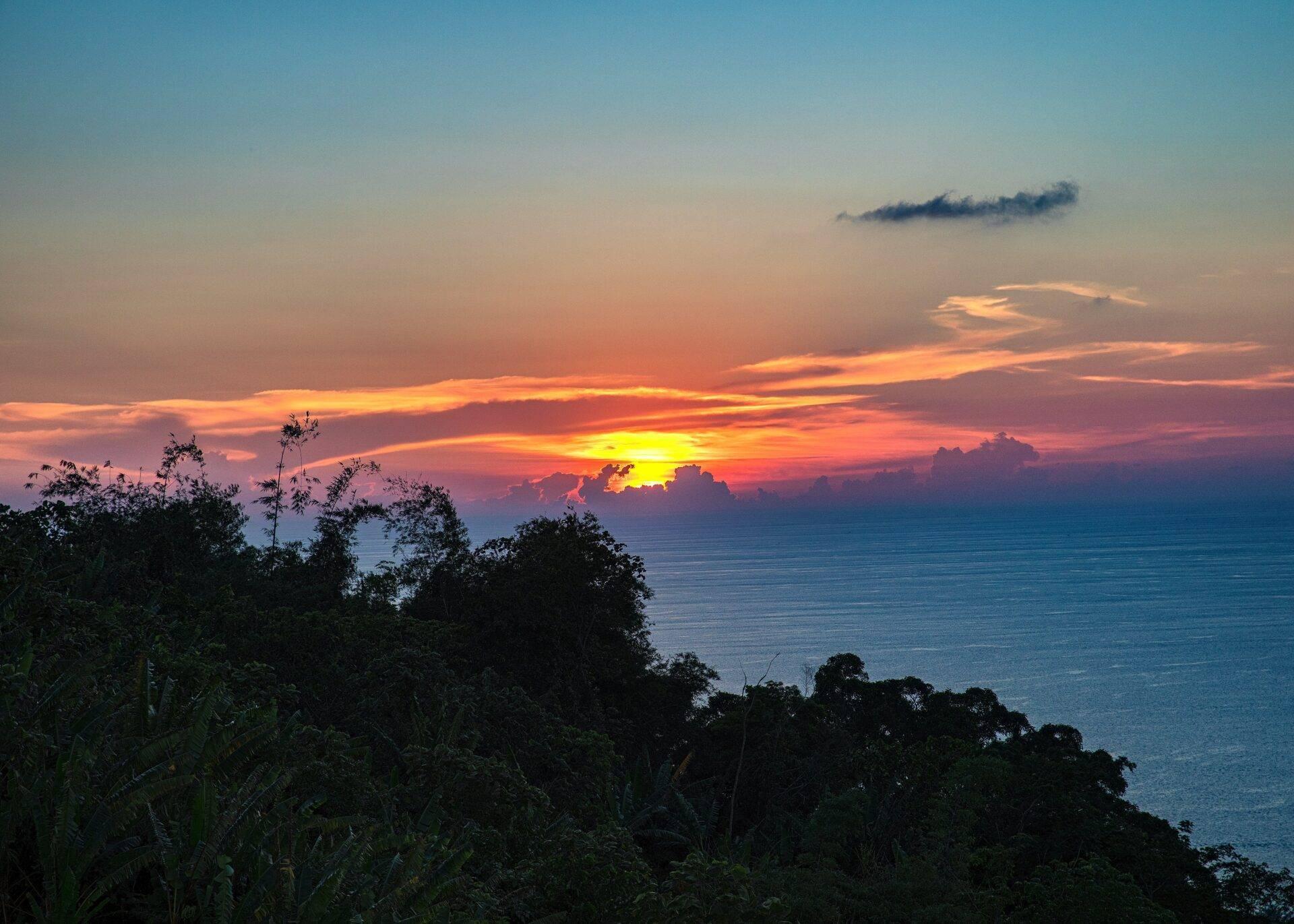
Thailand’s largest island, Phuket covers the full spectrum of activities: diving, kayaking, rock climbing on limestone cliffs, nightlife. Nai Harn Bay and Cape Panwa offer a quieter atmosphere than the beaches on the island’s northern side. Old Phuket Town, with its colourful Sino-Portuguese shophouses, is worth a morning’s wander.
16. Krabi and the Limestone Cliffs
On the west coast, Krabi is the jumping-off point for excursions to the Phi Phi Islands and James Bond Island (Khao Phing Kan). The limestone cliffs plunging into the Andaman Sea draw climbers and kayakers, in an atmosphere more peaceful than Phuket’s.
17, 18 and 19. Koh Tao, Ko Pha Ngan, Koh Samui
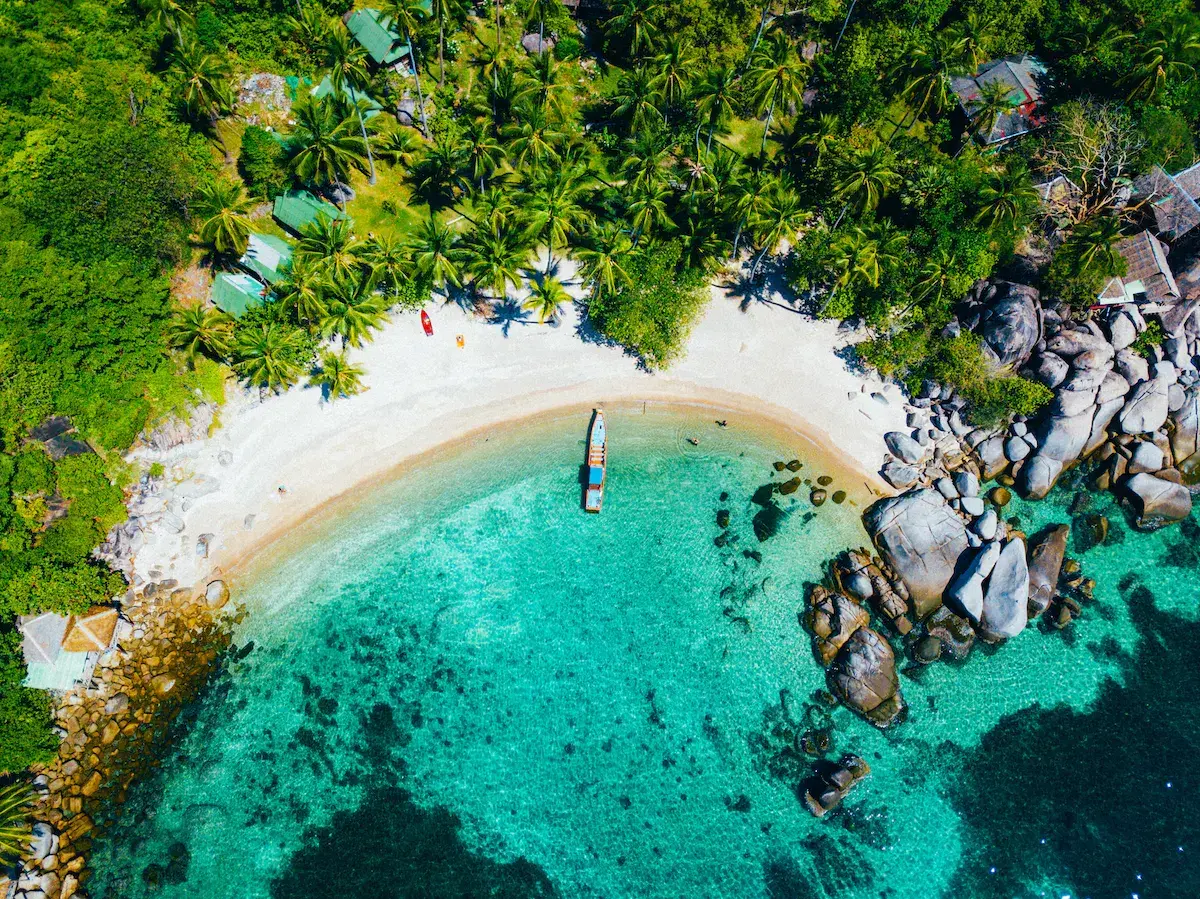
In the Gulf of Thailand, each island has its own personality. Koh Tao is the go-to destination for diving, with sites accessible to complete beginners. Ko Pha Ngan alternates quiet beaches by day with its legendary Full Moon Party each month. Koh Samui has an international airport and a range of upscale hotels, ideal for those who want comfort alongside stunning scenery. Further offshore, the Similan Islands rank among the finest diving sites in South-East Asia.
Isan: Off the Beaten Track
20. Isan and Khao Yai National Park
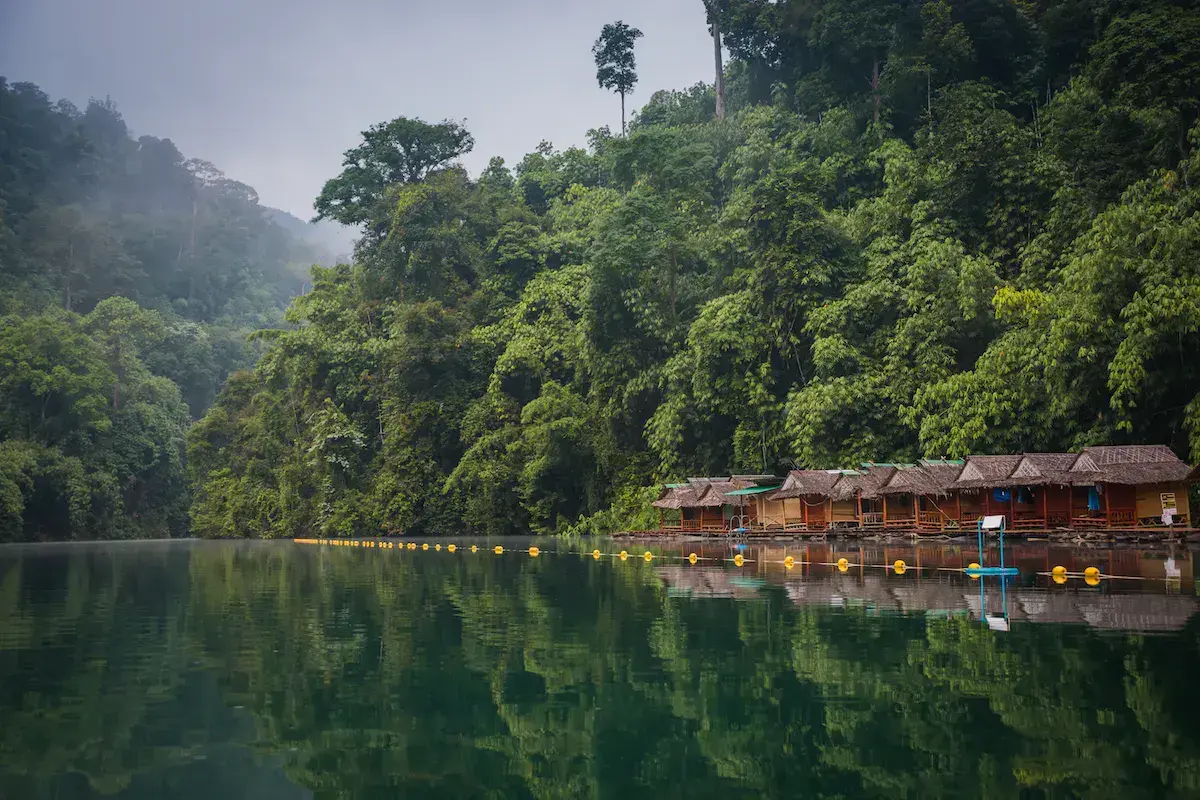
The Isan plateau in the north-east is one of the regions least visited by foreign tourists. Yet its traditional villages, fiery cuisine and rice-paddy landscapes make it a compelling destination in its own right. Khao Yai National Park, a UNESCO World Heritage Site, is home to wild elephants, gibbons and a remarkable variety of bird species.
On the edge of the park, Khao Yai Art Forest installs contemporary artworks on formerly degraded land, blending artistic experience with ecological restoration. The site is one of five Thai experiences selected by TIME for its 2026 list of global must-visits.
Before you go, find all the practical information you need to plan your trip on Yupwego’s Thailand travel insurance page.
FAQ
When is the best time to visit Thailand?
The dry season, from November to April, suits the whole country. The Andaman Sea coast (Phuket, Krabi) is at its best from December to April; the Gulf of Thailand (Koh Samui, Ko Pha Ngan) is accessible from January to September. The North is particularly pleasant from November to February. If Thailand is on your shortlist for a winter getaway, our guide to the best sunny destinations in January can help you compare your options.
How long do you need to visit Thailand?
Two weeks allow you to combine Bangkok, Chiang Mai and a beach stay comfortably. Three weeks give you the flexibility to add Ayutthaya and Sukhothai. A month is ideal for exploring the Isan region or settling in properly on an island.
Which region should you choose for a first trip to Thailand?
The classic itinerary of Bangkok (3 nights) + Chiang Mai (4 nights) + southern beaches (5 to 7 nights) remains the most balanced introduction to the country. It covers the three faces of Thailand without being exhausting.
What can you do in Thailand with children?
Ethical elephant sanctuaries near Chiang Mai, the calm beaches of Ko Lanta or Khao Lak, the night markets and the Sea Life Bangkok aquarium are generally well suited to families. Opt for destinations with a reliable medical infrastructure.
Do you need travel insurance for Thailand?
Medical costs at hospitals frequented by tourists can be significant. Medical cover including repatriation is strongly recommended before any trip. All the practical details are on Yupwego’s Thailand travel insurance page.