

A world tour of the finest local markets is a journey within a journey: between Istanbul’s Ottoman carpets, Chichicastenango’s Mayan textiles and early-morning sushi at Toyosu, each market tells the story of a culture at its most vibrant. Here are seven unmissable stops, from the Middle East to North America, for travellers hungry for authentic experiences.
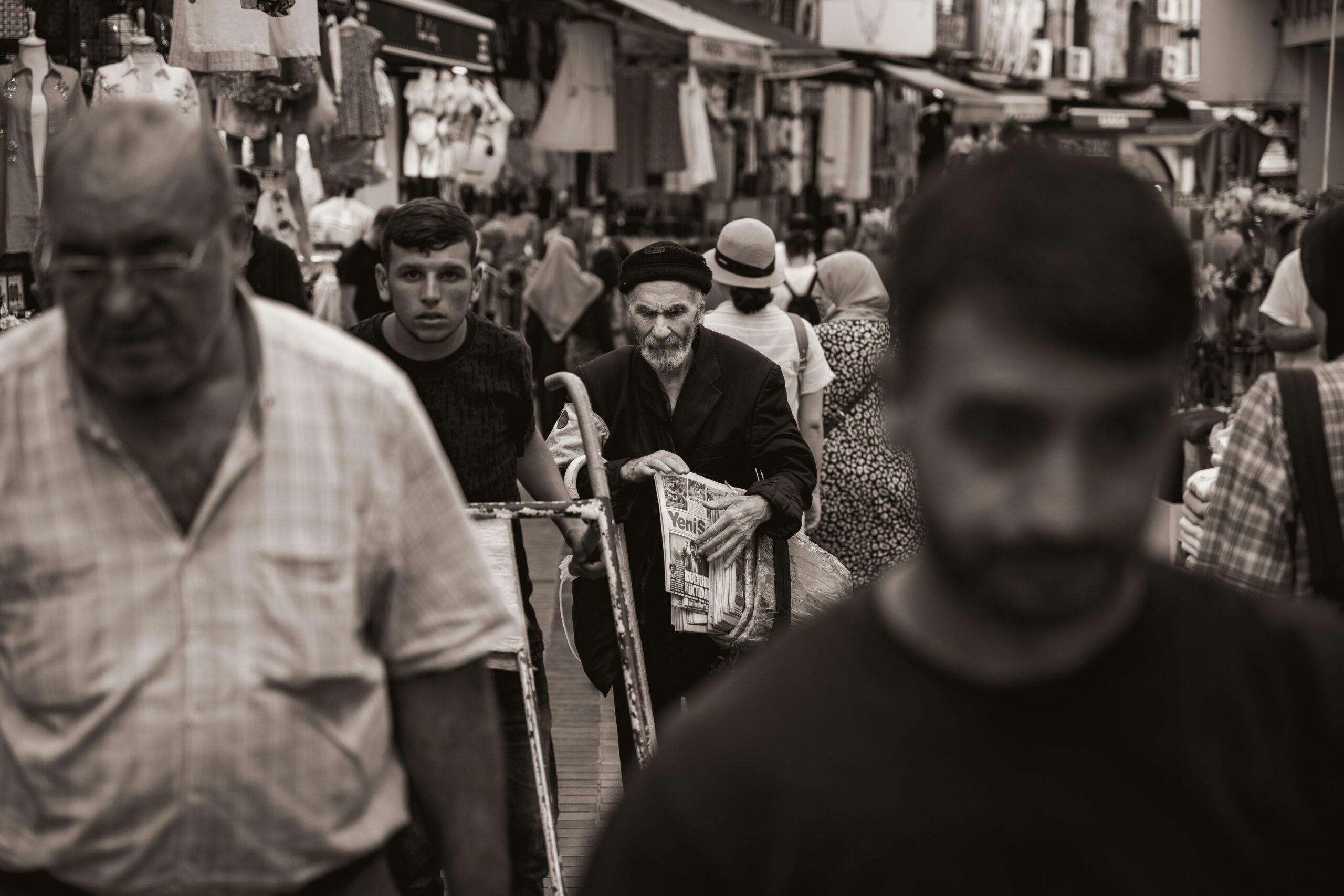
Insure my tripIstanbul’s Grand Bazaar: an Ottoman labyrinth
Founded in the 15th century under Mehmed II, the Grand Bazaar (Kapalı Çarşı) is one of the world’s oldest permanent covered markets. It houses around 4,000 shops spread across more than 60 covered streets, covering some 30,000 square metres. Handmade carpets, intricate gold jewellery, Ottoman-patterned ceramics and spice blends jostle for space in a wonderfully bewildering labyrinth. Haggling is part of the ritual: take your time chatting with the vendors – a first offer is never the last.
Practical tip: the Grand Bazaar is closed on Sundays. Arrive in the morning to soak up the atmosphere before the afternoon crowds descend.
Chatuchak Market in Bangkok: 15,000 stalls to explore
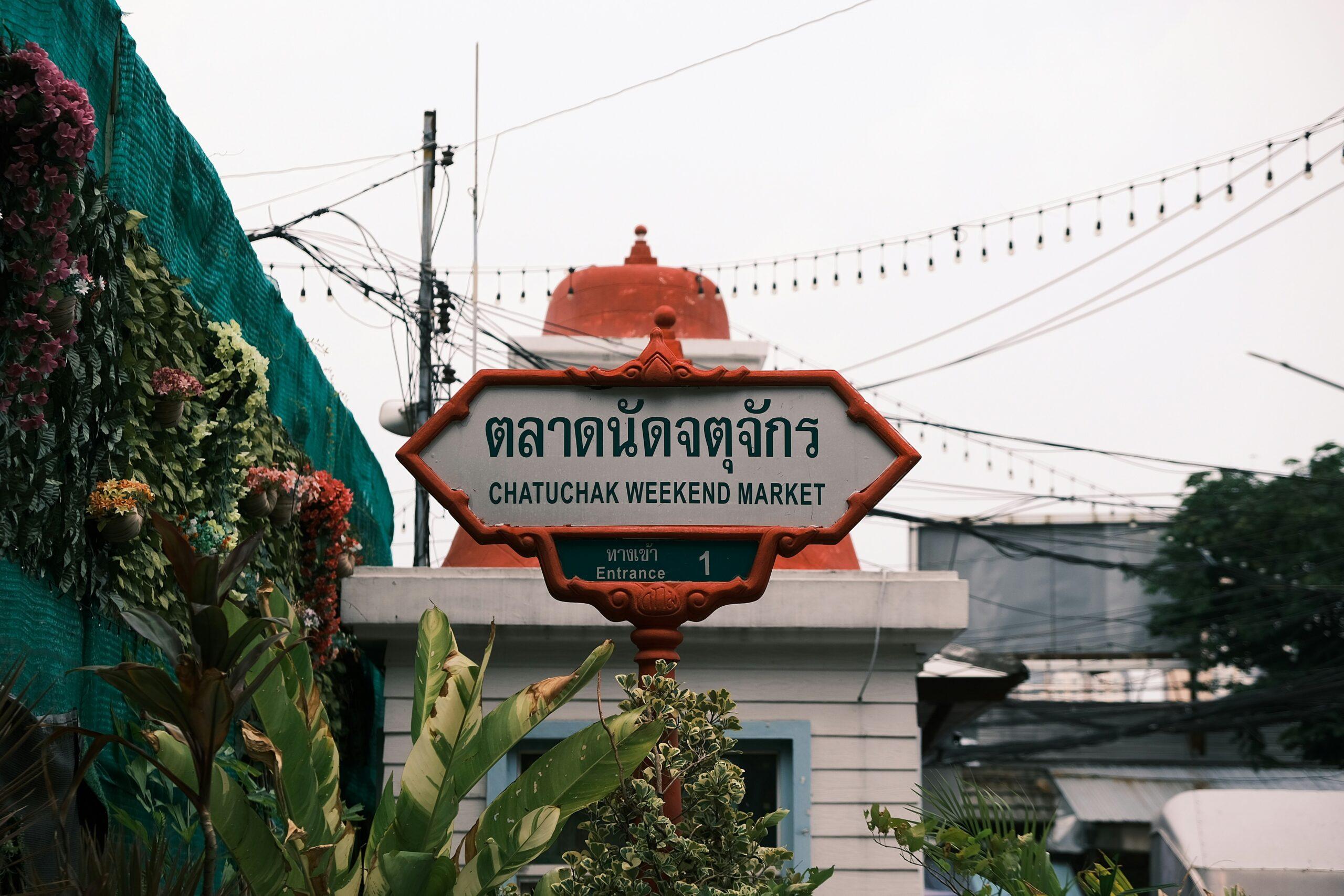
Open on Saturdays and Sundays, Chatuchak Market (also known as JJ Market) is one of the largest weekend markets in the world, with 15,000 stalls across 27 themed sections. Vintage clothing, antiques, tropical plants, ceramics and an abundance of street food fill tens of thousands of square metres. The food section alone is worth the visit: pad thai, satay skewers, fresh sugarcane juice and coconut desserts make for a satisfying meal at just a few baht.
Practical tip: the midday heat can be punishing. Plan your visit for early morning, and bring plenty of water and a hat.
La Boqueria in Barcelona: a Mediterranean feast for the senses
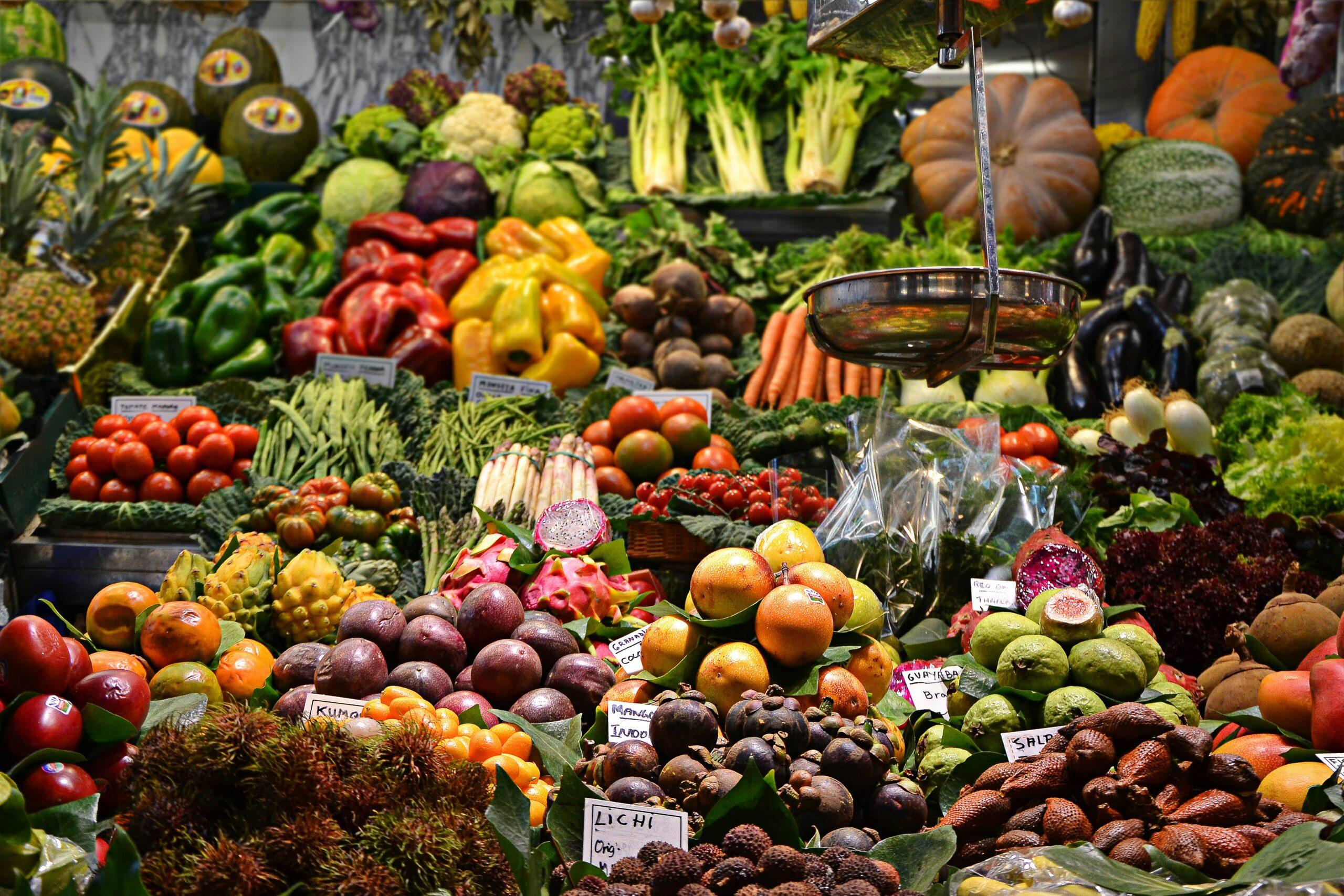
Officially called the Mercat de Sant Josep de la Boqueria, this covered market at the heart of La Rambla is one of the most photographed in Europe. Sliced tropical fruits in vivid colours, clusters of hanging Iberian hams, fresh seafood and multicoloured juices create a spectacle in themselves. Its popularity has grown so great that Barcelona city council now restricts tourist coach access to preserve its neighbourhood market character.
Practical tip: come early in the morning to find locals doing their shopping, before tour groups take over the central aisles.
Chichicastenango: Guatemala’s great Mayan market
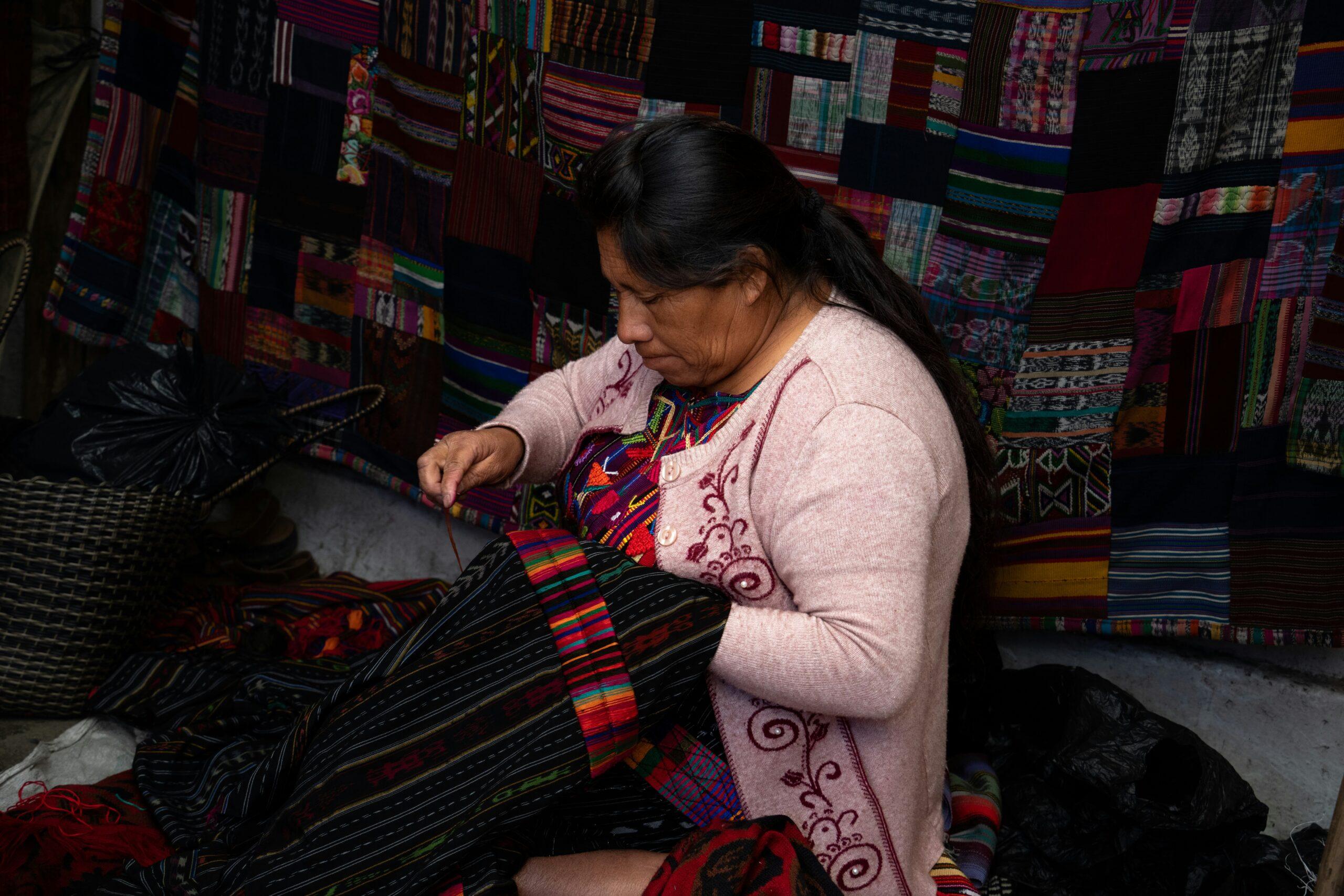
Perched at 2,000 metres above sea level in the Guatemalan highlands, Chichicastenango market opens on Thursdays and Sundays. Sunday is by far the busiest, drawing up to 45,000 visitors from across the region. Kaqchikel and Quiché communities descend from surrounding villages to sell hand-woven textiles (huipiles, cortes), carved wooden masks and traditional pottery.
The spiritual dimension of the place is equally remarkable: on the steps of the Santo Tomás church, rituals blending colonial Catholicism with Mayan beliefs unfold alongside the market itself, with offerings of flowers and incense.
Practical tip: arrive before 9am to watch the stalls being set up and avoid the organised tour groups that arrive mid-morning.
If you are planning a longer trip through Central America or a round-the-world journey, our tips for funding a round-the-world trip can help you budget each stage with confidence.
Marrakech’s souks and spice market
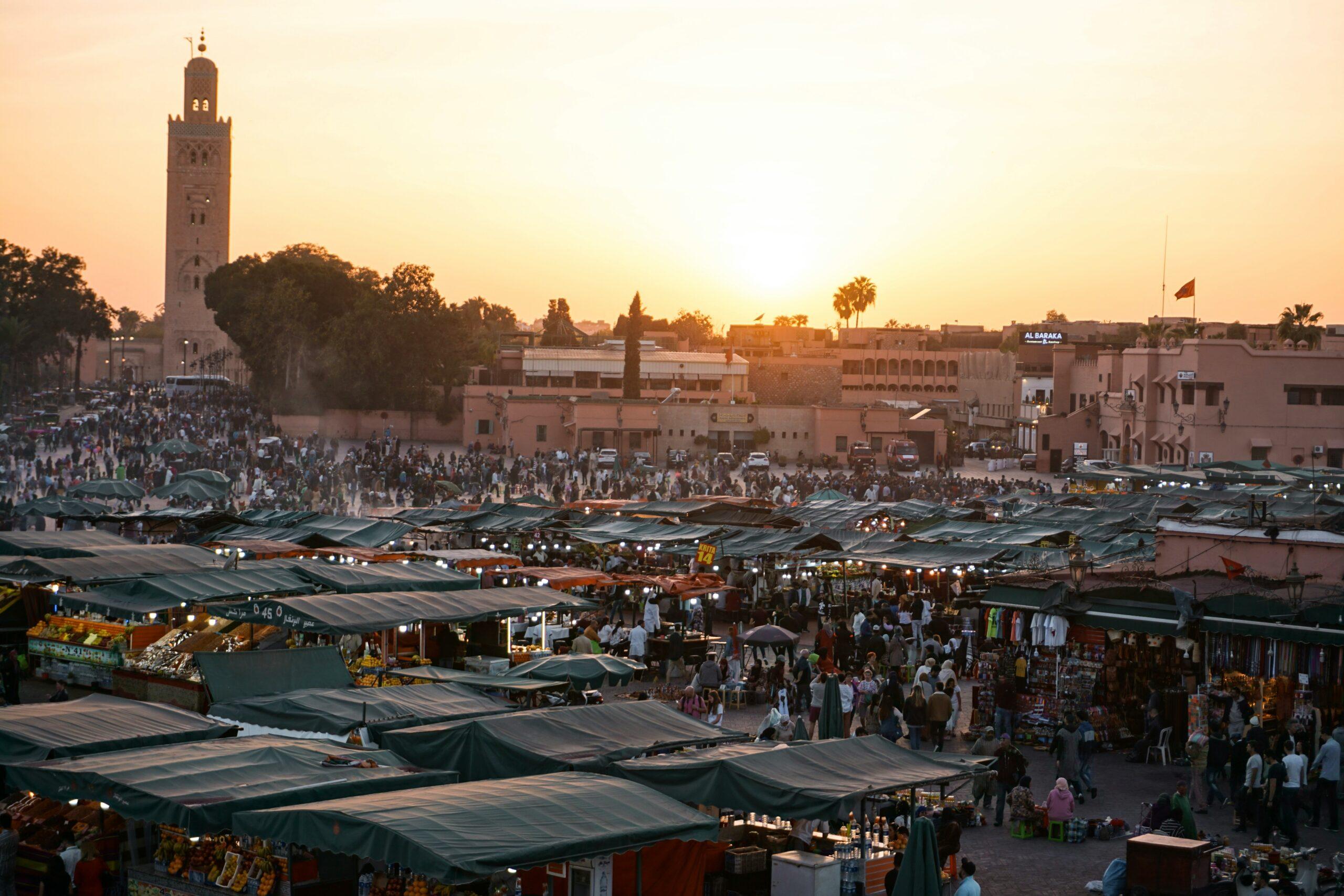
The souks of Marrakech form a network of covered alleyways where each artisan quarter has its own speciality: the dyers’ souk (Souk Sabbaghin), the slipper-makers’, the blacksmiths’, the weavers’. At the heart of this labyrinth lies the spice market (Rahba Kedima), a genuine sensory paradise where cumin, saffron, ras el-hanout, rose water and henna are piled high. It is one of the few places where you can have a custom spice blend put together on the spot, tailored to your own tastes, straight from a spice merchant.
Practical tip: a local guide or a tour with a local resident makes navigation far easier and allows you to haggle at prices closer to what locals actually pay.
Toyosu (formerly Tsukiji): Tokyo’s temple of fish
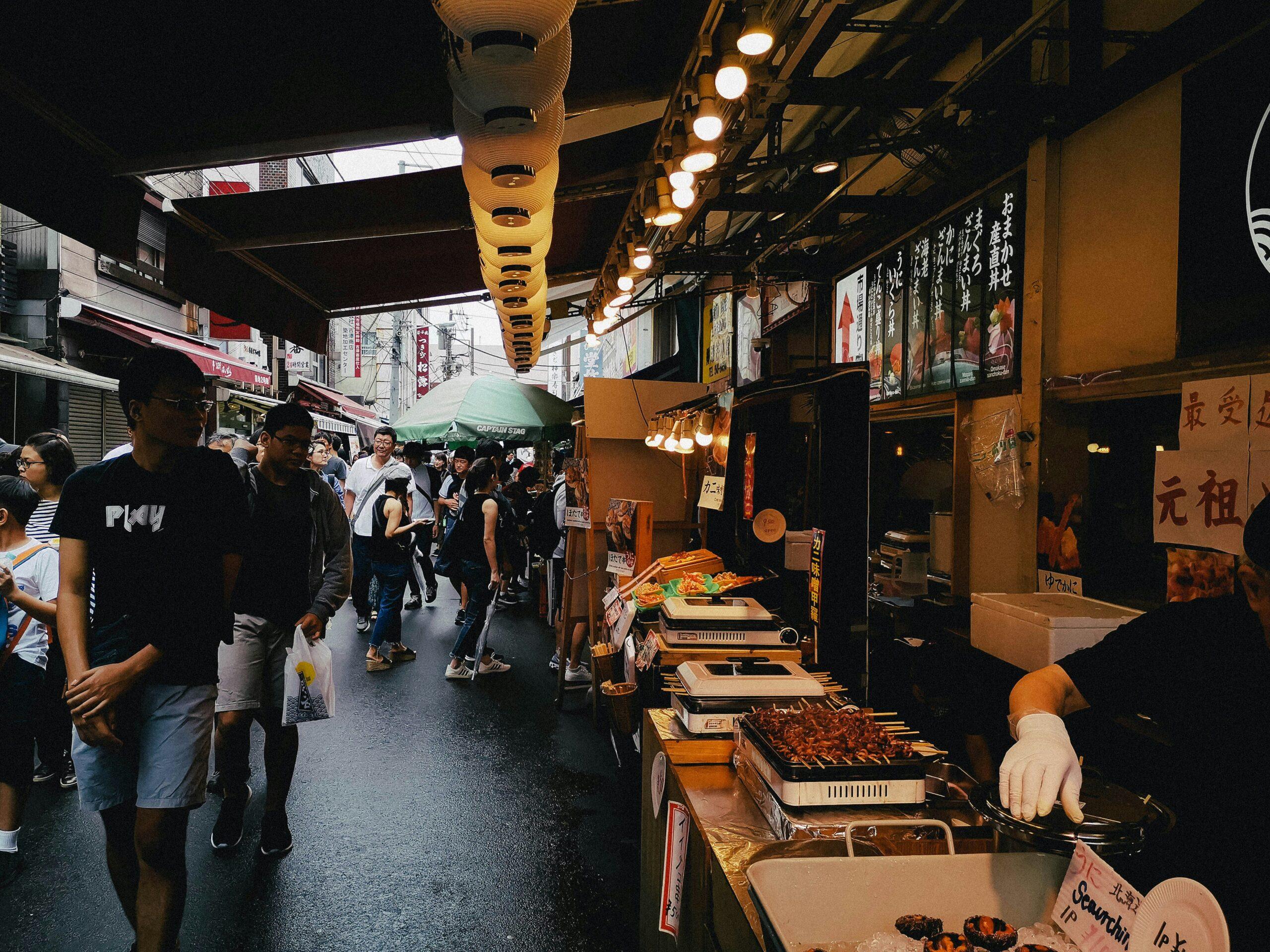
Tsukiji’s inner market closed in October 2018 and relocated to Toyosu market, in the port district of Tokyo Bay. The new Toyosu complex is almost twice the size of the old Tsukiji and welcomes between 10,000 and 15,000 visitors a day. From glazed viewing galleries, visitors can watch the famous bluefin tuna auctions (booking required, places are limited), then enjoy sushi and donburi prepared with the morning’s catch at the complex’s restaurants.
The original Tsukiji site is far from deserted: its outer market (Tsukiji Jogai Shijo) remains lively, with dozens of restaurants, fishmongers and specialist food shops, and is considerably easier to reach from central Tokyo.
Jean-Talon and Atwater: Montreal’s historic markets
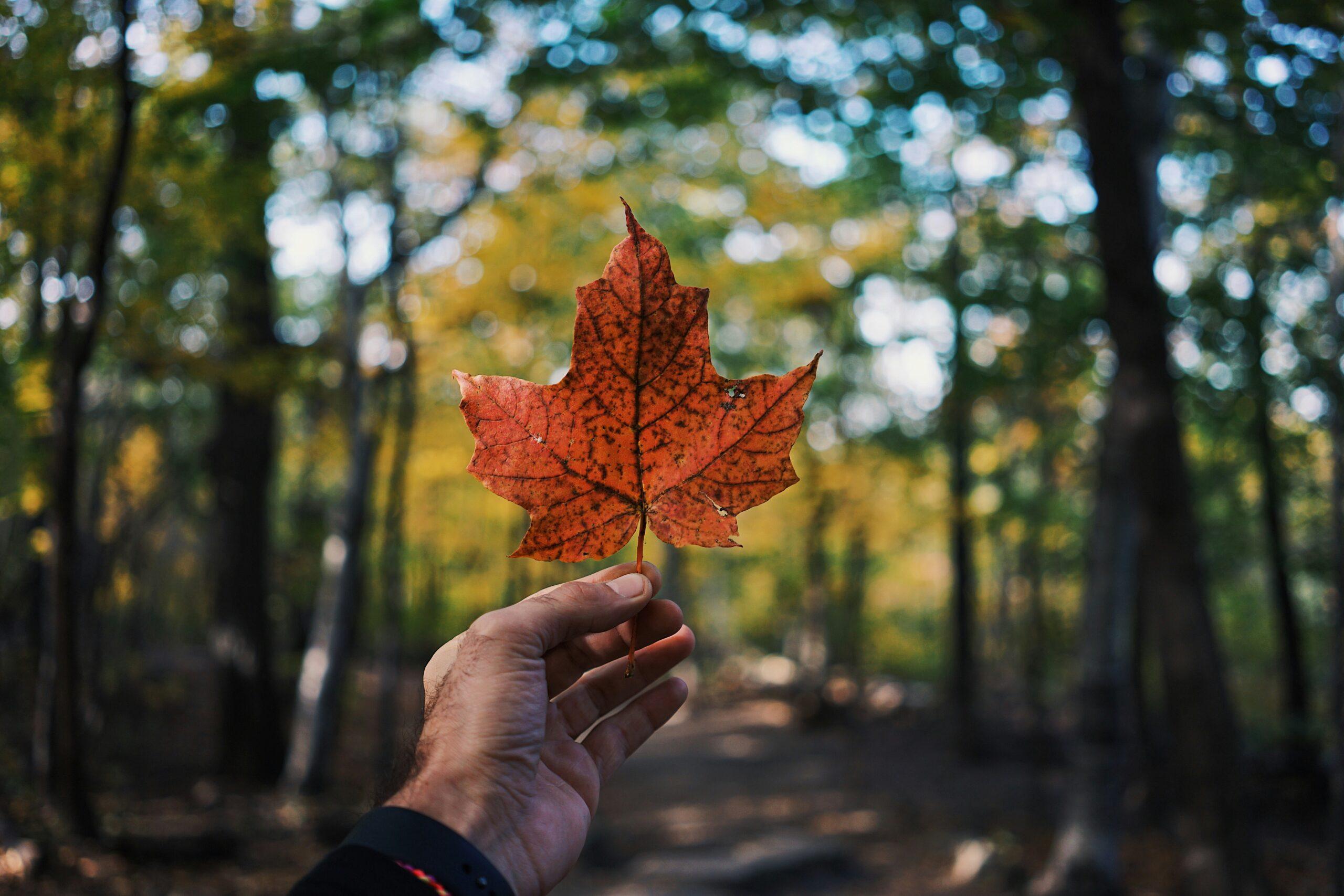
Montreal is home to two iconic public markets, both open since 1933. Jean-Talon Market, inaugurated on 27 May 1933, is considered the most visited since its opening and one of the largest open-air markets in North America. Market gardeners, cheesemakers and charcutiers offer Quebec specialities in a convivial atmosphere: maple syrup from different terroirs, autumn squash, and cheeses such as Oka and aged cheddar.
Atwater Market, opened in April 1933 in the Saint-Henri neighbourhood, is distinguished by its Art Deco architecture designed by Ludger Lemieux. Butchers, bakers, delicatessens and a fine selection of Quebec wines can all be found here.
Practical tip: both markets are open year-round, but June to October is the peak growing season, when stalls overflow with local produce.
Looking to embark on a longer itinerant adventure? Read the story of a family round-the-world trip with the Loulous for genuine inspiration and real-world travel insights.
FAQ
Which is the largest covered market in the world?
Istanbul’s Grand Bazaar, with around 4,000 shops across more than 60 covered streets, is one of the largest and oldest permanent covered markets in the world. Bangkok’s Chatuchak market, with 15,000 stalls across tens of thousands of square metres, is considered one of the largest weekend markets in the world.
Does Tsukiji market still exist?
Tsukiji’s inner market (the wholesale auctions) closed in October 2018 and relocated to Toyosu market. However, Tsukiji’s outer market remains open and very much alive: sushi restaurants, fishmongers and specialist food shops still animate the original site.
When does Chichicastenango market take place?
Chichicastenango market is held on Thursdays and Sundays. Sunday is the biggest and busiest day, drawing tens of thousands of visitors. Arriving before 9am allows you to make the most of it.
Do you need travel insurance to visit these markets around the world?
Yes, whatever country you are visiting, travel insurance is strongly recommended to cover unexpected events: medical costs in the event of an accident or illness, emergency repatriation, and lost or stolen luggage. Some destinations such as Guatemala, Morocco and Thailand have specific health or safety considerations to bear in mind depending on the time of year.
Can you haggle at all these markets?
Haggling is a common and expected practice at Istanbul’s Grand Bazaar, Marrakech’s souks and Chichicastenango. At Barcelona’s Boqueria, Chatuchak and the Montreal markets, prices are generally displayed and fixed. In Japan (Toyosu), bargaining is not part of local custom.