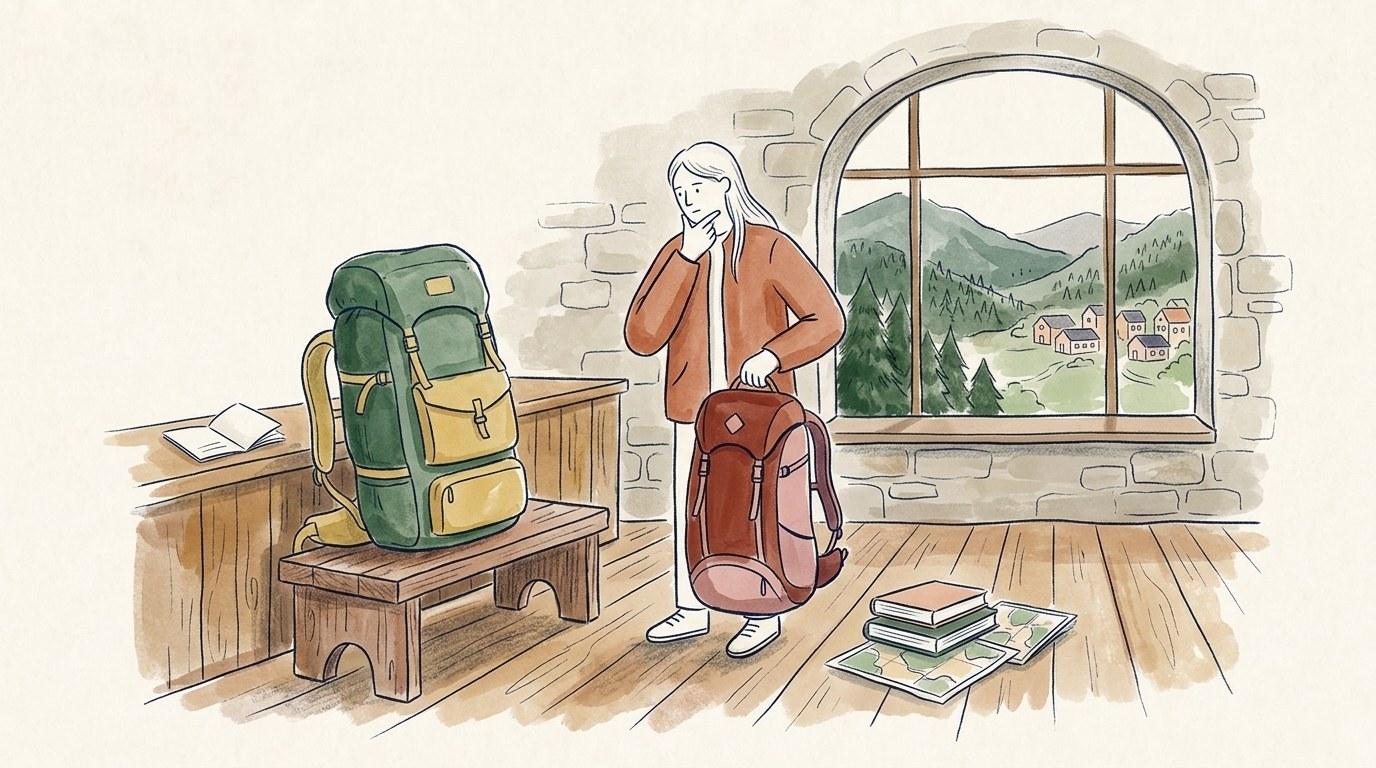

For the vast majority of trips, a 40-50 litre pack hits the sweet spot: roomy enough for several weeks on the road, compact enough to carry on board depending on your airline. A weekend calls for 20-35 litres; a long trek with overnight camping pushes you towards 60-70 litres. Volume is the first thing to nail down, but back comfort, internal organisation and the pack’s own weight all shape your day-to-day experience as a traveller.
Protect my trip with YupwegoDefine your needs before you choose
Before comparing models, answer these four questions:
- Trip length: weekend, one week, a month, or an extended stay?
- Activity type: city break, hiking, multi-day trekking, round-the-world adventure?
- Mode of transport: plane (carry-on or hold?), train, campervan?
- Specific gear: tent, sleeping bag, camera, laptop?
Your answers will determine the volume, carrying system and features to prioritise. For a complete overview of how to get your trip preparation right, take a look at our guide how to prepare for a trip abroad.
What volume do you need for your trip?
Volume, measured in litres, directly determines what you can bring. Here are the benchmarks used by most gear manufacturers and experienced travellers:
| Trip length / context | Recommended volume |
|---|---|
| Day trip | 10-20 L |
| Weekend (2-3 days) | 20-35 L |
| One-week trip | 35-50 L |
| Several weeks, multi-country | 50-60 L |
| Long trek with overnight camping | 60-70 L and above |
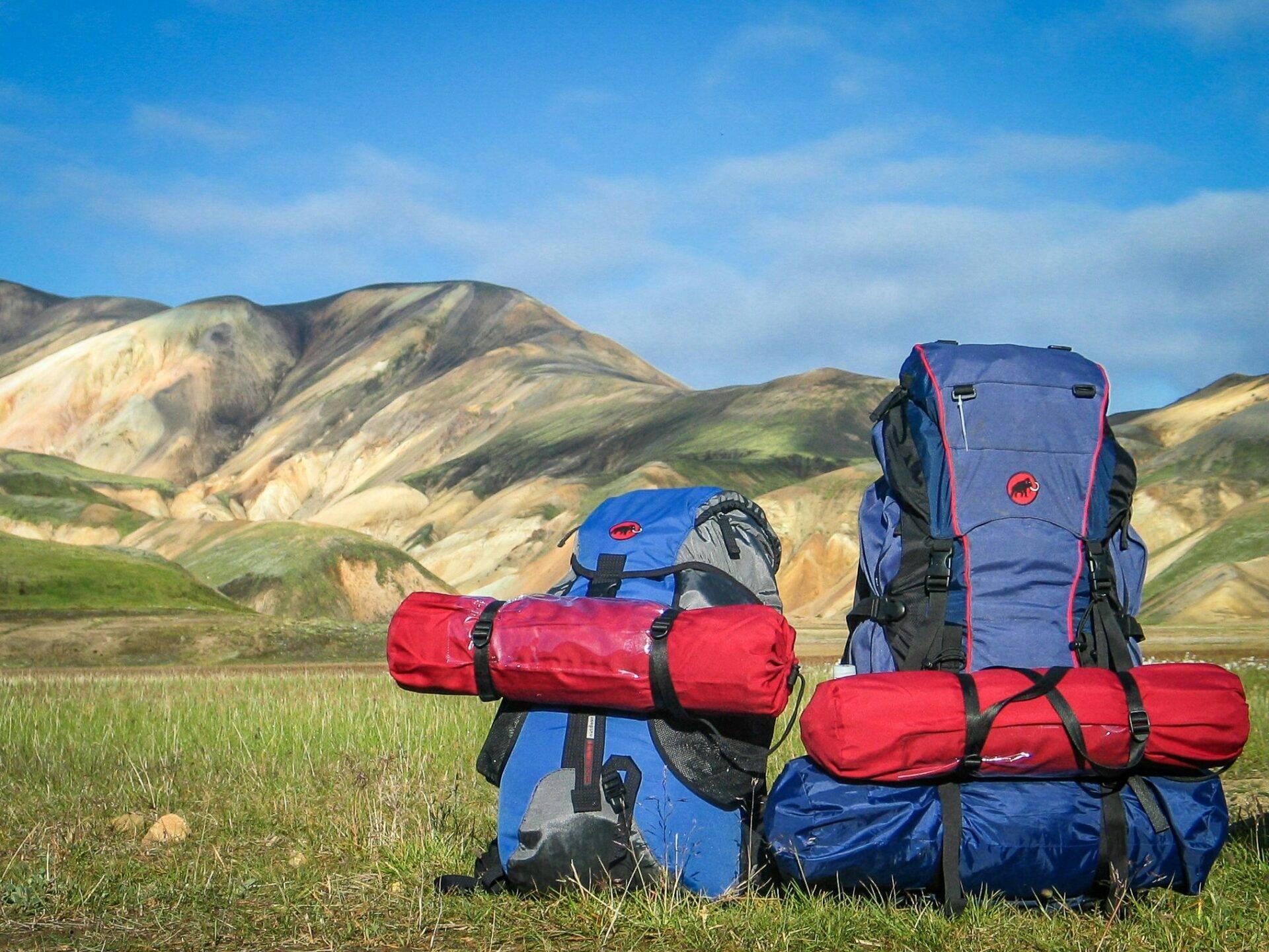
A simple rule of thumb: choose the smallest volume that covers your needs. The bigger the pack, the greater the temptation to fill it, and the heavier it ends up. Aim to set off with your pack about 80% full, leaving room for the unexpected and anything you pick up along the way.
Carry-on dimensions: what to check by airline
If you are flying without checked luggage, your volume is constrained by your carrier’s rules. IATA recommends a size of 55 x 35 x 20 cm and a maximum weight of 7-10 kg, but each airline sets its own limits:
- Air France: up to 55 x 35 x 25 cm, 12 kg
- Ryanair: 40 x 25 x 20 cm free of charge (a larger bag requires a paid priority boarding option)
- EasyJet: 45 x 36 x 20 cm free of charge
In practice, a 30-45 litre pack will usually fit in the cabin, but dimensions matter as much as litres depending on the pack’s shape. Always check your airline’s current rules before buying or travelling, as policies can change.
Comfort and the carrying system
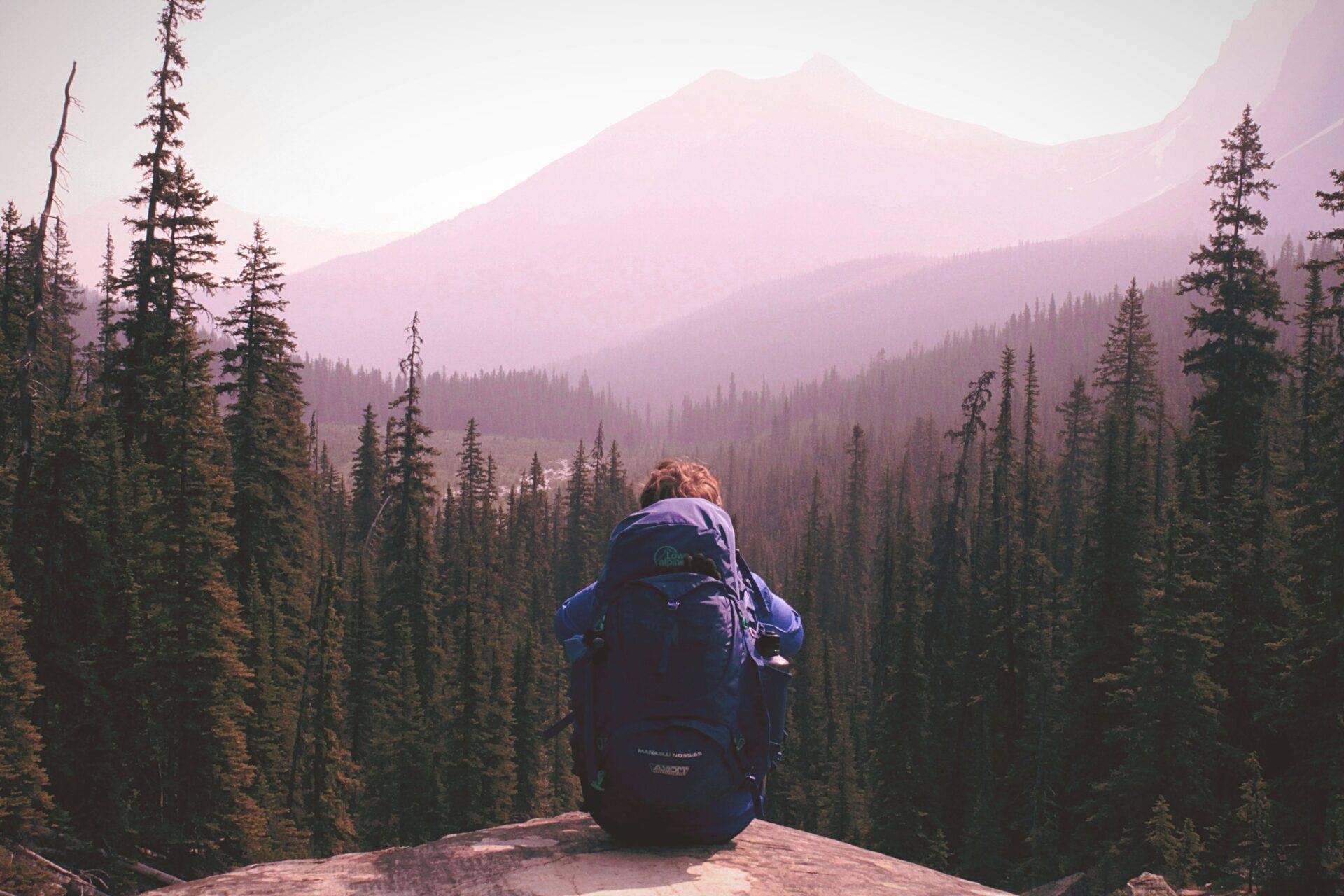
Volume counts for nothing if the pack is digging into your shoulders after two hours of walking. Pay close attention to these points:
- Shoulder straps: padded, anatomically shaped and height-adjustable
- Hip belt: transfers 70-80% of the load onto your hips, taking the strain off your shoulders and back
- Back panel: ventilated (tensioned mesh) or moulded; ventilated panels are far more comfortable in warm weather
- Torso length: some brands offer S/M/L sizes or adjustable systems to fit different body frames
If at all possible, try the pack loaded at a specialist outdoor shop before you commit.
Pack weight and materials
The empty weight of the pack adds directly to everything inside it. For hiking and trekking, the standard guideline is that your loaded pack should not exceed 20% of your body weight: for someone weighing 70 kg, that means a maximum of 14 kg.
The most common materials:
- Nylon (210D or 420D): lightweight, tough and abrasion-resistant, by far the most widely used
- Polyester: slightly less durable over time, but easier on the budget
- Dyneema / UHMWPE: ultra-light and exceptionally strong, reserved for high-end technical packs
Look for a DWR (durable water repellent) coating or an integrated rain cover to keep your gear dry when the weather turns.
Organisation and everyday accessibility
A well-designed travel pack lets you reach what you need without unpacking everything. Key things to look for:
- Front or side access: useful for grabbing a buried layer without opening from the top
- Multiple compartments: separate sections for shoes, clothes and electronics
- External pockets: for travel documents, a water bottle or a quick snack
- Laptop or tablet sleeve: padded and ideally accessible from the outside
- Hydration bladder pocket: handy for trekking with a removable water reservoir
Keeping your belongings safe on the road
On public transport or in busy tourist areas, a few precautions go a long way:
- Reinforced zips with double pulls or an anti-hook design
- TSA-approved locks: allow security checks without forcing the zip open
- Hidden pockets: against the back panel or under the hip belt, accessible only to you
- Cut-resistant fabric: featured on some urban packs to deter pickpockets
FAQ
What size backpack for a 3-week trip?
For a three-week trip, a 50-60 litre pack is generally the right call. It offers enough space for a variety of clothing, electronics and toiletries without becoming unmanageably heavy. If you are travelling in a single country with a consistent climate, 45-50 litres can be enough if you pack light.
Can I take a 40-litre backpack as carry-on luggage?
It depends on the airline and, above all, on the pack’s shape. Some 40-litre models fit within standard carry-on dimensions (55 x 35 x 20 cm per IATA guidelines), others do not. Always check your carrier’s current size restrictions before buying or travelling.
Which brand should I choose for a travel backpack?
Osprey, Deuter and Gregory are well-established names for carrying comfort and long-term durability. For versatile everyday travel packs, Thule and Nomatic are also well regarded. The right choice comes down to your budget, the type of travel you have planned, and, most importantly, your body shape.
Do I need a rain cover for my backpack?
Yes, especially for trekking or travel in tropical regions. Many packs now come with a built-in rain cover stored in a dedicated pocket. If yours does not, pick up a universal cover or pack your valuables inside dry bags within the main compartment.
How do I avoid overloading my travel backpack?
The 20% rule is a reliable benchmark: your loaded pack should not exceed 20% of your body weight. Before you leave, draw up a precise packing list, choose versatile and quick-dry clothing, and go for lightweight materials throughout. Aim to fill only about 80% of your pack’s capacity, leaving room for the unexpected and anything you pick up along the way.