
From bear dancing in Romania to the seven-wave ritual in Brazil, New Year is celebrated across the globe, but rarely in the same way. Here is a world tour of ten extraordinary traditions that reveal how each culture wards off misfortune and welcomes the year ahead.
1. Bear Dancing in Romania
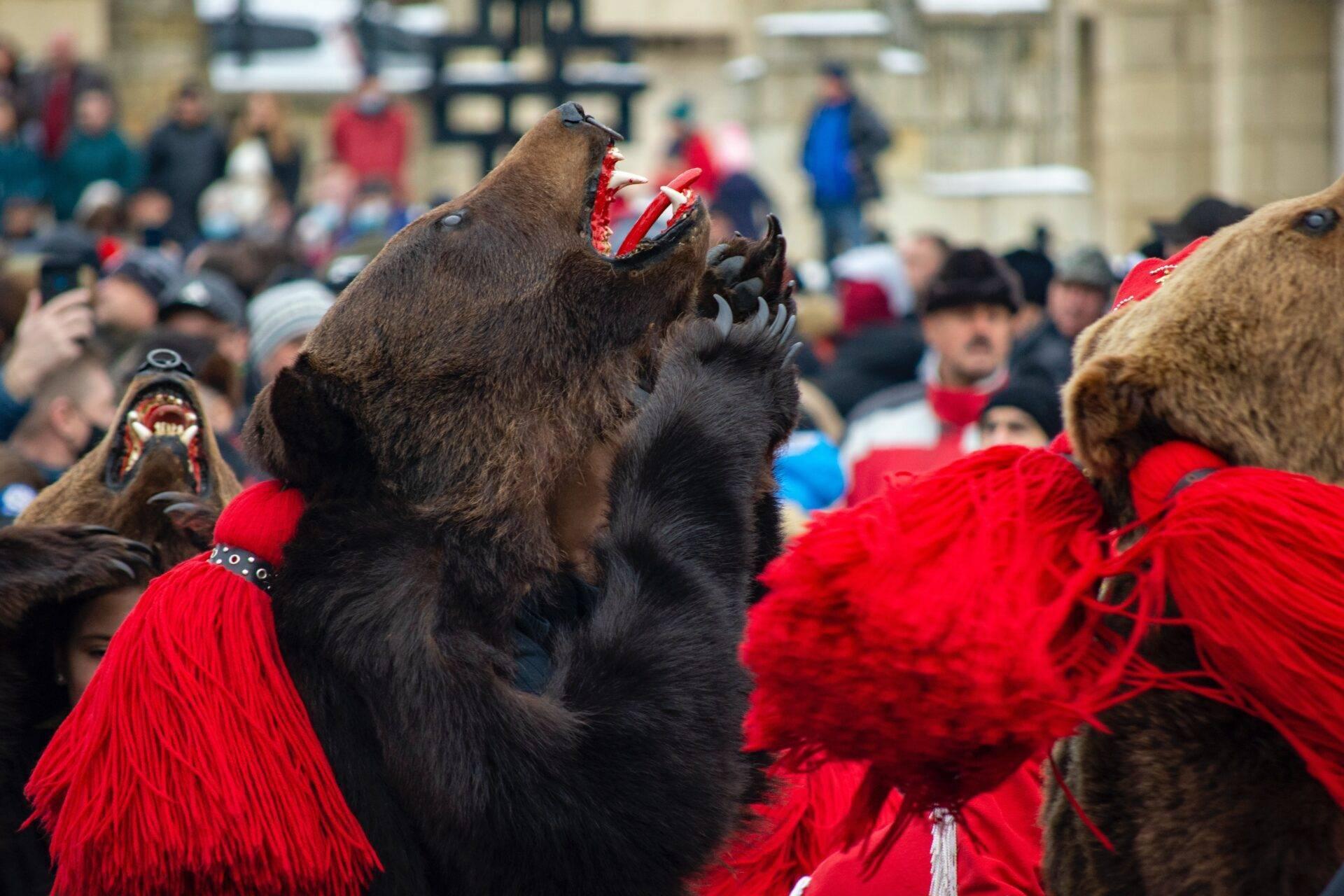
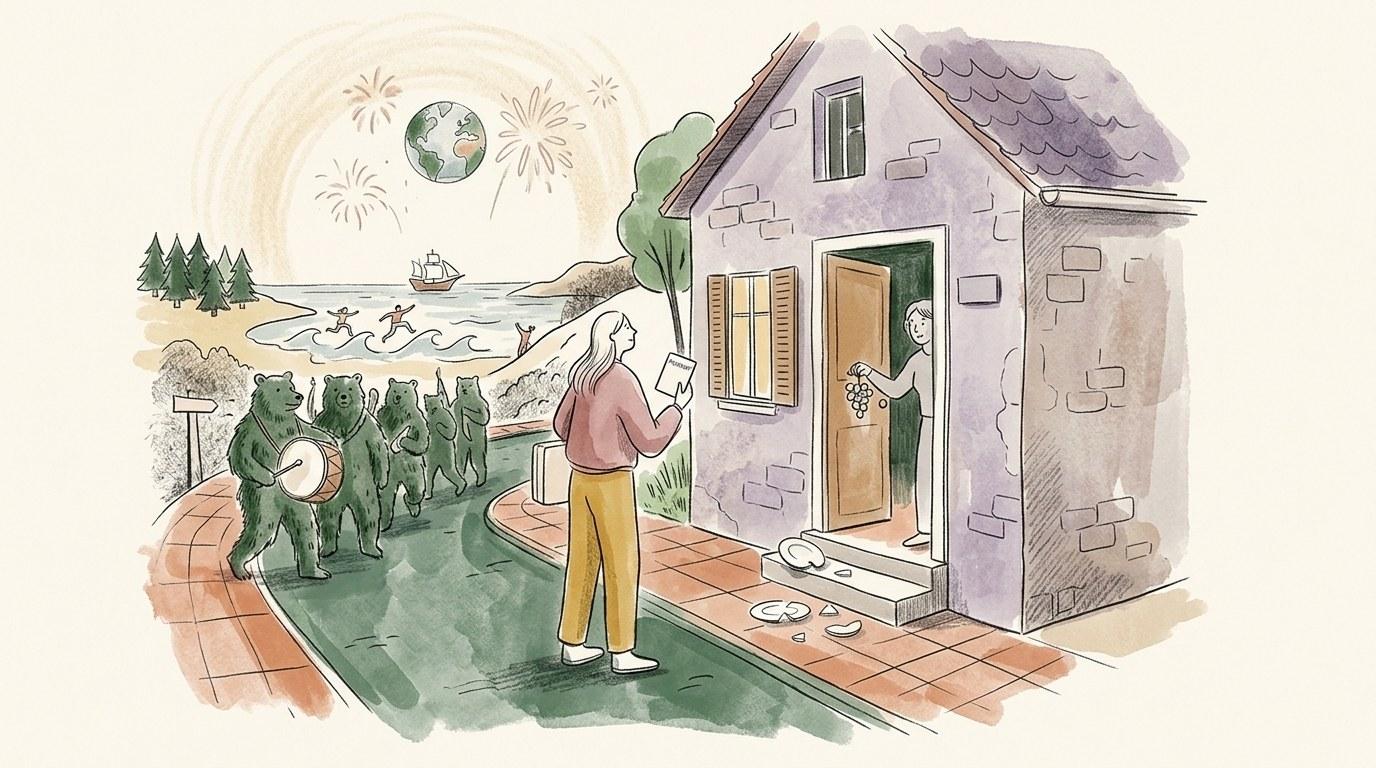
In the regions of Moldavia and Bukovina, New Year’s Eve pulses to the rhythm of the bear dance (Ursul). Troupes of dancers dressed in real bear pelts move from house to house to drive away evil spirits and bring prosperity. This pre-Christian rite, passed down through generations, draws travellers from across the world each year to witness this uniquely European shamanic spectacle.
2. Throwing Old Objects Out of the Window in Italy
In southern Italy, and especially in Naples, an age-old custom calls for people to throw worn-out objects out of the window at midnight: pots, chipped crockery, old clothes. The gesture symbolises casting off the past and stepping into the new year unburdened by the superfluous. A practical tip if you are visiting Naples on 31 December: look up before you walk.
3. Smashing Crockery in Denmark
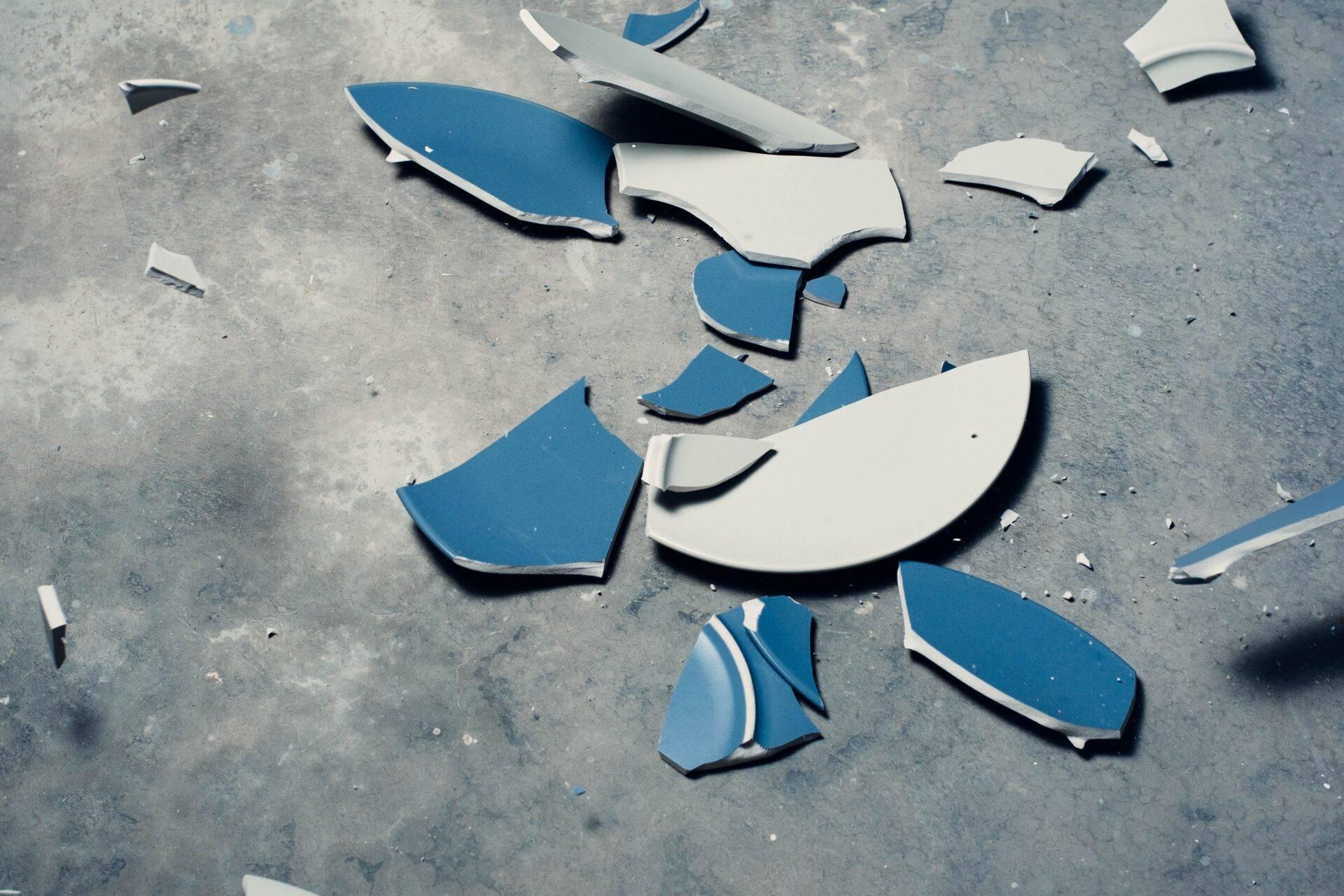
In Denmark, popularity is measured in shards. Throughout the year, people stockpile chipped crockery, then hurl it against the front doors of friends and family on New Year’s Eve. The next morning, the higher the pile of broken ceramics on your doorstep, the more loved and surrounded you truly are.
Insure my New Year trip4. The 12-Grape Ritual in Spain
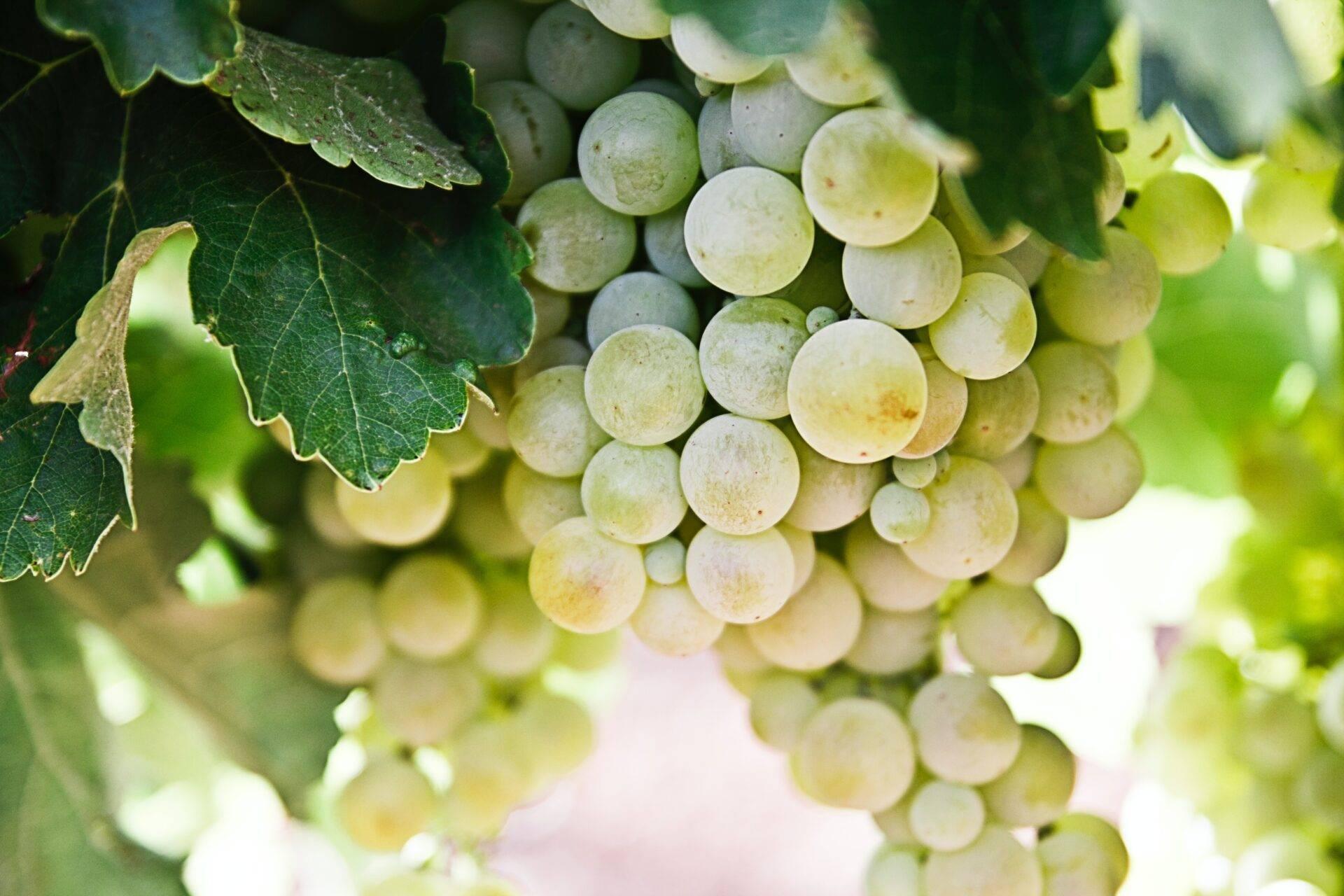
On the stroke of midnight, Spaniards eat twelve grapes, one with each chime of the clock, making a wish for each month of the coming year. This tradition, the uvas de la suerte (grapes of luck), is documented from the early 20th century. In Madrid, millions of people gather at Puerta del Sol to experience it live.
5. Bleigießen (Wax Pouring) in Germany
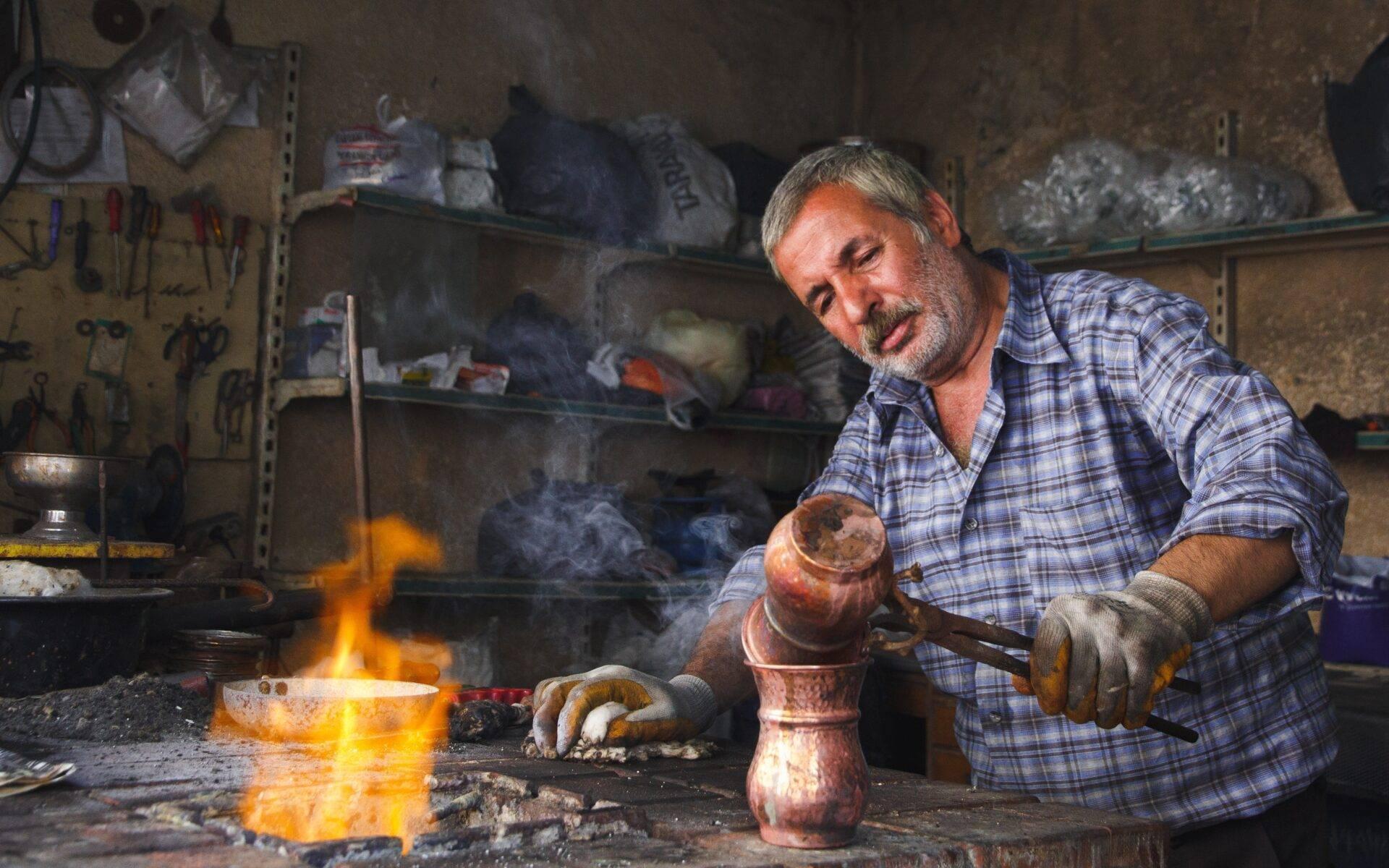
The Bleigießen tradition involves melting a metal and plunging it into cold water: the resulting shape is then interpreted to predict the future. Historically practised with lead, the ritual evolved after 2018, when European regulations banned the sale of kits containing more than 0.3% lead. Today, most Germans use wax to keep this New Year’s Eve divination game alive.
6. The Year-End Deep Clean in Japan
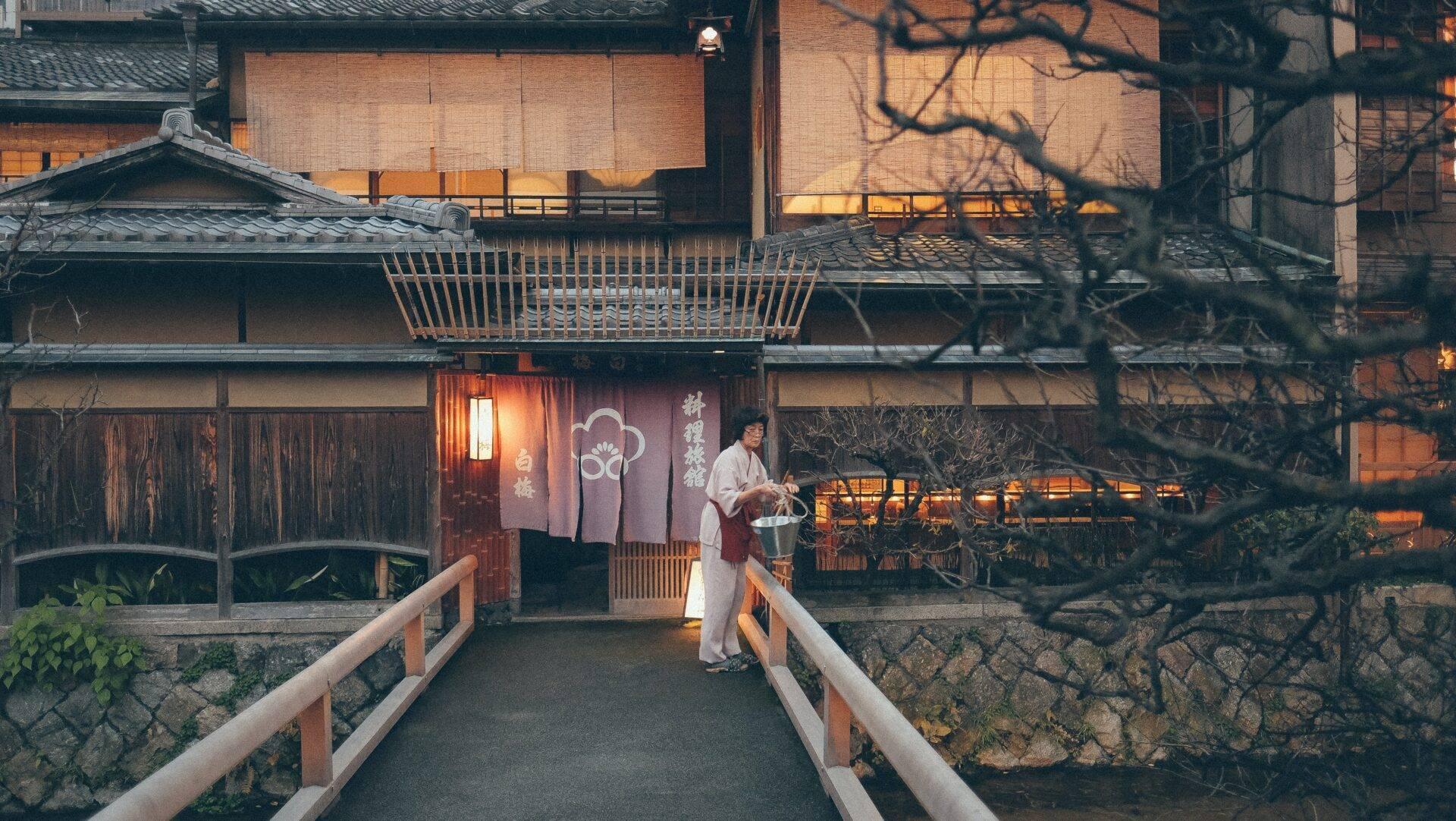
In Japan, the period leading up to New Year is dedicated to Osoji (大掃除, “the great cleaning”). The home is scrubbed from top to bottom, unnecessary objects are cleared out, and negative energies are purged so that the new year begins in a clean, ordered space. It is a practice that is at once deeply spiritual and entirely practical.
7. Burning Effigies in Ecuador
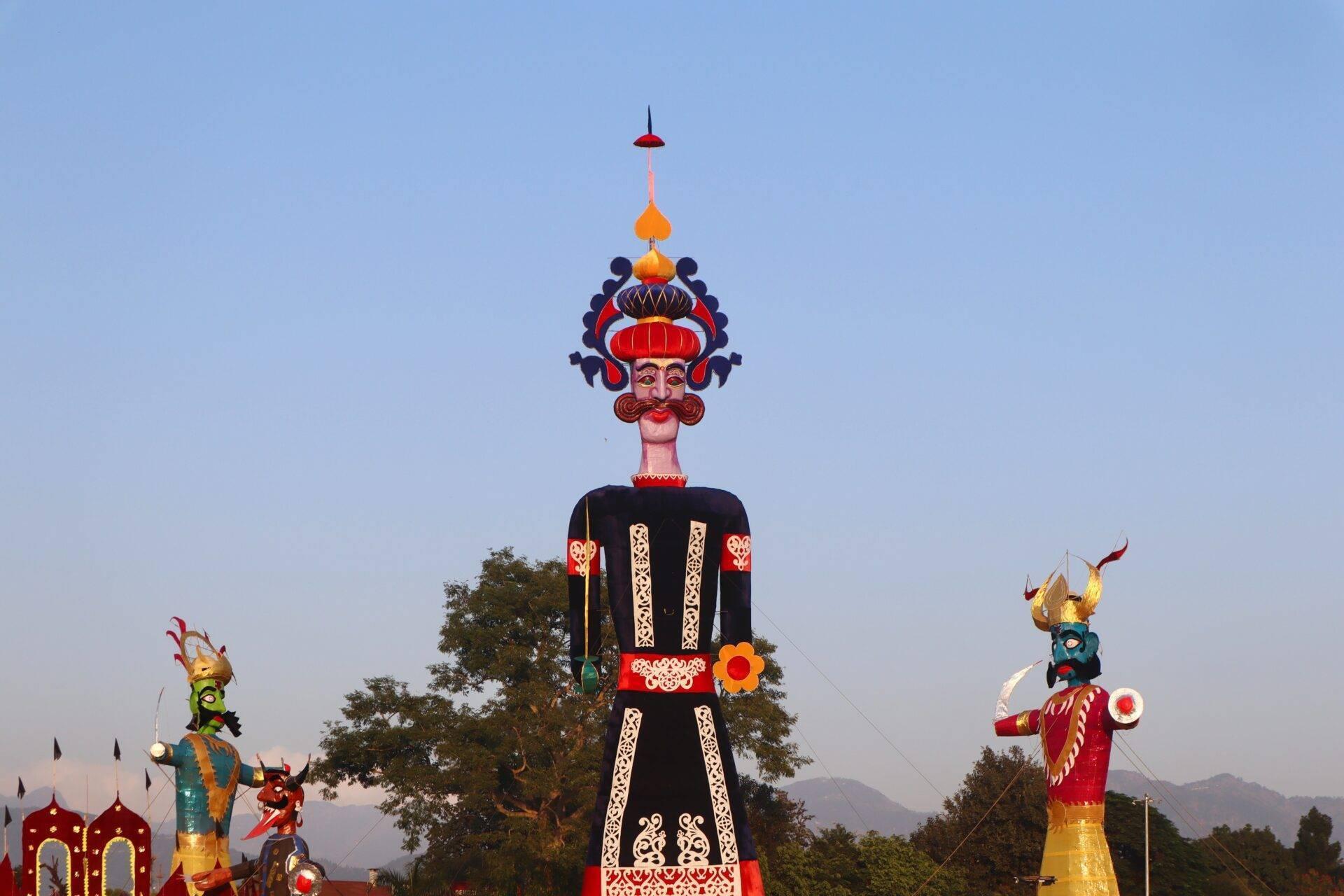
In Ecuador, on the night of 31 December, años viejos (“old years”) are crafted from papier-mache, cardboard or old clothes to represent everything one wishes to leave behind: a controversial figure, a painful event, a bad habit. At midnight, they go up in flames in the streets, and the year starts fresh.
8. First Footing in Scotland (Hogmanay)
Hogmanay is the Scottish name for New Year, and it inspires celebrations that rival Christmas in intensity across the country. The most iconic custom is first footing: the first person to cross a household’s threshold after midnight determines the family’s luck for the entire year. The ideal guest is traditionally a dark-haired man bearing symbolic gifts: coal (for warmth), bread (for food), salt (for prosperity) and whisky (for good cheer). In Edinburgh, a spectacular torchlight procession illuminates the Old Town every 31 December.
Keen to experience Hogmanay or other celebrations abroad? Browse our ideas for New Year destinations, or find out how to book a last-minute New Year’s Eve getaway.
9. Round Objects in the Philippines
In the Philippines, round shapes evoke coins and, by extension, prosperity. For the new year, families arrange twelve round fruits on the table (one for each coming month), wear polka-dot clothing and surround themselves with circular objects. Children also jump at the stroke of midnight, in the belief that this leap into the new year will help them grow taller.
10. Jumping Seven Waves in Brazil
On the beaches of Rio de Janeiro, particularly at Copacabana, millions of people dressed in white gather for the Brazilian New Year’s Eve celebration. Tradition calls for everyone to jump seven waves after midnight, making a wish with each leap. The ritual is an offering to Iemanjá, goddess of the sea in the Afro-Brazilian Candomblé faith. According to legend, if the waves carry the white flowers placed in the ocean out to sea, the wishes will be granted.
These ten traditions are open invitations to explore the world. To experience them with complete peace of mind, remember to plan your trip sustainably and to check your health cover before you fly.
FAQ
What is the origin of the 12-grape ritual in Spain?
The uvas de la suerte tradition is documented from the early 20th century, popularised in Madrid in particular. Twelve grapes, one with each midnight chime, symbolise a wish for each of the twelve months ahead.
Is Bleigießen still practised in Germany?
Yes, but in an adapted form. Since 2018, European regulations have banned the sale of kits containing more than 0.3% lead. Germans now continue this divination tradition using melted wax instead of the toxic metal.
What is the Scottish Hogmanay?
Hogmanay is the Scottish New Year, celebrated with an intensity that often surpasses Christmas in the country. The first footing custom holds that the first visitor to cross the threshold after midnight should bring coal, bread, salt and whisky to bring luck to the household for the entire year.
What does bear dancing symbolise in Romania?
In the regions of Moldavia and Bukovina, the bear dance (Ursul) is a pre-Christian rite aimed at driving away evil spirits and attracting prosperity. Dancers in costumes made from real bear pelts parade from house to house during the year-end festivities.
Why do people jump seven waves at New Year in Brazil?
This tradition is an offering to Iemanjá, goddess of the sea in the Candomblé religion. Each wave jumped represents a wish for the year ahead. Copacabana beach in Rio de Janeiro draws millions of people for this ritual every year.