
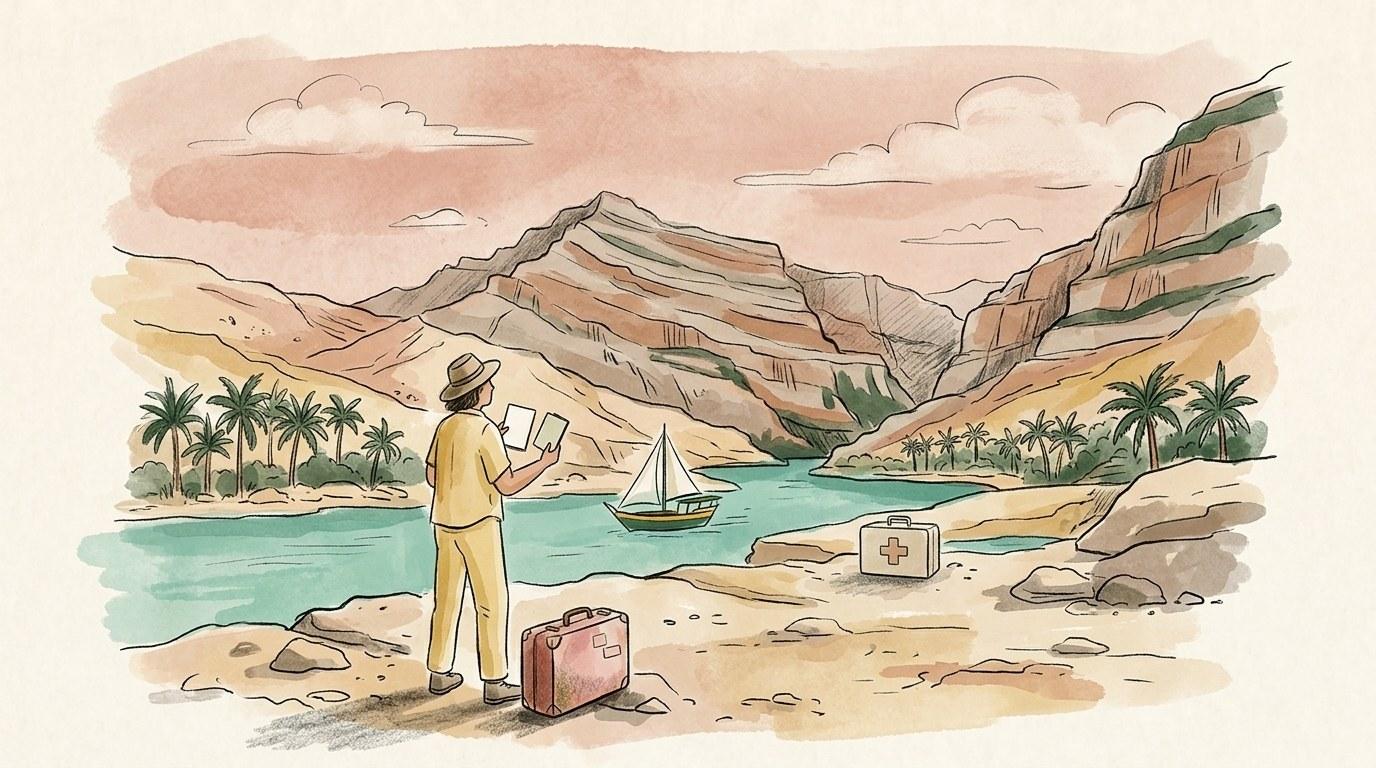

A discreet sultanate tucked between the Arabian Sea and the Hajar Mountains, Oman is one of the most captivating destinations in the Middle East: landscapes of striking diversity, genuine hospitality and a remarkably well-preserved heritage. Whether you come for the dunes of Wahiba Sands, the exhilarating trails of Jebel Shams or the turquoise waters of its wadis, here is everything you need to plan a successful trip to this still under-the-radar gem.
Entry requirements: visas, passports and insurance
British and most Western passport holders benefit from a visa-on-arrival for stays of up to 14 days, issued free of charge at the border. Three conditions are checked at immigration: a passport valid for at least six months beyond your return date, a confirmed return ticket and a hotel reservation accompanied by proof of health insurance. Without this last document, entry can be refused.
For stays of between 15 and 30 days, an e-visa is compulsory before departure. The fee is 20 Omani rials (single-entry, 30 days) or 50 rials (multiple-entry), applied for via the official portal evisa.rop.gov.om.
Before you travel, check your country’s official travel advisory for the latest guidance on Oman and register with your government’s traveller registration service. Measles cases have also been reported in the region: verify your vaccinations with your doctor before departure.
Get my travel insurance certificateMuscat, gateway to the sultanate
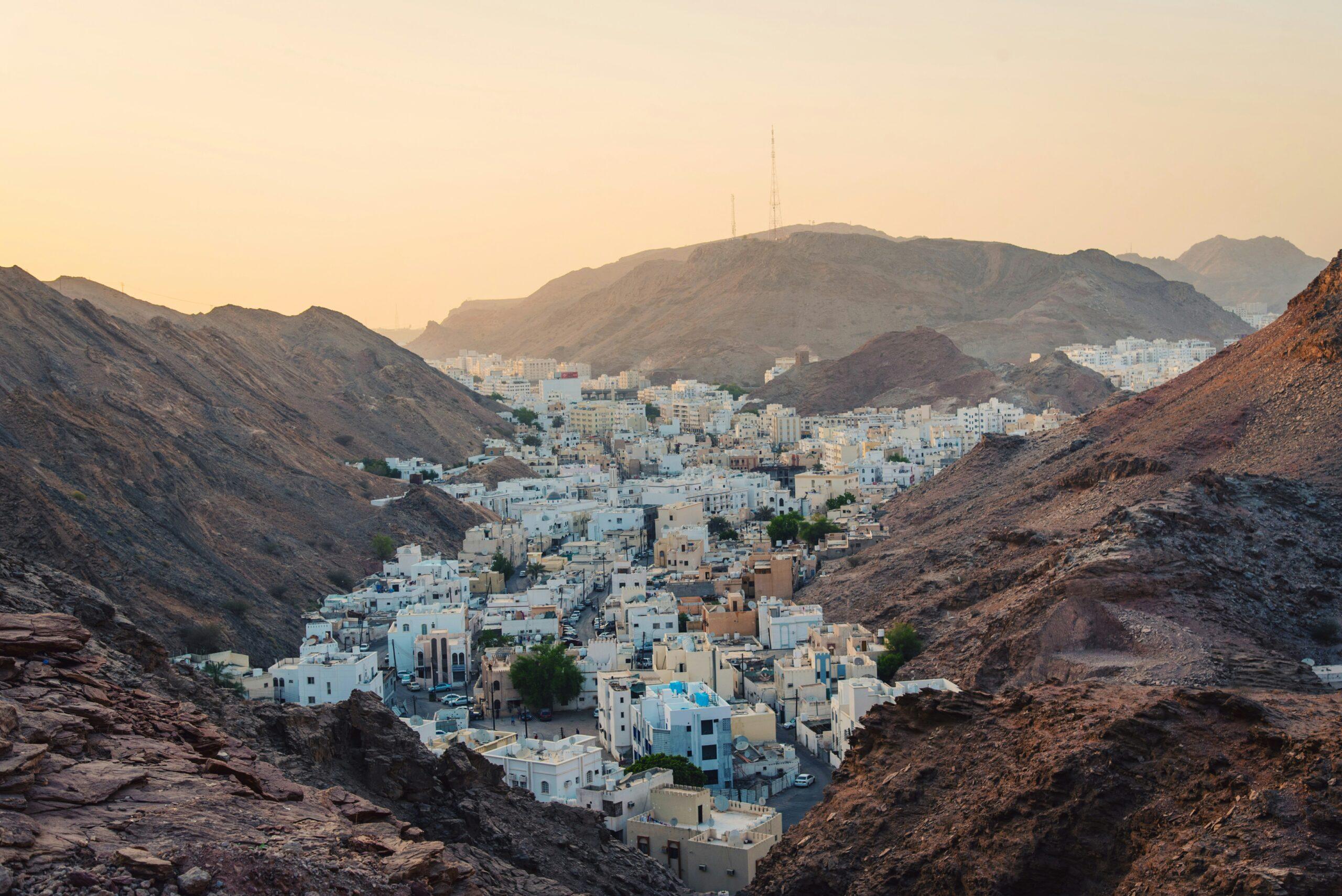
The natural first stop after landing at the international airport, Muscat unfolds its contrasts with uncommon elegance. The Sultan Qaboos Grand Mosque stands as an architectural masterpiece: its main carpet, woven as a single piece, is one of the largest in the world. A few kilometres away, Mutrah Souq is one of the oldest markets on the Arabian Peninsula, where incense, khanjar daggers and handcrafted textiles jostle for attention along a maze of lively alleyways.
Al Alam Palace, the Sultan’s official residence, can be admired from the surrounding terraces, framed by the Portuguese forts of Jalali and Mirani, which have kept watch over the natural harbour since the 16th century. For museum lovers, the National Museum of Oman (opened in 2016 in the Shati Al Qurm district) provides a comprehensive overview of the sultanate’s history.
The mountains: Jebel Akhdar and Jebel Shams
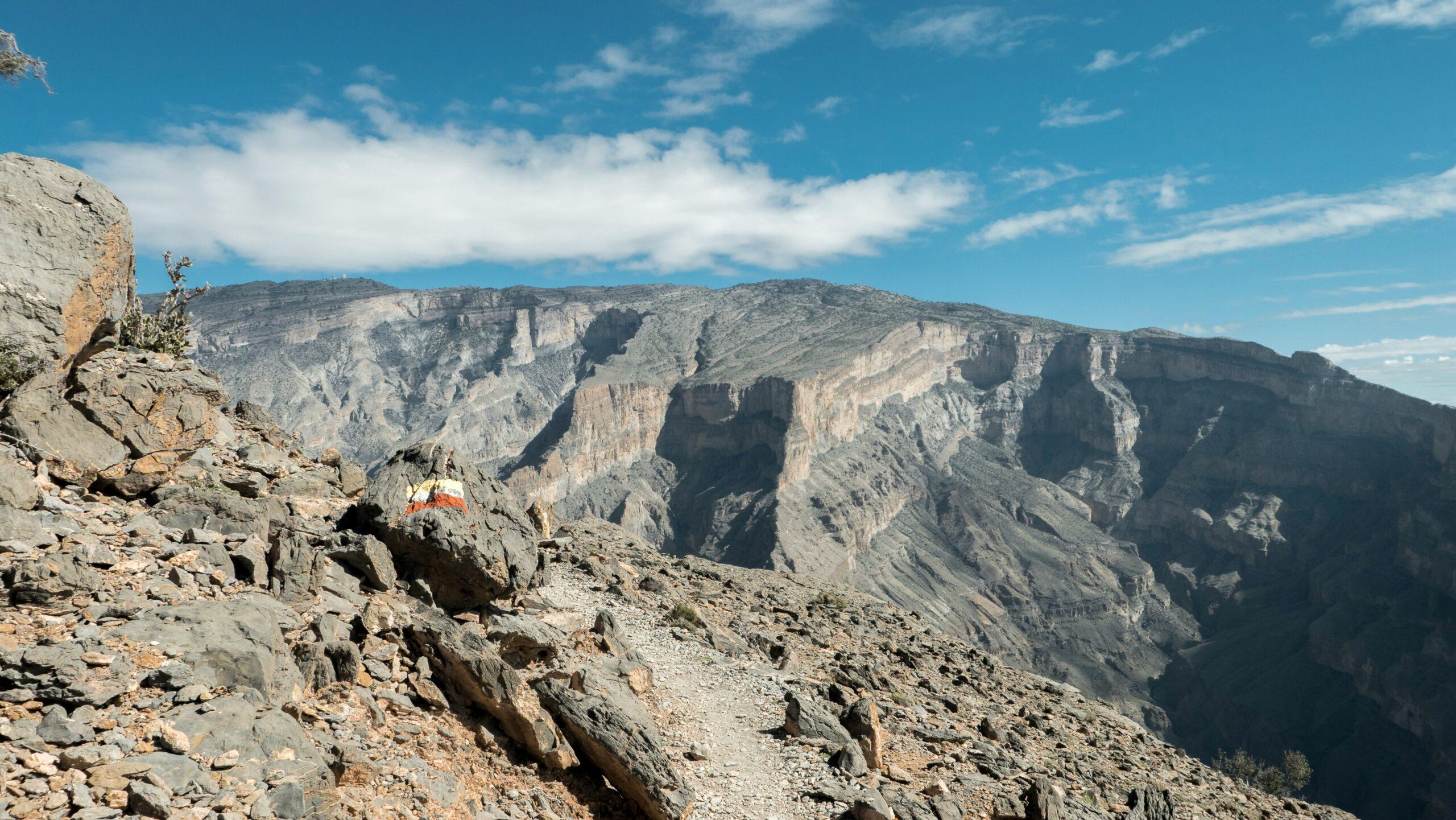
Nestled within the Al Hajar range, the Green Mountain (Jebel Akhdar) rises to over 2,000 metres. Access is restricted to 4x4 vehicles only, which preserves the authenticity of the clifftop villages and their terraced orchards of pomegranates, apricots and roses. The rose harvest brings the plateau to life between March and May: this is the ideal time to watch the traditional distillation of rosewater, one of Oman’s most emblematic fragrances.
Higher still, Jebel Shams reaches 3,009 metres, making it the sultanate’s highest point. Its nickname, the “Grand Canyon of Arabia”, is well earned: the Wadi Ghul canyon (also known as Wadi Nakhr) plunges to a depth of 1,000 metres. The Balcony Walk (trail W6, around four to five hours return) is accessible to all fitness levels and follows the canyon rim with breathtaking views at every turn. The best hiking season runs from October to April, when daytime temperatures sit comfortably between 15 and 25°C.
Wahiba Sands: the soul of the Omani desert
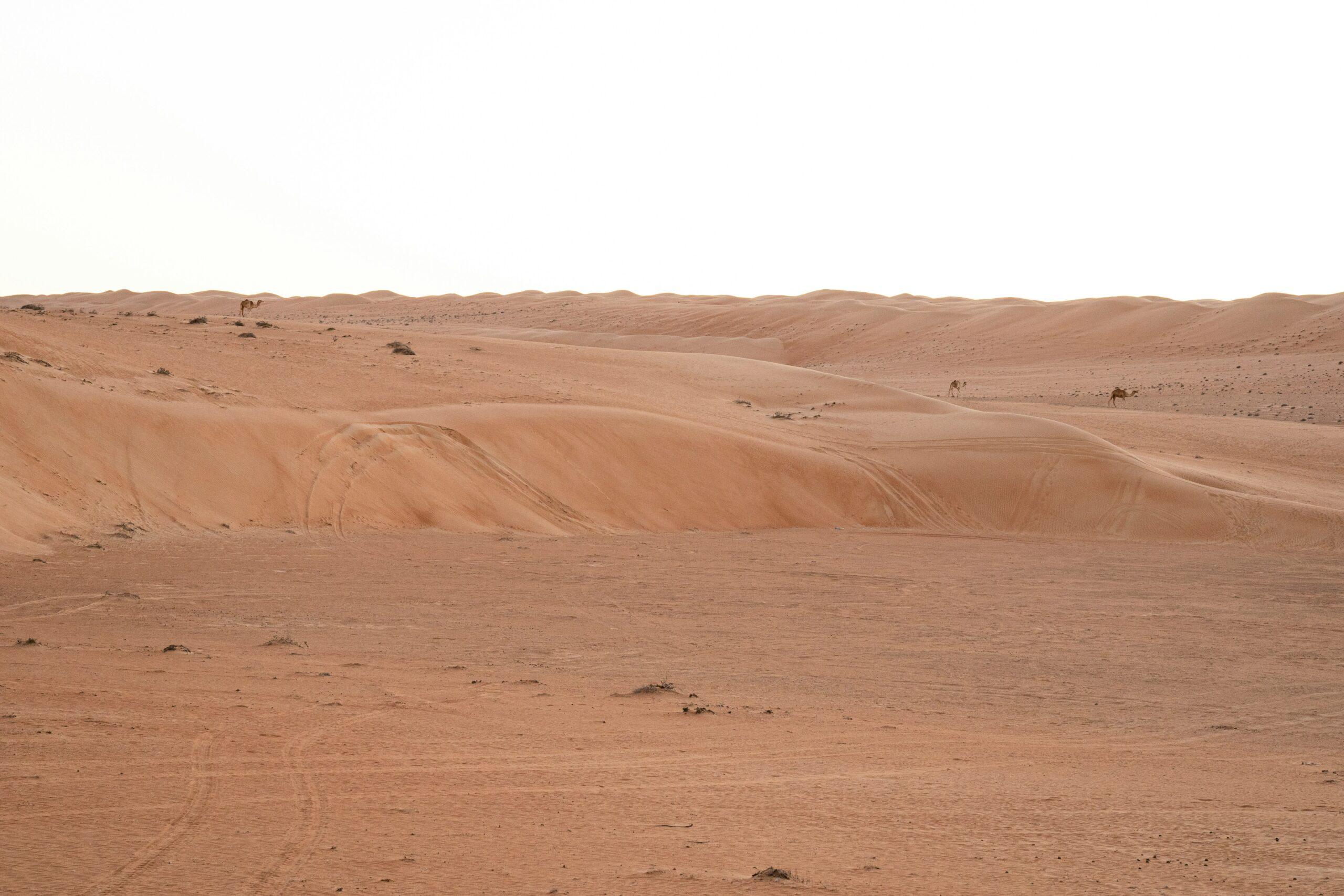
Also known as the Sharqiya Sands, the Wahiba Sands desert stretches roughly 180 km long and 80 km wide, covering 12,500 km², about 250 km from Muscat. Its golden dunes reach up to 100 metres high and deliver sunrises and sunsets of extraordinary visual intensity.
There are plenty of ways to experience the desert at your own pace: 4x4 dune bashing, camel rides, sandboarding or a night under the stars at a Bedouin camp. For a more genuine immersion, choose a locally-run family camp over one of the larger resort complexes, which are often far removed from the traditional tribal communities.
Oman is regularly cited among the destinations you simply must visit: it features among the top trips of 2025, alongside Patagonia and Medellín.
Wadis: Oman’s turquoise oases
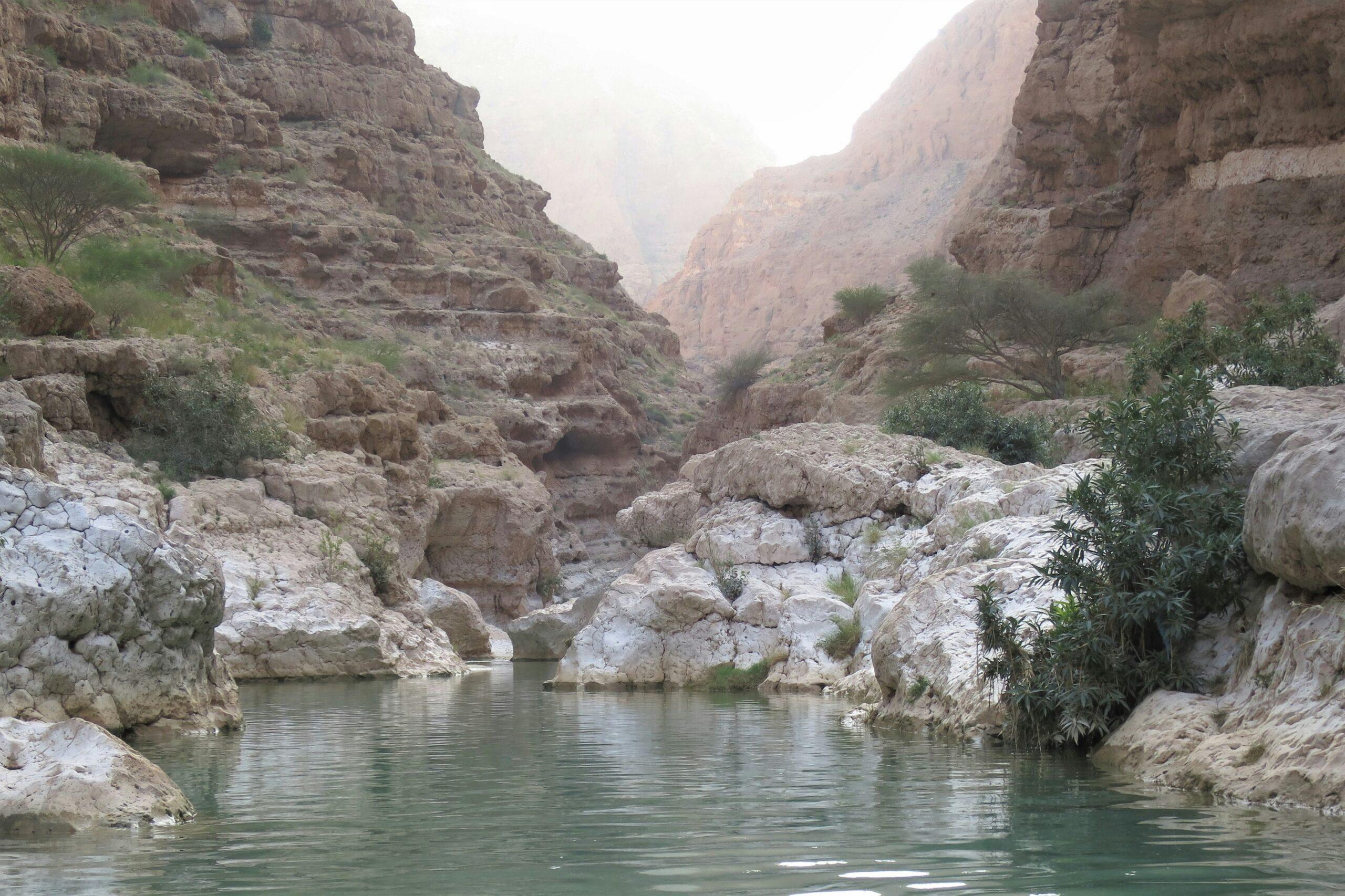
Wadis (alluvial valleys) are one of the defining features of the Omani landscape and often hold the most rewarding surprises. Two are unmissable:
- Wadi Shab: the most spectacular, with its limestone gorges, a series of emerald-tinted natural pools and an inner cave reached by swimming. Allow an hour’s walk from the car park and a short boat crossing to get past the first pool. Breathtaking, but popular: arrive early in the morning.
- Wadi Bani Khalid: more accessible, this year-round oasis fringed with palm trees offers a pleasant swim even in the dry season. Its open layout suits families and travellers who want to skip the longer trek.
Daymaniyat Islands: a protected marine sanctuary
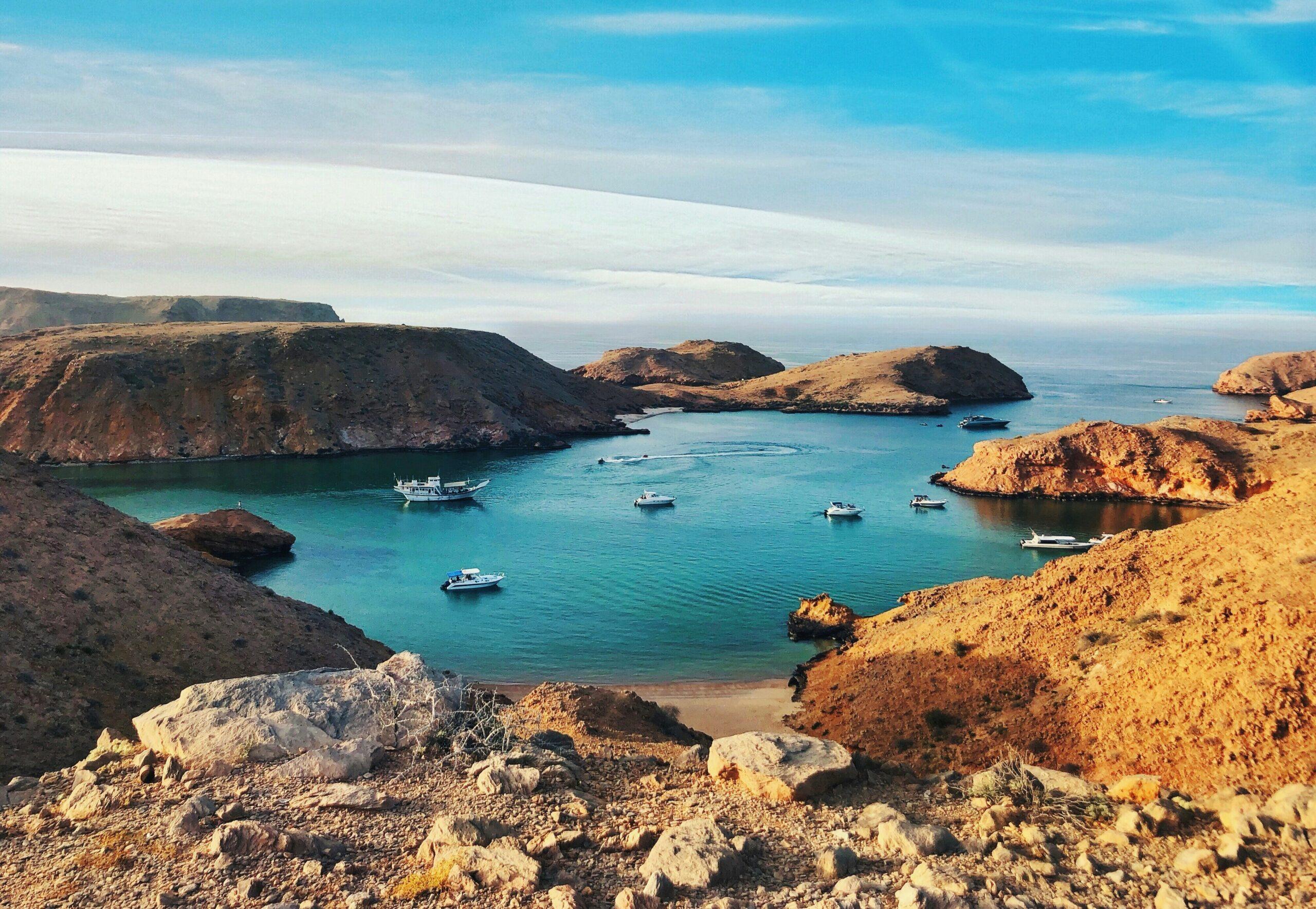
Located around 30 km north-west of Muscat, the Daymaniyat Islands archipelago is a designated nature reserve. Its waters rank among the best diving and snorkelling sites in the Arabian region: sea turtles, rays, coral reefs and tropical fish share waters of exceptional clarity.
Boat excursions depart from As Sib, close to Muscat airport. Conditions are at their best from November to May, before summer heat and winds reduce visibility.
Salalah and the Dhofar: Oman’s tropical south during the khareef
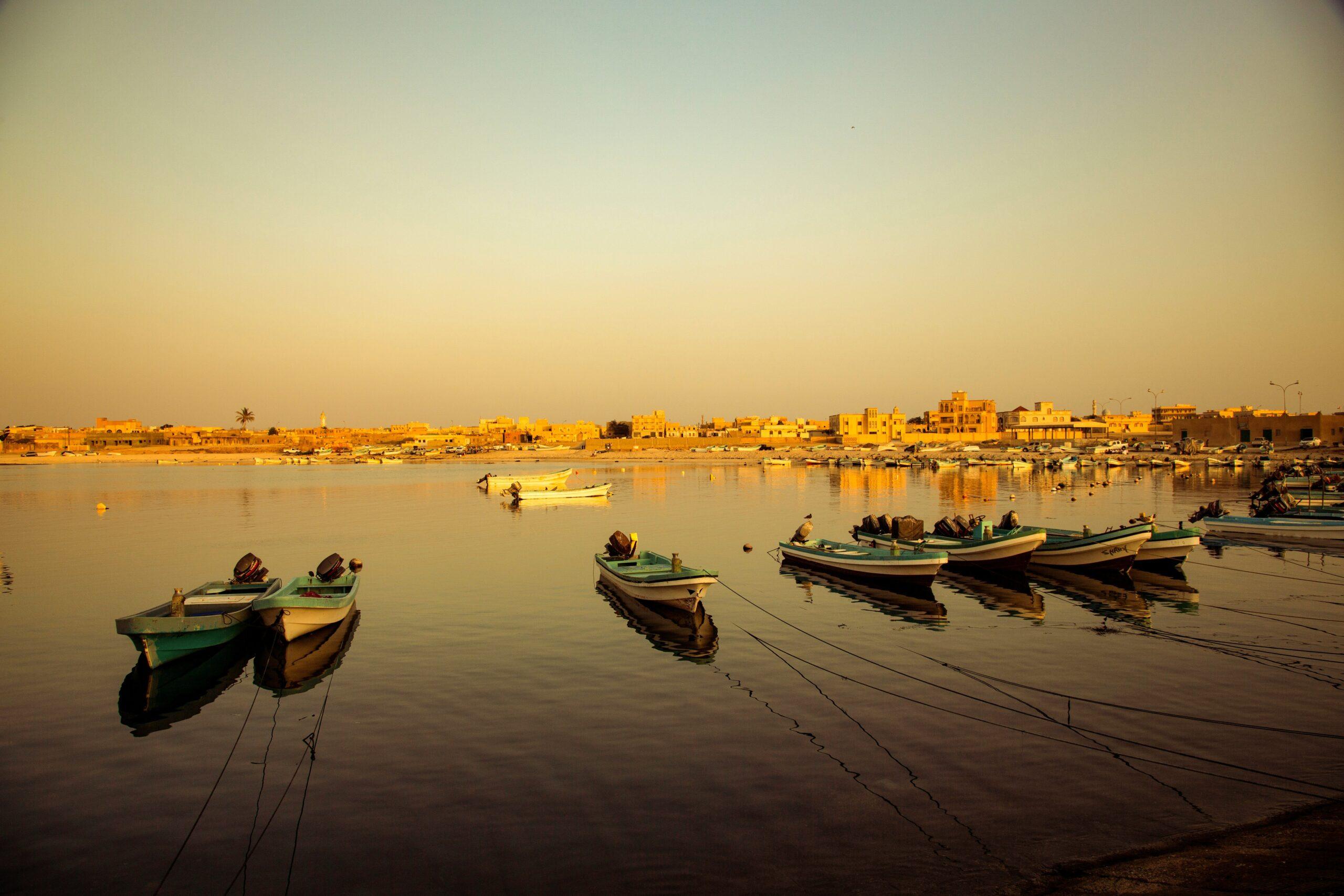
Between June and September, the Dhofar region transforms during the khareef, the local monsoon that turns the desert plateau into a verdant landscape of waterfalls and rivers. Salalah, the Dhofar’s capital, is surrounded by banana and coconut plantations and frankincense trees, for which Oman is one of the world’s historic producers, a tradition inscribed on UNESCO’s Intangible Cultural Heritage list.
The Mughsail beaches with their ocean-sculpted natural arches, the Darbat waterfalls and the springs of Job make up an itinerary that feels worlds apart from the rest of the country. This is also the coolest period in the south, with temperatures around 25 to 30°C, while the north bakes at 40°C and above. Omanis themselves flock south for their summer holidays: a sign, if one were needed, of the region’s authentic appeal.
When to visit Oman
The best time for the north (Muscat, Nizwa, Wahiba Sands, Jebel Shams) is October to April, with pleasant days between 20 and 30°C. Summers in the north regularly top 40°C and make outdoor activities gruelling.
For the south and the Dhofar, the equation reverses: June to September is the green season of the khareef. Outside this window, the Dhofar is arid and far less spectacular.
To combine both regions, November to March strikes the best balance: comfortable temperatures in the north, and access to the Dhofar during its off-monsoon season for beaches and archaeological sites.
Oman stands out as one of the most compelling Middle Eastern escapes of 2025: browse our full selection of must-visit destinations in 2025, including Oman.
FAQ
Do I need a visa to visit Oman?
British and most Western passport holders benefit from a free visa-on-arrival for stays of up to 14 days. For longer stays (up to 30 days), an e-visa is compulsory before departure: the fee is 20 rials for a single-entry visa and 50 rials for multiple entries. Applications are made via the official portal evisa.rop.gov.om.
Is travel insurance compulsory to enter Oman?
Yes, proof of health insurance is one of the documents required at the border in order to benefit from the free 14-day visa-on-arrival. Without this document, entry may be refused. Insurance that also covers emergency repatriation is strongly recommended, regardless of the length or nature of your trip.
When is the best time to visit Oman?
For the north of the country (Muscat, the desert, the mountains), October to April is ideal, with comfortable temperatures between 20 and 30°C. For the Dhofar region and Salalah, June to September coincides with the khareef (the local monsoon): the landscape turns green and temperatures drop to 25-30°C in the south.
Can you hike Jebel Shams without a guide?
The classic trail, the Balcony Walk (W6), is waymarked and can be tackled independently by experienced hikers. It takes around four to five hours return and follows the edge of the Wadi Ghul canyon. Bring sturdy footwear, plenty of water and set off early to avoid the midday heat. A 4x4 is essential to reach the trailhead from the main road.
Is Oman a safe destination for travellers?
Oman is considered one of the most stable destinations in the region. That said, your government’s foreign ministry may advise increased vigilance for overseas travel in the context of the broader regional situation. It is advisable to register with your country’s official traveller registration service before departure and to monitor your foreign ministry’s travel advisories.