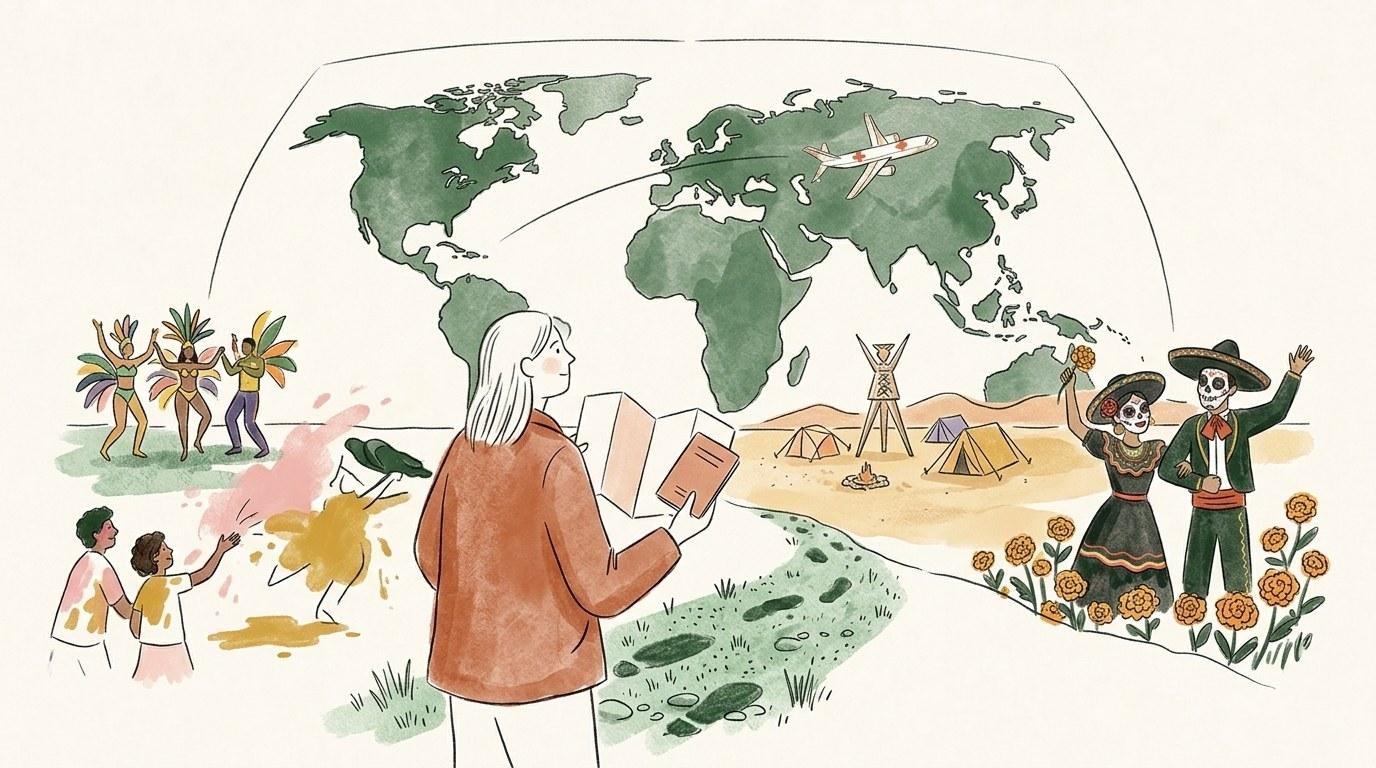

From Rio Carnival to Thailand’s Songkran and the tomato-drenched chaos of Buñol, the planet throws parties like nowhere else. This selection of eight events spans several continents and every season, so there is bound to be at least one worth slotting into your next trip.
Rio Carnival: the greatest party on earth
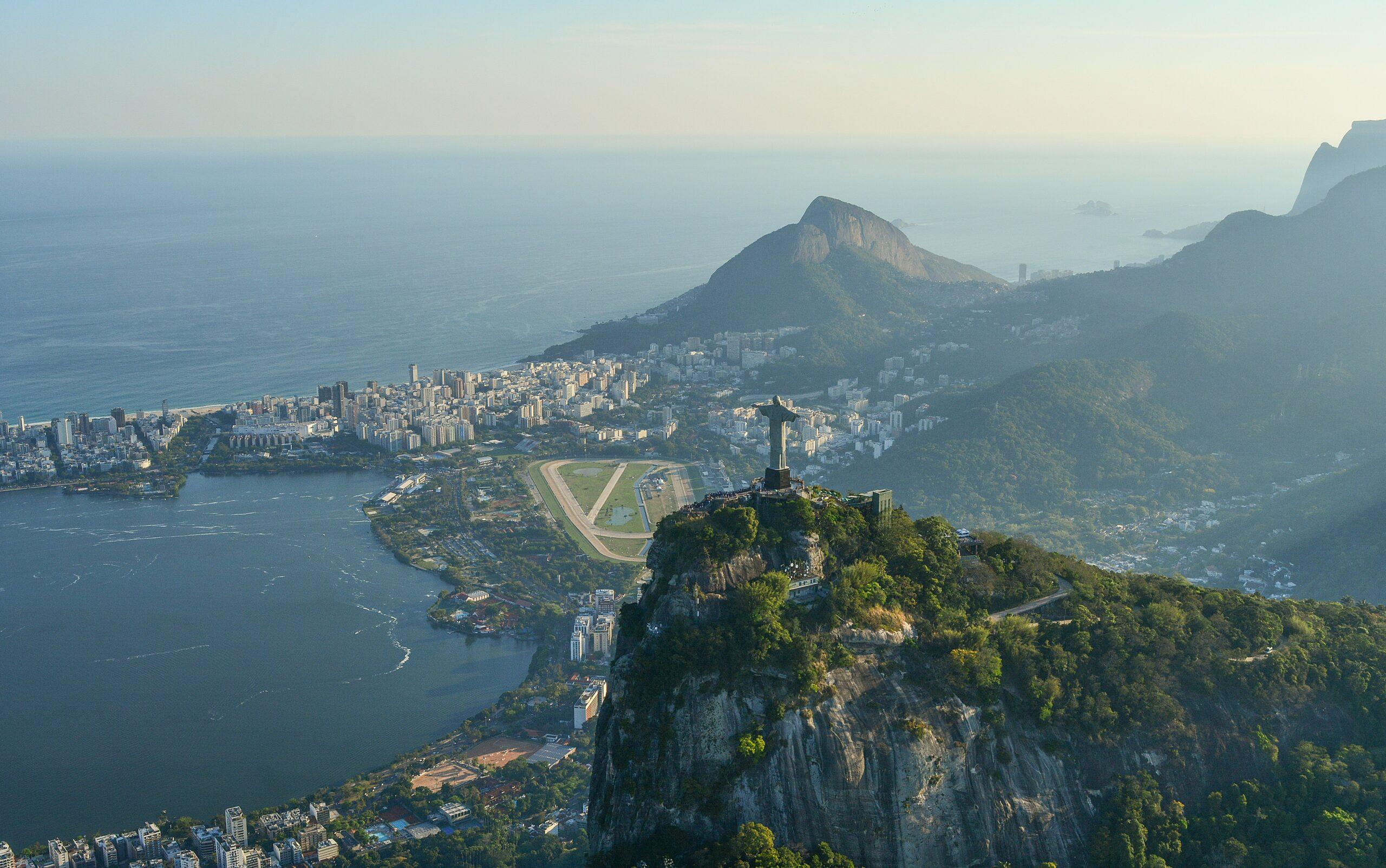
Every February or March, Rio de Janeiro reinvents itself as the world’s undisputed party capital. In 2026, Carnival runs from 13 to 21 February. At the Sambadrome (Sambódromo Marquês de Sapucaí), samba schools compete in a blaze of extravagant costumes, towering floats and an energy that defies description. Beyond the official parade, the blocos (street bands roaming every neighbourhood) welcome locals and visitors alike to join in spontaneously.
Practical tip: book your hotel and Sambadrome tickets at least six months ahead; the best seats go early.
Holi, the Festival of Colours: spring has never felt so vivid
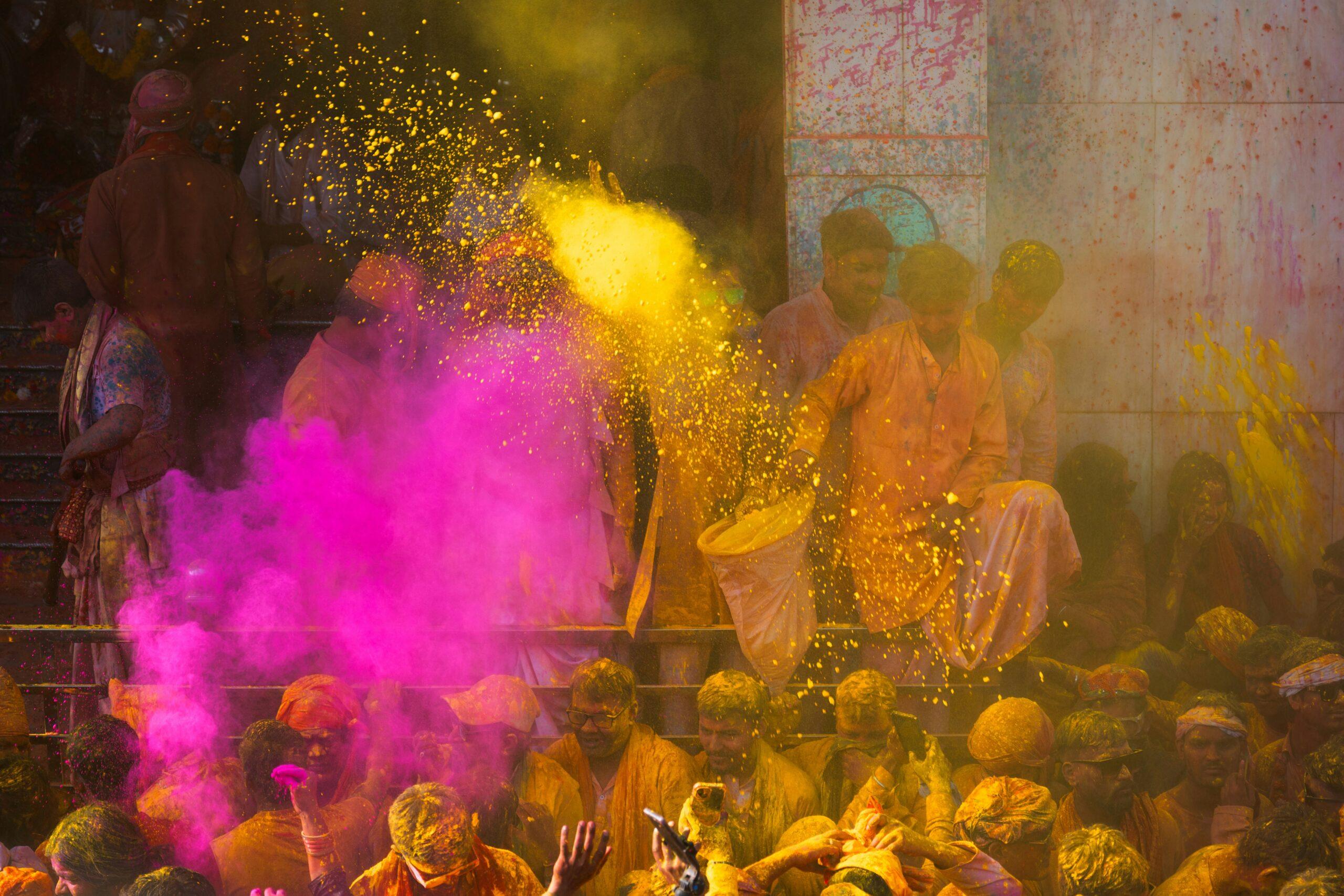
Celebrated across India and Nepal each March on the full moon of the Hindu month of Phalguna, Holi marks the triumph of good over evil and the arrival of spring. Participants hurl coloured powders and drench each other with tinted water in a mood of sheer collective joy. Mathura and Vrindavan in Uttar Pradesh are famed for their particularly exuberant celebrations, but Holi is every bit as vibrant in Jaipur, Mumbai or Kathmandu.
La Tomatina in Buñol: 150,000 kg of tomatoes in one hour
Every last Wednesday of August (27 August for the 2025 edition), the small town of Buñol near Valencia, Spain, draws more than 20,000 participants to the world’s biggest tomato fight. Within the space of an hour, around 150,000 kg of tomatoes are hurled through the streets, coating walls and combatants alike in a brilliant shade of red. The event is well-organised: protective goggles are strongly recommended, and tomatoes must be squashed before throwing to keep things safe.
Burning Man: a pop-up city in the Nevada desert
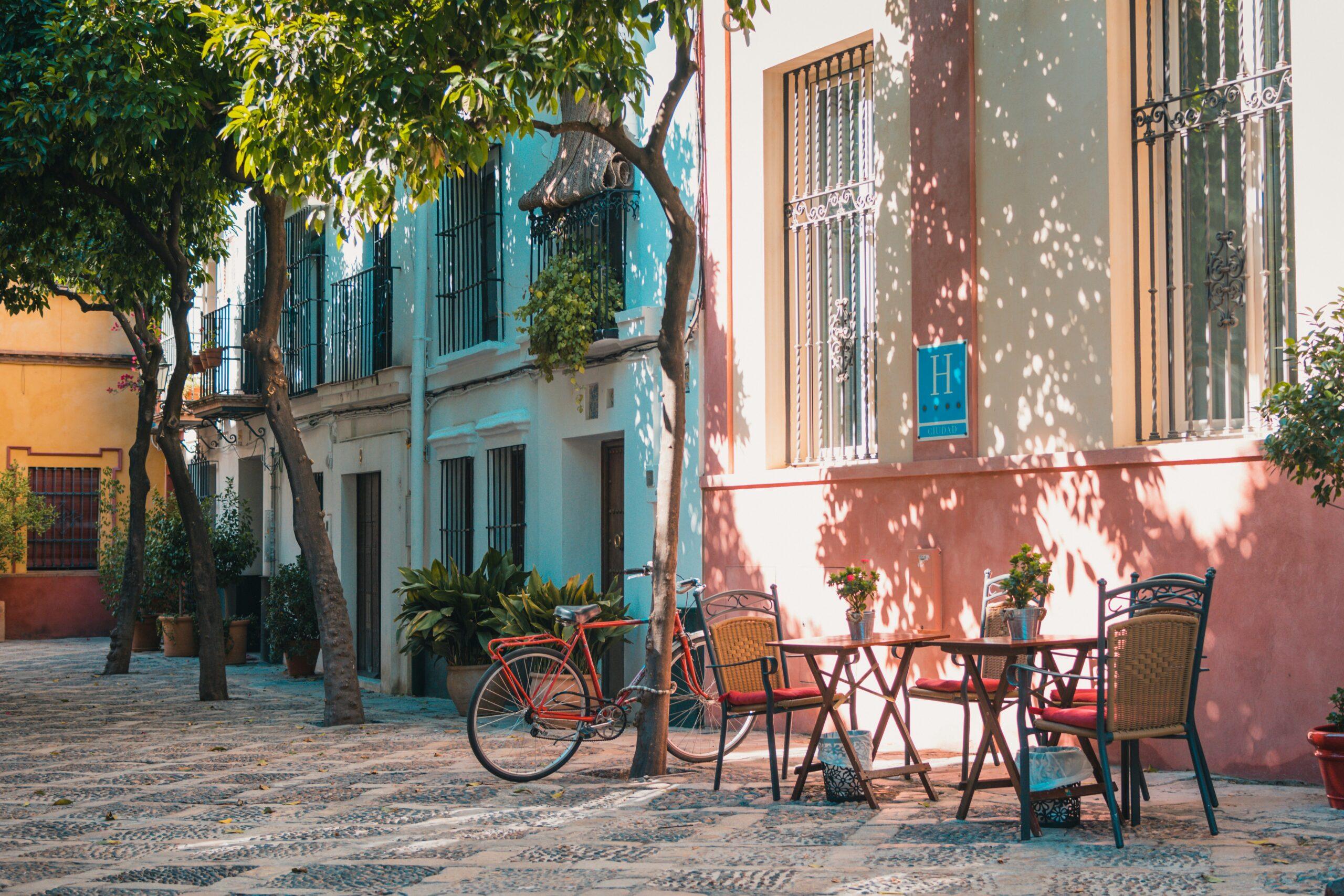
Burning Man is no ordinary festival. It is an art and community experience built on active participation, self-reliance and the Leave No Trace principle. In 2026, the event runs from 30 August to 7 September in the Black Rock Desert, Nevada. A temporary city tens of thousands strong takes shape, filled with monumental installations and avant-garde performances, before being entirely dismantled when the week is done.
What to know before you go: the Nevada desert brings extreme conditions, including intense daytime heat, cold nights and dust storms. Tickets are allocated through a highly competitive official sale, often by lottery in early spring.
Munich’s Oktoberfest: sixteen days and around 6.5 million visitors
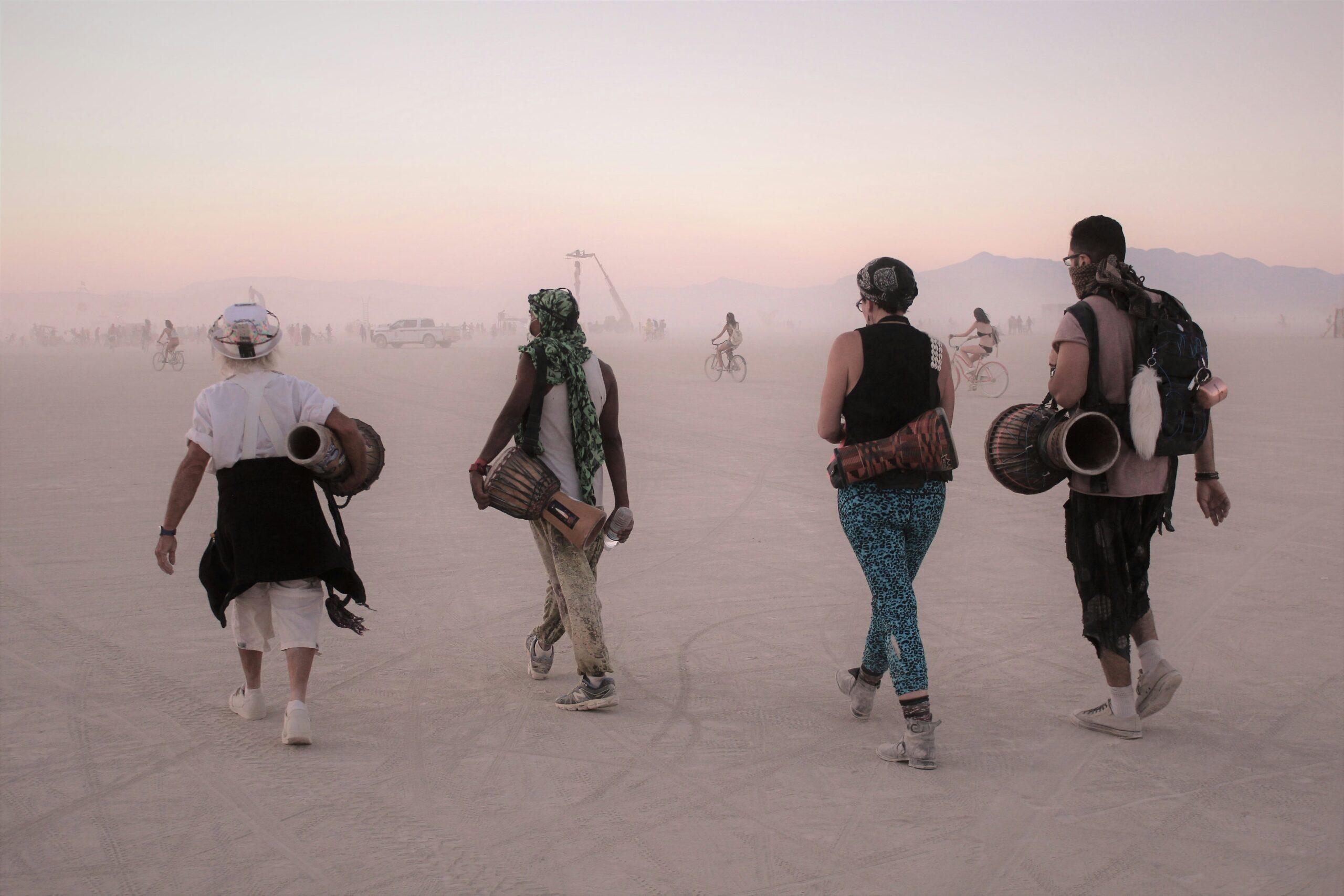
The Wiesn, as Münchners call it, is the world’s largest folk festival. The 2025 edition ran from 20 September to 5 October, drawing around 6.5 million visitors from across the globe. Under the vast beer tents, one-litre steins (Maß) are served alongside sausages, giant pretzels and Bavarian brass bands. The opening weekend and those that follow are the busiest periods: booking accommodation well in advance is absolutely essential.
Pingxi Lantern Festival: Taiwan’s night sky ablaze with light
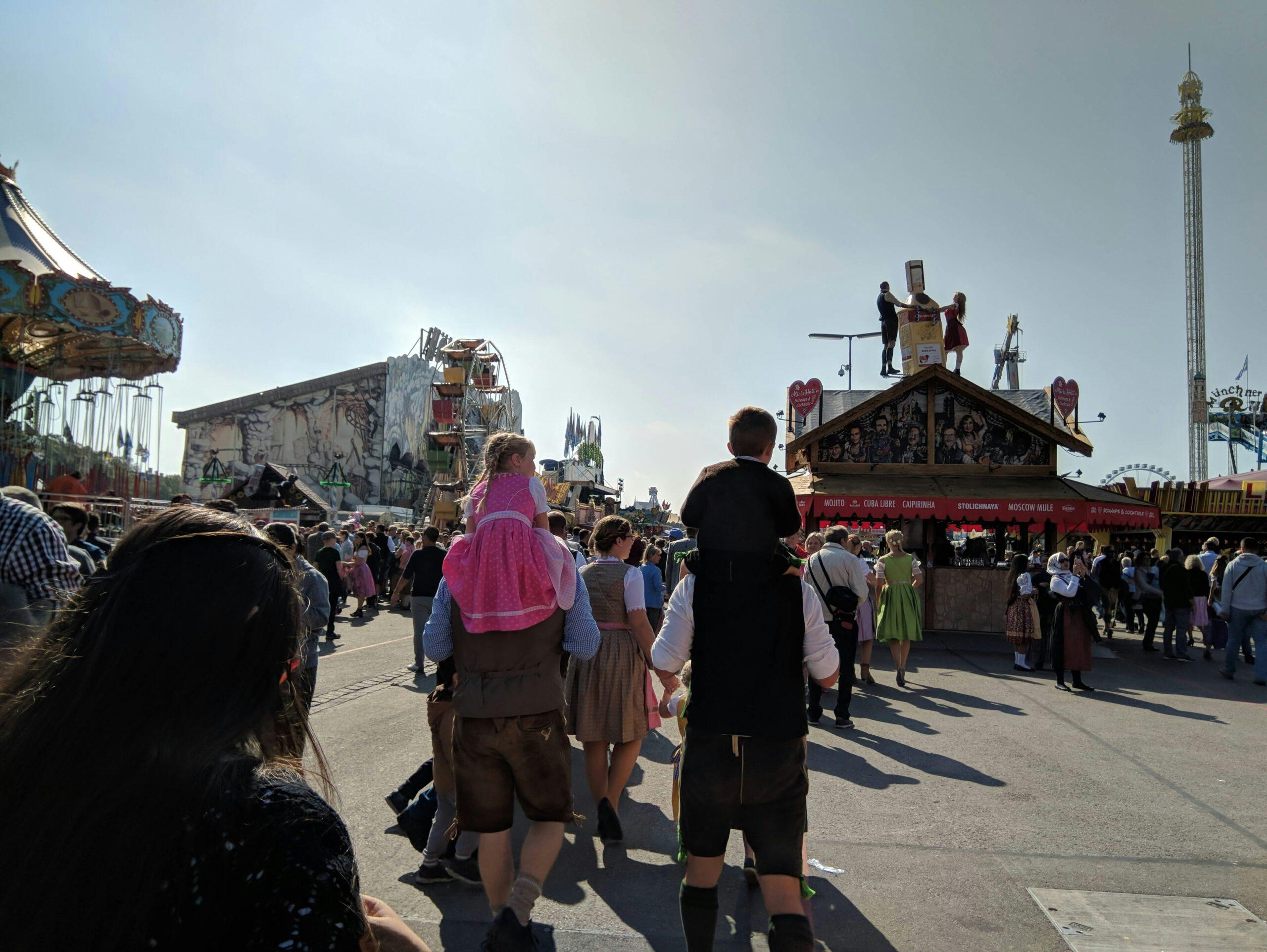
Recognised by Discovery Channel as one of the two most beautiful night festivals in the world, the Pingxi Lantern Festival takes place each year during the Yuanxiao celebration (the 15th day of the Chinese lunar calendar). In 2026, the two main lantern-release evenings fall on 27 February in Pingxi and 3 March in Shifen. Visitors write their wishes on paper lanterns before sending them drifting up into the night sky; the spectacle, visible for kilometres around, is genuinely breathtaking.
For equally memorable end-of-year celebrations, browse our last-minute New Year’s Eve ideas.
Día de los Muertos: death celebrated in colour in Mexico
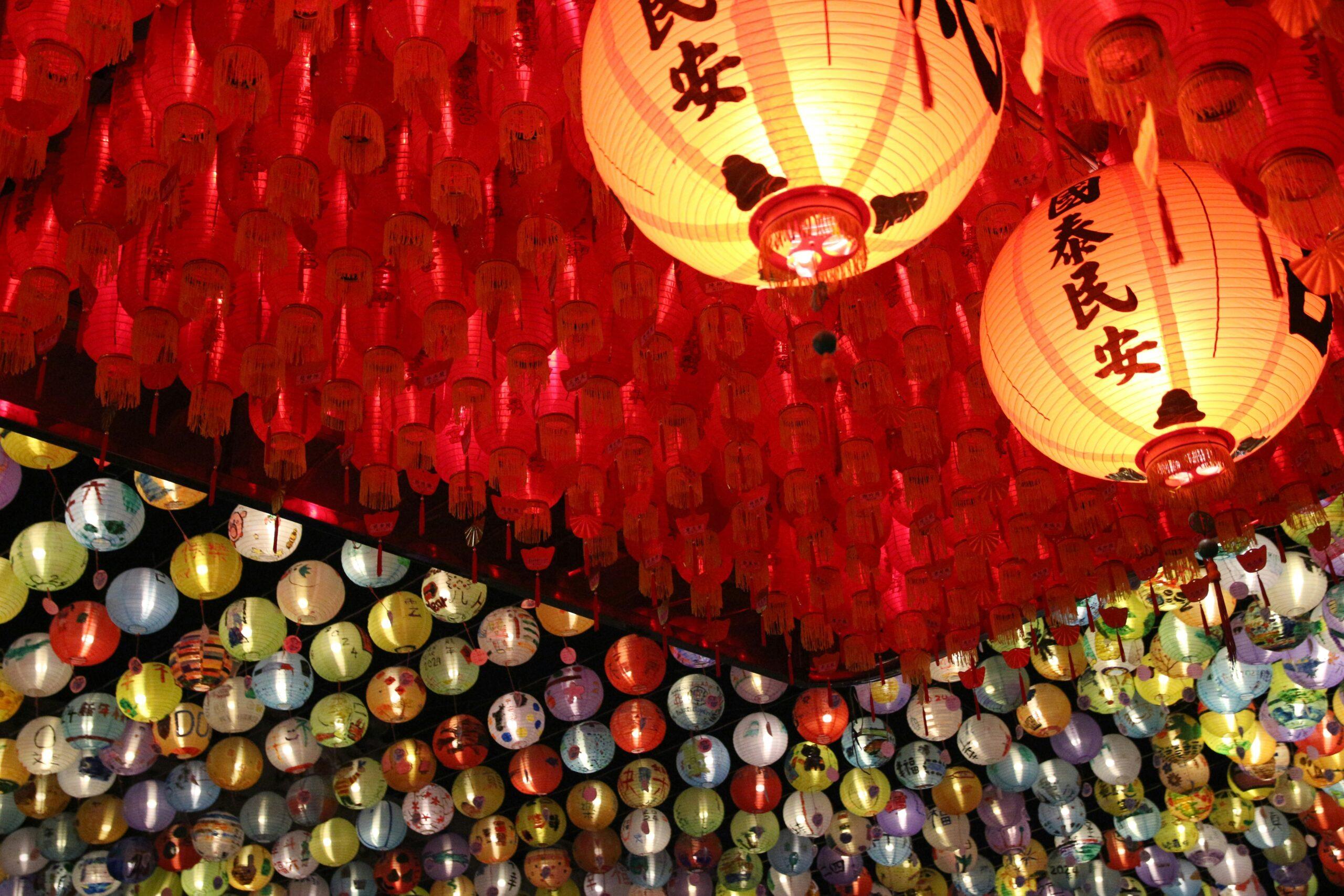
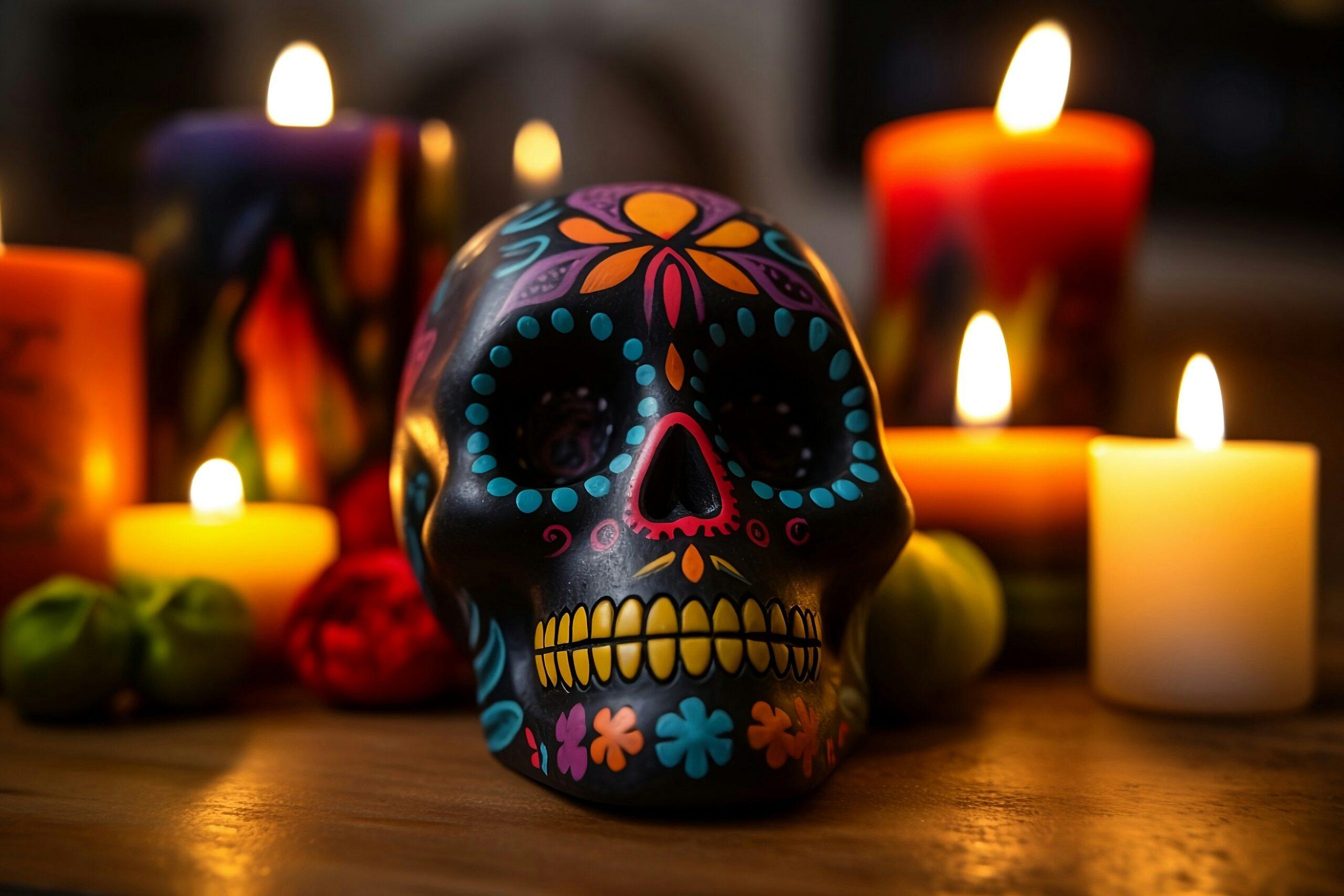
Listed as UNESCO Intangible Cultural Heritage since 2008, Mexico’s Day of the Dead is observed on 1 and 2 November, with festivities typically spilling over from 31 October. Oaxaca is widely regarded as one of the most authentic places to experience it: the comparsas (costumed processions), altars heaped with marigolds (cempasúchil) and candlelit cemeteries create a singular atmosphere that blends quiet reflection with a genuine celebration of life. The roots of this tradition stretch back over 3,000 years to pre-Hispanic Mesoamerican rituals.
Songkran: the world’s biggest water fight
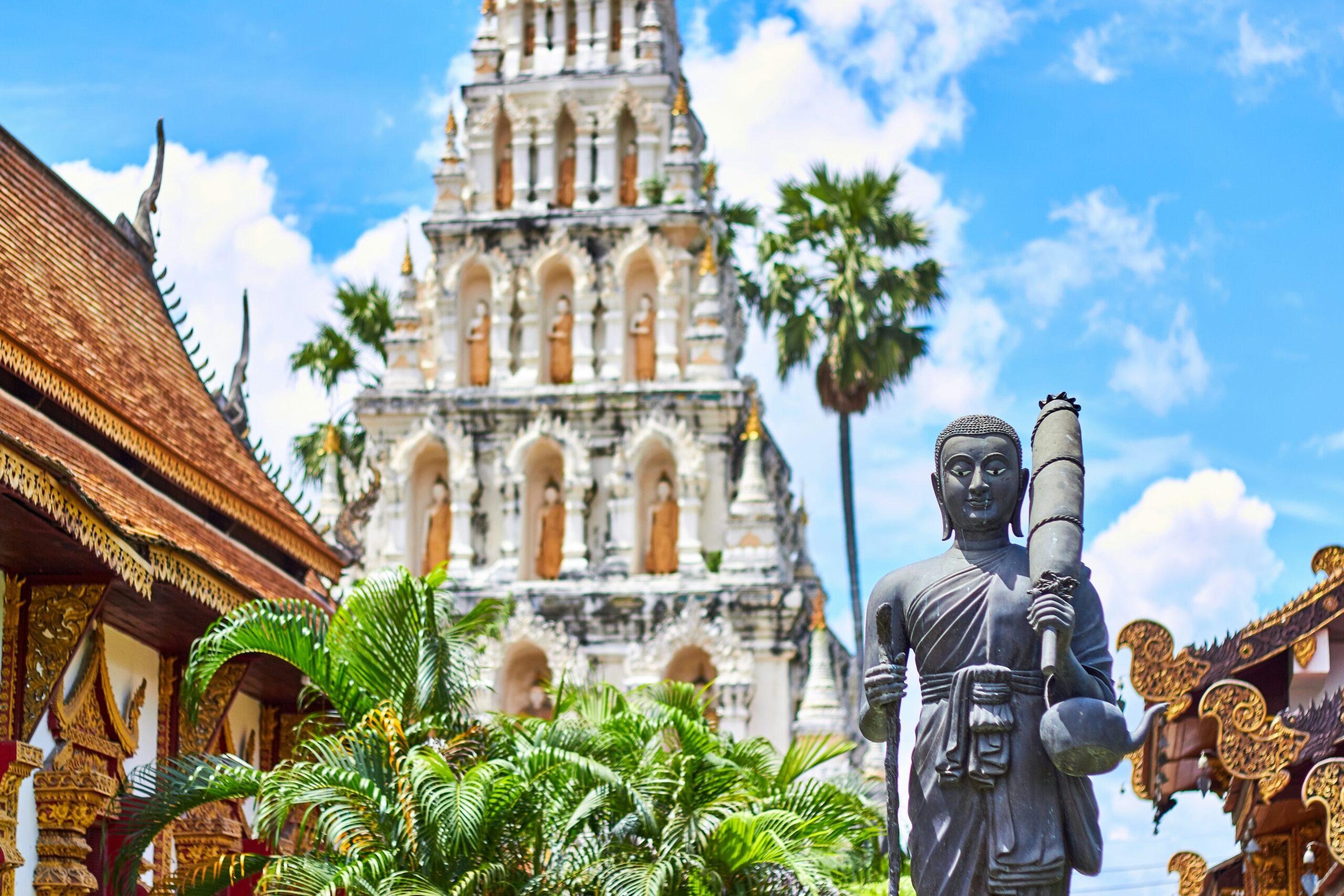
Every year from 13 to 15 April, Thailand rings in its traditional New Year with a nationwide water festival. In Chiang Mai, Bangkok and Pattaya alike, the streets turn into one giant playground: buckets, water guns, garden hoses, and nobody stays dry. The gentler original tradition involves pouring water over the hands of elders as a gesture of respect and a wish for good fortune in the year ahead.
Practical tip: keep electronics and documents sealed in waterproof bags. Travel insurance covering medical costs is a must if you want to enjoy Songkran without a worry in the world.
Planning your festival trip: what to sort before you go
Whichever event you choose, a few things are worth getting right:
- Book early: for the most popular events (Oktoberfest, Rio Carnival, Burning Man), nearby accommodation sells out months in advance.
- Entry requirements: check visa rules and entry conditions for each destination, as these can change independently of festival dates.
- Budget for the extras: food, local transport and any kit you’ll need (dirndl or lederhosen for Munich, clothes you don’t mind ruining for Holi or La Tomatina) all add up.
- Respect the culture: Holi, Songkran and Día de los Muertos are first and foremost cultural and spiritual celebrations. Read up on local etiquette before you dive in.
If you want to combine the party spirit with an eco-conscious approach, our guide to eco-friendly festivals rounds up sustainable alternatives from around the world.
FAQ
Which is the world’s biggest festival?
Munich’s Oktoberfest, with around 6.5 million visitors over sixteen days, is often cited as the world’s largest folk festival. Other events such as Rio Carnival and Songkran bring millions of participants together across far larger geographic areas, which makes any straight comparison tricky.
When is Holi in 2026?
Holi falls on the full moon of the Hindu month of Phalguna, which usually lands in March. As the exact date shifts with the lunar calendar, check the official Indian tourism authority’s website for the year you are travelling.
Is La Tomatina open to everyone?
Yes, but attendance is capped at around 20,000 people. Tickets are required: buy them weeks in advance through the official organisers to avoid paying over the odds on the secondary market.
Do I need travel insurance for these festivals?
Yes, regardless of the destination. If you have an accident, fall ill or need to be hospitalised abroad, costs can be significant. Travel insurance covering medical expenses and repatriation lets you enjoy every festival without the worry, whether you are in Brazil, India or Thailand.
Are Burning Man tickets sold in advance?
Burning Man tickets are allocated through a highly competitive official sale, often by lottery in early spring, run by the Burning Man Project. Tickets may also become available through the official secondary market, but places are scarce and prices high: plan as far ahead as you possibly can.