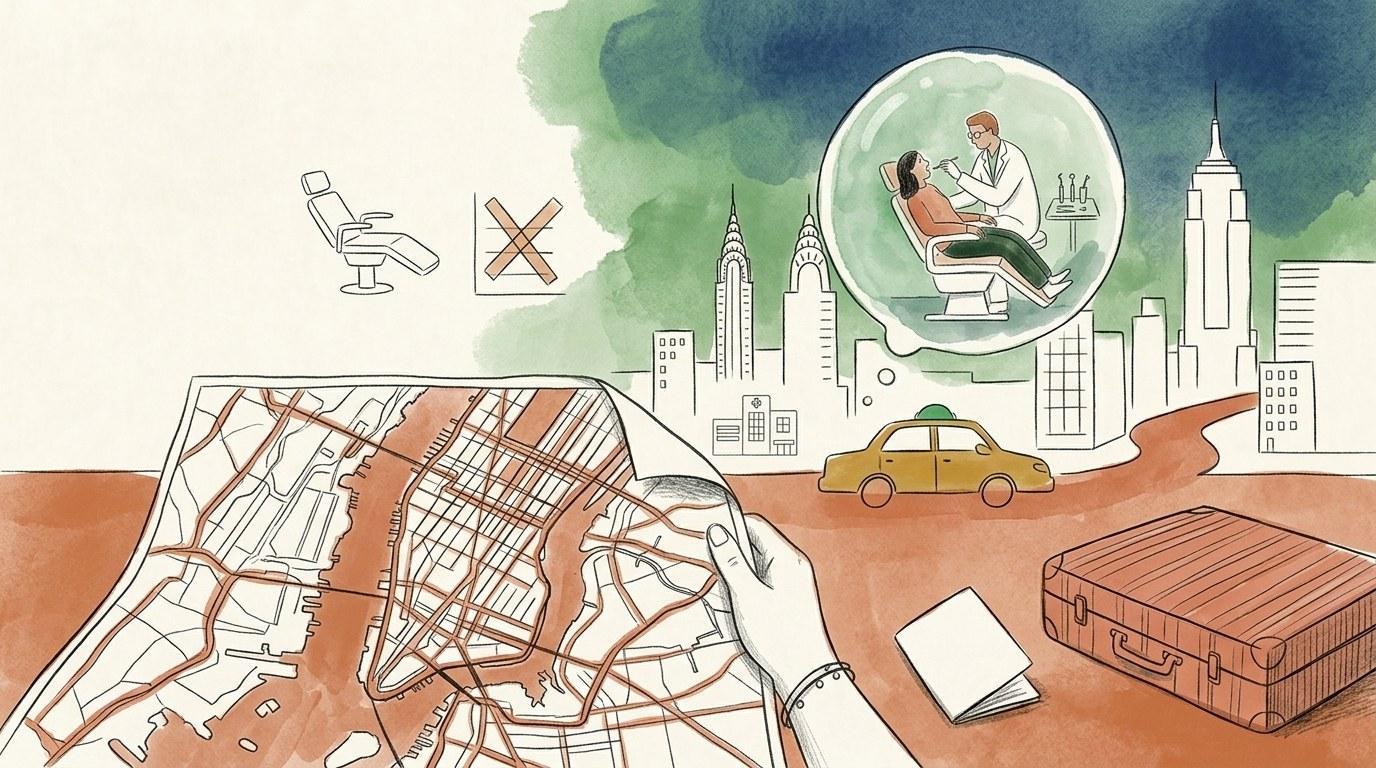


Whether you are heading abroad to study, take up a working holiday visa, backpack around the world or spend a few weeks on a language course, young travellers have specific insurance needs that are all too often underestimated. The right young traveller insurance covers emergency medical expenses, repatriation and personal liability, so you can travel with complete peace of mind, whatever your budget.
Why young travellers need travel insurance
Being young and healthy does not rule out a scooter accident in Bangkok, an appendicitis in Buenos Aires or a broken leg on a ski slope in New Zealand. Medical costs abroad can spiral alarmingly fast: a hospital stay in the United States or Canada can top 10,000 euros, before you even factor in the cost of medically supervised repatriation.
Your student card or the basic cover from your standard French health insurance generally provides no protection outside the European Economic Area. As for the insurance bundled with many bank cards, it is often limited in duration (30 to 90 days depending on the policy) and capped at amounts that fall well short of covering a serious emergency.
Compare Yupwego plans for young travellersThe situations most relevant to young travellers
Studying abroad and international placements
A university exchange (Erasmus or outside the EU) or a final-year work placement will often require you to produce proof of insurance. Most foreign universities and employers insist on medical cover and personal liability before accepting an enrolment or offering a position.
Working Holiday Visas (WHV)
A working holiday visa is one of the cases where insurance is most commonly mandatory and actively verified. Canada, Australia, New Zealand and Japan all require a certificate of insurance covering the entire stay. A plan suited to long-term travel insurance is essential here, as these trips typically run to several months or more.
Backpacking and round-the-world travel
Backpacking multiplies your exposure to risk: unreliable transport, unconventional accommodation, spontaneous adventure activities. To stay properly insured on a round-the-world trip, you need to confirm that your cover follows you from destination to destination, with no gaps or excluded regions.
Language courses and volunteering
Even for a stay of just a few weeks, the European Health Insurance Card (EHIC) only applies in EU countries, Iceland, Liechtenstein, Norway and Switzerland. Outside these areas, or for any volunteering activity, dedicated travel insurance remains a necessity.
The key cover features to check
Medical expenses and hospitalisation
This is the heart of any policy. Check the reimbursement ceiling (it must be high enough to reflect the real costs at your destination), exactly what is included (GP consultations, diagnostic tests, medication, hospitalisation) and any applicable excess.
Medical repatriation
In the event of a serious health problem, your insurer can arrange and cover the cost of medically supervised repatriation. Without this cover, medical transport costs fall entirely on you, and they can be staggering.
Personal liability abroad
If you accidentally cause harm to a third party (personal injury or property damage), the personal liability section of your policy steps in. This cover is often required by foreign universities and employers before you can enrol or begin a placement.
Round-the-clock assistance
A helpline available at any hour, in your own language, is a decisive comfort factor: in a genuine emergency on the other side of the world, you need someone who can coordinate your care and repatriation without delay.
Baggage and equipment
Optional but well worth considering for backpackers: baggage cover protects against loss, theft and damage during your trip. Check the limits carefully and note any excluded items (electronics, valuables).
What basic insurance typically does not cover
Knowing what is excluded matters just as much as knowing what is included. Depending on the policy, the following may be partially or entirely excluded:
- Pre-existing conditions: a medical condition diagnosed before you took out the policy may not be covered.
- High-risk sports: off-piste skiing, surfing, scuba diving, rock climbing… check whether these activities require a specific extension.
- Maximum trip duration: some policies cap cover at 90 or 180 consecutive days.
- Destinations under official travel warnings: countries advised against or placed in a high-risk category may be excluded from the policy.
For a detailed breakdown of the difference between what travel insurance covers and what your national health insurance takes care of, see our article on the differences between travel insurance and health insurance.
How to choose travel insurance as a young traveller
Match the plan to your situation
Three weeks in Europe calls for a very different level of protection than a 12-month working holiday visa in Australia. Start by identifying your type of trip, your destination, the activities you plan to do and any contractual or administrative requirements.
Compare cover limits, not just prices
The cheapest travel insurance is not always the best value. A medical ceiling that is too low can leave you seriously exposed when a hospital bill arrives. Prioritise limits that genuinely reflect the cost of healthcare at your destination.
Watch out for blind spots
Many young travellers rely on their bank card insurance without ever checking its real limitations. Policies that are not read carefully are one of the most common sources of unpleasant surprises. To avoid the classic pitfalls, read our advice on travel insurance that is often poorly sold.
Take out cover before you leave
Cancellation cover can only apply to events that occur after the policy start date. Once your flights are booked, do not put off arranging cover.
FAQ
Is travel insurance compulsory for young people?
Not automatically, but it may be required by certain authorities (Schengen visa, working holiday visa, foreign universities). And even when it is not compulsory, the potential cost of medical treatment abroad more than justifies the premium.
Is the European Health Insurance Card (EHIC) enough?
It covers necessary healthcare in EU countries, Iceland, Liechtenstein, Norway and Switzerland. Outside these areas, it does not apply at all. And even within Europe, it does not cover repatriation, trip cancellation or personal liability.
Does my bank card insurance cover a working holiday visa?
Generally, no. Bank card insurance typically covers short trips (often a maximum of 90 days) and requires that the flights were booked using that card. For a working holiday visa, a dedicated long-term insurance plan is necessary.
Are sports and activities covered?
It depends on the policy. Everyday activities (swimming, walking, hiking) are generally included. High-risk activities (off-piste skiing, skydiving, combat sports) may require a specific extension. Read the general conditions before you travel.
When should I take out travel insurance?
Ideally, as soon as you have booked your flights and accommodation. Cancellation cover can only apply to events occurring after the policy start date. Leaving it to the last minute risks leaving you exposed to situations that are no longer covered.
Does Yupwego offer insurance for young people on a working holiday visa?
Yes: Yupwego offers travel insurance plans designed for young travellers, including medical cover, repatriation and assistance, with a fully online application and instant issue of your insurance certificate.