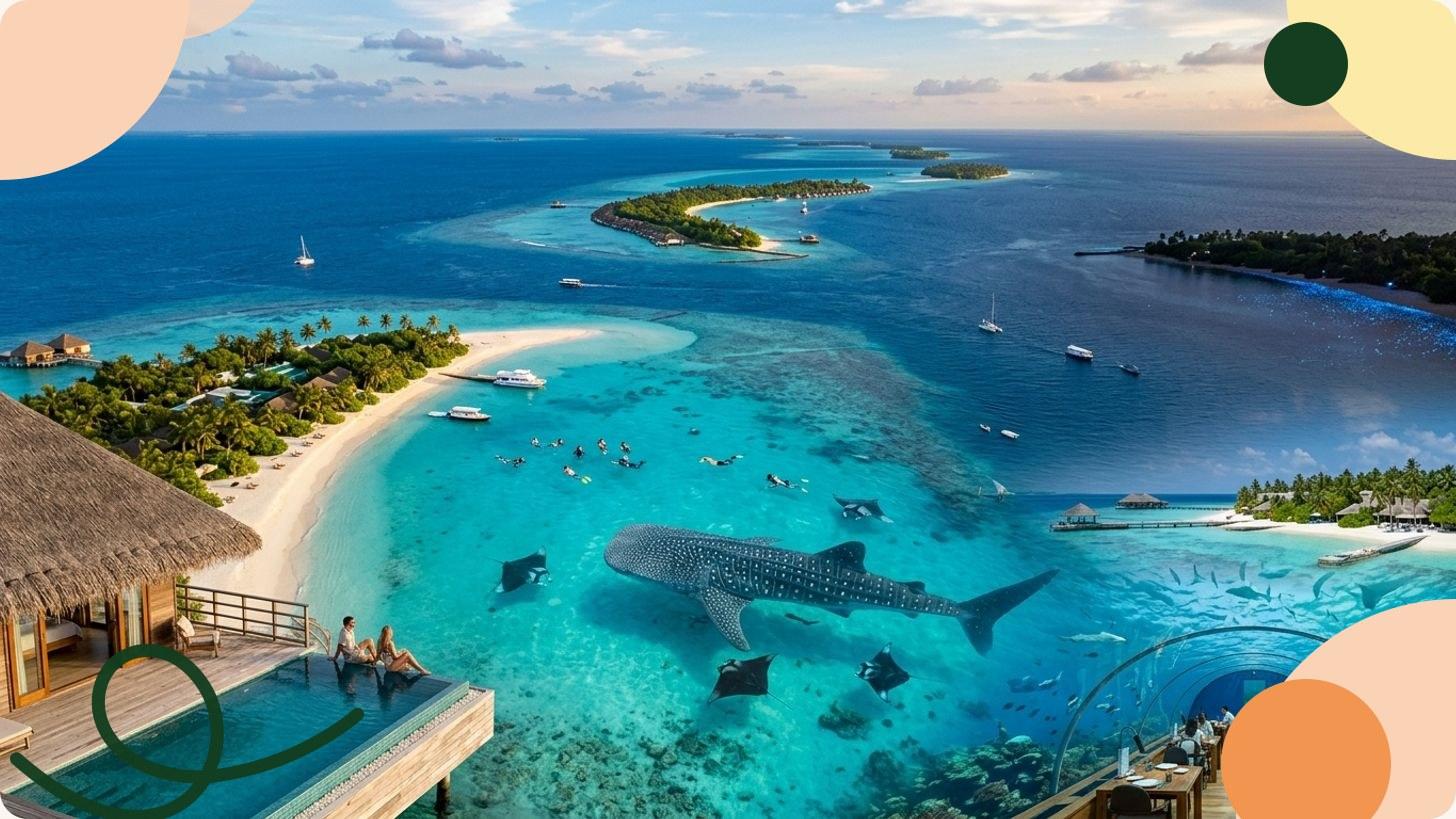

In the Maldives, the real action happens on or just below the water: diving through hammerhead passes, swimming alongside convoys of manta rays, flying over coral rings in a seaplane, sleeping above a turquoise lagoon in an overwater bungalow. This guide covers 20 concrete experiences, organised by atoll and activity type. The archipelago’s beaches rank among the most beautiful beaches in the world, but the Maldives holds far more surprises than that.
Malé and Kaafu Atoll
1. Exploring Malé, the Maldivian capital
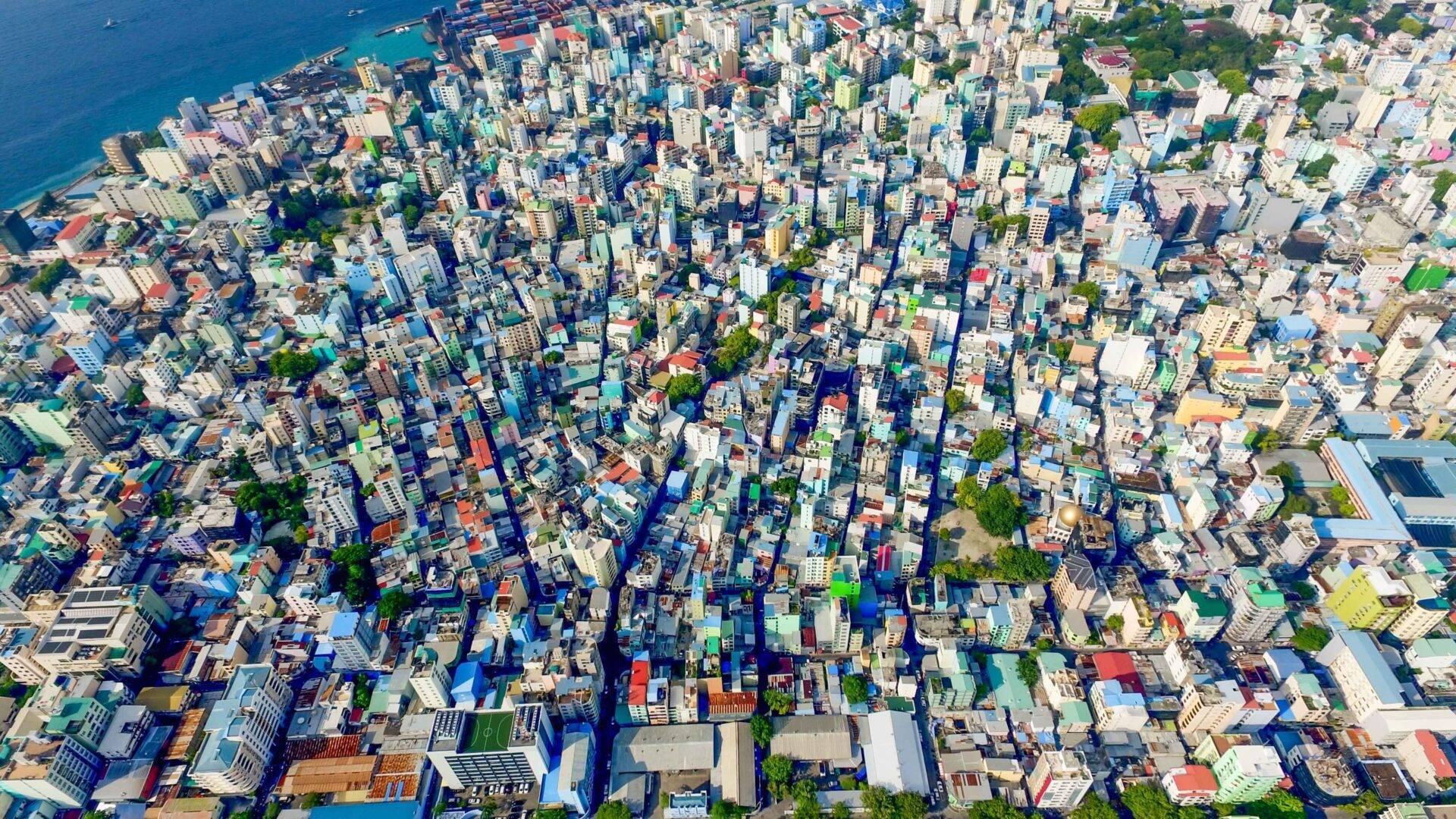
Malé is one of the most densely populated capitals on earth: under 6 km², hundreds of thousands of inhabitants, and an energy that contrasts sharply with the stillness of the surrounding lagoons. The Hukuru Miskiy mosque, built in 1656 from coral stone, is the oldest in the Maldives and a rare example of traditional Maldivian architecture. The fish market, a short walk from the harbour, puts on a daily spectacle of tuna and mahi-mahi unloaded from dhonis each morning. Sultan Park and the National Museum offer a glimpse of the country’s pre-Islamic history, often overlooked by visitors in a hurry.
2. Kaafu Atoll, the launchpad for the lagoons
Kaafu Atoll surrounds Malé and contains many of the most accessible resorts: by speedboat, some islands are under 30 minutes from Velana International Airport. For travellers on a tighter budget or schedule, this atoll offers the best balance between accessibility and underwater beauty. Its shallow waters are also well suited to families with young children taking their first steps in snorkelling.
The Northern Atolls
3. Haa Alif Atoll, the authentic northern tip
Haa Alif Atoll is the northernmost of the Maldives’ administrative atolls. Far from the main tourist circuits, it retains a genuine, unhurried character: residents live by traditional pole-and-line tuna fishing, a craft passed down through the centuries. The coral reefs, rarely dived, are in exceptional health. Guesthouses on islands such as Dhidhdhoo, the atoll capital, let you immerse yourself in local life while accessing reefs that see almost no visitor traffic.
4. Haa Dhaalu Atoll, pristine beaches and fishing villages
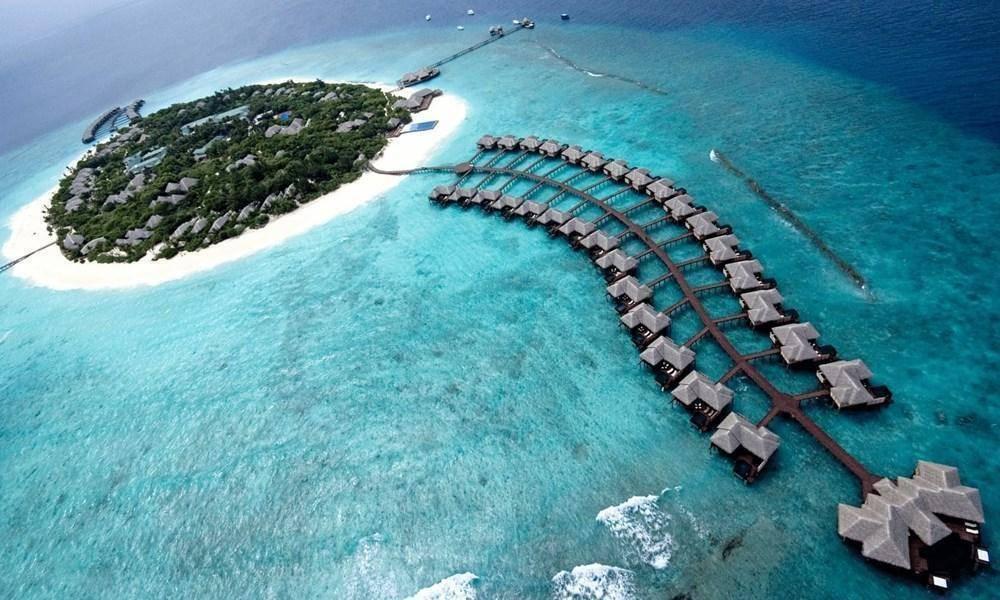
Haa Dhaalu Atoll stretches across crystal-clear turquoise waters and reefs that see little tourist traffic. Its fishing villages have preserved their traditional architecture and a pace of life far removed from the crowds. Below the surface, eagle rays, green turtles and schools of snapper share the water with the rare diver who ventures out here, in unusually clear conditions. For anyone seeking an alternative to the busier central atolls, Haa Dhaalu is well worth the journey.
5. Raa Atoll, the Sea of Stars at Vaadhoo Island
Raa Atoll is home to Vaadhoo Island, whose beach is known the world over for a remarkable natural phenomenon. On dark nights, particularly around the new moon, bioluminescent micro-organisms called dinoflagellates (Lingulodinium polyedrum) gather in the shallows and emit an intense blue glow when disturbed by the waves, creating the illusion of a starlit sky lying across the sand. The effect is most spectacular between June and October. Beyond the bioluminescence, Raa Atoll is known for its rich cultural traditions and local festivals.
6. Noonu Atoll, cleaning stations and leopard sharks
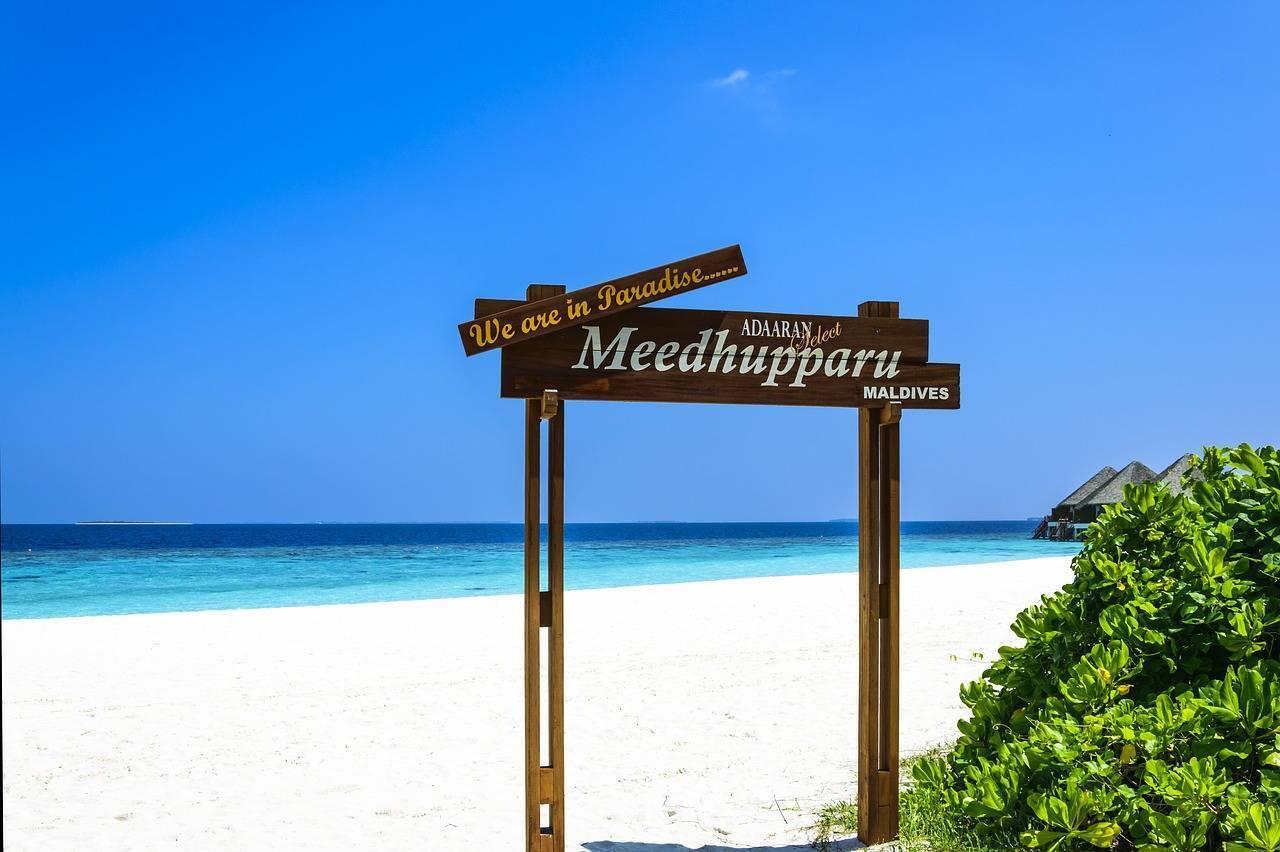
Noonu Atoll (officially South Miladhunmadulu) comprises 71 coral islands, of which only 13 are inhabited. Located roughly 180 to 200 km north-west of Malé, it is accessible in 45 minutes by seaplane from Velana Airport. Its dive sites feature cleaning stations where grey reef sharks and leopard sharks have parasites removed by small wrasse, a rare sight only possible in undisturbed waters. Guitarfish (Rhinobatidae) and eagle rays regularly cross the channels.
7. Lhaviyani Atoll, wrecks and dining beneath the surface
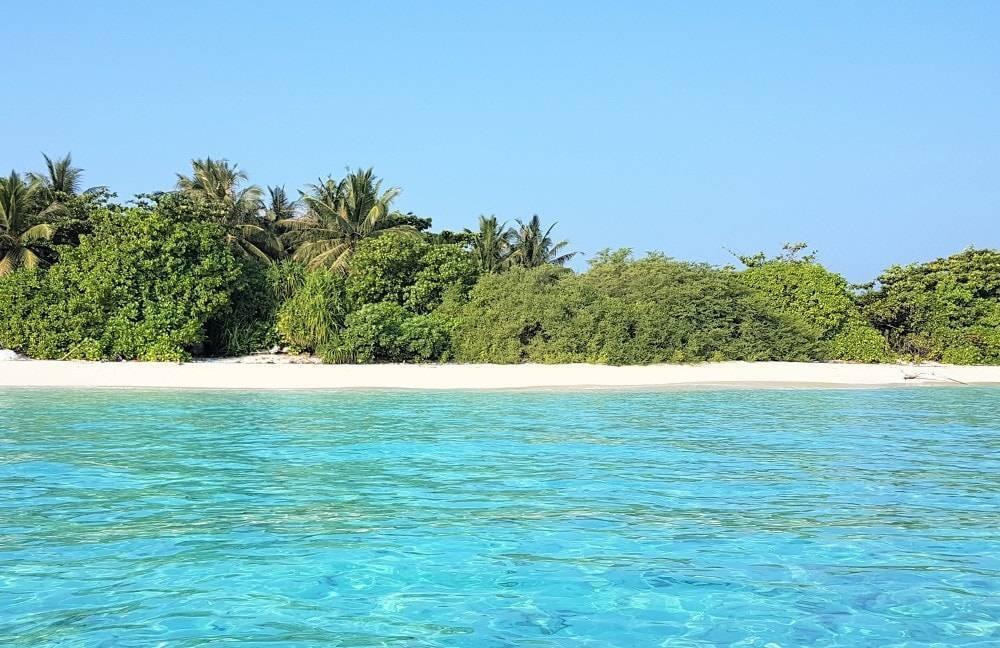
Lhaviyani Atoll is popular with divers for its wrecks, some bearing witness to several decades of navigation in the Indian Ocean. Its reefs are home to green and hawksbill turtles that can be spotted year-round, along with eagle rays in the current-exposed channels. The atoll is also known for the underwater restaurant at Hurawalhi Island Resort, a glass cylinder set beneath the surface of the lagoon where shoals of tropical fish and reef sharks drift past as guests dine.
The Central Atolls
8. Ari Atoll, whale sharks all year round
Ari Atoll (Alif Alif) is one of the best places in the world to swim with whale sharks: unlike other seasonal spots, the southern part of the atoll hosts a resident population present throughout the year. Its waters are home to more than 700 recorded fish species. The site of Maaya Thila, nicknamed “the ocean nursery”, comes alive after dark: stingrays, moray eels and reef sharks grow active as night falls, making it one of the finest night dives in the archipelago.
9. Baa Atoll, Hanifaru Bay and UNESCO manta rays
Baa Atoll is a UNESCO Biosphere Reserve, a status it owes in large part to Hanifaru Bay. This shallow bay acts as a natural plankton trap: as the tide rises, it funnels nutrient-rich upwellings into the bay, drawing in hundreds of giant manta rays that spiral and feed in the current. The phenomenon is most intense between May and November. Whale sharks regularly join the manta rays during the same upwelling events.
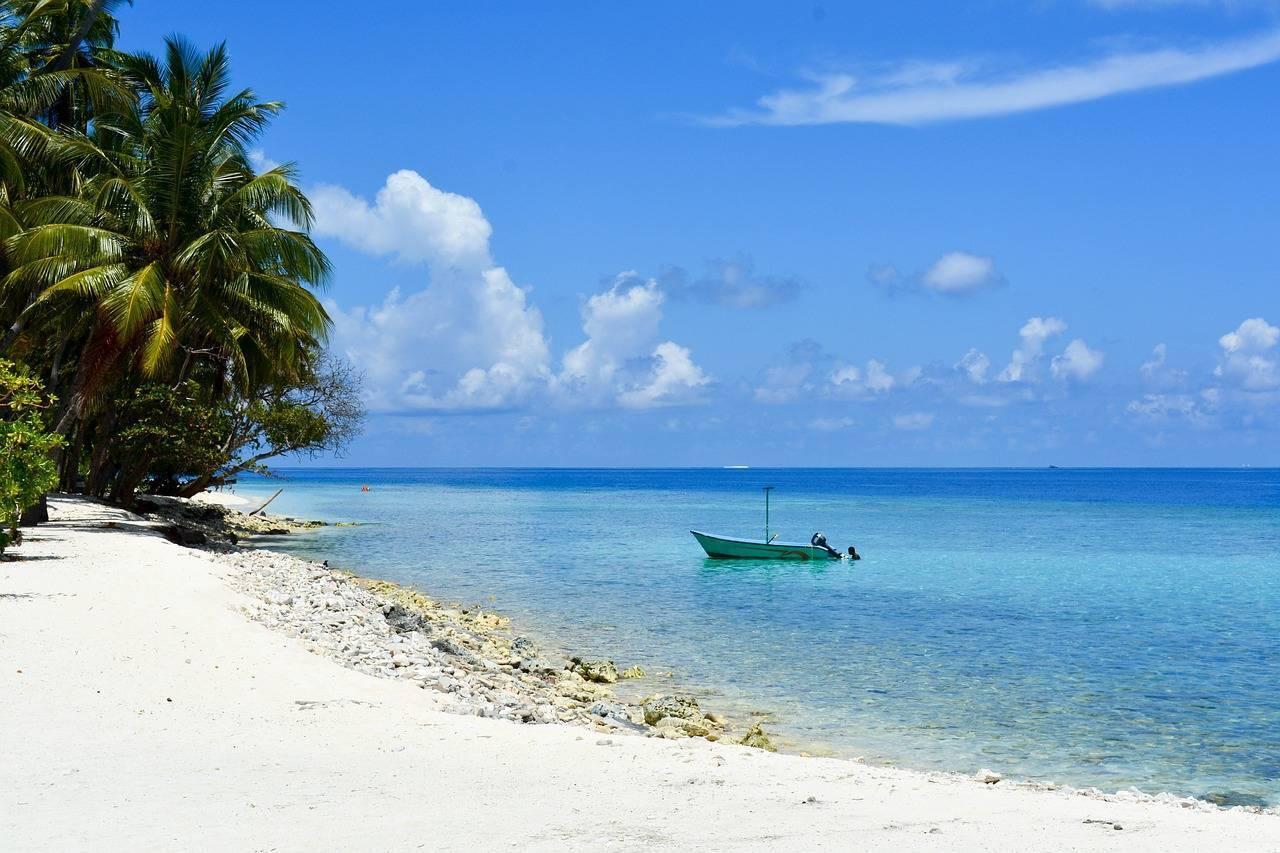
10. Vaavu Atoll, Fotteyo Kandu and hammerheads at dawn
Vaavu Atoll is the smallest administrative atoll in the Maldives, yet it is home to Fotteyo Kandu, which many divers consider the finest dive site in the country. This 200-metre underwater canyon is carpeted with yellow and blue soft corals, its overhangs and crevices sheltering grouper, tuna and barracuda. At dawn, at around 30 metres depth, schools of scalloped hammerheads pass through the channel. Currents can exceed 3 knots here, making this a dive for experienced divers only.
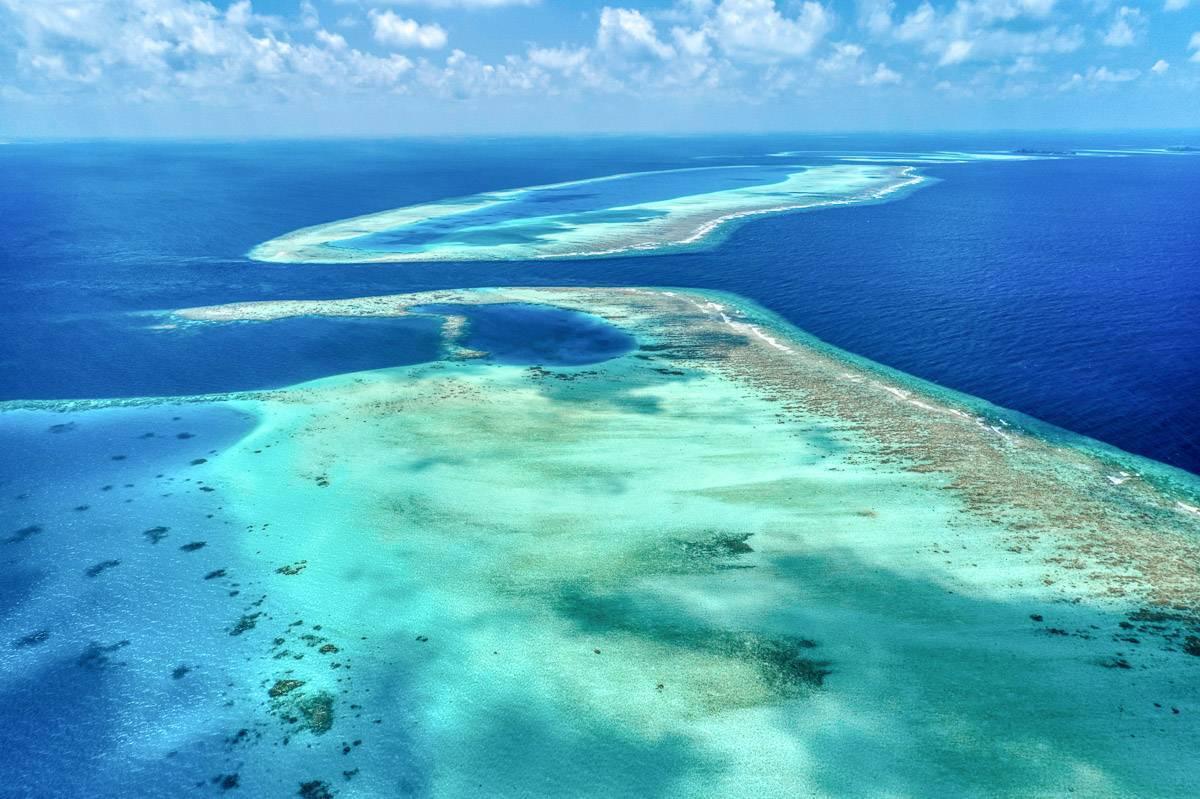
11. Faafu Atoll, clarity and rarely visited reefs
Faafu Atoll stretches roughly 29 km from north to south and remains one of the least visited in the Maldives. The absence of heavy tourist traffic protects its reefs from the damage caused by repeated anchoring or intensive snorkelling. Visitors enjoy unusually clear water shared with green turtles, reef sharks and butterflyfish, in a tranquillity rarely found elsewhere in the archipelago.
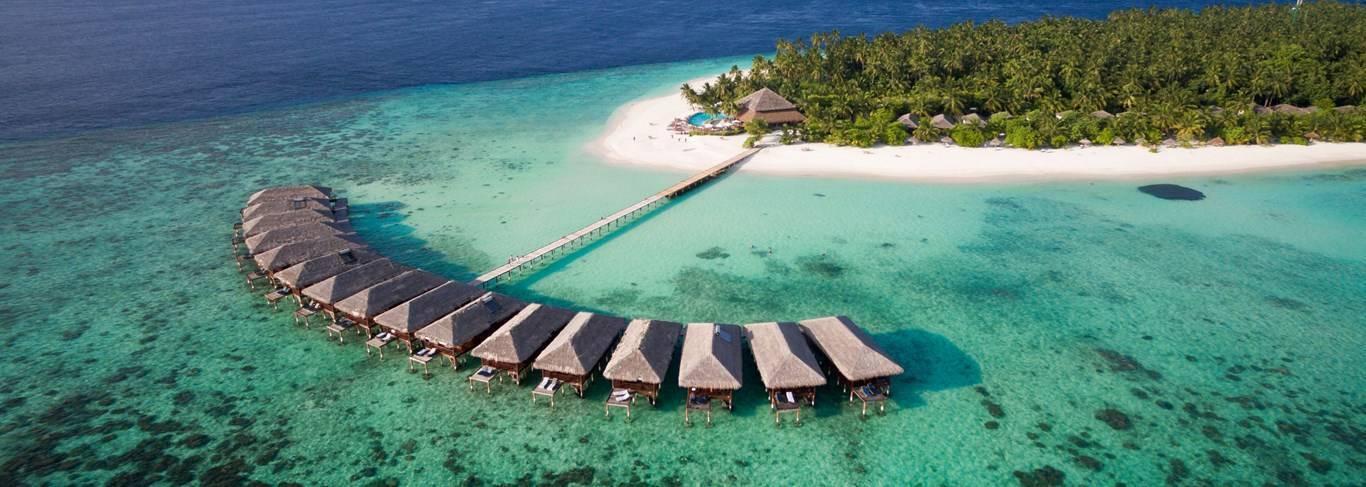
12. Dhaalu Atoll, pristine corals and guaranteed peace
Dhaalu Atoll, roughly 38 km from north to south, is one of the least explored atolls for tourism. Marine life remains abundant: parrotfish, surgeonfish and clownfish in their anemones share the reef with lionfish and camouflaged octopuses. Light footfall guarantees a peace and quiet that the atolls closest to Malé can no longer provide.
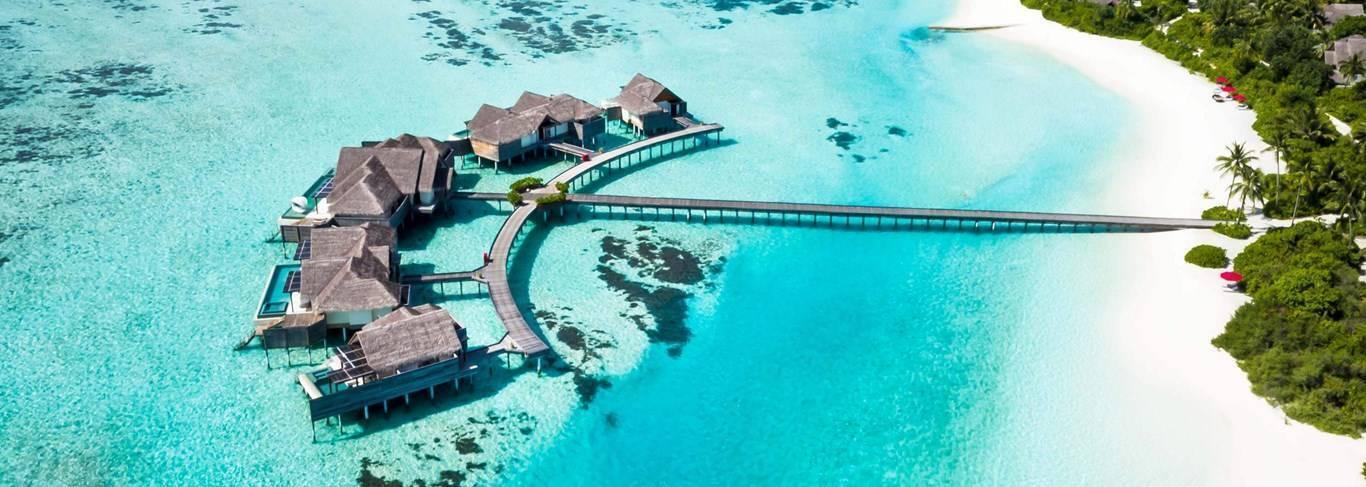
13. Meemu Atoll, current-swept channels and pelagic wildlife
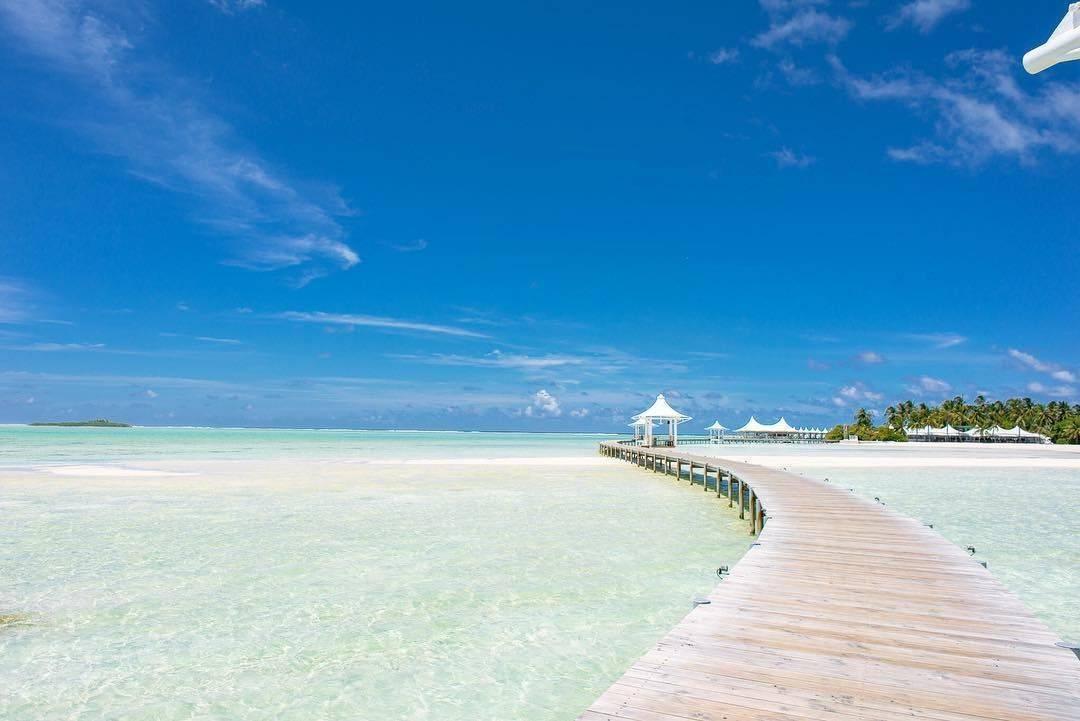
Meemu Atoll is known for its current-exposed channels where pelagic life gathers. At Vattaru Kandu, a drift dive brings you alongside whitetip reef sharks, grey reef sharks, eagle rays and dense schools of barracuda. The Muli Corner site is known for its concentrations of multiple trevally species. Further south, whale sharks visit when plankton is plentiful.
The Southern Atolls
14. Gaafu Alif Atoll, one of the world’s largest coral atolls
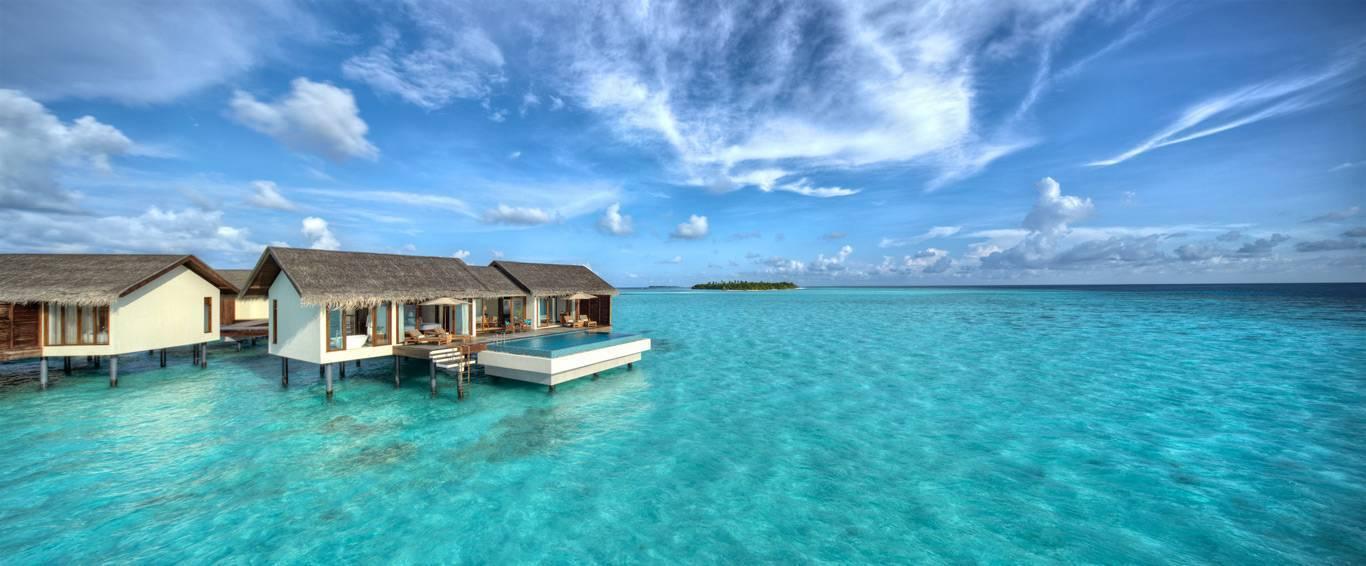
Gaafu Alif Atoll forms part of the Huvadhu complex, one of the largest coral atolls in the world by lagoon area. It has a loyal surf following: beginner-friendly waves form in the sheltered zones, while the channels exposed to the Indian Ocean swell draw experienced riders. The preserved reefs, largely undisturbed by mass tourism, offer a marine diversity that the central atolls can rarely match.
15. Gaafu Dhaalu Atoll, the panoramas of the Far South
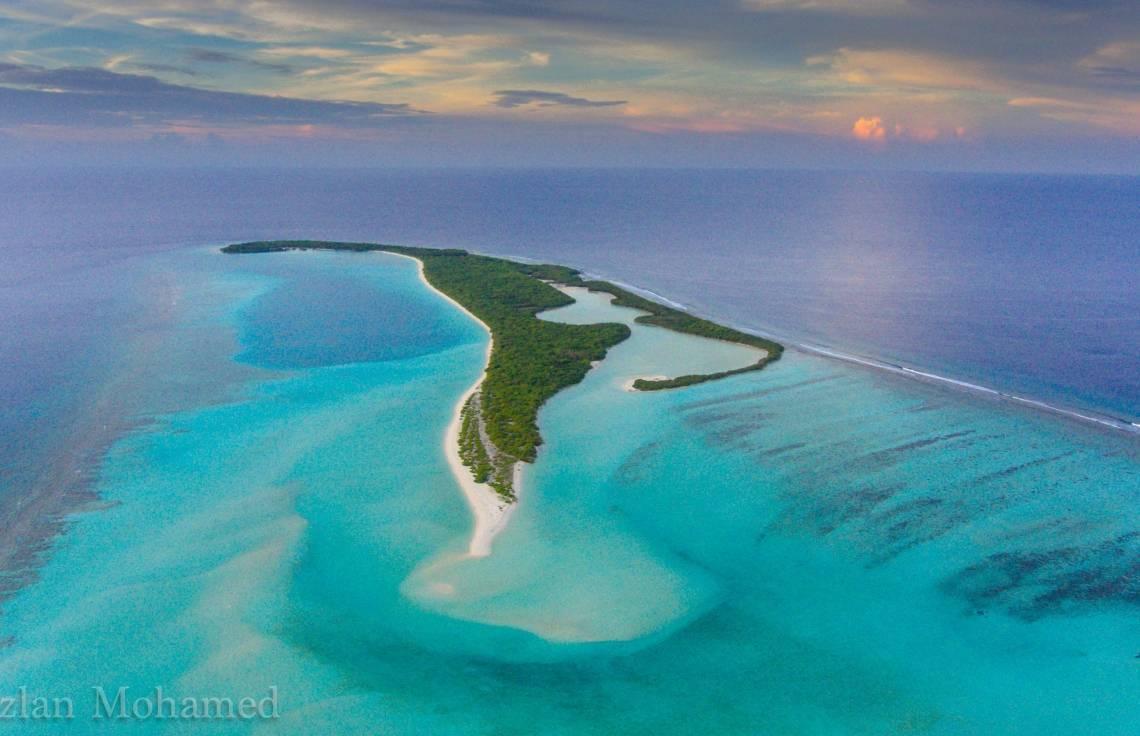
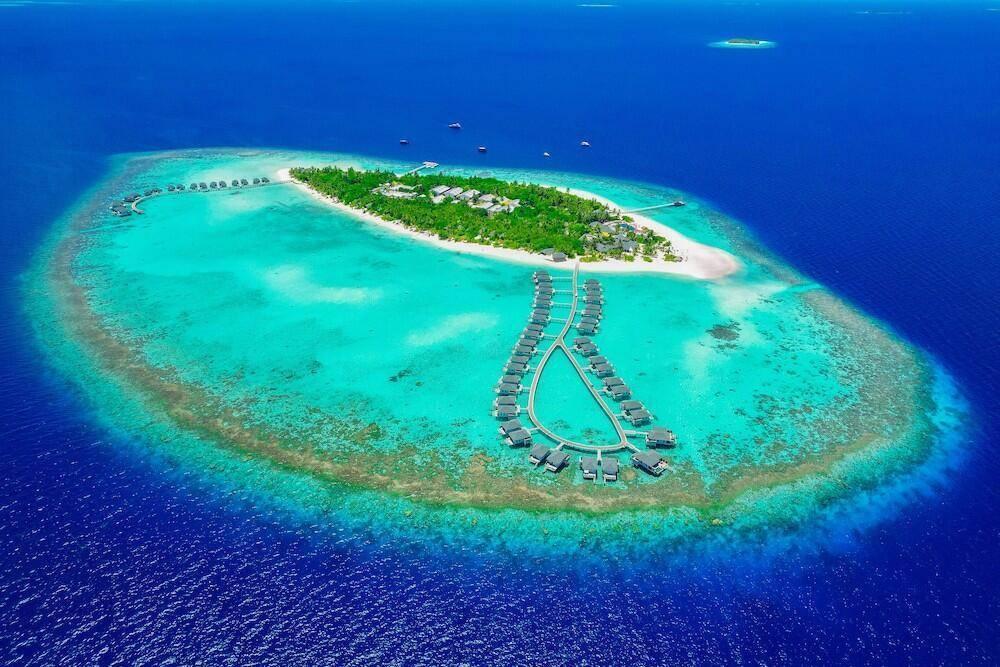
Neighbouring Gaafu Alif in the Far South of the Maldives, Gaafu Dhaalu Atoll offers striking aerial scenery: white sand spits, intense emerald lagoons and deep blue ocean stretch for dozens of kilometres. Diving its channels reveals abundant, undisturbed marine life in conditions that the over-touristed central atolls can no longer guarantee. The distance from Malé naturally keeps the largest tourist crowds at bay.
16. Laamu Atoll, the island you explore by bicycle
Laamu Atoll has a distinction unique in the archipelago: its main island, Gan, is connected by a causeway to several other inhabited islands, making it possible to cycle across them in a matter of hours. Along the way you discover fishing villages, traditional boat-building yards and coconut groves, an experience no isolated resort island can offer. Underwater, Laamu’s channels are frequented by reef sharks, manta rays and whale sharks in season.
Four Experiences That Transcend the Atolls
17. Flying over the atolls by seaplane
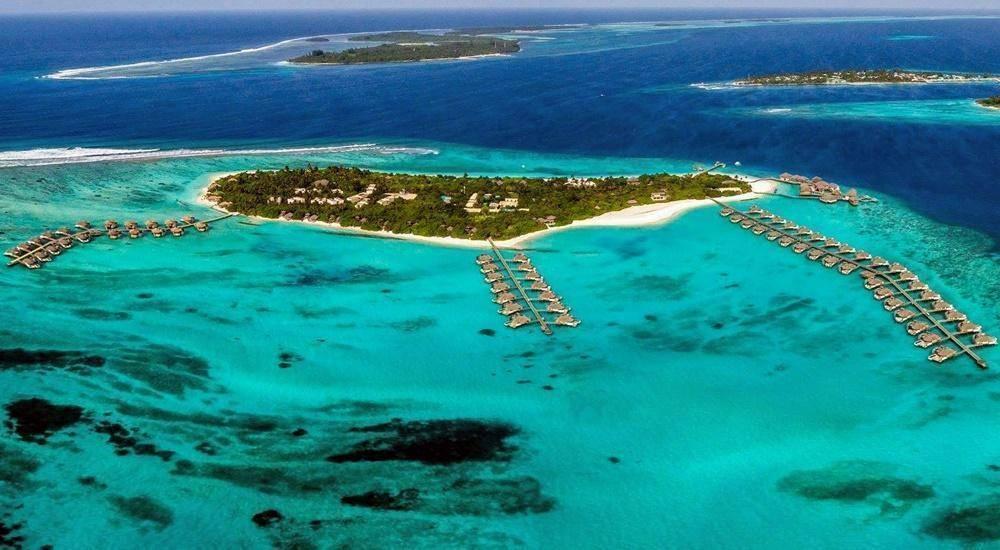
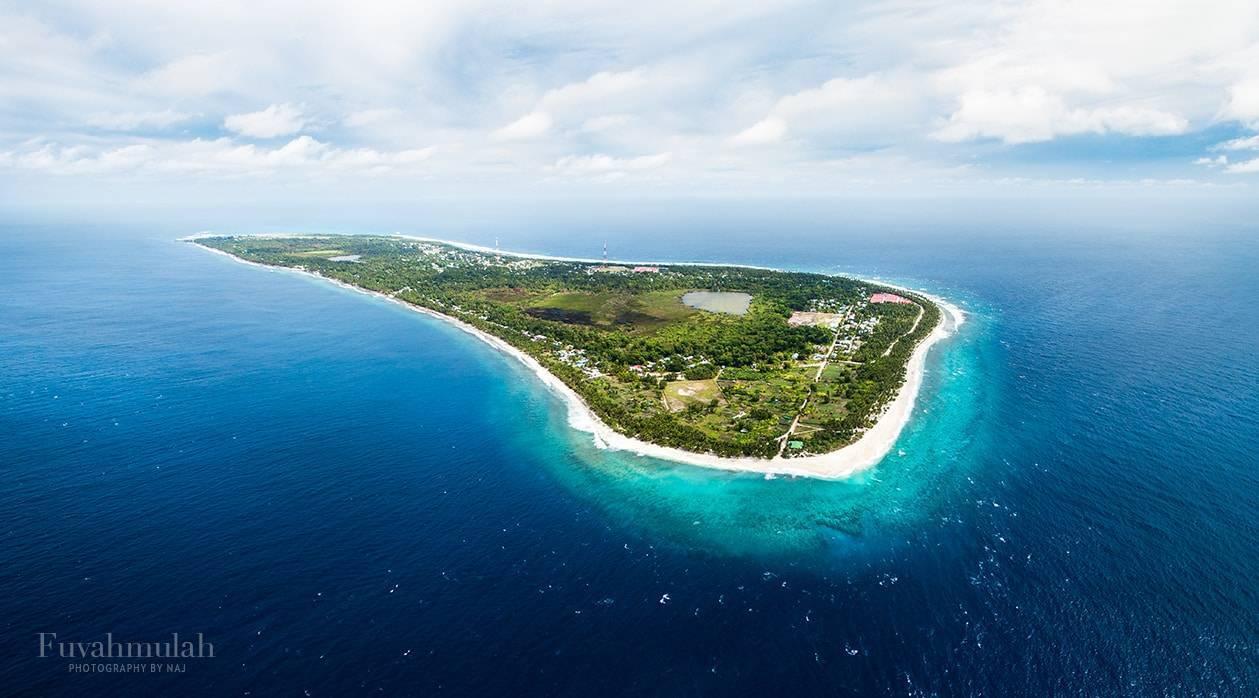
A seaplane flight is often the only way to reach resorts in the more remote atolls, and it doubles as one of the most breathtaking aerial views available anywhere: coral rings cut through deep blue ocean, the turquoise lagoons almost luminous from above. Flight times range from 20 to 45 minutes depending on the destination. The aircraft take off and land directly on the lagoon beside the resort.
18. A day or night on a deserted sandbank
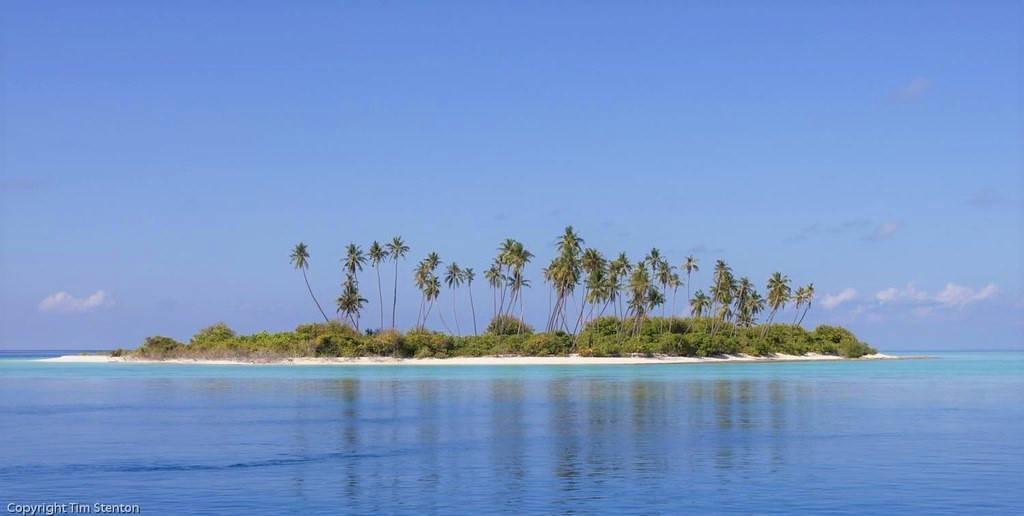
Sandbars, tiny strips of sand barely breaking the surface, are offered by certain resorts for picnics or even overnight stays under the stars. The horizon is nothing but ocean in every direction, and the shape of these ephemeral strips shifts with the tide. It is as close as you can get to absolute isolation, kilometres from any infrastructure.
19. A sunset cruise on a dhoni
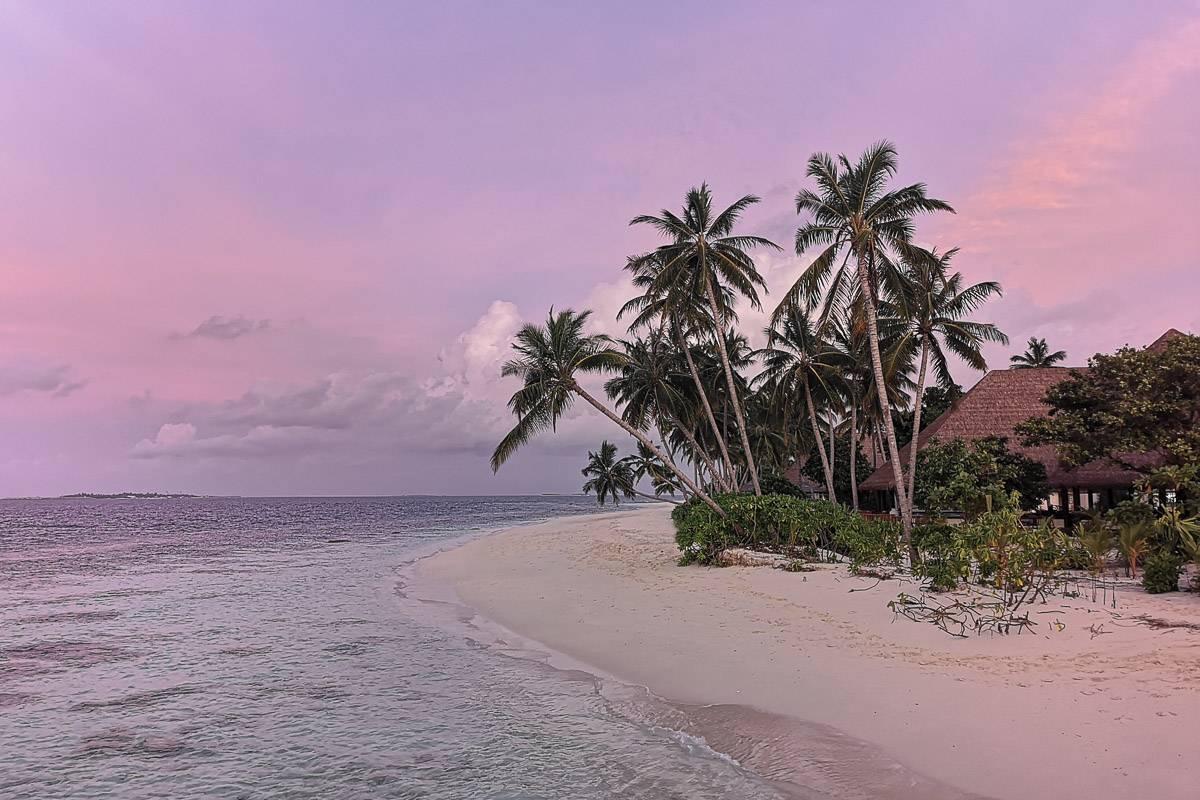
The dhoni is the traditional Maldivian wooden vessel, used for fishing and inter-island sailing for centuries. Setting out on a dhoni around 30 minutes before sunset means watching the sky shift from blue to pink over a glassy ocean. Many guesthouses on inhabited islands offer this outing, often paired with a late-afternoon fishing session in the local tradition.
20. Overwater spa and infinity pool
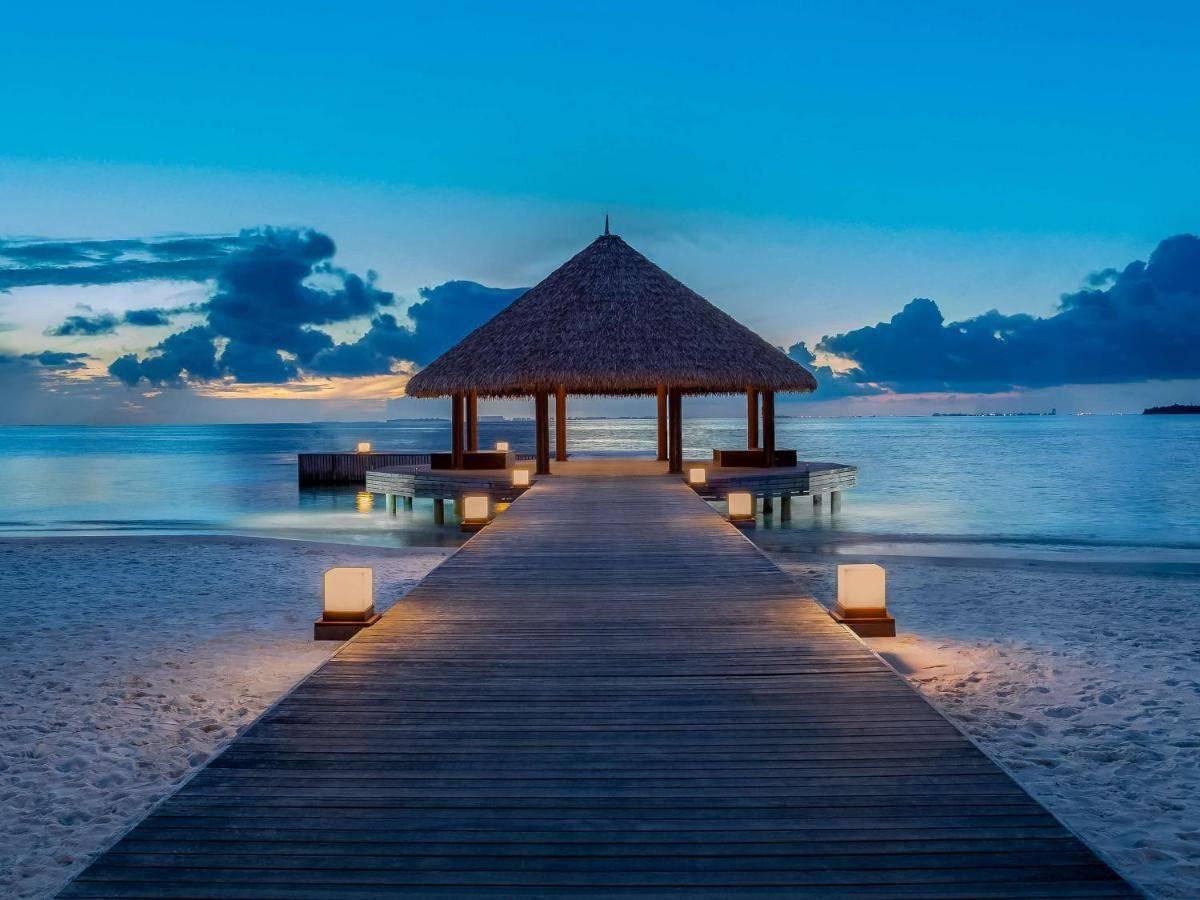
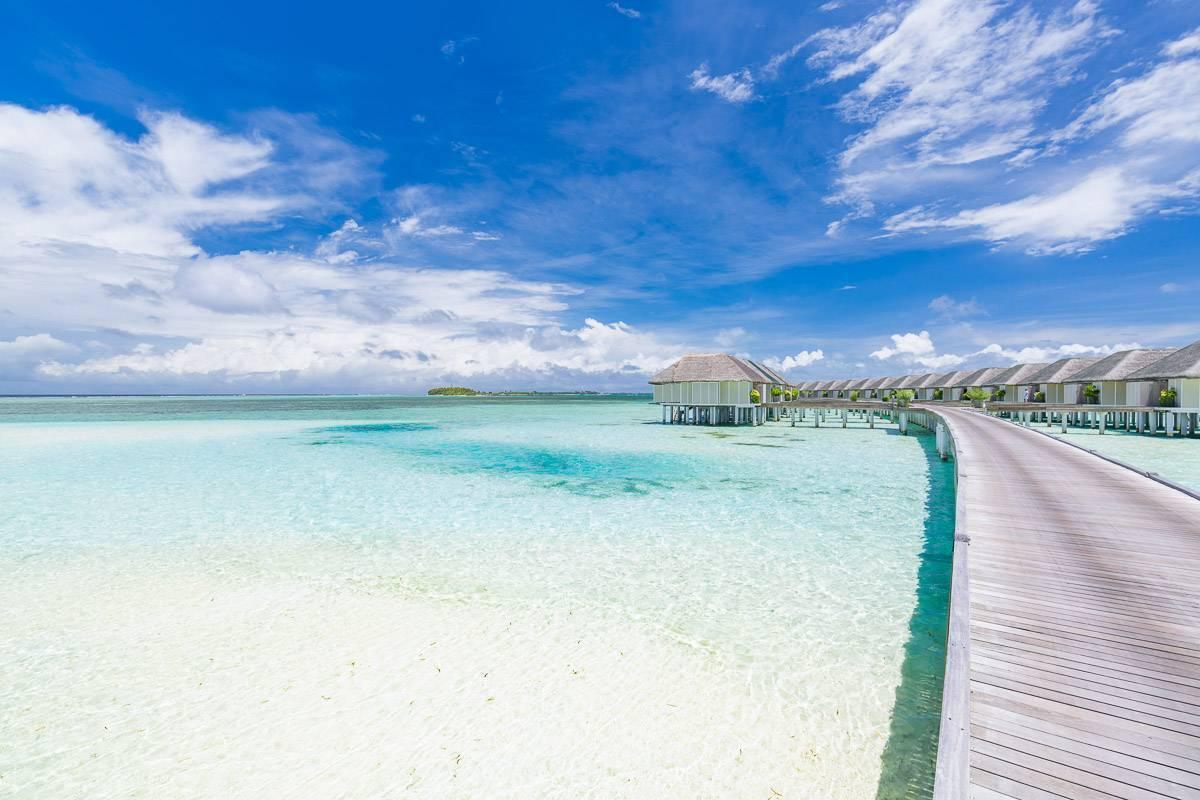
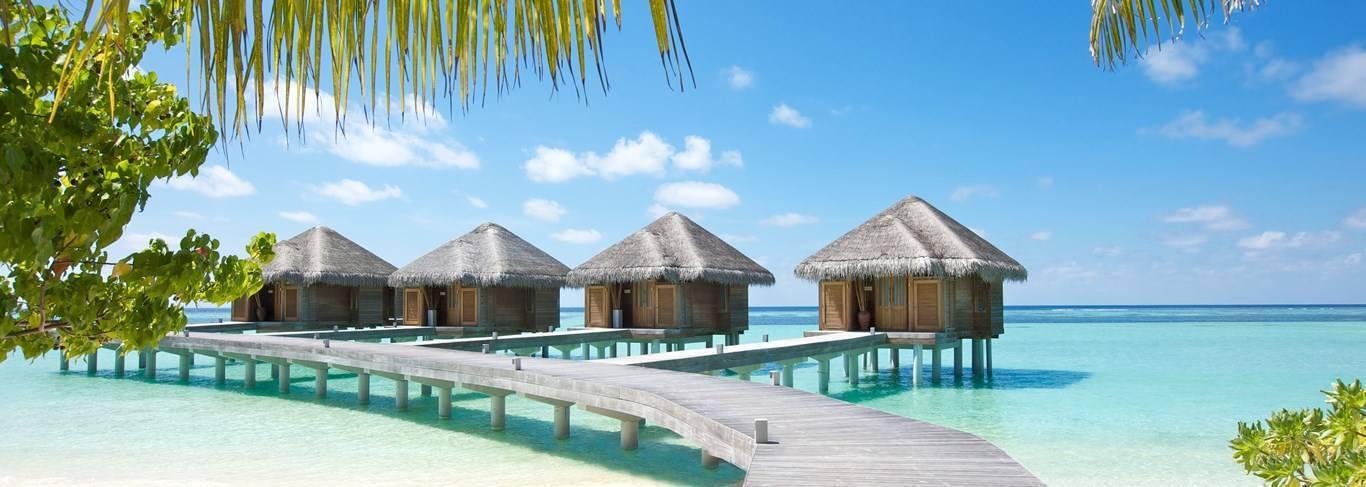
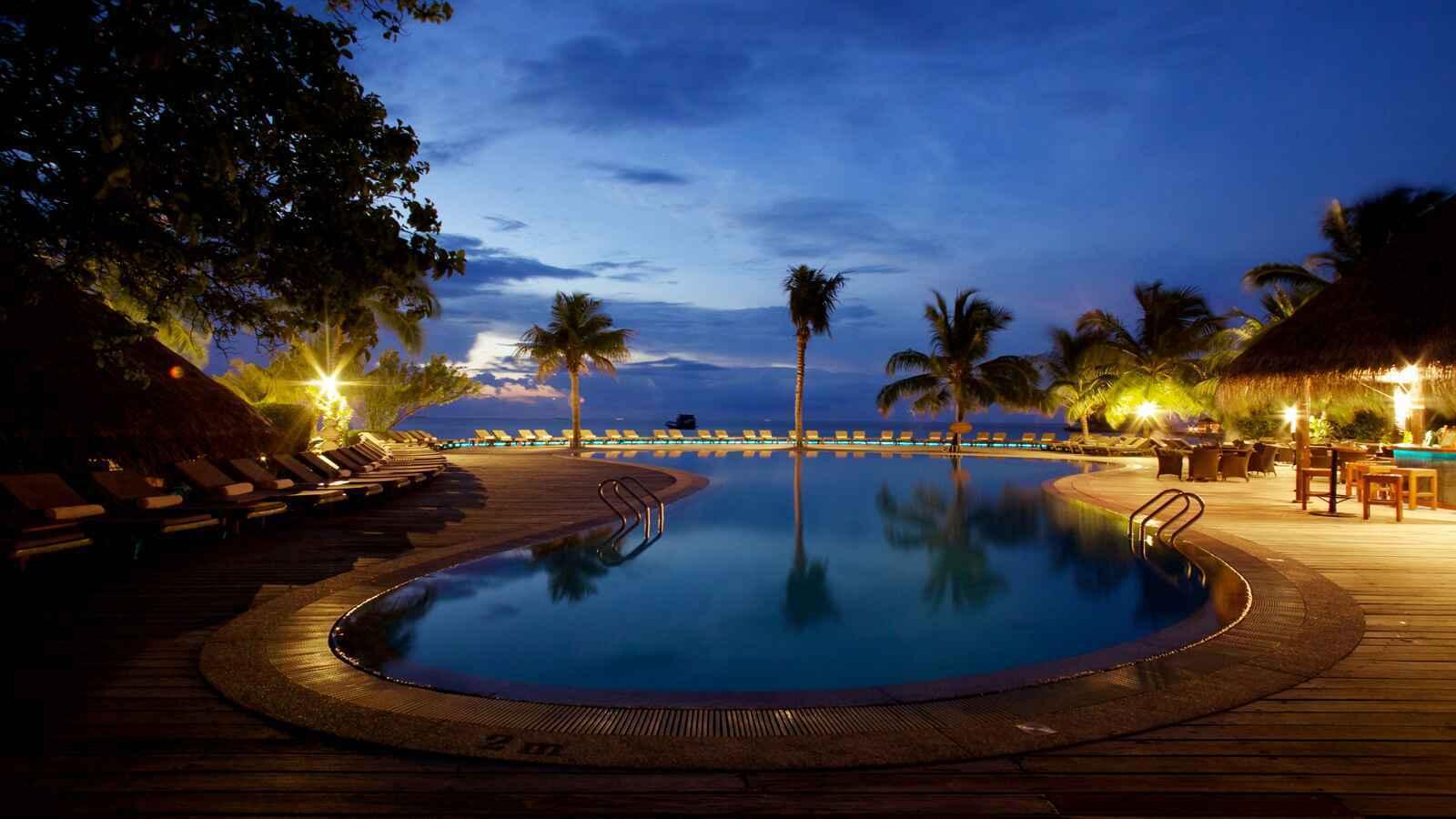
The Maldives’ luxury resorts have made overwater wellness a speciality: massage tables set above the lagoon, infinity pools that merge with the horizon of the Indian Ocean. At dusk, when the light turns amber, these settings are hard to match anywhere in the world. Treatments on offer often include rituals using coconut oil and tiare blossom, a nod to the local traditions of the archipelago.
To plan your trip with confidence, including practical information, health cover and repatriation guarantees suited to an archipelago that can be very far from medical facilities, see our guide to travel insurance for the Maldives.
FAQ
When is the best time to visit the Maldives?
The dry season, from November to April, offers the best conditions for beach and diving. Marine encounters follow their own schedule: manta rays at Hanifaru Bay (Baa Atoll) gather between May and November, while whale sharks in Ari Atoll are present in the southern part of the atoll throughout the year.
Can you dive without a licence in the Maldives?
Snorkelling is open to everyone, from beaches or boats, with no qualification required. For scuba diving, a Discover Scuba experience is available at most resorts and requires no certification. For technical sites such as Fotteyo Kandu, where currents can exceed 3 knots, a minimum Open Water certification is recommended.
Is it better to stay at a resort or a guesthouse in the Maldives?
Private-island resorts offer complete seclusion and water activities as standard. Guesthouses on inhabited islands cost considerably less and allow you to experience local life and authentic Maldivian cuisine. Islamic dress codes apply on the public beaches of inhabited islands.
Where can you see manta rays in the Maldives?
Hanifaru Bay (Baa Atoll) is the most reliable spot between May and November, with gatherings that can reach several hundred manta rays. Ari Atoll, Vaavu Atoll and Laamu Atoll also report regular sightings depending on the season.
How many days do you need in the Maldives?
A week is enough to explore a single atoll in depth. Two weeks allow you to combine two or three atolls using domestic flights or seaplanes. A liveaboard cruise is the preferred option for divers who want to chain together dive sites across multiple atolls.