
Laos packs an extraordinary amount into a single country: ancient temples, swimmable turquoise waterfalls, rivers navigable by pirogue through mountain caves, and a Mekong that sets the rhythm of daily life. Here are the 20 experiences that make the journey worthwhile, from the mountainous north to the river delta of the south.
Northern Laos
1. Fall under the spell of Luang Prabang
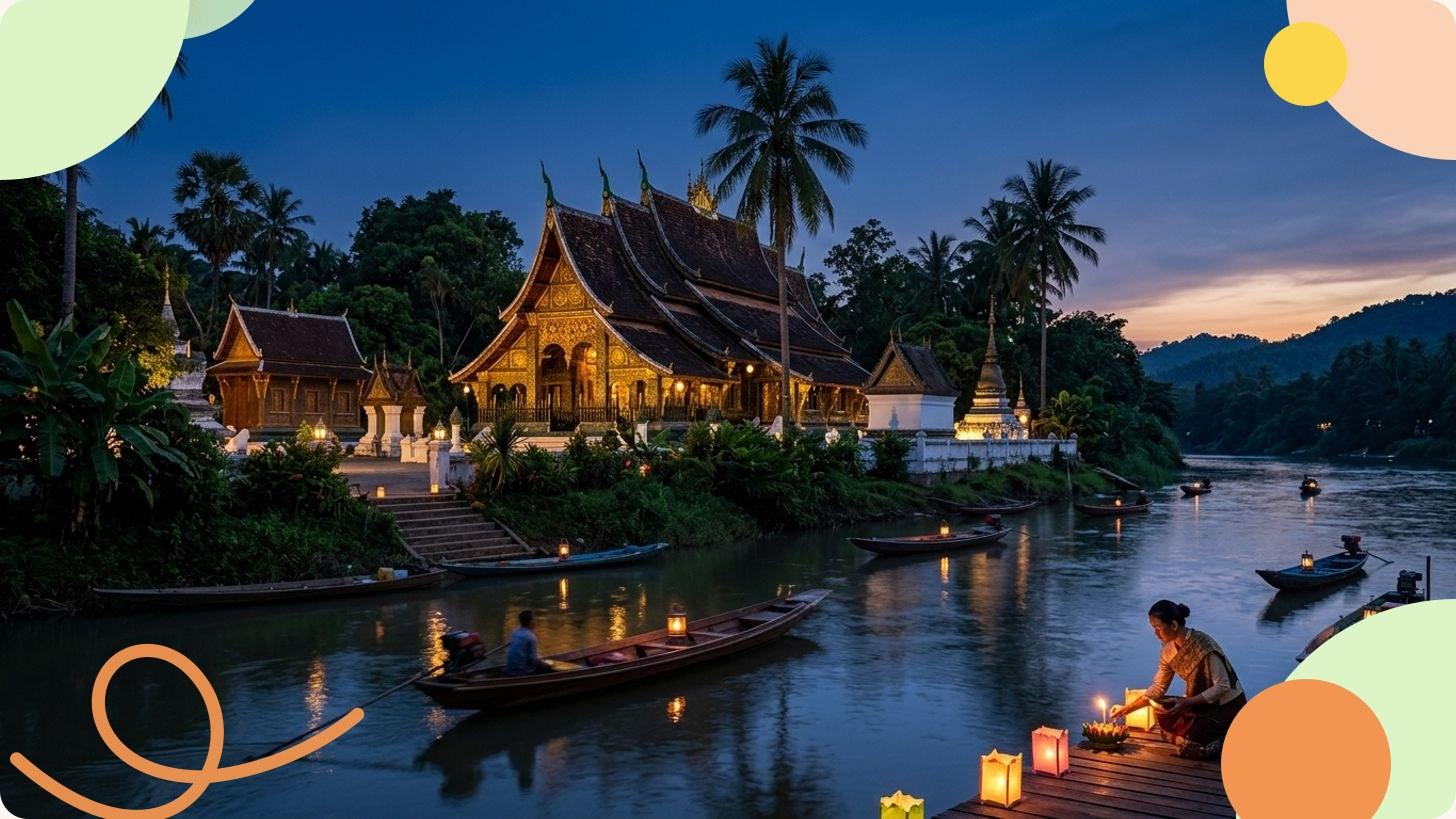
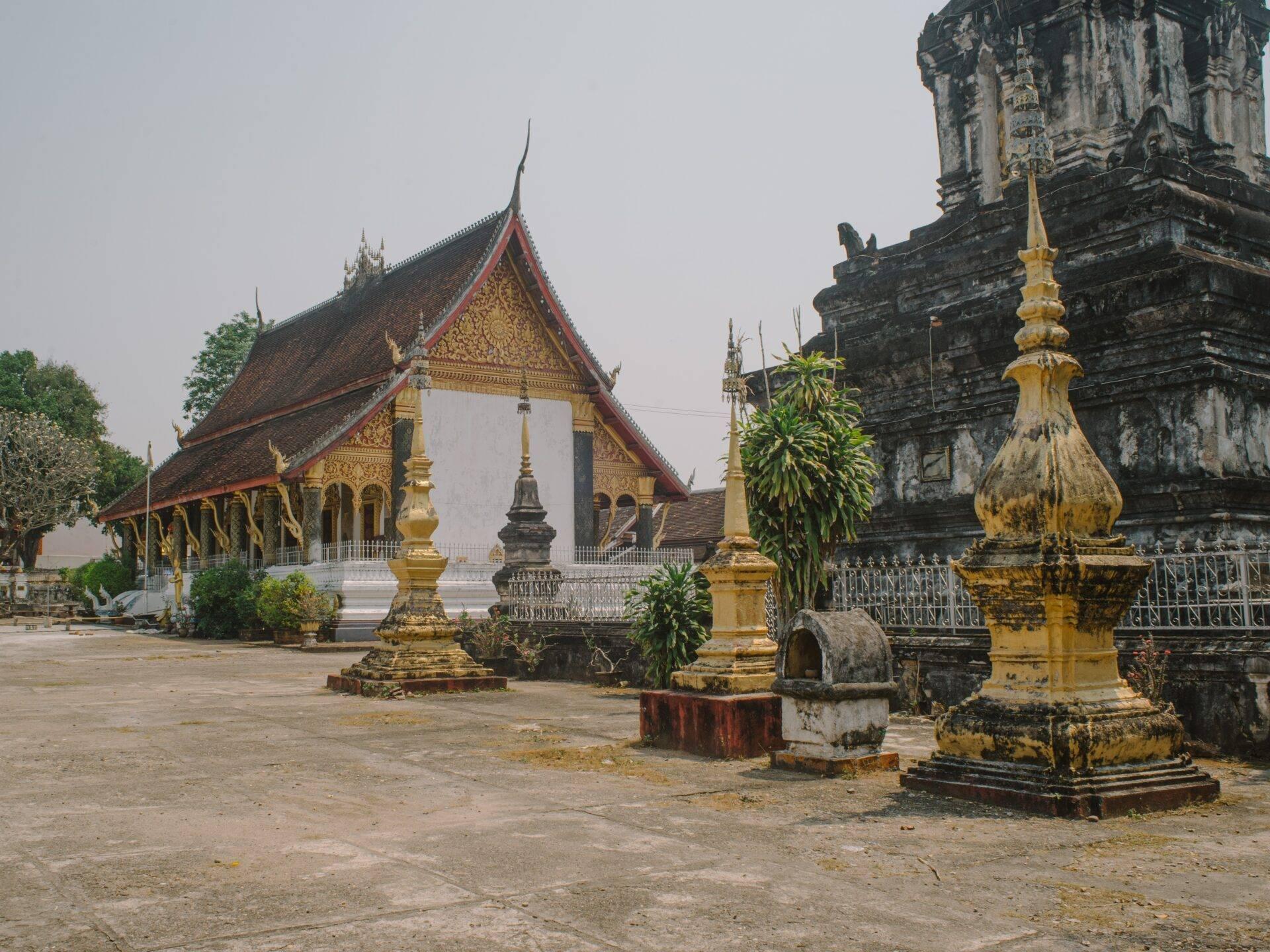
A UNESCO World Heritage Site since 1995, the former royal capital of Luang Prabang sits at the confluence of the Mekong and the Nam Khan rivers. Its quiet streets weave together gilded temple rooftops, French colonial villas and night markets where Hmong handicrafts sit alongside Laotian street food. Wat Xieng Thong, built in 1560, is the city’s most remarkable temple: its tiered rooflines, covered in glass mosaics, sweep almost down to ground level.
Our guide Things to do in Luang Prabang covers every temple, every market and all the excursions available in the surrounding area.
2. Witness the tak bat alms-giving ceremony
Every morning at dawn, dozens of monks in saffron robes walk the streets of Luang Prabang to receive offerings from local residents. The tak bat is best experienced as a respectful observer: stay silent, keep your distance and dress modestly. It is one of the most quietly moving moments of any trip to Laos.
3. Swim at Kuang Si Falls
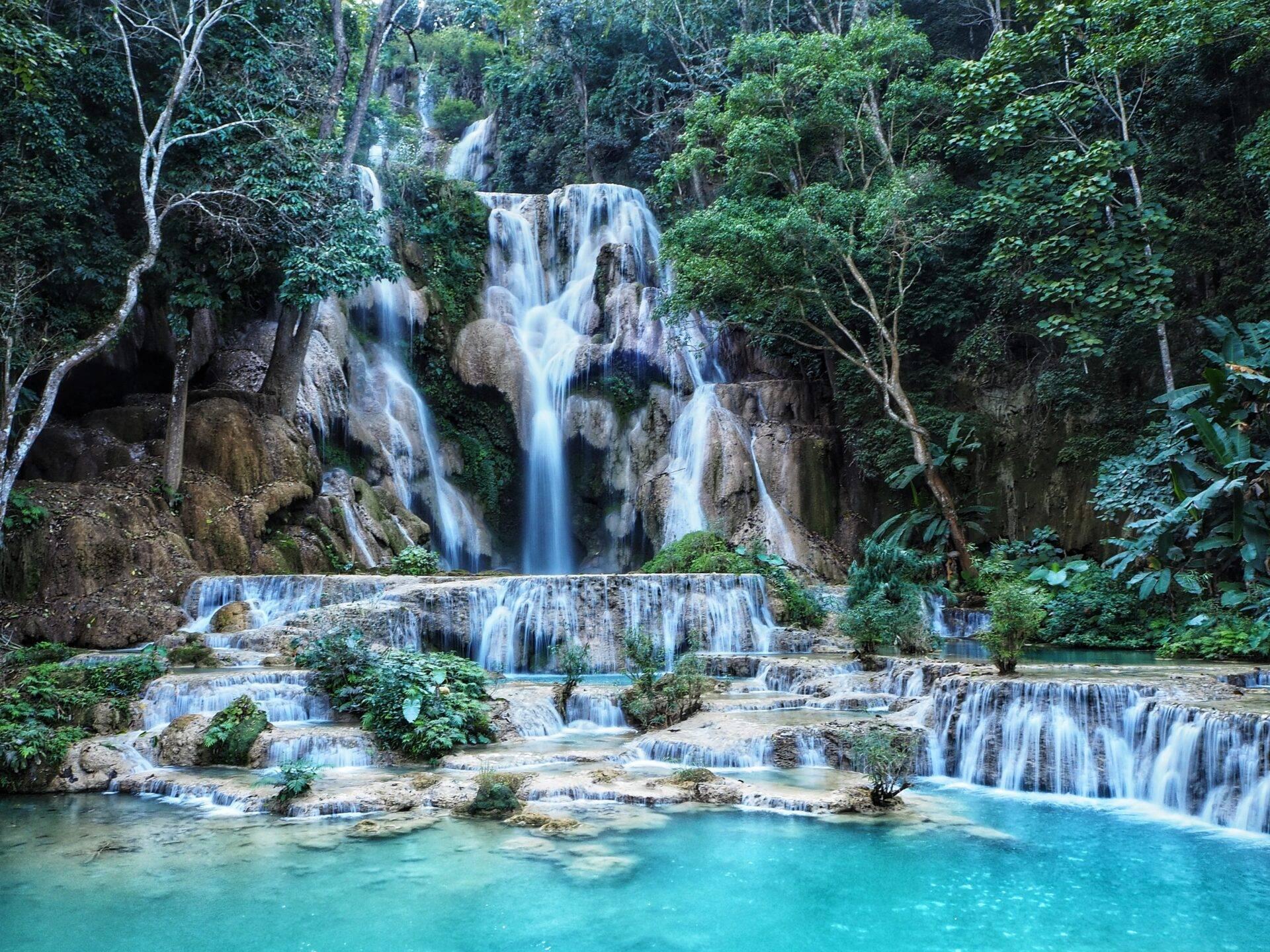
About 29 kilometres south of Luang Prabang, Kuang Si Falls tumble roughly 60 metres before pooling into a series of basins in a striking shade of turquoise. That colour comes from the high calcium carbonate content of the water as it filters through the limestone rock. Swimming is permitted in the lower pools. Between February and April, the water is at its clearest and the colour most vivid.
4. Boat out to the Pak Ou Caves
Where the Mekong meets the Nam Ou river, the Pak Ou Caves open into a limestone cliff face. Thousands of wooden and stone Buddha figures, left by pilgrims over the centuries, line the two main caverns. The caves are accessible only by boat from Luang Prabang, and the journey itself, along forest-clad banks and past fishing villages, is part of the experience.
5. Journey up the Nam Ou to Nong Khiaw and Muang Ngoi Neua
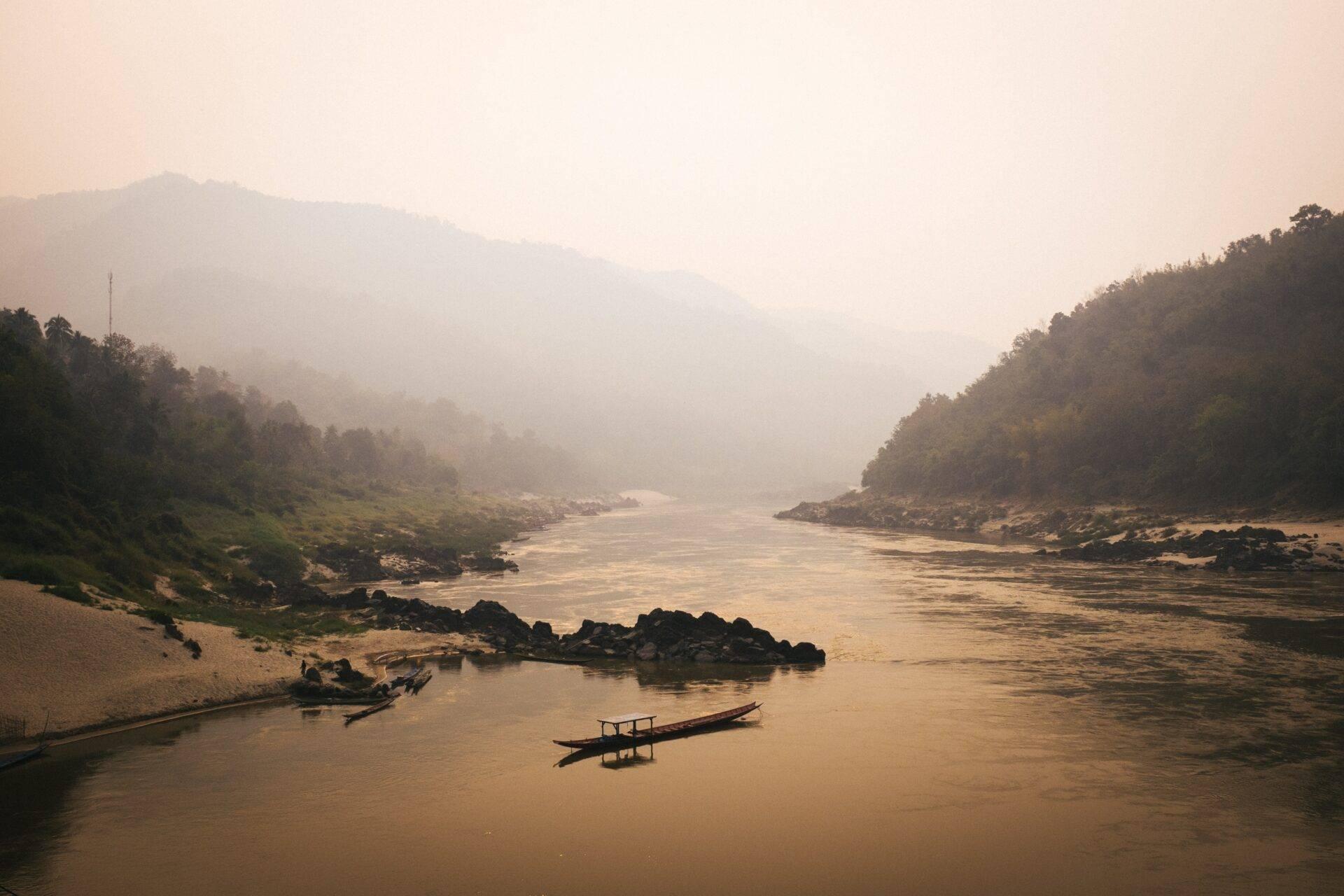
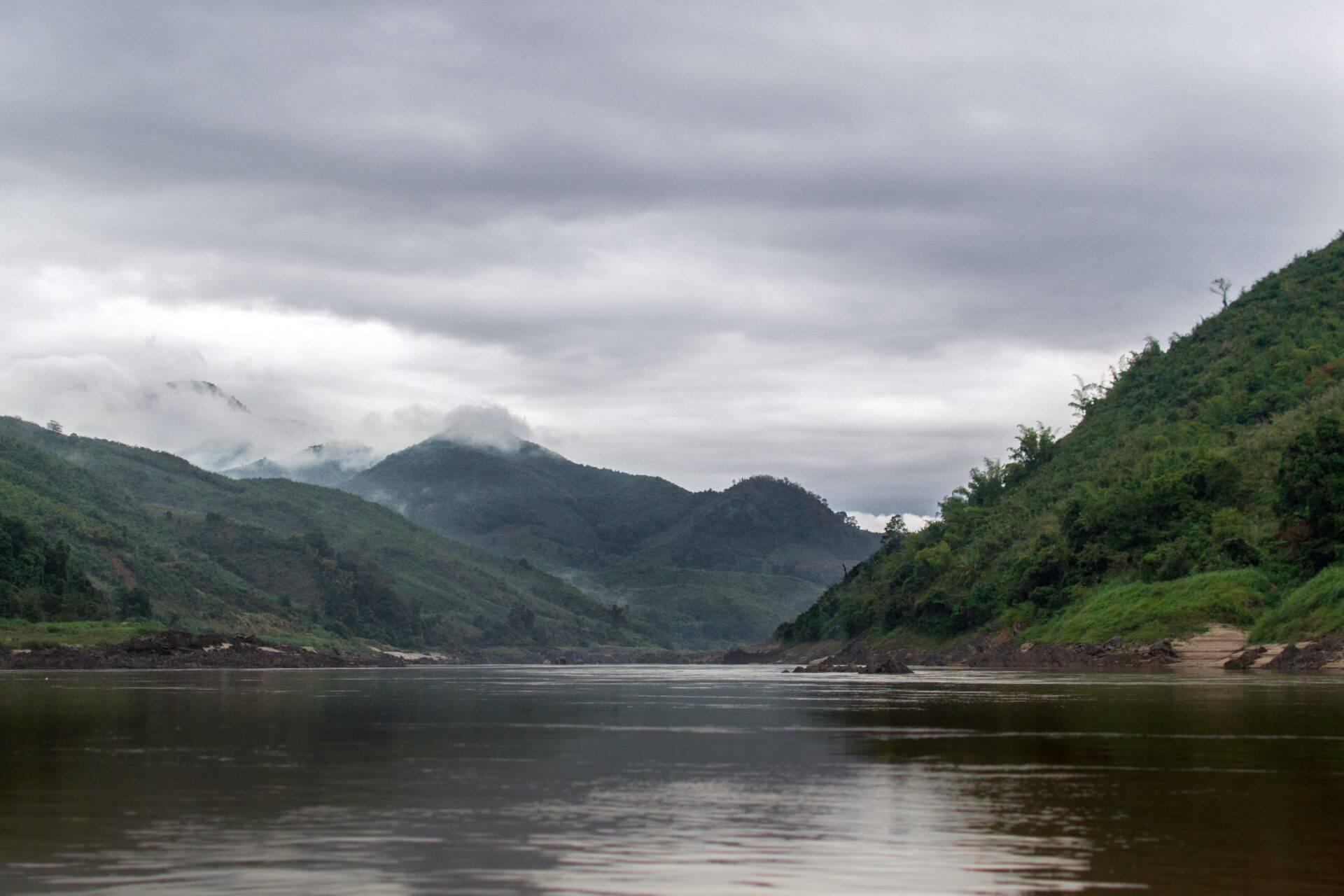
North-east of Luang Prabang, the Nam Ou cuts through karst cliffs several hundred metres high. Nong Khiaw is the perfect base: the village offers breathtaking views over the river and forested hills. Continue upstream by boat (roughly one to one and a half hours) and you reach Muang Ngoi Neua, a village accessible only by water, with terraced rice paddies and caves to explore on foot.
6. Experience the Gibbon Experience in Bokeo
In Bokeo Province, the Nam Kan Nature Reserve protects 123,000 hectares of primary jungle. The Gibbon Experience puts you up in treehouses perched 30 to 40 metres above the forest floor and sends you zipping through the canopy on zip lines that can stretch over 500 metres at heights of 50 metres. Groups are capped at 8 people and led by local guides. A portion of the revenue goes directly to forest conservation.
7. Trek through Nam Ha National Park
In Luang Namtha Province, Nam Ha National Park combines dense forest, protected wildlife and visits to ethnic minority villages. Small-group circuits include overnight stays in traditional village settings. It is one of the few ways to get a genuine feel for rural northern Laos without a long-distance bus journey.
8. Take the slow boat down the Mekong
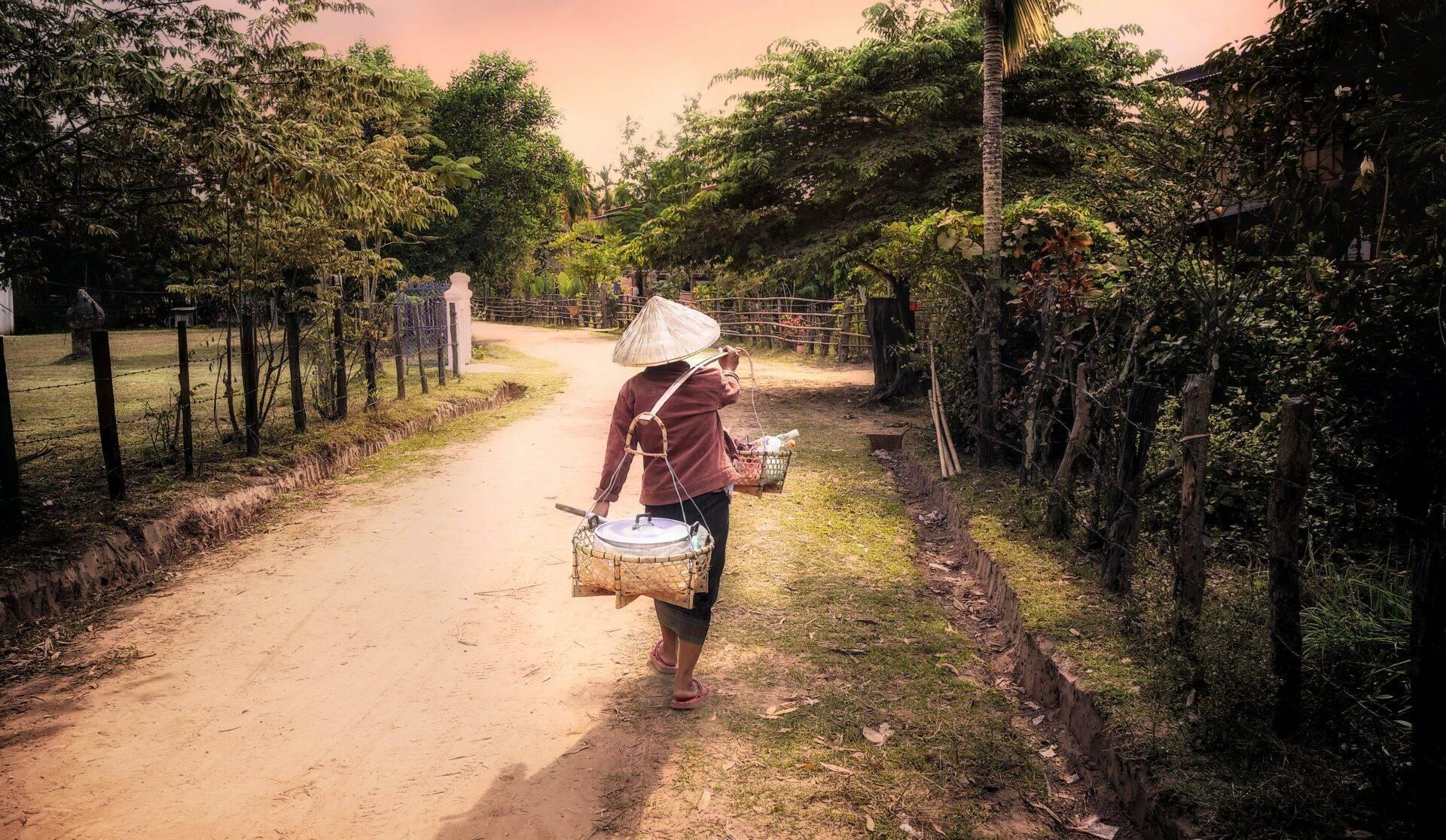
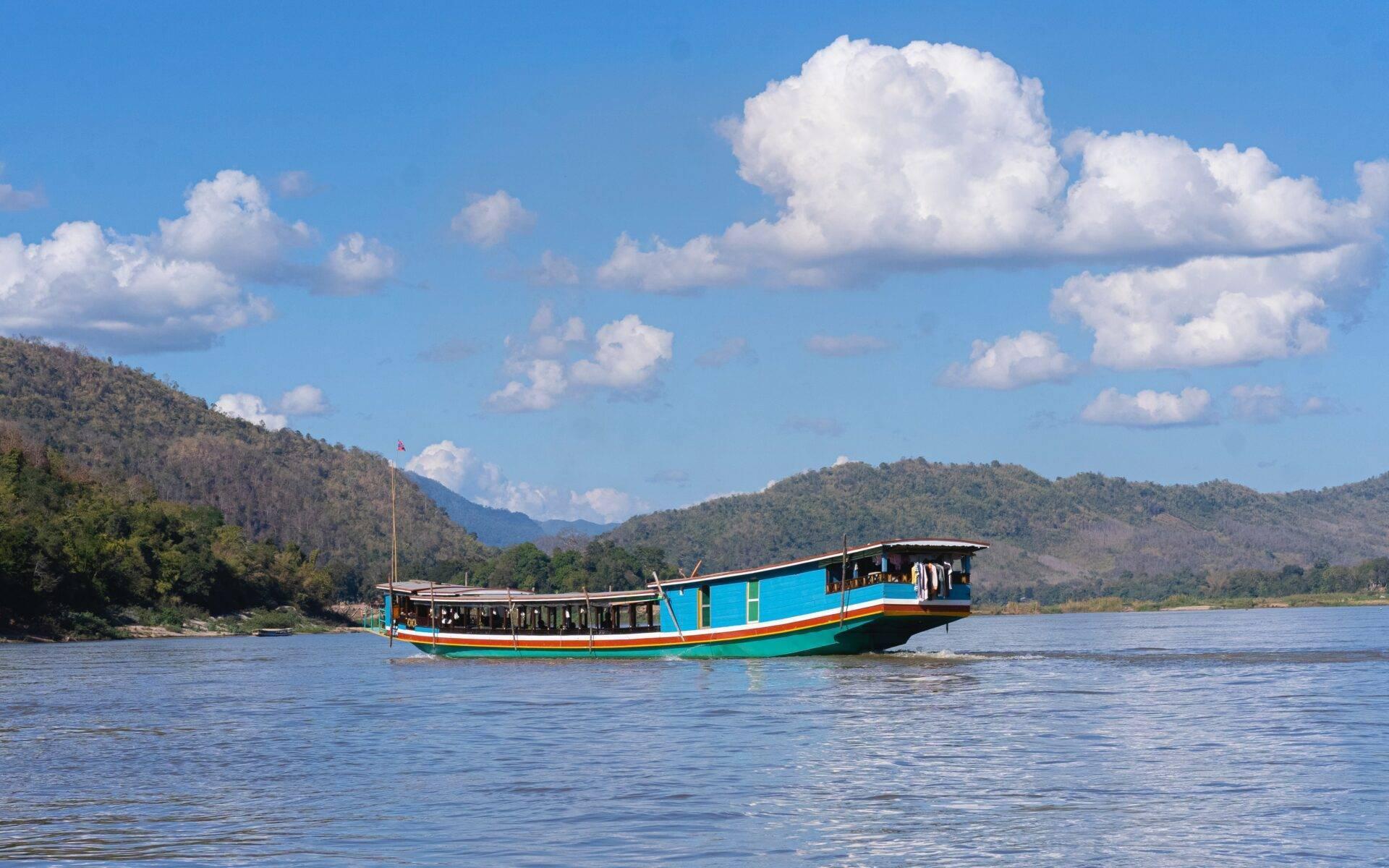
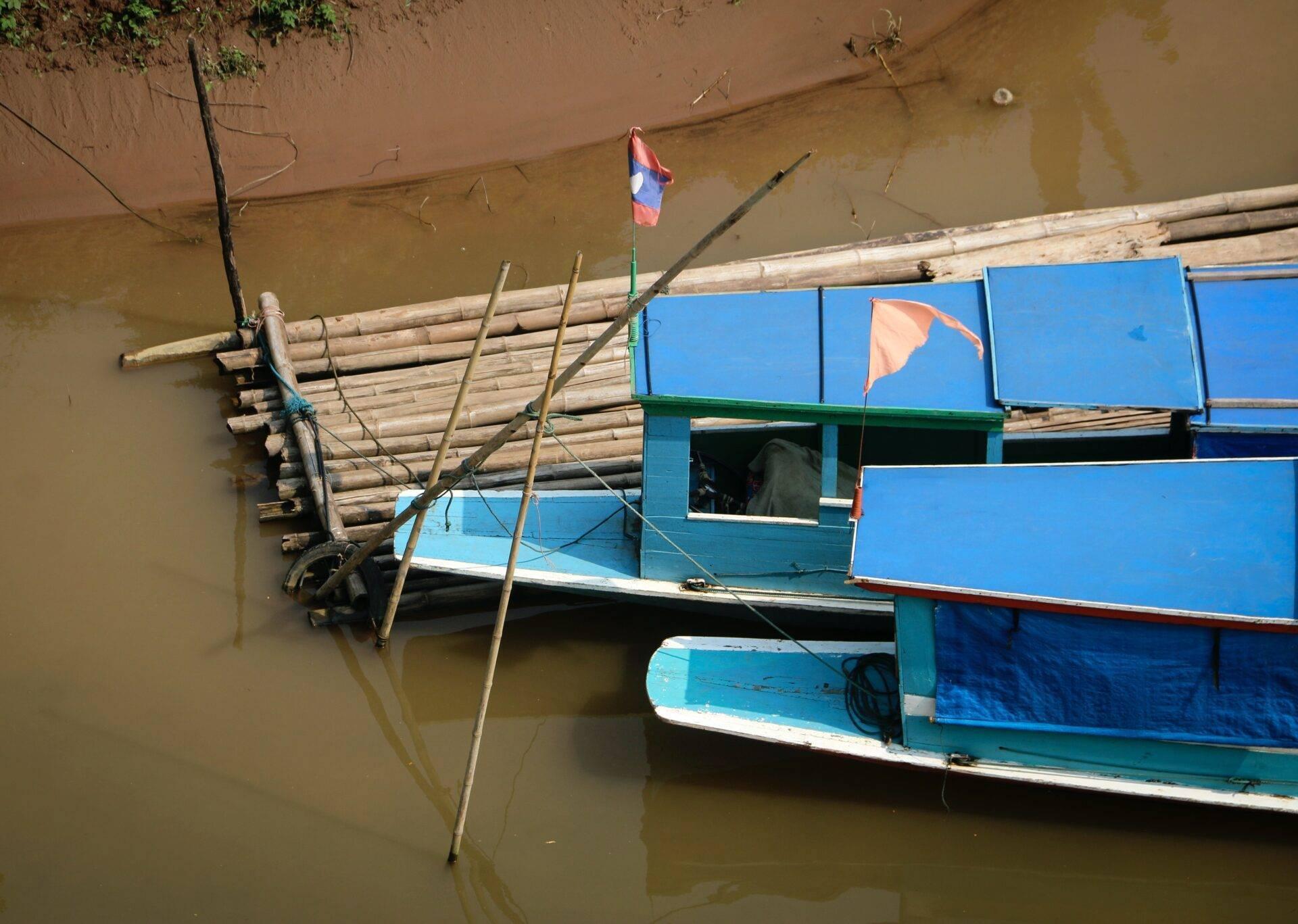
The two-day slow boat from Houayxai to Luang Prabang remains one of the most evocative ways to enter Laos from Thailand. Wooden vessels follow jungle-lined banks, pull in at riverside villages and impose a pace where the journey matters as much as the destination.
Central Laos
9. Explore Vang Vieng and its blue lagoons
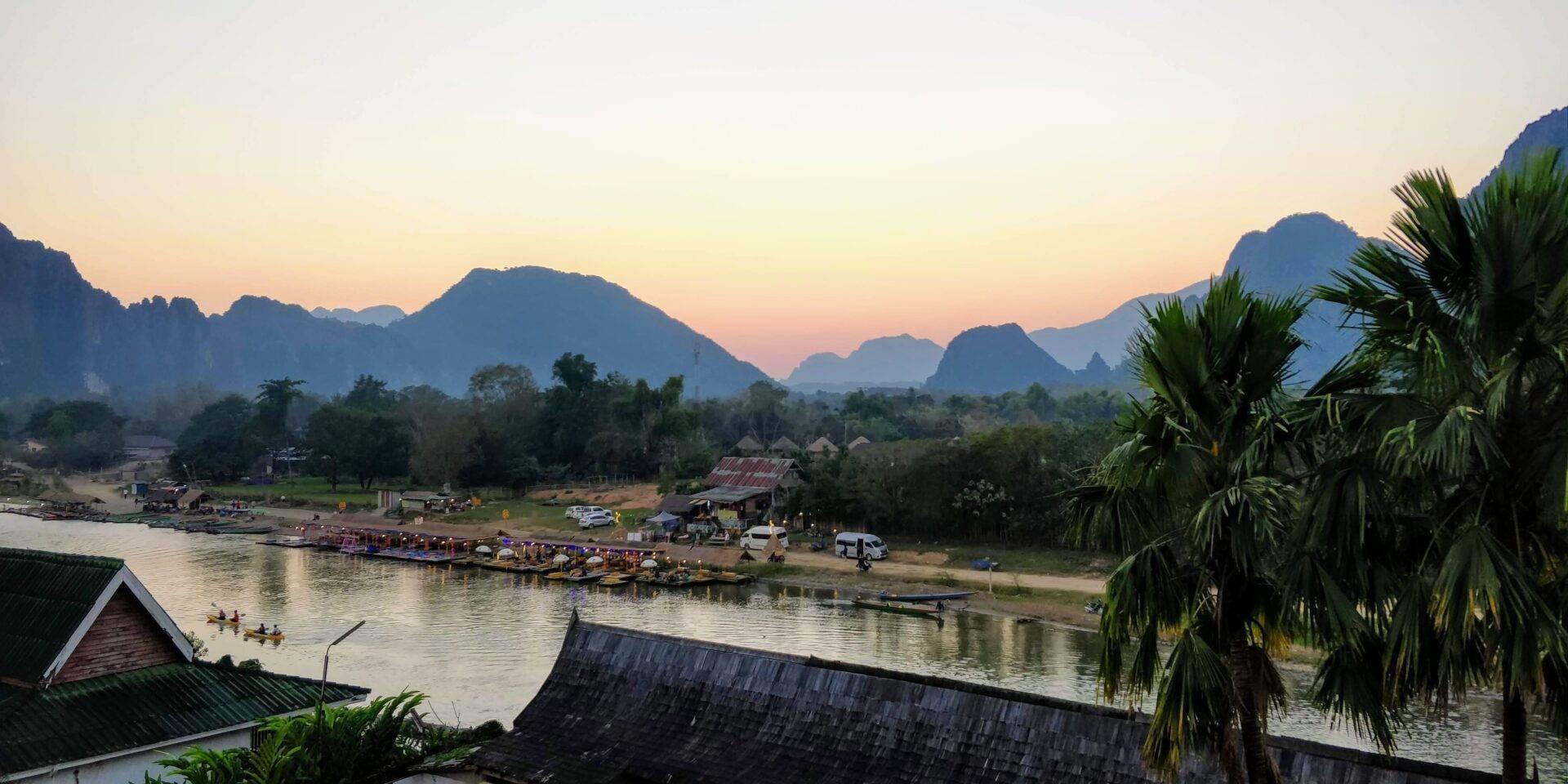
Ringed by limestone karst pinnacles, Vang Vieng is the outdoor adventure hub of Laos. The blue lagoons, carved into the rock by centuries of erosion, invite a dip in cool, clear water. The options around town are plentiful: tubing down the Nam Song river, kayaking, climbing the limestone walls or exploring caves by headlamp.
10. Cross Kong Lor Cave by pirogue
In Khammouane Province, Kong Lor Cave bores through a mountain for over 7 kilometres. A motorised pirogue travels upstream along the underground Nam Hin Bun river beneath a vault that rises to 100 metres in places. The crossing to the far exit, opening onto a karst landscape, takes around forty minutes.
11. Wander the Plain of Jars
In Xieng Khouang Province, hundreds of monumental stone jars are scattered across the hills of the Tran Ninh Plateau. Standing one to three metres tall and sometimes weighing several tonnes, they are thought to date from between 500 BC and 800 AD. Their original purpose remains unknown. The Plain of Jars was inscribed on the UNESCO World Heritage List in 2019.
Vientiane, the Unhurried Capital
12. Visit That Luang and Wat Si Saket
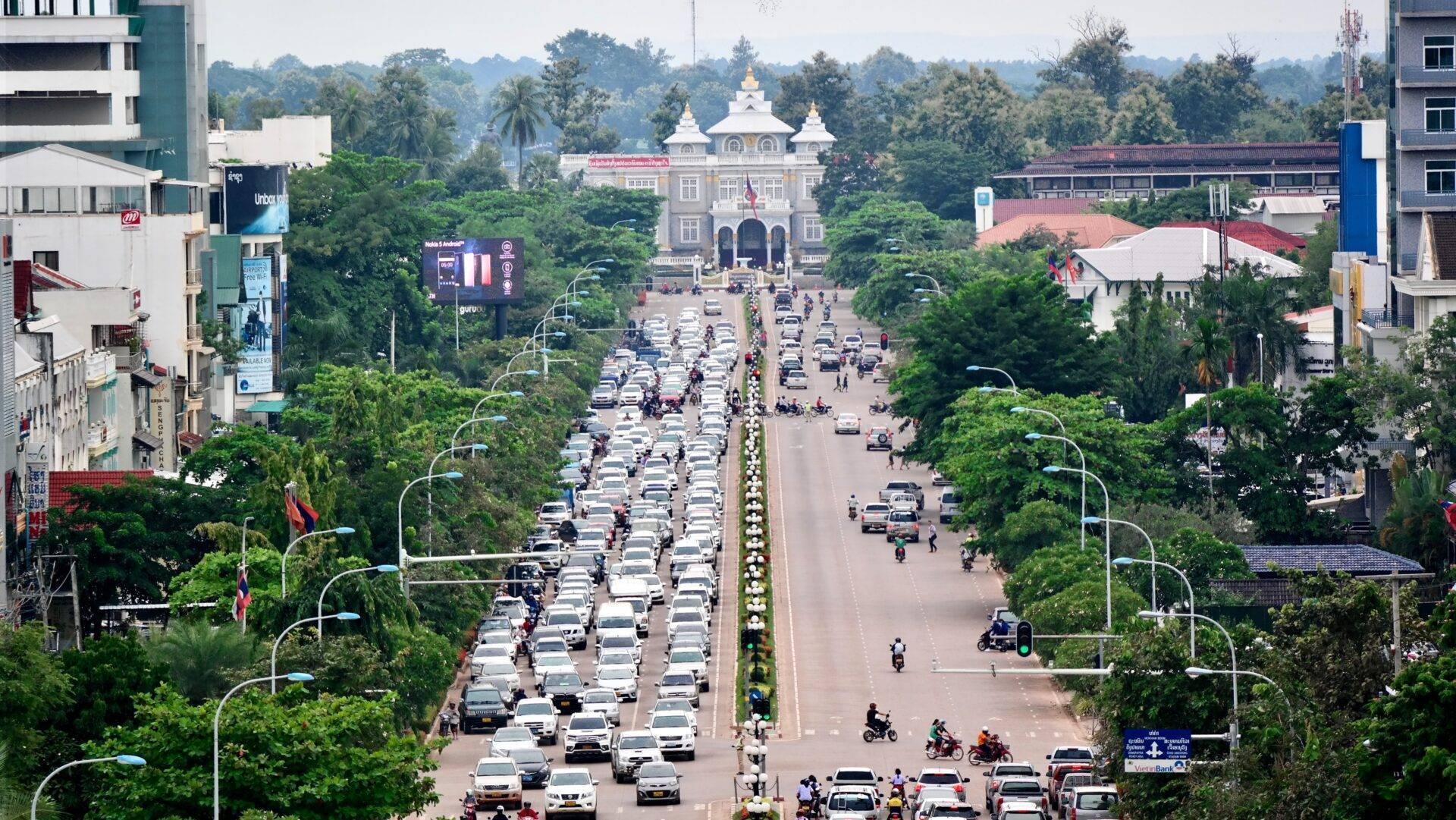
Pha That Luang, the golden stupa that serves as Laos’s national symbol, has dominated Vientiane since the 16th century. A short walk away, Wat Si Saket houses over 6,400 Buddha statues in its cloistered galleries. Vientiane remains one of the few Southeast Asian capitals where you can still get around comfortably by bicycle or on foot, without being overwhelmed by traffic.
13. Discover Buddha Park (Xieng Khuane)
About 25 kilometres south-east of Vientiane, the sculpture park at Xieng Khuane brings together over 200 giant Buddhist and Hindu-inspired statues. Set on the banks of the Mekong opposite Thailand, the park has an atmosphere all its own, somewhere between a fantastical garden and a place of devotion.
14. Stroll the Mekong waterfront and climb the Patuxai
The riverside promenade along the Mekong is Vientiane’s end-of-day gathering spot. Locals come to walk, exercise or simply watch the sun sink behind the Thai hills opposite. Nearby, the Patuxai, the four-arched independence monument inspired by the Arc de Triomphe in Paris, can be climbed for a panoramic view across the city.
15. Day trip to Nam Ngum Lake
About an hour north of Vientiane, Nam Ngum Lake is a reservoir created by a hydroelectric dam on the Nam Ngum river. Its calm waters surrounded by green hills make for a pleasant natural break between stages: take a boat cruise, try some fishing or simply unwind by the water.
Southern Laos
16. Explore the Khmer temples of Wat Phou in Champasak
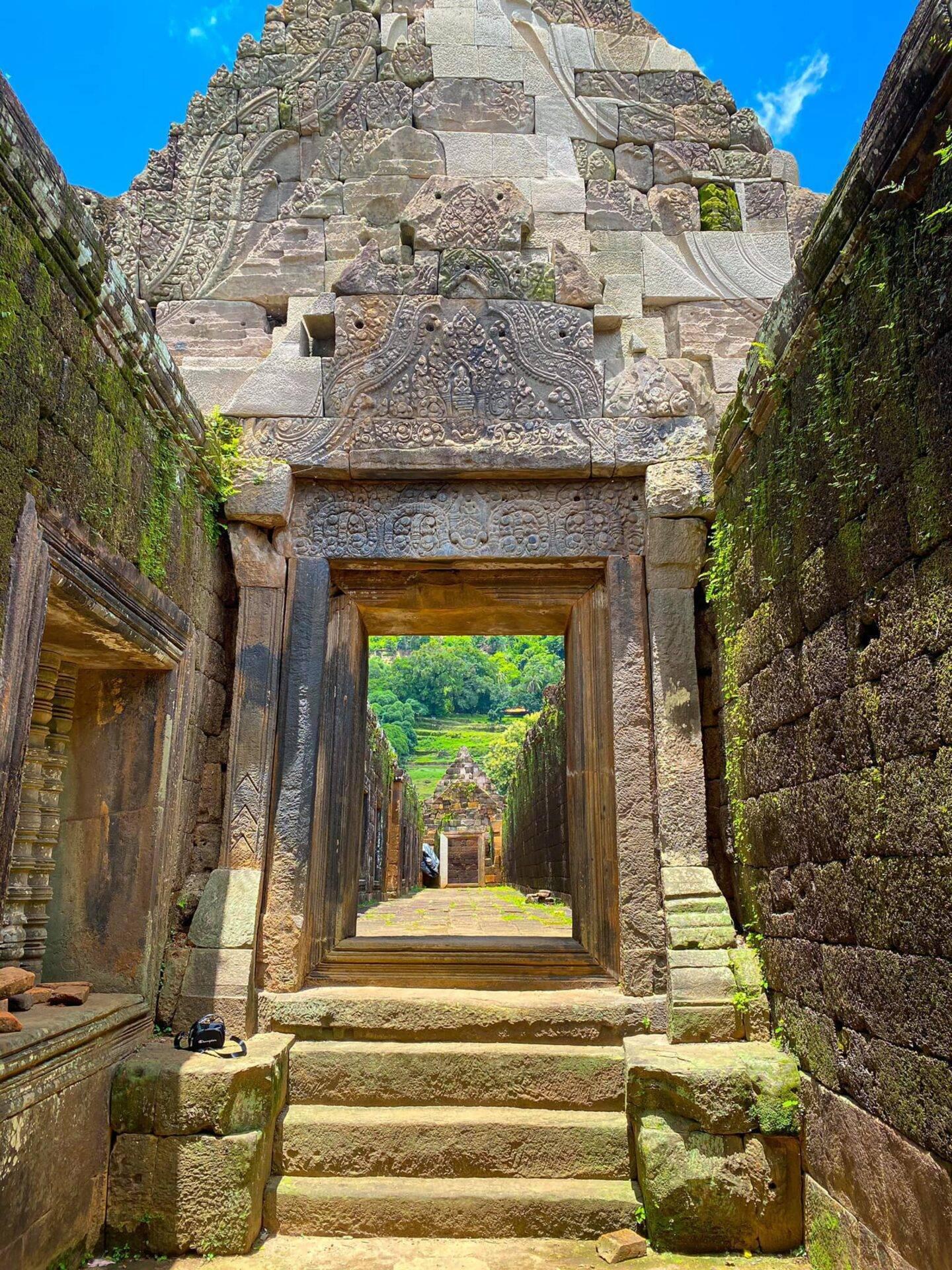
In Champasak Province, the religious complex of Wat Phou blends Hindu and Buddhist influences. Developed between the 5th and 8th centuries, it has been a UNESCO World Heritage Site since 2001. The ensemble climbs the slopes of Mount Phou Bassac, with the Mekong spread out below. It is one of the few major Khmer sites accessible outside Cambodia.
17. Cruise through the 4,000 Islands (Si Phan Don)
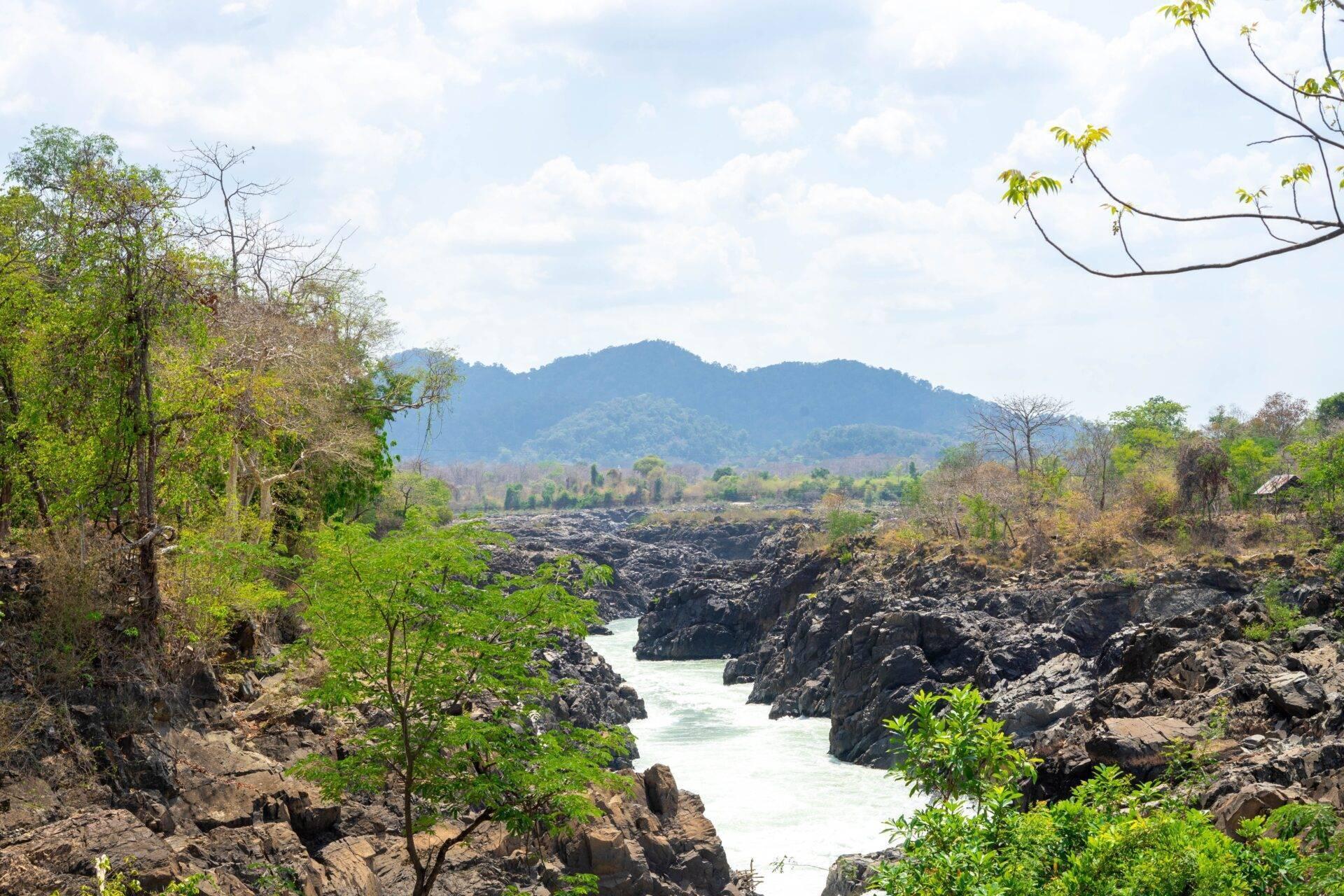
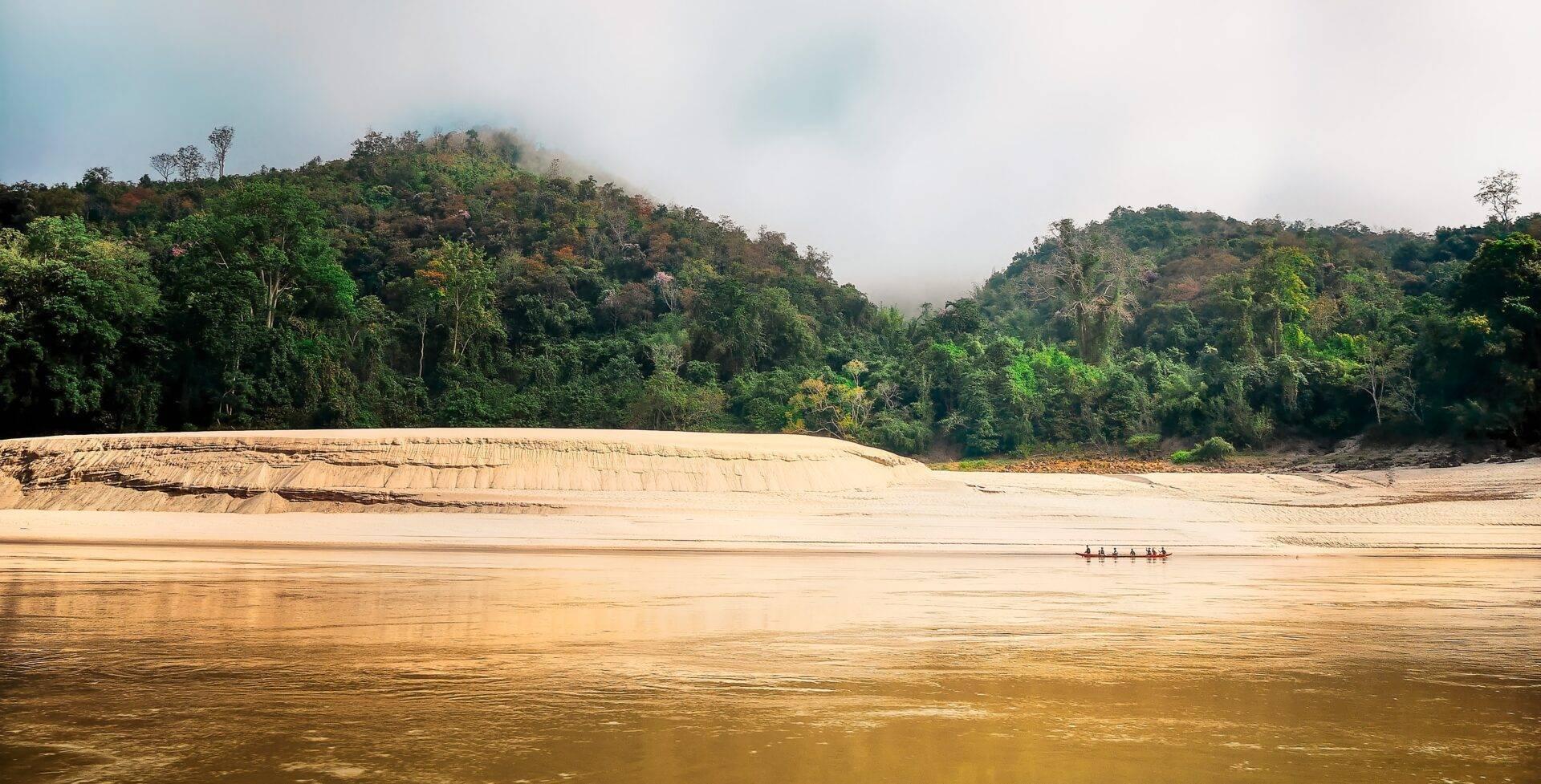
At the far south of Laos, the Mekong fragments into a river archipelago: Si Phan Don, the “4,000 Islands.” The two main islands, Don Det and Don Khon, are easily explored by bicycle through rice paddies and past sandy shores. The Li Phi Falls, reachable from Don Khon, can be visited in a setting that feels almost untouched.
18. Watch Irrawaddy dolphins in the wild
Between Don Khon and the Cambodian border, a small population of Irrawaddy dolphins lives in the Mekong. An evening boat trip offers a chance to spot them in their natural habitat. The species is critically endangered, and local guides enforce strict approach distances.
19. Ride the Bolaven Plateau loop
Above Pakse, the Bolaven Plateau stretches between 800 and 1,300 metres above sea level. Its fertile volcanic soils and cooler climate account for why 95% of Laotian coffee is grown here. The roads that wind across the plateau pass through coffee plantations, waterfalls and villages. The scooter loop from Pakse is one of the country’s most popular routes.
20. The twin falls of Tad Fane
In the heart of the Bolaven Plateau, within Dong Hua Sao National Park, Tad Fane is a twin waterfall plunging roughly 120 metres into a steep canyon. It is one of the most impressive falls in Laos. The view of the two cascades, framed by tropical forest on either side, is reached after a short walk from the purpose-built viewing platform.
When to Visit Laos
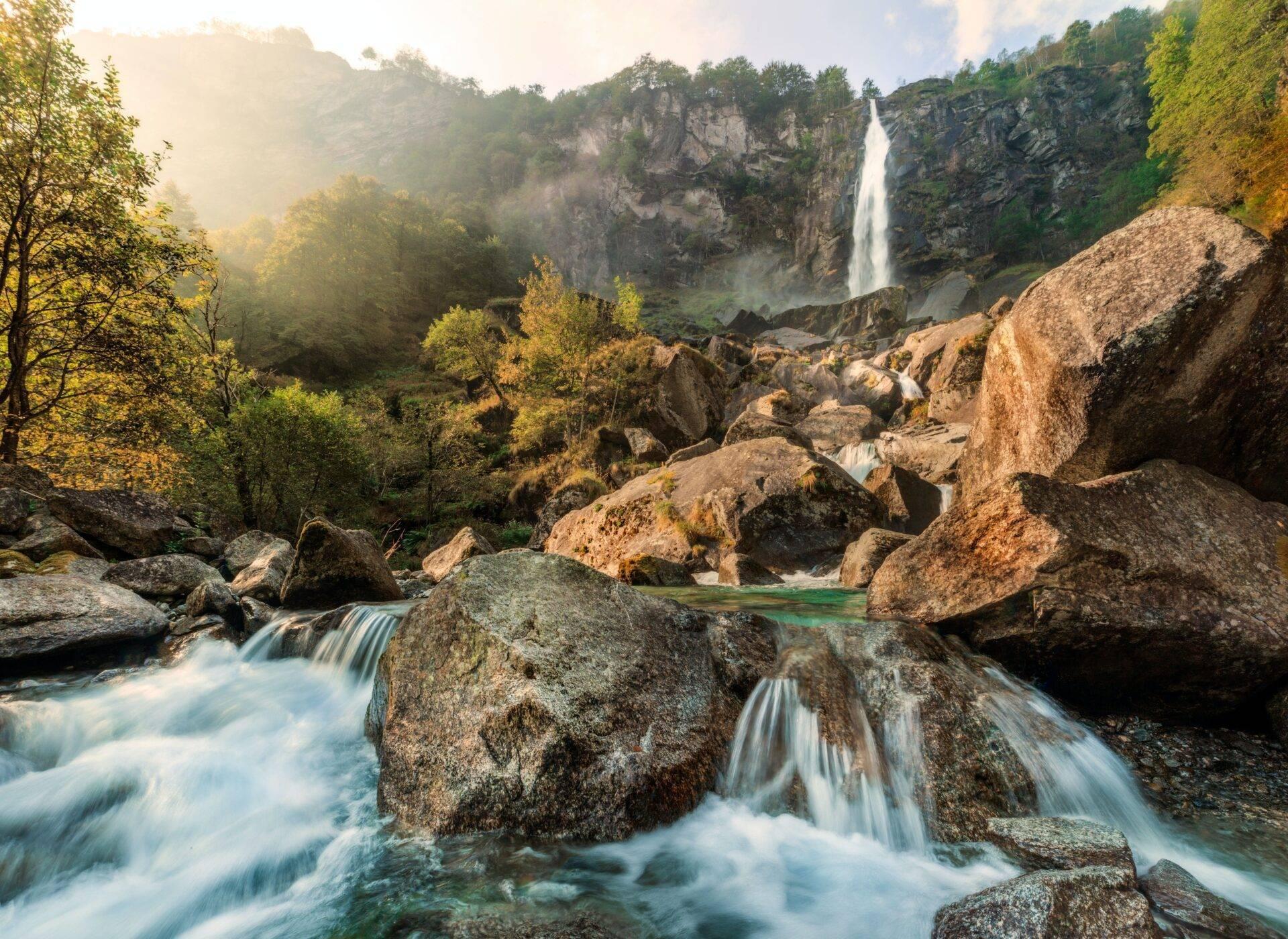
The dry season, from November to April, is the best time to travel. Between February and April, the turquoise pools at Kuang Si are at their most vivid, swimming at Vang Vieng’s blue lagoons is at its most enjoyable and the Bolaven Plateau roads are easily passable. The rainy season, from May to October, turns the landscape a deep, rich green but makes some tracks in the north and south difficult to access.
For practical details on visas, recommended vaccinations, budget and insurance, see our guide Laos Travel Insurance.
FAQ
Is Laos a good destination for solo travellers?
Absolutely. Laos is one of the most accessible countries in Southeast Asia for solo travel. The tourist infrastructure is well established along the main stops (Luang Prabang, Vang Vieng, Vientiane, Si Phan Don) and the warmth of local hospitality makes it easy to connect with fellow travellers and locals alike. More remote spots such as Muang Ngoi Neua are straightforward to reach by boat from Nong Khiaw.
What is the best time of year to visit Laos?
November to April, during the dry season. The waterfalls display their most vibrant turquoise hues between February and April, temperatures are manageable and the roads are at their best. The rainy season (May to October) brings lush, spectacular scenery but can make tracks impassable in the north and on the Bolaven Plateau.
Do French passport holders need a visa for Laos?
French passport holders can obtain a visa on arrival at major international airports and land border crossings. From 1 September 2025, the Lao Digital Immigration Form (LDIF) is mandatory before entering the country. For up-to-date entry requirements, check our guide Laos Travel Insurance.
How do you get around Laos?
The main options are bus (comfortable on the main tourist routes), boat along the Mekong and Nam Ou, and scooter for regional exploration (the Bolaven Plateau, the Vang Vieng area). The Vientiane-Luang Prabang rail line is now in service and covers the route far more quickly than a bus. Secondary roads can be tricky during the rainy season.
Are Kuang Si Falls worth visiting year-round?
Yes, though conditions vary considerably. Between February and April the turquoise pools are at their most beautiful and the swimming is at its best. In September and October the flow is at its peak but the water can turn cloudy and swimming may be inadvisable on certain days.
Do I need travel insurance for Laos?
Medical facilities in Laos are limited outside Vientiane and Luang Prabang. In the event of a serious incident, medical repatriation can be both essential and extremely costly without adequate cover. Yupwego covers medical expenses and repatriation costs according to your policy. Check your cover details, exclusions and limits before you go.