
Hong Kong packs into fewer than 1,100 square kilometres a density of experiences you will struggle to find anywhere else: skyscrapers as far as the eye can see, incense-wreathed temples, electric night markets, ridge-top hikes through green hills and Cantonese food that sets the global standard. Here are the 20 must-dos, from the main island to the heights of Lantau.
Plan my Hong Kong tripVictoria Peak: The View That Defines Hong Kong
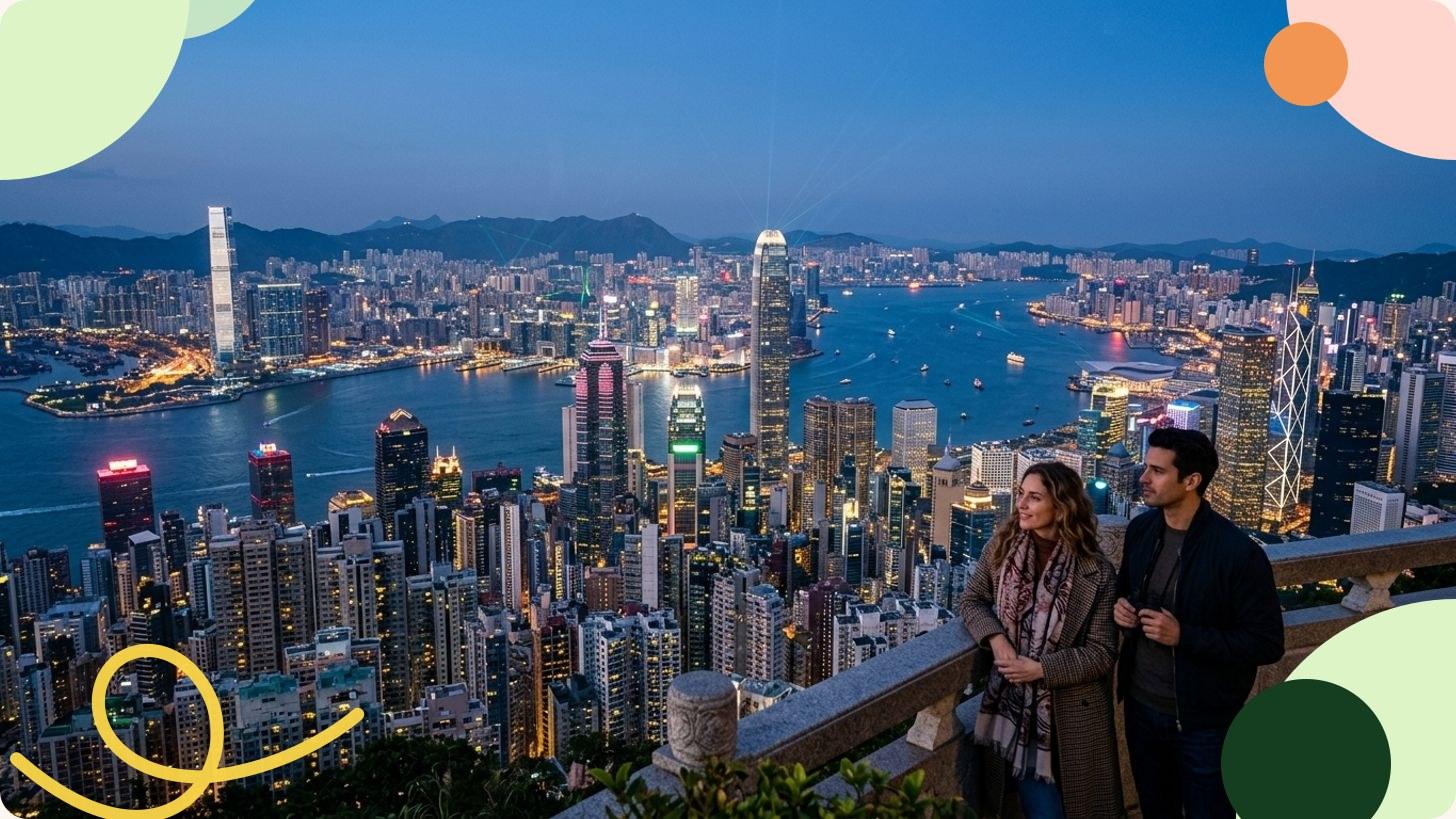
Perched at 552 metres above the main island, Victoria Peak is the single best vantage point to grasp the full scale of the metropolis. The Peak Tram, a funicular that has been running since 1888, climbs the steep slope from Garden Road in under ten minutes. At the top, the Sky Terrace 428 delivers a 360-degree panorama of the skyscrapers, the harbour and the verdant hills beyond. The tram runs daily from 7 am to midnight, with departures every 10 to 15 minutes. To beat the crowds, head up early on a weekday morning or after 8 pm for the night-time view.
The Star Ferry: A Different Way to Cross Victoria Harbour
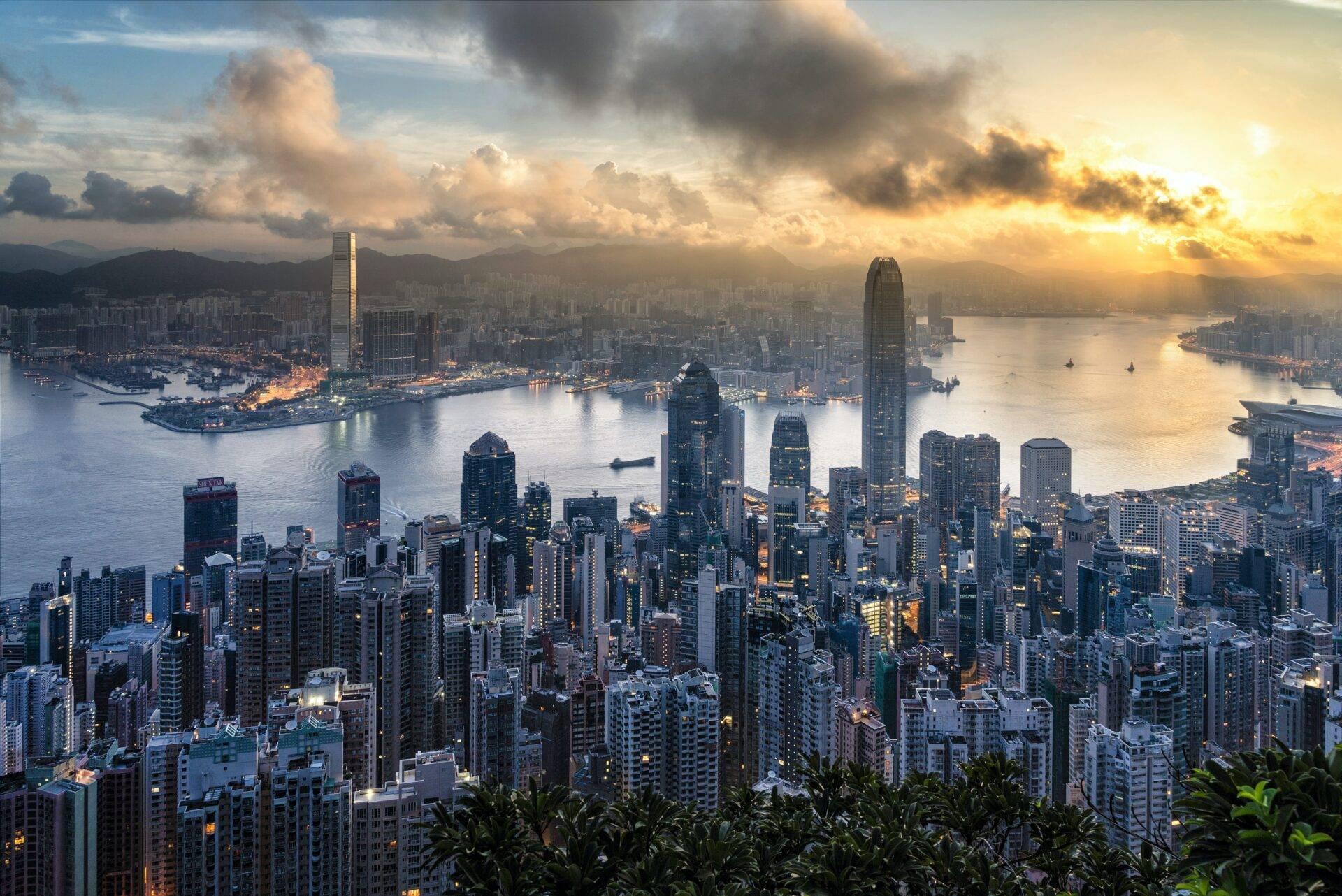
Also running since 1888, the Star Ferry links Tsim Sha Tsui in Kowloon to Central and Wan Chai on Hong Kong Island in just a few minutes. The night crossing, with the illuminated towers mirrored on the water, is worth the trip on its own. Traditional red-sailed junks still glide across the harbour from time to time, echoing a vanished era.
The Symphony of Lights: A Free Show Every Evening at 8 pm
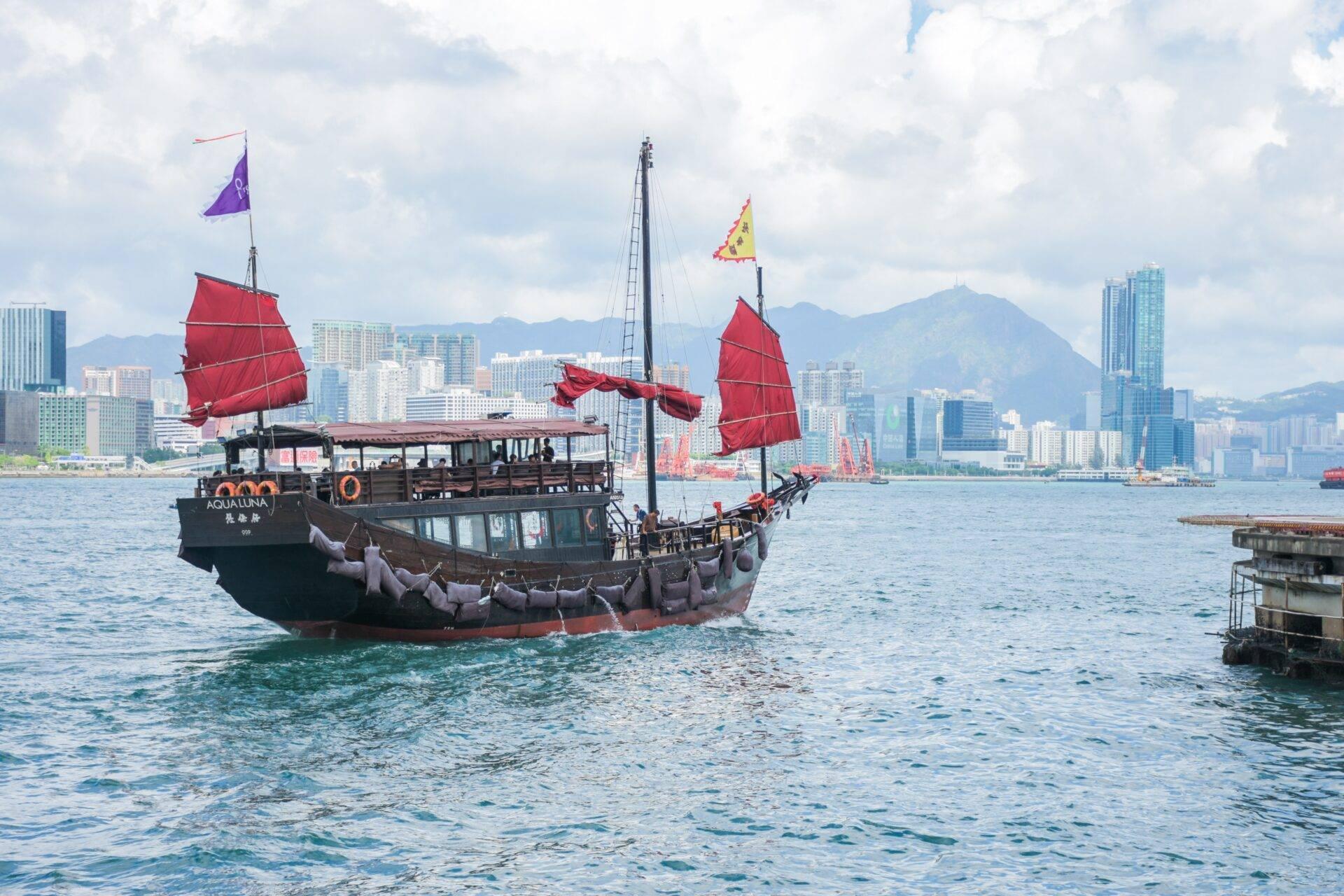
Every evening at 8 pm, around forty skyscrapers on both sides of the harbour synchronise for ten minutes in a free sound-and-light spectacular. The best viewing spots are the Tsim Sha Tsui waterfront promenade, the Hong Kong Cultural Centre forecourt and Golden Bauhinia Square in Wan Chai. No ticket needed. Simply be there on time.
Tsim Sha Tsui and the Avenue of Stars
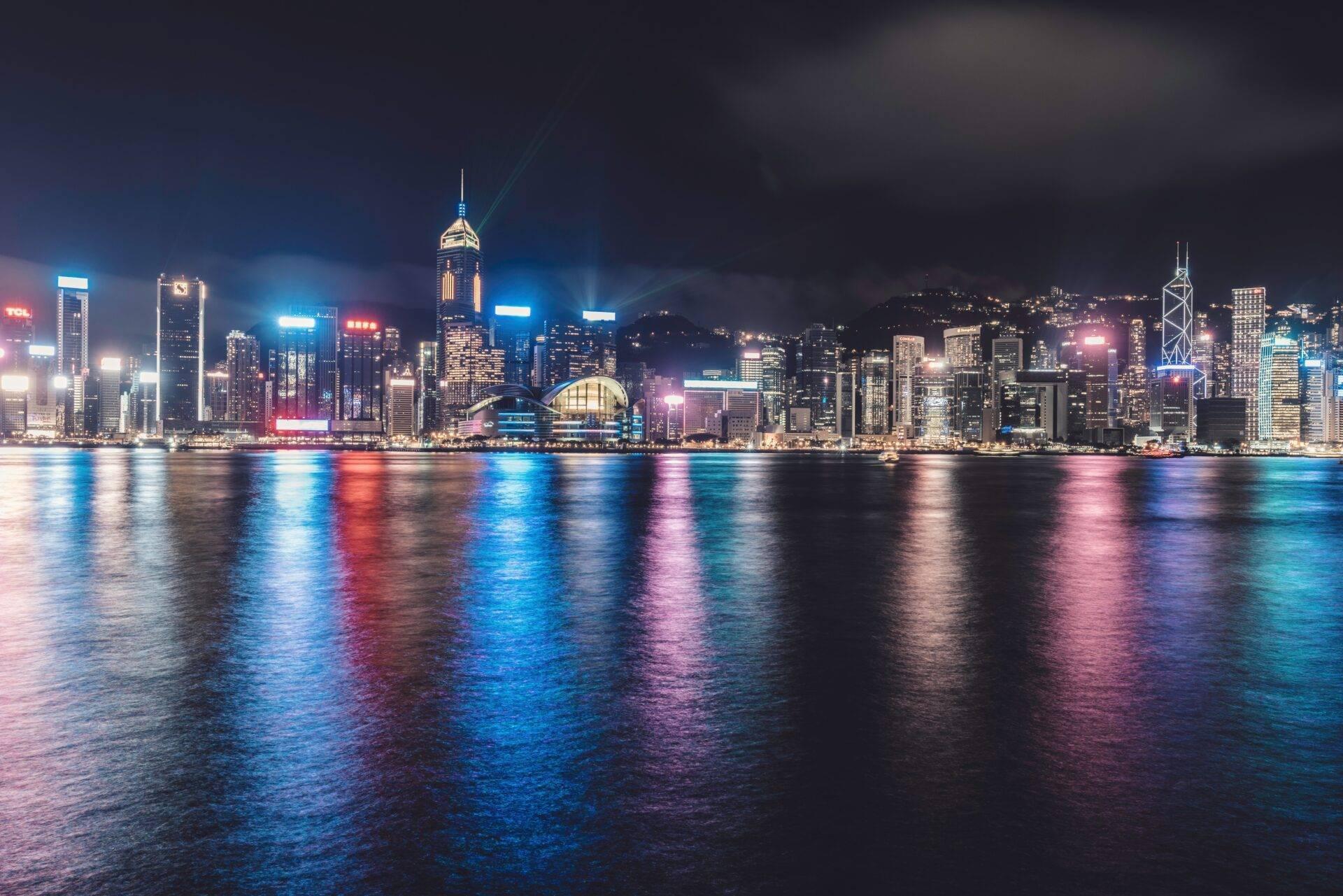
The Kowloon waterfront promenade stretches along the harbour for several kilometres. The Avenue of Stars pays tribute to the legends of Hong Kong cinema: handprints, commemorative plaques and a Bruce Lee statue line the walkway. It is also one of the finest vantage points for the Symphony of Lights. After dark, Nathan Road and its stacked neon signs create an urban scene unlike anywhere else.
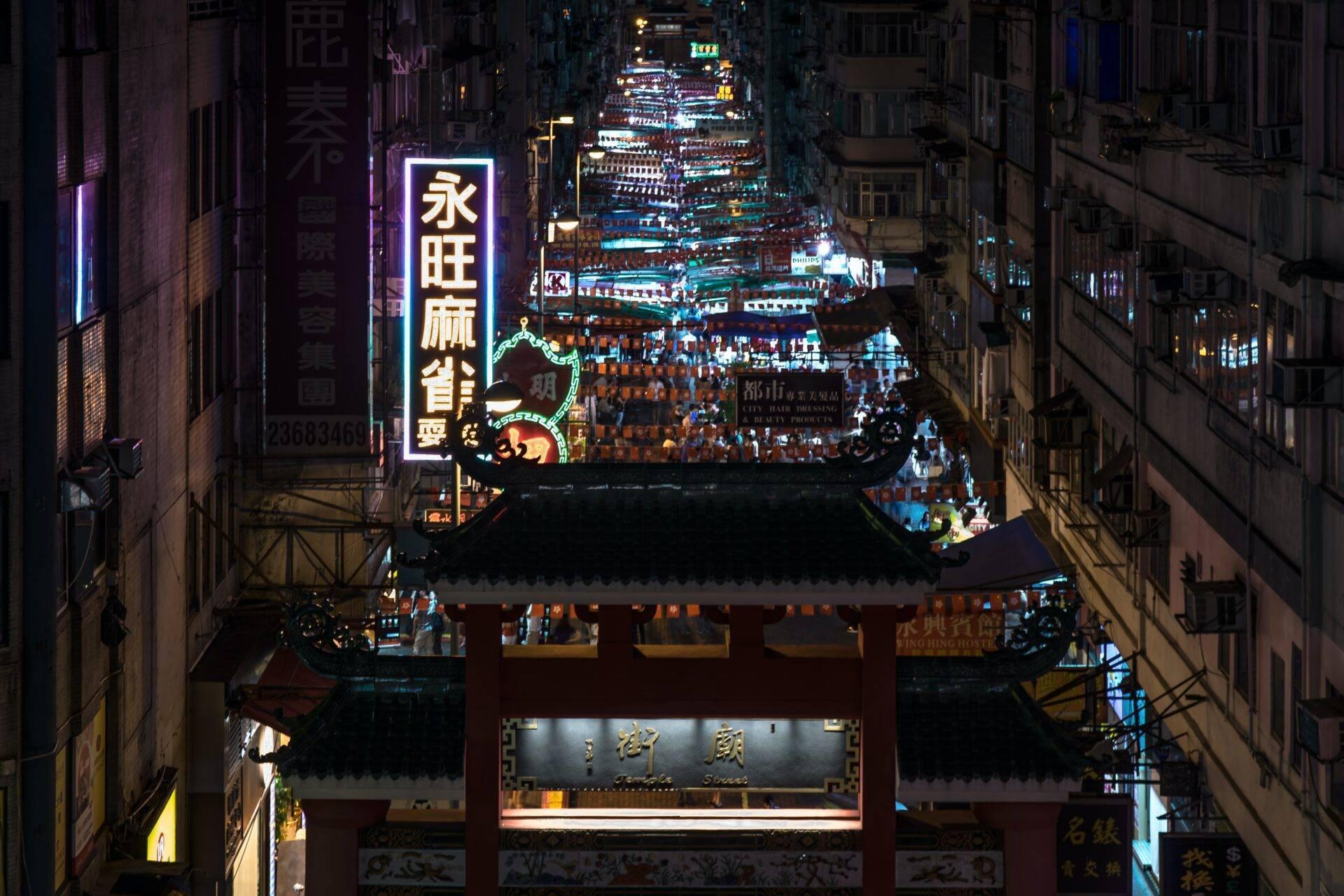
Temple Street: Kowloon’s Night Market
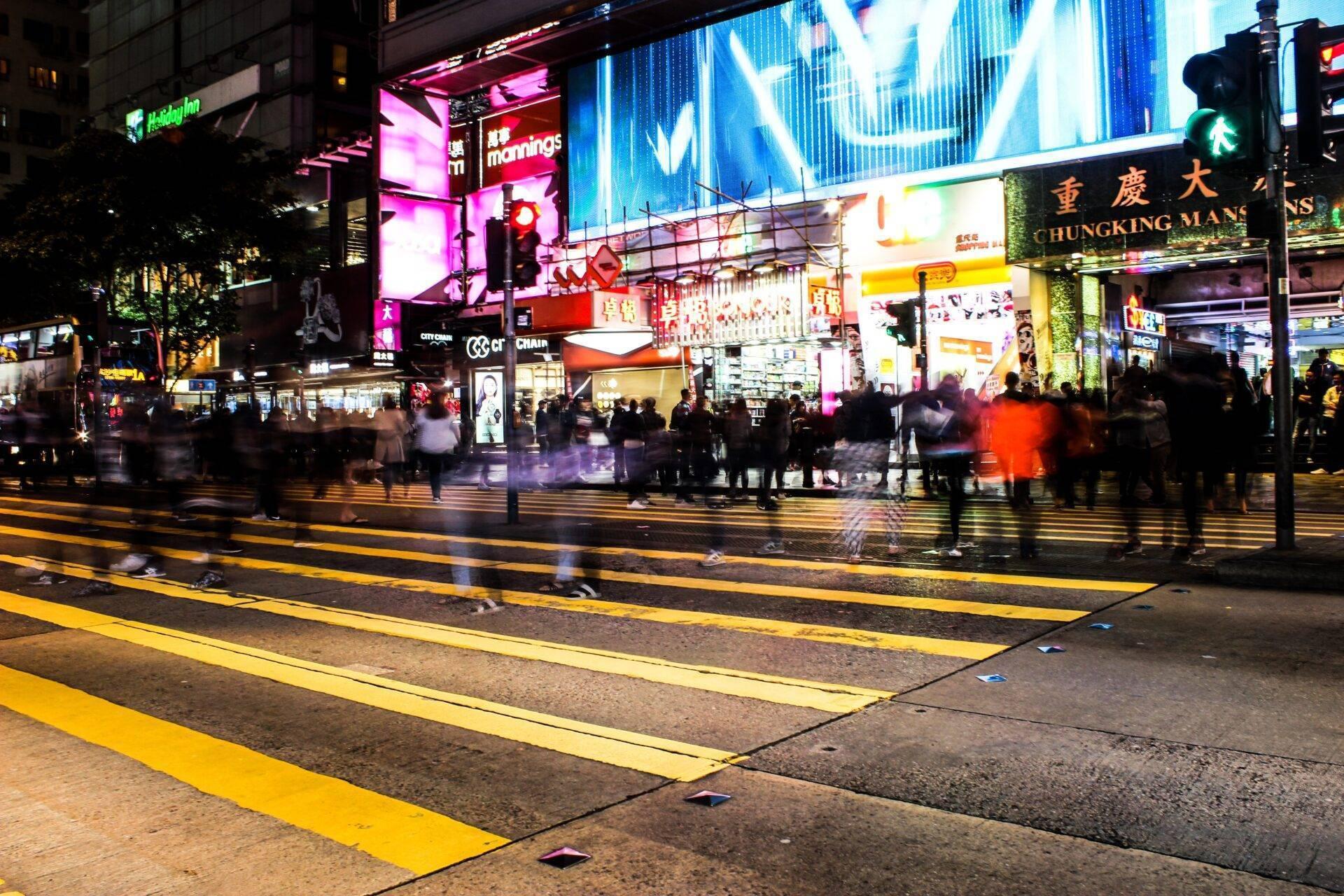
As darkness falls, Temple Street comes alive from the Jordan Road intersection all the way up to the Man Mo Temple. Clothing, gadgets, souvenirs and street food spill across hundreds of stalls. Cantonese opera singers sometimes perform at the roadside, and fortune tellers set up their tables just steps from dim sum vendors. Arrive after 8 pm to catch the market at its most vibrant.
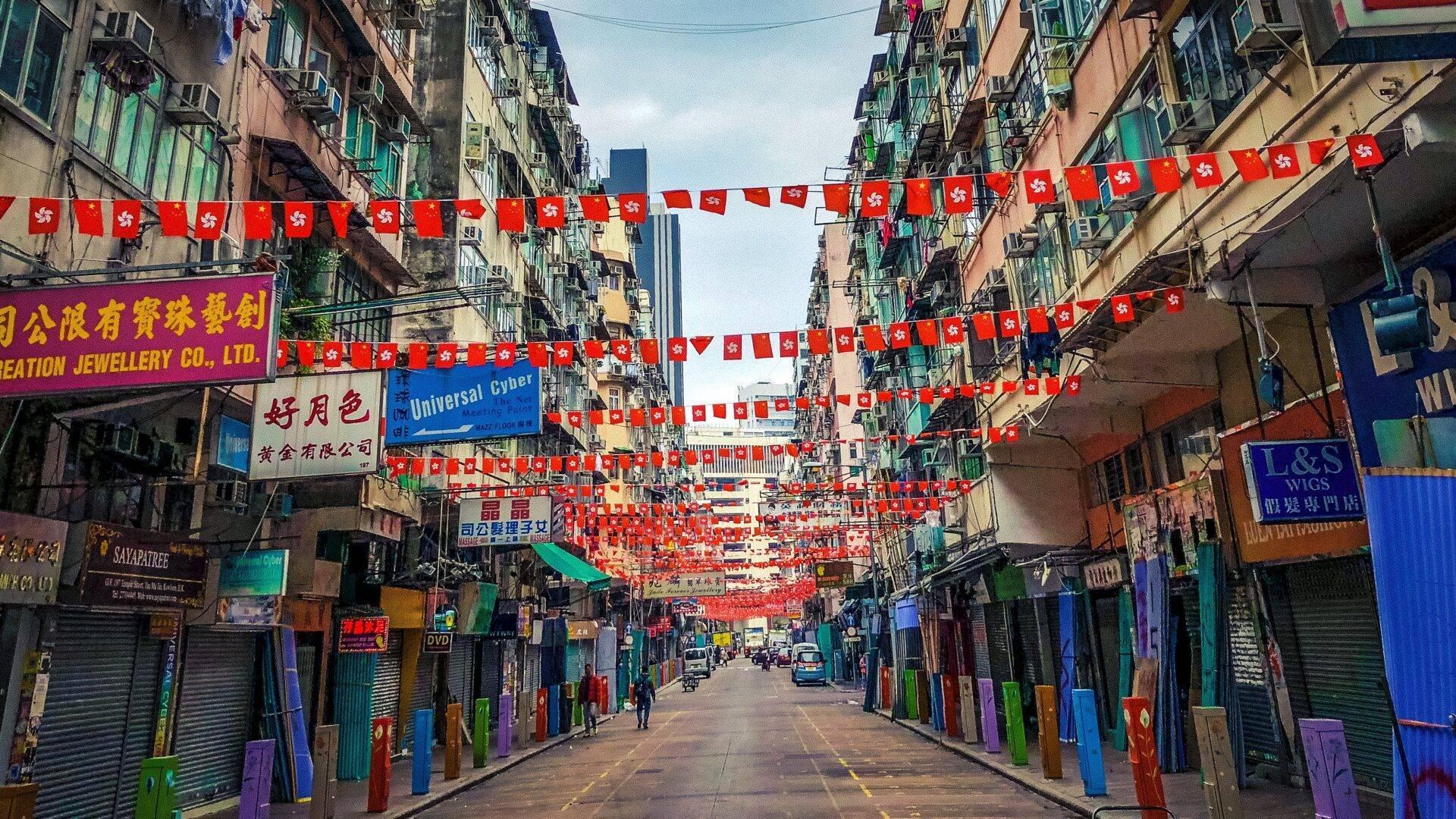
Mong Kok After Dark: Neon, Markets and Urban Energy
Mong Kok is one of the most densely populated districts on earth, and you can feel it. The Ladies’ Market on Tung Choi Street, between Argyle Street and Dundas Street, stretches across several blocks of affordable textiles, accessories and souvenirs. Nearby, the flower market, the goldfish market and the vintage sneaker shops round out the picture. After dark, the neon signs along Nathan Road turn it into a corridor of light.
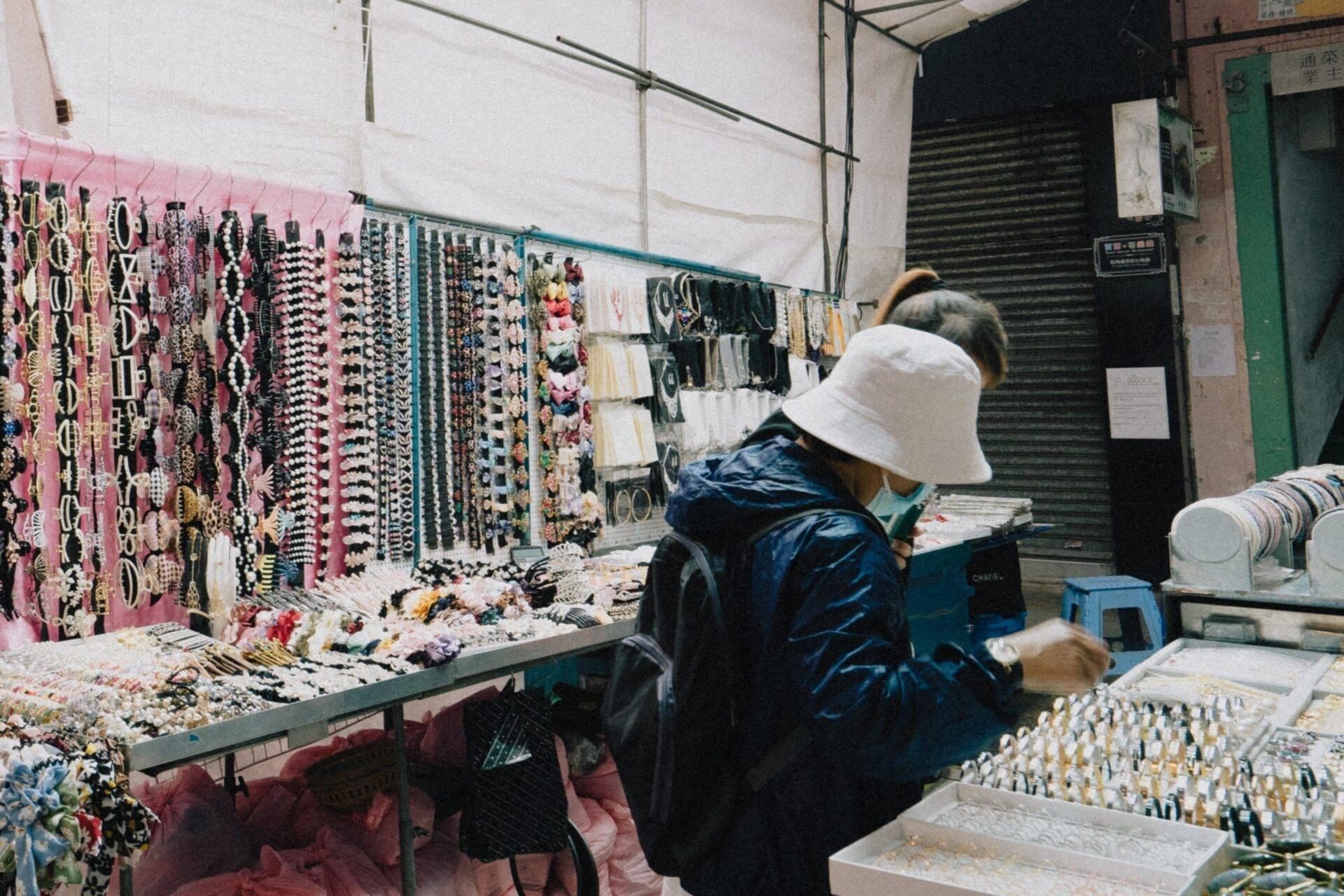
The Jade Market of Yau Ma Tei
Relocated in November 2020 to 251 Shanghai Street, the Jade Market in Yau Ma Tei brings together vendors of jewellery, amulets and carved figurines. The stretch of Canton Road between Kansu Street and Jordan Road, known as Jade Street, adds a higher-end selection to the mix. Public scribes still practise their rare craft here: calligraphy, official letters and administrative forms handwritten to order.
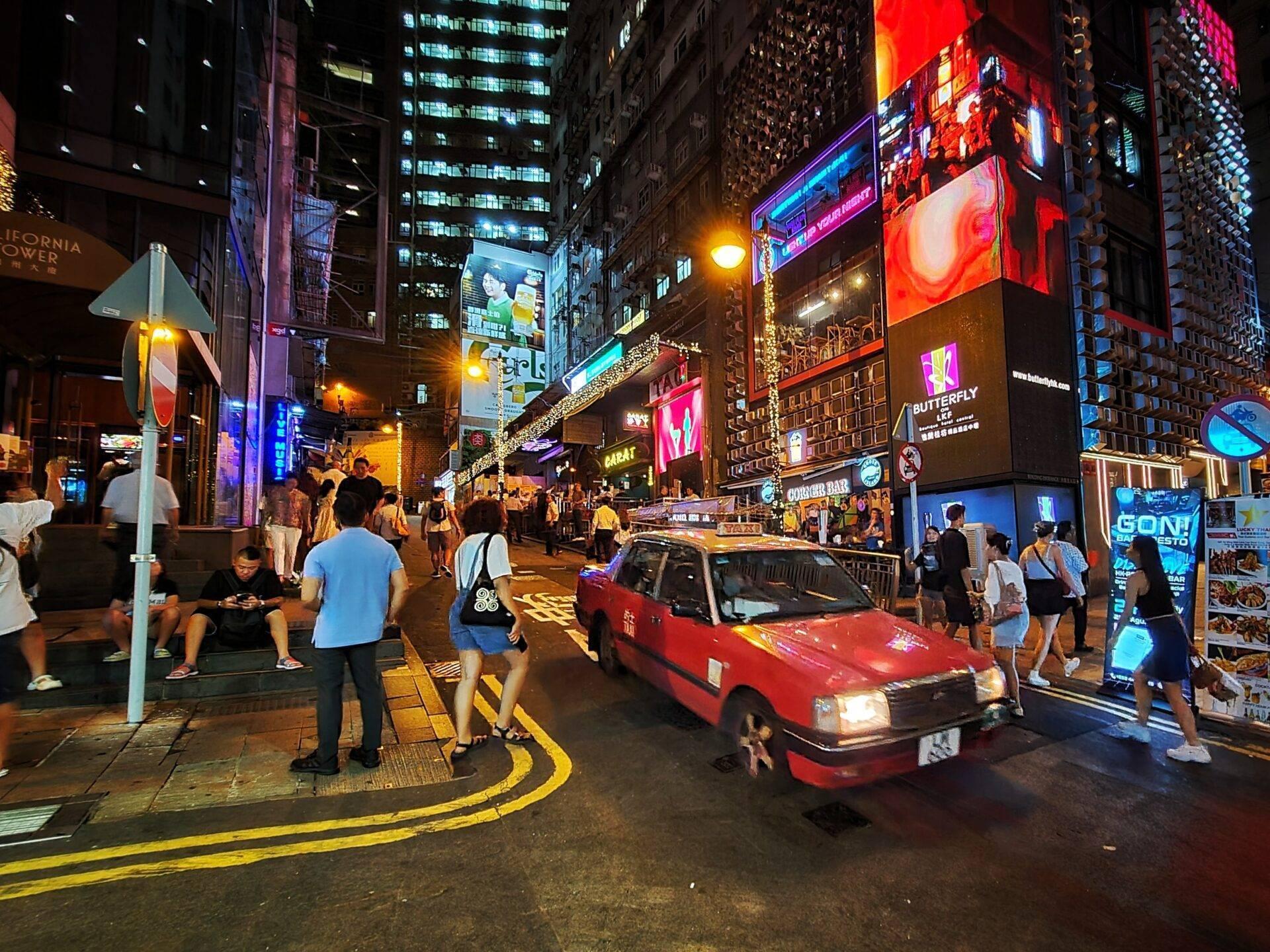
Lan Kwai Fong: Central’s Nightlife Hub
Tucked into the hillside streets of Central, Lan Kwai Fong packs bars, restaurants and clubs into a labyrinth of pedestrian lanes. Expats and locals alike descend as soon as the working day ends. The atmosphere really heats up on Thursday and Friday evenings, with overflowing terraces and global cuisine available at all hours.
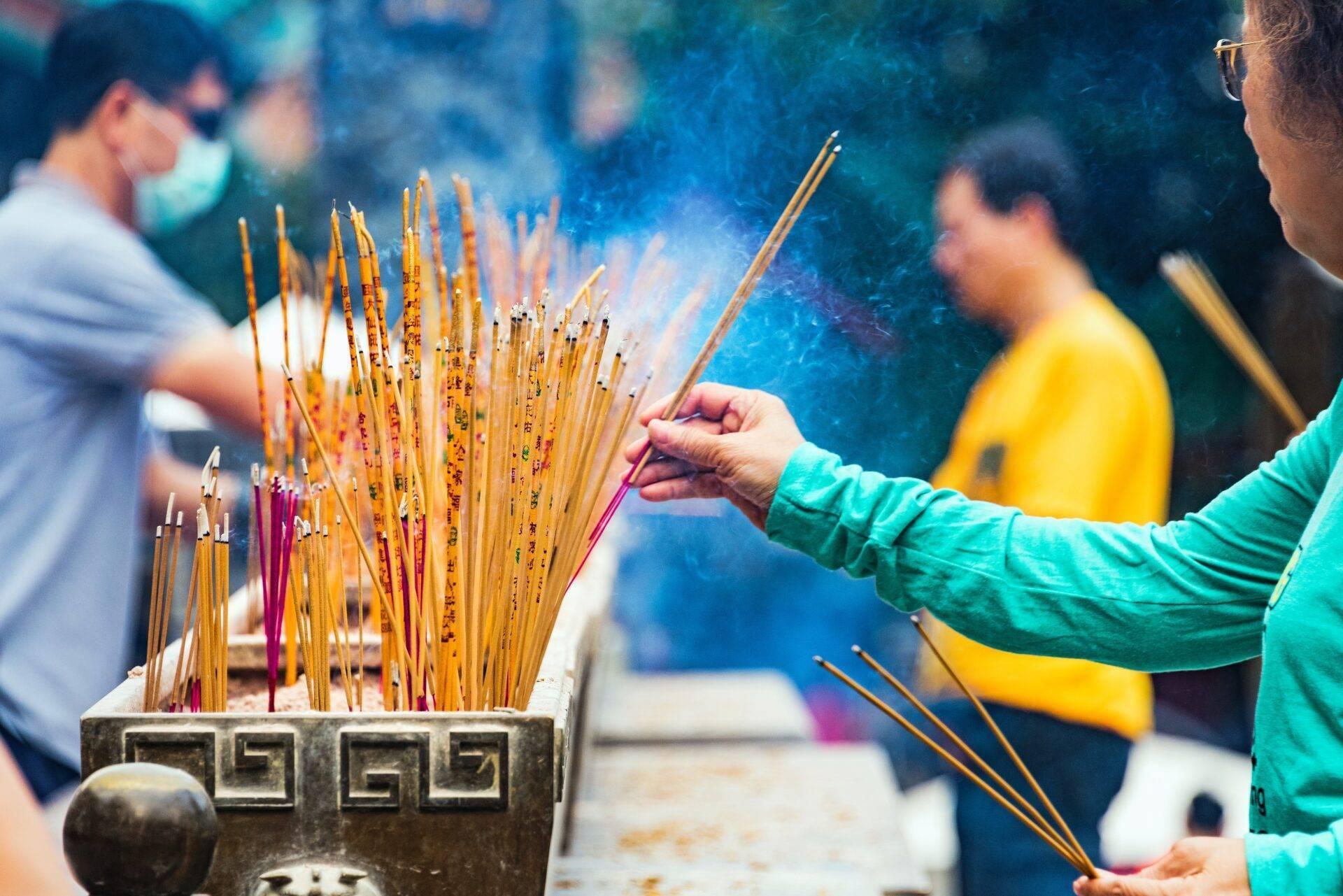
Wong Tai Sin Temple: Incense and Fortune
Set in the residential neighbourhood of Diamond Hill, Wong Tai Sin Temple is one of Hong Kong’s most active places of worship, dedicated to a healer who became a Taoist deity. The air is permanently thick with incense. Worshippers come to consult the kau cim, fortune-telling sticks shaken from bamboo tubes to draw predictions. The temple grounds also shelter Zen gardens and halls devoted to Buddhist and Confucian traditions.
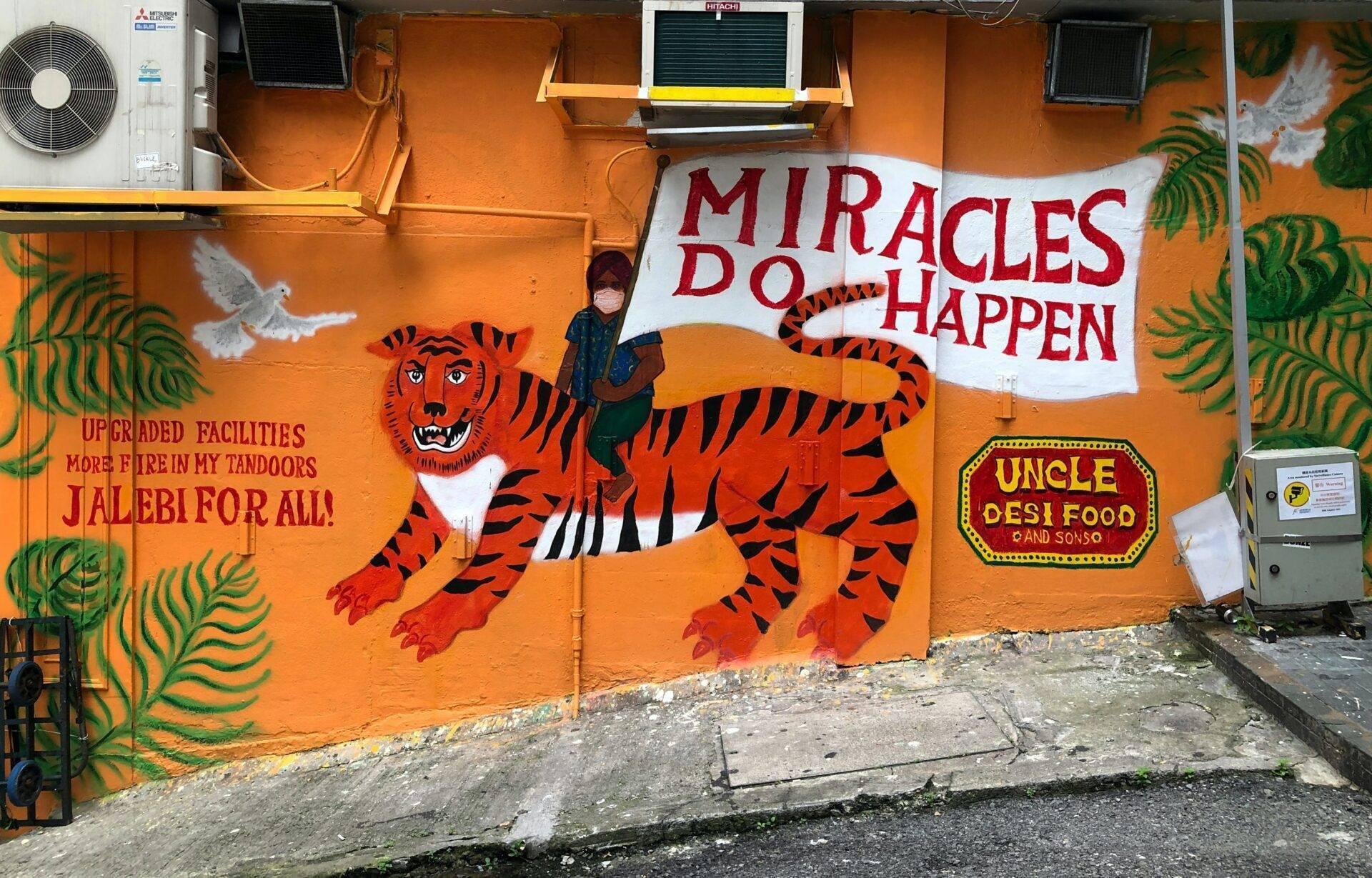
Hollywood Road and the Sheung Wan Quarter
Hollywood Road is the heartland of Hong Kong’s antique dealers: old furniture, ceramics, prints and ritual objects line the street for hundreds of metres. The Man Mo Temple at numbers 124-126 is among the most photographed buildings in the city. Venture into the side lanes and PMQ (a former school turned creative hub) and the cafes of Sai Ying Pun reveal themselves just a short walk away.
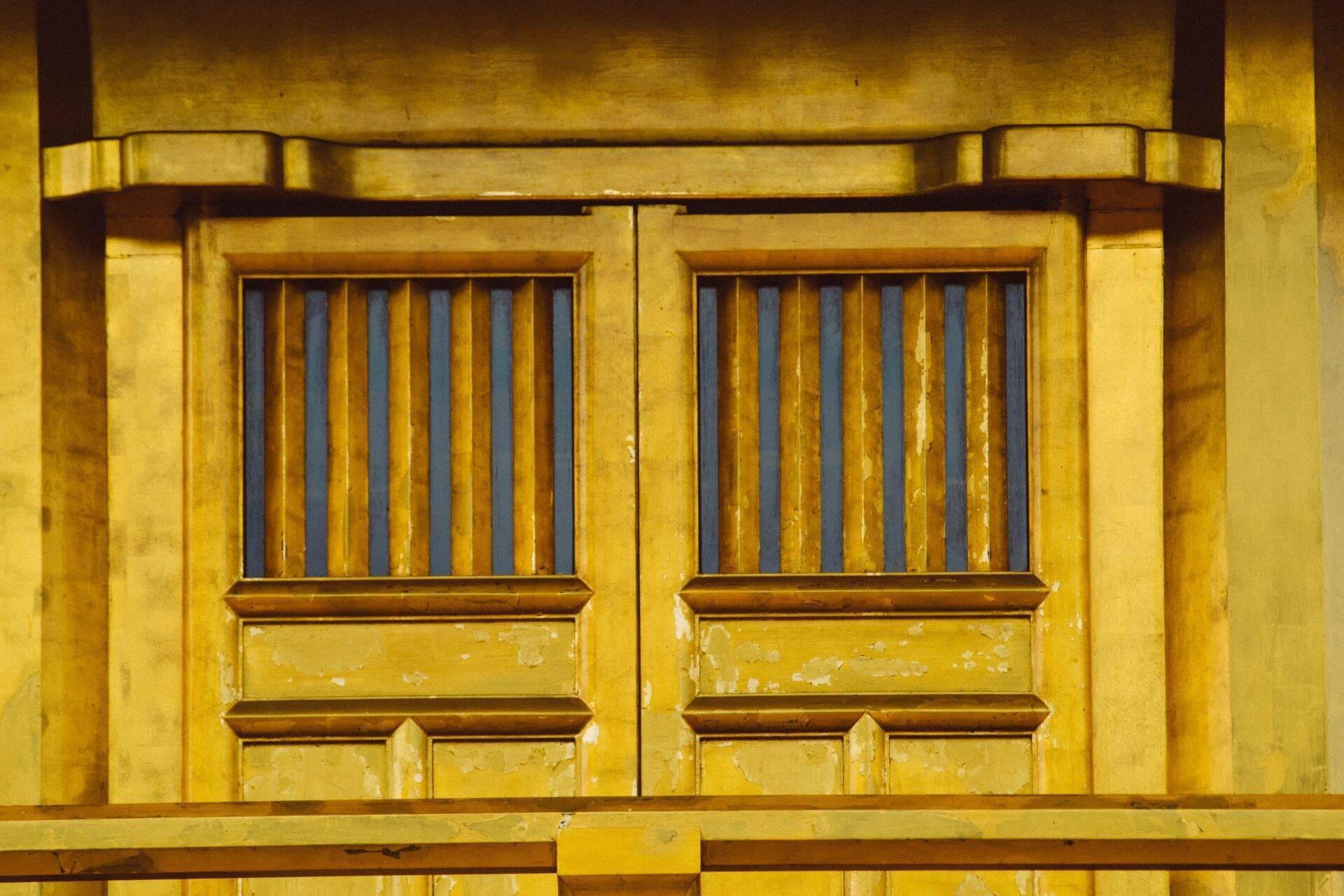
Nan Lian Garden and Chi Lin Nunnery
In Diamond Hill, the Nan Lian Garden is a faithful recreation of a Tang dynasty garden, built entirely from cypress wood without a single nail. Koi ponds, century-old bonsai trees and gilded pavilions stand in striking contrast to the apartment towers all around. A short walk away, Chi Lin Nunnery opens its prayer halls and blossoming garden to visitors free of charge on most days.
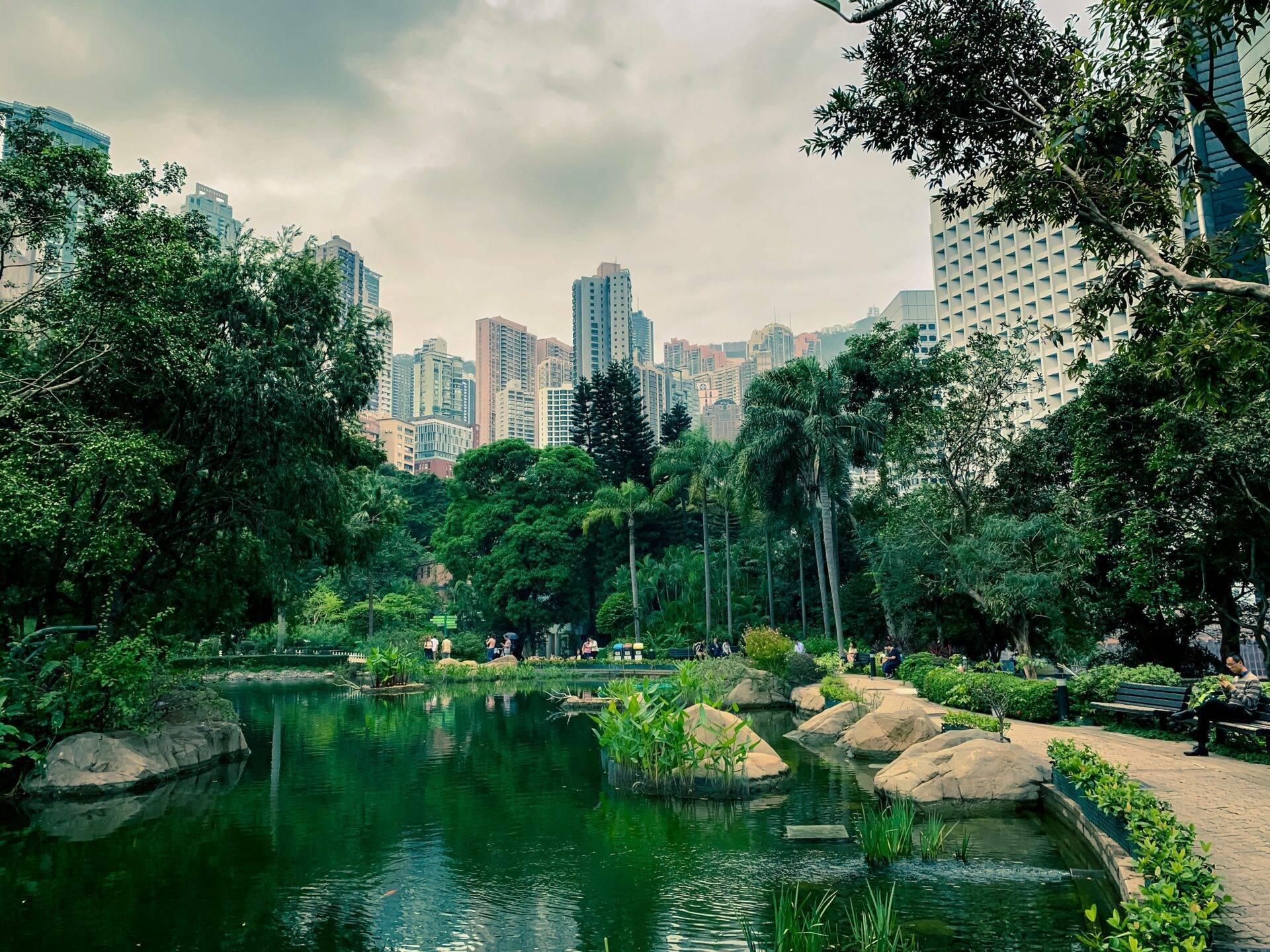
Hong Kong Park: A Green Oasis in Central
Squeezed between skyscrapers and embassy buildings, Hong Kong Park surprises with its lushness. It contains a tropical aviary, glasshouses, an artificial waterfall and a koi pond. Every morning, groups practise tai chi on the lawns. The park also marks the start of the trail that winds up to the Peak.
Hong Kong Museum of History
In Tsim Sha Tsui, the Museum of History traces several millennia of regional history: imperial dynasties, colonial rule, the Second World War and the 1997 handover. Life-size reconstructions of an old-town street and a traditional market make it one of the most accessible cultural visits in the city.
For everything relating to formalities and health cover before you depart, consult our Hong Kong travel insurance guide.
Sky100: Hong Kong from the 100th Floor
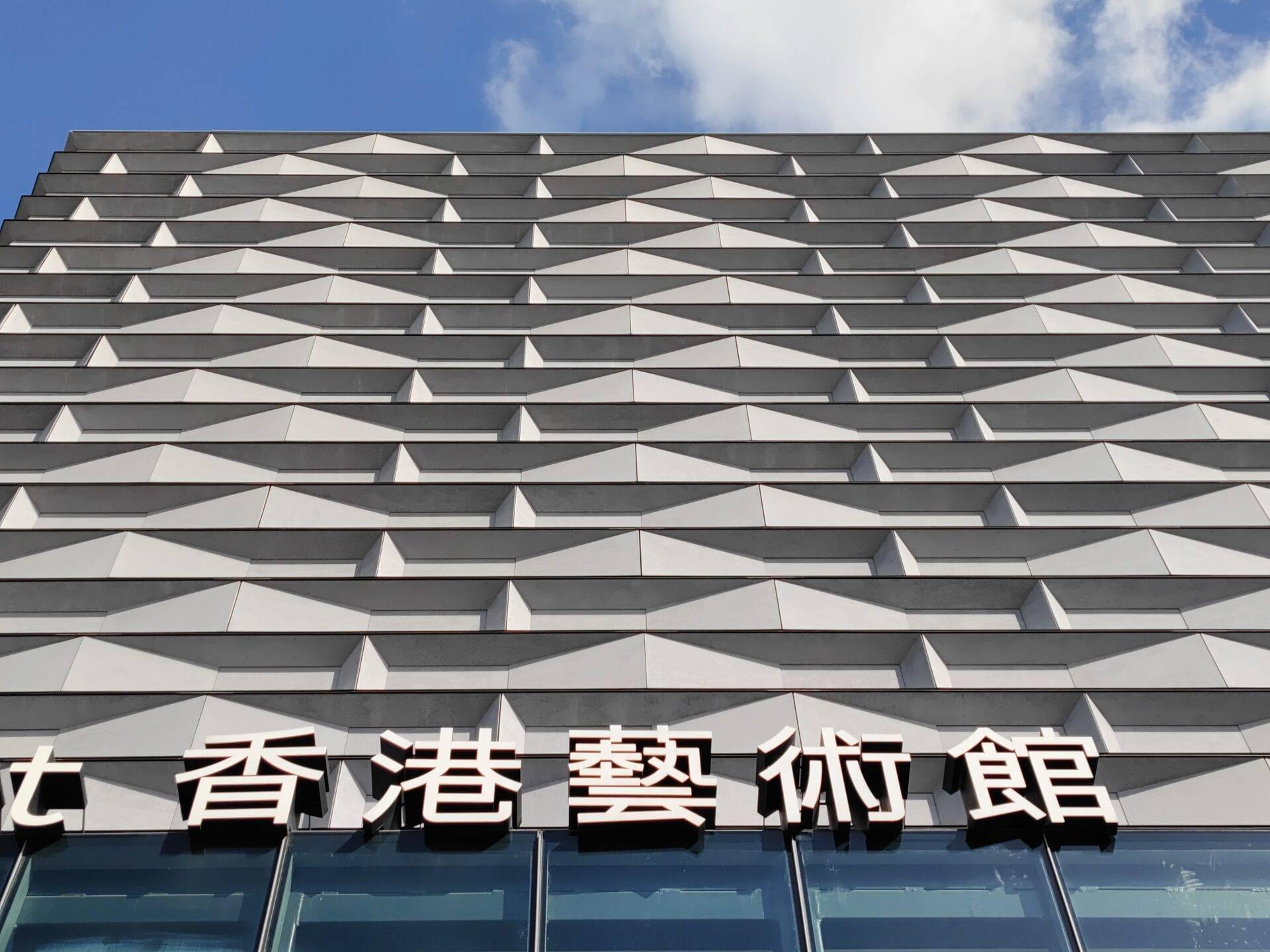
At the top of the International Commerce Centre (ICC) in West Kowloon, the Sky100 observation deck rises 393 metres above sea level. The indoor 360-degree view takes in the harbour, Hong Kong Island and, on a clear day, the hills of Guangdong province. Book your time slot online to skip the queues at the counter.
Ngong Ping 360 and the Tian Tan Buddha
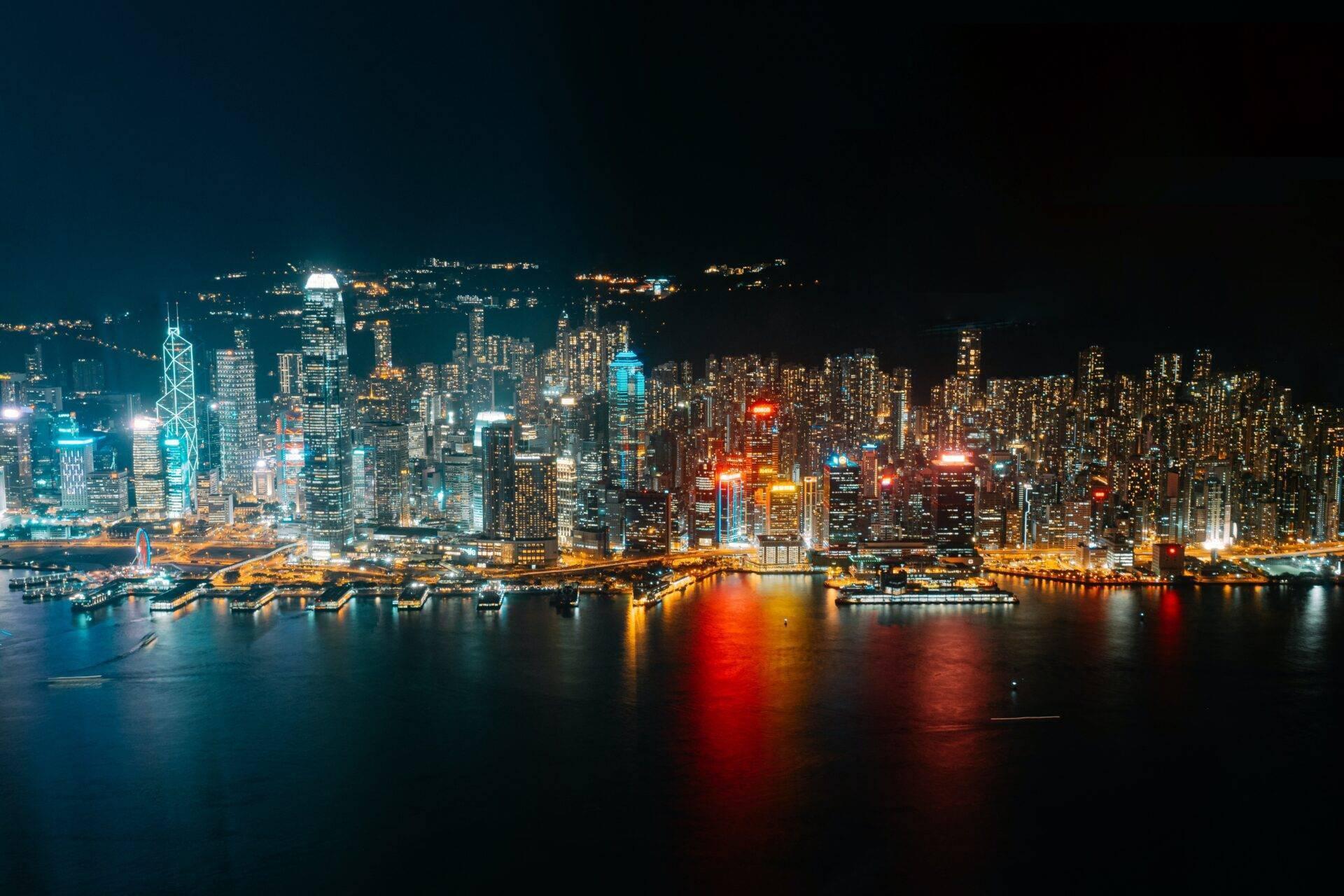
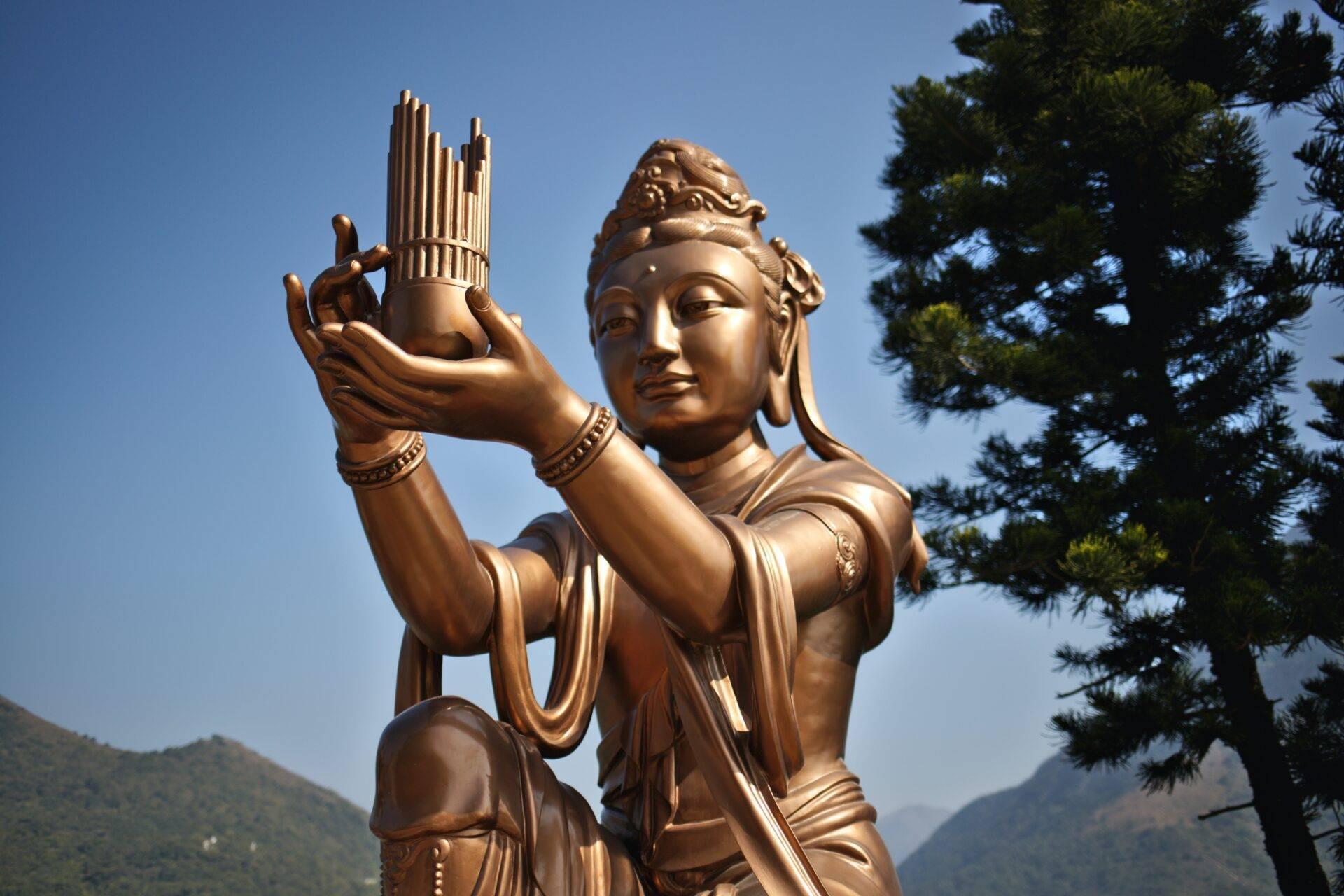
On Lantau Island, the Ngong Ping 360 cable car glides over sea and forest in around thirty minutes from Tung Chung. At the top, the Tian Tan Buddha (Big Buddha) presides over the plateau at the summit of 268 steps. The Po Lin Monastery and the Wisdom Path in Ngong Ping village round out the visit. Opt for a weekday to face significantly shorter queues.
Hong Kong Disneyland: Classic Magic and the Marvel Universe
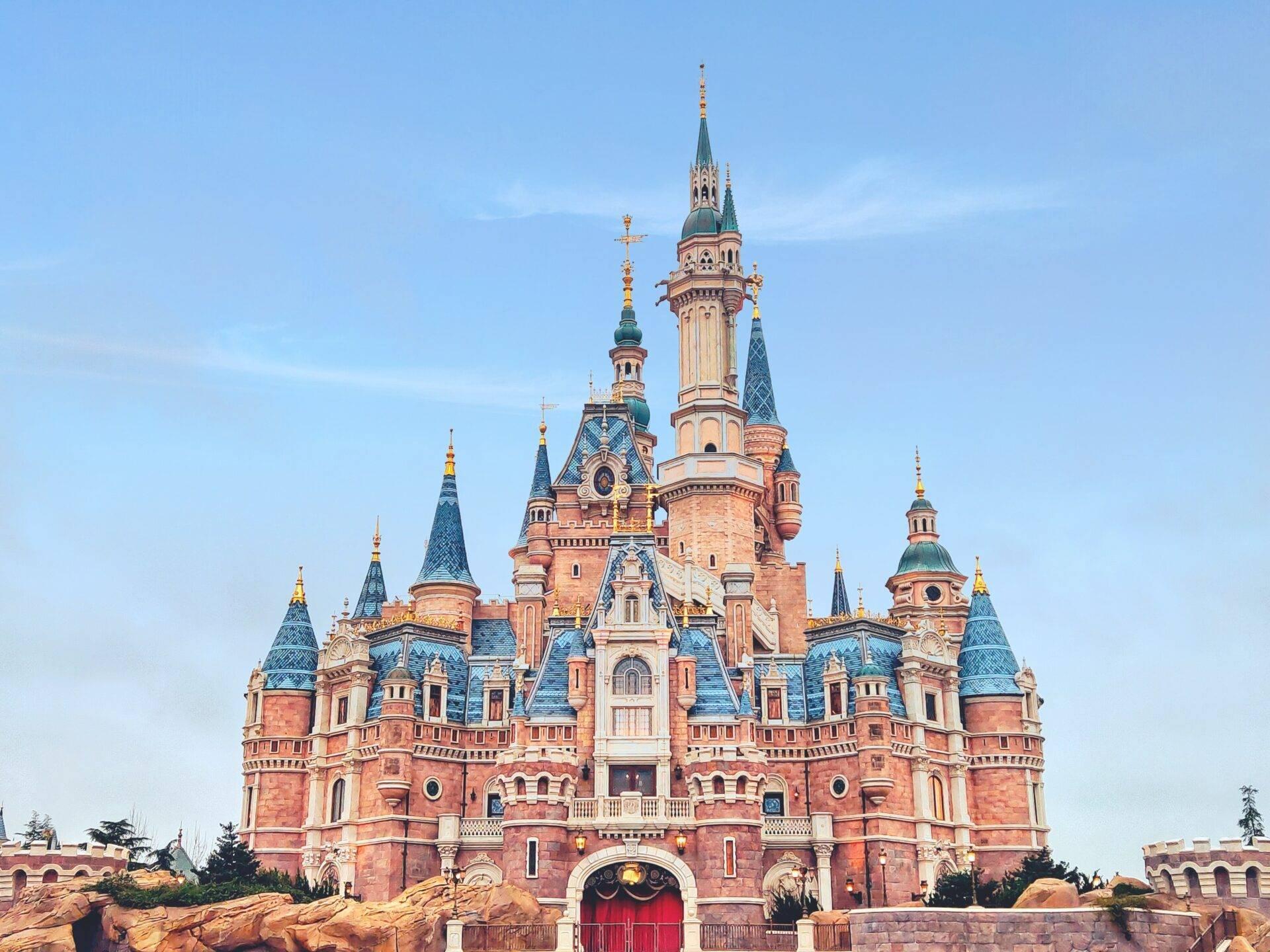
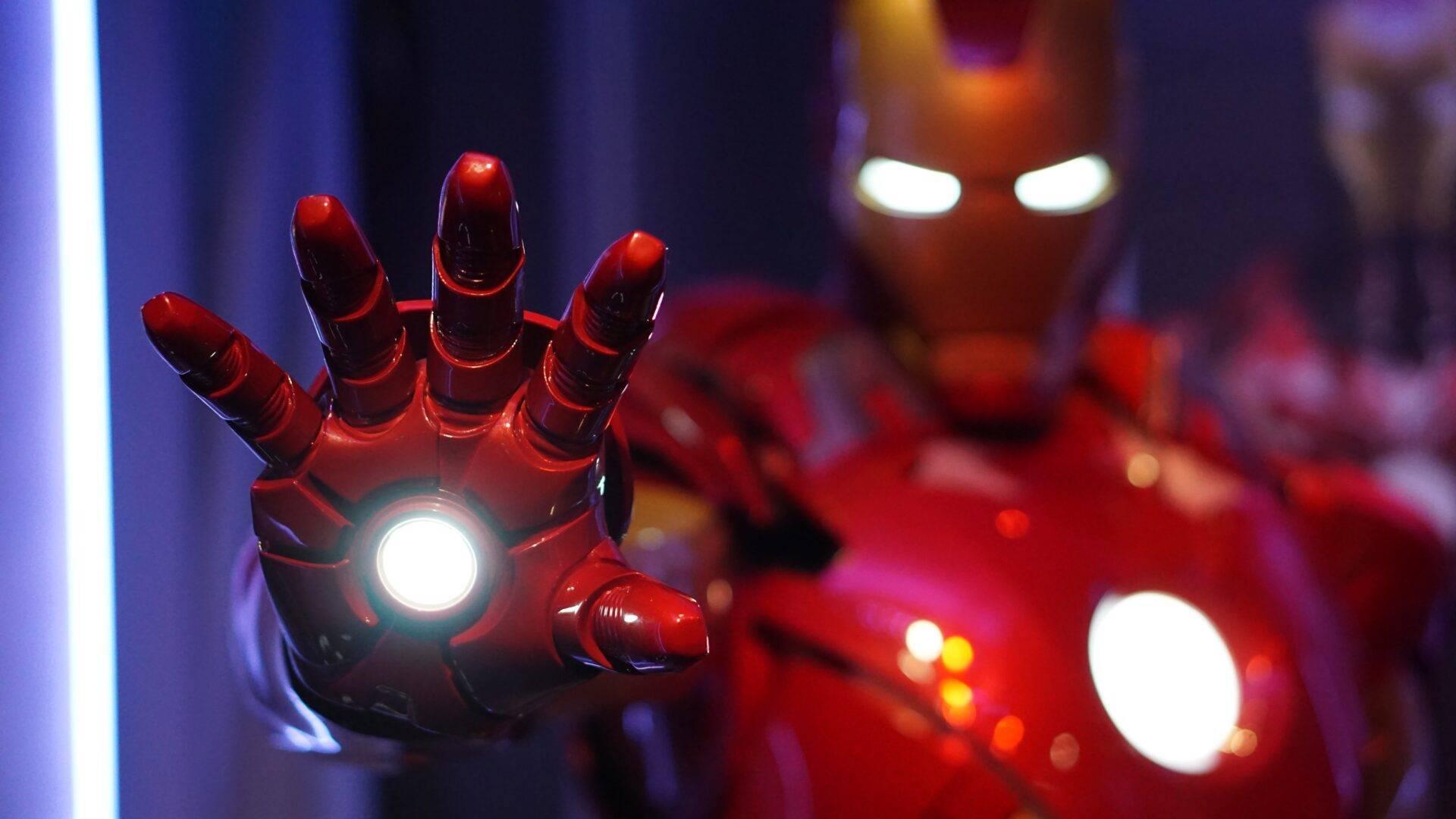
Still on Lantau, Hong Kong Disneyland features several themed areas: Fantasyland, Tomorrowland, Toy Story Land and the Avengers Campus, dedicated to the Marvel universe with its rides and superhero meet-and-greets. The park suits all ages. Book your entry slot online, as the most popular days sell out well in advance.
Ocean Park: Marine Life and Big Thrills
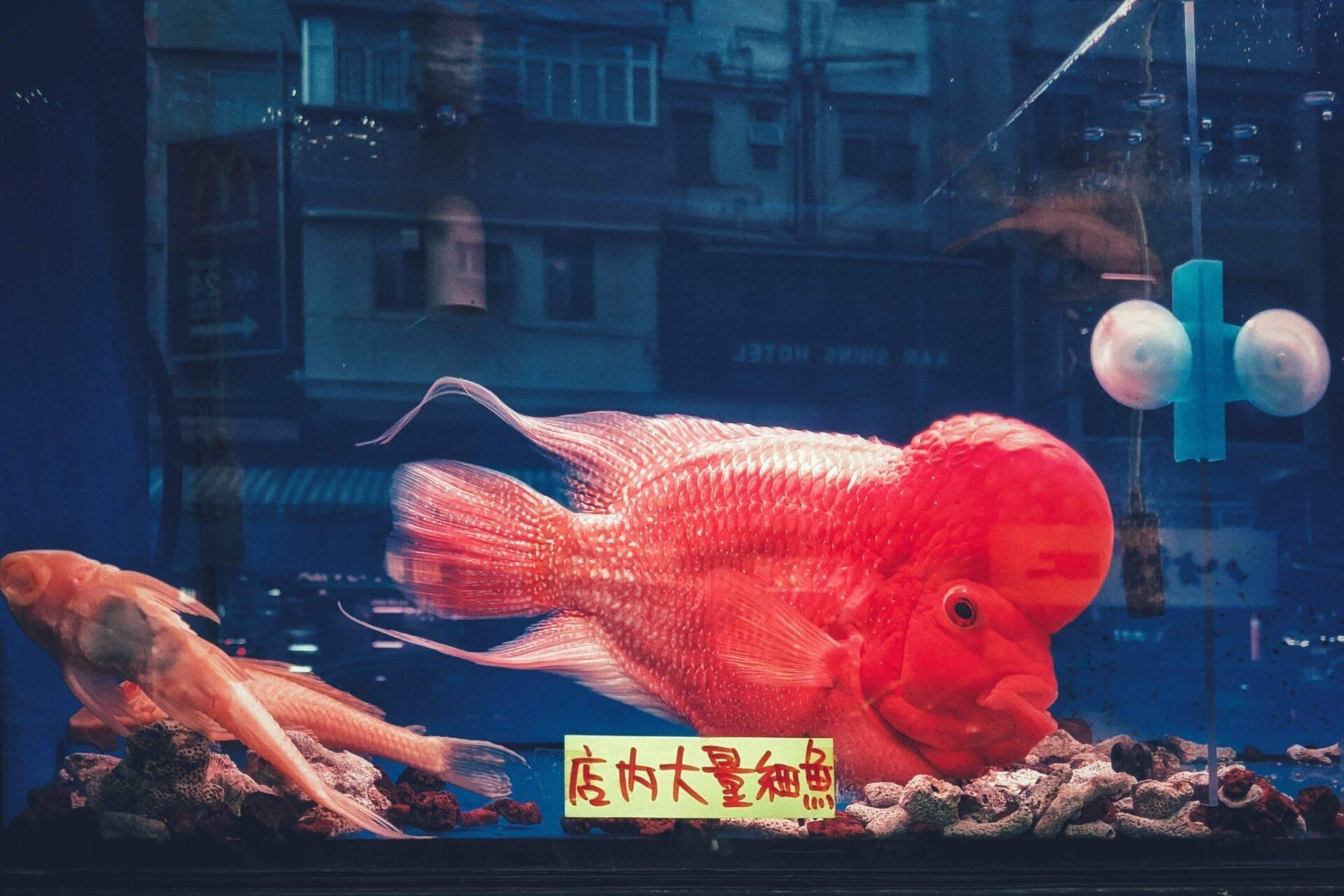
Ocean Park splits into a summit section reached by cable car, offering roller coasters and views over the South China Sea, and a lowland zone centred on vast aquariums. The Grand Aquarium is home to thousands of marine species, including manta rays and sharks. The park also houses giant pandas, a firm favourite with visitors of all ages.
Hiking the Dragon’s Back
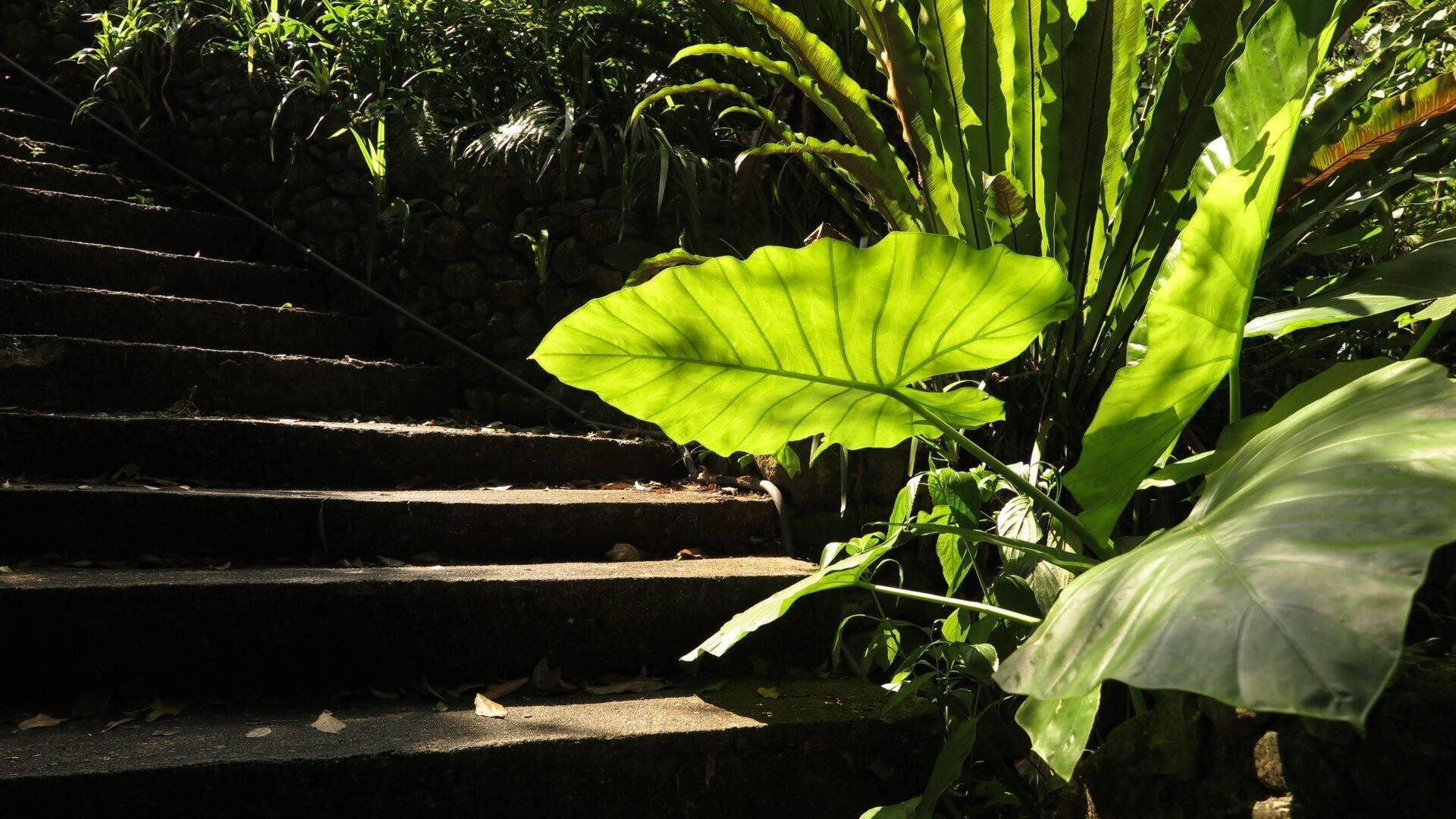
The Dragon’s Back is the most popular hiking trail on Hong Kong Island. This roughly 8 km route takes 3 to 4 hours along a panoramic ridge overlooking Shek O and Big Wave Bay, with views across the South China Sea. Access is from Shau Kei Wan MTR station (Exit A3), then bus number 9 towards Shek O, alighting at the To Tei Wan Tsuen stop. The dry season (October to April) is by far the most pleasant time to tackle it.
Shopping in Hong Kong: From IFC Mall to Harbour City
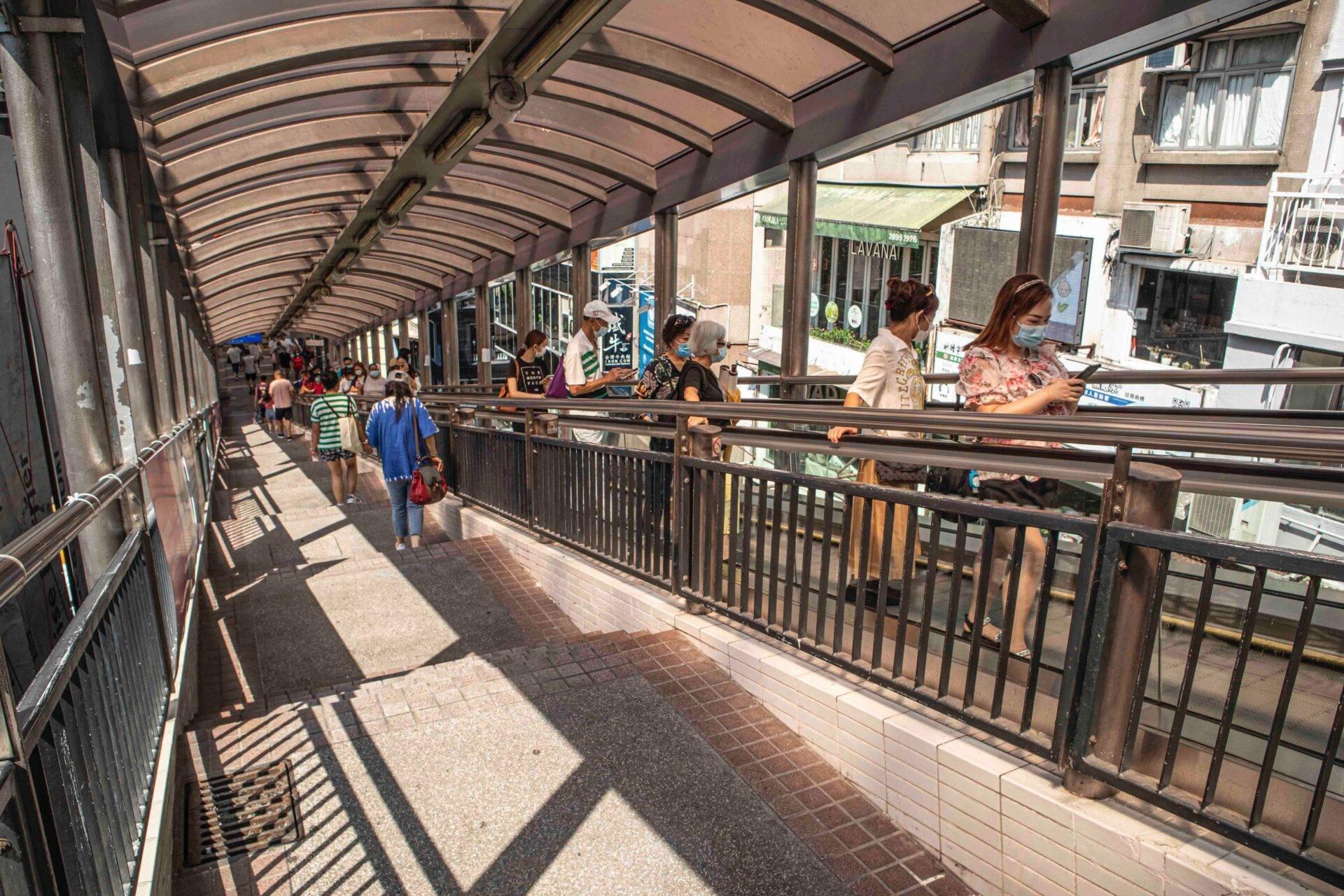
Hong Kong remains one of Asia’s great shopping capitals. IFC Mall in Central, linked directly to the airport by the Airport Express, and Harbour City in Tsim Sha Tsui bring together global brands and local designers across hundreds of shops. The covered walkways connecting the buildings allow you to move from one mall to the next without stepping into the tropical heat.
M+ Museum and the West Kowloon Cultural District
Opened in November 2021, the M+ Museum is one of the world’s largest museums of visual art, design and contemporary culture. Its atrium hosts monumental installations that few other spaces anywhere could accommodate. The standard ticket is priced at HKD 190 (concession: HKD 100). The surrounding West Kowloon Cultural District also encompasses the Xiqu Centre, dedicated to Chinese performing arts, and bayside promenades.
Before you zip up your bags, make sure your medical cover for Asia is in order. Our Hong Kong travel insurance guide sets out the options available to suit your travel profile.
FAQ
How many days do you need to visit Hong Kong?
Three days is enough to cover the highlights: Victoria Peak, the Tsim Sha Tsui waterfront, a temple or two and Lantau. A week gives you time to explore Sai Kung, the outlying islands and eat your way through local restaurants at a relaxed pace.
What is the best time to visit Hong Kong?
Autumn (October to December) is the most pleasant season: temperatures range from 18 to 27°C, skies are often clear and humidity is low. Summer (June to September) is hot and humid, with the risk of typhoons. Winter (January to March) is cool but sunny, with fewer tourists around.
Is the Symphony of Lights free?
Yes. The show runs every evening at 8 pm for around ten minutes from the Tsim Sha Tsui waterfront promenade, the Hong Kong Cultural Centre forecourt and Golden Bauhinia Square in Wan Chai. No ticket is required.
Is the Peak Tram worth it?
For the ascent, the funicular’s steep angle and the gradual reveal of the towers make for a one-of-a-kind experience. For the descent, bus number 15 passes through quieter residential neighbourhoods, which makes for an interesting alternative. The tram runs daily from 7 am to midnight.
Can you go hiking in Hong Kong?
Absolutely. The Dragon’s Back on Hong Kong Island, reached from Shau Kei Wan MTR station, covers 8 km along a panoramic ridge. The trails around Sai Kung in the New Territories reveal a wild coastline and remarkable volcanic rock formations. Both spots are reachable from the city centre in under an hour by public transport.
Do you need to book Hong Kong Disneyland in advance?
During school holidays and Chinese public holidays, entry slots often sell out several days ahead. Online booking through the park’s official website is recommended for any planned visit.