
Europe hides far more than the classic touring circuits ever reveal. From the unspoilt Balkans to the Baroque palaces of Moravia, from Andalusian gorges to Albanian coastlines, travelling off the beaten track in Europe means choosing authenticity over the familiar postcard. Here are six concrete destinations, chosen for their genuine richness and ease of access, for discovering a very different side of the continent.
Kotor and the Bay of Kotor, Montenegro
Independent since 2006, Montenegro is a small Balkan country that packs a remarkable amount into a compact space: vertiginous Dinaric peaks, medieval villages and a remarkably well-preserved Adriatic coastline. The Bay of Kotor forms a deep, enclosed inlet often called the Mediterranean’s only fjord, cutting roughly 28 kilometres inland between the last spurs of the Dinaric Alps.
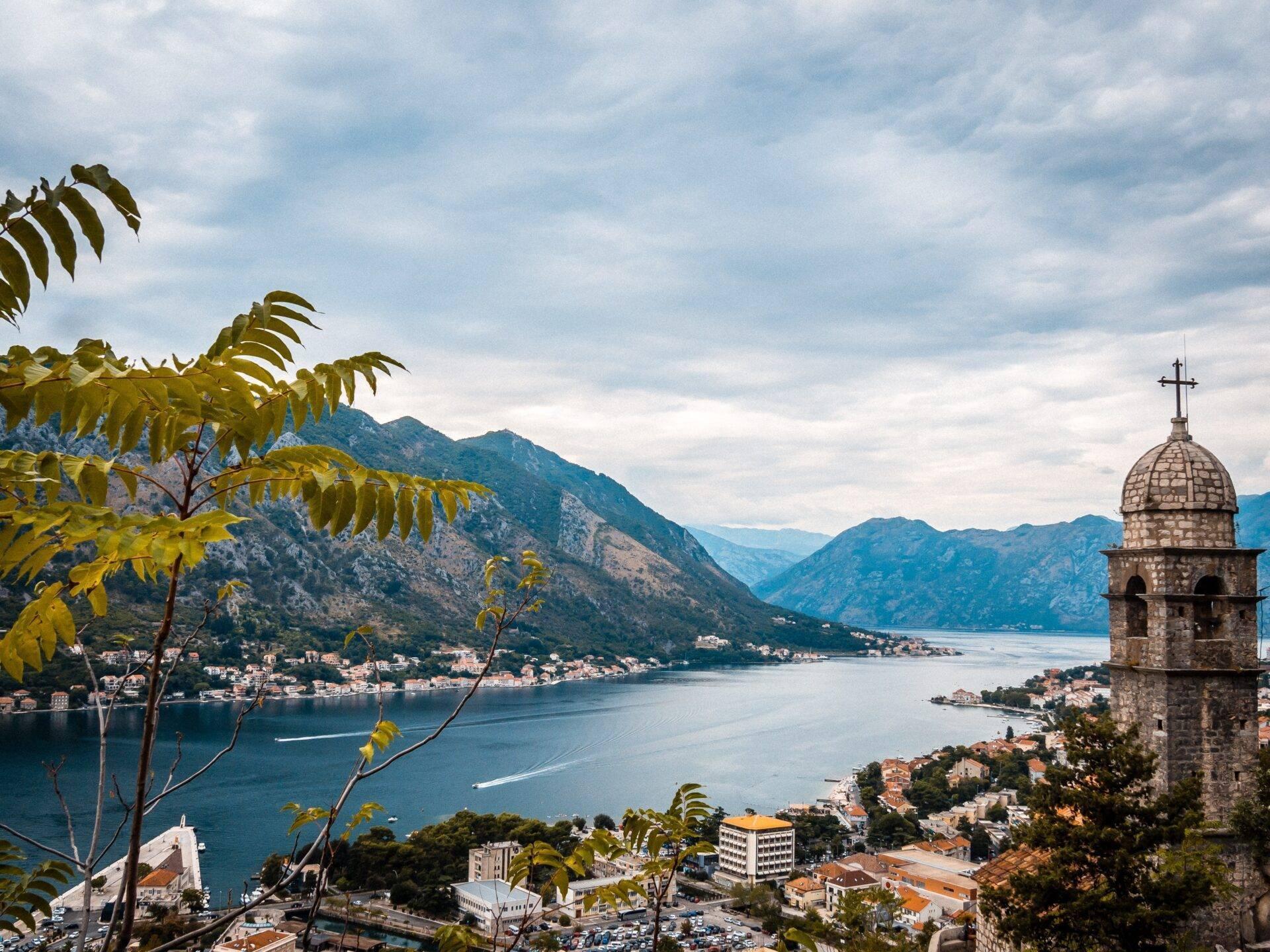
Kotor itself can be explored in half a day: the walled old town conceals cobbled lanes, shaded squares and the Fortress of St John, which rewards the climb with a sweeping view over the bay. A practical tip: go early in the morning or late afternoon to avoid the cruise ship crowds that arrive around 9.30am during high season.
Just 12 kilometres away, Perast lines its Venetian palaces along the waterfront, facing two small islands – one of which holds a church accessible only by rowing boat. The Lustica Peninsula to the south is ideal for meeting local olive oil producers and getting even further off the tourist trail. The bay sits just 90 kilometres from Dubrovnik, making it a perfectly doable day trip by car or bus from Croatia.
Protect my Balkans tripRonda, Andalusia’s White Village in the Sky
An hour from the Malaga coast, Ronda is one of the most spectacular towns in Spain. Perched high on the Serranía, this former outlaw stronghold of 18th-century Andalusia is split in two by the Tajo Gorge, which plunges 160 metres straight down.
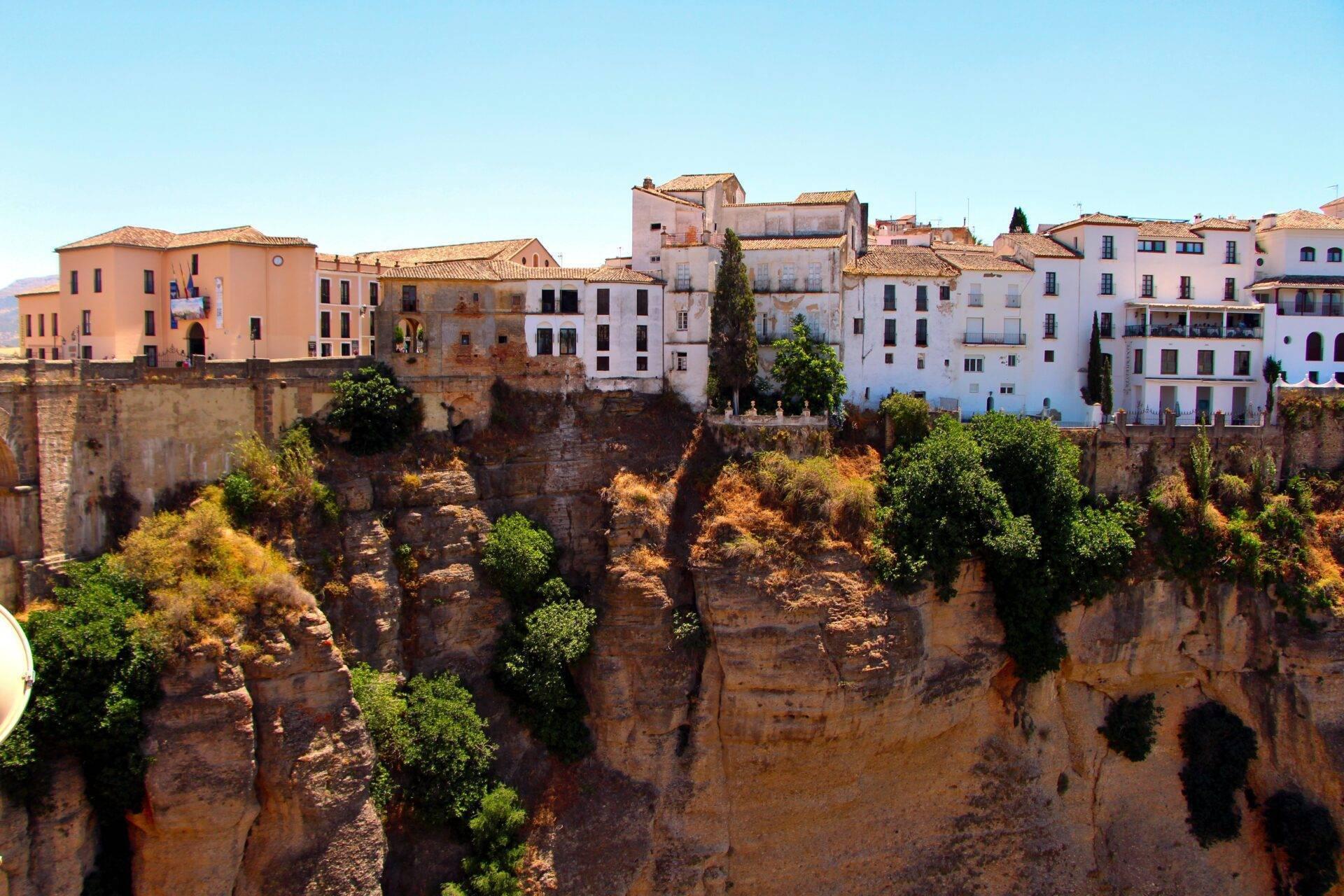
The Puente Nuevo (New Bridge) is the town’s defining landmark: designed by architect Martín de Aldehuela, who also built the bullring, it connects the old city, La Ciudad, with the modern quarter, El Mercadillo. The bridge has a dramatic past – it collapsed six years after construction, killing 50 people, and later gained notoriety during the Spanish Civil War. A small museum built into its interior tells the full story.
La Ciudad merits two hours of unhurried wandering: the Palace of the Moorish King (3,700 sq m, dating from the 14th century), with its hanging gardens and secret mine; the Arab Baths; and the Baroque palaces around the main square. Round off the visit with the Ronda bullring, one of the oldest in Spain, with a capacity of 5,000 and an adjoining bullfighting museum.
Utrecht: the Real Amsterdam
Forty-five minutes from Amsterdam by train, Utrecht is regularly overlooked by travellers in a hurry. Founded in the Middle Ages, the city grew prosperous on the back of its canals – the Oudegracht (11th century) still runs through the centre on two levels: the medieval cellars below street level have been converted into restaurants and bars still supplied directly from the water, a configuration found nowhere else in the world.
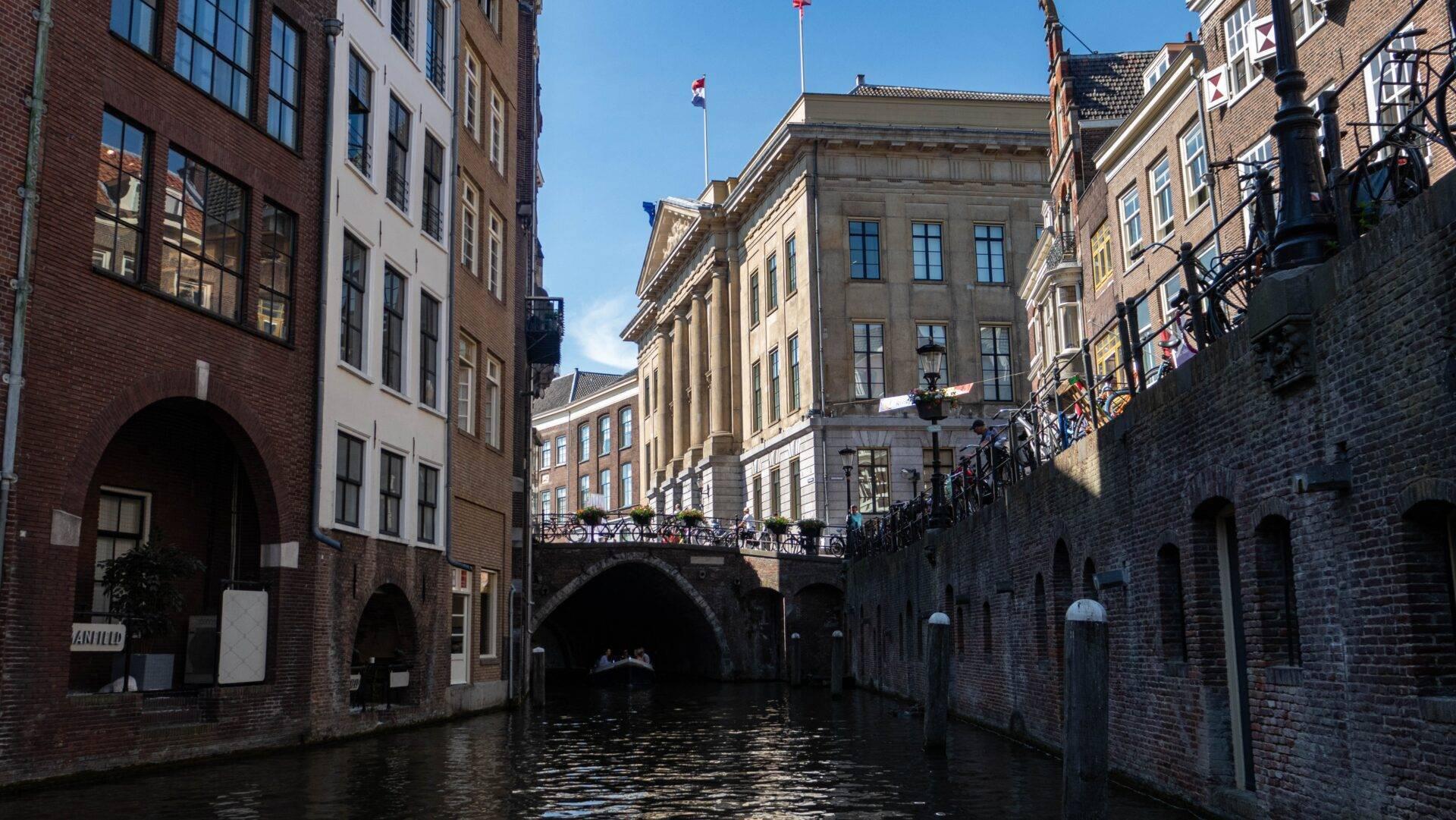
On the water: by canoe or kayak along the Oudegracht, a full loop with photo stops takes between 90 minutes and two hours. A boat trip along the Nieuwegracht or Stadsbuitengracht offers a different perspective on the historic centre.
The Domtoren rises 112 metres above the city. Built between 1321 and 1382, it is the tallest tower in the Netherlands. Its 465 steps – guided tour required – lead to a panorama stretching as far as Amsterdam and Rotterdam on a clear day. A short walk away, the neo-Renaissance building of Utrecht University (late 19th century) is worth a detour. Before you leave, try the appelbol, a local speciality: caramelised apple with raisins wrapped in puff pastry, sold at the Vismarkt market in the city centre.
For more inspiration on alternative travel itineraries, the travel diaries from Tour du monde des Loulous offer a first-hand perspective on lesser-visited destinations.
Olomouc, Moravia’s Baroque Gem
The former capital of Moravia (Czech Republic), Olomouc is the country’s fifth-largest city with around 100,000 inhabitants. Less visited than Prague, it reveals an astonishing depth of Baroque heritage. Its centrepiece, the Holy Trinity Column, erected between 1716 and 1754 to mark the end of a plague epidemic, has been a UNESCO World Heritage Site since 2000: it is the largest collection of Baroque sculptures assembled on a single artwork in Central Europe.
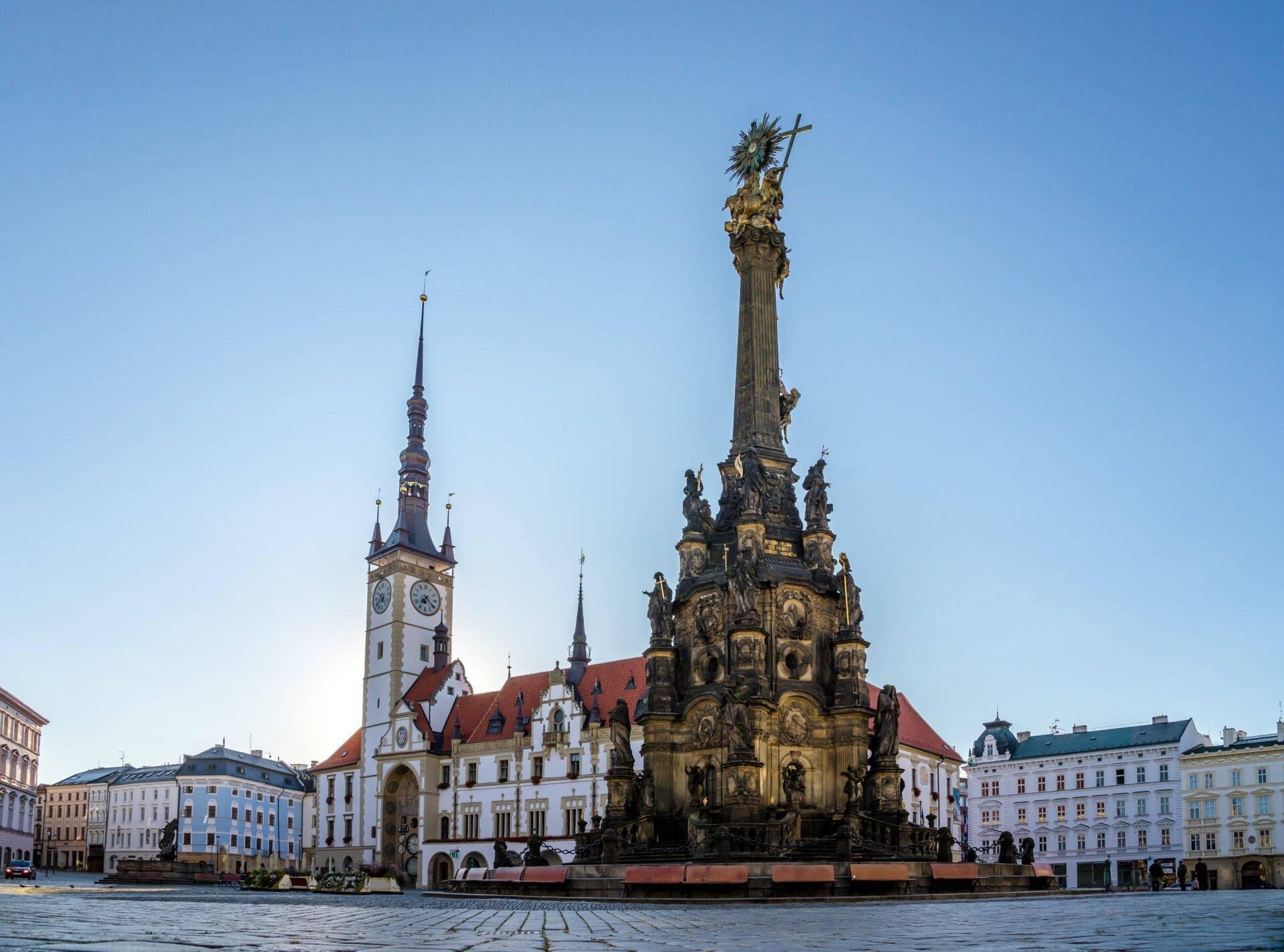
Horní náměstí (Upper Square) brings together the Renaissance Town Hall, the five-winged Salm Palace and a striking astronomical clock whose figures draw on Socialist Realist imagery. The city is also known for its six mythological Baroque fountains (Caesar, Hercules, Jupiter and others) scattered through its streets – a unique ensemble in Central Europe. A lesser-known fact: Mozart and his family stayed in Olomouc in 1767 to escape the smallpox epidemic then sweeping Vienna. Reachable in two hours by train from Prague or Brno, the city lends itself perfectly to a leisurely two-day stay.
Genoa: Italy’s Forgotten Great City
Overshadowed by Rome, Florence and Venice, Genoa nonetheless holds the largest medieval historic centre in Europe. Its labyrinthine alleyways, the caruggi, plunge visitors into an atmosphere of rare authenticity. The Via Garibaldi is home to 42 Palazzi dei Rolli, the noble palaces of Genoese aristocracy, inscribed as a UNESCO World Heritage Site in 2006: these mansions formed an official system for accommodating high-ranking guests, established by the Republic of Genoa as far back as 1576.
A city of sailors and merchants, Genoa was one of the most powerful cities in the Mediterranean during the Renaissance. Its old harbour (Porto Antico), redesigned by architect Renzo Piano, provides a striking contrast with the Baroque grandeur of the palaces. Ligurian cuisine can be enjoyed at very reasonable prices in the trattorie tucked into the caruggi: focaccia, Genoa’s own pesto, farinata. Twice a year, the Rolli Days open private palaces normally closed to the public. Less than three hours from Milan or Nice by train, Genoa pairs naturally with a tour of Liguria and the Cinque Terre.
The Albanian Riviera: the Mediterranean’s New Secret
Albania remains one of Europe’s least-discovered countries. Its Riviera, stretching along the south of the country, offers beaches with crystal-clear waters to rival Greece or Croatia – without the crowds or summer price tags. Between the Adriatic Sea, wild mountains and towns with Ottoman-era architecture, Albania packs a diversity of landscapes remarkable for such a small country. That same desire for authenticity drives travellers like the team at Wa Africa, who seek out destinations far from mass tourism.
Practical formalities: under the conditions in force in 2026, EU citizens (including French nationals) are exempt from visa requirements for stays of under 90 days in Albania, with a valid passport or national identity card valid for at least three months beyond the intended return date. Important note: automatic validity extensions applied to some national ID documents are not recognised by Albanian authorities – validity ends on the date printed on the card. The best time to visit the coast is June to September; spring is better suited to hiking in the Albanian Alps in the north. A key reminder: Albania is outside the European Union, which means standard EU health cover does not apply there. Travel insurance covering emergency medical treatment and repatriation is essential.
FAQ
Which European destinations are the most underrated to visit?
Among the least visited yet most rewarding: Montenegro (Bay of Kotor), Czech Moravia (Olomouc), the Albanian Riviera, Genoa in Italy and Puglia. These regions combine historic heritage, unspoilt landscapes and genuine local hospitality, without the overcrowding that plagues the major capitals.
How do you travel off the beaten track in Europe without making logistics complicated?
The key is to choose destinations close to well-connected major cities: Utrecht is 45 minutes from Amsterdam, Olomouc is two hours from Prague, Ronda is an hour from Malaga, Genoa is less than three hours from Nice. Hiring a car gives you the freedom to explore surrounding villages at your own pace. For accommodation, local guesthouses and B&Bs offer a far more authentic experience than large hotel chains.
Do you need a visa to visit Montenegro or Albania?
No, EU citizens do not need a visa for tourist stays of under 90 days in either country. A valid passport or national identity card is sufficient. Always check your government’s official foreign travel advice before you depart to confirm the exact entry requirements currently in force.
Is travel insurance necessary for a trip to the Balkans or Albania?
It is not a legal requirement in most cases, but it is strongly recommended. In countries outside the European Union (Montenegro, Albania, Serbia and others), standard EU health cover does not apply and a medical repatriation can cost several thousand euros. Travel insurance covering emergency treatment and repatriation is an essential safety net.
What is the best time of year to visit the Balkans and Albania?
Spring (April to May) and early autumn (September to October) are the ideal windows: pleasant temperatures, smaller crowds than in July and August, and more affordable prices overall. The Adriatic coast gets very busy in midsummer. If you are going in July or August, visit the main sites early in the morning to get there before the tour groups arrive.