
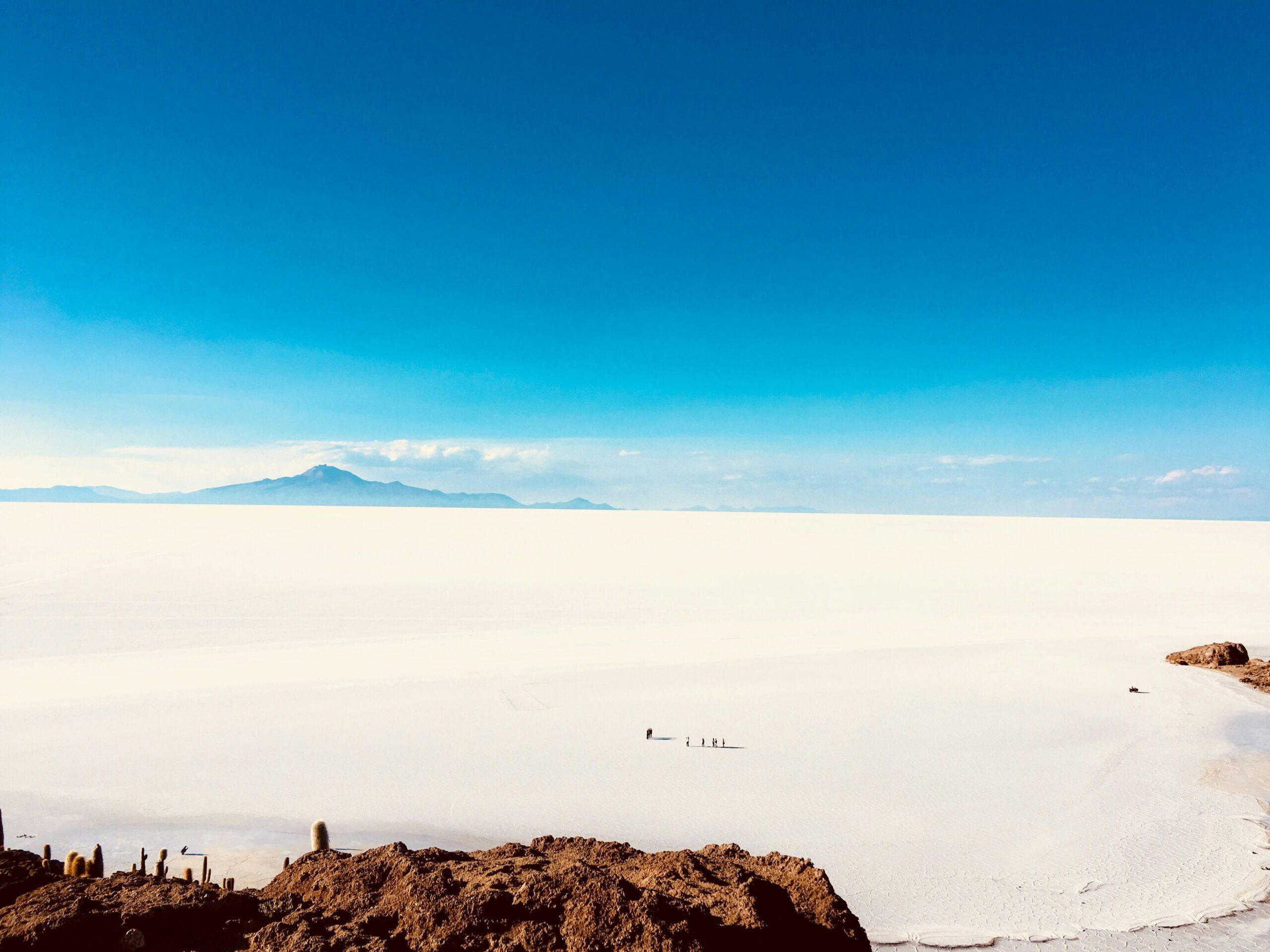
The Salar de Uyuni stretches across 10,582 km² at 3,658 metres above sea level in south-western Bolivia, making it the largest salt flat on the planet. Formed around 14,000 years ago from the drying of prehistoric Lake Tauca, it offers two utterly different experiences depending on the season: in the dry months, an endless white horizon cross-hatched with hexagonal slabs; in the wet season, a flawless mirror that dissolves the boundary between sky and earth. This is a destination that demands careful planning, especially when it comes to managing the effects of altitude.
Formation and geography: a landscape born from a prehistoric lake
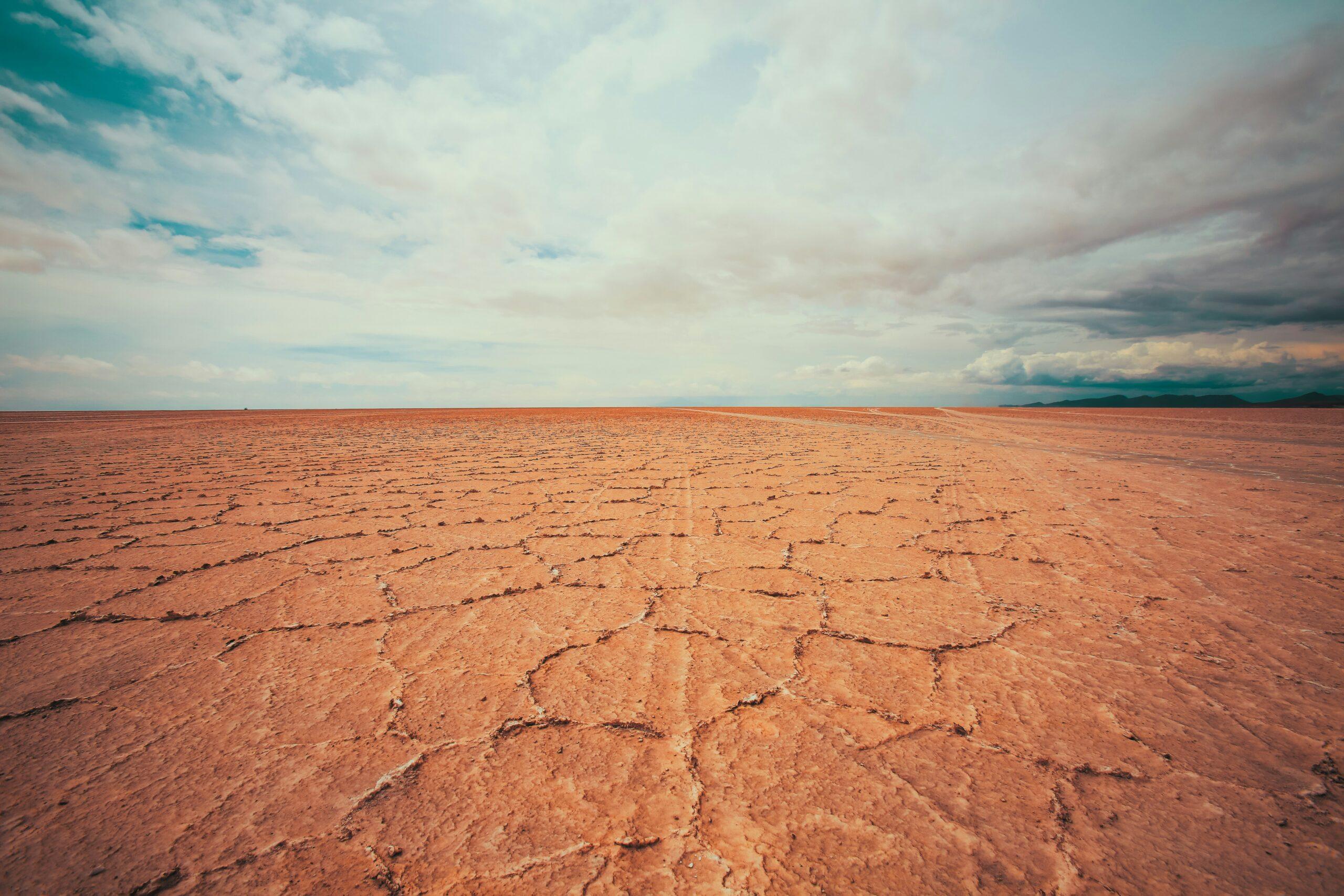
The salt crust varies in thickness from 2 to 120 metres depending on the area. Beneath the surface, a mineral-rich brine holds around 40% of the world’s extractable lithium reserves. Above ground, natural freeze-thaw cycles push up thousands of hexagonal polygons, a phenomenon common to evaporite deposits but one that reaches an unmatched scale here.
The salt flat lies within the department of Potosí, on the Andean altiplano. At this latitude and altitude, the atmosphere has an unusual clarity: light is intense from early morning, colours are saturated, and the silence is near-total when the wind drops.
Two seasons, two faces of the salt flat
The dry season: vastness and polygons (May to November)
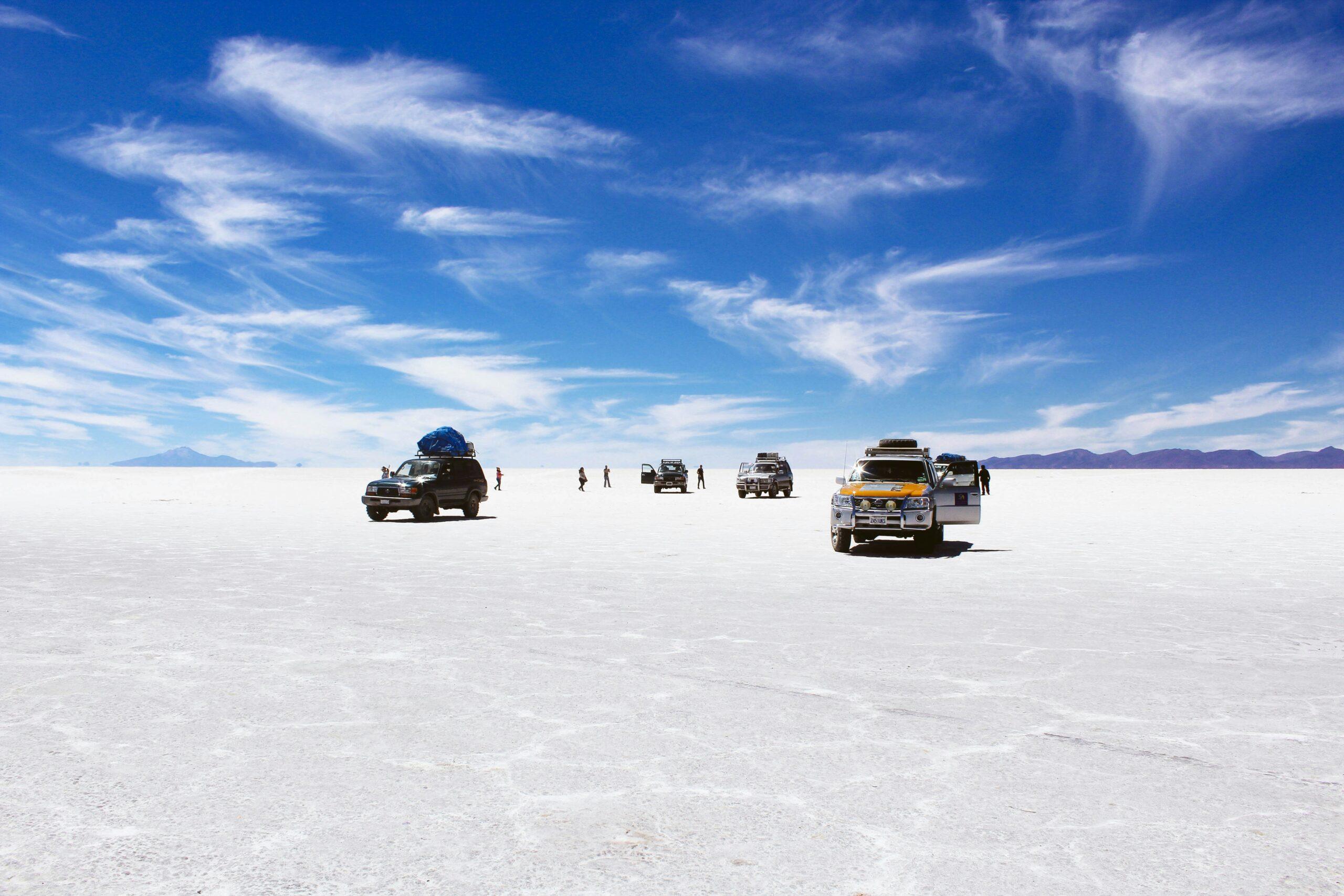
From May to November, rainfall is rare. The surface is hard, dry and perfectly navigable by 4x4. This is the most comfortable period to explore the salt flat and its surroundings: Incahuasi Island is easily accessible, and the tracks towards the coloured lagoons of the Sud-Lipez are passable without any risk of mud. August to November brings guaranteed sunny days, spectacular sunsets over the dazzling white expanse, and fewer crowds than the wet season. One caveat: nights from May to July can drop well below 0°C.
The wet season: the mirror effect (December to April)
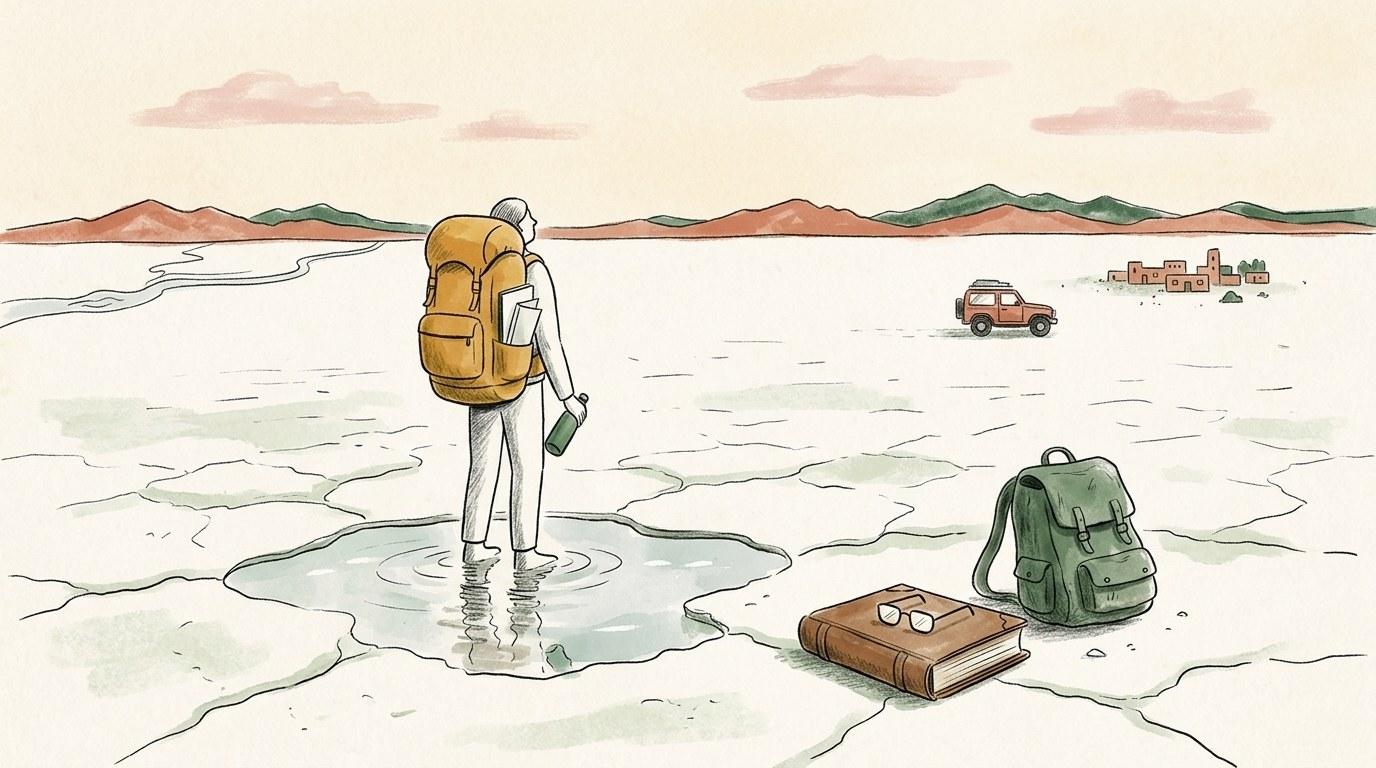
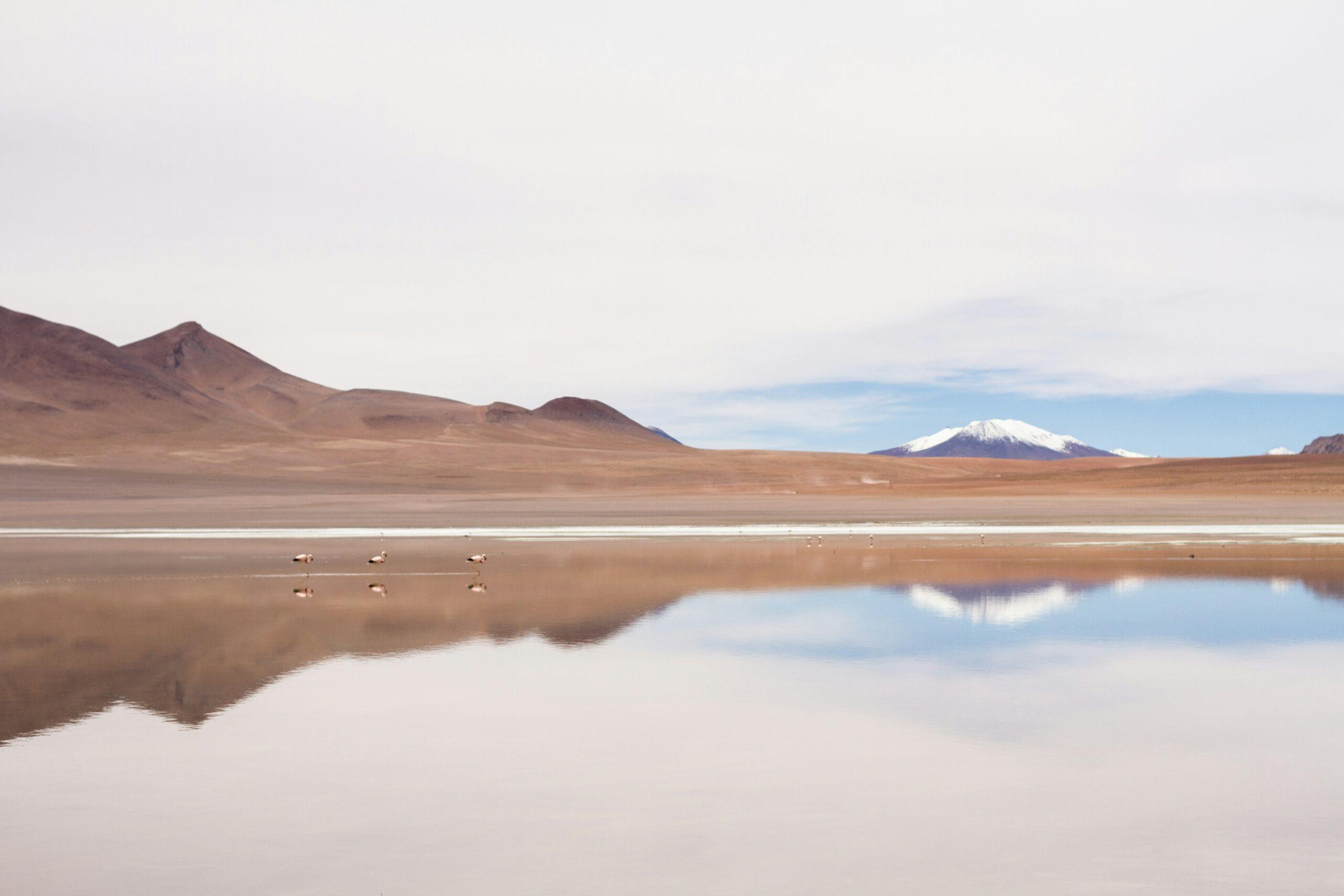
Between December and April, rain covers part of the salt flat with a thin film of water. When the wind dies down and the sky clears, the surface becomes a perfect mirror reflecting clouds and mountains. The December-February window offers the best odds of catching this effect. Crossing by 4x4 remains possible, but the peripheral areas can be temporarily unreachable during heavy rainfall. Daytime temperatures range from around 13 to 20°C, making these the mildest conditions of the year.
What to see around the salt flat
Incahuasi Island and its ancient cacti
In the heart of the salt flat, about twenty kilometres from the edge, Incahuasi Island rises like a fossilised coral reef in a sea of white. It is carpeted with giant cacti, some reaching 1,200 years old. The climb to the summit rewards you with a 360-degree view over the salt plain, one of the most arresting panoramas in the entire Andean region.
Pink flamingos and altiplano wildlife
Around the edges of the salt flat and in the coloured lagoons of the Sud-Lipez, three species of flamingo coexist: the James’s flamingo, the Andean flamingo and the Chilean flamingo. You may also spot viscachas (small, rabbit-like Andean rodents), Magellan foxes and Andean geese. Laguna Colorada, reachable on three-day circuits, offers the most rewarding conditions for wildlife watching.
Getting to the Salar de Uyuni
The town of Uyuni is the main gateway. Local agencies offer 4x4 tours with a driver-guide, lasting from one to three days:
- 1 day: the salt flat, Incahuasi Island and sunset over the salt.
- 3 days: the full circuit including the Sol de Mañana geysers, the coloured lagoons (Colorada, Verde) and either the Chilean border crossing or a return to Uyuni.
From La Paz or Oruro, buses connect to Uyuni in 6 to 10 hours depending on the vehicle. Domestic flights also operate from La Paz (around 45 minutes), run in particular by Amaszonas.
From San Pedro de Atacama in Chile, reverse circuits are popular with travellers combining both countries.
Entry requirements for French nationals
French nationals do not need a visa to enter Bolivia. A passport valid for at least six months beyond the return date is sufficient. Tourist stays are limited to 30 days, extendable free of charge up to 60 days at immigration offices in La Paz, Uyuni, Cochabamba, Santa Cruz and other cities. Before you travel, check the current requirements with the Bolivian embassy in France or French consular authorities, as conditions can change.
Altitude and health: planning your trip properly
At 3,658 metres, altitude sickness (known locally as soroche) can affect any traveller regardless of fitness level. Classic symptoms such as headaches, nausea and intense fatigue often appear within the first few hours of arriving at altitude. Standard advice: arrive gradually (spending one or two days in La Paz or Sucre before heading to Uyuni), drink plenty of water, avoid alcohol for the first few days and take things slowly. Coca leaf tea, available everywhere locally, is traditionally used to ease symptoms.
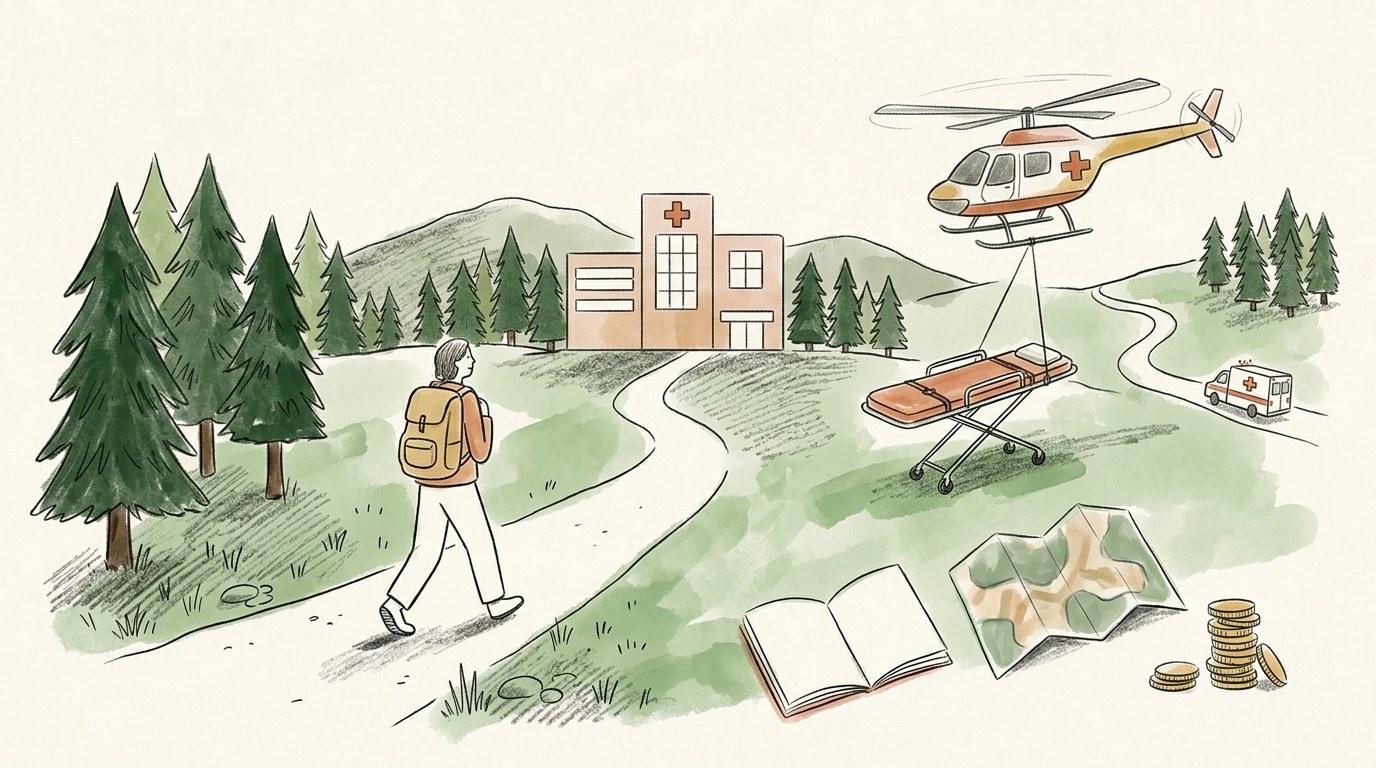
Hundreds of kilometres from the nearest well-equipped hospital, a medical emergency or evacuation could run to a considerable cost. Before heading to the Bolivian altiplano, travel insurance covering medical expenses and repatriation is genuinely essential.
Protect my trip to BoliviaLegends and Aymara culture
The Salar de Uyuni is surrounded by volcanoes considered sacred by the Aymara and Quechua communities of the altiplano. In the local cosmovision, Pachamama (Mother Earth) and the Apus, mountain spirits, watch over these lands. Cerro Tunupa, an extinct volcano overlooking the northern edge of the salt flat, is particularly venerated: the inhabitants of the village of Coquesa at its foot believe it plays a protective role. Aymara archaeological sites are visible on its slopes and well worth a detour for anyone with a spare day.
These beliefs lend the salt flat a spiritual dimension that its sheer visual beauty alone cannot fully capture. Every grain of salt seems to carry the memory of a place that has been inhabited for thousands of years.
FAQ
When is the best time to visit the Salar de Uyuni?
It depends what you are after. For the mirror effect, the wet season from December to April is your best bet, with the highest probability in December-February. For stress-free conditions and maximum logistical comfort, the dry season from August to November is the most practical and the most photogenic. Both periods deliver completely different experiences, and both are spectacular.
Do French nationals need a visa for Bolivia?
No. French nationals enter Bolivia without a visa, with a passport valid for at least six months beyond the return date. The permitted tourist stay is 30 days, extendable free of charge to 60 days. Check the current conditions with the Bolivian embassy before you travel.
Is altitude sickness a real risk at the Salar de Uyuni?
Yes. At 3,658 m, reduced oxygen can trigger headaches, nausea and intense fatigue within the first few hours. Gradual acclimatisation, good hydration and taking things slowly are all strongly recommended. For severe symptoms, descending to a lower altitude remains the only reliable remedy.
How long should I allow for a visit to the Salar de Uyuni?
One day from Uyuni is enough to see the salt flat and Incahuasi Island. For the full experience, including the Sol de Mañana geysers, the coloured lagoons and potentially crossing into Chile or returning via varied landscapes, allow at least three days.
Is the salt flat accessible year-round?
Yes, though with some caveats. In the dry season, access is straightforward and consistent. In the wet season, the edges can be temporarily flooded and some areas unreachable for a few weeks at a time. Local agencies know which zones are passable and adjust itineraries accordingly.